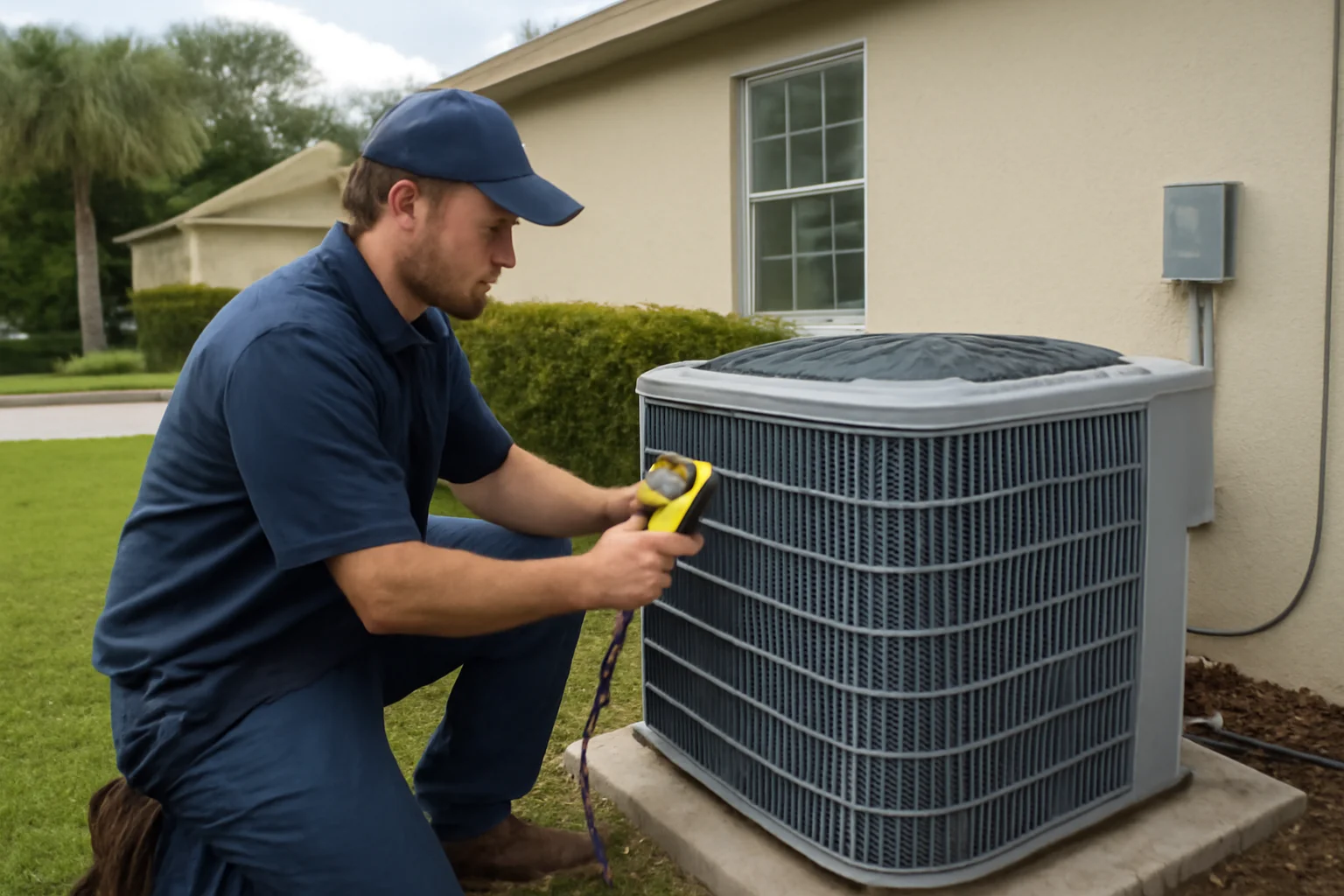
Parker, FL businesses rely on air conditioning to keep customers comfortable and employees productive. But coastal humidity, salt air, and long cooling seasons can wear out HVAC components faster than many owners expect. Whether your commercial building is older with legacy ductwork or newer with modern controls, a preventive maintenance plan helps protect airflow, indoor air quality, and energy use while reducing the chance of emergency cooling issues.
This guide explains what homeowners and property managers should know about commercial HVAC maintenance for older and newer buildings in Parker, and how to work with a local HVAC company that understands Bay County conditions.
Why Parker’s climate makes commercial HVAC maintenance non optional
Commercial systems in Parker must handle heat and humidity year after year. When outdoor conditions stay warm and moisture laden, cooling equipment works harder to remove humidity and maintain stable indoor temperatures. That means:
Airflow has to be consistent. Dirty filters, clogged coils, or restricted ductwork can reduce airflow, causing the system to run longer and struggle to dehumidify.
Condensate drainage matters. When condensate drainage is blocked or poorly maintained, it can lead to moisture problems in the air handler or on equipment surfaces. That can also affect indoor air quality.
Corrosion and buildup are real. Salt air can accelerate corrosion on certain metal components. Without regular cleaning and inspection, outdoor units and coil surfaces can degrade faster.
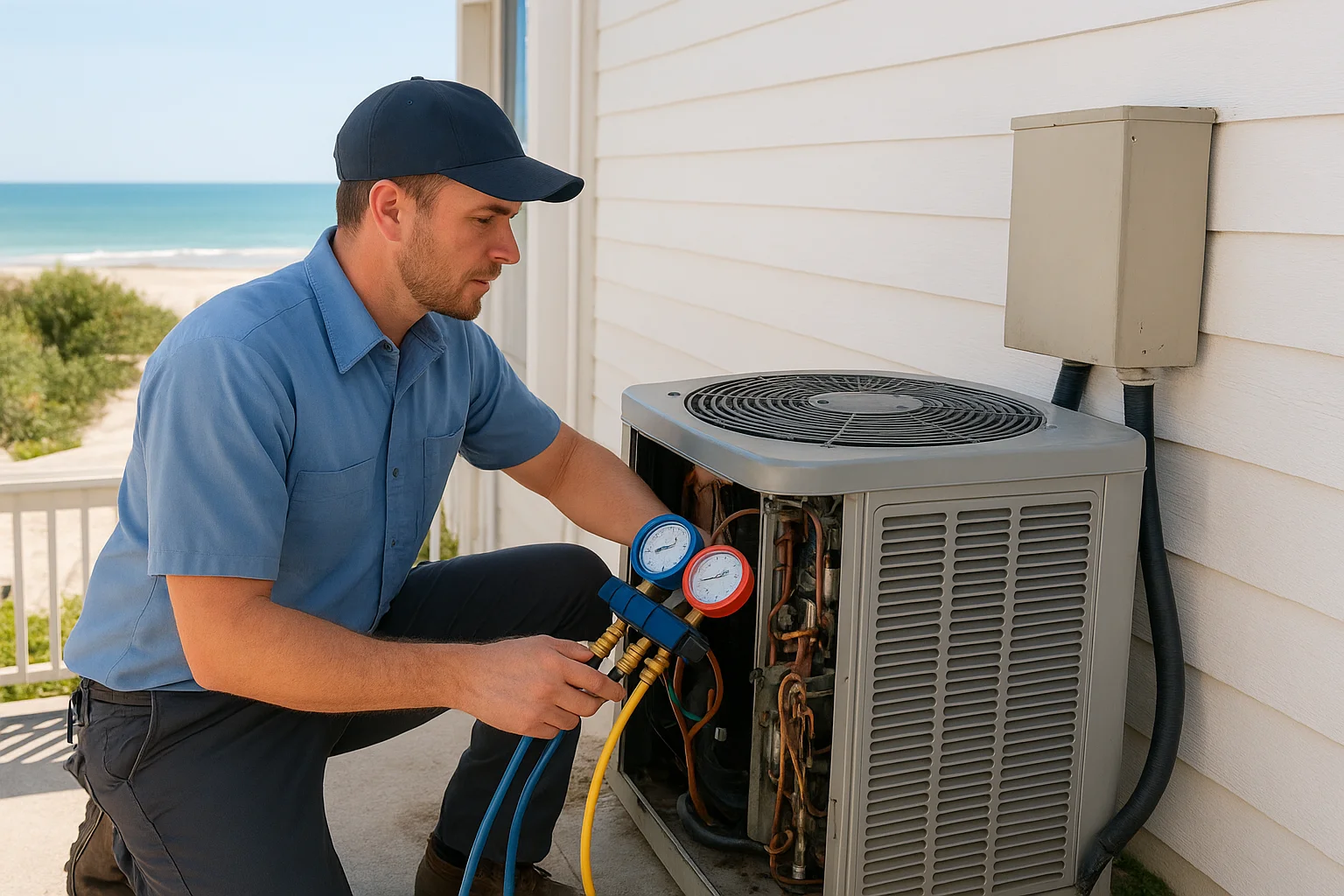
Refrigerant systems need careful attention. If airflow is off or coils are dirty, refrigerant performance can be impacted. A professional technician uses in person evaluation to determine what is actually happening before taking action.
For many owners searching for commercial HVAC service near me, the goal is predictable comfort and fewer disruptions. Preventive HVAC maintenance near me is often the difference between a planned service visit and an emergency AC repair near me scenario during peak demand.
Older commercial buildings: the maintenance challenges you can see and the ones you cannot
Older commercial properties in Parker may have systems that were installed to meet older design standards, with ductwork that has been patched over time or with equipment that has been repaired repeatedly. Even if the building is still cooling, it may not be operating the way it was designed to operate.
Common older building issues
Leaky or undersized ductwork. Ductwork can lose conditioned air through joints, worn sections, or poor routing. That can reduce airflow to occupied spaces and increase load on the system.
Coil and filter restrictions. Over time, coil surfaces collect dust and debris. Filters that are not maintained can restrict airflow and reduce the system’s ability to remove humidity.
Thermostat or control mismatches. Older thermostats or control sequences may not coordinate well with the current comfort needs of the building. That can create temperature swings and higher energy use.
Condensate drainage problems. Older drain lines or drain pans may become slow draining due to buildup. This can raise humidity indoors and contribute to moisture related concerns.
Maintenance steps that protect older systems
For older buildings, a strong maintenance plan often includes a focused look at airflow pathways, duct condition, and moisture management. Owners considering duct inspection can learn where airflow is being lost before comfort complaints become urgent.
It also helps to schedule service that addresses:
Air conditioning service and coil cleaning as part of routine checks, not just when comfort problems appear.
Refrigerant system checks that are based on observed operation and measured conditions. A technician should not assume the cause of performance issues without verification on site.
Condensate drainage inspection to confirm proper drainage and to reduce the risk of moisture accumulation.
Thermostat and control verification so the system responds correctly to occupied and unoccupied schedules.
Keeping commercial HVAC problems small in Parker often starts with catching airflow and drainage issues early, before they escalate during the hottest weeks.
If you want more context on practical maintenance decisions, see Keeping Commercial HVAC Problems Small in Parker, FL.
Newer commercial buildings: maintenance still matters, just in different ways
Newer construction can include improved insulation, better ventilation strategies, and modern rooftop units or packaged systems. Still, newer HVAC systems can suffer from performance drift if filters, ductwork, airflow balance, and controls are not maintained.
Newer building issues that show up over time
Airflow issues caused by changing usage. A business that expands seating, adds equipment, or changes hours can create conditions the original airflow plan did not anticipate.
Indoor air quality problems. Even efficient systems can underperform if air filters are not replaced on schedule or if outdoor air intake and economizer operation are not checked.
Control tuning and thermostat settings. Newer thermostats and building automation systems can be set incorrectly or overridden by schedules that no longer match operations.
Ductwork and airflow balance changes. Tenant improvements, ceiling modifications, and rerouted returns can reduce airflow where it matters most.
What preventive HVAC maintenance looks like for newer systems
For newer buildings, preventive maintenance often focuses on maintaining design performance. That can include:
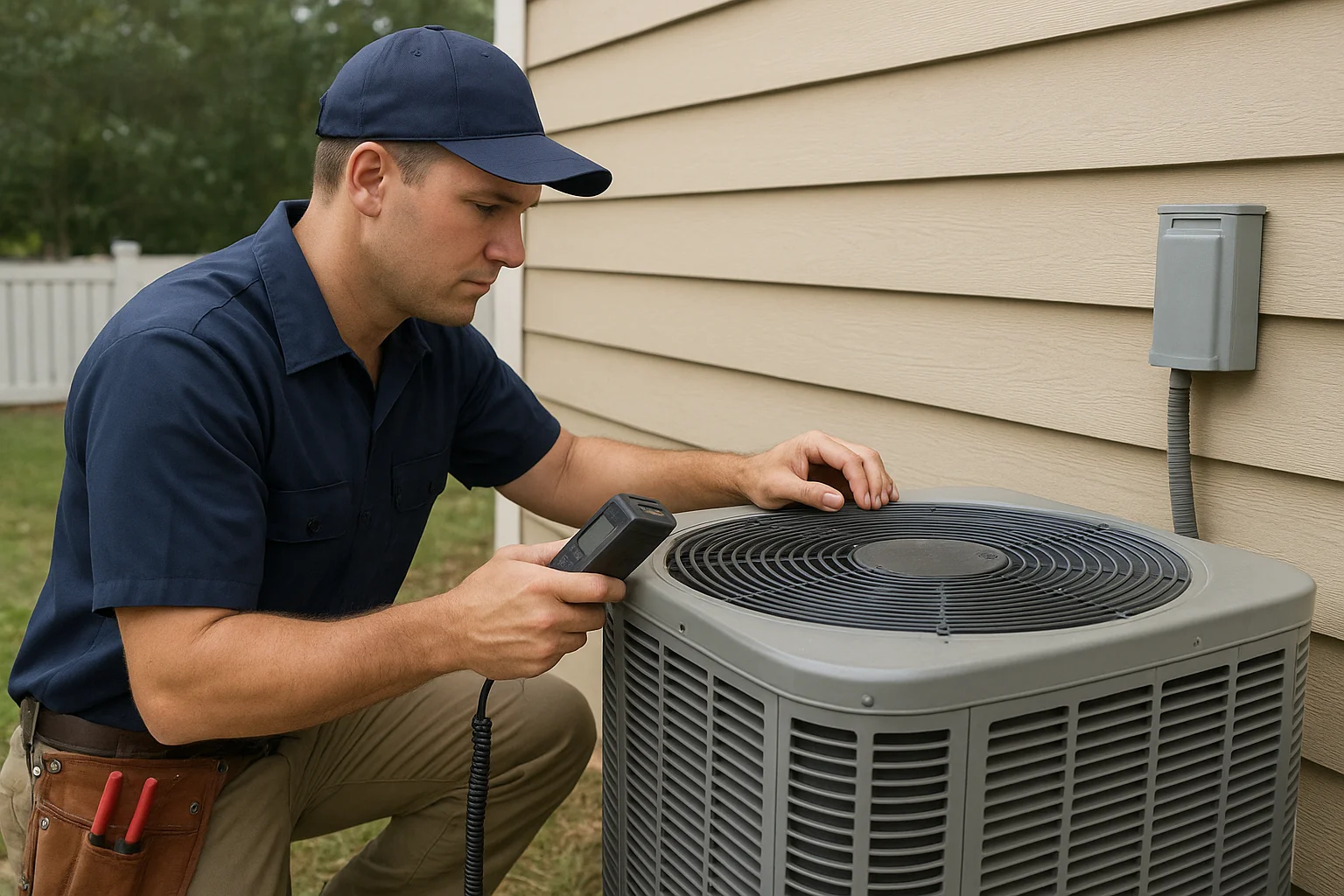
Air conditioning inspection and verification of proper operation across cooling modes.
Heat pump service checks if your system uses heat pump operation for shoulder seasons. Coastal humidity can still affect comfort and dehumidification performance.
Indoor air quality monitoring and filter strategy aligned with occupancy and local air conditions.
Energy use verification by confirming the system is running only when needed and that airflow is not restricted.
For owners who want to keep comfort stable while reducing avoidable strain, it helps to review maintenance planning like a smarter approach to commercial HVAC maintenance.
Airflow and ductwork: the maintenance topic that affects everything
Airflow is one of the most important links between comfort, humidity control, and energy use. In Parker, where the air can stay humid, poor airflow can make it harder for the system to remove moisture. That can lead to complaints like “it feels muggy,” “some rooms are colder,” or “the system runs constantly.”
What to check in ductwork and distribution
Return and supply balance. If returns are blocked or supplies are restricted, the system may not deliver the right amount of air.
Visible duct issues. Duct gaps, loose connections, and damaged insulation can allow conditioned air to escape or allow moisture to affect the duct environment.
Air leaks and airflow loss. Even small leaks add up in a commercial building with many zones.
If you are trying to decide whether ductwork should be addressed before the next hot season, start with inspection. You can also compare options with duct replacement when ducts are severely compromised.
Owners often ask about duct sealing and performance upgrades. A helpful read is Planning duct sealing and Aeroseal work before Parker heat and humidity.
Refrigerant systems: why “it seems low” is not enough
When a commercial system does not cool as expected, refrigerant systems can be part of the story. However, refrigerant performance depends on airflow, coil cleanliness, and operating conditions. That is why homeowners and property managers should avoid guessing.
Only an in person professional evaluation should determine what is occurring. A technician will consider system operation, airflow, and measured conditions before making recommendations. If refrigerant work is required, it should be handled according to safe and appropriate procedures.
For building owners, the practical takeaway is this: good maintenance reduces the odds of performance issues that lead to emergency calls. It also helps ensure any refrigerant related concern is approached correctly rather than based on assumptions.
Condensate drainage and humidity control in Bay County
Condensate drainage is easy to overlook because it often happens quietly. Yet when drainage is restricted, moisture can build up around the air handler or in nearby areas. In a humid coastal climate, that can worsen comfort problems and affect indoor air quality.
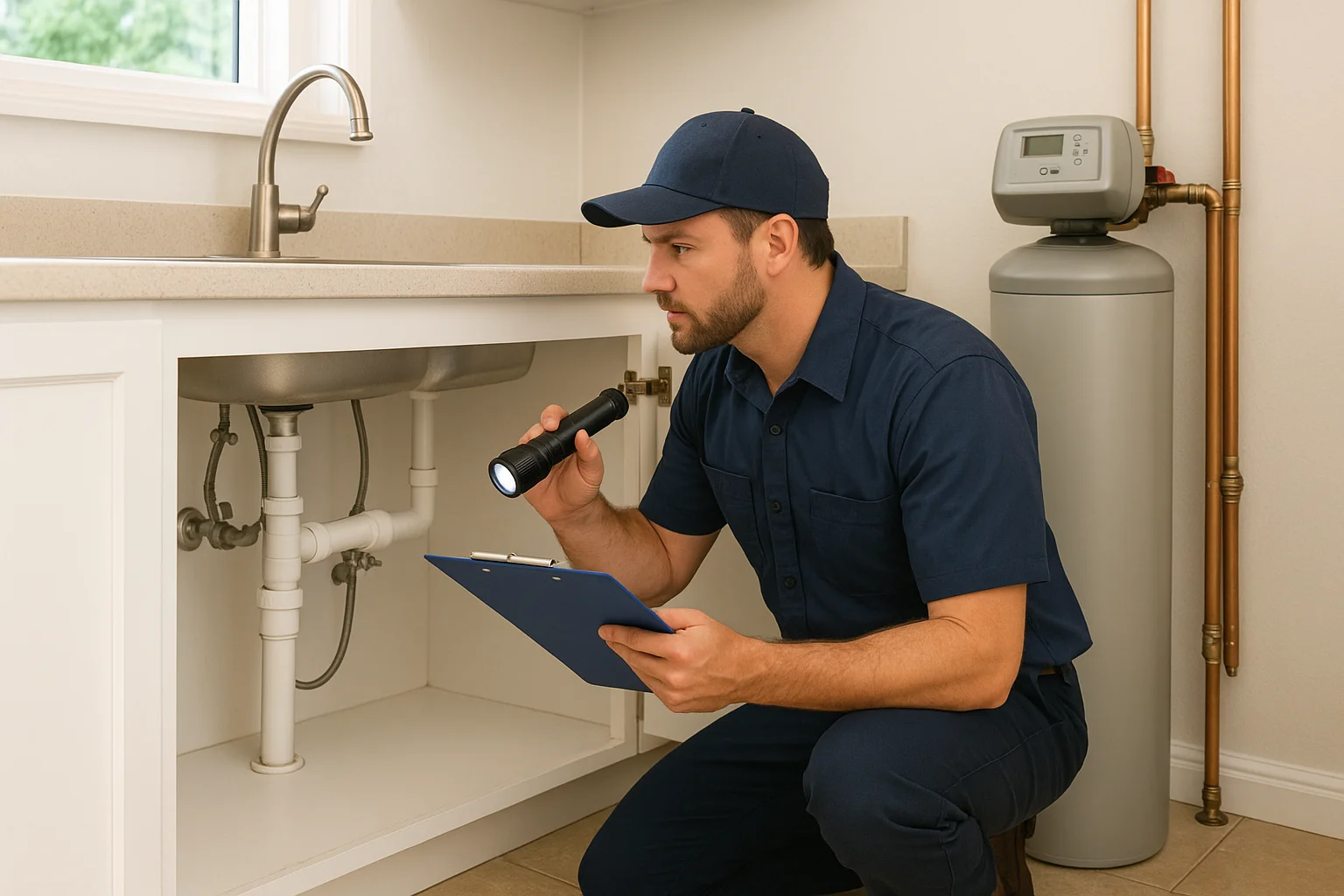
During commercial HVAC maintenance, a technician should inspect drainage components as part of routine service and verify that condensate can flow properly when the system runs. This is especially important for buildings with older drain lines or for systems that have been repaired multiple times.
Thermostats, controls, and scheduling that actually match the building
Modern commercial comfort depends on more than temperature. The thermostat and control system determine when the equipment runs, how it stages, and how it responds to occupancy. In Parker, where outdoor conditions can swing between hot and humid stretches and brief cooler periods, controls can significantly affect energy use.
Common control related maintenance items include:
Schedule review. Many comfort complaints come from schedules that do not match current business hours.
Setpoint strategy. Setpoints that are too aggressive can increase runtime and strain components without improving comfort.
Sensor placement and calibration. If sensors are blocked by signage, furniture, or direct airflow, readings can be inaccurate.
If your building needs a thermostat upgrade or improved control setup, look for thermostat installation near me from a provider that also understands commercial systems. A Superior Mechanical can help coordinate service with your existing equipment and comfort goals. You can also reference air conditioning inspection to ensure controls and equipment are working together.
Indoor air quality: maintenance is part of the comfort story
Commercial HVAC maintenance affects indoor air quality through filtration, airflow, and humidity control. In Parker, high humidity can contribute to musty odors or a “stale” feel if the system is not managing moisture properly.
Maintenance that supports indoor air quality typically includes:
Filter inspection and replacement planning based on occupancy and seasonal conditions.
Coil cleanliness so the system can cool and dehumidify effectively.
Verification of outdoor air intake operation where applicable to your system type.
Airflow checks that prevent dead spots and uneven distribution.
If you are deciding whether ductwork or airflow improvements are part of your indoor air quality plan, a duct inspection can be a useful first step. For larger changes, some owners explore duct replacement when ducts are no longer performing safely or efficiently.
Energy use and equipment life: what preventive maintenance helps protect
When airflow is restricted or coils are dirty, commercial HVAC systems can run longer and cycle more frequently. That increases wear and can lead to more frequent repairs. Preventive maintenance helps keep systems operating closer to design performance, which can support steadier comfort and more efficient operation.
Owners often ask about energy use because they want to manage operating costs without sacrificing comfort. While specific savings depend on your building, equipment, and usage, the maintenance logic stays the same: airflow, filtration, coil cleanliness, and control accuracy reduce unnecessary strain.
If you are weighing whether a maintenance plan is worth it compared to waiting for a breakdown, it helps to read smart ways to manage air conditioning service in Bay County for practical guidance that applies to commercial comfort planning as well.
Emergency cooling concerns: how to reduce the odds of a mid summer shutdown
In Parker, the most stressful HVAC moments often happen during peak heat and humidity. Emergency cooling concerns can include equipment that will not start, uneven cooling across zones, or comfort issues that get worse quickly.
Preventive maintenance reduces risk by addressing common failure contributors like dirty coils, restricted airflow, drainage concerns, and control problems. It also gives technicians a baseline of how your system is operating, so changes are easier to spot.
If you are already dealing with repeated comfort issues, it can be tempting to keep patching problems. A better approach is to identify the pattern and address the root causes through a planned commercial HVAC maintenance visit. For owners who want to stay proactive, you can explore commercial HVAC maintenance for Parker and the surrounding Bay County area, and learn how A Superior Mechanical builds maintenance around the building type and operating schedule.
Knowing when maintenance is not enough and system replacement planning should start
Preventive maintenance can extend equipment life, but it does not stop the reality that equipment ages. If your system is frequently repaired, struggles to maintain comfort despite clean coils and adequate airflow, or has persistent control and operational issues, replacement planning may be appropriate.
Replacement decisions should be based on an in person evaluation of the equipment and the building’s distribution system, not on guesswork. A technician should also consider whether ductwork performance, airflow balance, and indoor air quality needs are contributing to the problem.
If you are at that stage, it can help to review options for commercial HVAC installation alongside a maintenance and ductwork plan. For broader context on local service, visit the Parker service area page and the Bay County service area page.
What to ask your HVAC contractor before the next maintenance visit
When you are hiring an HVAC contractor near me or looking for commercial HVAC service near me, ask questions that confirm the maintenance approach fits your building. Useful questions include:
How will you address airflow and duct related concerns? Ask whether duct inspection is recommended and how they evaluate distribution.
Will you inspect condensate drainage and moisture related components? This is a key topic in humid Parker conditions.
How do you evaluate indoor air quality factors? Ask about filter strategy and coil condition checks.
Do you review thermostat and control schedules? Controls are often a major driver of comfort complaints and energy use.
What happens if you find a problem? You want a clear plan for next steps, whether it is an adjustment, additional diagnostics, or a repair.
These questions help ensure the service is more than a checklist. They help confirm that your maintenance plan supports comfort, humidity control, and efficient operation across both older and newer commercial buildings.
Find Commercial HVAC Maintenance in Parker, FL
If you need Commercial HVAC Maintenance in Parker, FL, visit our local service page or contact A Superior Mechanical today.
Map of Parker, FL
Frequently Asked Questions
How often should a commercial HVAC system in Parker, FL be maintained?
Many commercial systems benefit from scheduled preventive HVAC maintenance throughout the year, with heavier focus before the hottest stretch. The right frequency depends on equipment type, occupancy, ductwork condition, and how hard the system runs in Parker’s heat and humidity.
Can poor ductwork cause my commercial AC to run longer even if the thermostat is set correctly?
Yes. Restricted airflow from leaky or undersized ductwork can reduce cooling performance and humidity removal. That often leads to longer run times and uneven comfort. A duct inspection can help confirm whether distribution is contributing to the issue.
What maintenance items matter most for humidity control in Bay County?
Airflow, coil cleanliness, filter condition, and condensate drainage are key. If condensate drainage is restricted or coils are dirty, the system may struggle to remove moisture, which can affect indoor air quality and comfort.
Is it okay to wait until the system breaks down to save money?
Waiting often increases the chance of emergency cooling concerns during peak heat. Preventive maintenance helps catch airflow, drainage, and control issues early, which can reduce unexpected failures and support steadier comfort.
Should refrigerant be checked as part of routine commercial HVAC maintenance?
Refrigerant system performance should be evaluated based on observed operation and in person measurements by a qualified technician. Refrigerant concerns should not be diagnosed or corrected without an on site assessment, because airflow and coil condition can strongly influence system behavior.
Related Articles
- Keeping Parker Businesses Comfortable: A Smarter Approach to Commercial HVAC Maintenance at Home
- Planning Duct Sealing and Aeroseal Work Before Parker Heat and Humidity Push Your HVAC Harder
- Keeping Parker Homes Cooler, Longer: Smart Ways to Manage Air Conditioning Service in Bay County
- Keeping Commercial HVAC Problems Small in Parker, FL
Photo Gallery