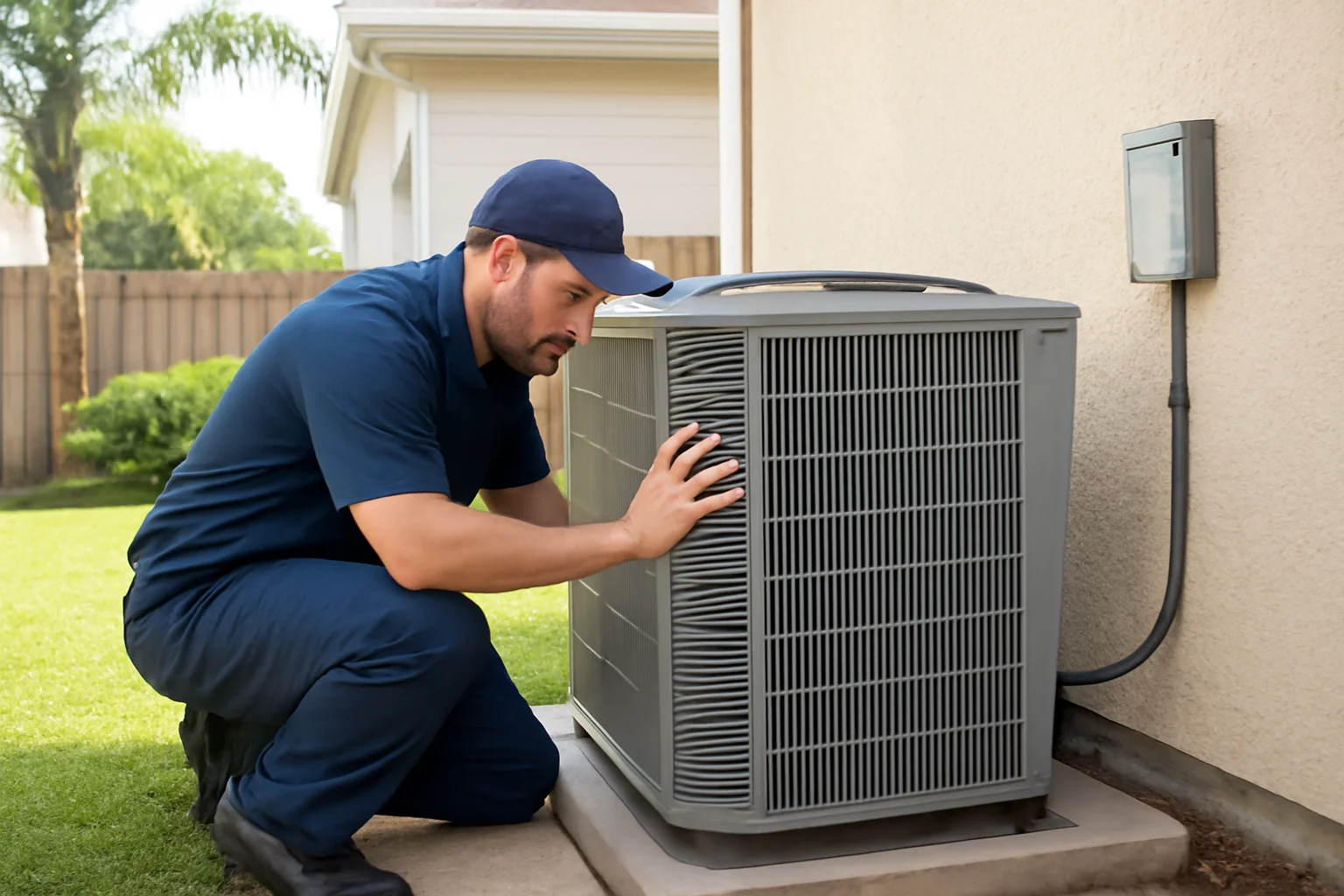
30A homes are built for coastal living, but the same Florida heat, humidity, and salt air that make the area beautiful can also stress HVAC systems. When airflow slows down, comfort drops, and energy use rises, many homeowners assume the problem is the air conditioner or heat pump. Often, the real culprit is the ductwork.
This guide connects common HVAC warning signs to duct inspection. You will learn what to look for, why duct problems matter in Walton County, and how professional duct inspection in 30A, FL can support smarter HVAC maintenance, better indoor air quality, and dependable cooling when you need it most.
Why ductwork problems show up as HVAC warning signs
Your HVAC system is a matched set. The refrigerant system, blower, evaporator coil, thermostats, and ductwork all work together to move conditioned air through your home. When ductwork is restricted, leaking, or poorly designed for the layout, the system compensates in ways that can look like an AC repair problem.
In 30A’s humid coastal climate, ductwork also has to handle moisture. If ducts leak air into attics or crawl spaces, humidity can enter the system path. That can lead to musty odors, higher indoor humidity, and air quality concerns. It can also increase condensate drainage demands when cooling cycles pull moisture from indoor air.
That is why duct inspection is an essential part of preventive HVAC maintenance. It helps confirm whether the warning signs you notice are coming from airflow restrictions, duct leaks, or other duct-related issues rather than something else inside the HVAC cabinet.
HVAC warning signs that often trace back to duct inspection
1) Hot and cold rooms that do not match the thermostat settings
Uneven temperatures are a classic complaint in larger 30A homes and vacation rentals. If one area stays warm while another feels cool, the thermostat may be sensing comfort correctly while the system fails to deliver conditioned air where it is needed.
During duct inspection, technicians look for common airflow blockers like disconnected or crushed duct sections, poorly sealed joints, undersized duct runs, or imbalanced airflow at registers. Even small leaks can reduce the amount of air reaching certain rooms.
2) Weak airflow from vents even when the system runs
When the blower runs but airflow feels thin, the duct system may be restricted. This can happen from duct sagging, debris buildup, collapsed ductwork, or duct leakage that sends air into unconditioned spaces.
Florida heat and humidity can also worsen the problem when ducts are exposed to hot attic air. Warmer duct surfaces can affect the temperature of the air traveling through them and make cooling feel less effective.
3) Rising energy use or the system cycling more often
If your air conditioning service costs feel unpredictable, duct issues may be part of the story. Leaky ducts can make the system work harder to reach comfort targets. That can increase runtime and strain on components across the refrigerant system and blower.
Homeowners searching for “HVAC maintenance near me” often want to avoid mid-summer breakdowns. A duct inspection helps identify whether energy use concerns are tied to airflow loss and inefficient distribution.
4) More humidity indoors, especially during humid stretches
In 30A’s coastal environment, humidity is not a minor factor. If indoor humidity stays high even when the thermostat calls for cooling, the duct system may not be delivering air the way it should. Air leaks can pull moisture into the air stream, and temperature changes along duct surfaces can contribute to condensation-related conditions.
Technicians also consider condensate drainage performance since condensate removal is tied to effective dehumidification during cooling. While condensate drainage is not the same as ductwork, duct leakage into unconditioned areas can create extra moisture problems that affect comfort and indoor air quality.
5) Dust buildup, musty smells, or air quality complaints
When ductwork leaks or accumulates contamination, indoor air quality can suffer. Homeowners may notice more dust around vents, odors that appear after the system runs, or allergy-like symptoms that spike seasonally.
Duct inspection helps confirm whether the issue is duct sealing, duct material condition, or airflow patterns that pull contaminants into the living space. This is especially relevant for vacation rentals where cleaning schedules and filter changes can vary.
How duct inspection improves airflow and reliability in 30A, FL
A thorough duct inspection is not just a visual check. It is a structured process that helps connect airflow performance to the duct system’s actual condition. In Walton County homes, this matters because layouts, insulation levels, and attic conditions vary widely, especially near the coast.
Here are the main ways duct inspection supports smarter HVAC maintenance:
- Identifying duct leaks and poor sealing: Leaks can waste conditioned air and increase energy use.
- Checking airflow pathways: Technicians look for disconnected, restricted, or misrouted duct sections that reduce delivery.
- Spotting moisture-risk conditions: Coastal humidity can turn small duct issues into bigger comfort problems.
- Supporting balanced distribution: Better airflow helps reduce hot and cold spots that tempt homeowners to adjust thermostats repeatedly.
- Improving indoor air quality: When airflow is controlled and leaks are reduced, dust and contaminants have fewer pathways into living spaces.
Common duct and airflow issues in coastal Walton County homes
30A neighborhoods include newer builds, older beach-adjacent homes, and properties that have been renovated over time. That mix can create duct challenges that show up as HVAC warning signs:
- Attic heat exposure: Ducts in hot attic spaces can lose cooling effect before air reaches rooms.
- Humidity infiltration: Duct leaks can move moist air into the conditioned air path.
- Sealant aging and joint failures: Coastal air can be tough on materials, and vibration from blower operation can loosen connections over time.
- Renovation changes: Adding rooms or changing flooring plans can alter airflow paths if ductwork was not updated.
- Vacation rental turnover: Filter changes and thermostat schedules may not always align with the system’s airflow needs.
If you are considering an heat pump service or an air conditioning inspection, it helps to remember that airflow distribution is part of performance. A system can be mechanically sound but still feel unreliable when ductwork cannot deliver air effectively.
How duct inspection connects to refrigerant systems and thermostats
It is easy to focus on the refrigerant system because it is central to cooling and heating. However, ductwork affects what you feel, and what the thermostat “believes” is happening across the home.
Here is the relationship in everyday terms:
- Thermostat settings: If the thermostat calls for cooling but rooms remain warm, the HVAC system may run longer or cycle more often.
- Air delivery: Restricted airflow can make the indoor coil and blower behavior feel different, even when the system is operating normally.
- Cooling effectiveness: When conditioned air does not reach the living space efficiently, humidity control can suffer and comfort becomes inconsistent.
Because refrigerant and controls require careful, in-person evaluation, a duct inspection should be part of a broader diagnostic approach. It helps rule in duct-related causes before homeowners assume the refrigerant system is the problem.
What to do before and during a duct inspection
Homeowners can prepare in a way that makes the inspection more productive. You do not need special tools. Just gather useful information.
Before the technician arrives
- Note comfort patterns: Which rooms run hot or cold, and when does it happen?
- Track humidity complaints: Is indoor humidity worse during certain weather patterns?
- Share thermostat behavior: Do you change the thermostat often, or does it seem to “run and not cool”?
- List filter and maintenance history: When were filters last changed and what type are you using?
During the inspection
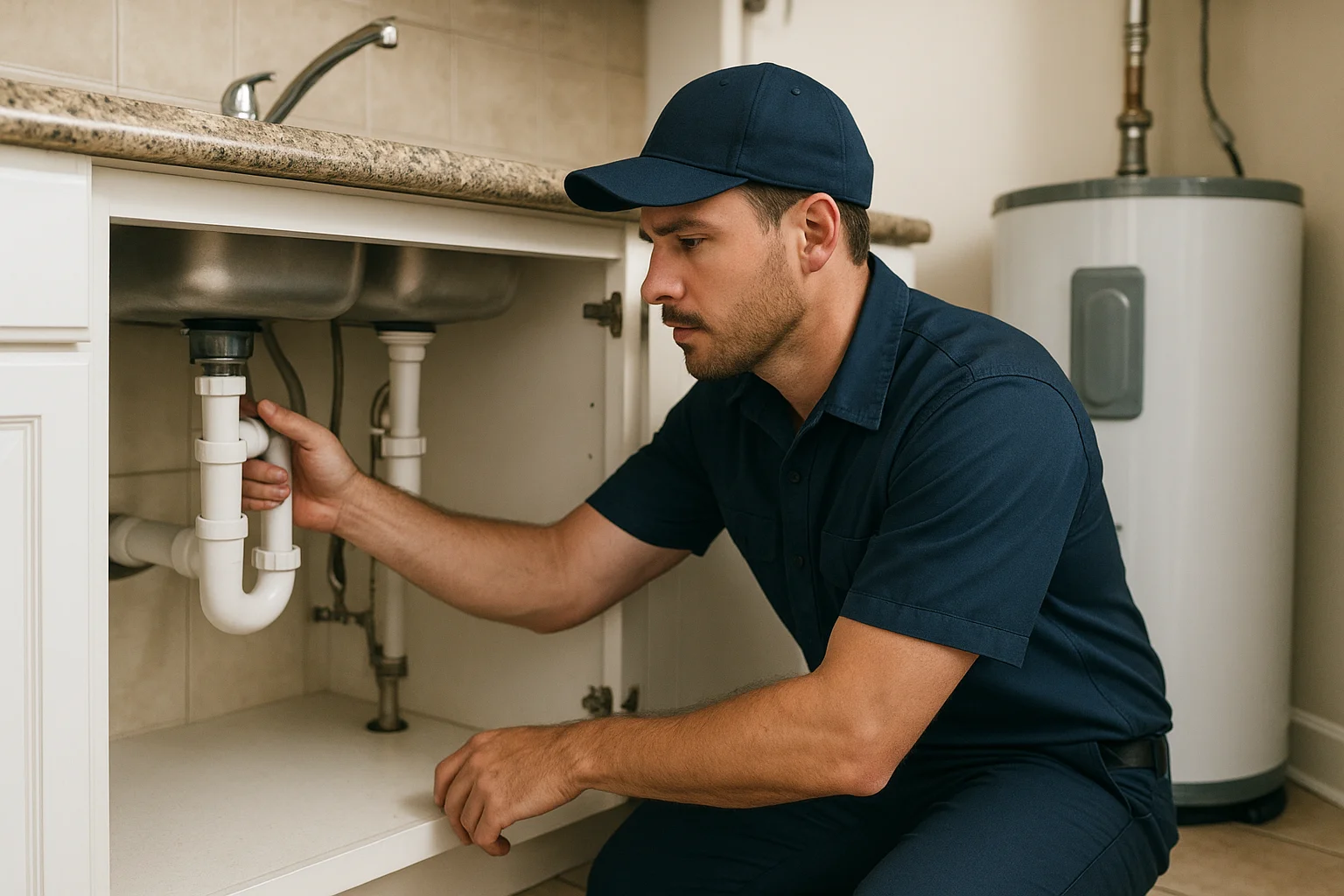
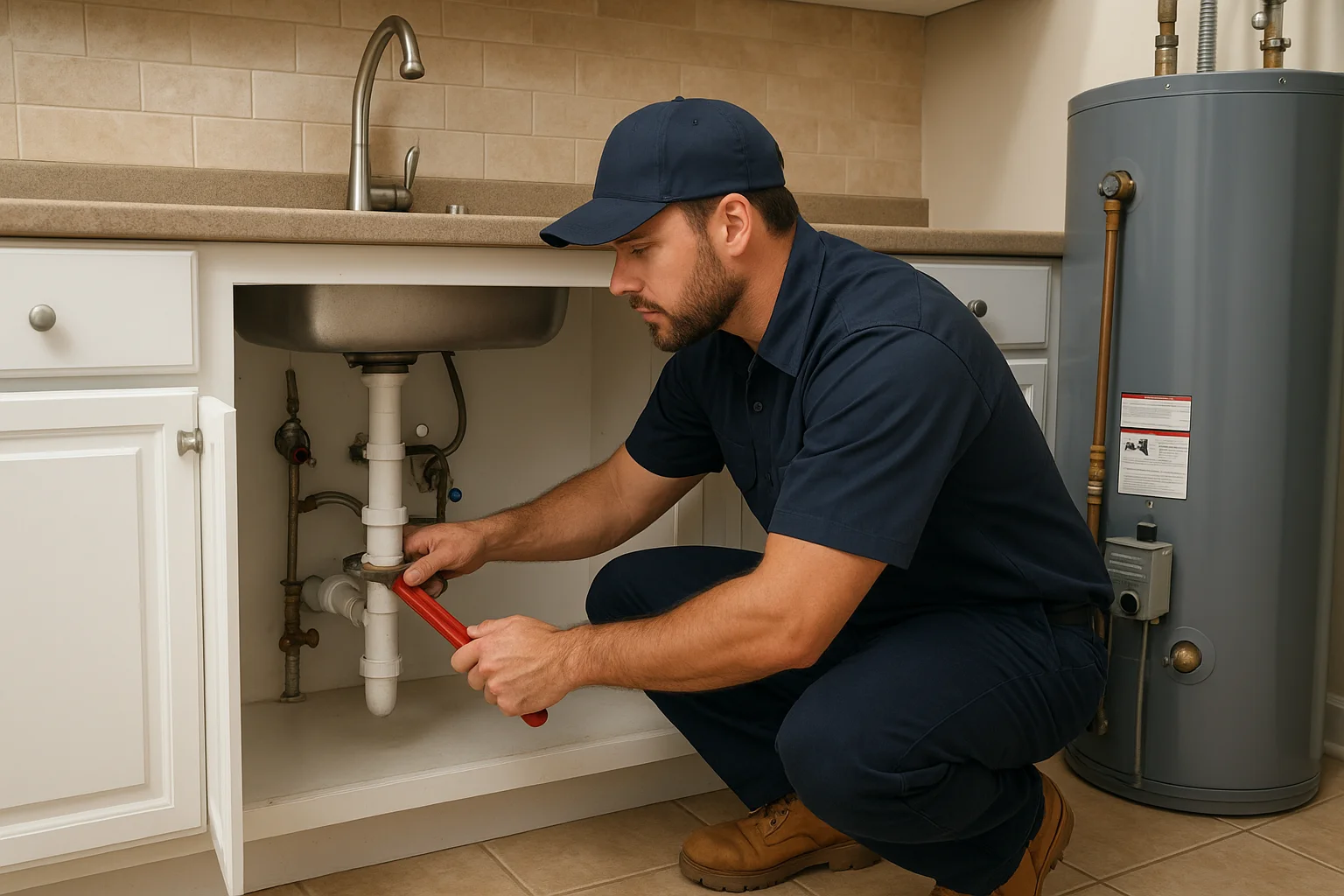
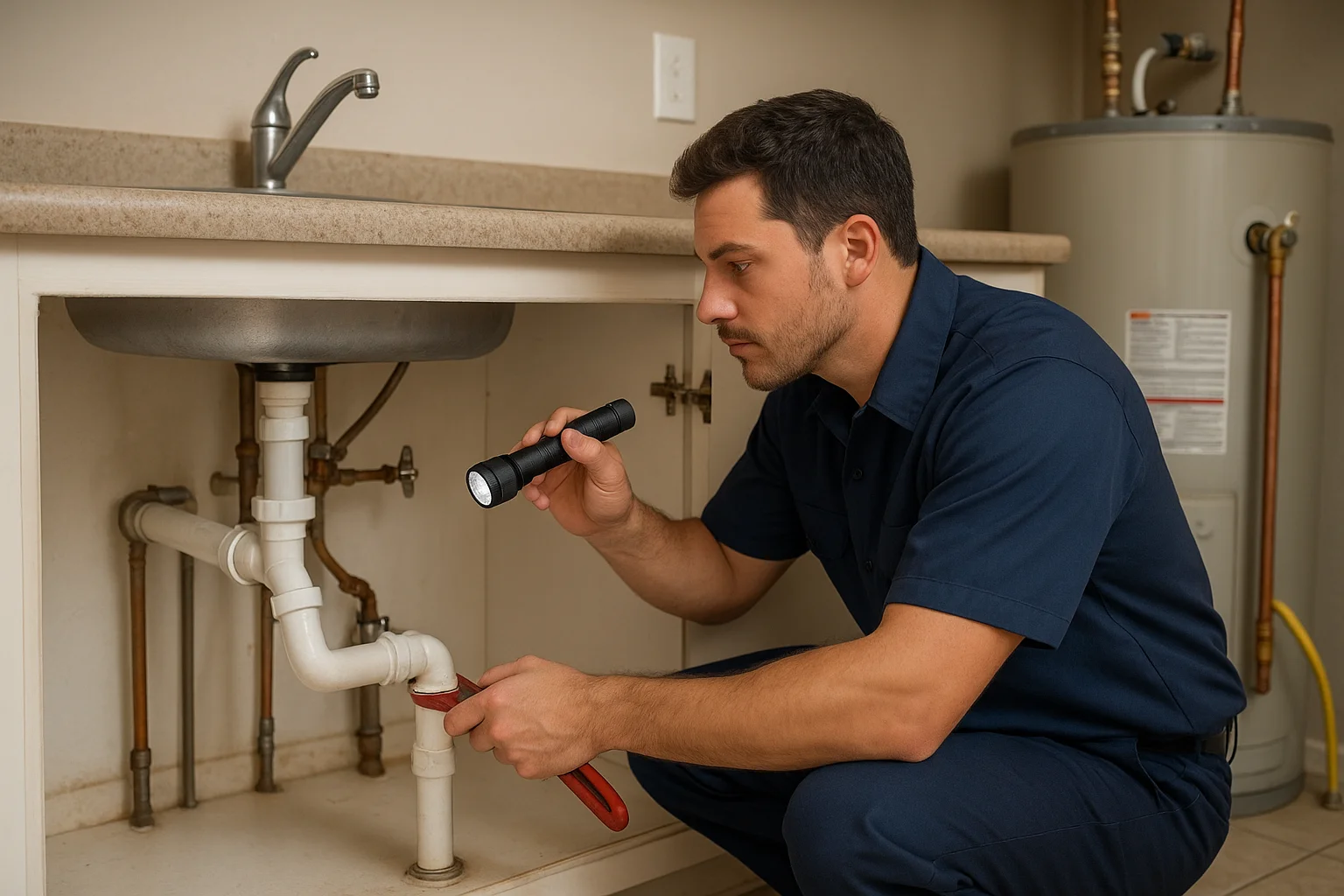
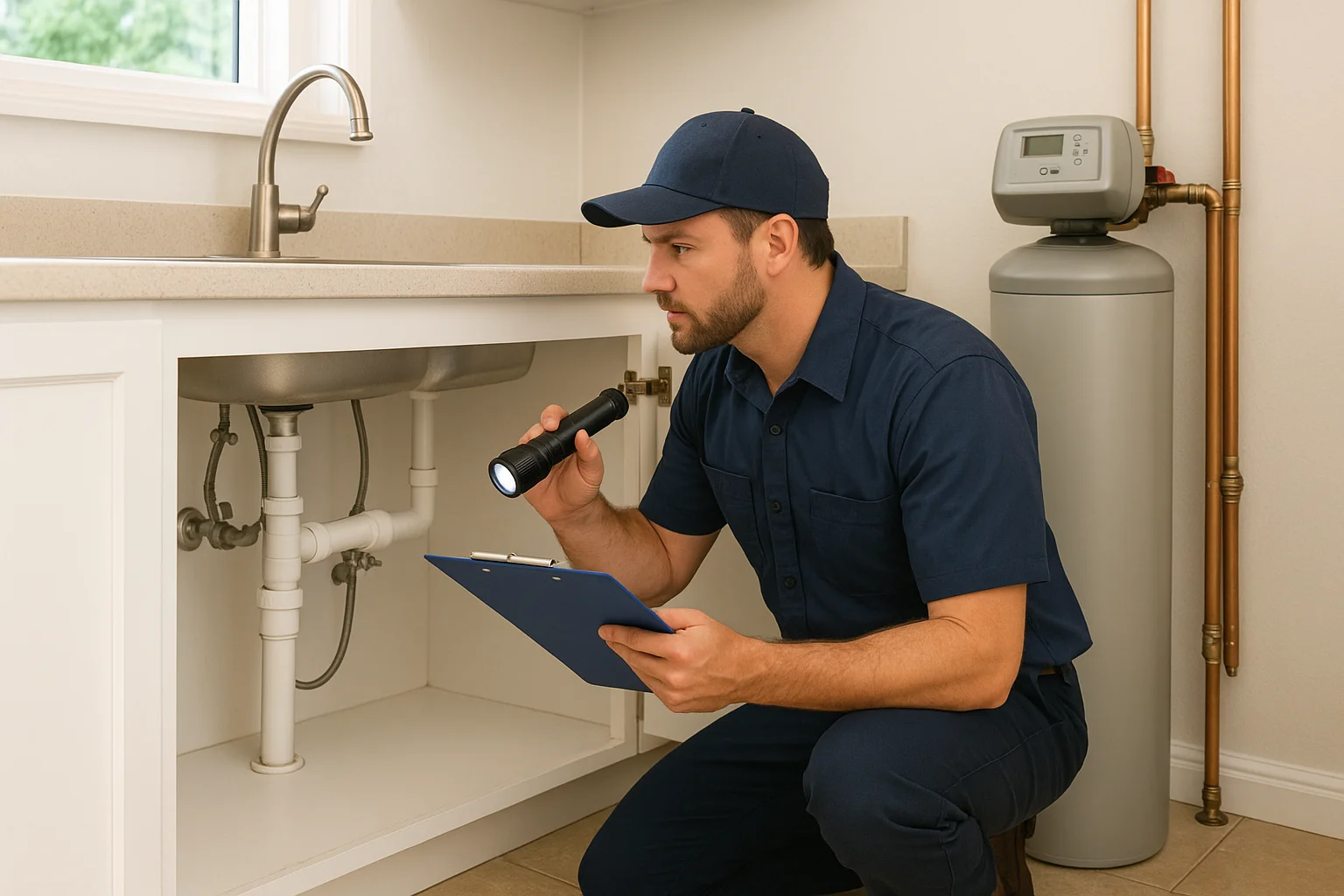
A professional duct inspection typically includes checking duct connections, airflow distribution, and moisture-related concerns. The technician may also discuss how your current ductwork supports the way you use the home, including vacation rental scheduling.
If you also have duct repair needs, ask how ductwork condition affects airflow and indoor air quality. For related issues, you can review duct inspection for 30A and discuss whether any targeted duct repair is appropriate after the inspection.
When to call an HVAC company near me for duct inspection
Some duct-related issues become urgent during peak summer. 30A homeowners rely on consistent cooling, especially during heat waves when emergency cooling concerns can feel real.
Call a local HVAC company near me for duct inspection if you notice:
- Airflow problems that persist after basic filter changes
- Repeated hot and cold spots that make rooms uncomfortable
- New dust or odor issues that appear after the system runs
- Indoor humidity that does not improve during cooling
- Air conditioner service calls that do not fully resolve comfort issues
This is also a smart step if you are planning a system upgrade. Whether you are exploring heating services, considering a new AC installation near me, or weighing a thermostat upgrade like smart thermostats, ductwork condition can influence whether the new equipment delivers consistent comfort.
Preventive maintenance: pairing duct inspection with HVAC tune ups
Duct inspection supports preventive HVAC maintenance because it addresses the airflow “delivery system,” not just the cooling source. Pairing ductwork checks with routine maintenance can help reduce the chance of performance drops during seasonal stress.
If you want a broader preventive approach, these reads can help you plan ahead:
- Why Preventive HVAC Service Pays Off for Air Conditioning Repair in 30A, FL
- How 30A Homes Can Stay Ahead of HVAC Emergencies During Seasonal Stress
For homeowners who manage rentals, consistency matters. A duct inspection can reveal airflow issues that make it harder to keep multiple zones comfortable on a predictable schedule.
Special considerations for commercial and multi-unit properties on 30A
Commercial HVAC service near me needs a different strategy because comfort complaints and indoor air quality concerns can affect customers and productivity. In multi-unit buildings, airflow problems can be amplified by shared duct systems, varied tenant usage, and different thermostat practices.
If you manage a commercial property, consider how ductwork affects both reliability and energy use. You can also explore Commercial HVAC Repair and plan duct inspection as part of an ongoing maintenance program.
For more context on keeping spaces comfortable, see Keeping 30A Commercial Spaces Comfortable Before HVAC Trouble Spreads.
How duct inspection fits into system replacement decisions
Many homeowners consider system replacement when repairs pile up. Yet ductwork can be the reason a new system seems to underperform. Before deciding on replacement, it helps to understand whether airflow problems are limiting performance.
Duct inspection can clarify whether comfort issues are tied to delivery and distribution. It also helps set realistic expectations for how well the system can cool or heat once air is moving through the home correctly.
Any refrigerant system work, equipment replacement, or electrical-related decisions require an in-person evaluation. Duct inspection supports the process by addressing the airflow side of HVAC performance and helping you ask better questions during diagnosis.
Choosing duct inspection in 30A: what homeowners should look for
Homeowners often search for air duct service near me when they feel stuck. A good duct inspection should be thorough, explain what is found in plain language, and connect the findings to comfort, airflow, indoor air quality, and energy use.
Look for a local team that understands 30A conditions, including:
- How humidity and salt air can affect ductwork over time
- Why airflow distribution matters across typical 30A layouts
- How duct issues can create comfort problems that look like AC repair near me
- How condensate drainage and moisture management can be influenced by duct leaks
A Superior Mechanical focuses on duct inspection in 30A, FL for homes, vacation rentals, and commercial properties across Walton County. If you want to understand what is driving your comfort issues, start with a duct-focused inspection and then build a plan around the findings.
If you are browsing service options across the area, you can also explore 30A HVAC services and Walton County HVAC services.
Frequently overlooked questions homeowners ask after duct inspection
After an inspection, many homeowners want to know whether ducts are “worth fixing” or if the HVAC system should be handled first. The answer depends on what the inspection reveals. Duct inspection helps you separate airflow problems from refrigerant system or control issues, so you can make decisions based on evidence, not guesses.
If you are currently dealing with airflow complaints, humidity concerns, or uneven comfort, a duct inspection is a practical next step toward smarter HVAC maintenance and more reliable cooling through Florida’s hottest stretches.
Find Duct Inspection in 30A, FL
If you need Duct Inspection in 30A, FL, visit our local service page or contact A Superior Mechanical today.
Map of 30A, FL
Frequently Asked Questions
Can duct leaks make my AC feel like it is not cooling enough?
Yes. Leaky or restricted ductwork can reduce the amount of conditioned air reaching your rooms. The system may run longer, but comfort can still feel weak, especially in humid 30A weather.
How do I know if my problem is ductwork or the refrigerant system?
Airflow patterns, hot and cold rooms, and persistent distribution issues often point to ductwork. A professional duct inspection helps identify airflow and sealing problems. Refrigerant and system performance should still be evaluated in person before any conclusions are made.
Does duct inspection help with indoor air quality in 30A homes?
It can. When ducts leak or are contaminated, they can move dust and moisture-related conditions into living spaces. Duct inspection can help pinpoint airflow and duct condition issues that affect indoor air quality.
What should I do first if I suspect airflow problems?
Start with basic checks like confirming your filter is clean and your thermostat settings are correct. If airflow is still weak or rooms stay uncomfortable, schedule duct inspection in 30A, FL so a technician can inspect duct connections, distribution, and moisture-risk conditions.
Is duct inspection only for older homes?
No. Newer homes can still have duct issues due to installation factors, layout changes, or later renovations. In coastal areas like 30A, humidity and salt air can also contribute to wear over time, so inspection can be useful for many home ages.
Related Articles
Photo Gallery