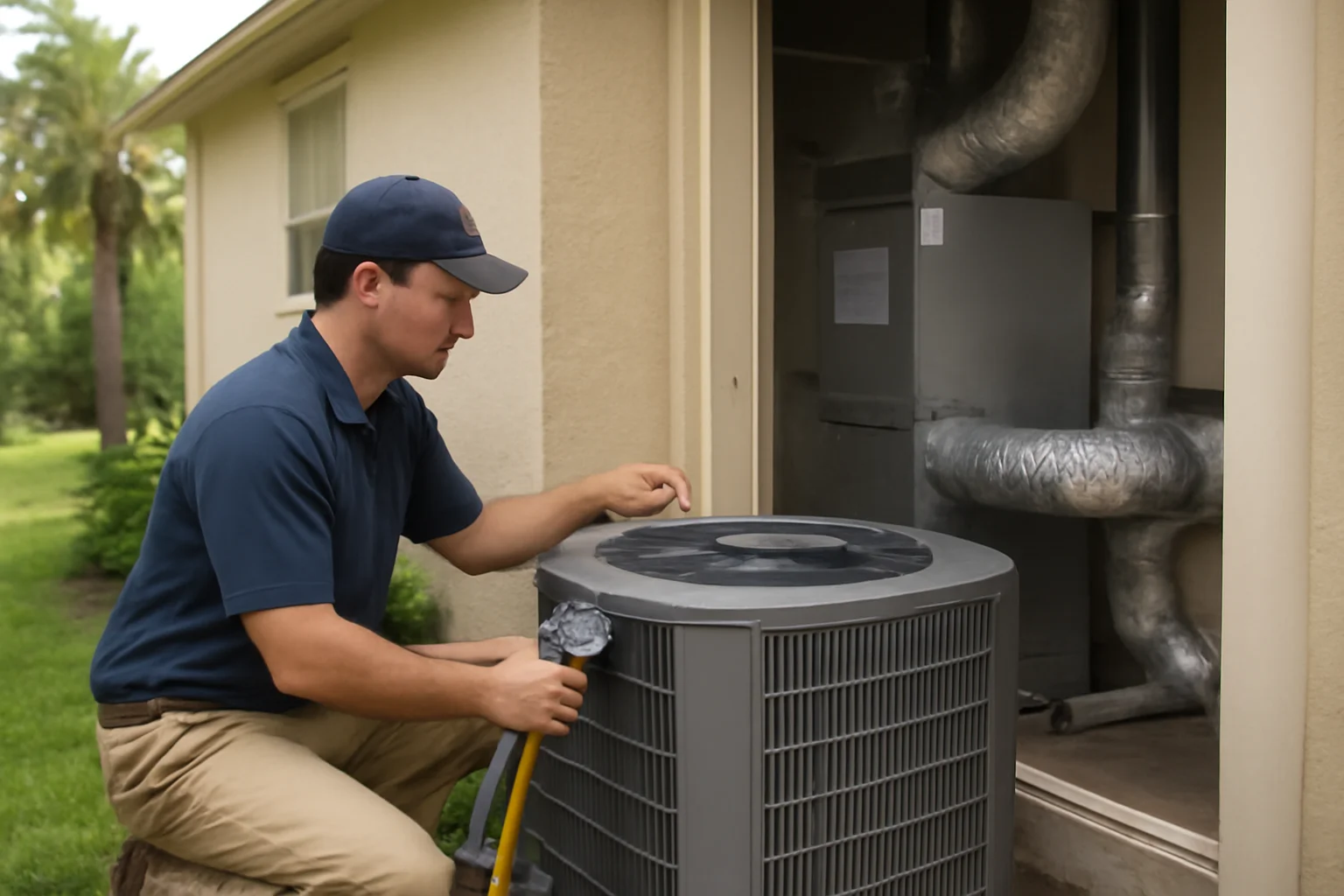
Bluewater Bay feels like paradise, but the weather is hard on HVAC systems. Long stretches of heat, humidity, and salty coastal air can push indoor comfort and energy bills in the wrong direction. One of the most overlooked fixes is duct sealing. When ducts leak, your air conditioner has to work longer to deliver the comfort you expect. Proper sealing helps stabilize airflow, supports better indoor air quality, and can reduce the strain that leads to more frequent HVAC repair needs.
If you are looking for duct sealing in Bluewater Bay, FL, this guide explains what duct sealing changes, what problems it prevents, and what homeowners can do between professional visits.
Why duct sealing matters more in Bluewater Bay’s climate
In Okaloosa County, homes are exposed to warm temperatures, high humidity, and coastal salt air. That environment can accelerate wear on ductwork connections and materials over time. Even small leaks matter because HVAC airflow is a system, not a single component.
When air leaks out of supply ducts, two things happen at the same time:
- Conditioned air is wasted. Your air conditioner or heat pump sends cool air into the duct system. Leaks reduce the amount that actually reaches rooms.
- Unwanted air can be pulled in. Leaky return ducts or gaps around duct joints can draw in air from attics, crawlspaces, or wall cavities. In Florida, that incoming air often carries moisture, dust, and outdoor pollutants.
The result is a cycle that feels like “my AC runs all the time, but rooms are still uncomfortable.” Duct sealing helps break that cycle by improving how air moves through the ductwork.
How duct leaks affect home comfort, humidity, and indoor air quality
Comfort is not just temperature. In Bluewater Bay, humidity control is a big part of how your home feels. Duct sealing supports the equipment side of humidity management by helping the system deliver the right airflow.
1) Hot or muggy rooms that never fully cool
Leaky supply ducts can cause uneven cooling. You might notice that bedrooms stay warmer than the living room, or the upstairs feels like it takes longer to catch up. This is often blamed on the thermostat, but the thermostat can only control what the HVAC delivers. If airflow is lost to leaks, the system cannot perform as intended.
2) More moisture in the wrong places
When return ducts leak, the system may pull in humid air from spaces that are not conditioned. That can increase indoor humidity and make the home feel sticky even when the thermostat is set correctly. In homes with older ductwork or duct runs in attics and crawlspaces, the moisture challenge can be more noticeable.
3) Dust, odors, and “stale air” complaints
Air duct leaks can move dust and debris from duct surfaces and surrounding cavities into the airflow path. Over time, that can worsen indoor air quality and increase the amount of particulate your filters must capture. Sealing ductwork is not the same as changing filters, but it reduces the amount of unplanned air movement that can carry contaminants.
4) Condensate drainage concerns that show up indirectly
Condensate drainage problems are usually tied to the indoor coil, drain line, or airflow across the coil. Still, duct leakage can contribute indirectly by changing system run time and airflow balance. When airflow is off, condensate behavior can become harder to manage. If you ever notice water around air handlers, a musty smell, or recurring drain clogs, it is worth having an HVAC professional evaluate the full system, including airflow and ductwork.
Energy use and system strain: why leaky ducts cost more than you think
In Florida heat, your AC or heat pump is already fighting to maintain set temperatures. Duct leaks make that job harder. When less conditioned air reaches the rooms, the system often runs longer to meet thermostat demands.
That extra runtime can increase:
- Electrical energy use because the refrigerant system and blower are operating for longer periods.
- Wear and tear on components that experience more cycles and longer run times.
- Heat buildup near indoor equipment when airflow is not balanced.
It is also common for homeowners to consider HVAC repair near me or air conditioner service near me when comfort declines. Sometimes the root issue is airflow from ductwork, not a failing part. That is why duct sealing is often a smart part of preventive HVAC maintenance, not just a “nice to have.”
Common signs your Bluewater Bay ductwork needs sealing
Every home is different, but these patterns show up frequently in coastal Florida homes with aging duct systems.
Uneven temperatures across floors and rooms
If some areas feel consistently warmer or cooler, inspect for airflow issues. Duct leaks can cause supply imbalance, and return leaks can make the system pull air from the wrong places.
Higher humidity than expected for the thermostat setting
Even with the thermostat set to a comfortable range, the home may feel damp. Leaky returns can bring moisture in, and airflow changes can reduce dehumidification effectiveness.
Visible gaps or loose duct connections
Look for disconnected joints, cracked mastic, deteriorated tape, or seams that appear separated. In attics and crawlspaces, salt air and heat can make materials degrade faster.
Dust buildup near vents and returns
If vents blow out more dust than they used to, or you notice dust collecting around registers, duct sealing can help reduce the amount of debris stirred up by air leaks.
Frequent filter changes or filter that looks “dirty fast”
A clogged filter can be a symptom of airflow problems and indoor air quality challenges. Duct sealing can help reduce contaminant entry, but it does not replace proper filtration and routine filter maintenance.
What causes duct leaks in Bluewater Bay homes?
Ductwork can develop leaks for a few predictable reasons, especially in Florida’s heat and humidity.
- Normal aging of duct seams, joints, and insulation.
- Installation gaps from earlier construction or retrofit work.
- Thermal expansion and contraction as temperatures swing between conditioned spaces and hot attic or crawlspace areas.
- Moisture exposure that weakens duct materials and surrounding sealing compounds.
- Vibration and movement from HVAC operation over time.
If you have ever had duct cleaning near me performed, it can help with debris inside ducts, but sealing addresses the airflow pathway. Many homeowners benefit most when duct inspection and duct sealing are paired thoughtfully.
Professional duct sealing vs. DIY: what homeowners should know
Some homeowners try to patch duct seams with tape or sealants. The problem is that not all leaks are accessible, and not all sealing methods are designed for HVAC airflow conditions. Sealing also needs to be done in a way that maintains system performance and does not create new airflow restrictions.
A licensed HVAC contractor can evaluate ductwork layout, identify likely leak points, and recommend a sealing approach based on your system and home. For homeowners searching for a licensed HVAC contractor near me, it is worth asking about:
- How they inspect and verify duct leakage before sealing.
- How they protect airflow balance across supply and return paths.
- How they coordinate duct sealing with indoor air quality goals, including filtration and humidity control.
For Bluewater Bay homeowners, duct sealing is often most effective when combined with a broader preventive HVAC maintenance plan that includes thermostat settings, system airflow checks, and refrigerant system performance evaluation when needed.
Maintenance tips that support duct sealing results
Duct sealing is not a one-and-done fix you can ignore. You can protect the performance gains by keeping the rest of the HVAC system aligned with the airflow your ductwork should deliver.
Keep filters clean and properly sized
Use the filter size and MERV rating recommended for your system. Replace it on schedule, especially during peak pollen and pollen-like dust seasons. A dirty filter can reduce airflow, which can make comfort issues look like duct problems.
Review thermostat settings and airflow behavior
Make sure your thermostat is set up correctly for cooling and humidity control. If you are using schedules, avoid rapid temperature swings that can cause longer run times. If you are considering thermostat installation near me or upgrades, ask your contractor how the thermostat interacts with your system’s airflow and humidity management.
Watch supply and return airflow
Registers should not be blocked by furniture, curtains, or storage items. If you have returns in hallways or bedrooms, keep them unobstructed. Blocked airflow can increase pressure imbalances that make duct sealing less effective over time.
Schedule preventive HVAC maintenance before peak summer strain
In Florida, preventive HVAC maintenance near me searches are common for good reason. A maintenance visit can help your system run with the airflow and control it needs. During service, a technician can check components across the refrigerant system, verify blower operation, and evaluate indoor comfort performance. If ductwork issues are present, you get a clearer path forward.
If you are planning a larger comfort upgrade, consider coordinating duct sealing with broader improvements. For example, these articles may help you plan around heat and humidity pressure on your HVAC system: Planning Duct Sealing and Aeroseal Work Before Parker Heat and Humidity Push Your HVAC Harder and Why Ductwork Problems Hit Bluewater Bay Homes Harder Than You Think.
Pair duct sealing with indoor humidity strategies
Even with sealed ducts, humidity control depends on how your system manages moisture. Many Bluewater Bay homeowners also benefit from whole-home humidity solutions. If indoor humidity is a recurring issue, ask about whole home dehumidifiers and how they fit with your current HVAC setup.
Don’t skip duct inspection when comfort complaints start
Before you assume the problem is the air conditioner itself, request a duct inspection. That can help you avoid chasing symptoms. Start with Duct Inspection and then address sealing if needed.
When to consider duct sealing as part of a bigger HVAC plan
Duct sealing is not only for older homes. It can be useful when you are seeing comfort problems after renovations, after new HVAC installation, or when you notice persistent airflow complaints.
After a system replacement or major repair
If you have had AC repair near me or a new air conditioner service installed, but the comfort issues remain, duct performance may be the limiting factor. A new system cannot fully overcome leaky ductwork. Sealing can help the system deliver the airflow it is designed to move.
If you are exploring system upgrades, review how installation affects airflow and comfort. This guide can be helpful: A Practical Guide to Air Conditioning Installation for Bluewater Bay Homes. It also pairs well with duct sealing planning.
When indoor air quality services near me becomes a priority
If you are pursuing better indoor air quality, duct sealing can support your goals by reducing the amount of unplanned air movement. Pair sealing with filtration and proper maintenance of the airflow pathway.
When you are dealing with “emergency cooling” concerns
In Bluewater Bay, a cooling failure can become an emergency quickly during hot, humid days. Leaky ducts can contribute to longer run times and higher system stress, which can increase the chance that something fails when you need it most. If you are concerned about reliability, read: Why Bluewater Bay Homes Rely on Fast Emergency HVAC Service.
How A Superior Mechanical approaches duct sealing for Bluewater Bay homeowners
A Superior Mechanical focuses on duct sealing that improves HVAC airflow and indoor comfort for homes throughout Bluewater Bay and across Okaloosa County. The goal is to reduce leaks that disrupt temperature control and humidity balance, while supporting healthier indoor air quality.
If you want to explore duct sealing options, start with the service page here: duct sealing in Bluewater Bay. Homeowners who want an overview of local HVAC support can also review the Bluewater Bay service area page and Okaloosa County HVAC services.
For some households, duct sealing is the comfort-first step that reduces the need for repeat visits. For others, it is part of a larger airflow and indoor comfort plan that includes routine maintenance, improved humidity control, and careful coordination with your refrigerant system and thermostat settings.
Questions to ask before duct sealing starts
When you schedule an HVAC assessment, these questions help you understand whether duct sealing will address your specific comfort issues.
- What duct areas are most likely leaking in my home? Ask about supply and return pathways, especially around transitions and connections.
- How will you verify airflow improvements after sealing? Look for a plan that includes performance checks, not just visual results.
- How does sealing fit with my current AC or heat pump setup? Ductwork and refrigerant systems work together, so the technician should consider overall performance.
- Will duct sealing change how my thermostat should be set? Your thermostat may not need major changes, but comfort strategy can improve once airflow is corrected.
- Do I also need indoor humidity support? If humidity is a major issue, ask whether a whole home dehumidifier or other approach makes sense.
Budgeting for comfort: financing options to consider
If you are comparing duct sealing to other HVAC options, it helps to understand payment flexibility. If financing is part of your decision, ask about HVAC financing and how it can support planned preventive HVAC maintenance rather than emergency repairs.
Whether your home needs ductwork attention, duct repair, or a full comfort plan, addressing airflow issues early can help you avoid the frustration of “AC repair near me” searches that happen during the hottest weeks.
Bottom line for Bluewater Bay homeowners
Duct sealing improves how your HVAC system delivers cooled air and manages humidity. In Bluewater Bay’s heat, humidity, and salt air environment, duct leaks can undermine comfort, increase energy use, and contribute to system strain. Homeowners can support better performance by keeping filters clean, maintaining unobstructed vents and returns, and scheduling preventive HVAC maintenance before peak summer pressure hits.
If your home has uneven temperatures, persistent humidity issues, or recurring indoor air quality complaints, duct sealing is a practical step worth discussing with a local team like A Superior Mechanical. For many households, it is a comfort upgrade that starts with the air pathways your system depends on.
Find Duct Sealing in Bluewater Bay, FL
If you need Duct Sealing in Bluewater Bay, FL, visit our local service page or contact A Superior Mechanical today.
Map of Bluewater Bay, FL
Frequently Asked Questions
What problems does duct sealing fix in a Bluewater Bay home?
Duct sealing helps reduce air leaks in supply and return ductwork. That can improve airflow to rooms, support more consistent temperature control, and help reduce the unwanted moisture and dust that can enter through leaky connections.
Will duct sealing help if my AC runs a lot but rooms still feel warm?
Often, yes. When ducts leak, the air conditioner may run longer to reach thermostat targets because less conditioned air reaches the living spaces. Duct sealing can improve delivery, but an in-person evaluation is important to confirm the airflow and system performance issues.
Is duct cleaning the same thing as duct sealing?
No. Duct cleaning removes debris from inside ductwork. Duct sealing addresses leaks at seams and connections that disrupt airflow. Many homeowners benefit from pairing inspection, sealing, and appropriate cleaning when needed.
Can DIY duct tape or patch kits solve duct leakage?
Sometimes small, accessible gaps can be temporarily addressed, but DIY sealing often does not solve hidden leaks or ensure proper airflow balance. A professional HVAC contractor can inspect ductwork, identify leak points, and seal in a way that supports system performance.
How do I know whether duct sealing or AC repair is the right next step?
Look for patterns like uneven temperatures, persistent humidity, dust around vents, and signs of leaky connections. A technician can evaluate your AC or heat pump operation and inspect ductwork so you avoid guessing. Ductwork issues can mimic or worsen equipment problems.
Related Articles
Photo Gallery