Ocean City, FL is beautiful, but the air comes with challenges. Salt-laden breezes, high humidity, and long cooling seasons can put extra wear on HVAC systems, including ductless mini-splits. Many homeowners enjoy the flexibility of ductless comfort, yet still run into avoidable problems like weak airflow, dirty filters, poor condensate drainage, or thermostat settings that never quite match real living conditions.
This guide focuses on everyday steps that protect ductless mini-splits for reliable AC and heat pump performance in Ocean City. It also covers the maintenance items that often get overlooked, plus the moments when you should schedule ductless mini-split services in Ocean City with a licensed HVAC contractor.
Why Ocean City climate stresses ductless mini-splits more than homeowners expect
Ductless mini-splits are designed to move conditioned air efficiently room by room. But in coastal Florida, the environment can make routine issues show up sooner.
- Humidity and frequent cooling cycles: When outdoor air stays humid, your indoor unit can pull more moisture from the room air. If airflow is restricted or condensate drainage is not working smoothly, you may notice musty smells, water on nearby surfaces, or rising indoor humidity.
- Salt air and corrosion risk: Coastal exposure can accelerate buildup on outdoor components. Even when the system is working, salt deposits can contribute to performance loss over time.
- Airflow sensitivity: Ductless systems rely on clean filters and unobstructed airflow paths. Blocked intake or outlet grilles can lead to higher energy use and uneven comfort.
- Refrigerant systems depend on proper operation: The refrigerant system is engineered as a closed system. Problems that affect pressures or refrigerant performance are not DIY-friendly. The best approach is preventing conditions that can strain the system and having professionals evaluate refrigerant-related concerns in person.
If you are searching for HVAC maintenance near me or ductless AC service near me, keep in mind that “maintenance” should include more than a quick check. For ductless reliability in Ocean City, it should include cleaning, airflow verification, condensate drainage checks, and a careful look at how your system is behaving under real coastal load.
The most overlooked ductless mini-split reliability habits (and how to fix them)
Homeowners often focus on whether the system turns on. But everyday habits influence efficiency, indoor air quality, and emergency cooling concerns during the hottest stretches of the year.
1) Filters that look “fine” but restrict airflow
Many ductless mini-split indoor heads have washable filters. It is easy to rinse them and put them back quickly, but the filter still needs to be fully dry and correctly seated. Even partial blockage reduces airflow, which can make the unit work harder and feel like it is running but not cooling enough.
What to do: Check filters regularly and clean them as recommended by your system manual. If the filter is damaged or the unit has heavy buildup that does not come off with gentle cleaning, schedule service. In Ocean City, dust plus humidity can create a film that traps more particles and affects indoor air quality.
Why it matters: Restricted airflow can also contribute to condensate drainage problems, because the system may not manage moisture removal as effectively.
2) Indoor vents blocked by décor, curtains, or furniture
Ductless mini-splits are not like central air vents where airflow can be “spread” across ductwork. The indoor unit needs a clear path for air to move into the room. If furniture, rugs, or curtains block the intake or outlet, you can end up with hot spots, cold spots, and higher energy use.
What to do: Keep the intake area clear and avoid placing objects directly in front of the discharge louvers. If you are using a room divider, make sure it does not trap airflow near the unit.
3) Thermostat habits that fight the equipment
Thermostat settings matter, especially in humid coastal weather. Some homeowners set the temperature very low to “catch up,” then leave it there. Others run cooling all day without using the system’s comfort modes effectively.
What to do: Use your thermostat or controller settings to match occupancy. If your home has different rooms with separate indoor units, you may need to balance comfort across zones rather than forcing every room to the same target temperature.
If you want more control, consider smart thermostats that help reduce unnecessary runtime and keep humidity trends in check. Installation and setup should be handled by a professional so your system operates as intended.
4) Condensate drainage concerns that show up as “mystery water”
Ductless systems remove moisture during cooling. That moisture drains through a condensate drainage path. If drainage is restricted by debris, improper slope, or algae buildup, water can back up. Homeowners sometimes dismiss it as “normal condensation,” but persistent water near the unit is a reliability issue.
What to do: Watch for slow-draining units, wet spots, or damp odors. If you notice any of these, do not keep running the system as usual. Schedule an inspection so a technician can check condensate drainage and confirm the system is handling moisture properly.
5) Outdoor unit exposure ignored during storm season and windy months
Ocean City weather includes sudden storms, strong winds, and airborne debris. Outdoor units can collect leaves, sand, and salt residue. Even if the system still turns on, buildup can reduce heat transfer and efficiency.
What to do: Keep vegetation trimmed away from the outdoor unit. Avoid covering the unit with anything that could trap moisture. For cleaning and a performance check, rely on professional service rather than trying to wash components aggressively.
Airflow, indoor air quality, and humidity: the comfort triangle
Ductless mini-splits affect comfort in three connected ways: airflow delivery, indoor air quality, and humidity control. When one side is off, the others often suffer.
How poor airflow can raise humidity instead of lowering it
In humid Florida conditions, the goal is not just “cooler air.” You want moisture removal so rooms feel comfortable. If airflow is restricted or filters are dirty, the indoor unit may not manage moisture extraction consistently. That can lead to a sticky feel, faster re-humidification, and more frequent cycling.
Indoor air quality issues from buildup and dust movement
Dirty filters and clogged intake areas can allow more dust to circulate. Over time, that can worsen allergies or trigger respiratory irritation for sensitive household members. Ductless systems can also redistribute particles from the room, so clean filters are a key part of maintaining indoor air quality.
For homeowners looking for a broader approach, pairing ductless maintenance with strategies like air quality-focused comfort can help you manage the full indoor environment, not just temperature.
Refrigerant systems: what to watch and what not to DIY
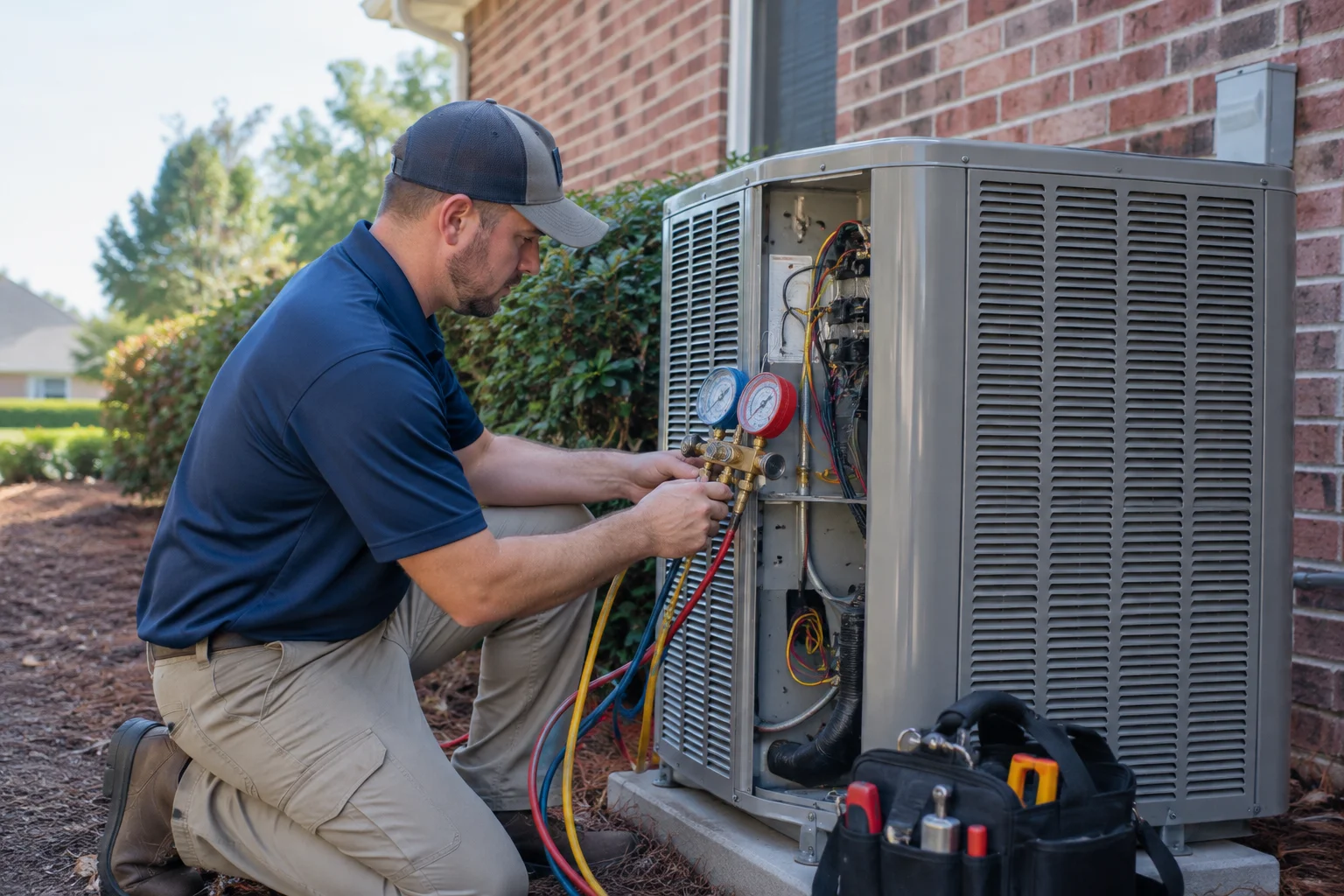
Ductless mini-splits use refrigerant to move heat between the indoor and outdoor units. The refrigerant system is not something you should attempt to repair or “top off.” Refrigerant concerns require an in-person evaluation by a qualified HVAC technician because diagnosis involves operational checks and safety considerations.
What homeowners can do: Monitor performance trends that suggest the system is not operating normally. Examples include persistent inability to reach temperature, unusual running sounds, or repeated shutdowns with error codes.
What homeowners should not do: Do not attempt refrigerant diagnosis, pressure checks, or refrigerant handling. That is not safe and it is not a reliable DIY path.
If you are dealing with HVAC repair near me requests, focus your technician on documenting system behavior, checking airflow and drainage, and verifying operation under real conditions. That approach protects the refrigerant system and helps prevent secondary damage.
Preventive HVAC maintenance that fits ductless mini-splits in Ocean City
Preventive maintenance is one of the best ways to protect your home from HVAC problems with ductless mini-splits. It also helps reduce energy use by keeping the system operating efficiently when coastal humidity and heat load demand more performance.
What to include in a ductless maintenance visit
A thorough ductless service appointment typically includes:
- Indoor unit inspection and cleaning: Confirm filters and intake areas are clean, inspect the indoor head for airflow restrictions, and verify that the unit operates smoothly.
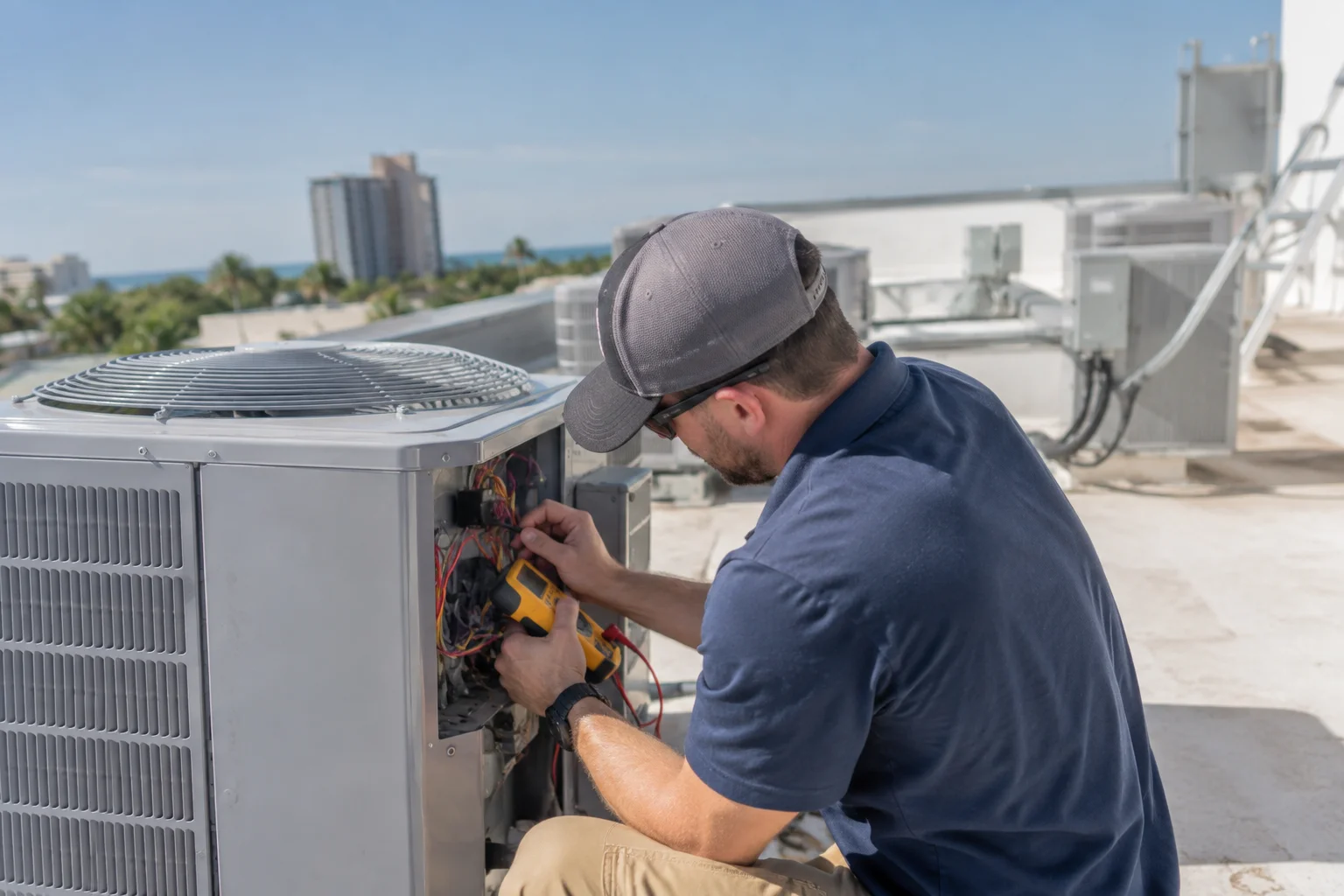
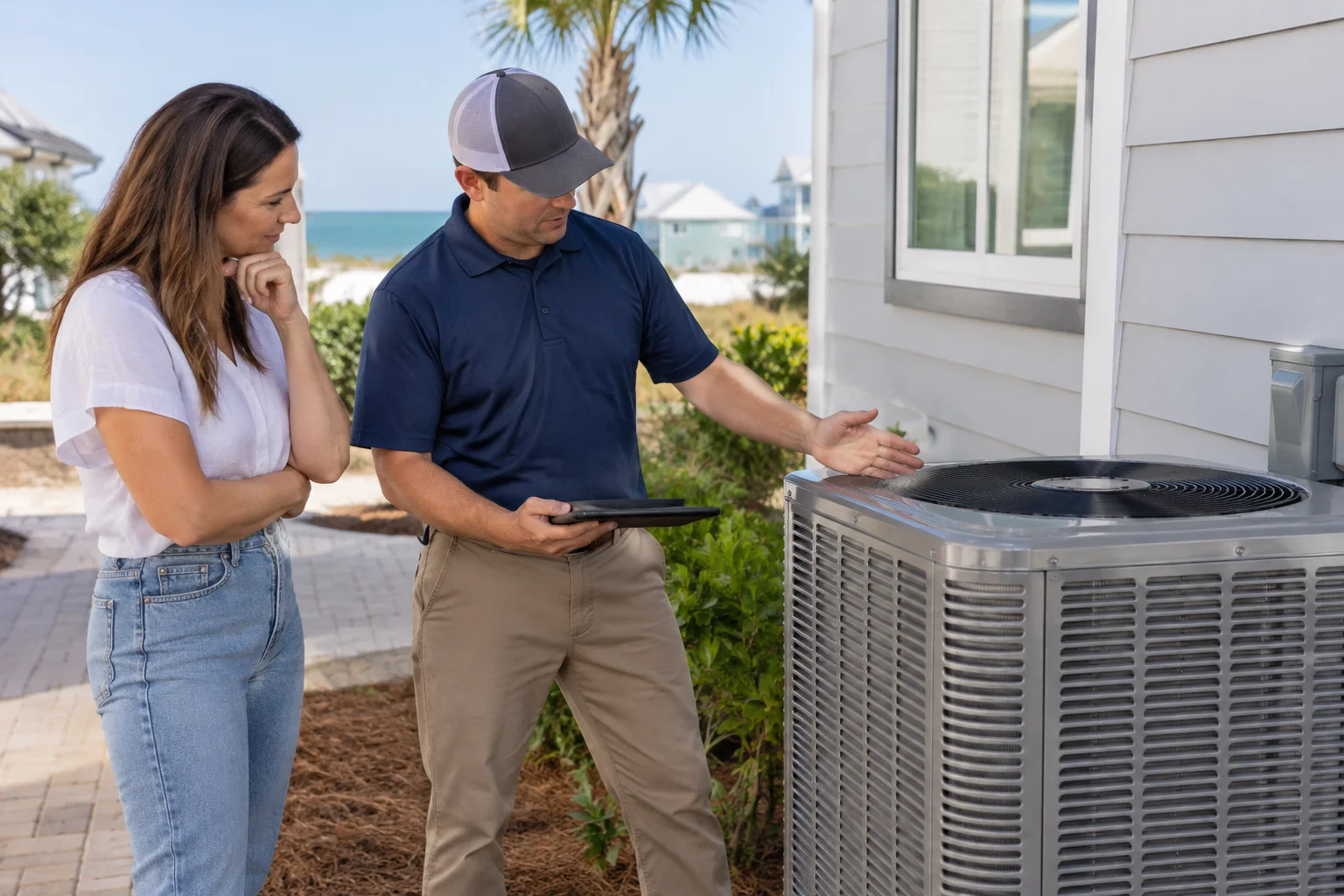
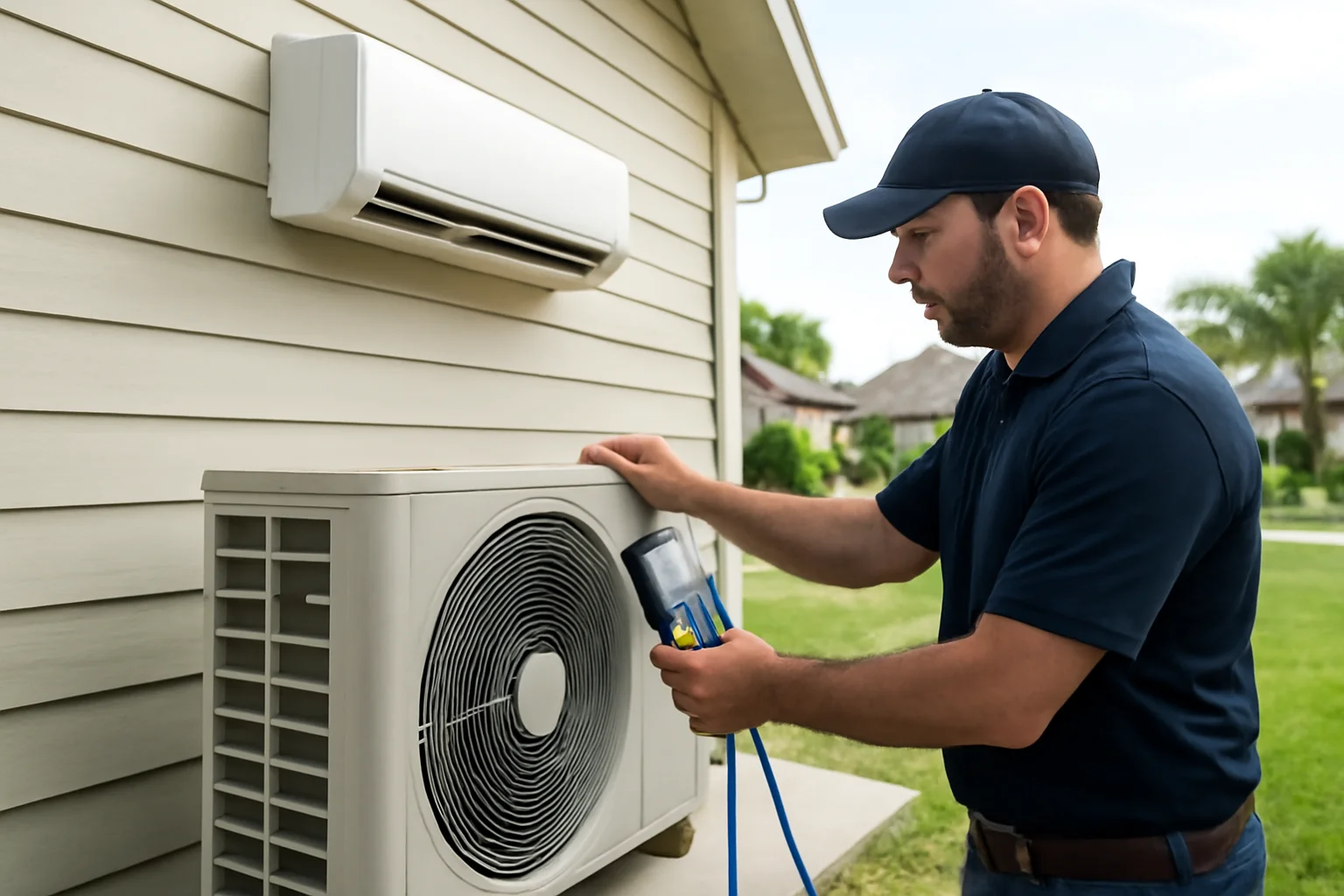
- Outdoor unit inspection: Check for debris, buildup, and conditions that can affect heat transfer. Coastal salt air can make this step especially important.
- Airflow verification: Evaluate airflow performance and temperature behavior so the system delivers comfort as designed.
- Condensate drainage check: Confirm the condensate drainage path functions properly during cooling operations.
- Thermostat and control review: Confirm your thermostat settings and modes match how you use the home.
If your home has mixed comfort needs, you may also benefit from a duct-focused plan. Even though ductless systems do not rely on traditional ductwork, many Ocean City homes still have ducted components or shared air pathways. For homeowners considering ductwork improvements, see why duct sealing pays off for Ocean City homes and how airflow control can support overall comfort.
How often should you schedule maintenance?
Frequency depends on how hard your units work, how many indoor heads you have, and how much coastal exposure and dust the system sees. A professional HVAC contractor can recommend a schedule based on your usage patterns and the condition of your equipment.
For many homeowners searching for AC tune up near me, the most practical approach is to plan maintenance before peak summer demand and again as needed based on how the system performs. Ocean City’s weather can shift quickly, so staying proactive reduces the odds of a mid-summer breakdown.
Common ductless mini-split problems in Ocean City and what they usually mean
Not every symptom points to the same cause. Still, the following issues show up often in coastal Florida homes.
Weak cooling or uneven comfort between rooms
This can be caused by airflow restrictions, dirty filters, blocked discharge areas, or control settings that do not match the room’s heat load. In some cases, the refrigerant system may not be performing as intended, which requires an in-person evaluation.
Homeowner checks: Verify filters are clean and seated, confirm vents are not blocked, and review thermostat schedules.
Frequent cycling or the unit running longer than expected
In humid weather, the system may need longer run times to manage moisture and temperature together. However, if the unit seems to struggle consistently, restricted airflow or drainage issues can make the system work harder. High humidity can also magnify comfort complaints.
Water leaks, dampness, or musty odors
These are often linked to condensate drainage or indoor unit cleanliness. Moisture problems can also affect indoor air quality by encouraging microbial growth if the indoor unit is not managed properly.
Action: Stop relying on the system to “dry itself out” and schedule inspection.
Error codes or repeated shutdowns
Error codes are not something to ignore. They are the system’s way of signaling a fault condition. Because the underlying cause can range from airflow and control issues to refrigerant system performance, an HVAC technician should evaluate the system in person.
Energy use and efficiency: how small issues add up in coastal Florida
Ductless mini-splits can be efficient, but efficiency depends on airflow and clean operation. When filters are dirty, airflow is restricted, or drainage is not working properly, the system may run longer to achieve comfort. That increased runtime can raise energy use and strain components over time.
If you notice your utility bills climbing while comfort gets worse, treat it as a maintenance clue. Many homeowners start with the thermostat settings, but the fix is often tied to airflow, cleanliness, and system operation checks.
Emergency cooling concerns: what to do before the worst day
Ocean City summers can be intense. When a ductless mini-split fails during peak heat, the impact is immediate, especially for bedrooms, home offices, or rentals that need dependable comfort.
Preparation steps homeowners can take:
- Keep the thermostat/controller location accessible and ensure batteries and settings are reliable.
- Document error codes and what the system was doing when the issue started.
- Schedule preventive maintenance ahead of peak season.
- Maintain clear access around indoor and outdoor units for inspections.
If you are searching for emergency AC repair near me, having a trusted local HVAC partner matters. A technician who understands coastal HVAC stress can help you avoid repeat breakdowns by addressing root causes, not just restarting the system.
Choosing local help that understands ductless mini-splits in Ocean City
Ductless installation and ongoing service are not one-size-fits-all. Ocean City homes can vary widely in layout, insulation levels, and how rooms are used. A licensed HVAC contractor should consider airflow patterns, humidity control goals, and how your zones will operate together.
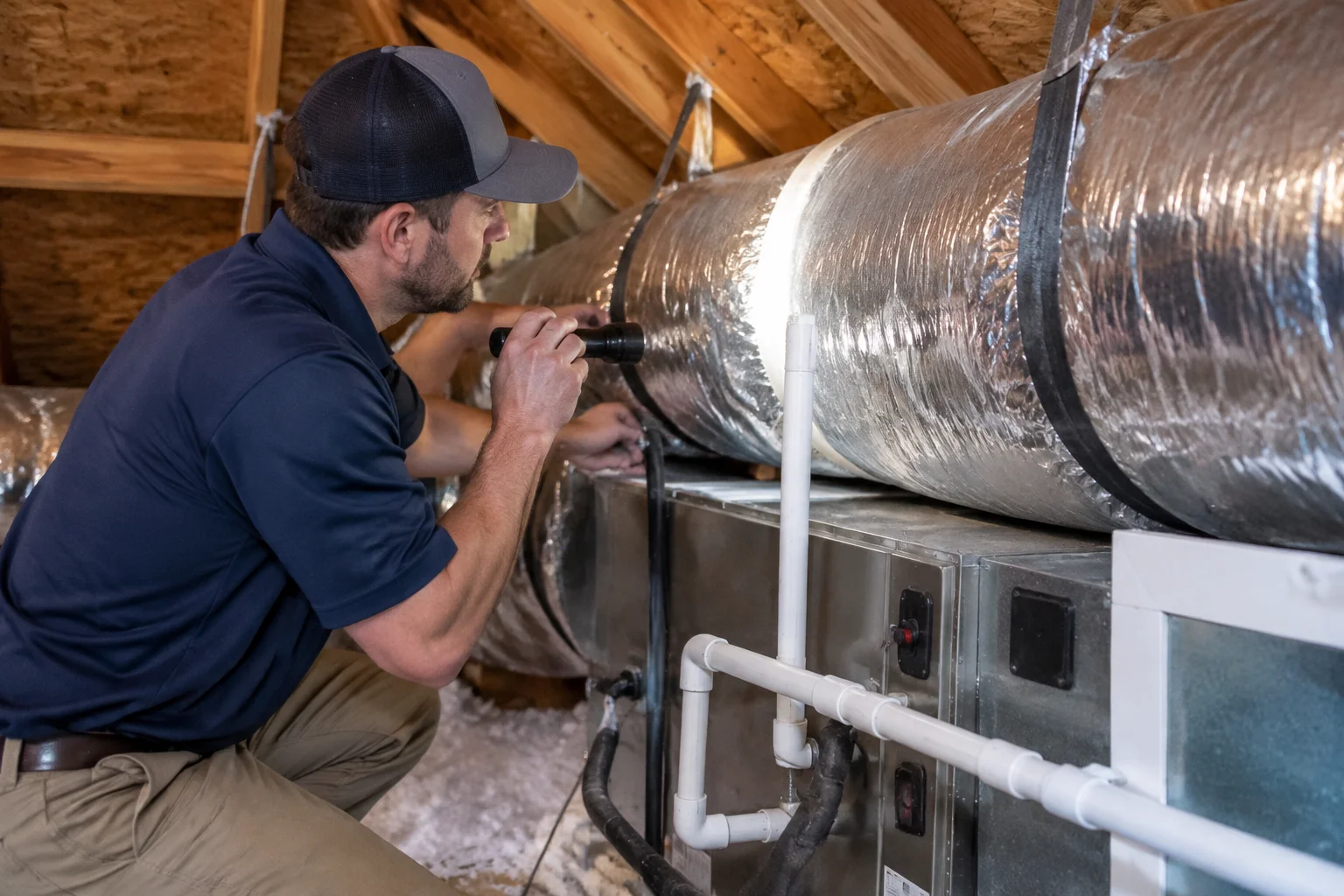
When you work with A Superior Mechanical, you are working with a team focused on ductless mini-split services across the area. If you want to explore service coverage, visit our Ocean City service area and the specific ductless page at ductless mini-splits for Ocean City. If your home also has ducted components or you are planning broader airflow improvements, you can review duct inspection to see whether ductwork is contributing to comfort issues.
Related comfort planning: ductless plus whole-home HVAC awareness
Ductless mini-splits can be a strong solution for room-by-room comfort. Still, homeowners often get better results when they connect ductless care to whole-home HVAC priorities like filtration, airflow balance, and smart control.
If you are evaluating system performance or planning upgrades, you may also find it helpful to read Keeping Ocean City homes comfortable starts with the air inside and A Homeowner’s Guide to Better HVAC Financing in Ocean City, FL. Those guides focus on comfort and decision-making, which pairs well with preventive ductless mini-split maintenance.
System replacement is a decision for professionals, not a DIY guess
When ductless mini-splits age or repeatedly underperform, homeowners sometimes assume replacement is the only option. That can be true in some cases, but it is not something to decide without a full in-person evaluation. A technician should assess airflow, condensate drainage, control behavior, and overall system operation before recommending replacement.
If you are considering new AC installation near me or heat pump service decisions, start with an inspection and maintenance history. Professional guidance helps you avoid unnecessary replacements while still protecting reliability for everyday comfort.
Quick checklist: protect your ductless mini-split every week and every month
- Weekly: Confirm vents are unobstructed and listen for unusual sounds during cooling or heating.
- Every 2 to 4 weeks during heavy use: Check indoor filters and clean them if needed based on your system guidance.
- Monthly: Look for signs of moisture near the indoor unit and ensure condensate drainage appears normal.
- Seasonally: Schedule air conditioning maintenance or air conditioning inspection so the system is ready for Ocean City’s hottest weeks.
These habits do not replace professional HVAC maintenance near me services, but they reduce the day-to-day risks that lead to poor airflow, indoor humidity problems, and emergency cooling concerns.
When to call a licensed HVAC contractor in Ocean City
Call for service if you notice any of the following:
- The unit cannot reach your set temperature consistently.
- Airflow feels weak even after filter cleaning.
- Water drips, dampness appears, or odors develop.
- Error codes repeat or the unit shuts down unexpectedly.
- Comfort is uneven across zones, and basic airflow checks do not help.
For homeowners searching for HVAC repair near me or ductless mini split installation near me, choosing a professional matters because ductless systems are sensitive to airflow, humidity management, and refrigerant system operation. In-person evaluation is the safest and most reliable path to long-term ductless reliability in Ocean City and across Okaloosa County.
If you want to learn more about coverage across the region, you can also explore our Okaloosa County service area.
Find Ductless Mini-Splits in Ocean City, FL
If you need Ductless Mini-Splits in Ocean City, FL, visit our local service page or contact A Superior Mechanical today.
Map of Ocean City, FL
Frequently Asked Questions
How often should I clean my ductless mini-split filters in Ocean City humidity?
During heavy cooling season, check filters regularly and clean them as your system’s manual recommends. Ocean City’s humidity and coastal dust can make filters load faster, and restricted airflow can hurt comfort and indoor air quality.
Why is my ductless mini-split blowing air but not cooling well?
Weak cooling is commonly linked to airflow restrictions, dirty filters, blocked discharge areas, or thermostat settings. If basic checks do not restore performance, schedule an inspection so a technician can evaluate the system’s operation in person, including airflow and moisture handling.
What should I do if I notice water near the indoor unit?
Water near the indoor head is not something to ignore. It can point to condensate drainage issues. Stop relying on the unit as normal and arrange service to inspect condensate drainage and indoor unit operation.
Can I troubleshoot refrigerant problems myself?
No. Refrigerant system issues require safe, in-person diagnosis by a licensed HVAC contractor. If you see symptoms like persistent underperformance or repeated error codes, contact a professional for evaluation.
Does duct sealing matter if I use ductless mini-splits?
Duct sealing can still matter if your home has any ducted components or shared airflow pathways. Even with ductless comfort, whole-home airflow and indoor air quality can benefit from ductwork attention. A technician can help you decide what is relevant for your setup.
Related Articles
Photo Gallery