You unload the dishwasher before dinner and find white spots on the glasses again. The kitchen faucet has a chalky ring, the showerhead sprays unevenly, and the morning coffee tastes a little off. These frustrations can feel unrelated, but your household water may be contributing to several of them.
For homeowners considering water softening services in Ocean City, FL, the important first step is separating hardness problems from taste, odor, and sediment concerns. A Superior Mechanical helps homeowners address hard water buildup, with treatment choices guided by what is actually in the water. Softening and filtration do different jobs, and some homes benefit from both.
Ocean City Water Deserves a Household-Level Look
Ocean City's warm, humid coastal setting makes water part of daily comfort, from showers after outdoor activities to refilling drinking bottles and keeping up with laundry. Humidity itself does not cause hard water. Hardness comes primarily from dissolved calcium and magnesium picked up as water moves through mineral-bearing materials.
Water characteristics can vary with the supply, treatment practices, and conditions inside a home. Older fixtures, aging interior piping, or a neglected filter can affect what reaches the tap. Coastal proximity alone does not establish whether water is hard, salty, or in need of a particular treatment system.
For a home on public water, the supplier's current water quality report provides useful background. Testing at the property fills in household-specific details. Local service matters because equipment must suit the home's water, available installation space, household demand, and applicable requirements, rather than an assumption about all homes in Ocean City.
The Everyday Clues That Point Toward Hard Water
Spotted glass and chalky fixtures
Hard water spots on glass develop when droplets evaporate and leave minerals behind. They can show up on shower doors, drinking glasses, dishes, and polished fixtures. A white crust or scale buildup on faucets and showerheads is another familiar clue. Inside plumbing and water-heating equipment, mineral deposits can also accumulate, particularly where water is heated.
Not every cloudy glass has a hardness problem. Dishwasher residue and permanent glass etching can look similar. A water test helps distinguish a treatment need from a detergent, rinse-aid, or dishwasher setting issue.
Bathing and laundry that require extra effort
When soap does not lather readily or leaves a stubborn film, hardness may be interfering with cleaning. Calcium and magnesium react with traditional soap, making it harder to rinse surfaces clean. Laundry can feel stiff, and shower walls may collect residue despite regular cleaning.
Some people also notice dry-feeling skin or dull hair after bathing. Homeowners often describe this as dry skin from hard water, but skin symptoms have many possible causes, including hot showers and personal care products. Softening may reduce mineral and soap residue, but it is not a medical treatment.
Appliances working harder than they should
Scale can interfere with heat transfer in water heaters and collect in appliance components exposed to heated water. Reduced performance, repeated cleaning needs, or appliances wearing out faster can make hard water treatment worth investigating. Hardness is only one possible contributor, so a professional should check equipment condition rather than assuming a softener will fix every problem.
Taste, Odor, and Cloudy Ice Need a Different Conversation
Picture a typical family kitchen: someone fills a pot for pasta, another person makes coffee, and a child adds ice to a water bottle. The same supply serves all three, yet hardness is not necessarily what makes that water taste unpleasant.
A metallic taste may involve iron, copper, or plumbing corrosion. A chlorinated taste can reflect the disinfectant used in a public supply. Other unpleasant tastes and odors may come from the water source, stagnant water, a filter overdue for service, or water-heater conditions. Softening alone is not a dependable solution for these concerns.
Cloudy ice cubes can contain trapped air as well as minerals. Clearer-looking ice is not proof of safer water, and cloudy ice does not automatically mean contamination. Poor tasting coffee and cooking water are good reasons to investigate, but testing should guide the treatment choice.
Visible sediment, discoloration, or a sudden odor deserves particular attention. Note whether the problem affects hot water, cold water, one faucet, or the entire house. Follow utility advisories, and do not assume a household filter makes water safe during a boil-water notice.
Matching the Treatment to the Problem
Water softening targets hardness minerals
A conventional ion-exchange water softener removes calcium and magnesium by exchanging them for sodium or potassium ions. Its resin bed is periodically regenerated with a salt solution. Properly sized and maintained equipment can reduce new scale formation, improve soap performance, and make fixtures easier to clean.
A softener does not disinfect water or broadly remove every contaminant. It also will not immediately clear years of existing scale or reverse damaged appliance parts. Salt-free scale-control products work differently and generally do not remove hardness minerals, so they should not be treated as interchangeable with an ion-exchange softener.
Whole home water filtration treats water before distribution
Whole home water filtration serves multiple fixtures from a central treatment point. A sediment filter can capture particles within its rated range. Activated carbon may reduce chlorine-related taste and odor, while other concerns require media specifically designed for them. Chloramine reduction, for example, requires equipment rated for that application and adequate contact time.
Softening and filtration can complement each other, but filter selection and equipment order should follow the water analysis and manufacturer instructions. A carbon filter alone generally does not remove hardness.
Reverse osmosis focuses on drinking and cooking water
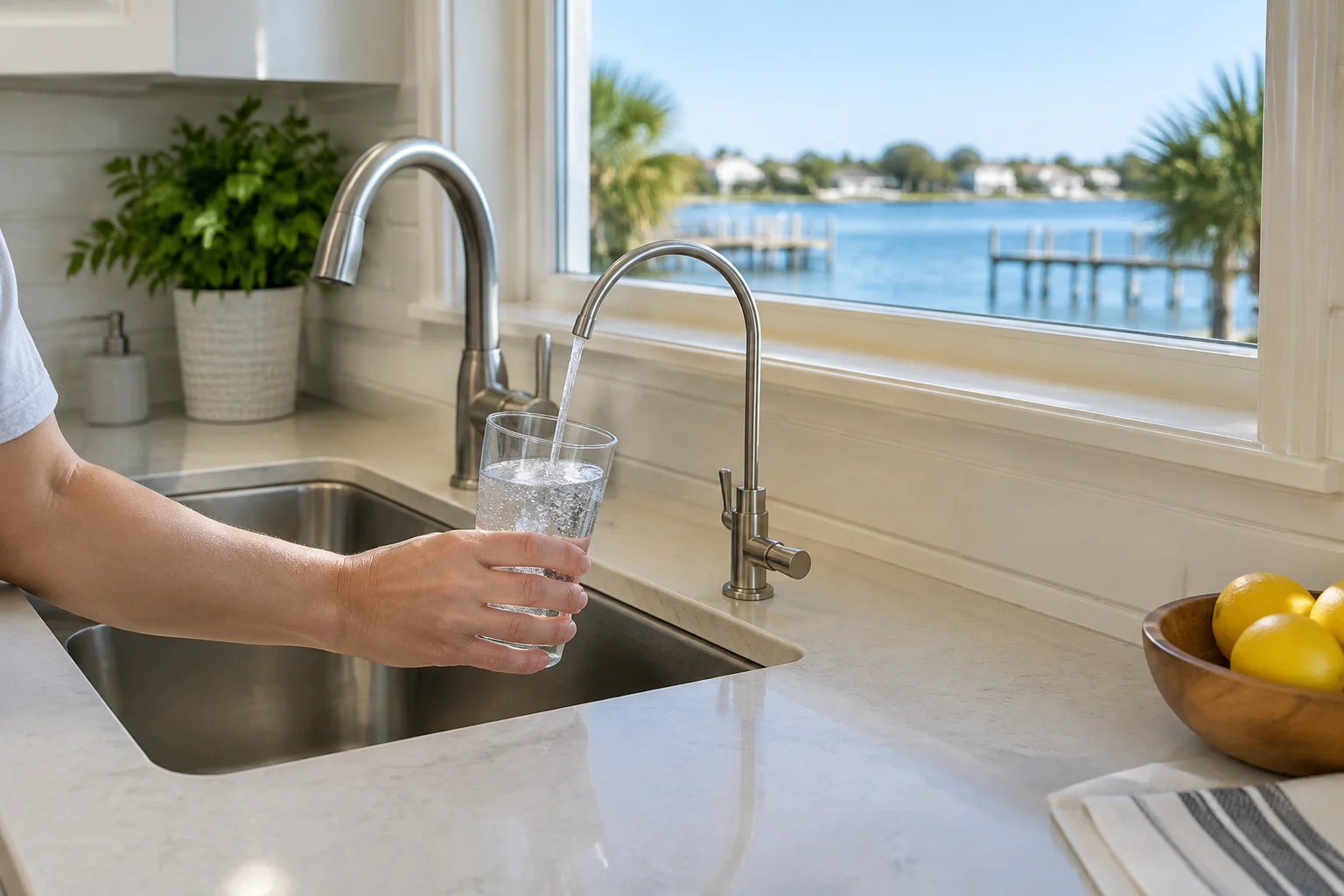
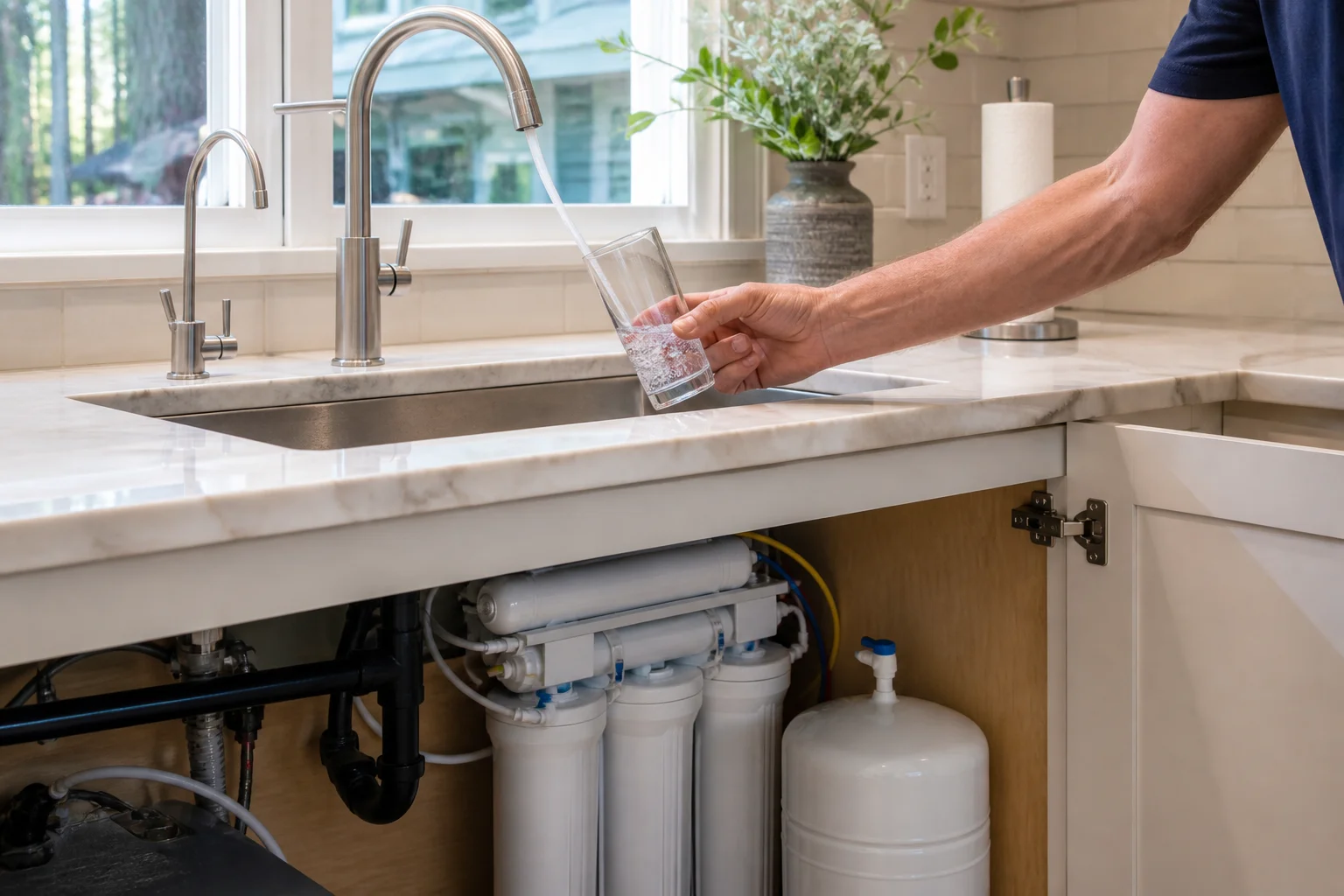
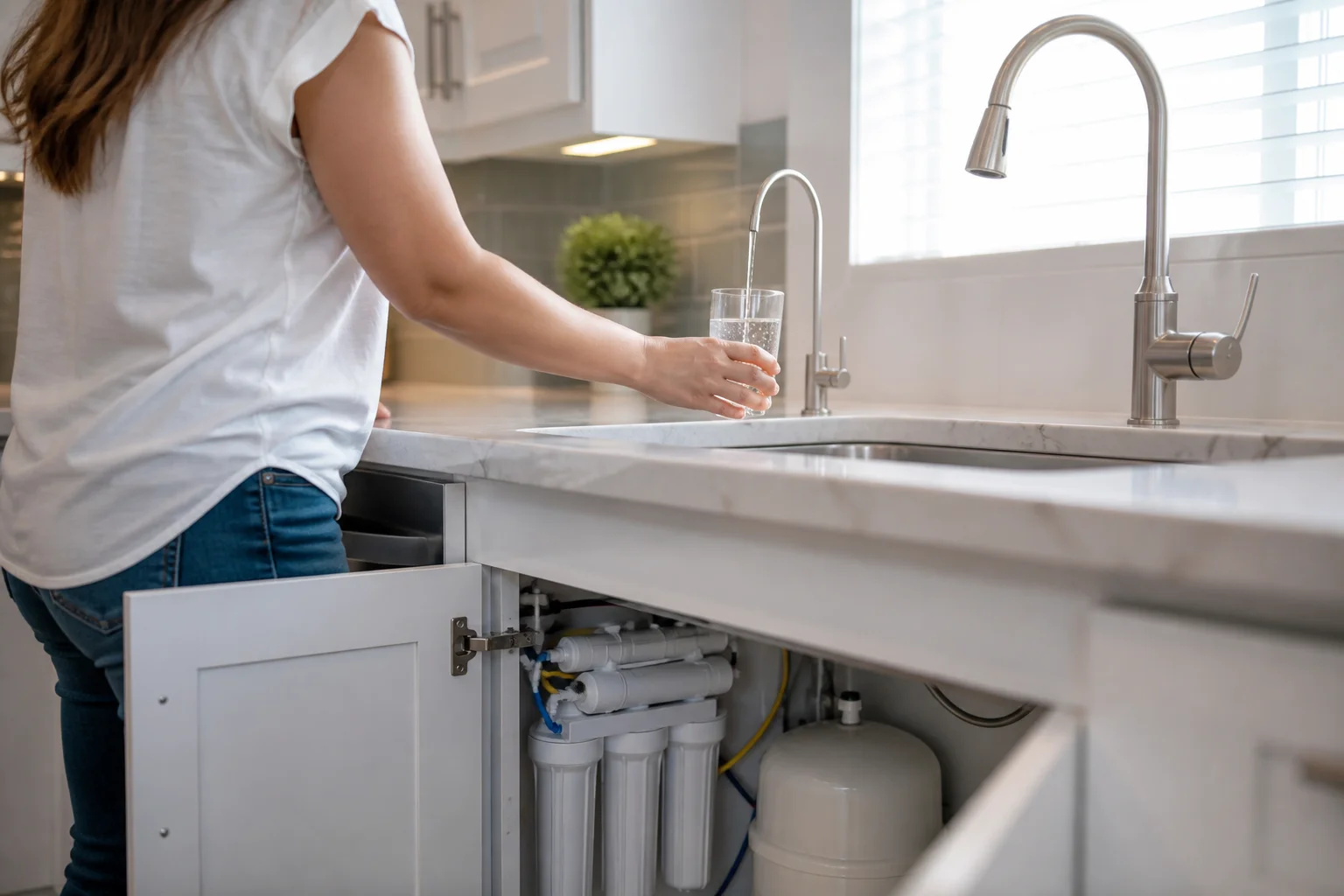
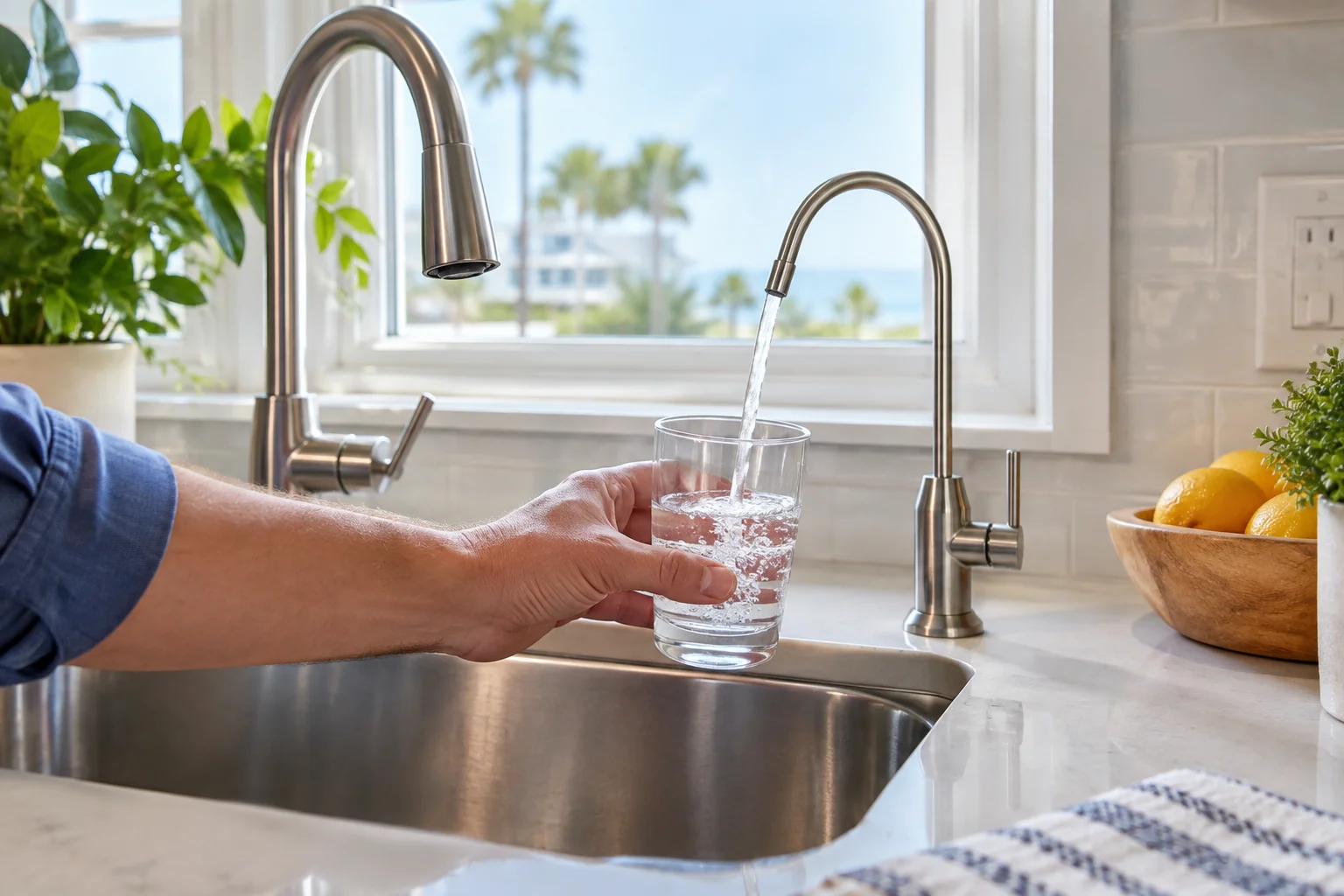
A point-of-use reverse osmosis system commonly serves a dedicated kitchen faucet. Depending on its design and certifications, it can reduce dissolved solids and specific contaminants, providing better water for drinking and cooking. It is often considered for coffee, tea, ice, and recipes where water flavor is noticeable.
Reverse osmosis produces reject water and requires filter and membrane maintenance. Refrigerator connections also need appropriate pressure and installation planning. Homeowners searching for reverse osmosis installation near me should ask about output capacity, certified reduction claims, replacement costs, and whether softening pretreatment is appropriate.
Choose AO Smith equipment by the application
If you are comparing AO Smith water filtration products or an AO Smith water softener, start with the specific model rather than the brand name alone. Capacity, flow rate, contaminant-reduction certifications, and maintenance requirements matter. A Superior Mechanical can discuss treatment needs and equipment options; confirm current model availability and installation compatibility during the consultation.
The company's water filtration, reverse osmosis, and water softener information is a useful starting point for understanding these different approaches to clean water systems.
Testing Makes the Estimate More Useful
Before choosing equipment, establish hardness, typically reported in grains per gallon or milligrams per liter as calcium carbonate. Depending on the symptoms and water source, evaluation may also include iron, manganese, pH, disinfectant residual, or other targeted testing. A total dissolved solids reading alone does not identify individual contaminants or establish drinking water safety.
For sediment in household water, the source matters as much as particle size. Material could be entering with the supply or coming from deteriorating components. Unexplained health-related concerns call for appropriate laboratory testing, not just a quick sales demonstration.
Homeowners searching for water treatment near me should expect questions about the number of occupants, bathrooms, simultaneous water use, and existing equipment. The guide to choosing water softening services in Ocean City offers another place to begin before comparing proposals.
A Good Installation Fits the House
Softener sizing involves hardness, daily water demand, usable treatment capacity, and peak flow. An undersized unit may regenerate too often or allow hardness through between cycles. A system selected only by its advertised grain capacity may not be the best match for actual household use.
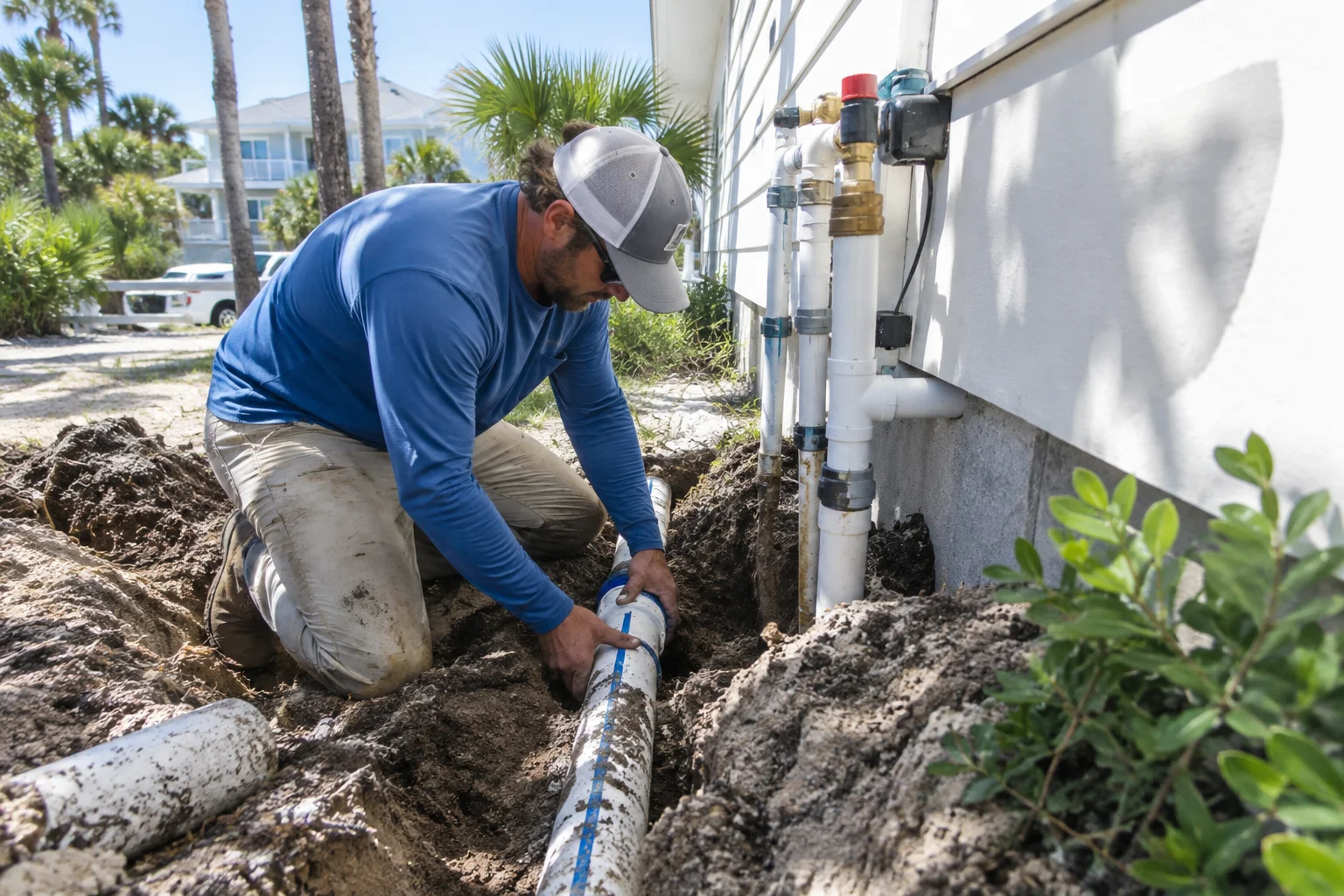
Installation planning should account for a suitable drain connection with required backflow protection, access for salt loading, a bypass valve, electrical needs, and room for future service. Outdoor equipment must be approved and protected for its location, including exposure to weather and occasional cold conditions.
It may also make sense to leave irrigation or selected outdoor faucets unsoftened. That can avoid unnecessary salt and water use, with the final arrangement depending on the home's piping. For homeowners comparing water filtration near me, a clear proposal should explain these practical details, not just list equipment.
Simple Habits That Keep Better Water Flowing
Water softener service continues after installation. Check the salt supply regularly, use the type recommended by the manufacturer, and watch for salt bridging, where a hardened crust prevents proper brine formation. Regeneration settings should reflect measured hardness and household use. If occupancy changes, those settings may need review.
Replace sediment and carbon cartridges on the recommended schedule or sooner if conditions require it. A pressure drop can indicate a loaded filter, although other problems can cause the same symptom. Reverse osmosis systems need scheduled prefilter, postfilter, membrane, and sanitation attention according to their instructions.
Clean faucet aerators and showerheads using methods safe for their finishes. Once softened water is in use, adjust soap and detergent quantities gradually to avoid excess suds or residue. Keep a service record with test results, filter dates, and settings so a returning technician has useful information.
For a broader look at fixture protection, read about cleaner water and sounder plumbing for Ocean City homes. Treatment and routine care work together; neither substitutes for repairing a deteriorating component.
Get Help When the Water Changes or Treatment Stops Working
Arrange a professional evaluation if spots return despite normal salt use, regeneration becomes unusually frequent, pressure drops after treatment equipment, or a system leaks. Sudden discoloration, persistent metallic taste, or a new odor also warrants investigation. Contact the water supplier when a change appears to affect the incoming public supply.
A Superior Mechanical provides water softening services for Ocean City homeowners and serves Okaloosa County. Bring specific observations to the conversation: where residue appears, which taps taste different, and whether symptoms involve hot or cold water. That information helps narrow the next step.
The goal is practical: glasses that need less rewashing, showers with less residue, fixtures with less new scale, and kitchen water you enjoy using. Testing and properly matched treatment make those improvements more achievable than choosing a system by its label alone.
Find Water Softening Services in Ocean City, FL
If you need Water Softening Services in Ocean City, FL, visit our local service page or contact A Superior Mechanical today.
For a broader look at whole-home water filtration, reverse osmosis, and water softener options, visit our water filtration, RO, and water softener page.
Map of Ocean City, FL
Frequently Asked Questions
Will a water softener remove chlorine taste and unpleasant odors?
A conventional water softener primarily removes calcium and magnesium, not chlorine or every odor-causing substance. Chlorine-related taste may respond to appropriate carbon filtration, while other odors require source-specific evaluation. Testing helps determine whether softening, filtration, or a combination is appropriate.
Do Ocean City homes need both a water softener and reverse osmosis?
Not every home needs both. A softener addresses hardness throughout the treated plumbing, while a kitchen reverse osmosis system targets dissolved solids and specific contaminants according to its certifications. Your water test results, drinking water preferences, and household demand should guide the decision.
How often should a water softener in Ocean City be serviced?
Follow the manufacturer's maintenance schedule and the recommendations based on your water conditions. Check salt regularly and arrange service if hard water spots return, the unit leaks, or regeneration patterns change. Periodic inspection can verify settings, check components, and confirm that the system is still reducing hardness effectively.
Related Articles
- What Ocean City Homeowners Should Know Before Choosing Water Softening Services
- Cleaner Water and Sounder Plumbing for Ocean City Homes
- Keeping Commercial Plumbing in Ocean City, FL Ahead of Trouble
- Commercial Plumbing in Ocean City, FL: Small Issues That Turn Costly for Local Families and Property Owners
Photo Gallery