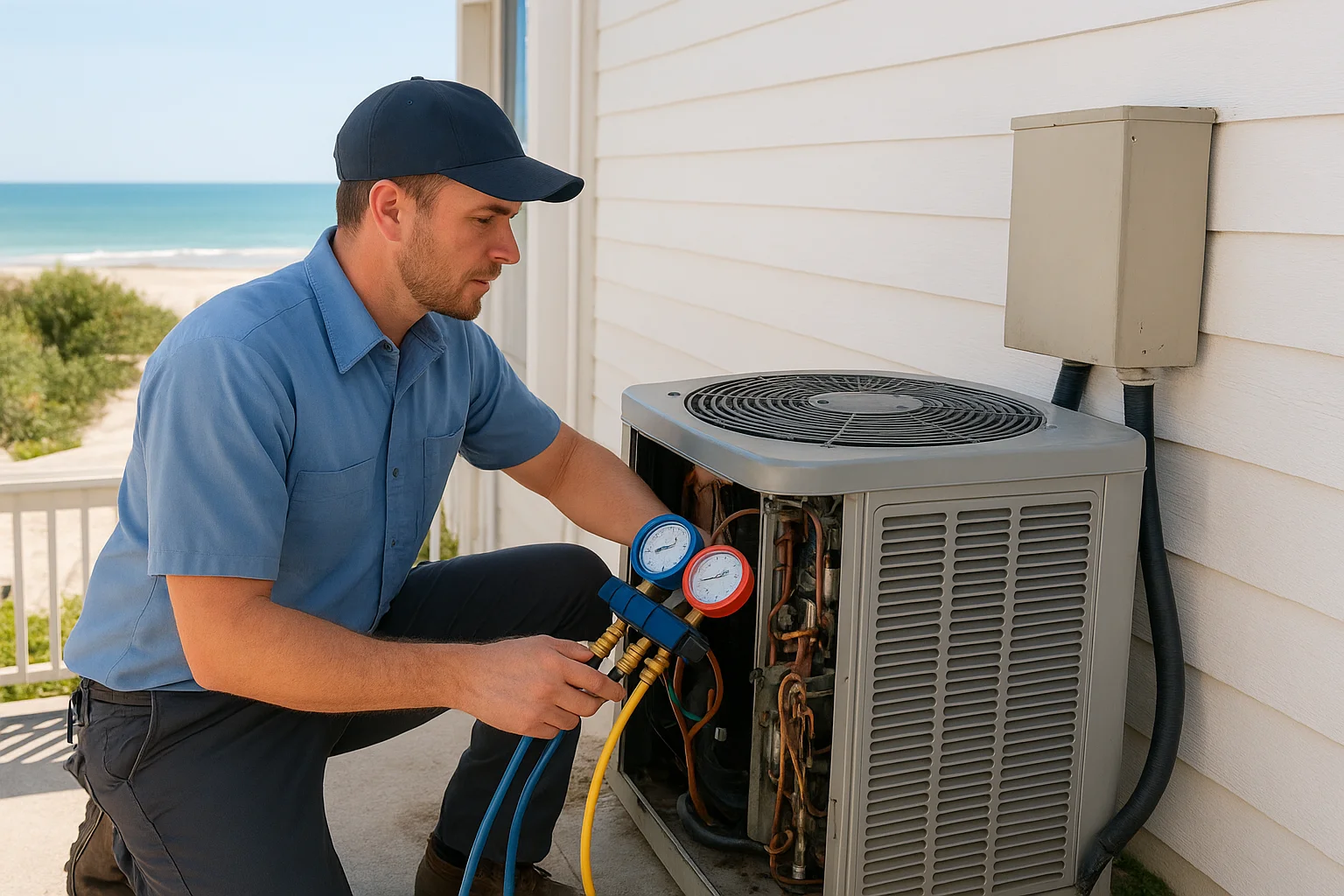
Bid-A-Wee, FL is beautiful, but it is also hard on HVAC equipment. Between long cooling seasons, high humidity, and the effects of salt air common across the Gulf Coast, air conditioners and heat pumps work harder than they do in milder climates. For property managers, HOAs, and rental owners, that means HVAC reliability is not just a comfort issue. It is a property management issue that affects tenant satisfaction, indoor air quality, energy use, and how often you face emergency cooling concerns.
This homeowner’s guide focuses on property management HVAC services in Bid-A-Wee. It explains what can shorten HVAC system life, what to watch for, and how preventive HVAC maintenance and professional air conditioning service can help protect equipment over time. If you are searching for an HVAC contractor near me, the details below will help you ask better questions and spot problems earlier.
Why Florida’s climate pushes HVAC systems to fail sooner
In Bid-A-Wee, HVAC systems spend months controlling temperature while also controlling humidity. High moisture in the air increases condensation inside the system and around ductwork. When humidity is not managed properly, it can lead to microbial growth, musty odors, and faster wear on components that are meant to run within specific airflow and moisture conditions.
Salt air is another factor many homeowners overlook. Coastal air can be corrosive, especially on outdoor units, coil fins, and metal hardware. Over time, corrosion affects heat transfer and can reduce airflow across coils, forcing the refrigerant system to work harder to achieve the thermostat setpoint.
All of this combines with the reality that rental properties often have variable occupancy. Different schedules, thermostat behavior, and door and window habits can cause frequent cycling. That cycling can increase stress on the refrigerant system and moving parts, shortening service life when maintenance is inconsistent.
Airflow problems that quietly shorten HVAC lifespan
Airflow is one of the biggest drivers of HVAC longevity. When air cannot move properly, the system struggles to remove heat and maintain stable operation. That stress shows up as higher energy use, uneven cooling, and shortened component life.
Dirty filters and restricted returns
Filters are designed to protect indoor coils and help maintain airflow. In property management settings, filters may be neglected between turnovers, or the wrong filter type may be used. A clogged filter can reduce airflow, making the indoor coil colder and potentially increasing condensation issues. It can also cause the system to run longer than needed, increasing wear.
If you are looking for preventive HVAC service that supports cleaner indoor air, start with a filter and airflow plan that matches your occupancy patterns.
Blocked or poorly designed ductwork
Even a well-maintained air conditioner can lose performance if ductwork is restricted, leaky, or improperly sized. In older homes or properties with renovations, ductwork may have gaps, loose connections, or sections that are crushed or insulated incorrectly. These issues can reduce airflow, increase humidity transfer, and make certain rooms feel warmer or colder than others.
For homeowners searching for duct replacement or ductwork help, it is worth noting that duct repairs often matter as much as the air conditioner service itself. When ductwork causes poor airflow, the refrigerant system can become overworked.
Supply and return imbalances
Some properties develop airflow imbalance over time due to settling, changes to ceilings, furniture placement, or closed vents. When returns are blocked, the system can struggle to pull air across coils. That can contribute to comfort complaints and accelerate wear.
Humidity and condensate drainage issues
In humid climates, condensate drainage is a major factor in HVAC life. Air conditioners remove moisture from indoor air. That moisture must drain properly. When it does not, water can back up, increase corrosion risk, and contribute to indoor air quality problems.
Clogged condensate drains
Condensate drainage problems can start small. A drain line can partially clog with algae or debris, and the system may still cool, but not as efficiently. Over time, the backup can affect indoor coil performance and can lead to moisture where it should not be.
For property managers, condensate drainage is also tied to tenant complaints. Signs like water dripping, wet spots near air handlers, or musty odors often show up before a full system shutdown. Addressing the drainage issue early can help avoid more extensive repairs and reduce the chance of an emergency cooling situation.
Excess humidity that never gets corrected
If humidity levels remain high even when the thermostat says the home should be comfortable, the cause may be airflow restrictions, incorrect thermostat settings, or equipment that is not operating as expected. Persistent high humidity can contribute to coil icing, microbial growth, and faster deterioration of components. It can also raise energy use because the system keeps trying to catch up.
Refrigerant system strain from poor operation and long cycling
HVAC systems rely on a properly functioning refrigerant system to move heat. While homeowners should not attempt DIY refrigerant work, it is helpful to understand how common management issues can increase strain on the system.
Short cycling from thermostat behavior
Short cycling happens when the system turns on and off more frequently than it should. In rental properties, it can be caused by aggressive thermostat settings, frequent temperature changes, or overrides that do not match real occupancy patterns. Short cycling can increase wear on compressors and other components because start-up is a high-stress moment for the equipment.
Thermostats also matter for humidity control. Some thermostat configurations prioritize temperature over humidity, which can lead to comfort complaints and longer run times. A professional air conditioning inspection near me can help confirm that the system is being controlled appropriately.
Outdoor unit performance reduced by corrosion and debris
When outdoor coils are clogged with debris or affected by corrosion, heat exchange declines. The refrigerant system then has to work harder to transfer heat outdoors. In coastal areas where salt air is present, this can accelerate corrosion and reduce efficiency.
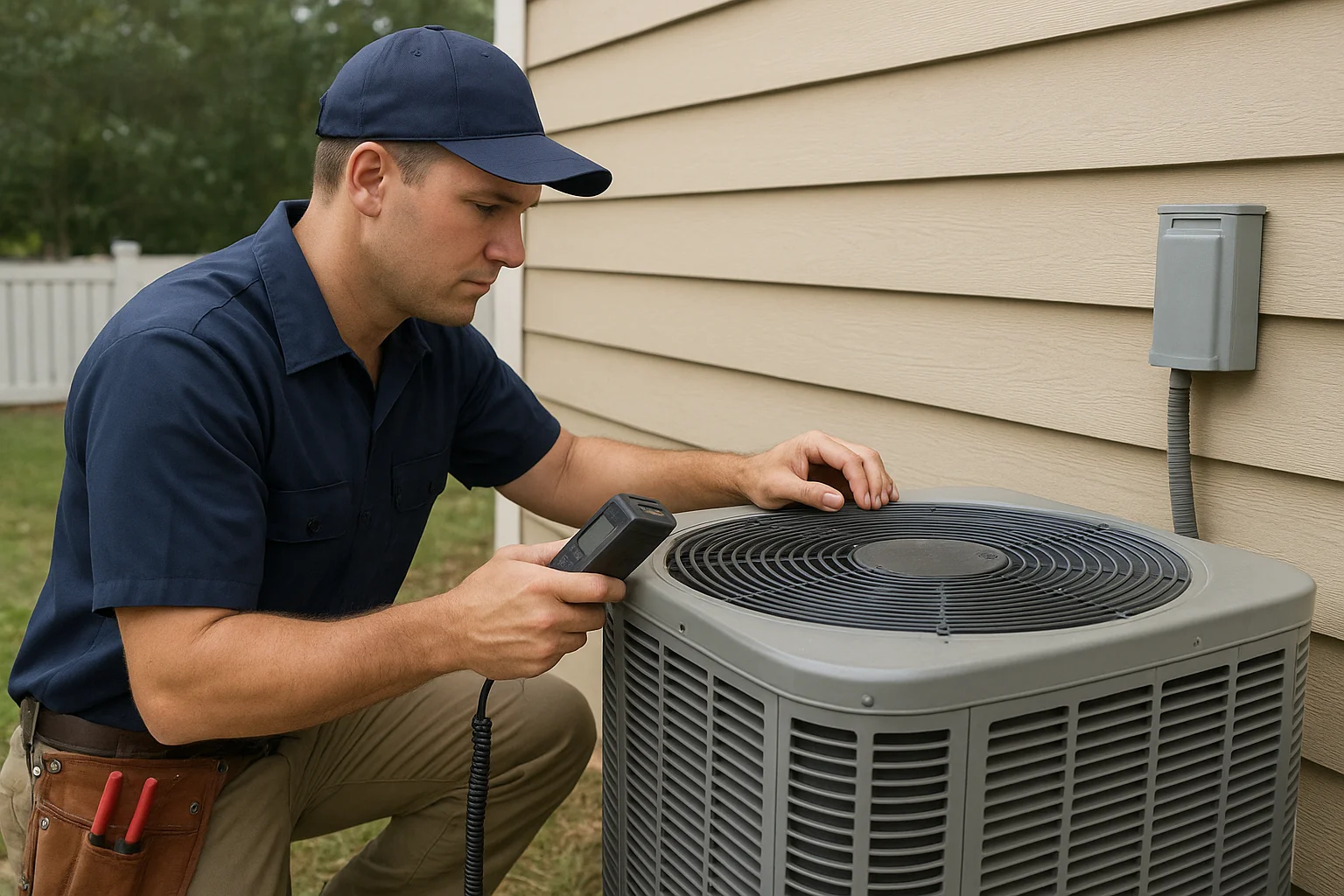
Routine inspection of outdoor units, coil cleaning as needed, and attention to airflow around the unit are part of preventive HVAC maintenance. If the system is surrounded by landscaping that blocks airflow, that is also a lifespan issue.
Neglecting preventive HVAC maintenance in a rental schedule
One of the most common reasons HVAC systems fail sooner in property management settings is inconsistent maintenance. Equipment does not fail only because something breaks. It fails because small issues build up over time: restricted airflow, minor drainage problems, worn components, and parts that are operating outside their best range.
What preventive maintenance typically includes
A professional preventive HVAC maintenance visit generally focuses on cleaning, inspecting, and verifying that the system operates efficiently and safely. That can include checks of indoor and outdoor components, inspection of condensate drainage, review of thermostat operation, evaluation of airflow and ductwork conditions, and cleaning or service steps that help the system run within a healthy operating range.
If you are searching for Commercial HVAC Maintenance for multi-unit properties, the same principles apply. Reliable comfort depends on consistent airflow, humidity control, and clean heat exchange surfaces.
Why “it still cools” is not a full maintenance plan
Systems can keep cooling while slowly losing efficiency and durability. You may notice higher energy use, longer run times, or uneven comfort before the equipment fails completely. For property managers, those early symptoms are valuable signals. Addressing them during scheduled service can reduce the chance of a mid-summer breakdown.
If you want more detail on how timely service supports reliability, read Comfort That Holds Up in Bid-A-Wee Starts With Timely AC Repair.
Common Bid-A-Wee property issues that lead to emergency cooling concerns
Emergency cooling concerns are often preventable when maintenance and tenant education are treated as part of property management HVAC services, not just reactive AC repair.
Overworked systems during peak heat events
During intense Florida heat, systems can be pushed to their limits. If filters are clogged, ductwork is leaking, or condensate drainage is partially blocked, the system may not recover quickly. That increases the chance of a shutdown when conditions are worst.
When homeowners search for air conditioning repair near me during peak season, the best outcomes often come from systems that were already maintained and checked before temperatures climbed.
Improper thermostat installation or settings
Thermostats affect both temperature and how the system cycles. A thermostat that is installed incorrectly, placed in a poor location, or programmed without regard for humidity control can cause the system to run in ways that increase wear. In some homes, thermostat placement near a heat source or in direct sun can lead to incorrect readings and unnecessary cycling.
Homeowners searching for thermostat installation near me should choose a contractor who understands how thermostat behavior interacts with humidity and airflow, not just how to mount the unit.
Missed duct repair near me opportunities
When ductwork leaks or sections are poorly insulated, the system may cool air that never reaches the living spaces. That can raise energy use and humidity issues, because air can pass through unconditioned spaces. For some properties, duct repair is the difference between stable comfort and constant callbacks.
If you suspect ductwork issues, consider professional inspection. Even the best HVAC maintenance cannot fully overcome major airflow losses.
Heat pump and ductless systems: lifespan issues still apply
Some Bid-A-Wee properties use heat pumps or ductless mini split installations. While these systems can be efficient when properly matched to the home, they are still affected by airflow, humidity, and maintenance quality. Outdoor units can experience corrosion and debris buildup, and indoor units still depend on clean airflow paths.
For homeowners searching for heat pump repair near me or heat pump installation near me, the key is ensuring the system is maintained and controlled correctly for your specific property layout and comfort needs. A ductless system that is clean and properly commissioned can last well, but ignoring airflow and indoor unit maintenance can shorten its life too.
If your property includes multiple zones, ductless mini split installation near me searches should lead to a contractor who can evaluate airflow, placement, and how tenants will operate the controls.
Indoor air quality problems that also reduce HVAC life
Indoor air quality is often treated as a separate topic, but it overlaps with system durability. When airflow is restricted, when humidity is not managed, or when filters are not maintained, indoor air quality declines. That can lead to complaints, increased cleaning needs, and additional strain on the system.
Microbial growth can develop when moisture lingers. That can affect coils, drain lines, and duct interiors. Even when the system still runs, it may carry contaminants through the home and contribute to musty odors. Addressing indoor air quality can also support HVAC longevity by keeping coils and drainage systems healthy.
For a deeper look at how maintenance supports healthier indoor air, see How Preventive HVAC Service Supports Cleaner Indoor Air in Bid-A-Wee.
What to ask for during an air conditioning service visit
Whether you manage properties or own a single rental, a good HVAC contractor will connect the dots between performance, comfort, and maintenance. When scheduling an air conditioning inspection near me or HVAC maintenance near me appointment, consider asking:
- How is airflow across the indoor coil and through the ductwork being evaluated for your specific property layout?
- Is condensate drainage inspected and cleared as part of the maintenance plan?
- Are thermostat settings and operation reviewed for humidity and cycling behavior?
- What coil and outdoor unit conditions are visible that could affect heat transfer, especially in a coastal environment?
- What duct repair needs are identified that could be driving uneven comfort and higher energy use?
If the conversation includes possible refrigerant system concerns, a reputable technician will still base recommendations on an in-person evaluation. Homeowners should avoid DIY refrigerant work and should not assume a diagnosis from a remote symptom description.
When HVAC replacement near me becomes a conversation
Property managers sometimes wait too long to plan for HVAC replacement. Equipment life varies widely based on maintenance quality, operating conditions, and how hard the system works in humid Florida summers. A professional evaluation can help you understand whether repairs are likely to restore reliable operation or whether system replacement planning makes more sense.
Replacement conversations are especially important when multiple issues appear at once, such as repeated drainage problems, persistent airflow complaints, or frequent repairs that do not stabilize comfort. Even then, an equipment swap should be based on what a technician finds during inspection, not on a guess.
If you want broader context on property management HVAC services in the area, you can also read A Homeowner’s Guide to Property Management HVAC Services in Santa Rosa Beach and A Practical Look at Property Management HVAC Services for Local Property Owners in Sandestin, FL.
Choosing property management HVAC services that protect the whole system
When you choose property management HVAC services in Bid-A-Wee, you are choosing a maintenance mindset. The goal is not only to fix problems when they happen. The goal is to reduce the conditions that shorten HVAC system life: restricted airflow, humidity and condensate drainage failures, corrosive outdoor exposure, and thermostat behavior that drives excessive cycling.
A Superior Mechanical provides property management HVAC services in Bid-A-Wee for reliable comfort, efficient maintenance, and cost control across Bay County properties. If you manage units, HOAs, or rental homes and want a service partner who understands how Florida climate affects HVAC performance, start with the service page: Property Management HVAC Services in Bid-A-Wee. You can also explore the broader service area at /service-areas/bay-county/bid-a-wee and /service-areas/bay-county to see options across Bay County County.
For homeowners who want cleaner comfort and fewer surprises, the best time to plan is before the next heat wave. A scheduled HVAC maintenance near me visit helps ensure airflow, humidity control, condensate drainage, and thermostat operation are working together. That coordination is what keeps an air conditioner service or heat pump service from turning into constant emergency cooling concerns.
Find Property Management HVAC Services in Bid-A-Wee, FL
If you need Property Management HVAC Services in Bid-A-Wee, FL, visit our local service page or contact A Superior Mechanical today.
Map of Bid-A-Wee, FL
Frequently Asked Questions
What are the most common things that shorten HVAC system life in Bid-A-Wee?
The biggest lifespan reducers are restricted airflow (dirty filters, duct issues), humidity and condensate drainage problems, outdoor coil corrosion from salt air, and thermostat behavior that causes excessive cycling. Consistent preventive HVAC maintenance helps catch these early.
Can humidity damage an air conditioner even if it still cools?
Yes. High humidity can contribute to moisture buildup, microbial growth, and coil or drain-line issues. Even if cooling continues, the system can run under stress, increasing wear and energy use. A professional inspection can confirm what is driving the humidity.
How do I know if condensate drainage is becoming a problem?
Look for signs like water dripping, wet spots around indoor equipment, recurring musty odors, or visible moisture where it should not be. During maintenance, a technician should inspect condensate drainage as part of a healthy HVAC operation plan.
Should I try to diagnose refrigerant problems myself?
No. Refrigerant work requires proper tools and safe procedures. If you suspect refrigerant system issues, schedule professional air conditioning repair or HVAC service for an in-person evaluation.
What should property managers include in a seasonal HVAC maintenance plan?
A practical plan includes filter and airflow checks, inspection of ductwork conditions, verification of condensate drainage, outdoor unit inspection for debris and corrosion, and thermostat review for proper cycling and humidity control. This helps reduce mid-summer breakdowns and supports indoor air quality.
Related Articles
- How Preventive HVAC Service Supports Cleaner Indoor Air in Bid-A-Wee
- A Homeowner’s Guide to Property Management HVAC Services in Santa Rosa Beach
- A Practical Look at Property Management HVAC Services for Local Property Owners in Sandestin, FL
- Comfort That Holds Up in Bid-A-Wee Starts With Timely AC Repair
Photo Gallery