A glass covered in white spots, a showerhead crusted with mineral deposits, or a pot of coffee that never tastes quite right can all point to a water quality problem. In Panama City Beach homes, the best solution depends on whether the concern is hardness, chlorine, sediment, odor, or a combination of issues.
Water softening systems are especially useful for reducing hardness minerals that affect fixtures, appliances, bathing, and laundry. Filtration and reverse osmosis can address other concerns. Understanding the difference helps homeowners build a clean water system that matches the water coming into the property.
How hard water changes everyday routines
Hard water contains dissolved minerals, primarily calcium and magnesium. These minerals are not usually an immediate health concern, but they can create frustrating problems throughout a home. Hard water spots on dishes and drinking glasses are often among the first things families notice. Glass shower doors may develop a cloudy film, while chrome fixtures lose their shine shortly after cleaning.
Scale buildup around faucets and showerheads is another familiar clue. Mineral deposits can collect inside aerators, valves, water heater components, and plumbing connections. Water flow may gradually decline as openings become restricted. A fixture that looks clean on the outside can still have deposits inside it.
Bathing can feel different too. Some homeowners report dry skin from hard water or hair that feels dull after shampooing. Soap may not lather easily, and it can leave a residue that seems difficult to rinse away. In the laundry room, towels may feel stiff, colors can look less vibrant, and more detergent may be needed to get the desired result.
These symptoms do not confirm hardness by themselves. Soap formulas, water temperature, and fixture condition also matter. A professional water test provides a clearer measurement and helps determine whether a softener is appropriate.
Taste, odor, and appearance may have different causes
Water softening addresses calcium and magnesium, but it is not designed to remove every substance that affects taste or smell. A chlorine taste in water may be associated with disinfection treatment. Metallic tasting water can come from certain dissolved minerals, aging plumbing components, or corrosion. Odor concerns can have several sources, including the incoming water, a drain, a water heater, or bacterial growth in equipment that has not been maintained properly.
Visible sediment and discoloration deserve attention as well. Sandlike particles, rust colored water, or dark debris may call for filtration, plumbing evaluation, or both. Cloudy water can sometimes be caused by harmless air bubbles, but persistent cloudiness should be investigated. A water sample and a review of whether the issue occurs at every tap, only on hot water, or only at one fixture can narrow down the cause.
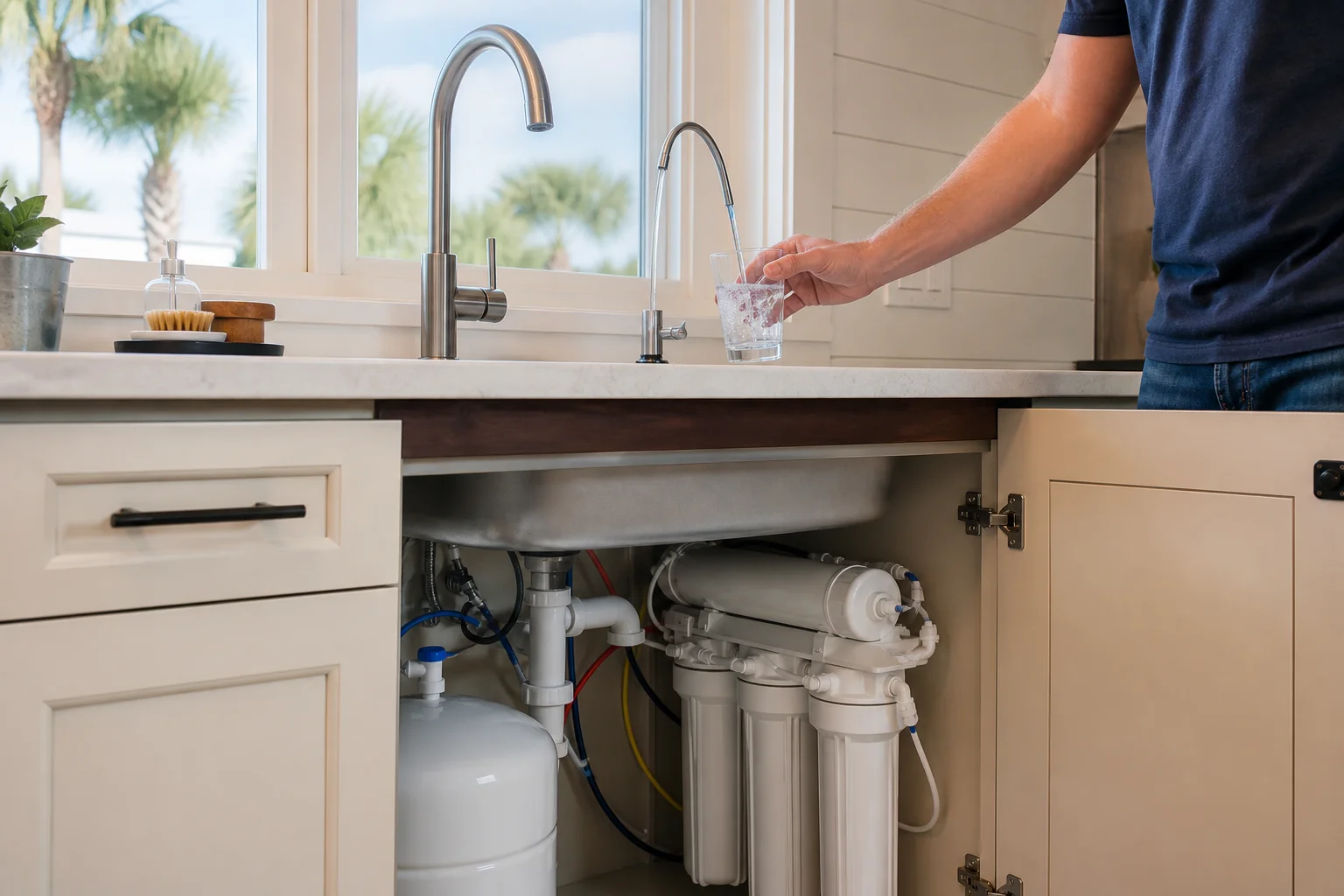
In the kitchen, taste concerns become especially noticeable. Cloudy ice cubes can make drinks less appealing. Poor tasting coffee water can flatten the flavor of freshly ground beans, and unpleasant cooking water can affect tea, soups, pasta, and sauces. Better water for drinking and cooking often requires filtration in addition to water softening.
Why Panama City Beach properties need a local approach
Panama City Beach has a warm, humid coastal climate, steady residential growth, vacation properties, and homes with plumbing systems of many different ages. Water usage can change dramatically between a quiet winter week and a busy summer visit. Rental properties may have long periods of light use followed by several guests taking showers, washing towels, making ice, and running the dishwasher.
Those patterns matter when sizing water treatment equipment. A system should be selected for the household's peak water demand, hardness level, fixture count, and treatment goals. An undersized softener may regenerate too frequently or allow hardness through during busy periods. Equipment that sits unused also needs appropriate setup and maintenance.
Local conditions can vary between properties, and symptoms can also be influenced by private plumbing, a water heater, or an older fixture. That is why homeowners looking for water treatment in Panama City Beach benefit from service based on testing rather than assumptions. A provider familiar with Bay County homes can consider local property styles, seasonal occupancy, and the practical service needs of coastal residences and rentals.
Matching the treatment system to the water problem
Water softening for hardness minerals
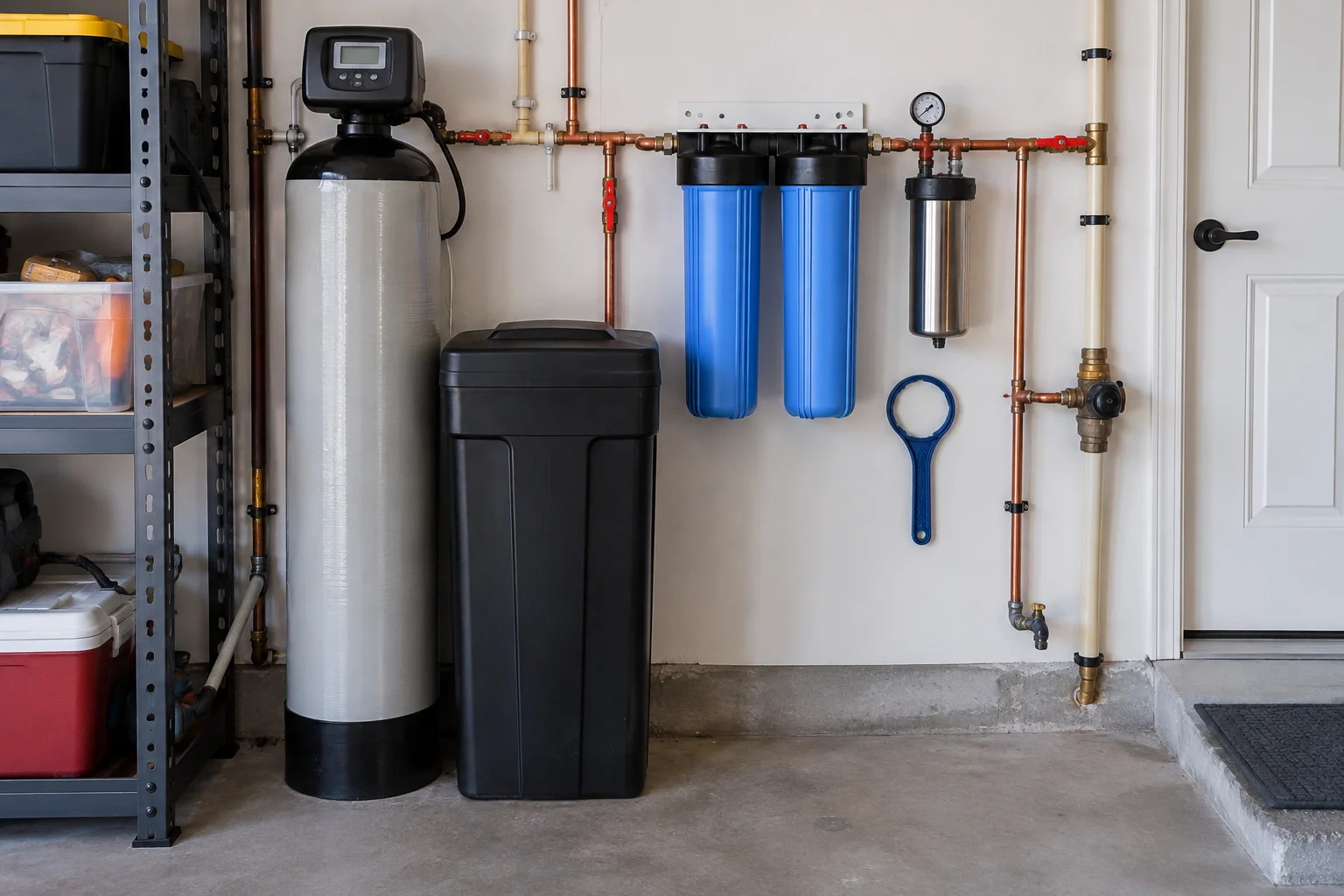
A traditional water softener uses ion exchange to reduce calcium and magnesium. During operation, the treatment media exchanges hardness minerals for sodium or potassium ions. The system periodically regenerates with a brine solution so the media can continue working.
Properly selected water softening systems in Panama City Beach can reduce hard water spots, soap residue, and scale formation. They may also help water using appliances operate with less mineral stress. Softening does not make damaged fixtures new again, and existing scale may need to be cleaned or removed separately.
Capacity, salt efficiency, water pressure, drain access, and installation location all need to be considered. Households that monitor sodium intake should discuss drinking water options with a qualified professional. A dedicated reverse osmosis drinking water faucet is one possible approach.
Whole home filtration for sediment, chlorine, taste, and odor
Whole home water filtration treats water as it enters the property. Depending on the media and system design, it may reduce sediment, chlorine related taste and odor, or other specific substances. It can improve water used for bathing, laundry, cleaning, and every household faucet.
A whole home filter is not automatically a replacement for a softener. Carbon filtration can improve taste and reduce chlorine while leaving hardness minerals in the water. A sediment filter can capture particles without changing mineral content. Homes with several concerns may need staged treatment, such as sediment filtration followed by carbon treatment and water softening.
Homeowners researching whole home water filtration near me should ask what the proposed equipment is certified or designed to reduce. They should also ask about filter replacement intervals, flow rates, pressure loss, and ongoing operating costs. The broader water filtration, reverse osmosis, and water softener options available from A Superior Mechanical can be matched to test results and household priorities.
Reverse osmosis for kitchen drinking water
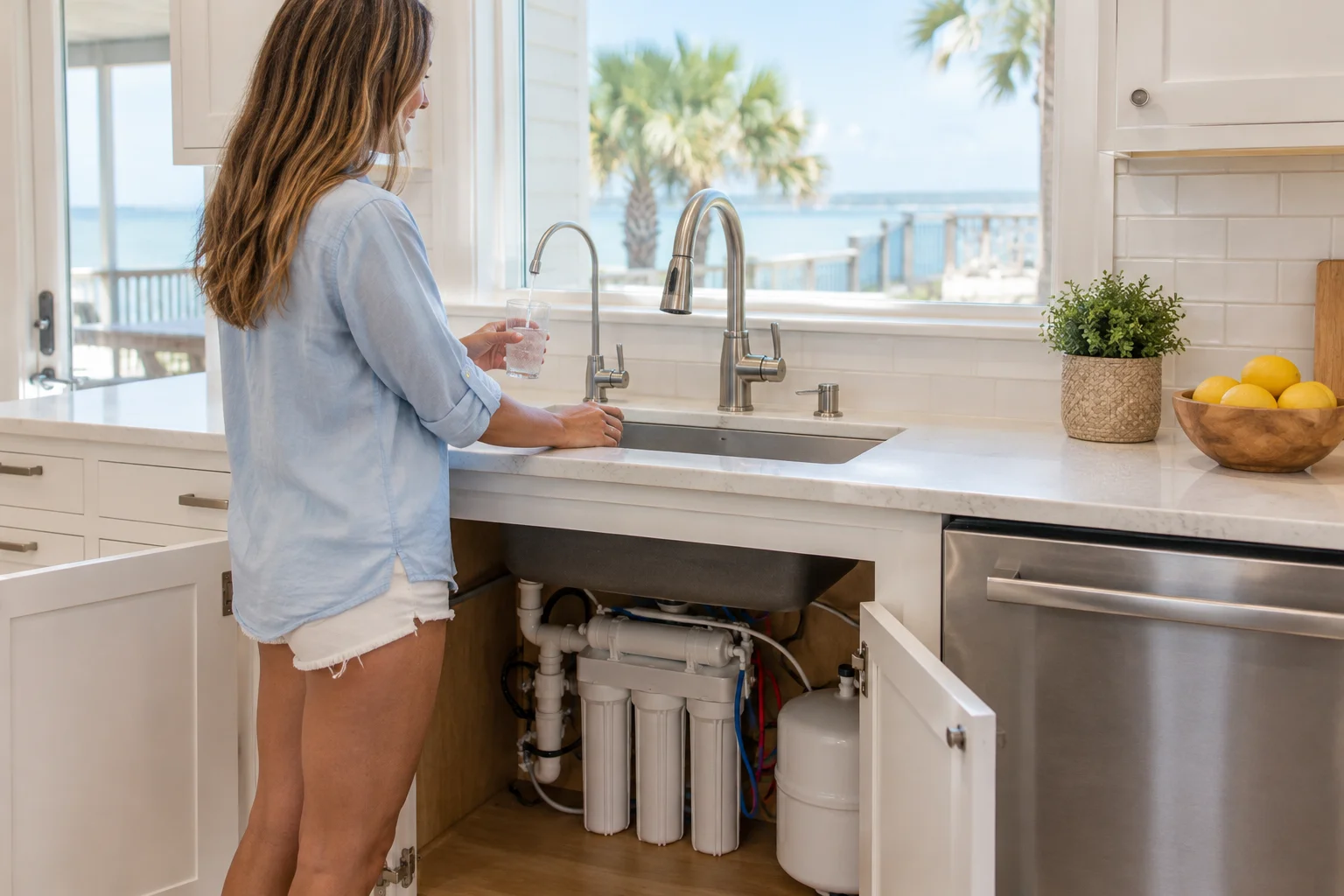
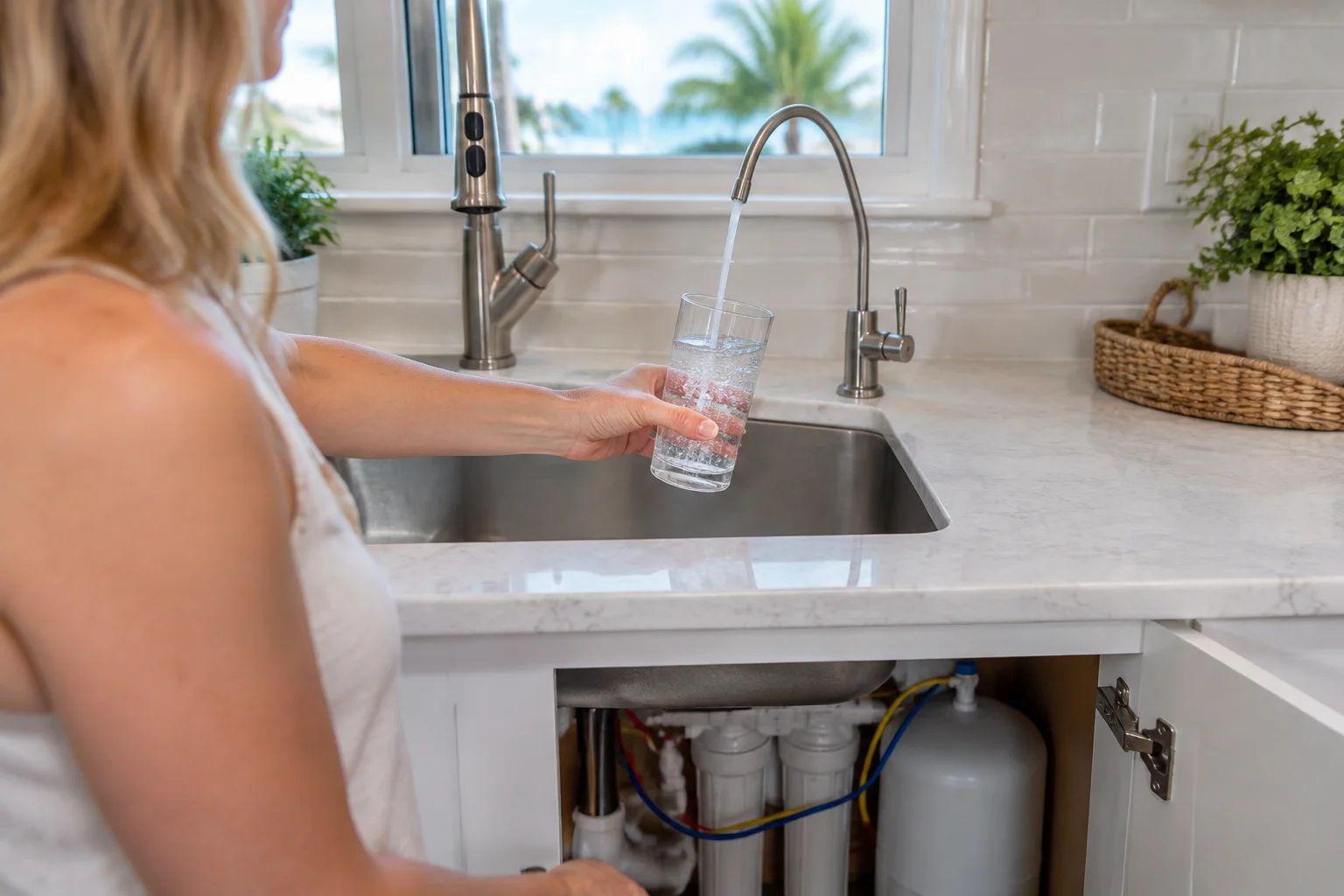
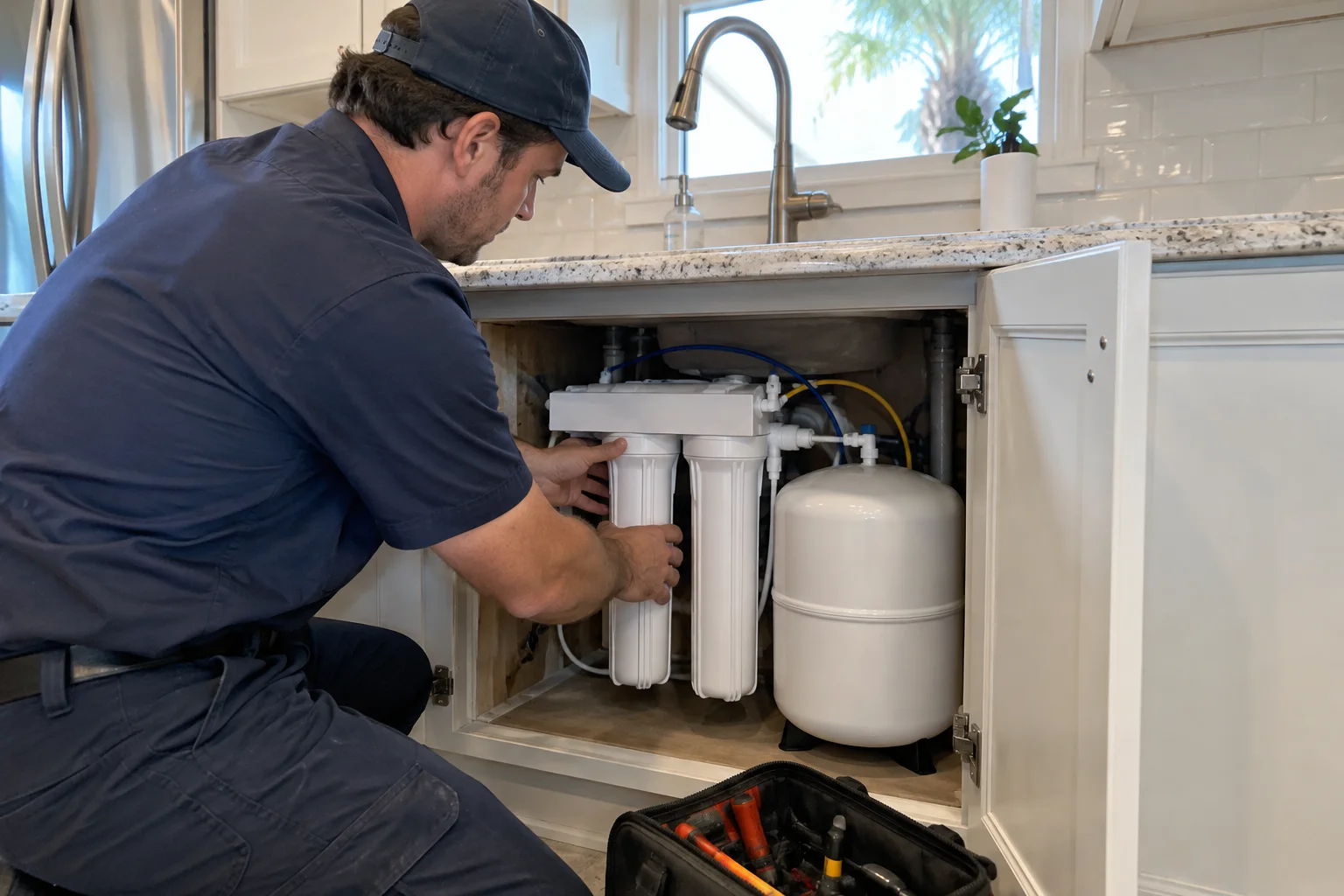
A reverse osmosis system is typically installed at a kitchen sink and connected to a dedicated faucet. It uses a membrane and prefilters to reduce a broad range of dissolved substances and contaminants, depending on the model. It is often chosen for better tasting drinking water, clearer ice, coffee, and cooking.
Someone searching for reverse osmosis installation near me may be trying to solve a kitchen water issue rather than a whole house concern. That distinction matters. A reverse osmosis unit can provide highly treated water at one location, while a whole home system manages water before it reaches showers, laundry equipment, and appliances.
AO Smith water filtration options
AO Smith water filtration products include solutions for different points of use and whole home applications. Product selection should still begin with the water problem, expected flow, available space, and maintenance needs. Brand recognition alone does not show whether a carbon filter, sediment stage, softener, or reverse osmosis unit is the right fit.
A professional can explain how an AO Smith water filtration option fits into the full treatment plan. Equipment should be installed according to manufacturer requirements, with accessible shutoff valves and enough room for future filter changes or service.
Better water reaches far beyond the kitchen faucet
Picture a typical family evening. Someone is rinsing vegetables for dinner while another person fills a glass with water and the dishwasher finishes a load. Ice drops into cups, pasta boils on the stove, and coffee is prepared for the next morning. Water taste and clarity affect every one of those small routines.
In the bathroom, reduced hardness can make soap and shampoo easier to use. Shower doors and fixtures may take less effort to keep clean because mineral spotting is reduced. In the laundry room, a properly operating softener can help detergent perform more effectively. Results vary with detergent, fabric, and water conditions, but many families notice that rinsing feels more complete.
Whole home treatment also supports guest comfort in vacation rentals. Clean looking fixtures, pleasant water, and reliable appliance performance contribute to a better stay. Property owners still need routine cleaning and appliance care, but appropriate treatment can reduce the mineral residue that makes a recently cleaned space look neglected.
Water treatment can help protect fixtures and appliances
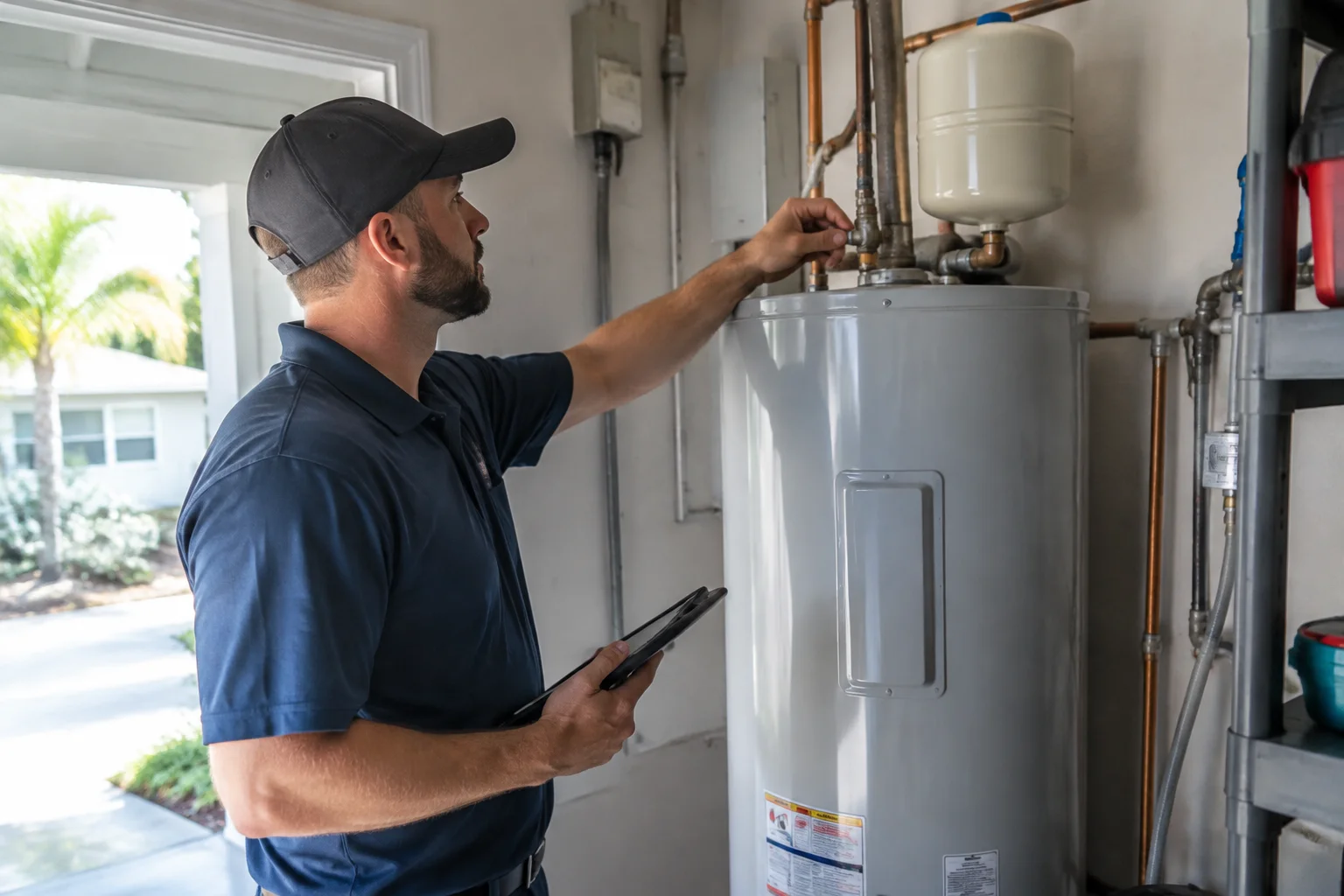
Hardness scale can collect inside water heaters, dishwashers, washing machines, ice makers, and coffee equipment. Heating water accelerates mineral precipitation, so the water heater is often an important place to look for effects. Buildup can reduce efficiency, create noise, and contribute to premature component wear.
Appliances wearing out faster do not always point to hard water, but scale can be one contributing factor. Leaks, corrosion, electrical problems, and normal age also affect service life. Homeowners who notice sediment, unusual sounds, or moisture around the heater can review plumbing clues around the water heater before a minor issue grows.
Fixtures and supply connections should also be inspected periodically. The guidance in small plumbing repairs that protect Panama City Beach homes explains why drips, loose connections, and slow drains should not be ignored while focusing on water quality improvements.
Maintenance keeps a treatment system useful
A softener needs the correct type and amount of salt, a clean brine tank, and settings that reflect actual hardness and household usage. Salt bridging can create an empty space beneath a hardened layer, making the tank look full even though the system cannot draw brine correctly. Unexplained hard water spots after good performance may indicate a salt issue, a bypass valve problem, exhausted media, or a change in water demand.
Filter cartridges must be replaced on schedule or according to pressure and water quality conditions. A clogged filter can restrict flow. Carbon media also has a finite service life. Reverse osmosis systems require prefilter changes, periodic membrane evaluation, sanitation, and pressure checks. Maintenance intervals vary by equipment and water use, so the manufacturer's instructions should guide the schedule.
Seasonal residents and rental owners should arrange service around occupancy changes. Flushing stagnant lines, checking for leaks, and confirming that treatment equipment is operating before guests arrive can prevent surprises. The article about how water softening systems change over time offers additional context on aging media, settings, and shifting household needs.
Keeping records of salt additions, cartridge replacements, service visits, and test results makes changes easier to identify. Broader planning can also include the approach described in a smarter way to handle plumbing maintenance.
Bring in a professional when the symptoms persist
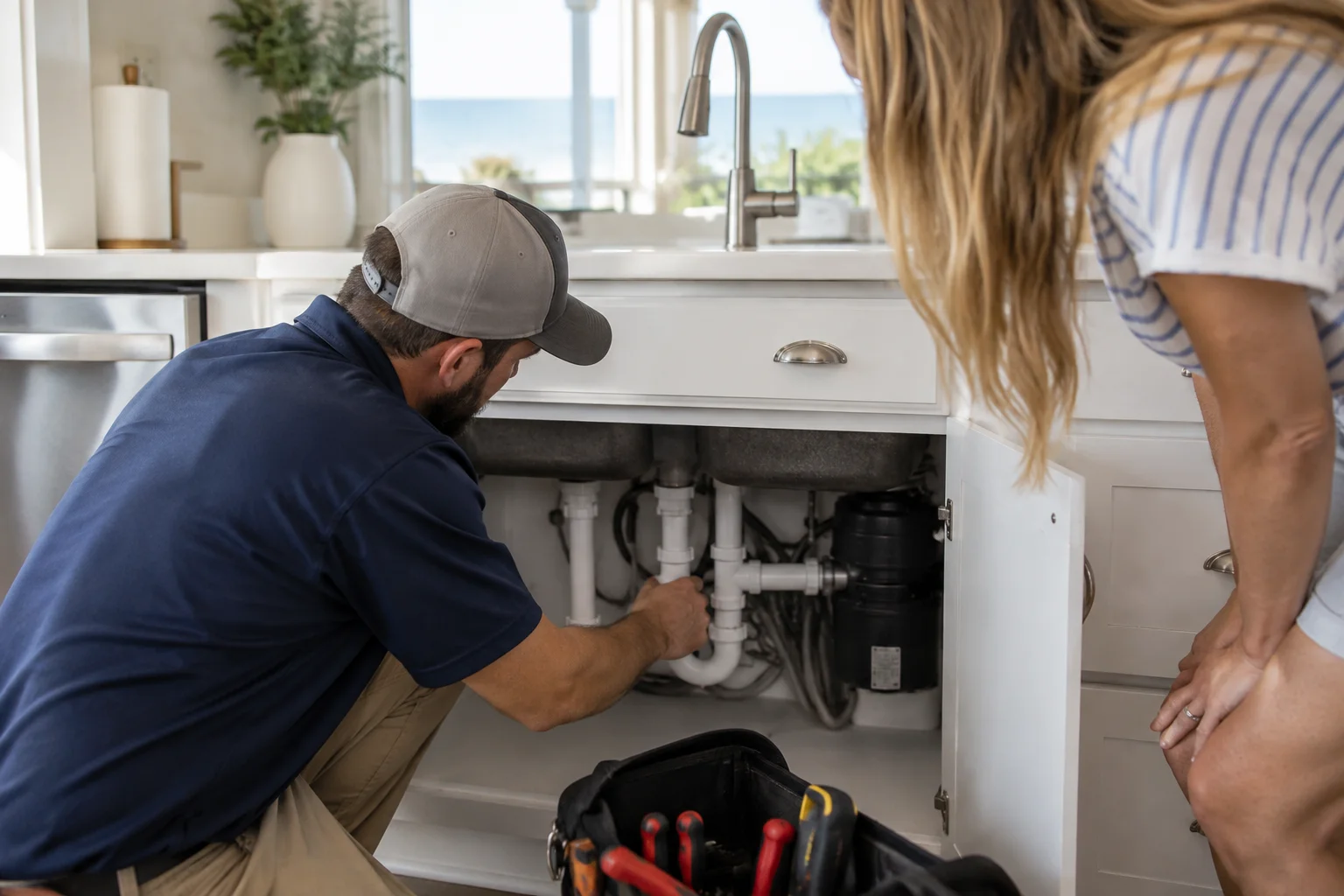
Professional testing and service are appropriate when scale returns quickly, water pressure drops after treatment, odors continue, or water changes color unexpectedly. A plumber or water treatment technician should also evaluate leaks, repeated equipment cycling, standing water near the system, and unusual drain discharge.
If odor or discoloration appears suddenly, avoid assuming that a softener will solve it. Note whether the issue affects hot water, cold water, one faucet, or the whole home. This information helps separate a water heater concern from an incoming water or fixture problem.
Homeowners searching for water filtration near me or water softener service near me should look for a provider that tests the water, explains what each stage does, and discusses maintenance before installation. A Superior Mechanical can evaluate water softening, reverse osmosis, whole home filtration, and AO Smith water filtration options for Panama City Beach homes, businesses, and rental properties. The goal is not simply to add equipment. It is to build a treatment plan that improves daily water while protecting plumbing, fixtures, and appliances.
Find Water Softening Systems in Panama City Beach, FL
If you need Water Softening Systems in Panama City Beach, FL, visit our local service page or contact A Superior Mechanical today.
For a broader look at whole-home water filtration, reverse osmosis, and water softener options, visit our water filtration, RO, and water softener page.
Map of Panama City Beach, FL
Frequently Asked Questions
Will a water softener remove chlorine taste and unpleasant odors?
A water softener primarily reduces calcium and magnesium hardness. Chlorine taste and many odor concerns usually require carbon filtration or another treatment selected for the specific cause. Water testing helps determine whether the home needs softening, filtration, or both.
Can reverse osmosis and whole home water filtration be used with a softener?
Yes. A softener can manage hardness throughout the home, while whole home filtration can address sediment, chlorine, taste, or odor. A reverse osmosis system can provide additional treatment for drinking and cooking water at the kitchen sink.
How often should a Panama City Beach water softener be serviced?
Service frequency depends on water hardness, household use, equipment design, and seasonal occupancy. Homeowners should check salt regularly and arrange service if spotting returns, water feels hard, pressure changes, or the system cycles unusually. Filters and reverse osmosis components follow separate replacement schedules.
Related Articles
- How Water Softening Systems Change Over Time in Panama City Beach Homes
- Small Plumbing Repairs That Save Panama City Beach Homes from Bigger Trouble
- Plumbing Clues Around the Water Heater That Panama City Beach Families Should Not Ignore
- A Smarter Way to Handle Plumbing Maintenance in Panama City Beach
Photo Gallery