You unload the dishwasher before breakfast, and the glasses still look spotted. White crust collects around the kitchen faucet. The coffee tastes off, even with fresh beans. These frustrations can make homeowners wonder whether the same water problem is showing up throughout the house.
Sometimes it is, but not always. Water softening in Inlet Beach, FL, addresses dissolved hardness minerals that cause scale and interfere with soap. Taste, odor, and sediment may require different treatment. A Superior Mechanical helps homeowners sort out those differences so the equipment matches the water, rather than asking one system to solve every problem.
Start with the water coming into your Inlet Beach home
Inlet Beach's warm, humid coastal setting puts household water to work through long summers, beach days, frequent showers, and extra laundry. Vacation homes may shift from weeks of low use to a full house overnight. Those changes matter when selecting treatment capacity and planning maintenance.
Location alone does not establish your water's hardness. Groundwater can pick up calcium and magnesium as it moves through mineral deposits, but the water delivered to a particular home depends on its source and treatment. Coastal proximity also does not automatically mean your tap water has elevated salt levels.
Review your water provider's current quality report, if available, and have the home's water tested. Useful checks include hardness, pH, iron, manganese, and the disinfectant used by your provider. Additional testing should follow the symptoms and source. Local service matters because household demand, equipment placement, and the actual water supply all affect the treatment plan.
What hard water leaves behind
Spots on glass, dishes, and fixtures
Hard water spots on glass become noticeable when droplets evaporate and leave dissolved minerals behind. Shower doors, drinking glasses, and chrome fixtures often show them first. Hard water spots on dishes can persist even when the dishwasher is operating normally.
Not every cloudy glass has a removable deposit. Dishwasher detergent residue and permanent glass etching can look similar. A water test and a closer look at the dishwasher's settings help distinguish a hardness problem from a cleaning or equipment issue.
Scale around faucets, showerheads, and plumbing
White or chalky buildup around faucets and showerheads can restrict spray patterns and make fixtures harder to clean. Inside equipment, scale can collect on heating surfaces and in narrow passages. Water heaters, dishwashers, and washing machines may lose performance or require repairs sooner when mineral buildup becomes significant.
Hardness is only one reason for appliances wearing out faster. Installation, usage, maintenance, and water chemistry also matter. Softening helps reduce new hardness deposits, but it does not repair damaged parts or guarantee that existing scale will disappear.
Soap that never seems to rinse away
Calcium and magnesium react with soap, reducing lather and leaving residue. You may use more detergent than necessary, notice stiff towels, or spend extra time rinsing the tub. After bathing, some people report tight-feeling skin or dull hair.
Homeowners often describe this as dry skin from hard water, but hot showers, cleansers, humidity changes, and skin conditions can contribute too. Softened water may reduce soap residue and improve bathing comfort. It is not a treatment for eczema or other medical conditions.
Softening, filtration, and reverse osmosis have different jobs
For homeowners comparing water treatment near me, the most useful starting point is understanding what each technology actually removes. A system that controls scale may do little for chlorine taste in water, while a taste filter may leave hardness unchanged.
Water softening targets dissolved hardness
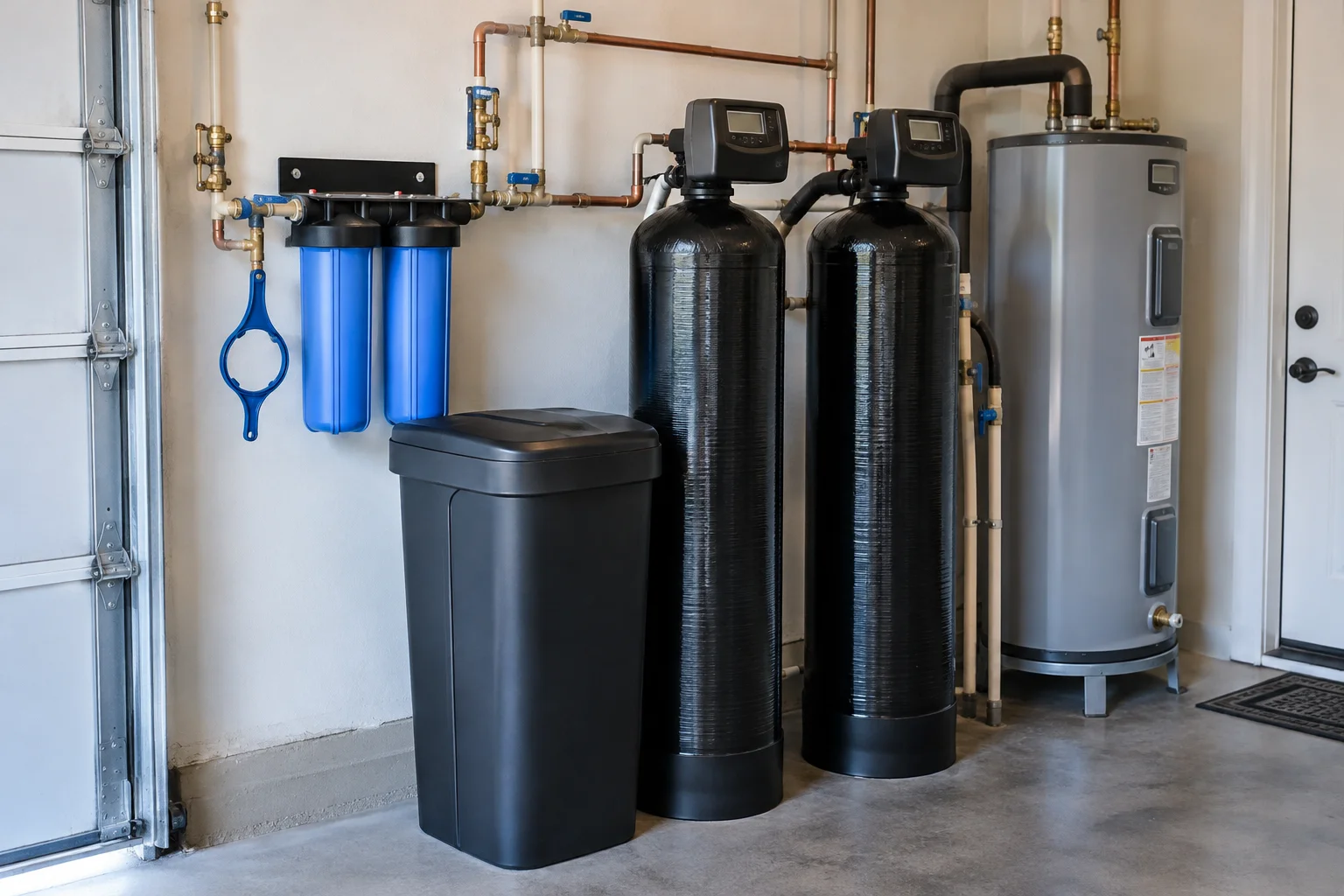
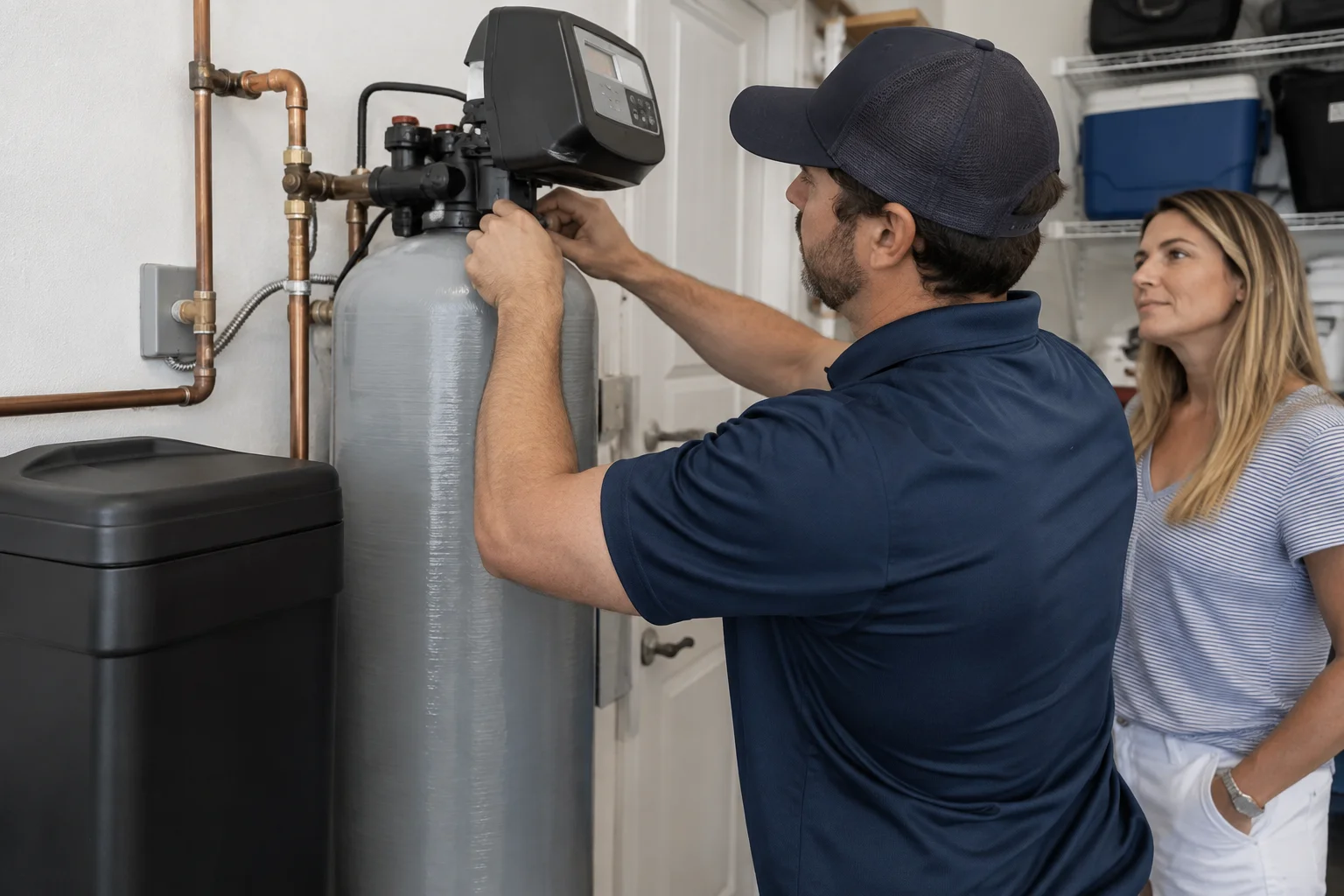
A conventional ion exchange softener uses resin to exchange calcium and magnesium for sodium or potassium ions. The resin periodically regenerates using brine. Proper sizing and programming depend on measured hardness, household consumption, and peak flow, not simply the number of bedrooms.
A Superior Mechanical's water softening services in Inlet Beach focus on reducing hardness buildup and improving everyday water use. An AO Smith water softener should be selected for the home's conditions and installed with appropriate bypass, drainage, and service access. Salt-free scale conditioners work differently and do not remove hardness minerals in the same way.
Whole home filtration addresses selected water concerns
Whole home water filtration treats water near the point where it enters the house. Depending on the media and system rating, it can address sediment, chlorine, or other specified substances. A whole house water filter must be matched to the contaminant, required flow rate, and replacement schedule.
AO Smith water filtration options can be evaluated alongside softening when a household has more than one concern. Brand alone does not determine performance. Check the specific model's certified reduction claims. If the supplier uses chloramine rather than free chlorine, the media and contact time must be suitable for that disinfectant.
Reverse osmosis serves the drinking water tap
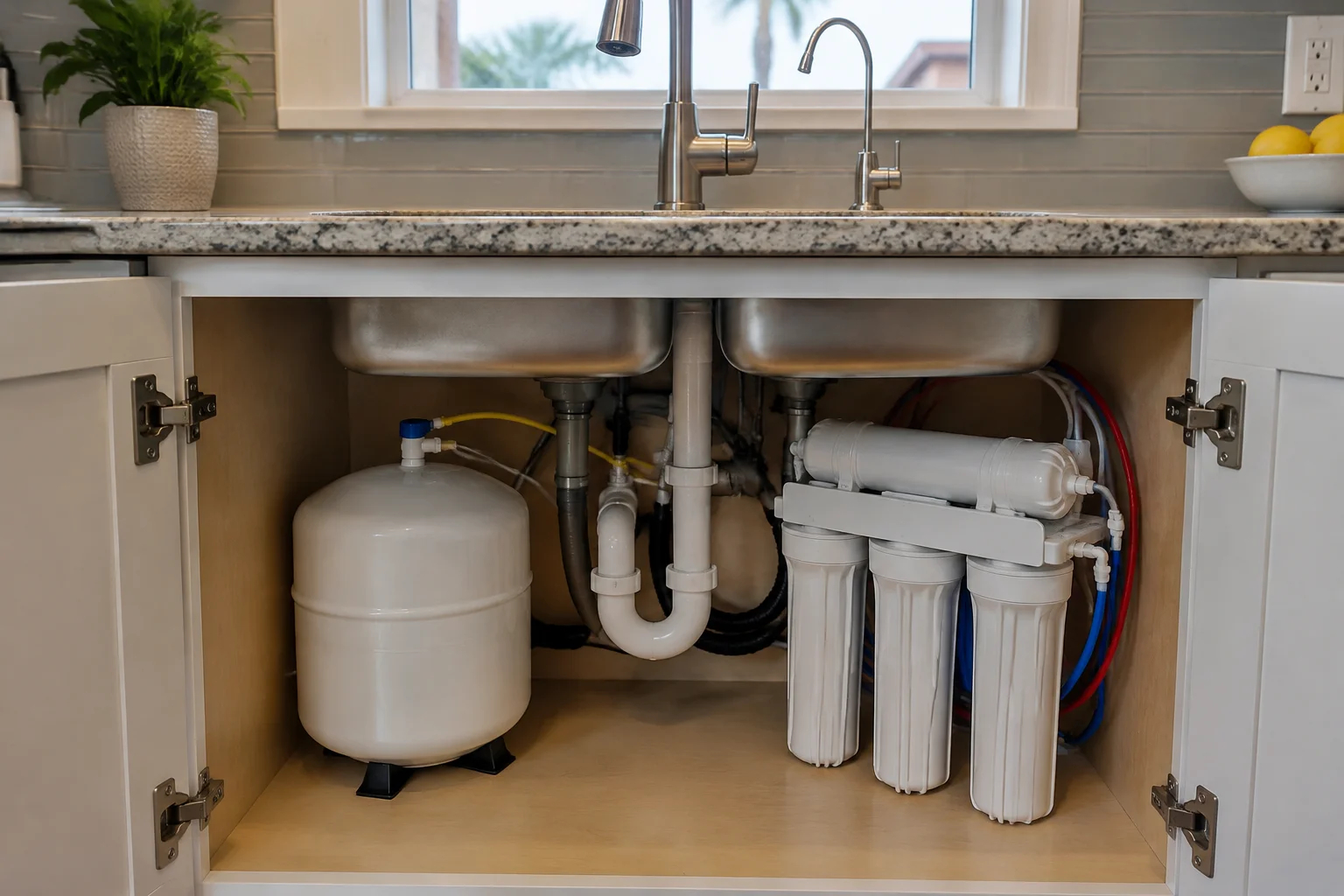
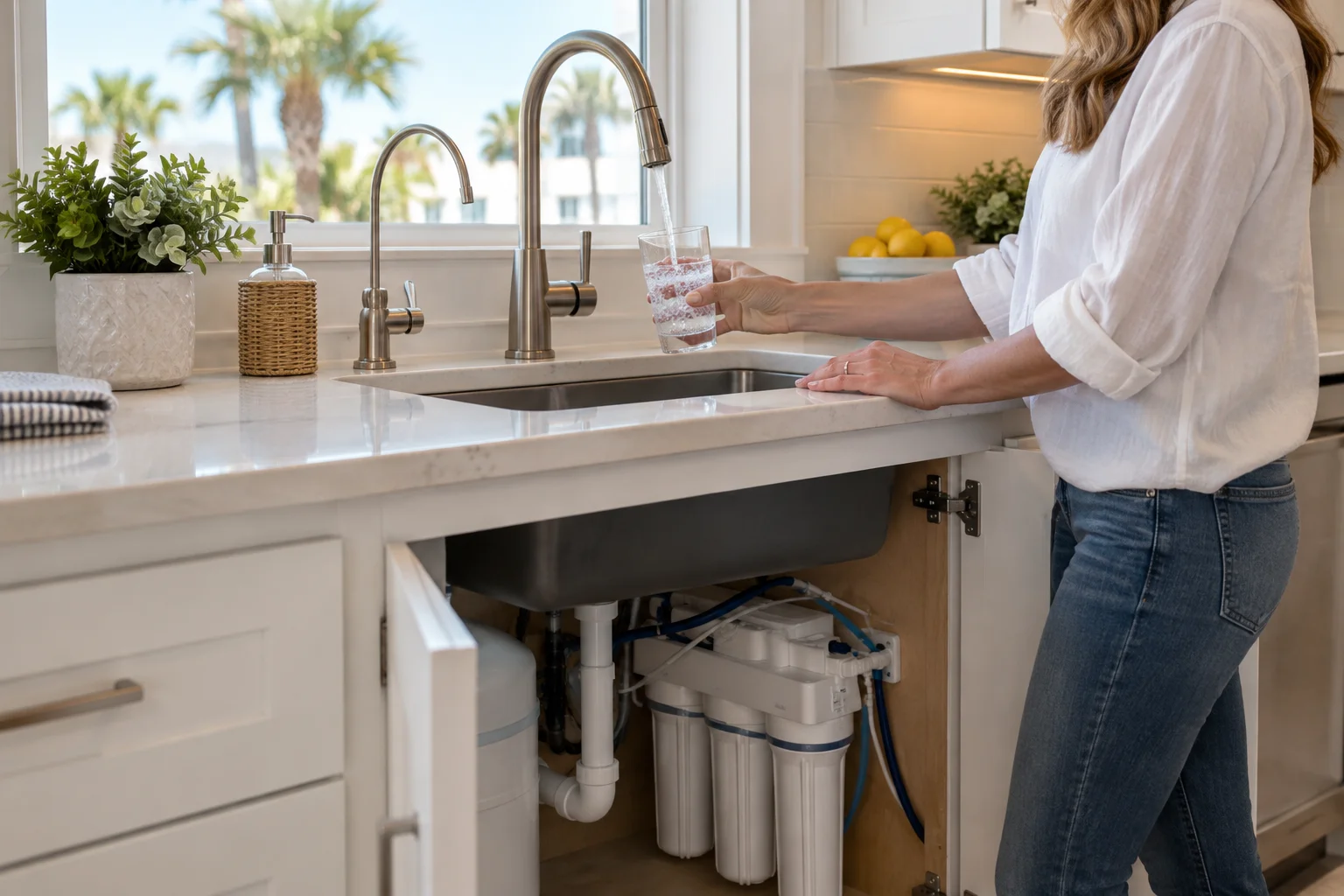
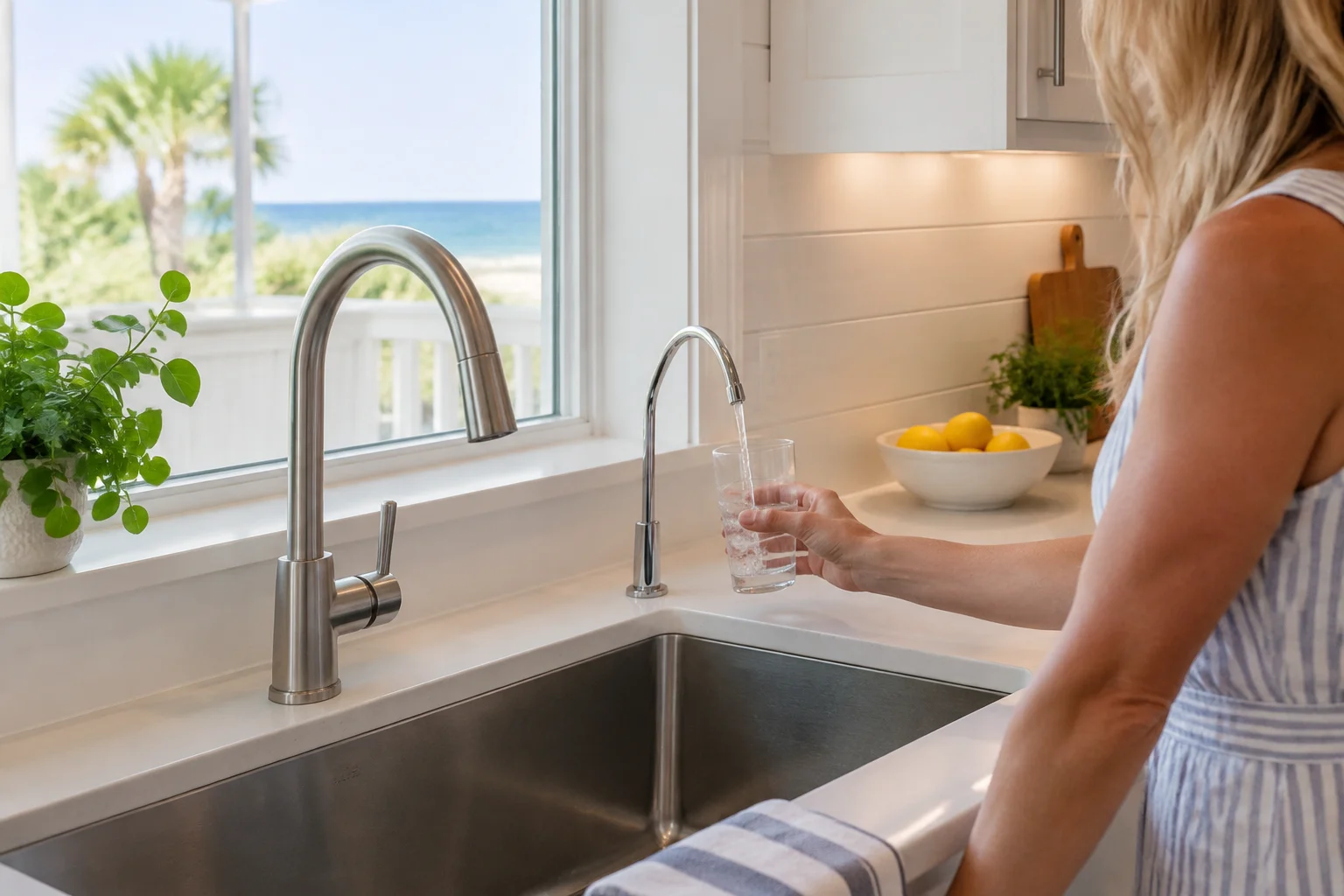
A reverse osmosis system typically treats water at a dedicated kitchen faucet. Its membrane and supporting filters can reduce many dissolved substances, with performance depending on the model and its certifications. It is often considered for better water for drinking and cooking rather than for every shower and laundry load.
The water filtration, reverse osmosis, and water softener options from A Superior Mechanical provide a starting point for comparing these approaches. Some homes benefit from combined treatment, but not every home needs all three systems.
Taste, odor, and cloudy ice need their own diagnosis
Metallic, chlorinated, or otherwise unpleasant taste should not automatically be blamed on hardness. Metallic taste can involve iron, copper, or corrosion. A chlorine-like taste may relate to the municipal disinfectant. Poor tasting coffee water can reflect those flavors, mineral balance, or even an overdue coffee maker cleaning.
Cloudy ice cubes are not a reliable safety test. Trapped air and the way water freezes can create a cloudy center, while dissolved minerals may also contribute. Reverse osmosis may improve flavor and reduce mineral content, but it does not guarantee crystal-clear ice from a standard freezer.
Visible sediment, discoloration, and odor concerns deserve a closer investigation. Brown water can follow a supply disturbance or involve iron and corrosion. A sulfur-like odor may originate in the water supply, a water heater, or even the sink drain. Compare hot and cold water and check more than one fixture before choosing treatment.
For sudden unexplained changes, contact the water provider and arrange appropriate testing. If contamination is suspected, use an alternative known-safe drinking water source while following official guidance. Ordinary softeners and taste filters do not make every unsafe supply safe.
Build the treatment plan around daily life
In a busy family kitchen, water fills school bottles, rinses produce, boils pasta, and becomes the afternoon pitcher of iced tea. A dedicated drinking water system can improve those routines without treating every gallon to the same standard. Under-sink space, faucet placement, filter access, and refrigerator connections should all be considered.
Elsewhere, softening may mean less soap scum in the shower, easier fixture cleaning, and laundry that rinses more readily. Start with detergent manufacturers' recommendations for soft water and adjust carefully. Continuing to use a hard-water detergent dose can create excess suds and residue.
If you are searching for whole home water filtration near me, consider peak demand as well as water quality. Several showers running while the dishwasher fills can expose an undersized system. For an Inlet Beach vacation property, sizing should reflect expected occupied use, while maintenance should account for idle periods.
Softening adds sodium or potassium to treated water. People with medically restricted intake should discuss their drinking water with a healthcare professional. A separately supplied drinking tap or properly selected reverse osmosis system may be worth considering, depending on test results and household needs.
Installation details that protect the investment
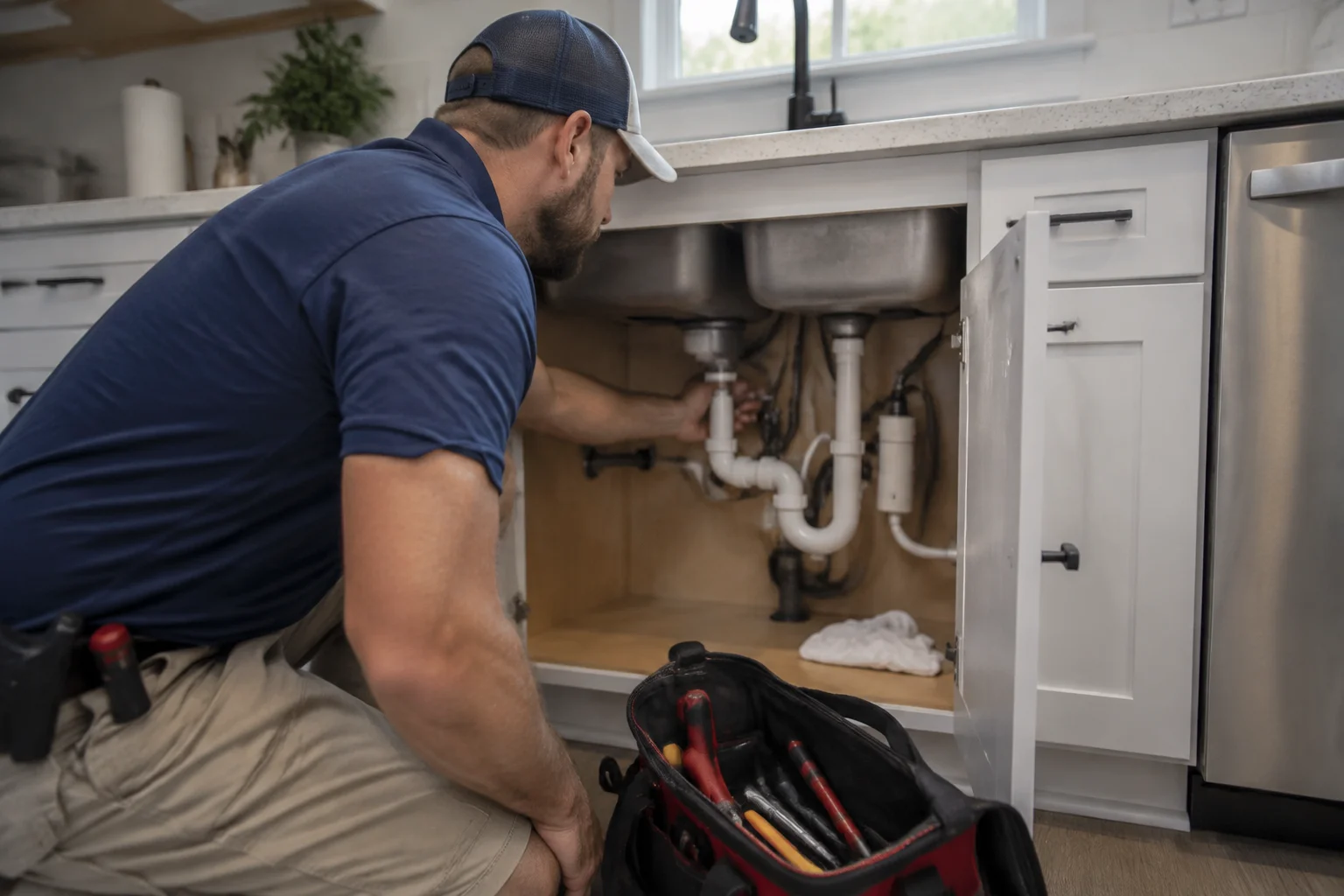
The right treatment equipment still needs the right installation. A technician should evaluate available pressure, flow, pipe condition, shutoffs, and the proposed location. Outdoor placement must follow manufacturer requirements for weather exposure and temperature protection. Inlet Beach's coastal environment makes suitable equipment housing and accessible installation especially important.
A regenerating softener needs an approved drain arrangement with proper protection against backflow. Reverse osmosis also requires suitable drain connections, and some systems need storage tank space. Electrical needs vary by equipment. Access should allow filter changes, salt loading, leak checks, and eventual component replacement without dismantling cabinetry.
Older plumbing can complicate expectations. A softener cannot correct corrosion, failing valves, or restricted piping caused by unrelated damage. Our discussion of how plumbing wear affects water softening in Inlet Beach explains why existing conditions belong in the assessment.
If treatment will be added during remodeling, review planning a plumbing installation in Inlet Beach before cabinet layouts and utility locations are fixed. Early planning can preserve useful service space.
Keep better water consistent with routine maintenance
A water softener is not a set-and-forget appliance. Check salt levels as recommended and watch for salt bridges, where a hardened crust forms above an empty space. Use the salt specified by the manufacturer, and do not change regeneration settings without understanding the home's hardness and consumption.
Periodic testing of treated water confirms whether the softener is still removing hardness. If spots return, possible causes include an empty salt supply, an open bypass, incorrect programming, resin problems, or a separate dishwasher issue. Testing helps avoid replacing equipment unnecessarily.
Filtration cartridges and reverse osmosis components have their own service schedules. Replace them according to manufacturer instructions, rated capacity, and actual conditions. Reduced flow, returning taste, or overdue service deserves attention. Membranes and storage tanks may need additional checks and sanitation procedures.
After a vacation home's extended idle period, follow the equipment manufacturer's restart and flushing guidance. For homes across Walton County, a maintenance plan tied to occupancy is more useful than assuming every household uses water at the same rate.
Get help when the symptoms no longer add up
Arrange professional service for persistent scale despite softening, repeated regeneration problems, leaking equipment, pressure loss, or recurring taste and odor. Sudden discoloration or an unexplained water-quality change also warrants investigation rather than an automatic filter purchase.
Homeowners searching for water softener service near me should ask whether the visit includes hardness testing, equipment checks, and review of household demand. For reverse osmosis installation near me, ask about certified reduction claims, wastewater production, replacement costs, and available kitchen space.
A Superior Mechanical serves Inlet Beach homeowners with water treatment planning focused on the actual problem. Start with what you notice, whether that is spotted glassware, crusted showerheads, or drinking water nobody enjoys. Testing and a practical equipment assessment can turn those observations into a focused plan for softer water, easier cleaning, and a more useful kitchen tap.
Find Water Softening in Inlet Beach, FL
If you need Water Softening in Inlet Beach, FL, visit our local service page or contact A Superior Mechanical today.
For a broader look at whole-home water filtration, reverse osmosis, and water softener options, visit our water filtration, RO, and water softener page.
Map of Inlet Beach, FL
Frequently Asked Questions
Will a water softener improve taste and remove odors?
A conventional water softener primarily removes calcium and magnesium. It is not designed to reliably remove chlorine, every source of metallic taste, or odors. Testing can identify whether targeted filtration, reverse osmosis, or another solution should accompany softening.
How do I know whether my Inlet Beach home needs water softening?
Recurring mineral spots, chalky faucet buildup, and soap that does not lather well are useful clues, but a hardness test is the best starting point. A professional can compare untreated and treated water, review household demand, and check whether existing equipment is operating correctly.
Can an AO Smith water softener work with whole home filtration and reverse osmosis?
Yes, compatible systems can be combined when water testing supports that approach. Softening addresses hardness, whole home filtration targets specified concerns throughout the house, and reverse osmosis typically serves a drinking water tap. Equipment selection and installation order should follow the specific manufacturers' requirements.
Related Articles
- How Plumbing Wear and Tear Changes the Way Water Softening Works in Inlet Beach
- What Shortens a Plumbing System’s Life in Inlet Beach and How Sewer Camera Inspection Helps Catch It Early
- What Inlet Beach Homeowners Should Know Before a Plumbing Installation
- Keeping a Water Heater Replacement from Turning Into a Bigger Plumbing Bill in Inlet Beach
Photo Gallery