A ductless mini-split can make a stubbornly warm bedroom, enclosed porch, or home addition much more comfortable. But installing an indoor unit wherever there is open wall space is not a comfort plan. In Crestview, equipment sizing, air distribution, moisture removal, and drainage all deserve attention before installation begins.
A Superior Mechanical provides ductless mini-split installation, repair, replacement, and maintenance in Crestview, FL. Whether you are improving one room or considering several zones, understanding how these systems work helps you make better decisions and recognize problems before they interrupt cooling or heating.
Crestview's weather changes the comfort equation
Long, humid cooling seasons place steady demands on HVAC equipment in Crestview. Summer heat, frequent rain, and warm evenings can keep indoor moisture levels elevated even after the thermostat reaches its setting. During milder weather, a room may need moisture removal without much cooling.
Crestview is inland, so direct salt exposure is generally lower than in beachfront communities. Still, regional coastal weather, storm-driven moisture, and site-specific exposure matter when evaluating outdoor units for corrosion and wear. Heavy rain, windblown debris, and cold snaps also influence installation and maintenance decisions.
Older homes may have air leakage, uneven insulation, or limited space for new ductwork. Newer homes can have room temperature differences caused by sun exposure, closed doors, or additions. Local HVAC service matters because a useful recommendation should reflect the building and its exposure, not just the equipment catalog.
Start with the room's load, not its square footage alone
Why the biggest unit is rarely the safest choice
A contractor should evaluate heating and cooling loads before selecting capacity. Square footage is only one factor. Ceiling height, windows, insulation, orientation, occupancy, and heat-producing equipment all affect the load. A west-facing bonus room and a shaded bedroom of equal size may need different solutions.
Oversizing can cause short operating cycles, particularly when the equipment's minimum output exceeds the room's needs. That can leave the space cool but clammy. Undersized equipment may run continuously without maintaining comfort during extreme weather, although long operation by itself is normal for many variable-speed systems.
Match zoning to how the house is used
Single-zone systems pair one indoor air handler with one outdoor unit. Multi-zone systems connect several indoor units to a shared outdoor unit. Neither approach is automatically better. Consider bedroom schedules, simultaneous demand, equipment turndown, installation constraints, and whether losing one outdoor unit would affect several rooms.
Our guide to planning room-by-room ductless comfort in Crestview explores these layout decisions. For remodels and additions, plan before walls close so refrigerant piping and drain routes can be coordinated.
Airflow depends on placement and clear paths
A wall-mounted head needs space to draw in room air and distribute conditioned air. Tall cabinets, curtains, shelving, and nearby walls can interfere with circulation. Follow the manufacturer's clearances, and avoid aiming the strongest airflow directly at a bed, desk, or favorite chair.
One indoor unit does not reliably condition several closed bedrooms through a hallway. Air needs a practical circulation path, and a doorway is not a substitute for room-specific load planning. Louvers and fan settings can improve distribution within a room, but they cannot correct a fundamentally unsuitable layout.
If you are searching for garage mini split installation near me, include insulation, door leakage, intended use, and separation from the house in the conversation. A mini-split recirculates air; it does not remove vehicle exhaust or make an enclosed garage safe for running engines.
Cool air and humidity control are different jobs
During cooling, moisture condenses on the indoor evaporator coil and leaves through a drain line. The system needs appropriate coil temperatures, airflow, and operating time to remove that moisture effectively. Poor sizing, dirty coils, and incorrect settings can undermine the process.
A simple indoor humidity monitor helps separate temperature complaints from moisture problems. An indoor relative humidity range around 30 to 50 percent is a useful target when practical, and sustained readings above 60 percent warrant investigation. Clammy bedding, persistent musty smells, and condensation deserve attention even if the room feels cool.
Dry mode may help under certain conditions, but its behavior varies by model and it is not always a substitute for dedicated dehumidification. Check bathroom exhaust, outdoor air leakage, and moisture sources first. In tightly built homes or during mild, damp weather, supplemental dehumidification may be appropriate.
For indoor air quality, remember that standard mini-split filters mainly protect equipment and capture larger particles. They do not automatically provide fresh air or whole-home purification. Avoid adding restrictive filter material that the manufacturer has not approved.
Keep the rest of the HVAC system in the picture
Ductless equipment is useful when extending existing ductwork would be difficult or when one space has a different schedule. It should not automatically become the workaround for a neglected central system. A hot room might instead have a restricted supply vent, inadequate return path, damaged duct, or insulation problem.
Homeowners searching for duct sealing near me may benefit from inspecting attic ductwork before investing in another system. Leaky ducts can waste conditioned air and contribute to pressure imbalances that pull humid air indoors. Professional duct sealing in Crestview addresses verified leakage rather than masking its effects.
If the central equipment is aging and several rooms are uncomfortable, compare targeted ductless improvements with air conditioning replacement. The right choice depends on equipment condition, load calculations, duct performance, and long-term household needs.
Installation details that prevent expensive trouble
Outdoor units need breathing room and stable support
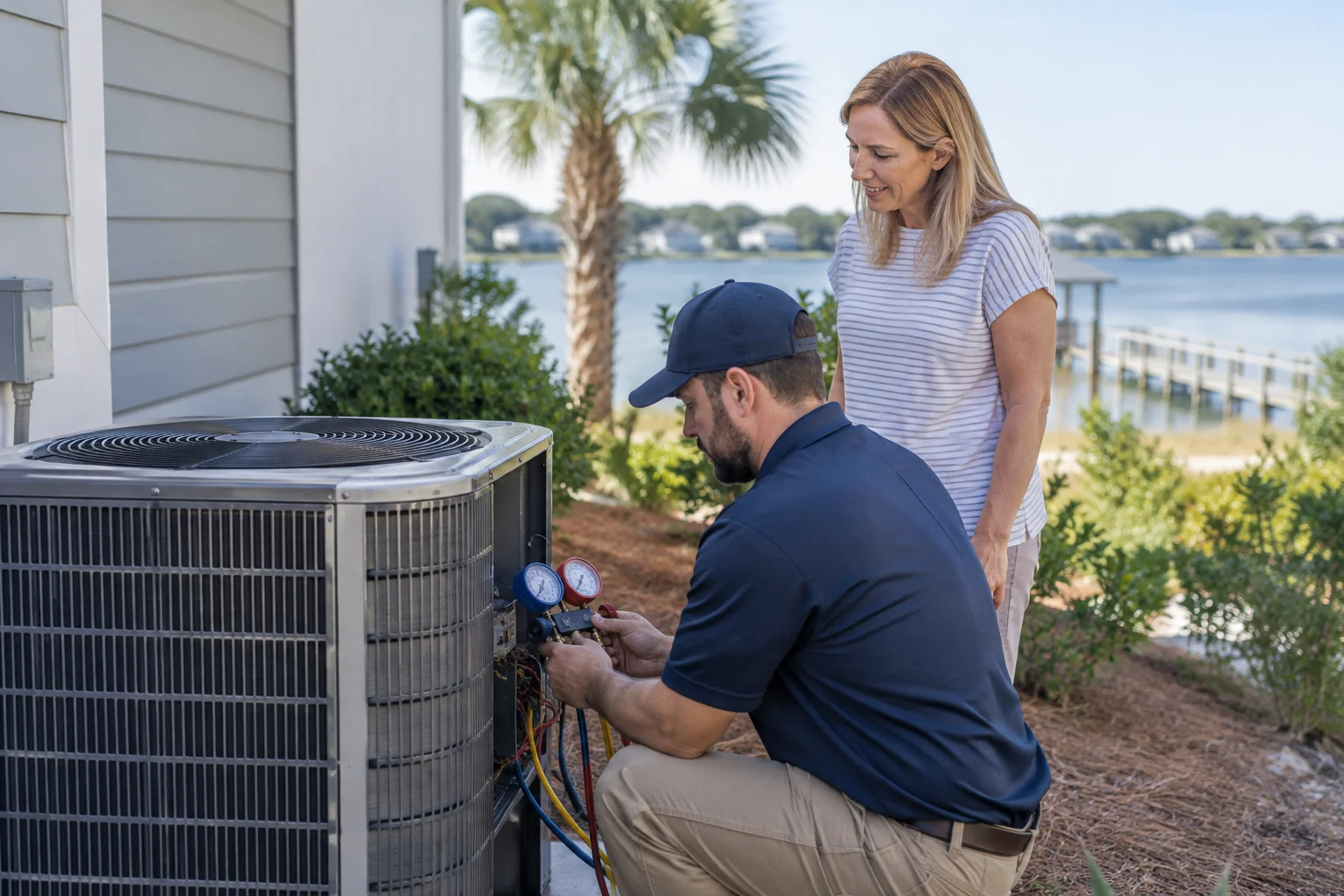
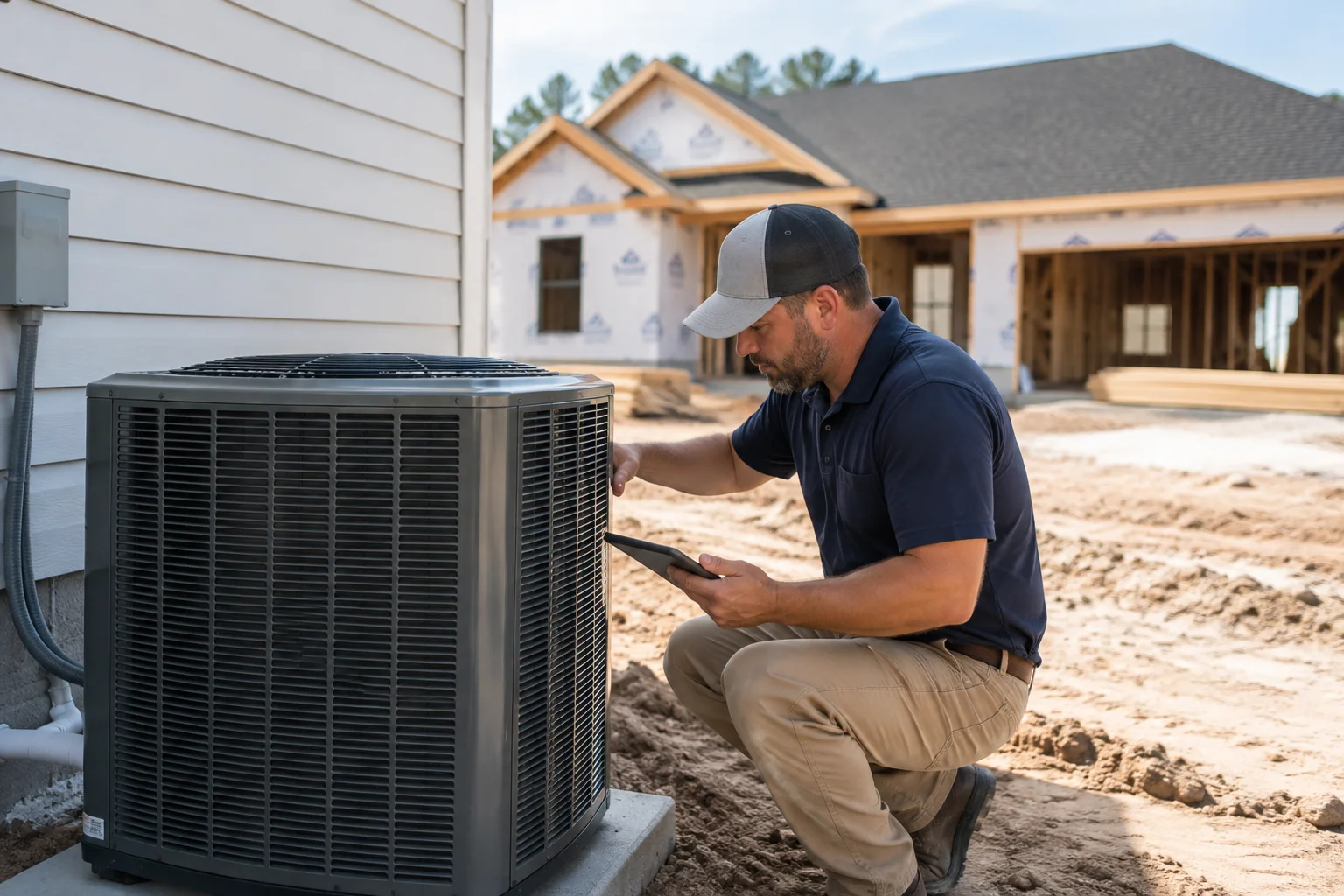
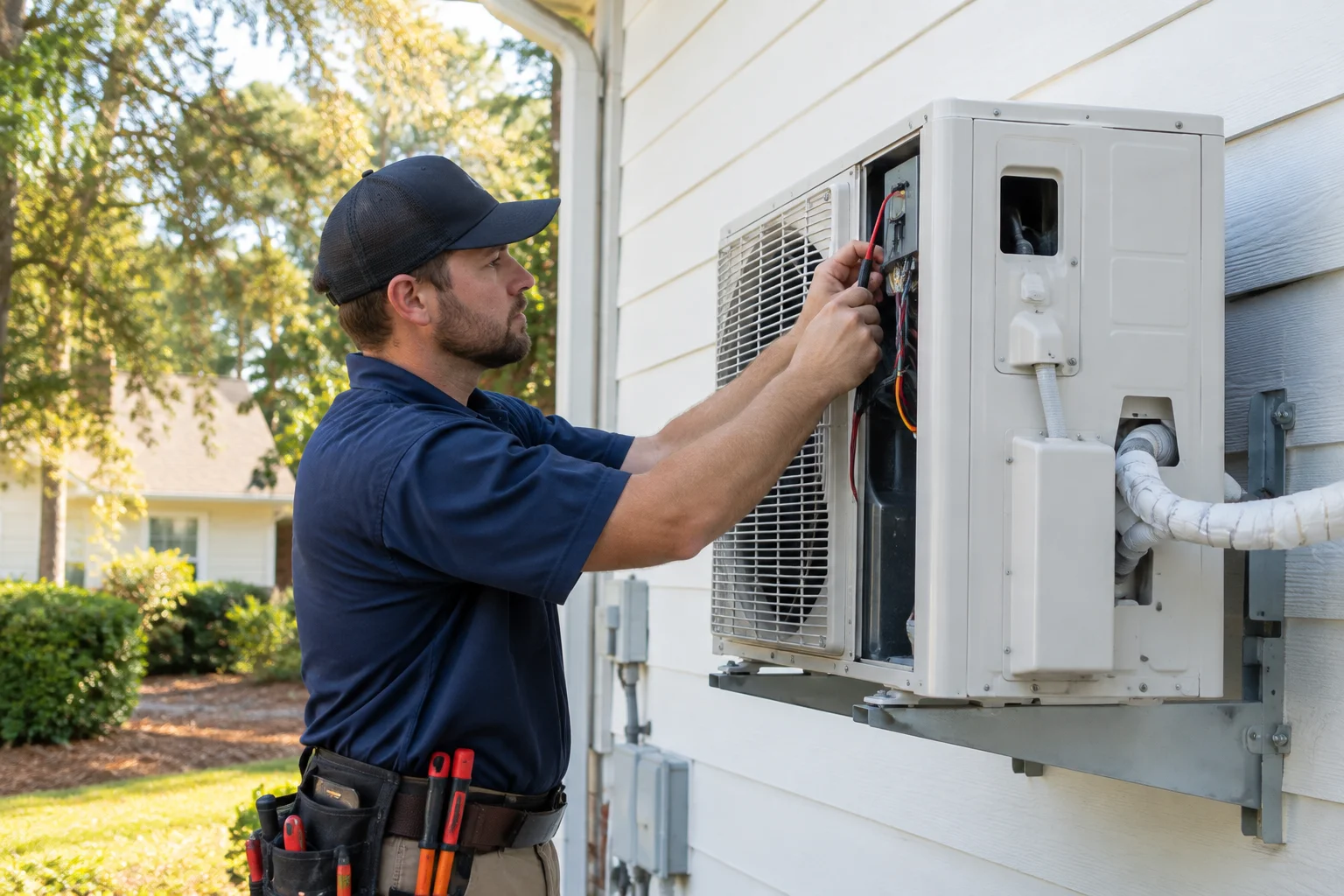
The outdoor unit should sit on suitable support with manufacturer-required clearance for airflow and service. Keep shrubs, stored items, and roof runoff away from it. Placement should account for drainage, applicable elevation requirements, and storm exposure. Never enclose the unit tightly to hide it.
People often call outdoor units condensers, although a heat pump's outdoor coil changes roles between cooling and heating. Either way, blocked airflow or damaged fins can reduce performance. Protective coatings and cleaning methods should match the manufacturer's guidance, especially where corrosion is a concern.
Refrigerant piping and condensate drains need careful work
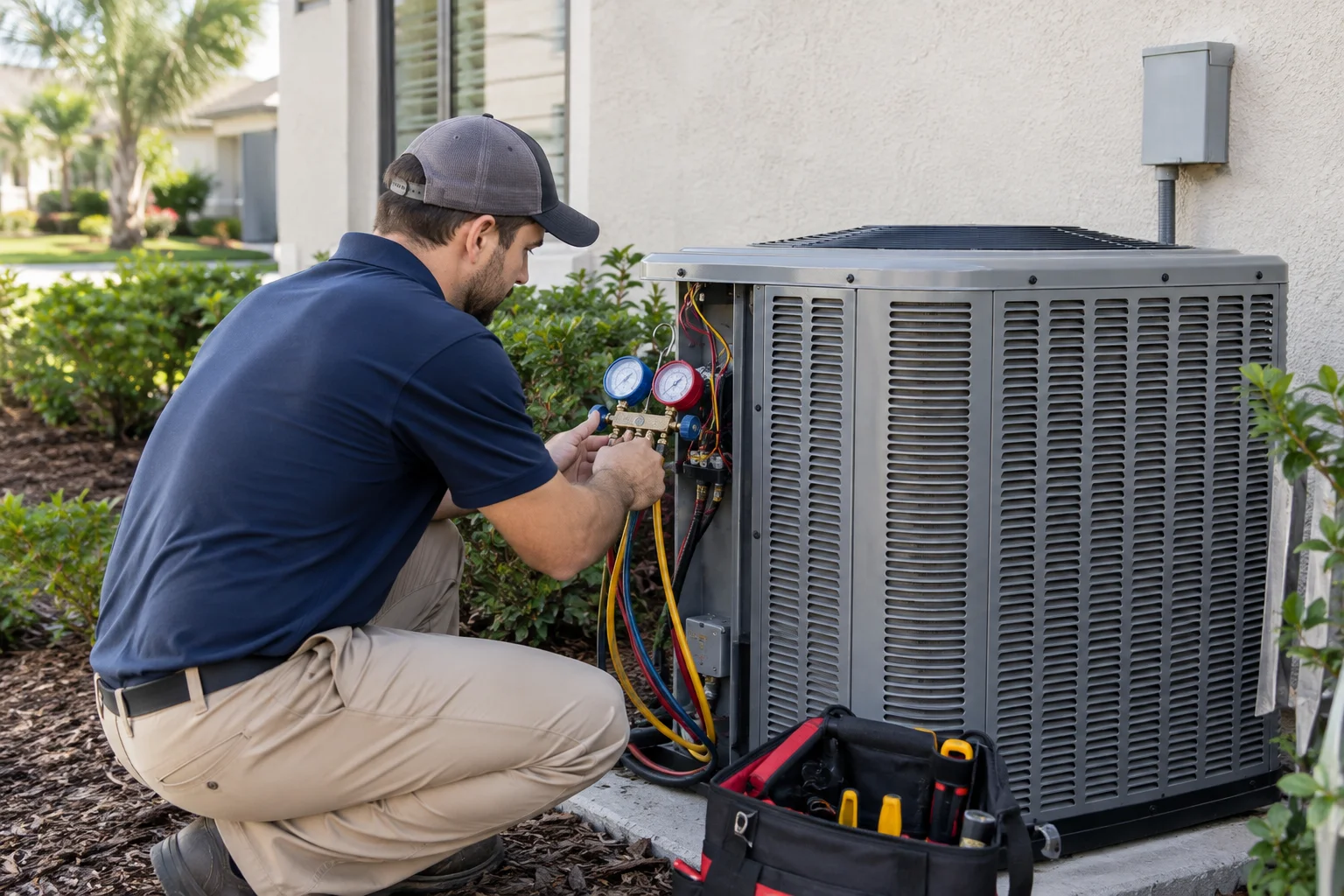
Correct line sizing, insulated piping, sound connections, pressure testing, evacuation, and manufacturer-specified charging procedures are essential. Refrigerant is not something a healthy system routinely consumes. Repeatedly adding it without finding a leak is not a lasting repair.
Drain lines need a reliable discharge route and proper slope where gravity drainage is used. If a condensate pump is necessary, it needs service access and appropriate overflow protection. Poor drainage can cause wall damage even while the system continues cooling.
Controls should match the way you live
Many mini splits measure temperature near the indoor unit, which may be warmer than the occupied part of the room. Some models support a remote sensor or compatible wall controller. Verify compatibility before arranging thermostat installation; conventional thermostats do not work with every ductless system without approved interfaces.
For households coordinating central heating and ductless zones, heating control system options can help clarify scheduling and operation. Avoid having neighboring systems heat and cool against each other. Many residential multi-zone units also require connected heads to operate in the same general mode.
Moderate settings and sensible schedules usually work better than repeatedly switching between extremes. Large setbacks can cause lengthy recovery periods. During winter, heat pumps may pause or change sound during defrost; persistent icing or failure to restore heat needs evaluation. Existing furnaces still require their own service.
Read the symptoms before a small issue becomes a breakdown
Weak airflow may come from dirty filters, a fouled blower wheel, coil buildup, or a fan problem. Air that feels insufficiently cool can also reflect incorrect settings, refrigerant leaks, or outdoor-unit trouble. A technician should diagnose the cause rather than assume every cooling complaint needs refrigerant.
Ice on an indoor coil or refrigerant line is not normal cooling performance. Stop cooling operation and arrange service. Do not chip away ice or continue running the system in hopes it will recover. Water dripping indoors, repeated shutdowns, unusual vibration, and persistent odors also justify an inspection.
If an ac not cooling repair near me search starts during a heat wave, note the model, error code, affected zones, and when the problem began. Those details help a contractor prepare. A Superior Mechanical's Crestview air conditioning services cover broader cooling concerns when both ductless and central equipment need attention.
For smoke, sparking, or a burning odor, stop using the equipment and disconnect power only if safe. Contact emergency responders for fire or immediate danger. During extreme temperatures, move vulnerable occupants to a safe conditioned space while seeking urgent HVAC help. Ask about actual availability rather than assuming every contractor offers round-the-clock service.
A maintenance routine built around moisture and debris
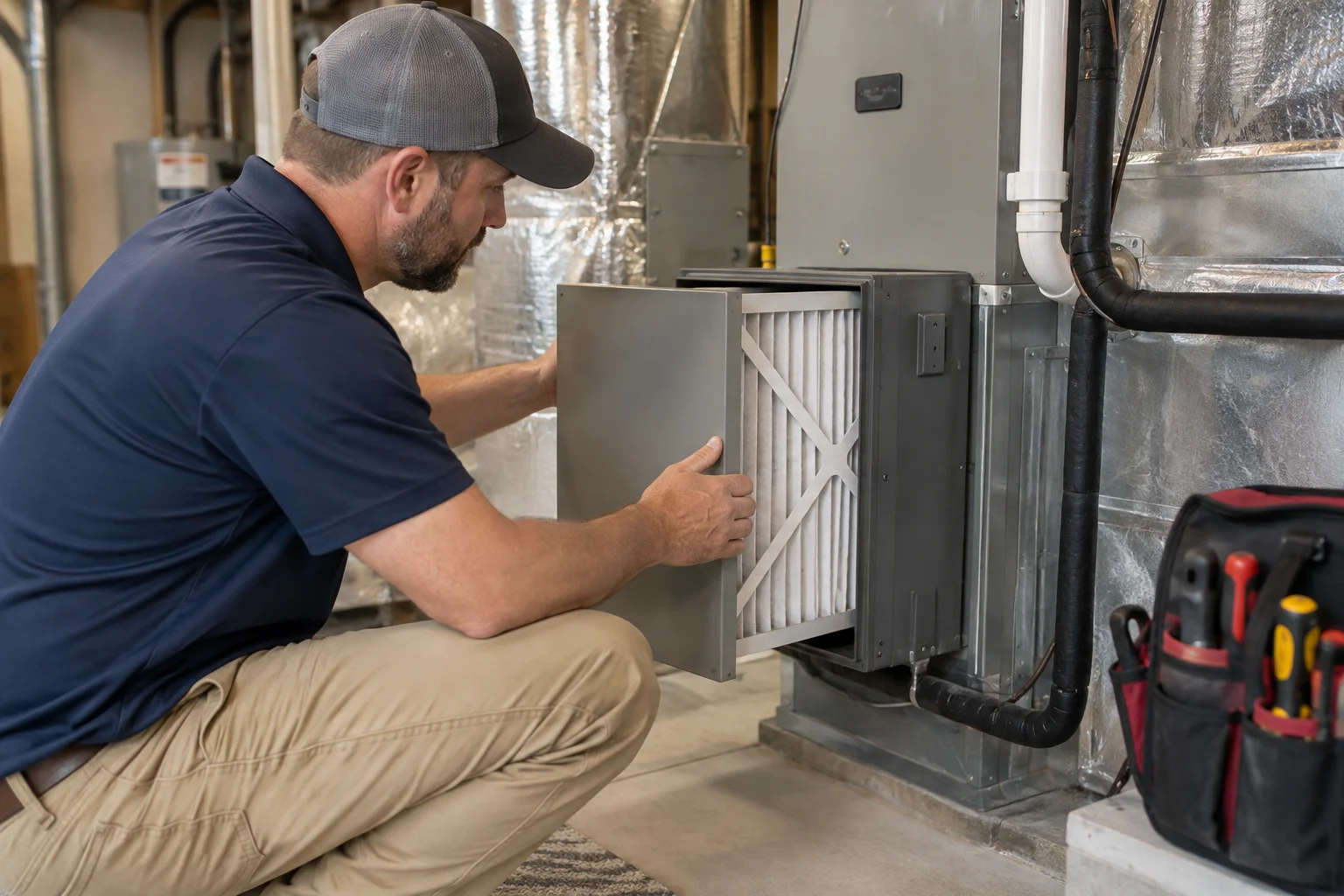
Inspect filters regularly and clean them according to the equipment manual. Pets, renovation dust, and frequent use can shorten the interval. Reinstall washable filters only as directed, and leave internal coil and blower cleaning to someone equipped to protect the unit and surrounding finishes.
Outside, remove loose leaves and keep vegetation clear without bending fins or opening service panels. Check visible drain discharge for changes, but do not pour chemicals into the system without manufacturer-approved guidance. After storms, look for shifted equipment, debris, or damaged piping from a safe distance. Do not restart flooded equipment before professional inspection.
A search for seasonal hvac maintenance near me is best made before peak summer demand. Professional maintenance should include the evaporator coil, blower, drain system, outdoor coil, operating performance, and accessible connections. Heat pump service before colder weather helps catch heating problems that summer-only checks may miss.
Make efficiency a whole-room decision
Efficient equipment cannot fully compensate for a leaky addition or unshaded afternoon windows. Improve insulation where practical, weatherstrip exterior doors, use appropriate window coverings, and keep airflow paths open. Ceiling fans can improve perceived comfort while a room is occupied, but they do not remove humidity.
Compare applicable efficiency ratings alongside installed cost, service access, warranty requirements, and how well the equipment handles small loads. For rentals, clear operating instructions and regular inspections help prevent blocked heads, neglected filters, and unnoticed drain leaks.
Build a plan around your Crestview home
Bring room measurements, comfort complaints, humidity readings, and repair history to your consultation. Ask how the proposed system will handle airflow, drainage, heating, and moisture, not just what capacity it provides.
A Superior Mechanical offers HVAC services in Crestview and serves properties across Okaloosa County. A home-specific assessment can help determine whether ductless installation, an existing-system repair, or a combination of improvements is the most practical next step.
Find Ductless Mini-Splits in Crestview, FL
If you need Ductless Mini-Splits in Crestview, FL, visit our local service page or contact A Superior Mechanical today.
Map of Crestview, FL
Frequently Asked Questions
Can one ductless mini-split cool several rooms in a Crestview home?
One indoor unit can serve an appropriately sized open area, but it usually cannot maintain even temperatures in multiple rooms with closed doors. Room loads, layout, and air circulation determine whether separate indoor units or another distribution approach are needed.
Will a ductless mini-split control Florida humidity?
A properly sized mini-split removes moisture while cooling, but humidity control depends on operating time, airflow, installation, and outdoor air leakage. During mild, damp weather, cooling demand may be too low for adequate moisture removal. Persistent high humidity may require building improvements or dedicated dehumidification.
How often should a ductless mini-split receive maintenance?
Follow the manufacturer's schedule and inspect filters regularly, especially with pets or heavy use. Professional service is generally appropriate at least annually, with additional attention often useful for systems that provide both cooling and heating year-round. A technician can recommend intervals based on equipment condition and exposure.
Related Articles
Photo Gallery