Water quality affects far more than the glass you fill at the kitchen sink. It influences how coffee tastes, how dishes look after a wash cycle, how skin feels after a shower, and how long water using appliances last. For homeowners considering water softening in Blue Mountain Beach, FL, the right starting point is understanding which water problems are caused by hardness and which require filtration or reverse osmosis.
A well designed treatment system can reduce mineral scale, improve everyday comfort, and provide better water for drinking and cooking. The best setup depends on the home, the incoming water, household usage, and the specific concerns showing up at the tap.
What hard water looks like around the house
Hard water contains dissolved minerals, primarily calcium and magnesium. These minerals are not usually a health concern at typical household levels, but they can leave a noticeable mark on kitchens, bathrooms, plumbing, and appliances. Because the minerals are dissolved, water may look clear even when hardness is high.
Spots on glass, dishes, and fixtures
Hard water spots on dishes often remain after the dishwasher completes a full cycle. Drinking glasses may appear cloudy or develop a chalky film, while chrome fixtures show pale rings and droplets shortly after cleaning. Glass shower doors can be especially difficult to maintain because each splash leaves a small mineral deposit as the water dries.
Frequent spotting does not necessarily mean the dishwasher or detergent is failing. If the same residue appears on sinks, shower glass, and faucets, water hardness is a more likely cause.
Scale around faucets, showerheads, and plumbing
White or crusty scale buildup around faucets develops as mineral rich water evaporates. Similar deposits can clog showerhead openings, collect on aerators, and restrict flow through smaller passages. Scale may also form inside pipes, valves, water heaters, dishwashers, and washing machines where it is harder to see.
Cleaning visible deposits helps the fixture temporarily, but it does not stop new scale from forming. Hard water treatment addresses the dissolved minerals before they travel throughout the home.
Dry skin, dull hair, and difficult rinsing
Dry skin from hard water can feel tight or itchy after bathing. Hair may seem dull, heavy, or harder to manage because minerals and soap residue remain behind. Homeowners may also notice that soap does not lather or rinse well, leading them to use more shampoo, body wash, dish detergent, and laundry products than expected.
A water softener helps soap work more effectively. Many families notice that showers feel different, towels rinse more cleanly, and laundry requires less detergent after hardness is properly treated.
Appliances working harder than they should
Mineral scale can reduce efficiency and contribute to appliances wearing out faster. Water heaters are especially vulnerable because heat encourages minerals to settle on heating surfaces and at the bottom of the tank. Dishwashers, ice makers, washing machines, coffee makers, and refrigerator water lines can also collect deposits.
Water softening cannot reverse every existing appliance problem, but reducing future mineral accumulation can help protect equipment. Homeowners who are also dealing with aging pipes may find useful context in A Smarter Plumbing Playbook for Blue Mountain Beach Homes.
Hardness is only one part of water quality
A softener is designed for calcium and magnesium. It is not a complete answer for metallic tasting water, chlorine taste in water, visible sediment, discoloration, or odor concerns. Those symptoms can come from the water source, treatment disinfectants, service lines, a water heater, household plumbing, or natural materials in the water.
Cloudy ice cubes may result from dissolved minerals, trapped air, or an ice maker that needs maintenance. Poor tasting coffee and cooking water can reflect chlorine, minerals, or other compounds that affect flavor. An earthy, musty, sulfur like, or metallic odor should be evaluated rather than covered with flavor additives.
This distinction matters when homeowners search for water filtration near me and assume one device solves every concern. A softener treats hardness. A sediment filter captures particles. Carbon filtration can reduce many taste and odor issues, including chlorine. Reverse osmosis provides additional treatment for water used for drinking and cooking.
Why Blue Mountain Beach homes need a local approach
Blue Mountain Beach has a warm, humid coastal climate, busy visitor seasons, and a mix of full time residences, vacation properties, remodeled homes, and newer construction. The climate does not create hard water inside a house, but local conditions and patterns of use affect how water systems should be selected and maintained.
A vacation home may sit unused and then experience heavy demand when guests arrive. A full time family may place steady daily demand on showers, laundry, the dishwasher, and kitchen faucets. Older fixtures and service lines can also influence discoloration, sediment, taste, and flow. Water conditions may vary by supply, neighborhood, and the plumbing within each property.
That is why local testing and equipment sizing matter. A treatment plan for one Blue Mountain Beach home may not be appropriate for another property a few streets away. Experience across Walton County helps a professional account for local construction, seasonal occupancy, and common water quality complaints without relying on guesswork.
Matching the treatment method to the problem
Water softening for mineral hardness
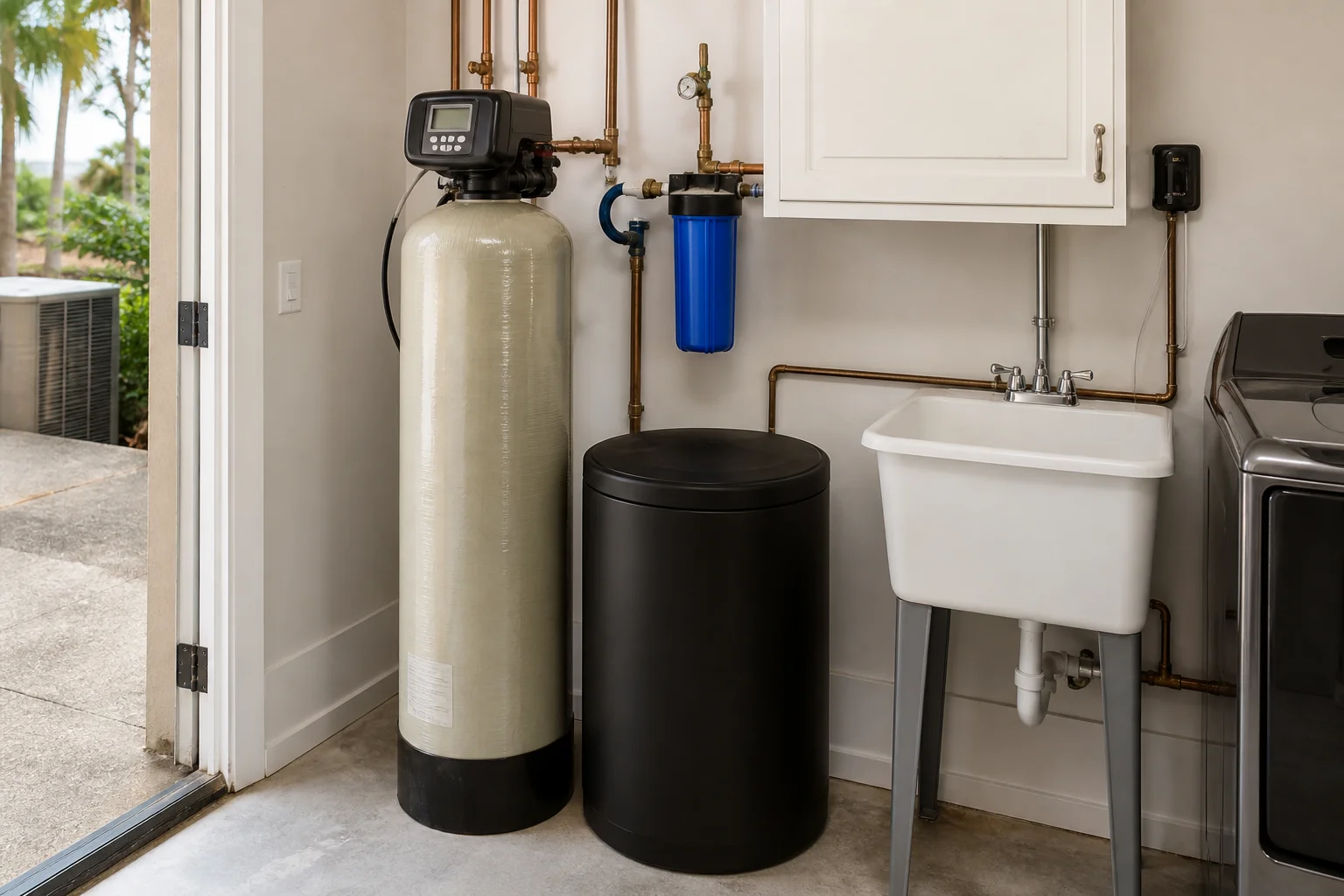
A traditional water softener uses ion exchange to remove hardness minerals from the water. The system periodically regenerates using a brine solution, which restores its ability to continue treating water. Proper sizing is based on measured hardness, household water demand, flow requirements, and the amount of water used between regeneration cycles.
An undersized system may regenerate too frequently or allow hard water through during periods of high demand. An oversized or poorly programmed unit can waste salt and water. Professional setup is important for consistent results and efficient operation.
Whole home filtration for sediment, chlorine, taste, and odor
A whole house water filter treats water near the point where it enters the home. Depending on the media used, the system may reduce sediment, chlorine, unpleasant tastes, and certain odors before water reaches showers, laundry equipment, fixtures, and appliances.
Whole home water filtration and softening often work together because they handle different concerns. Filtration can improve clarity and odor, while the softener reduces mineral scale. Homeowners searching for whole home water filtration near me should ask what each proposed filter is certified or designed to reduce, how often media or cartridges require replacement, and whether the equipment can support the home's flow rate.
Reverse osmosis for the kitchen
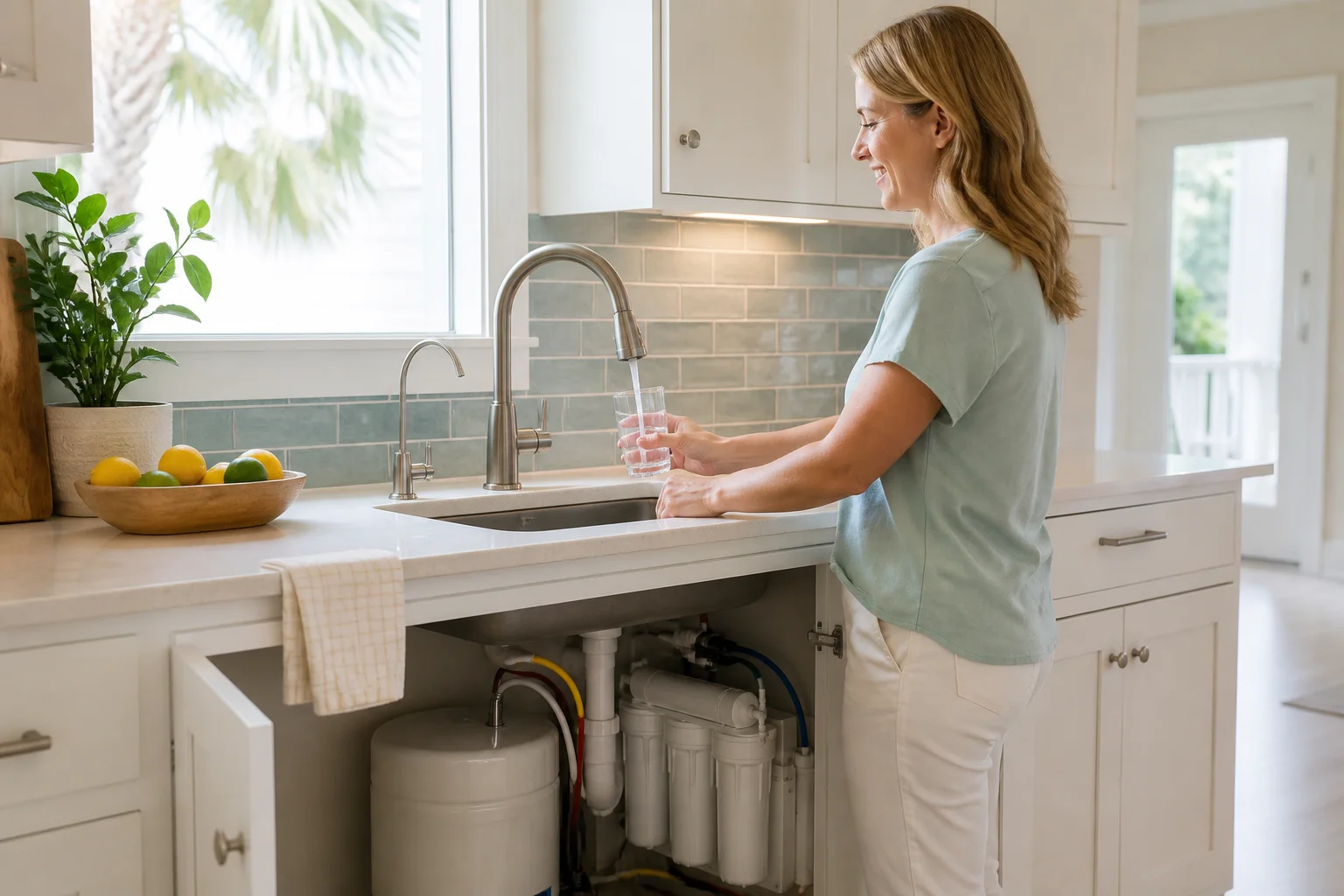
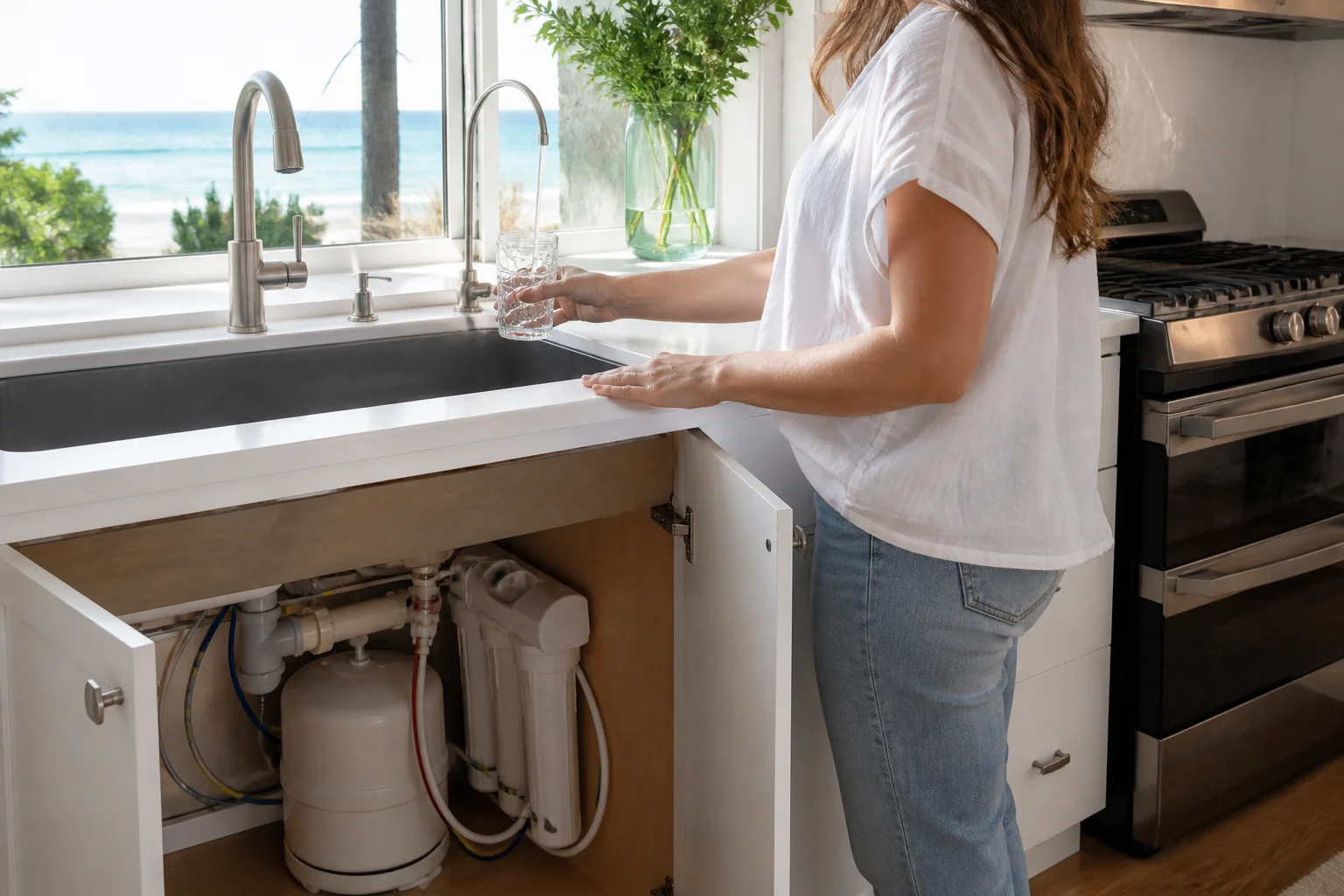
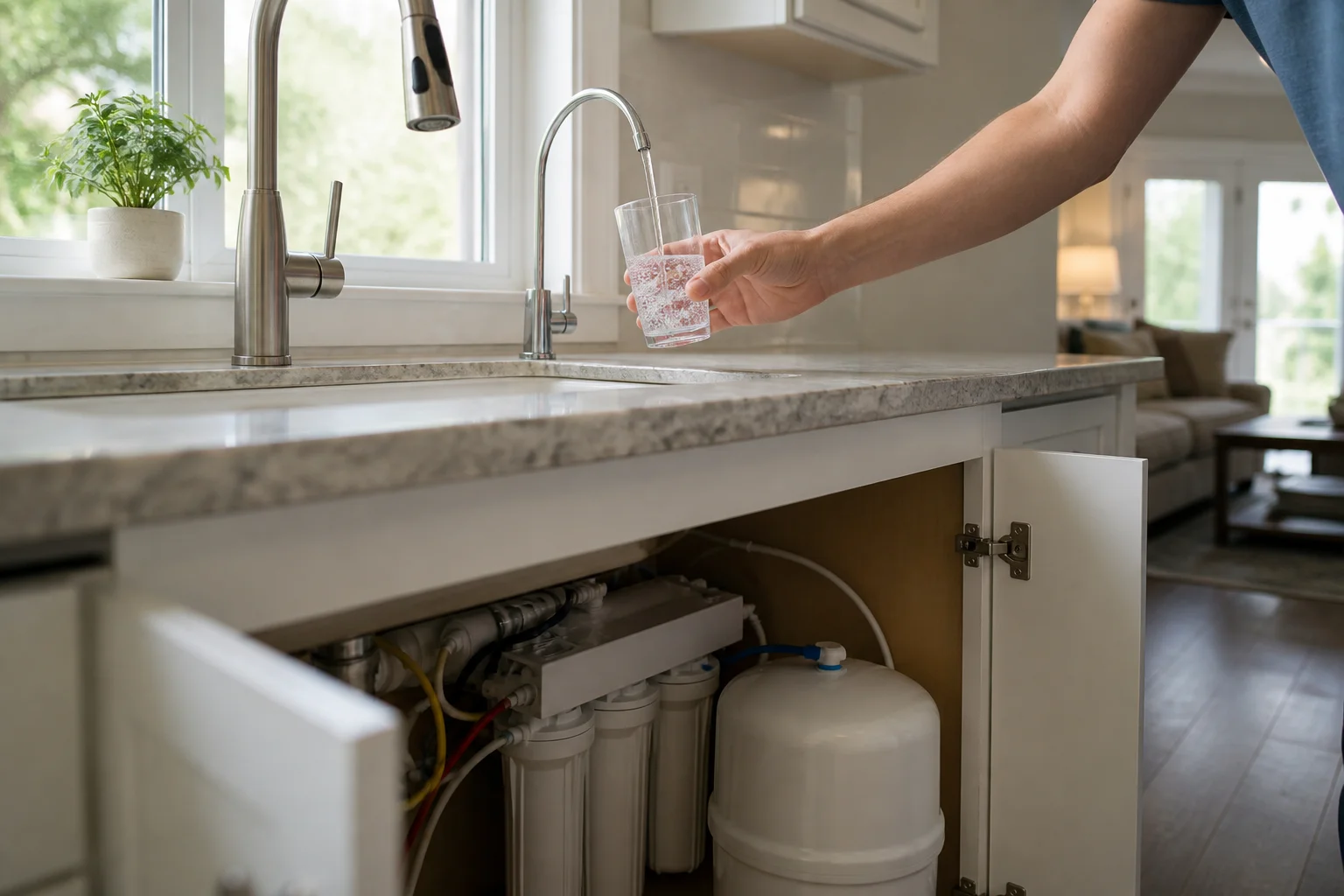
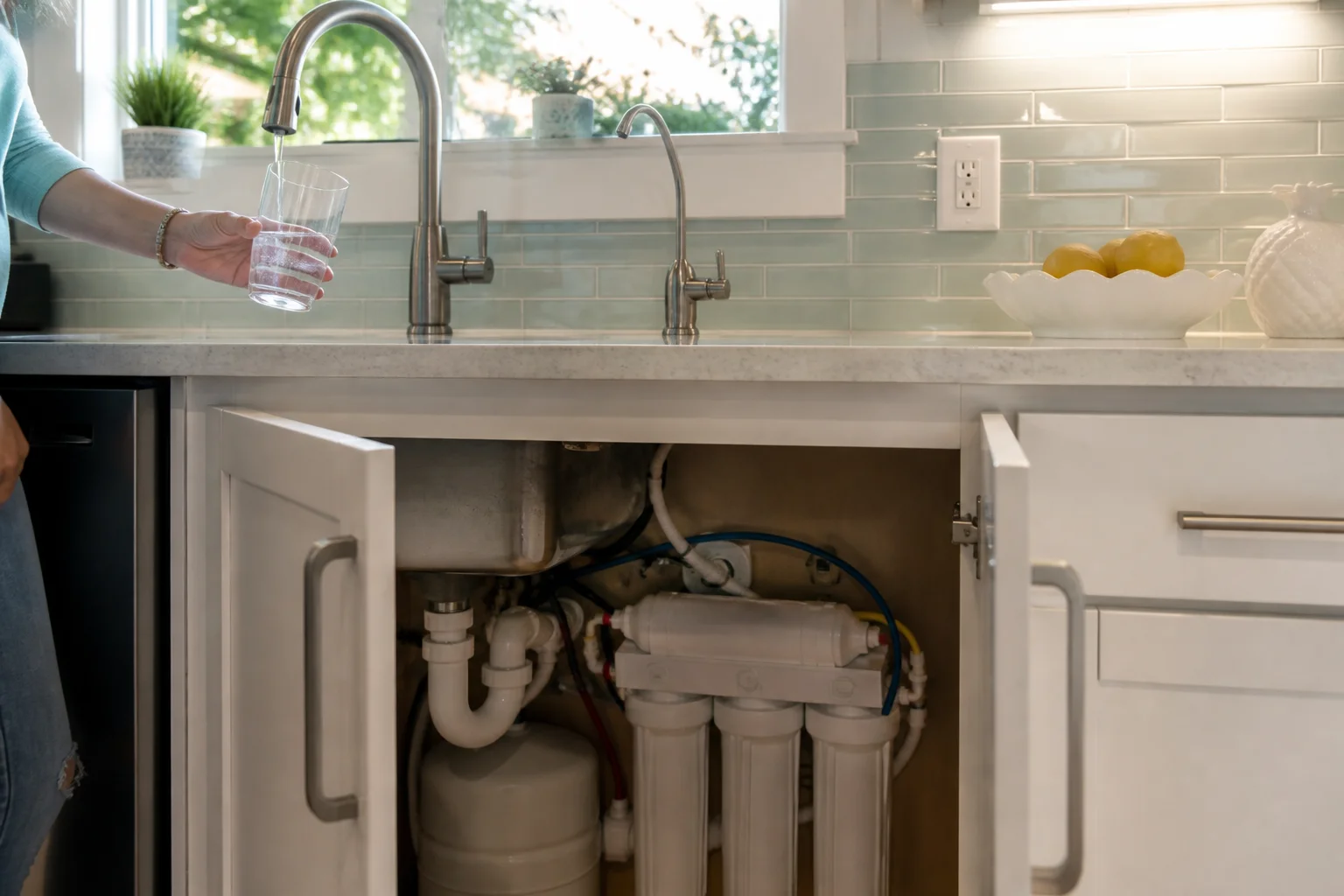
A reverse osmosis system is commonly installed under the kitchen sink with a dedicated drinking water faucet. It uses a membrane and supporting filters to reduce a broad range of dissolved substances. This can provide better water for drinking and cooking without treating every gallon used for bathing or laundry.
Reverse osmosis can make a noticeable difference during family routines. Water used for coffee, tea, soups, pasta, baby formula, ice trays, and reusable bottles can have a cleaner, more consistent taste. If cloudy ice cubes or poor tasting coffee are daily frustrations, a properly maintained reverse osmosis system may be more targeted than relying on bottled water.
AO Smith water filtration options
AO Smith water filtration equipment includes options for different household needs, including filtration, softening, and drinking water applications. The model and configuration should be chosen after evaluating actual water conditions rather than selecting equipment based only on brand name or tank size.
A Superior Mechanical can discuss AO Smith water filtration alongside other suitable approaches. The goal is a clean water system that addresses the home's measured concerns, fits the available installation space, and can be maintained without unnecessary complexity. More information about these options is available on the water filtration, reverse osmosis, and water softener service page.
How better water changes everyday routines
Water treatment is easiest to appreciate in ordinary moments. In the kitchen, glasses come out with fewer spots, ice looks clearer, and cooking water no longer adds an unwanted taste. Coffee can reflect the beans instead of a chlorine or metallic flavor. Family members may be more willing to fill bottles at home rather than reach for packaged water.
In bathrooms, reduced scale means less scrubbing around faucets and showerheads. Soap and shampoo can lather more readily, and rinsing may feel easier. In the laundry room, detergents can work more effectively without competing with high mineral levels. Towels and clothing may feel cleaner with less product residue.
Behind the walls, reducing hardness helps limit new scale in plumbing and water using appliances. This is particularly useful when hard water treatment becomes part of protecting fixtures and water heaters. Similar equipment and plumbing considerations are discussed in this guide to plumbing wear and water softening.
Start with testing instead of assumptions
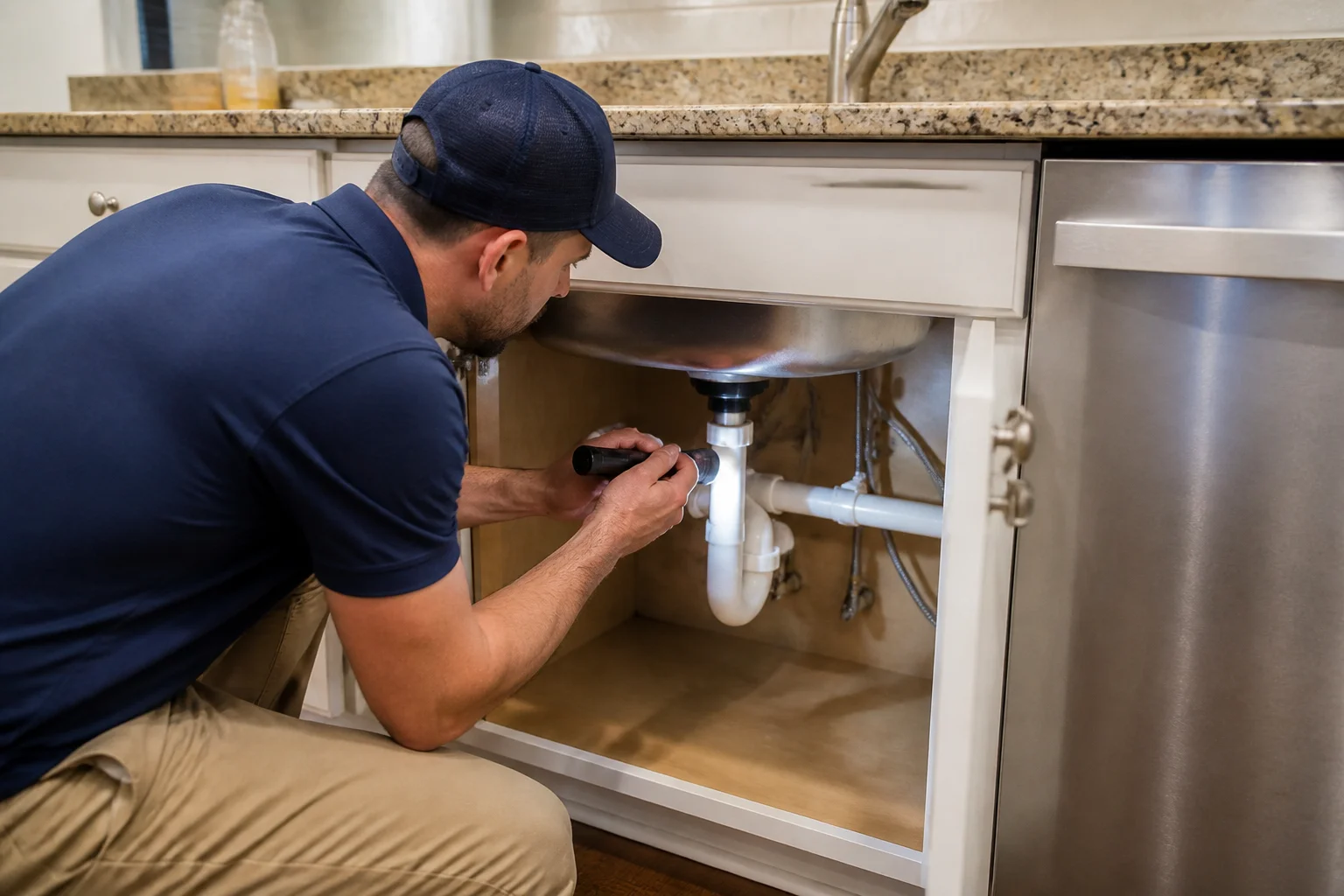
A professional water evaluation can measure hardness and help identify concerns related to iron, total dissolved solids, chlorine, pH, or other conditions when appropriate. It is also important to inspect where a sample is collected. A problem at only one faucet may come from that fixture, while an issue throughout the house is more likely connected to the supply or main plumbing system.
Homeowners searching for a drinking water filter near me should describe the exact problem. Is the taste metallic, chlorinated, salty, or musty? Does odor occur at every tap or only with hot water? Is discoloration constant or limited to the first few seconds after a faucet opens? These details guide testing and prevent unnecessary equipment purchases.
A treatment recommendation should explain what the system will reduce, what it will not address, how much maintenance it needs, and where it will be installed. Be cautious of any proposal that promises one filter will solve hardness, sediment, odor, chlorine, and every dissolved contaminant without test results or product specific performance information.
Maintenance keeps treatment systems effective
Water softeners need an appropriate salt level, a clean brine tank, correct programming, and periodic professional inspection. Salt bridging can make a tank appear full even when the system cannot draw brine properly. A sudden return of spots, poor lather, or scale may indicate depleted salt, a bypassed unit, incorrect settings, or a service issue.
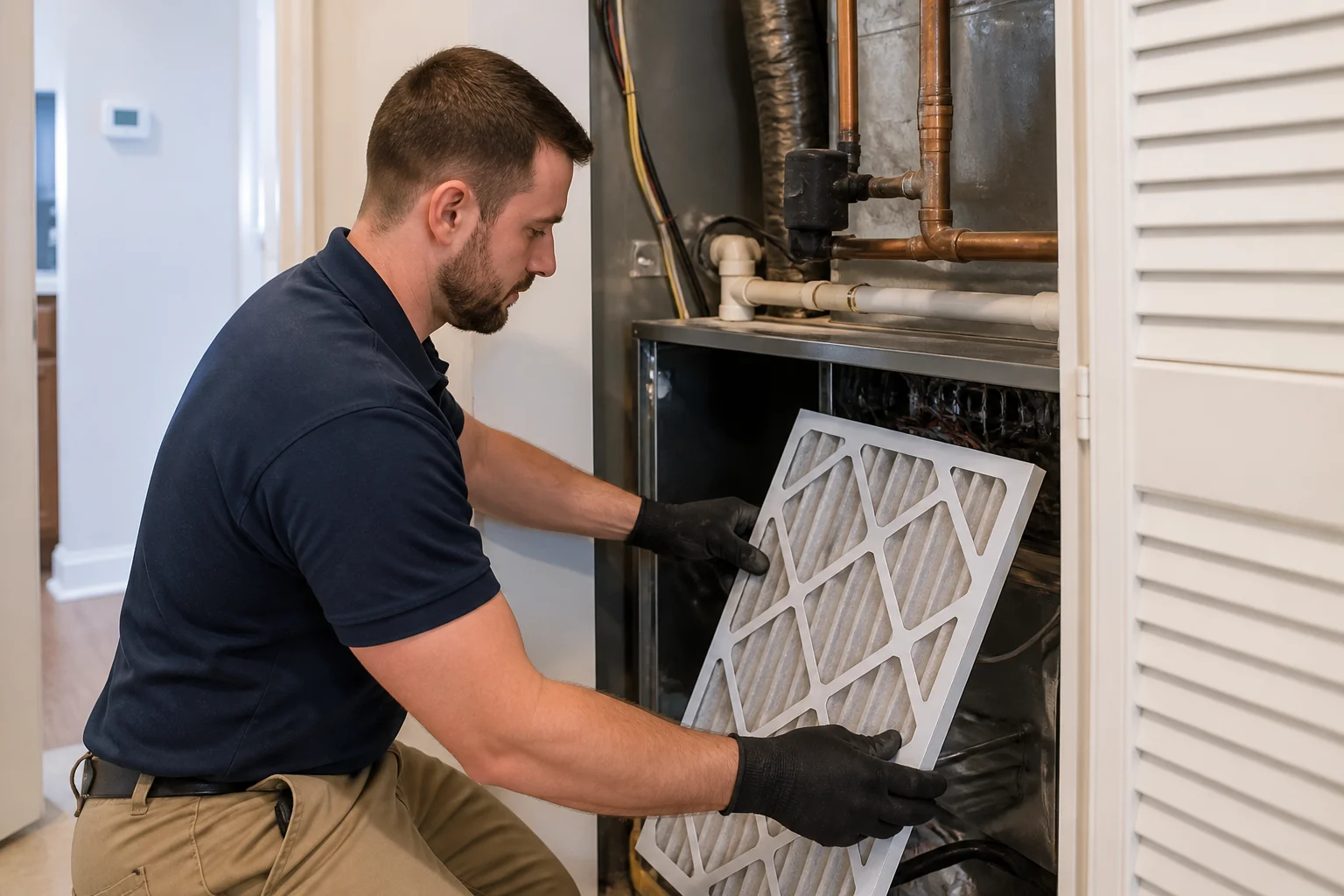
Whole home filters need cartridge or media replacement based on the equipment, water quality, and usage. A clogged sediment cartridge can reduce pressure. Carbon media that has reached the end of its useful life may no longer control taste and odor effectively. Reverse osmosis systems also need scheduled prefilter, postfilter, and membrane service.
Seasonal homeowners should include water treatment in property opening and closing routines. Long periods without use may call for flushing, sanitizing, or inspection before normal service resumes. If searching for water softener service near me, choose a provider that can test performance, review settings, inspect valves and drains, and explain the maintenance schedule clearly.
Bring in a professional when symptoms persist
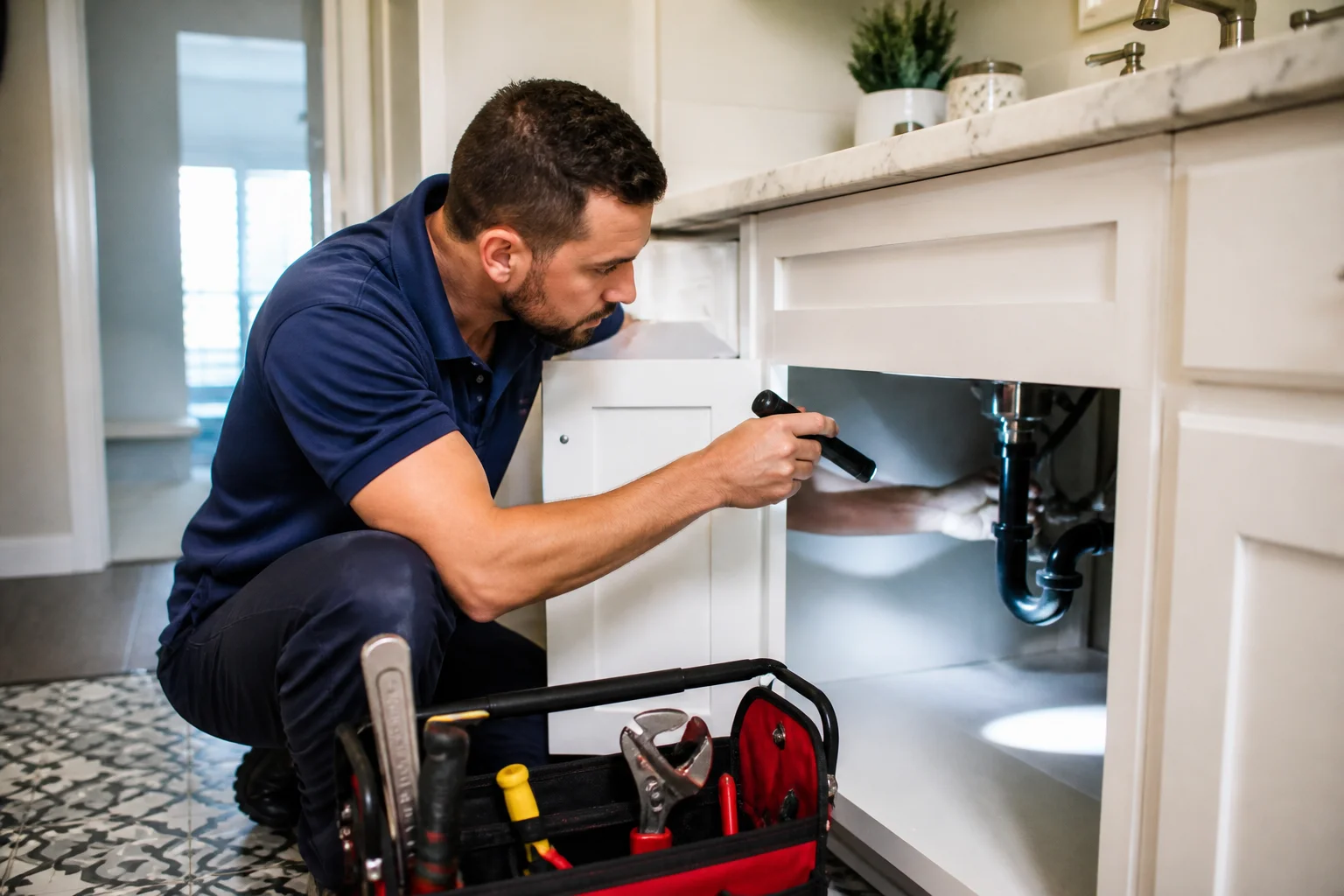
Professional service is appropriate when water has a persistent odor, visible sediment, unexplained discoloration, recurring metallic taste, or a sudden change in pressure or quality. It is also wise to schedule an evaluation when scale returns despite an operating softener, salt use changes dramatically, or treated water still feels hard.
A Superior Mechanical evaluates water concerns with the whole home in mind, from the incoming supply and treatment equipment to kitchen drinking water and household fixtures. For Blue Mountain Beach homeowners comparing home water purification near me, a local assessment can separate hardness from filtration concerns and create a practical combination of water softening, whole home filtration, and reverse osmosis where needed.
Find Water Softening in Blue Mountain Beach, FL
If you need Water Softening in Blue Mountain Beach, FL, visit our local service page or contact A Superior Mechanical today.
For a broader look at whole-home water filtration, reverse osmosis, and water softener options, visit our water filtration, RO, and water softener page.
Map of Blue Mountain Beach, FL
Frequently Asked Questions
Will a water softener remove chlorine taste and unpleasant odors?
Not usually. A water softener is designed primarily to remove calcium and magnesium hardness. Carbon filtration or another properly selected filter may be needed for chlorine, taste, and odor concerns. Testing helps determine whether filtration should be paired with softening.
Do Blue Mountain Beach homes need both a softener and reverse osmosis?
Some do, but the systems serve different purposes. A softener reduces hardness throughout the home, while reverse osmosis provides additional treatment for drinking and cooking water at a specific faucet. The right combination depends on test results and household priorities.
How often should a water treatment system be serviced?
Service frequency depends on the equipment, water quality, and household usage. Softener salt should be checked regularly, filter cartridges require scheduled replacement, and reverse osmosis filters and membranes need periodic service. A professional can set a maintenance schedule for the installed system.
Related Articles
- A Smarter Plumbing Playbook for Blue Mountain Beach Homes
- How everyday plumbing wear and tear shapes sewer and drain problems in Blue Mountain Beach
- How Plumbing Wear and Tear Changes the Way Water Softening Works in Inlet Beach
- How Better Water Softening Helps Callaway Homes Protect Plumbing, Fixtures, and Water Heaters
Photo Gallery