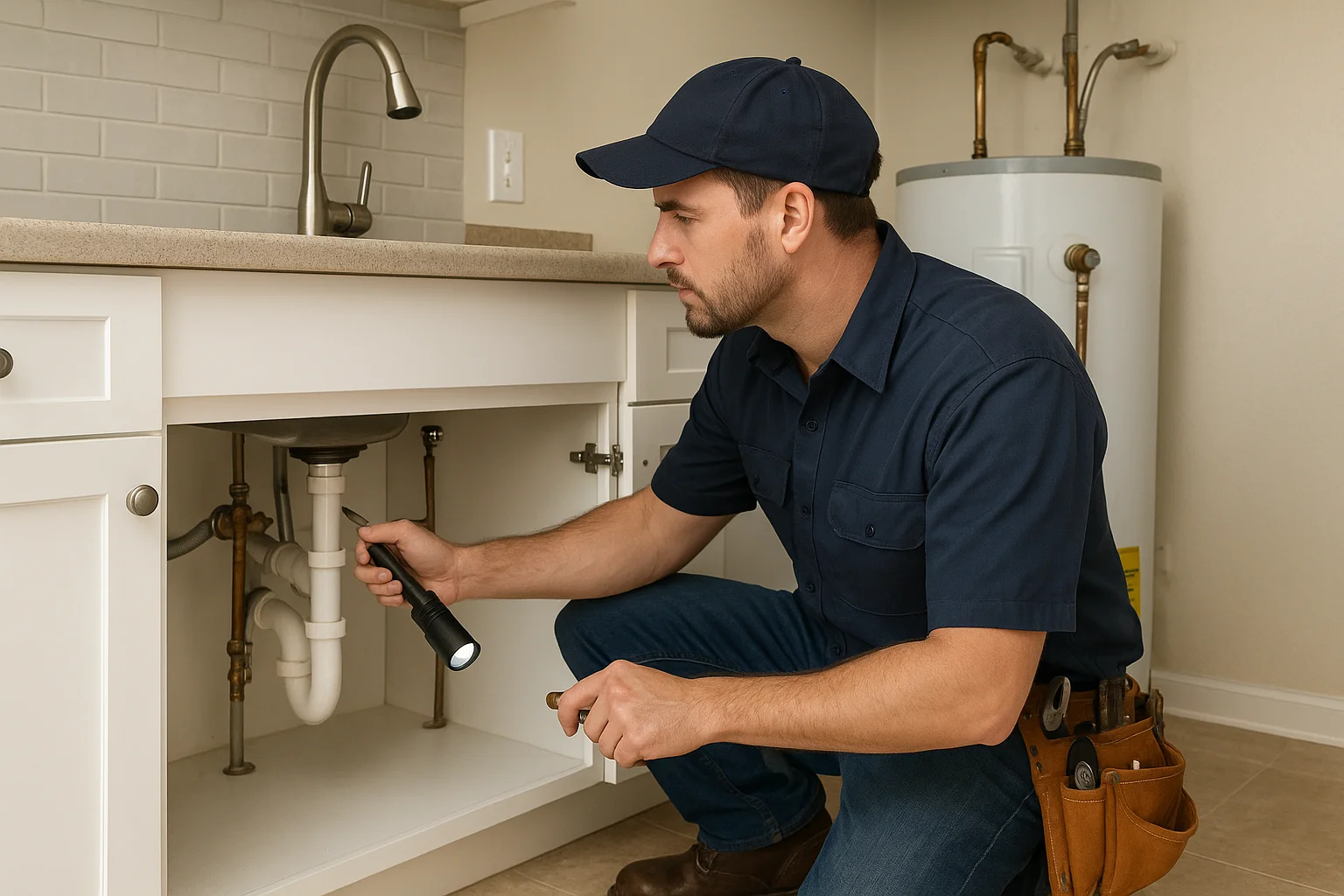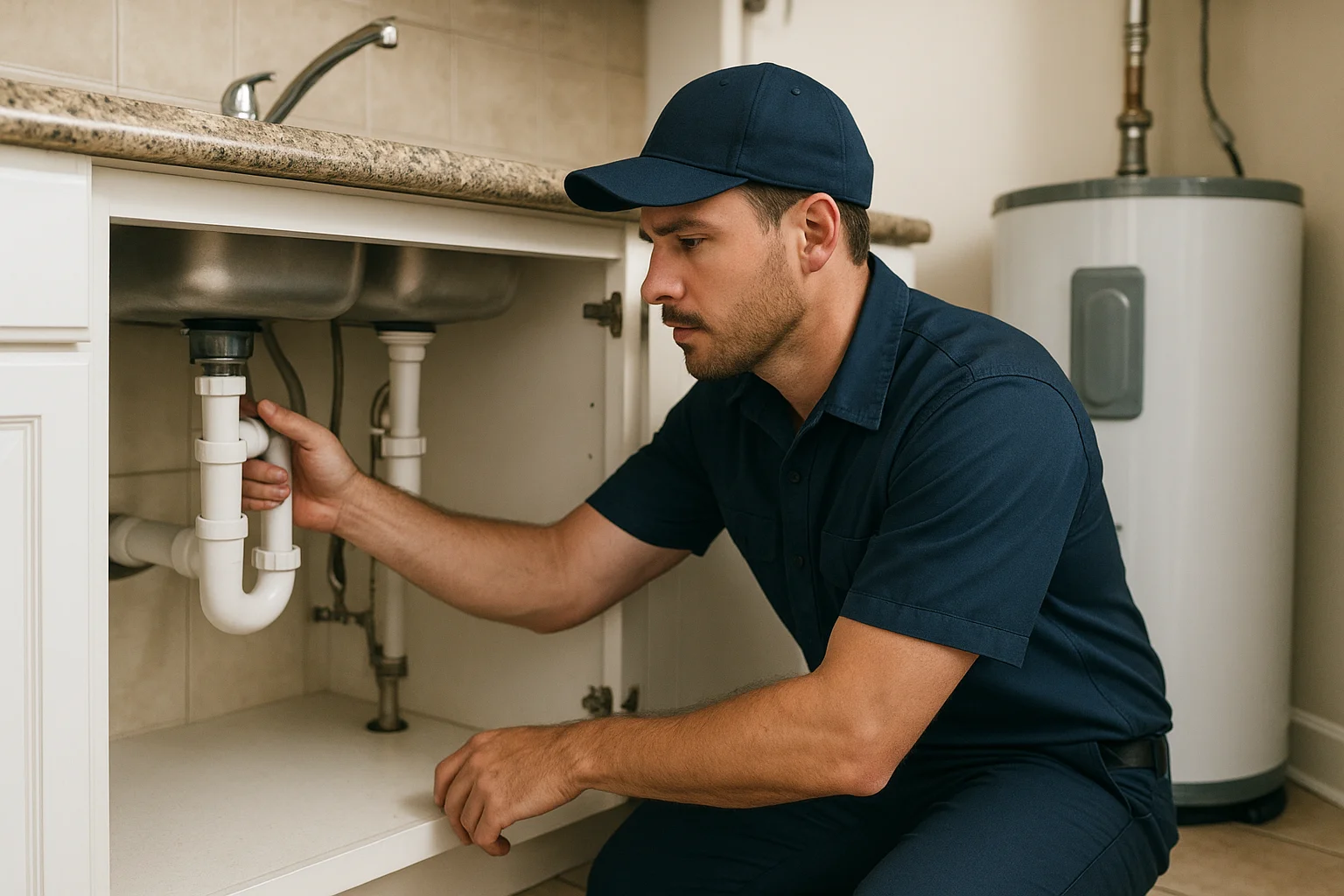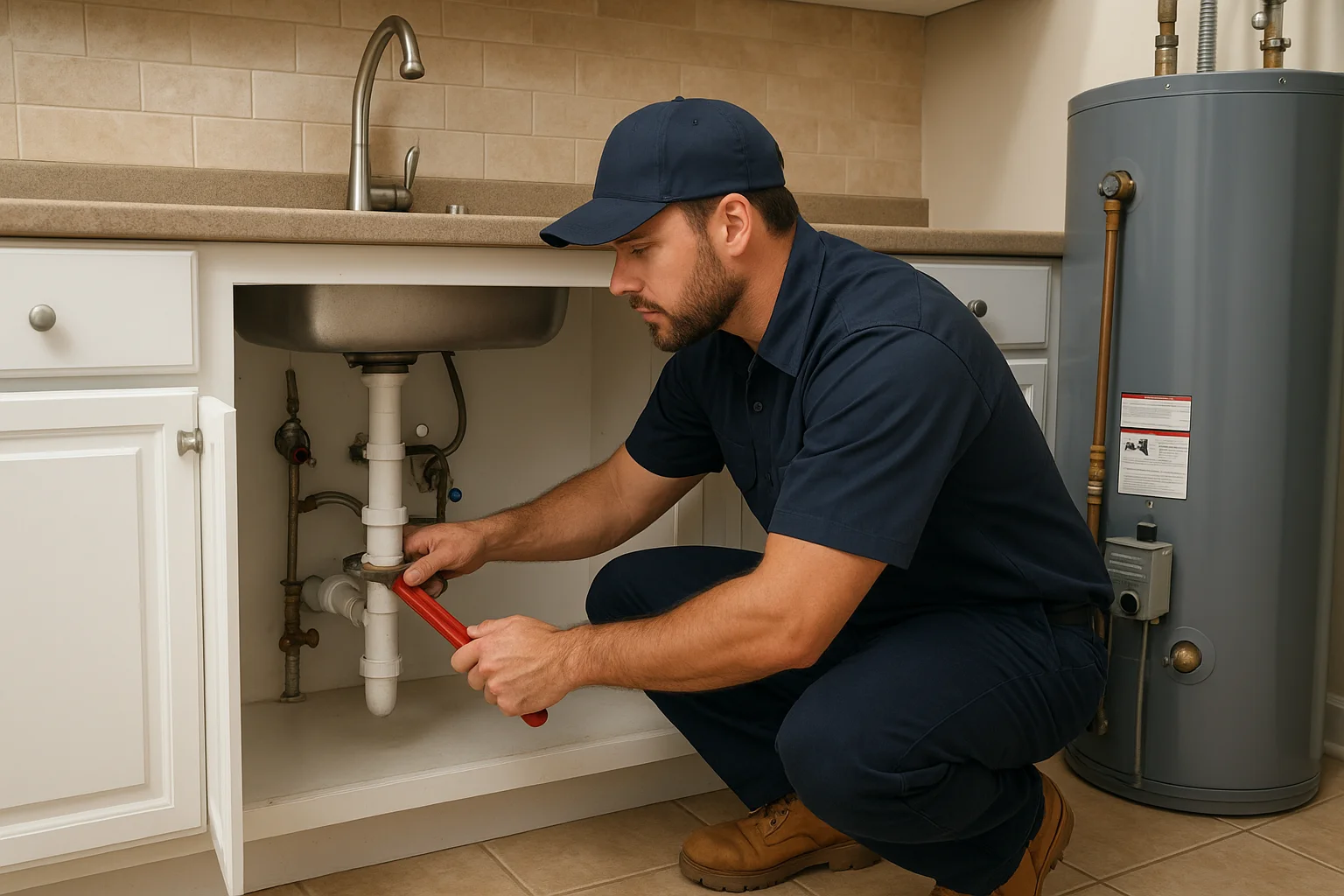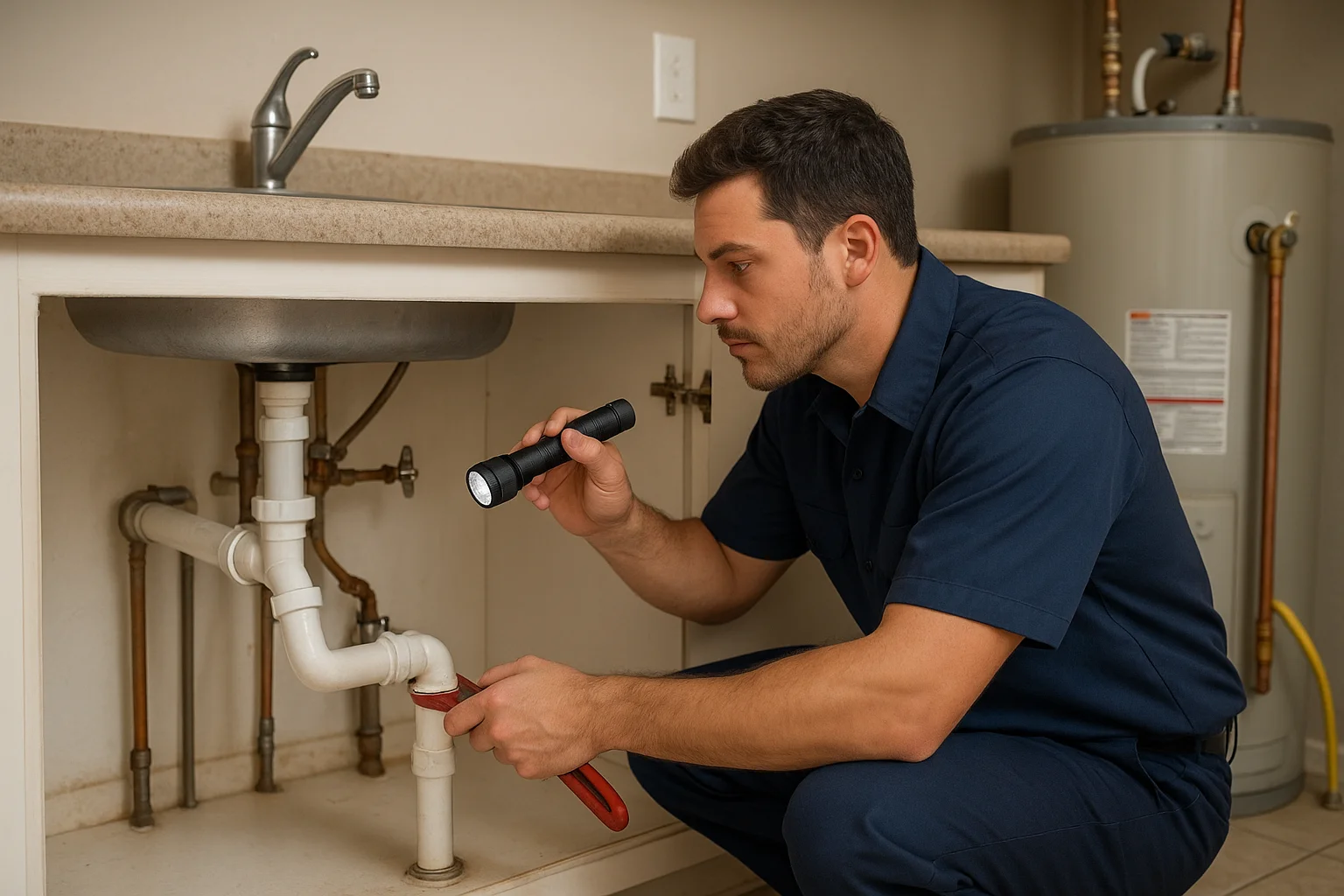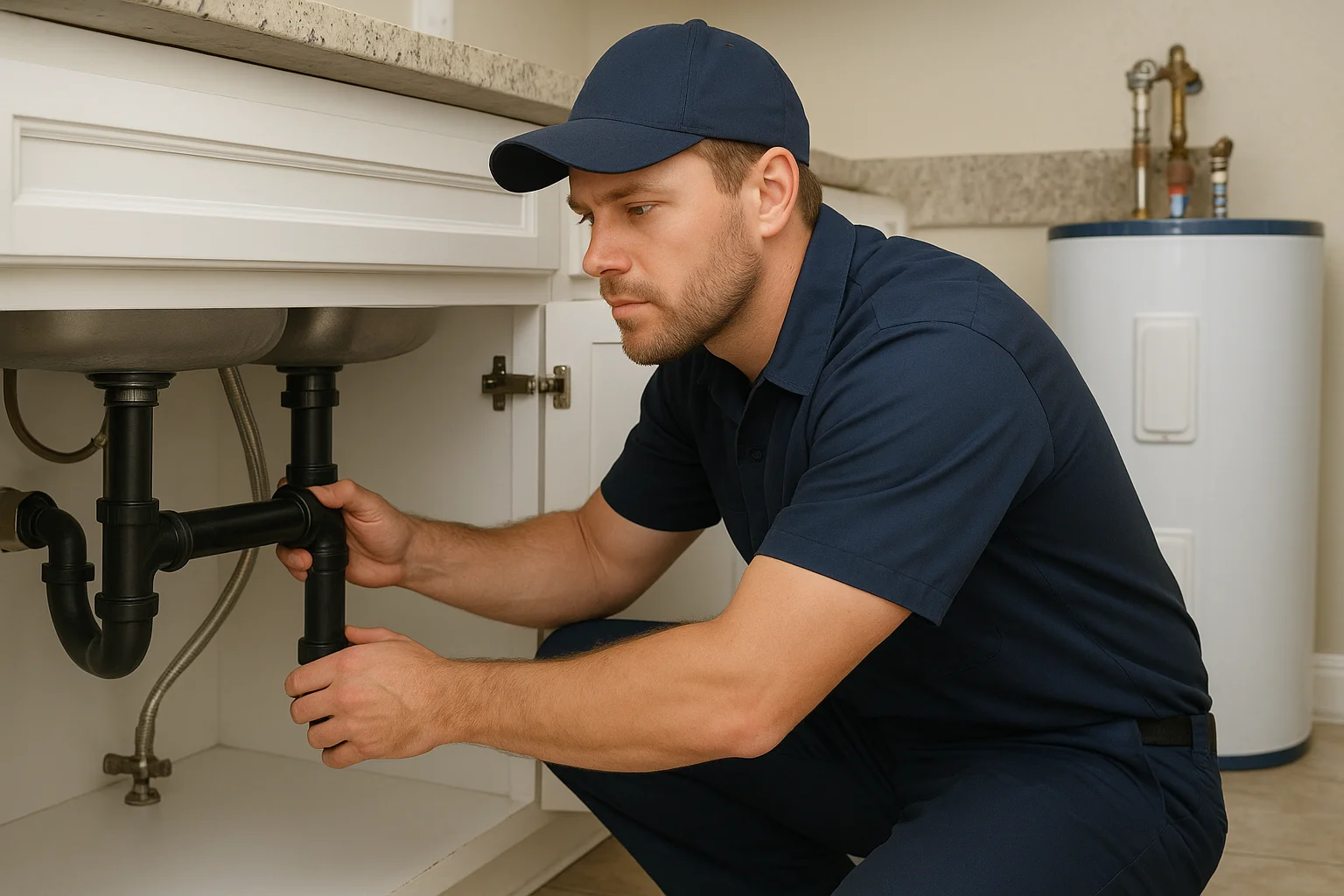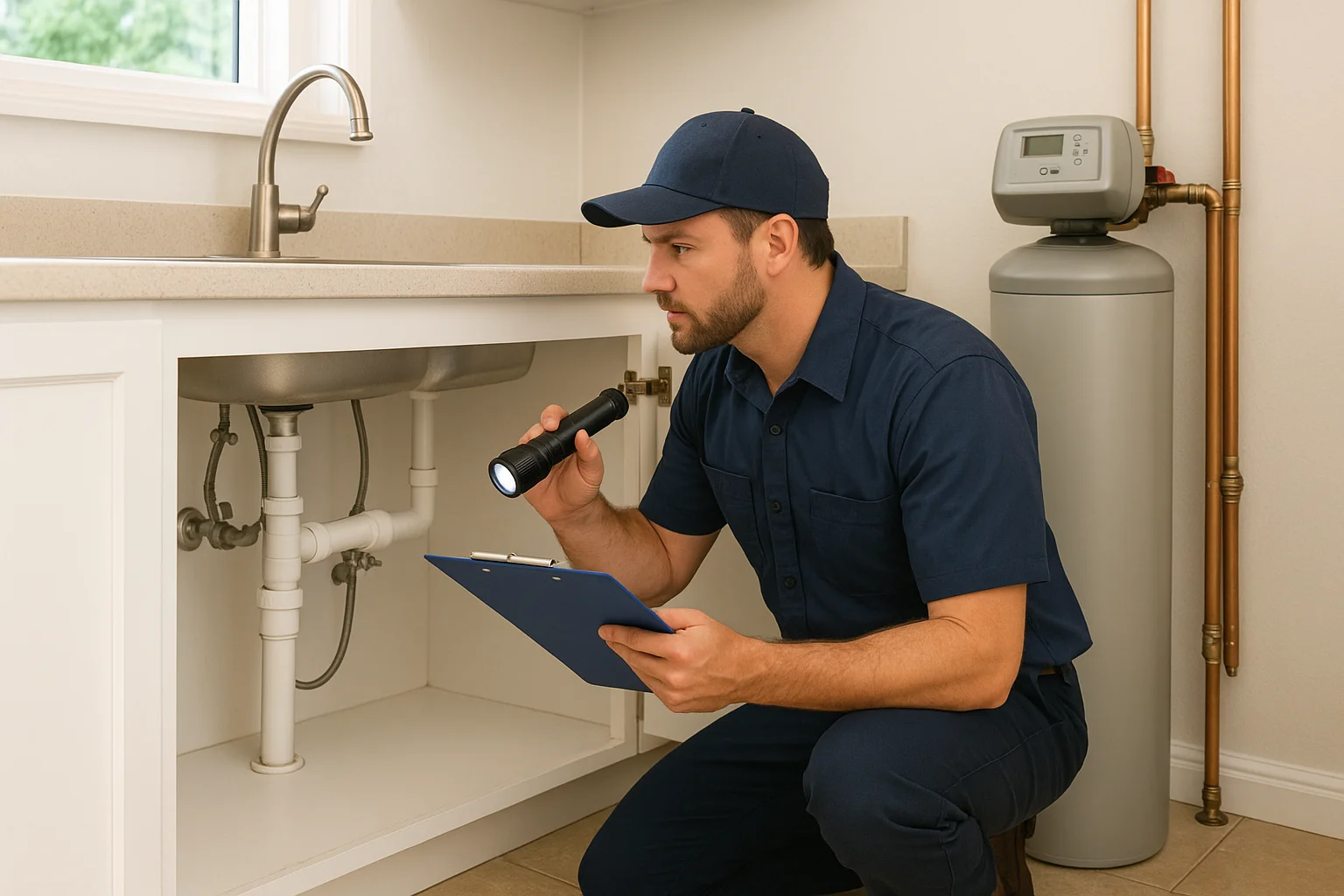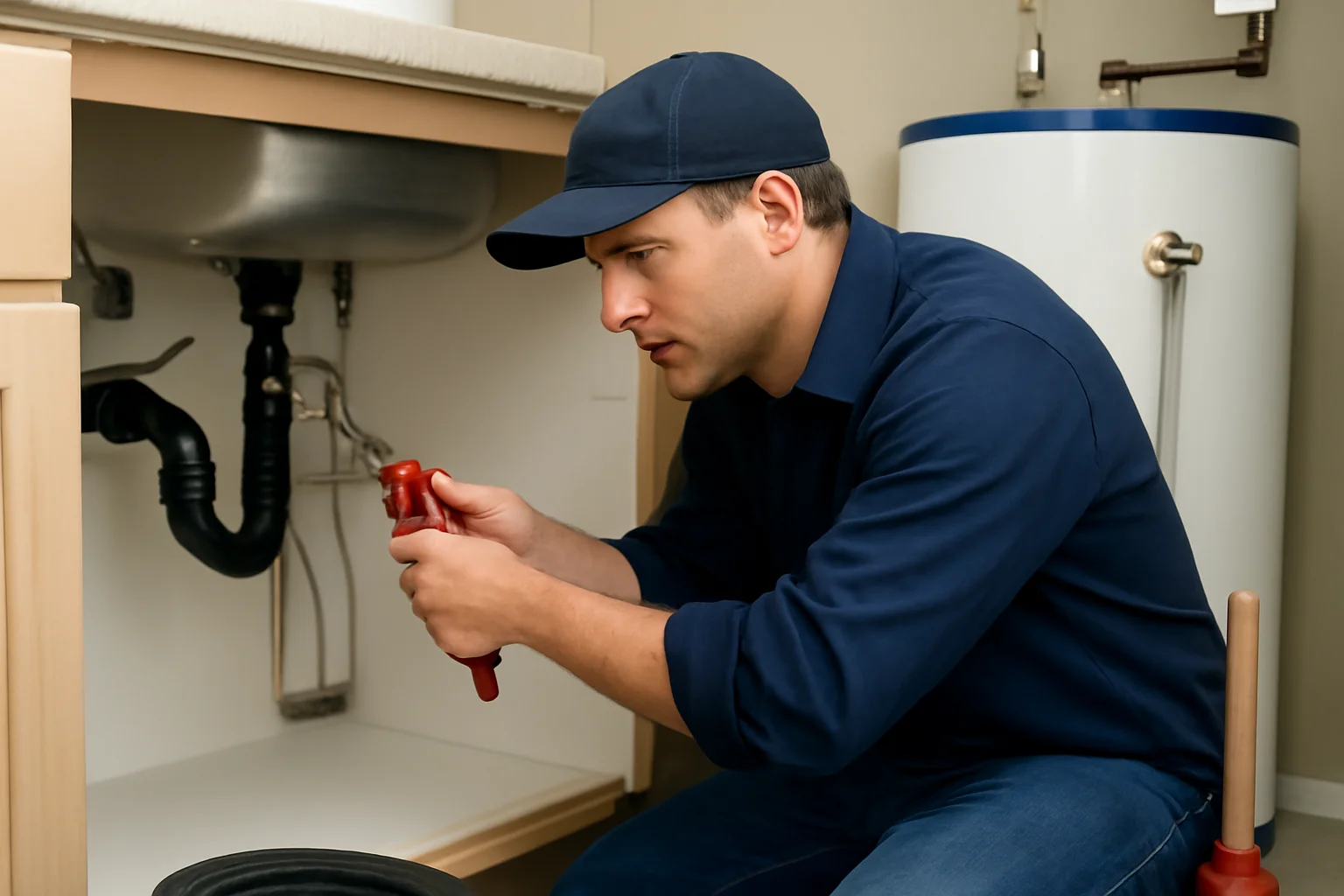
Pretty Bayou homes, whether they are decades old or recently built, all share one thing: your plumbing system is only as reliable as the habits and maintenance behind it. When drains slow down, toilets gurgle, or water pressure changes, the cause is often a clog building over time, a section of pipe collecting debris, or a leak that is quietly changing how water moves through your home.
This guide focuses on clogged pipes and drain prevention for homeowners in Pretty Bayou, FL. You will learn what typically causes blockages in local homes, how to reduce strain on drains and sewer lines, and when plumbing repair should turn into drain cleaning or emergency plumbing.
Why clogs happen in Pretty Bayou, even in newer homes
It is easy to assume that newer construction means fewer plumbing problems. In reality, clogged pipes and drain issues can show up in both older and newer homes because clogs are usually caused by what goes into the system, how water use patterns stress your pipes, and how materials age.
In Pretty Bayou, common contributors include:
- Hard water and mineral buildup. Hard water can leave deposits inside pipes and fixtures. Over time, that buildup can narrow passages and make it easier for hair, soap, and food particles to catch.
- Seasonal water use. More guests, lawn watering schedules, and laundry loads can change flow rates. Sudden high demand can reveal weak spots in drain lines.
- Humidity and household routines. More time spent cooking, bathing, and using garbage disposal or toilets can increase the load on drains.
- Older piping layouts. Older homes may have older cast iron or galvanized sections that are more prone to corrosion and rough interiors, which trap debris.
- Tree roots and soil conditions. Even with newer pipes, roots can find tiny gaps and grow toward moisture in sewer lines.
If you have been searching for a plumber near me because you are noticing slow drains, repeating backups, or water pressure that seems “off,” you are not alone. Prevention starts with understanding how clogs form and what to watch for before they turn into a bigger plumbing repair.
Older homes: common clog causes you can address early
Older Pretty Bayou homes often have plumbing systems that have endured decades of temperature swings, mineral content, and everyday use. That does not mean you cannot prevent clogs. It means you should be more proactive.
Corrosion and rough pipe interiors
As metal pipes age, the inside can become rougher. Rough surfaces catch grease, hair, and soap scum. A clog can start small and then grow until a kitchen sink, shower drain, or main drain line starts backing up.
Cast iron and galvanized pipe limitations
Cast iron can corrode and create scale. Galvanized lines can develop internal buildup. Even if everything “seems fine,” partial restrictions can cause slow draining and inconsistent water pressure.
Slab leaks and hidden moisture
Some clogs are a symptom, not the whole problem. In certain older homes, slab leaks can contribute to damp soil and shifting conditions around plumbing runs. If a leak repair near me search turns into an emergency plumber concern, it is often because water has already caused visible damage or the home’s plumbing performance has changed.
Slab leaks can also affect how drains behave, especially when a leak changes pressure or saturates soil around sewer lines.
Newer homes: why clogs still show up
Newer construction can still experience clogged pipes and drain problems due to design choices, installation details, and household habits. A clog does not care whether your home is 10 years old or 40 years old. It forms when materials collect, bind, and restrict flow.
Construction debris and early blockages
Sometimes a drain line picks up small debris during construction. That can show up later as recurring slow drains. If you notice repeated issues in the same fixture, it is worth investigating.
Water pressure and flow changes
Even small shifts in water pressure can change how waste moves through your pipes. If you recently experienced a water pressure drop, it may be tied to a partial blockage, a pressure regulator issue, or a leak. Addressing it early can prevent stubborn blockages from forming.
Hard water buildup still occurs
Hard water mineral deposits affect both old and new plumbing. In new homes, the buildup may start later, but it still accumulates. If you have been using strong drain cleaners, those chemicals can also damage plumbing surfaces over time, making future clogs more likely.
High-impact prevention habits for clean drains
Most homeowners prevent clogs by changing a few daily routines. The goal is to reduce what enters drains and to keep flow consistent.
Use strainers and keep them clean
Hair is one of the most common causes of slow drains. Install strainers in showers and tubs, and clean them regularly. In kitchens, use a strainer to capture food particles and grease. This simple step can reduce the load that builds up in main drain lines.
Mind what goes down the garbage disposal
Garbage disposals help, but they are not a magic solution. Avoid fibrous foods like celery or potato peels, and do not flush large amounts of grease. Many homeowners discover that “it goes down” does not mean it will not accumulate in the drain line.
Flush only toilet paper and waste
Toilet repairs often start with what was flushed. “Flushable” wipes, paper towels, and hygiene products can cause clogs that require plumbing repair beyond basic drain cleaning. If your toilet gurgles or drains slowly, stop using the fixture heavily until a professional checks the line.
Be careful with household chemicals
Harsh chemical drain cleaners can create corrosion, damage seals, and worsen long-term blockages. If you have a recurring problem, a drain cleaning technician can use the right tools such as hydro jetting or mechanical removal rather than relying on chemicals.
Spread out laundry and dishwashing during peak use
When multiple fixtures discharge at once, flow can exceed what your drain line can handle smoothly. In busy seasons, try to avoid running the dishwasher and multiple loads back-to-back. This reduces the chance of partial clogs turning into backups.
Watch your fixtures: early warning signs of clogged pipes
Clogs rarely announce themselves as a sudden catastrophe. They typically start with small symptoms you can catch early.
Slow drains and uneven water flow
If one sink drains slowly while others work fine, the issue is likely localized. If multiple drains slow at the same time, the clog may be in a shared line or near the main drain.
Gurgling sounds from toilets or drains
Gurgling often indicates trapped air due to restricted flow. It can happen when a clog builds near a vent or in the drain path between fixtures and the sewer line.
Backups after heavy use
If backups happen after laundry cycles, showers, or cooking, you may have a partial blockage that cannot handle higher flow rates. That is a strong sign you need sewer line help or main drain cleaning.
Foul odors that linger
Persistent sewer odors can point to a blocked vent, a failing trap seal, or a drain line restriction. Do not ignore it, because odors often travel with ongoing buildup.
How to protect sewer lines and main drain runs
Your sewer line is where many clogs become expensive. Preventing problems here reduces the chance of emergency plumbing concerns.
Know where trees are near cleanouts
In many parts of Bay County, trees and shrubs grow close to property lines. If you have a history of roots or recurring clogs, ask about sewer line inspection and root intrusion evaluation. A camera inspection can show where the problem is forming.
Keep an eye on recurring “same spot” backups
If the same bathtub or toilet keeps backing up, the clog is likely in a specific section of the drain system. Repeated DIY attempts can push debris deeper. A professional can identify the exact location using targeted tools and then perform pipe repair or drain cleaning that actually solves the root cause.
Use home plumbing inspection as a routine step
Homeowners who schedule home plumbing inspection near me services are often trying to avoid surprises. An inspection can reveal early signs of restriction, leaks, or pipe wear before you notice severe symptoms.
Water pressure, leaks, and clogged drains: how they connect
Clogs and leaks can look unrelated, but they often interact. When water pressure drops, it can be due to a partial blockage or a leak that changes flow patterns. When a leak occurs, it can saturate soil and create conditions that contribute to sewer line issues.
Signs you should also consider leak repair
- Water bills that rise without a clear reason
- Damp spots near exterior walls, under sinks, or around plumbing penetrations
- Soft flooring or musty odors
- Repeated drips from faucets, shower valves, or toilet fill mechanisms
If you suspect a pipe leak repair near me situation, treat it as a plumbing repair priority. Even small leaks can lead to bigger problems, including slab leak concerns and damage that complicates drain cleaning.
Toilet repair and faucet repair can prevent drain strain
A running toilet can increase water flow and waste volume, stressing the drain line. A dripping faucet adds constant load and can also contribute to mineral buildup at the drain. Fixing toilet repair and faucet repair issues helps reduce the volume and frequency of waste entering your plumbing.
Water heaters and clogged drains: what homeowners should know
Although this article focuses on clogged pipes and drain prevention, your water heater can still influence plumbing performance. Hot water use patterns affect how quickly drains move wastewater, and sediment buildup in a water heater can contribute to plumbing problems.
Why sediment matters
Over time, water heaters can collect sediment. That buildup can reduce heating efficiency, increase wear, and sometimes contribute to discolored water that stains fixtures and can complicate cleaning. If you are dealing with hot water heater repair near me needs, it is also smart to consider water quality steps that help protect plumbing.
If you are exploring water purification options, you may find it helpful to review Pretty Bayou Homes and the Real Cost of Hard Water: How Reverse Osmosis Helps Protect Plumbing and How Plumbing Wear and Tear Shapes Water Purification in Pretty Bayou Homes.
Maintenance that supports better drainage
Simple maintenance helps. Keeping your water heater reliable can reduce unexpected failures and reduce the chance of plumbing disruptions. For more, see Keeping a Water Heater Reliable in Pretty Bayou Starts with the Small Stuff.
Local climate and plumbing: humidity, heavy rains, and what to do
Pretty Bayou experiences warm, humid conditions and periods of heavy rain. That matters for plumbing because wet soil can affect sewer line performance and can make existing clogs worse due to pressure changes and root growth toward moisture.
After heavy rain, pay attention to:
- Slow drains that suddenly appear or worsen
- Gurgling in showers or toilets
- Unusual odors near floor drains or laundry areas
- Any dampness around exterior plumbing penetrations
When a clogged drain repair near me search turns into an urgent problem, it is usually because a partial blockage became a full backup. Acting early is the best way to avoid emergency plumber situations.
DIY steps that are safe, and what to avoid
Homeowners can do a few things safely, but some “quick fixes” often make the problem worse.
Safe DIY prevention
- Use drain strainers and clean them
- Remove hair and debris from accessible sink traps
- Try warm water flushing for grease-free clogs in kitchen drains
- Check toilet flappers and fill levels if the toilet runs or weakly flushes
Avoid these common mistakes
- Overusing chemical drain cleaners
- Pouring grease, coffee grounds, or cooking fats into drains
- Using a plunger on a toilet that is backing up repeatedly without checking the line
- Continuing to run water if you suspect a main drain or sewer line restriction
If you need plumbing repair near me support because a clog keeps returning, a professional approach typically saves time and money. Tools like inspection cameras and properly sized augers or hydro jetting can remove the blockage without damaging pipes.
When to call A Superior Mechanical for clogged pipes and drain service
Prevention helps, but there is a point where the smartest move is getting professional drain cleaning and plumbing repair. Call when you notice:
- Backups in more than one fixture
- Water backing up toward toilets, tubs, or floor drains
- Repeated slow drains that return within weeks
- Gurgling sounds that keep happening
- Signs of sewer line problems such as persistent odors and recurring backups
- Any emergency plumbing concern such as standing water or suspected pipe leak repair
A Superior Mechanical provides clogged pipes and drain service in Pretty Bayou using proven methods for slow drains, stubborn blockages, recurring backups, and sewer line clogs. If you want to explore the broader service area, visit our Pretty Bayou page and Bay County service area.
Simple maintenance plan for homeowners
You do not need to overhaul your life to keep drains clear. A short, repeatable routine is usually enough to reduce the frequency of clogged pipe repairs.
Monthly
- Clean shower and tub strainers
- Run hot water through kitchen drains and wipe grease from cookware before rinsing
- Check for slow drainage in sinks and tubs
Quarterly
- Inspect accessible drain connections under sinks for leaks
- Test toilet flush performance and fix running toilets
- Look for early odor buildup around drains
Annually
- Consider a home plumbing inspection near me if you have recurring issues
- Review water quality solutions if you have hard water staining or buildup
If you are thinking about water quality, it can help to compare local options like Water Purification, Water Filtration Services, and Clean Water Services. For homes dealing with moisture issues and plumbing performance, Water Leak Repairs can also be part of a prevention strategy.
How to handle a clog that turns urgent
Sometimes prevention is not enough. If you see standing water, rapid backups, or you suspect a main drain or sewer line problem, do not keep using affected fixtures. Turn off water to minimize overflow risk if needed and contact an emergency plumber near me for fast response.
For emergency pipe repair near me and sewer line repair near me situations, a professional team can assess whether the issue is a localized blockage or a deeper sewer line problem. That matters because the right solution is different for a blocked trap versus a restricted main line.
By acting quickly, you reduce the chance of water damage and help protect your home’s floors, cabinets, and foundation areas, including places that may be sensitive for slab leak repair concerns.
If you are in Pretty Bayou and want clogged pipes and drain help that focuses on lasting results, start with the service page for clogged pipes and drain and explore our Pretty Bayou plumbing services for options that match your home.
Find Clogged Pipes and Drain in Pretty Bayou, FL
If you need Clogged Pipes and Drain in Pretty Bayou, FL, visit our local service page or contact A Superior Mechanical today.
Map of Pretty Bayou, FL
Frequently Asked Questions
What is the most common cause of clogged drains in Pretty Bayou homes?
Most clogged drains come from everyday buildup such as hair, soap scum, grease, and food particles. In homes with hard water, mineral deposits can also narrow pipes over time, making clogs more likely.
How can I tell if my clog is in a fixture drain or the main sewer line?
If only one sink or tub is slow, the clog is often localized. If multiple fixtures drain poorly at once, toilets gurgle, or you notice persistent sewer odors, the issue may be in a shared line or the sewer line. A professional inspection helps confirm the location.
Are chemical drain cleaners safe for recurring clogs?
They are often a poor long-term solution for recurring issues. Chemical cleaners can damage plumbing components and may push debris deeper. For repeat backups, drain cleaning with the right tools is usually more effective.
When should I call a plumber for clogged pipes and drain problems?
Call promptly if you have backups, gurgling, slow drains that keep returning, or water pressure changes. If you see standing water or suspect a leak, treat it as urgent and request help right away.
Can hard water actually contribute to clogged pipes?
Yes. Hard water mineral buildup can accumulate inside pipes and fixtures, reducing flow over time. That restriction makes it easier for hair, soap, and other debris to collect and form clogs.
Related Articles
- Pretty Bayou Homes and the Real Cost of Hard Water: How Reverse Osmosis Helps Protect Plumbing
- How Plumbing Wear and Tear Shapes Water Purification in Pretty Bayou Homes
- Planning for Better Water in Pretty Bayou Starts Before the First Spot Shows Up
- Keeping a Water Heater Reliable in Pretty Bayou Starts with the Small Stuff
Photo Gallery