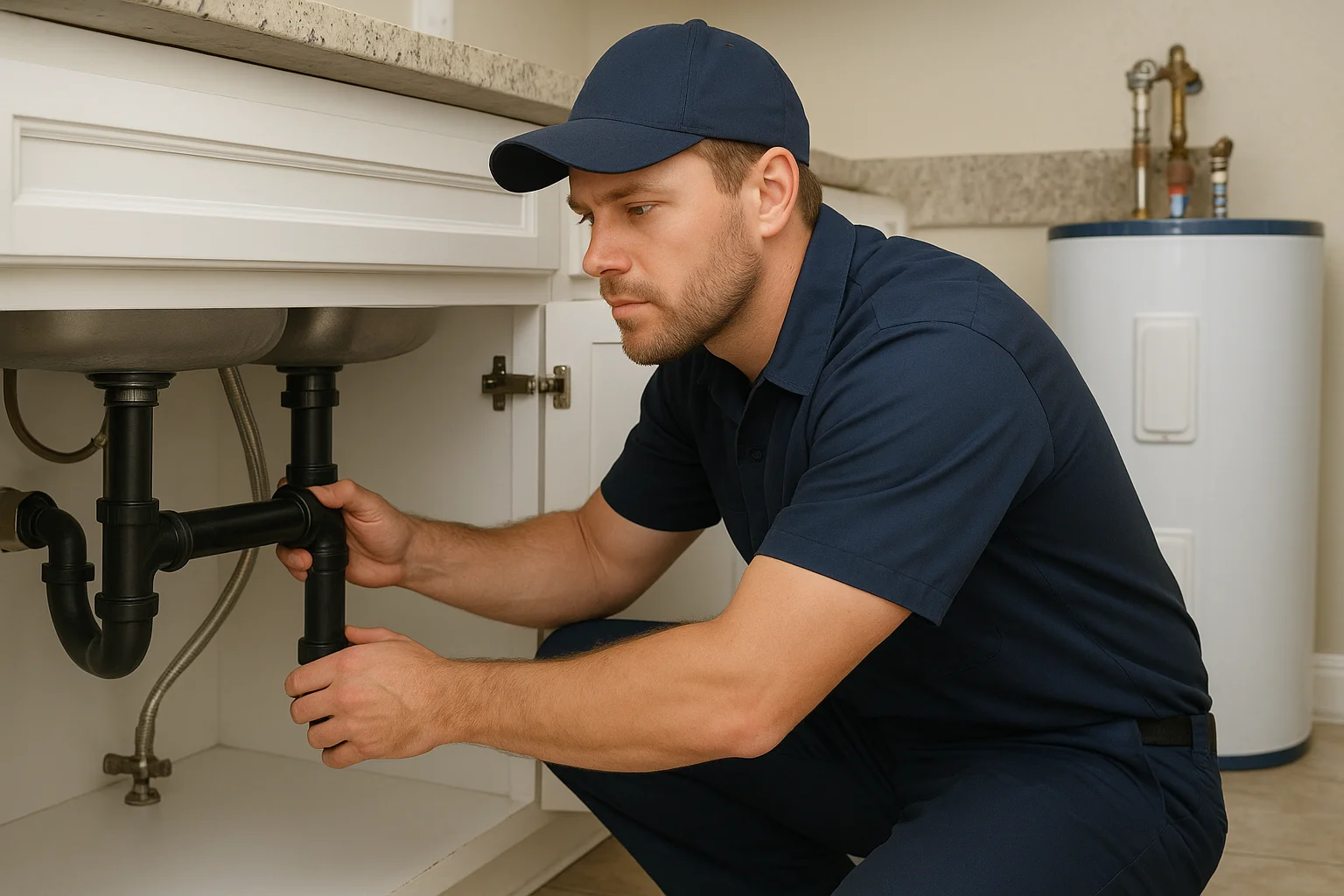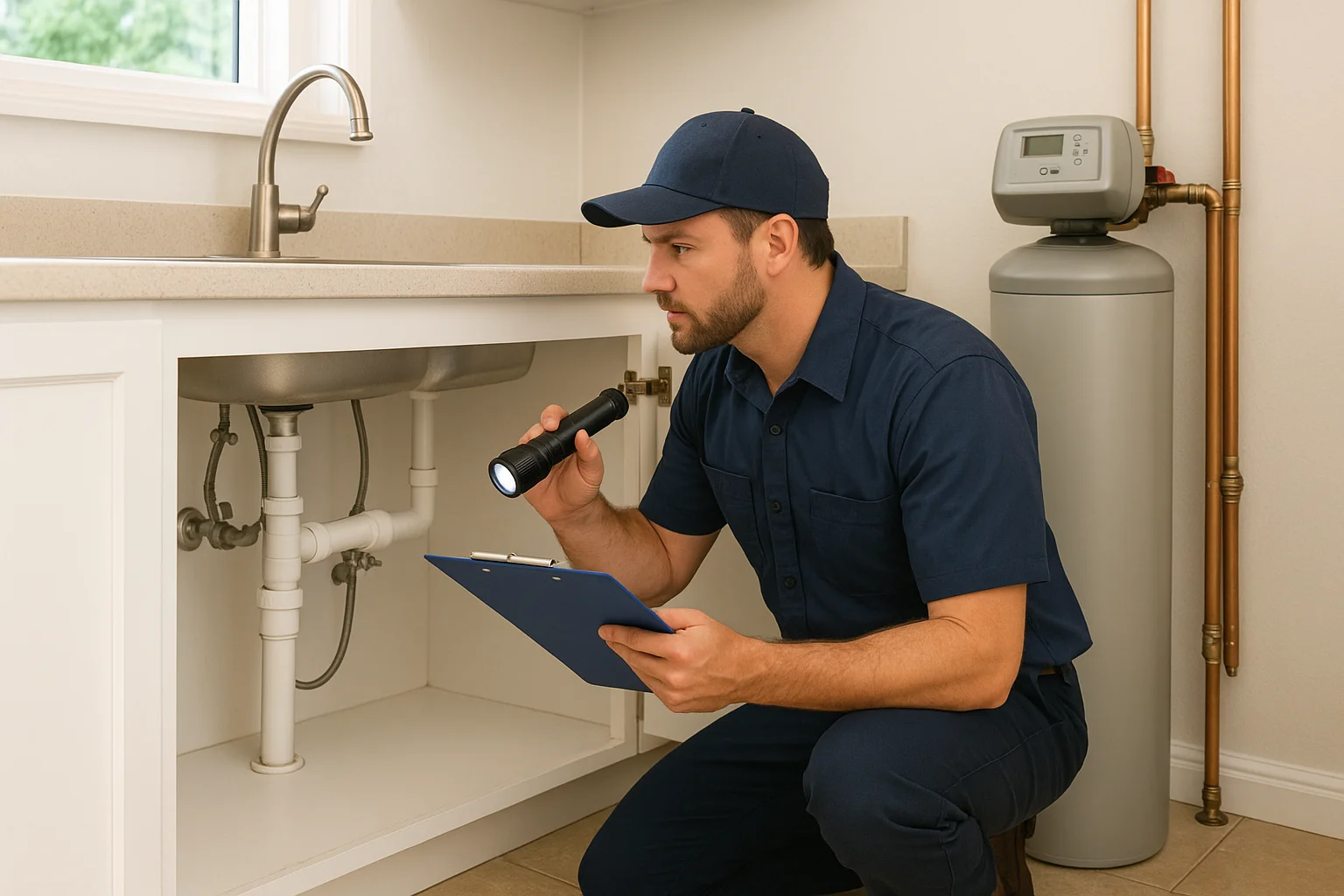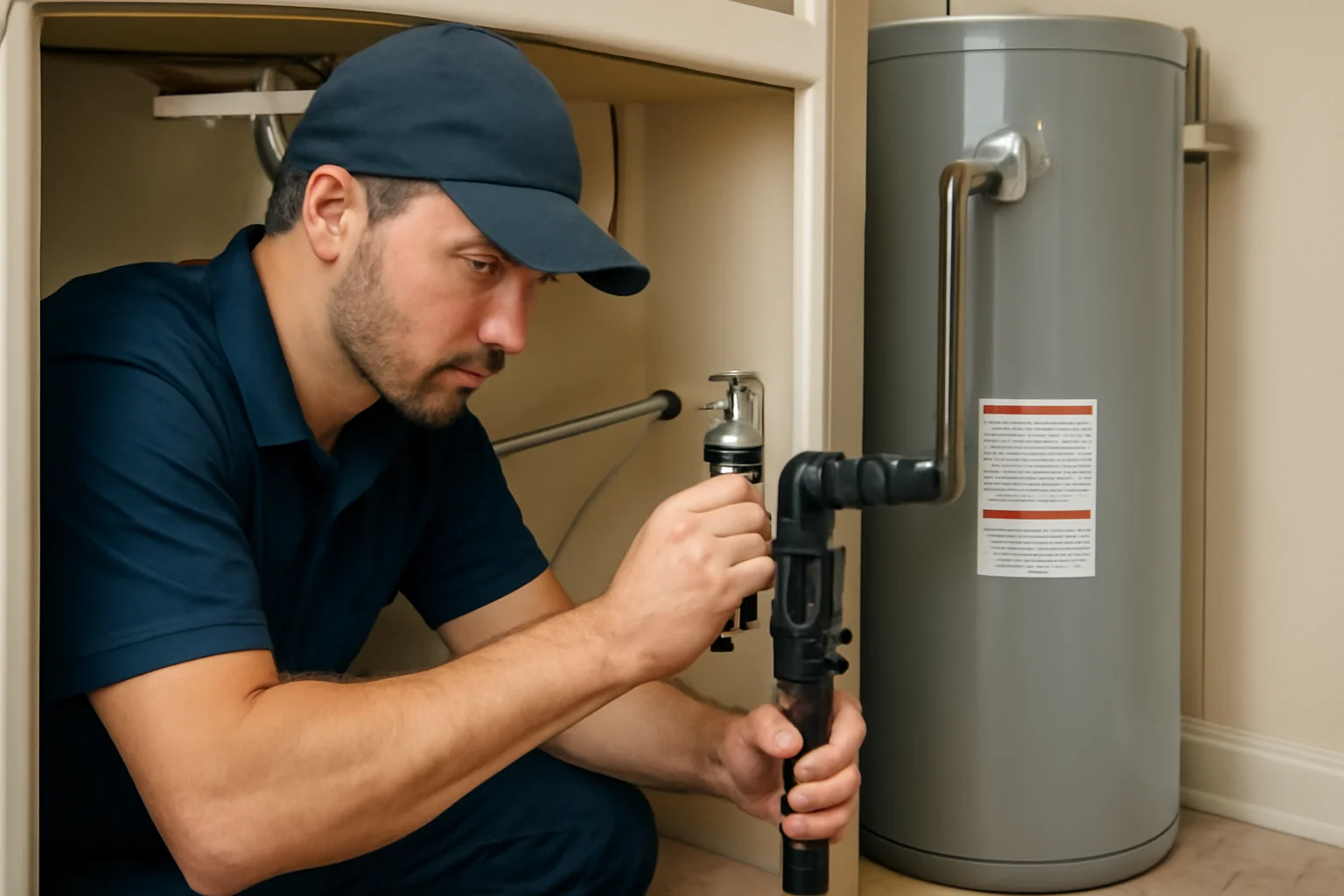
Lynn Haven homes rely on steady hot water for showers, laundry, and everyday comfort. When hard water gets into the mix, it can quietly damage your water heater, slow down recovery, and raise energy costs. A water heater replacement that feels “later” can turn into an emergency plumbing concern when leaks, sediment, or pressure problems show up at the worst time.
This guide explains how hard water impacts water heaters in Lynn Haven, what warning signs to watch for, and how local plumbing service helps you replace the right unit before the damage becomes expensive. If you are searching for water heater replacement in Lynn Haven, FL, the information below will help you make better decisions and ask the right questions.
Why hard water in Lynn Haven can make replacement more urgent
Hard water is common across Bay County, and Lynn Haven households often notice it through scale buildup on fixtures, cloudy water in some conditions, and minerals that cling to showerheads and faucet aerators. Those minerals do not just sit on surfaces. They also accumulate inside plumbing systems and appliances that heat and move water, including your water heater.
Inside a typical tank water heater, minerals settle at the bottom as sediment. Over time, that sediment acts like an insulating blanket. The burner or heating element has to work harder to heat water, which can lead to higher utility bills and faster wear on internal components.
In tankless systems, mineral scaling can restrict flow and reduce heat transfer efficiency. When that happens, you may experience weak hot water, longer wait times, or temperature swings during showers and laundry cycles.
Lynn Haven’s warm, humid coastal climate also influences plumbing habits. Many homes run sprinklers, use more water outdoors, and experience seasonal changes in water use. Higher overall usage means more heated water passing through the unit, which can speed up the wear process when hard water is present.
The cost difference between “planned” and “surprise” water heater replacement
Replacing a water heater before it fails is usually more predictable. You can choose the right size, consider energy-efficient options, and schedule installation when the household can accommodate a short service interruption.
When replacement becomes urgent, the situation can quickly involve:
- Emergency repairs after a leak starts, including water leak repair near me searches that happen at night or on weekends
- Damage from water pooling around the unit, which can affect nearby pipes, flooring, and cabinet or utility areas
- Increased pressure on valves and connections, which can worsen existing issues
- Complications if sediment has clogged drains or impacted venting on certain systems
In some cases, homeowners also discover related plumbing concerns at the same time, like slow drains, recurring toilet fill issues, or signs of broader pipe wear. If you are already dealing with drain problems, it is worth keeping the big picture in mind. Sediment from the water heater and mineral buildup can contribute to clogs in downstream fixtures over time.
Common warning signs your water heater is nearing the end
Homeowners in Lynn Haven often notice issues gradually, then suddenly. Here are practical signs that point to potential replacement, not just a quick fix.
1) Hot water runs out faster than it used to
If you are taking longer showers, washing more laundry, or hosting guests and the hot water is running out sooner, sediment buildup may be reducing the heater’s ability to recover. For tank systems, this can happen even when the unit still seems to be heating.
For tankless heaters, it may show up as weak hot water during simultaneous use, like a shower plus dishwasher running at the same time.
2) Strange noises from the tank or inconsistent temperatures
Rumbling, popping, or banging sounds often indicate sediment heating and moving inside the tank. Inconsistent temperatures can also be linked to scaling or failing internal components.
3) Visible leaks, rust, or moisture around the unit
Water heater leaks are a top reason people search emergency plumber near me. Look for damp spots, corrosion around fittings, or water on the floor. Even a small leak can worsen quickly, especially if connections are under stress from water pressure and repeated heating cycles.
If your home has a slab, leaks can be more difficult to spot. That is where preventive plumbing care matters, because hidden issues can escalate into slab leak concerns.
4) Frequent pressure relief valve discharge
Some discharge is normal during certain conditions, but repeated valve dripping or discharge can signal overheating, expansion issues, or a failing thermostat or control. This is not a “wait and see” situation because it can lead to water loss and damage.
5) Water looks cloudy or smells off when hot water is used
Mineral sediment, corrosion, or disturbed buildup can affect hot water quality. If the problem is noticeable only with hot water, the heater is a strong suspect.
Hard water damage: what is happening inside the unit
To plan replacement intelligently, it helps to understand the typical failure pathway in hard water conditions.
- Sediment buildup: Minerals settle at the bottom of tank units, reducing heat transfer.
- Higher energy use: More fuel or electricity is required to maintain temperature.
- Component wear: Heating elements, burner parts, and internal valves operate under more strain.
- Corrosion: Mineral-rich water can contribute to corrosion, especially when combined with age and temperature cycling.
- Clogging risks: Sediment can migrate through plumbing, increasing the odds of slow drains and fixture issues.
If you have been dealing with clogged sinks or recurring drain slowdowns, you may be seeing the downstream effects of mineral buildup. For help with drainage problems that can show up alongside water heater issues, check clogged pipes and drain services.
How water pressure and water use affect replacement timing
Hard water is a major driver, but it is not the only variable. Lynn Haven homes can experience changes in water pressure due to:
- Seasonal demand shifts
- Municipal supply fluctuations
- Older plumbing sections with partial blockages
High water pressure can stress valves, connections, and the pressure relief system. Low water pressure can reduce flow through tankless units, making them work harder to reach temperature targets. Either scenario can shorten equipment life.
Water use patterns also matter. A household with frequent laundry, high-demand showers, or a rental property with multiple occupants will cycle the heater more often. If your home is a rental, planning replacement can help reduce tenant complaints and prevent emergency callouts.
Tank vs. tankless: choosing the right replacement for a Lynn Haven household
When homeowners look for hot water heater replacement near me, they often compare tank and tankless options. The best choice depends on your hot water demand, available space, and how your plumbing is set up.
Tank water heaters
Tank units store hot water and deliver it quickly. They can be a good fit for households that want reliable recovery and do not want to manage flow rate constraints. In hard water areas, tank replacement planning should include sediment management strategies and realistic expectations for periodic maintenance.
Tankless water heaters
Tankless units heat water on demand. They can be efficient, but they require proper sizing and maintenance to manage scaling. If your household has high simultaneous demand, the unit must be sized correctly to avoid temperature drop during peak use.
Size and sizing accuracy matters
Oversizing can increase costs and energy waste, while undersizing can cause frustrating performance issues. A local plumbing team that understands Lynn Haven water conditions can help you match the system to your household and plumbing layout.
Replacement planning steps that prevent expensive surprises
Homeowners can take control of the process. Here are practical steps that reduce the odds of a sudden failure.
1) Schedule an inspection before the unit fails
If you notice rumbling, inconsistent hot water, or minor seepage, ask for a water heater service evaluation. A professional can check the condition of the tank or heat exchanger, examine valves, and assess whether repair is realistic or if replacement is the safer long-term move.
For more information on installation and service options, visit Water Heater Services.
2) Address leaks and connections early
Even small moisture around fittings can worsen. If you are seeing damp spots, you may also be dealing with related issues like valve failure or minor pipe leaks. For help with leak investigation, look for leak detection near me and ask whether the problem could be affecting nearby pipes or fixtures.
3) Consider water quality improvements
Hard water is the root contributor, so improving water quality can slow buildup. Many Lynn Haven homeowners explore water softening to reduce mineral scale on heaters, pipes, and fixtures. Cleaner water can also help keep showerheads and faucets performing better.
If you want guidance on preventing buildup across your home, read Cleaner Water, Smarter Plumbing.
4) Keep drains and piping flowing
Water heater issues and drainage issues can overlap. Sediment can contribute to clogs over time, and a clogged drain can cause problems with water flow and venting depending on the system layout. If you are searching for drain cleaning near me because sinks or tubs are draining slowly, have a plumber check whether the plumbing lines show mineral buildup that could also be impacting the heater.
5) Plan for emergency plumbing concerns
Even with maintenance, failures happen. If your water heater is older and you have a history of mineral buildup, plan ahead by saving the contact info for a local provider that can handle emergency plumbing concerns. When a leak starts, waiting can increase damage to flooring, cabinets, and nearby plumbing runs.
If you need urgent help, use Emergency Plumbing Services as a resource for fast response.
How local plumbing service protects Lynn Haven homes
Local plumbing work matters because it is not just about installing a new unit. It is about understanding the home’s plumbing layout, typical water conditions, and common failure patterns in the area.
In Lynn Haven, plumbers often encounter older plumbing systems, mineral-heavy water, and homes where utility areas may be tight. A professional can:
- Confirm the correct replacement unit type and capacity for your water use
- Check valves, connections, and pressure-related components
- Evaluate venting and drainage pathways where applicable
- Look for signs of related plumbing issues like slow drains, toilet performance problems, or recurring fixture leaks
That broader approach can save money. For example, if you are dealing with toilet repair near me or recurring faucet drips, those issues are sometimes linked to water pressure, worn supply lines, or general plumbing wear. Addressing them alongside heater replacement can prevent “fix one thing, break another” cycles.
When you should stop repairing and plan replacement instead
Repairs can help in some cases, especially for minor valve problems or temperature control issues. But certain conditions usually point to replacement because repairs do not remove the underlying hard water damage.
Consider planning replacement if:
- The unit is leaking and the source is inside the tank or heat exchanger
- Sediment buildup is severe enough to affect performance consistently
- Multiple components are failing in a short period
- Hot water recovery is poor and continues to worsen
- You suspect mineral scaling is repeatedly triggering performance issues
If you are unsure whether repair is worth it, request a professional assessment. You can also explore the service area overview at /service-areas/bay-county/lynn-haven to see how local plumbing help is structured across Lynn Haven.
Related plumbing issues homeowners often notice during heater problems
Water heater replacement conversations often uncover other concerns that were easy to miss until hot water performance declined or leaks appeared. Here are some common connections:
Slow drains and sediment
Some homeowners start with a drain complaint and then realize the water heater is also contributing to mineral buildup and flow restrictions. If you are searching for emergency drain cleaning near me because water is backing up or drains are moving slowly, ask whether your plumbing lines show signs of mineral accumulation.
Pipe leaks and hidden moisture
Leaks can appear near the heater or along nearby supply lines. If you notice dampness behind a wall, under a cabinet, or near a slab area, it may be time for pipe leak repair near me and leak detection. Hidden leaks can also affect water pressure and water heater performance.
If you suspect a hidden issue, review Why Lynn Haven Families Rely on Preventive Plumbing Care for Hidden Leaks and Slab Repairs.
Fixture wear and supply line issues
Hard water can clog faucet aerators, reduce shower flow, and wear out valves. When the water heater struggles, homeowners often notice the whole plumbing system feeling less responsive. That is a good time to address fixture-related needs like sink repair near me or faucet repairs, especially if you are already paying for plumbing service calls.
Gas line and venting safety concerns
If your water heater uses gas, any replacement or troubleshooting should include careful attention to safe connections. While the core focus is plumbing, a reputable plumbing team will coordinate with the proper safety checks for your system type. If you have a concern that involves gas lines, searching for gas line repair near me is appropriate, especially when you suspect a venting or connection issue.
What to ask during a water heater replacement visit
When you call a plumber near you, a clear set of questions helps you avoid confusion and get a more accurate plan. Consider asking:
- What is driving the failure in my case: sediment, pressure, valve issues, or scaling?
- Would you recommend a tank or tankless system for my household water use?
- How will you size the replacement for my hot water demand and fixture count?
- Do you recommend water softening to reduce hard water buildup in Lynn Haven?
- Are there any related plumbing issues you see that should be addressed now, like drains or pipe leaks?
If the goal is to avoid expensive problems, the best providers will treat the install as part of a plumbing system, not a standalone appliance.
Schedule water heater replacement before it becomes a bigger plumbing job
If you are noticing low hot water, rumbling, rust, or moisture around your water heater, the “someday” replacement plan can turn into a much larger repair. Hard water accelerates mineral buildup, and that can impact not only the heater but also drains, pipes, and fixtures throughout your Lynn Haven home.
For homeowners searching for water heater replacement in Lynn Haven, FL, A Superior Mechanical can help you choose a properly sized tank or tankless system and install it with code-compliant workmanship. If you want to explore service coverage across the region, you can also view /service-areas/bay-county.
If your unit is already leaking or you suspect an emergency plumbing concern, start with urgent support through Emergency Plumbing Services so damage is limited while you plan the replacement.
For additional reading on how local conditions affect long-term performance, browse these Lynn Haven resources: How Everyday Plumbing Wear and Tear Shortens Water Heater Life in Lynn Haven Homes and Keeping Lynn Haven Homes Ahead of Water Problems With Cleaner, Smarter Plumbing.
Find Water Heater Replacement in Lynn Haven, FL
If you need Water Heater Replacement in Lynn Haven, FL, visit our local service page or contact A Superior Mechanical today.
Map of Lynn Haven, FL
Frequently Asked Questions
How do I know if my water heater needs replacement or repair?
If you have recurring issues like leaking, heavy sediment sounds, consistent loss of hot water, or repeated valve discharge, replacement is often the safer option. A plumber can inspect the tank or heat exchanger and check valves, connections, and water pressure to confirm.
Does hard water really shorten water heater life in Lynn Haven?
Yes. Hard water minerals build up as sediment in tank units and as scaling in tankless systems. That reduces heat transfer, increases energy use, and accelerates wear on internal components.
What is the most common cause of water heater leaks?
Leaks often come from corrosion, failing fittings or valves, or tank deterioration. In hard water homes, mineral buildup can contribute to internal stress. Moisture around connections should be addressed quickly to prevent damage.
Can water softening help prevent expensive water heater problems?
Water softening can reduce mineral scale, which may slow sediment buildup and improve performance for both tank and tankless systems. It is especially helpful for Lynn Haven homes experiencing visible scale on fixtures.
Is it safe to wait if my hot water is lukewarm but the unit is not leaking?
It depends on the cause. Lukewarm water can be a sign of sediment buildup, thermostat issues, or scaling. If performance is worsening or you hear rumbling, schedule water heater service promptly to avoid a failure that could become an emergency plumbing concern.
Related Articles
- How Everyday Plumbing Wear and Tear Shortens Water Heater Life in Lynn Haven Homes
- Why Lynn Haven Families Rely on Preventive Plumbing Care for Hidden Leaks and Slab Repairs
- Cleaner Water, Smarter Plumbing: A Lynn Haven Homeowner's Guide to Preventing Problems
- Keeping Lynn Haven Homes Ahead of Water Problems With Cleaner, Smarter Plumbing
Photo Gallery