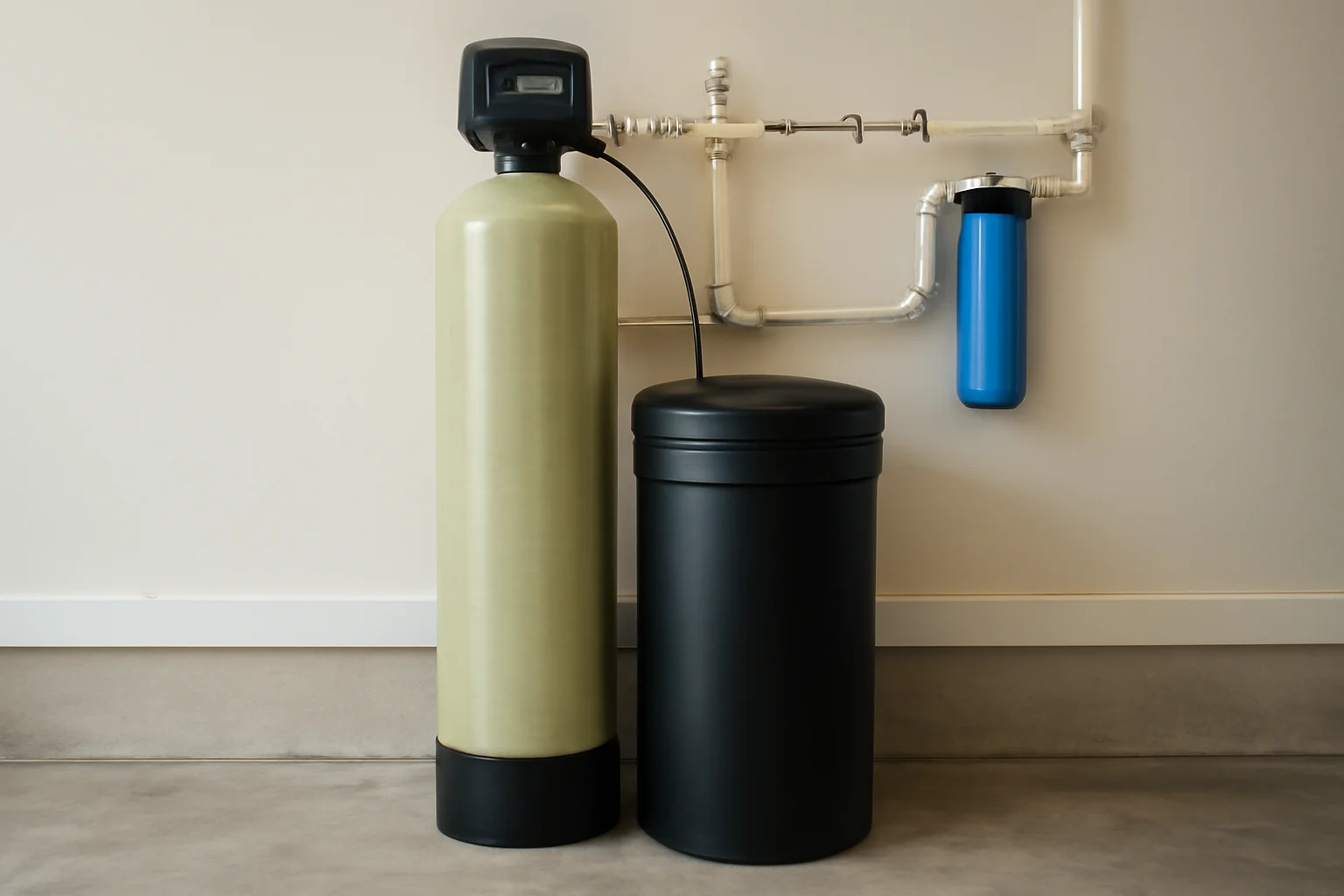
Niceville homeowners often notice hard water the same way they notice summer storms: it starts small, then becomes harder to ignore. A little scale on the showerhead turns into rough buildup around faucets. Soap scum becomes a regular battle in the laundry room. Coffee tastes off, and ice cubes seem cloudy. When water softening is delayed or not working the way it should, those everyday annoyances can also mean faster wear on plumbing and appliances.
This article breaks down what can cause problems with water softening near Niceville, FL, and why timing matters with water filtration. If you are shopping for water treatment, water filtration near me, or an AO Smith water softener, this guide will help you connect the dots between water quality and what you see at home.
What hard water looks like in a Niceville home
Hard water is typically driven by dissolved minerals, most commonly calcium and magnesium. In the Florida Panhandle climate, many homes experience mineral-rich water that becomes visible as it dries. You might notice hard water spots on glass after the bathroom mirror dries. Dishes can come out with a film that wipes but never fully disappears. Faucets and showerheads can show scale buildup around faucets in the form of chalky white deposits or rough rings.
Bathing can also tell the story. If you feel dry skin or dull hair after bathing, it may not be your shampoo. Hard water can interfere with how soap works, leading to residue that rinses poorly. Homeowners also report that soap does not lather or rinse well, even when they use the same products they have always used.
Kitchen water quality shows up too. Some households notice metallic, chlorinated, or unpleasant taste. Ice cubes may appear cloudy. Cooking water can affect the flavor of tea, coffee, and rice. When water filtration is not addressing mineral content and taste concerns, it is easy to blame the brand of coffee or the age of the ice trays instead of the water chemistry.
Why water softening problems can show up even when you “have a system”
Many homeowners assume that once a water softener is installed, the job is done forever. In reality, water softening is a process that depends on correct settings, proper salt supply, clean components, and consistent water flow. Problems can develop gradually, and the longer they go unaddressed, the more scale and residue you may already have built up inside fixtures, plumbing lines, and appliances.
Timing matters because mineral buildup is not reversible with a quick wipe-down. Scale can accumulate in pipes, reduce efficiency in water heaters, and shorten the lifespan of appliances that use hot water. When water softening issues are caught early, homeowners often avoid the heavier repair work that comes later.
Common causes of water softening issues near Niceville
1) Incorrect regeneration timing or settings
Water softeners regenerate based on demand. If the system is set to regenerate too infrequently, minerals keep passing through, and you see new hard water spots on dishes, fixtures, and glass. If it regenerates too often, you can waste salt and water and still end up with inconsistent softness.
Seasonal changes can also affect water usage. A family that waters more during summer, runs more laundry, or adds guests during peak months may notice the system struggling. A small change in household routines can create a big difference if the control settings are out of date.
2) Low or inconsistent salt supply
A salt shortage is one of the most straightforward causes of softening problems. If the brine tank is not consistently filled, the system cannot properly regenerate. The result can look like “the water is suddenly hard again.” Homeowners may notice soap residue returning, water spotting on chrome fixtures, and that familiar film on glassware.
In coastal areas like parts of Okaloosa County, humidity and storage practices can also impact how salt behaves in the brine tank. Using the right product, keeping the tank maintained, and scheduling service helps keep softness consistent.
3) Resin bed performance declines over time
Inside an AO Smith water softener, the resin bed does the core work of exchanging minerals. Over years of service, the resin can become less effective. If you start seeing persistent scale buildup around faucets and showerheads, or if water feels harder even after regeneration cycles, the resin may be aging or fouled.
Resin issues do not always show up as a dramatic failure. Sometimes it is a slow drift in results: hair feels less silky, laundry looks dull, and appliances seem to wear out faster.
4) Iron or sediment that overwhelms the system
Some homes experience iron, sediment, or other water contaminants that can interfere with softening. When these materials get into the system, they can foul components and reduce performance. You may see discoloration concerns, sediment in water, or an odor that does not belong. Metallic tasting water can be a clue that more than hardness is present.
Whole home water filtration may be needed alongside softening to protect the softener and improve overall water quality. Many homeowners choose a staged approach, where a sediment or carbon filter helps reduce particles and taste concerns before water reaches the softener.
5) Water filtration problems that affect taste and odor
Softening targets minerals, but it does not necessarily fix taste, odor, or chlorine-related concerns. If you are noticing metallic, chlorinated, or unpleasant taste, or cloudy ice cubes, you may need additional filtration.
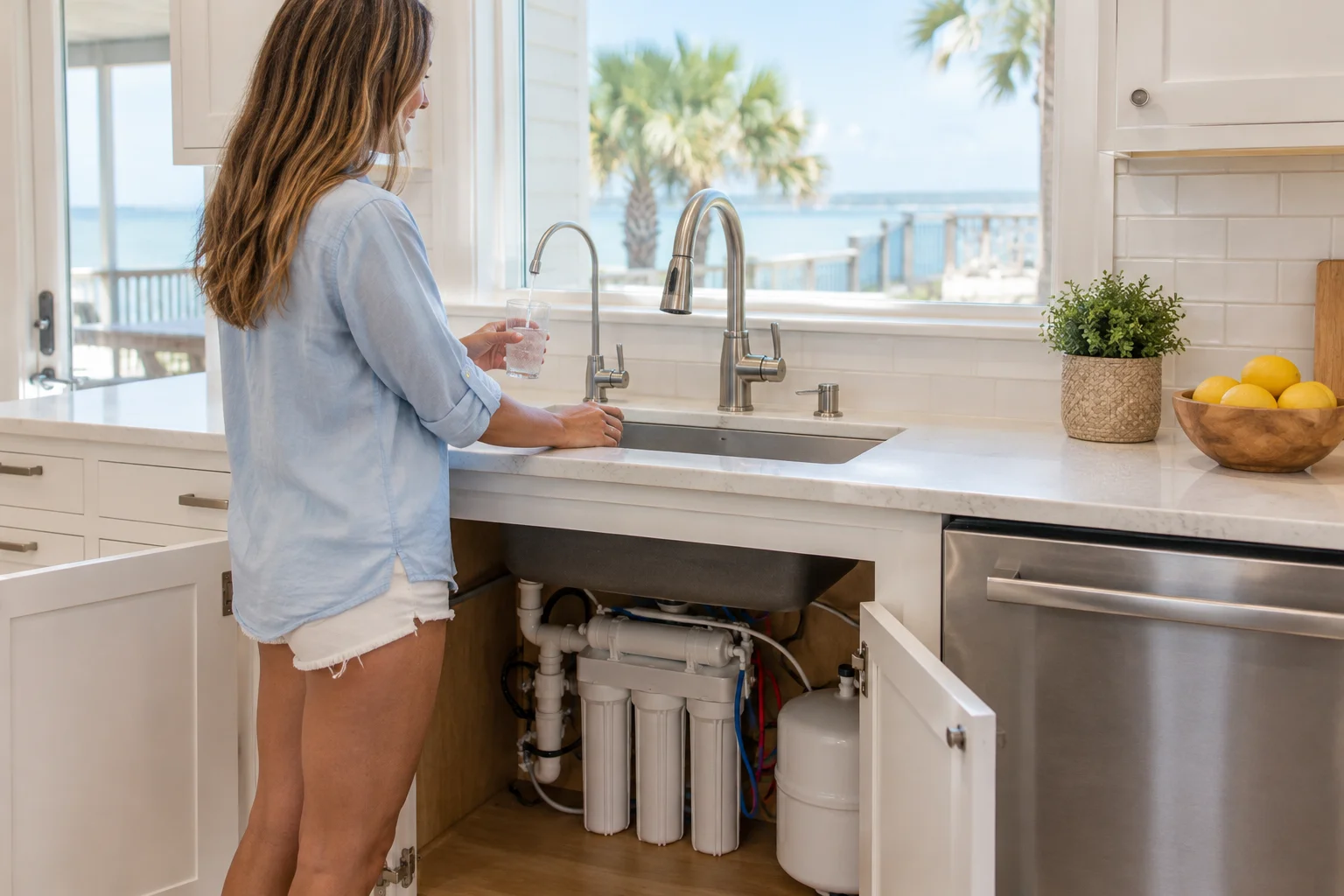
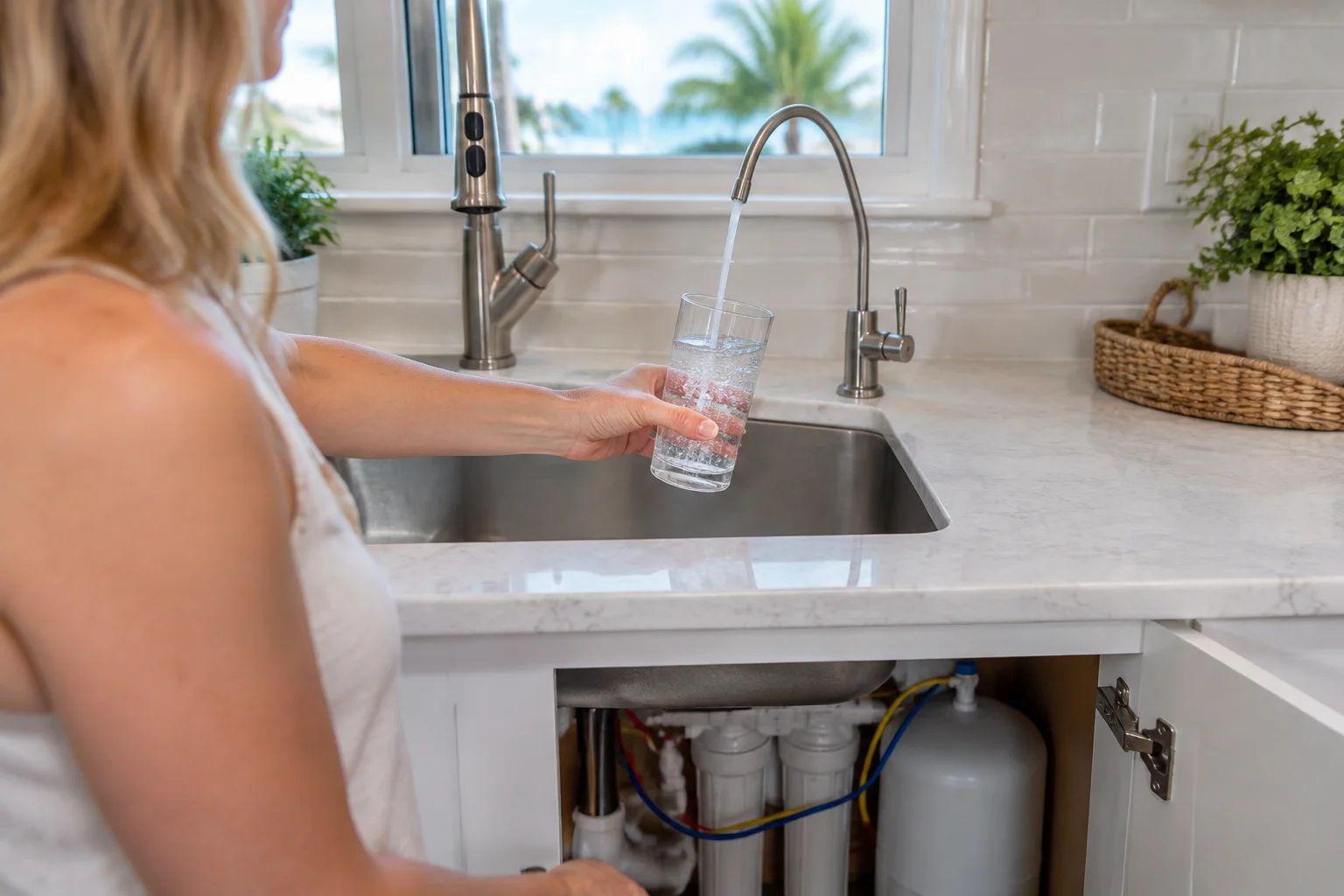
That is where reverse osmosis can come in for drinking water and cooking water. A reverse osmosis system near me search often turns up options, but the better question is whether RO is appropriate for your home. Many families prefer RO for kitchen drinking water and ice, while relying on whole house filtration for overall cleanliness and appliance protection.
Whole home filtration can also reduce the “dry feel” some people notice after bathing by improving water consistency across the house. For homeowners searching for clean water systems near me, it helps to consider both softening and filtration as a connected clean water plan.
Why timing matters: what happens when softening fails longer than you think
When water softening is not working, hard water minerals keep depositing. You can see evidence quickly, but internal scale buildup often continues even when you do not notice it. Scale inside pipes and appliances acts like an insulator. That means water heaters may work harder. Dishwashers may require more cycles. Hot water can feel less consistent.
For families in Niceville, timing often comes down to daily routines. If you have kids or multiple showers in the morning, the effects show up faster. Laundry loads accumulate quickly, and soap residue builds up in fabrics. If you are using hard water to make coffee, tea, and cooking water, the taste and performance issues can become part of the everyday conversation.
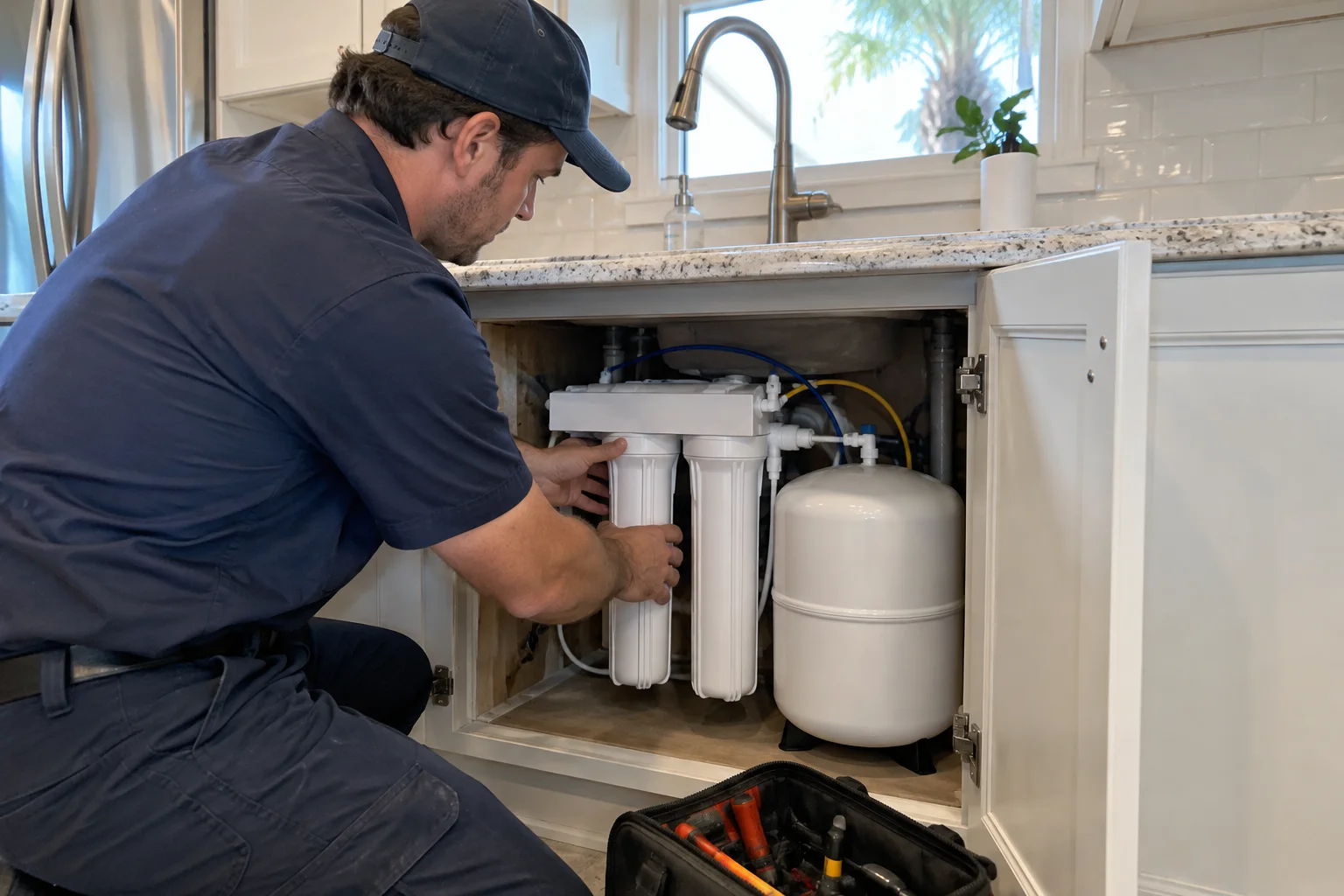
A Superior Mechanical service team can help evaluate what is happening and whether the issue is a softener-only problem or a broader filtration need. That matters because the fix depends on what failed first: the softener settings, the resin performance, salt and brine function, or the need for whole home water filtration ahead of the softener.
Spotting the difference between a softener issue and a filtration issue
Homeowners often ask whether they need water softener service or reverse osmosis installation. The clues can overlap, but a few patterns help.
More scale and soap residue
If you see hard water spots on glass, scale buildup around faucets, and soap does not lather or rinse well, the softener is likely underperforming. That could be due to regeneration timing, salt levels, or resin wear. An AO Smith water filtration setup that includes proper softening performance can reduce these issues across bathrooms, laundry, and kitchen sinks.
More taste, odor, and cloudy ice
If the main complaint is metallic tasting water, unpleasant taste, or cloudy ice cubes, softening may not be the primary solution. Whole home water filtration can help with certain contaminants, and reverse osmosis can be a strong option for drinking water and cooking water.
Visible sediment or discoloration concerns
If you notice sediment or discoloration, you may need sediment filtration and possibly additional treatment. Whole home water filtration near me searches often reflect that these issues are not only about hardness.
How better water affects everyday life in Niceville
When water softening and water filtration are working together, the difference shows up in the routines you do every day.
Kitchen: Better water for drinking and cooking can mean coffee that tastes cleaner, tea that brews more consistently, and less mineral film on glass and kettles. Families often notice that ice looks clearer when the source water is filtered appropriately. If you are considering a reverse osmosis system near me, it is usually because you want a dedicated upgrade for drinking water and ice, not just “softer” water.
Bathroom: With proper softening, you are less likely to see hard water spots on glass and fewer streaks on shower doors. Showerheads stay cleaner longer, and scale buildup around faucets slows down. Many homeowners also report softer skin and less dull hair after bathing.
Laundry: Clothes can look brighter, and detergent tends to rinse better. When soap residue is reduced, fabrics feel cleaner and you spend less time re-washing loads that did not come out right.
Appliances and plumbing: When hard water treatment becomes part of protecting fixtures and appliances, you can reduce scale accumulation that shortens appliance life. Homeowners often notice that water-using appliances wear out faster when scale is present. A properly maintained system helps reduce that risk.
Solutions that match the problem: softening, whole home filtration, and RO
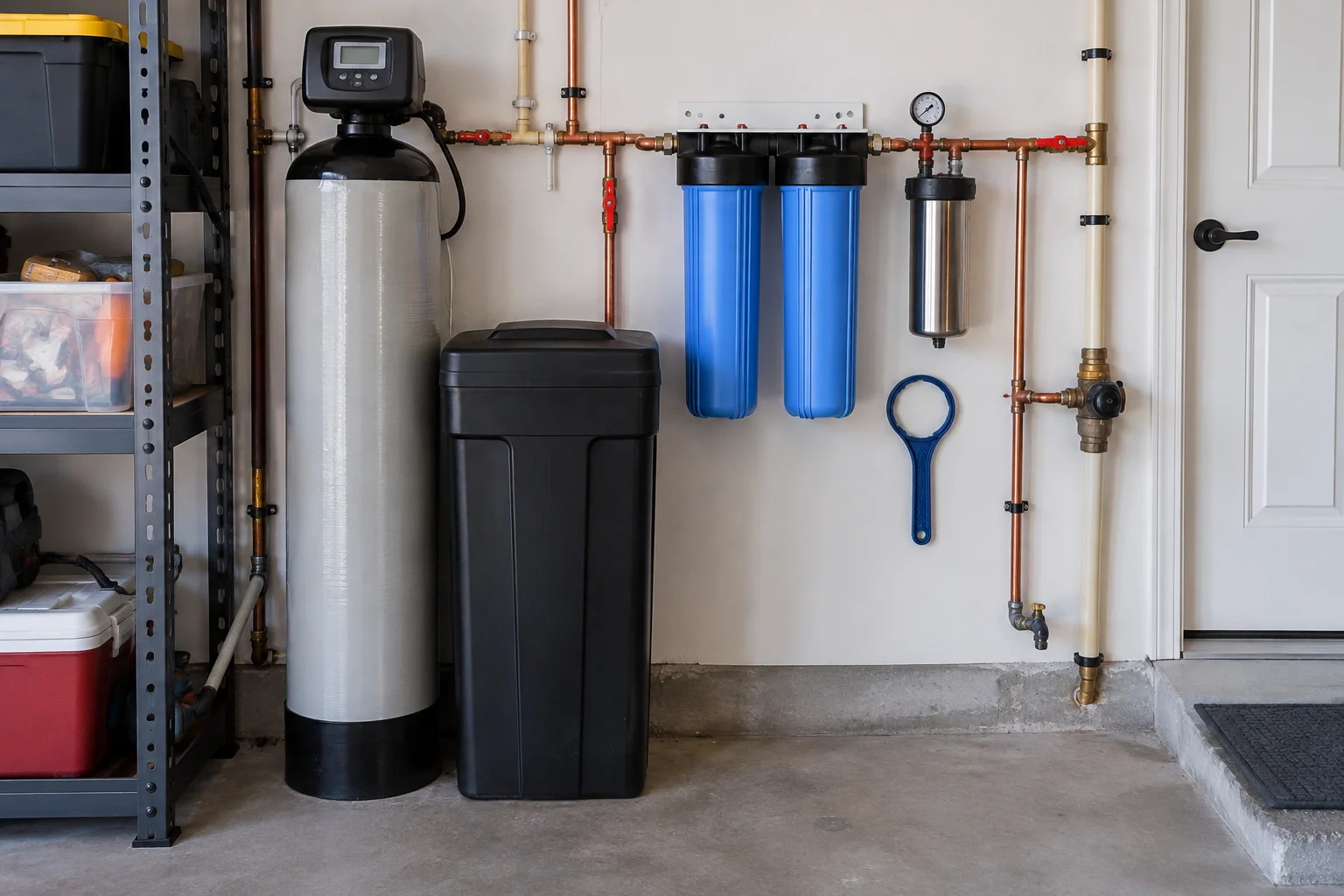
A whole-home A. O. Smith water softener for consistent hardness control
For many Niceville homes, the foundation is a dependable water softener service plan. An AO Smith water softener can reduce hardness across the house, helping prevent scale buildup around faucets and improving how soap performs in bathing and laundry.
If you are searching for water softener installation, replacement, repair, and maintenance, it helps to choose a system and service schedule that match your household’s demand. Timing matters here too, because correct sizing and correct regeneration performance are what keep hardness under control between service visits.
You can review our water softening service here: /service-areas/okaloosa-county/niceville/water-softening-fwbnvfl.
Whole home water filtration to protect the system and improve overall water quality
Hardness is only one part of the water experience. Whole home water filtration near me is often the answer when homeowners notice sediment, discoloration, or taste and odor concerns that a softener alone cannot address.
Whole house filtration can also help protect downstream equipment. When particles and certain contaminants are reduced before water reaches sensitive components, the system can run more efficiently and consistently.
If you want to explore options for clean water systems and whole house filtration, start with this landing page: /water-filtration-ro-water-softeners.
Reverse osmosis for drinking water and cooking water
Reverse osmosis is popular for kitchen use because it targets taste, odor, and a range of dissolved contaminants. Many families choose RO to improve drinking water and cooking water while still using whole home water filtration and softening for everything else.
If you are considering reverse osmosis installation near me, a good approach is to pair RO with whole home water filtration and properly functioning softening. That way, the kitchen gets great-tasting water, and the rest of the home stays protected from scale and residue.
Maintenance that prevents softening problems from coming back
Even the best system can struggle if basic maintenance slips. Here are practical habits that help keep softening and filtration steady in a Niceville home:
- Watch salt levels. Keep an eye on the brine tank and refill before it runs low.
- Pay attention to household changes. More laundry, more guests, or more showers can change demand. If you notice new spotting, the timing may need adjustment.
- Look for early visual clues. Fresh scale buildup around faucets, new hard water spots on dishes, or soap that does not rinse well are often early indicators.
- Check for taste and odor shifts. Metallic or chlorinated taste, cloudy ice cubes, and persistent odor concerns can signal filtration needs beyond softening.
- Schedule service before problems become repairs. Regular checks help ensure the control settings, valves, and components are working correctly.
When to call a professional water treatment technician in Niceville
If you are dealing with multiple symptoms at once, it is usually a sign that timing, settings, or filtration staging needs attention. Call for water softener service when:
- Hard water spots on glass and dishes are increasing again even after regeneration cycles.
- Soap does not lather or rinse well, and the issue persists across bathrooms and laundry.
- You see scale buildup around faucets and showerheads that keeps returning quickly.
- Your family reports dry skin or dull hair after bathing that seems worse than usual.
- You notice metallic tasting water, chlorinated taste, unpleasant odor, or cloudy ice cubes.
- Appliances appear to be wearing out faster, or you suspect scale in hot water equipment.
- You have visible sediment, discoloration, or odor concerns that could require whole home water filtration.
Professional service helps confirm what is causing the problem and whether water softening alone is enough, or whether whole home water filtration and reverse osmosis for drinking water and cooking water should be added.
How local water and local home patterns affect treatment choices
Niceville homes vary from older neighborhoods to newer builds, and the way water moves through plumbing can affect how quickly scale shows up. In Okaloosa County, the mix of humidity, seasonal water use, and household routines can change how often you need regeneration and how quickly taste or odor concerns become noticeable.
That is why local water treatment service matters. A system that works well for one home can underperform in another if demand, plumbing layout, or water conditions differ. If you are exploring water filtration near me or water treatment service for your area, it helps to choose a company familiar with local conditions and the most common issues homeowners report across the city.
You can also browse our local coverage: /service-areas/okaloosa-county/niceville and /service-areas/okaloosa-county.
Pairing water treatment with plumbing reliability
Water softening and filtration do more than improve taste and comfort. They can reduce the mineral buildup that contributes to plumbing problems over time. When homeowners address water issues early, they often protect fixtures, reduce nuisance maintenance, and help appliances last longer.
If you are thinking about the bigger picture of home reliability, these reads may be useful:
- How Better Plumbing Installation Helps Niceville Homes Stay Reliable Year Round
- Why a Small Water Heater Problem in Niceville Can Turn Into a Bigger Plumbing Repair
- Why Better Plumbing Replacement Pays Off in Niceville Homes
- Practical ways Niceville homeowners can handle plumbing financing without delaying repairs
Water treatment is one of the most practical ways to reduce stress on your plumbing system, especially when hard water is already leaving visible signs.
Common water treatment searches homeowners ask in Niceville
Homeowners often start with a search like water filtration near me, water softener service, or reverse osmosis installation near me. The best next step is to match the solution to the symptom. If the main problem is scale and soap behavior, a properly maintained AO Smith water softener and correct regeneration timing can be the key. If the issue is taste, odor, and cloudy ice, reverse osmosis and whole home filtration may be the missing piece.
For homeowners building a clean water system, the most reliable path is usually a combination: water softening for hardness control, whole home water filtration for broader water cleanliness, and reverse osmosis for drinking water and cooking water. That is the approach many families in Niceville choose when they want better water for drinking and cooking without sacrificing comfort during showers, laundry days, or dishwashing.
Find Water Softening in Niceville, FL
If you need Water Softening in Niceville, FL, visit our local service page or contact A Superior Mechanical today.
For a broader look at whole-home water filtration, reverse osmosis, and water softener options, visit our water filtration, RO, and water softener page.
Map of Niceville, FL
Frequently Asked Questions
Why does my water feel hard again even after my water softener regenerates?
Common causes include incorrect regeneration timing, low salt in the brine tank, a failing resin bed, or sediment and iron that interfere with softening. A technician can check settings, brine draw, and system performance to pinpoint the issue.
Does water softening fix metallic tasting water or cloudy ice cubes?
Not always. Water softening primarily targets hardness minerals. If you have metallic taste, chlorinated or unpleasant taste, or cloudy ice cubes, you may need whole home water filtration and possibly reverse osmosis for drinking water and cooking water.
How can I tell if I need reverse osmosis or whole home water filtration?
If the main complaints are taste, odor, and ice quality, reverse osmosis is often a good choice for kitchen drinking water. If you also notice sediment, discoloration, or whole-house water quality issues, whole home water filtration may be needed alongside softening.
Will hard water cause appliances to wear out faster?
Yes. Scale buildup can reduce efficiency and increase wear in water heaters, dishwashers, and other hot-water appliances. Proper water softening and filtration help reduce mineral deposits and protect equipment.
How often should a water softener be serviced in Niceville, FL?
Service frequency depends on water conditions and household demand. Many systems benefit from periodic inspections and performance checks so settings stay accurate, salt and brine function reliably, and the system continues to prevent scale buildup around faucets and showerheads.
Related Articles
- How Better Plumbing Installation Helps Niceville Homes Stay Reliable Year Round
- Practical ways Niceville homeowners can handle plumbing financing without delaying repairs
- Why a Small Water Heater Problem in Niceville Can Turn Into a Bigger Plumbing Repair
- Why Better Plumbing Replacement Pays Off in Niceville Homes
Photo Gallery