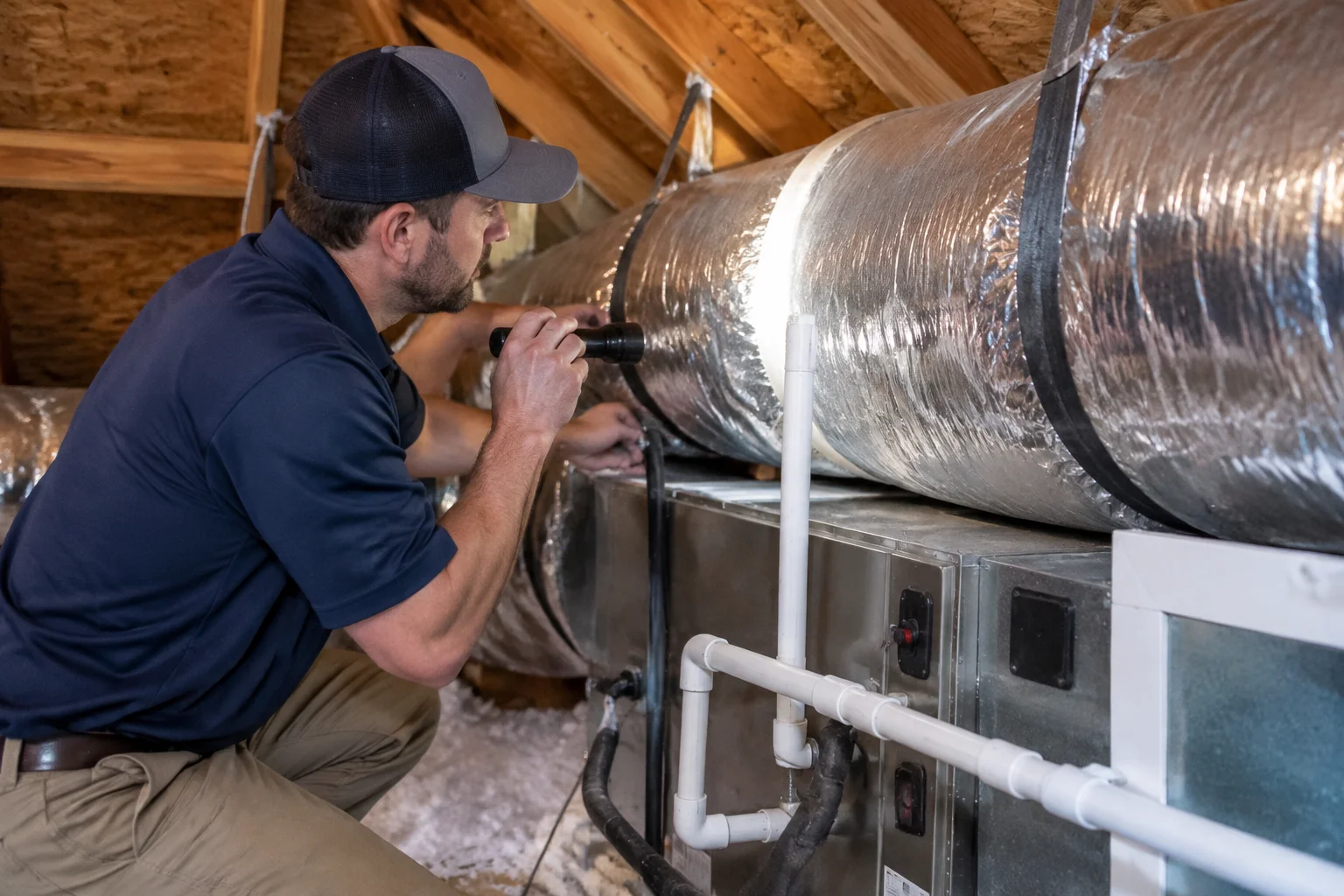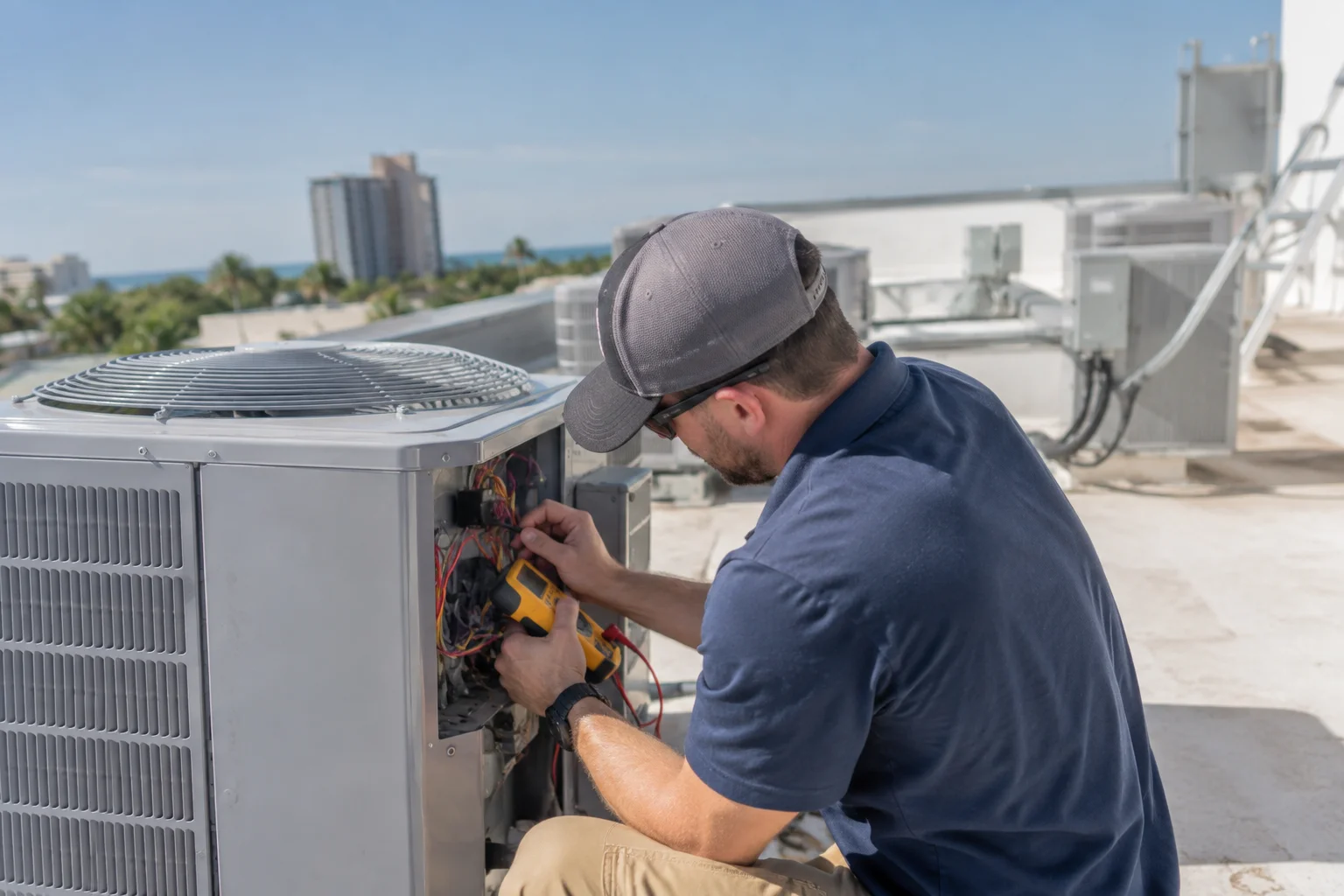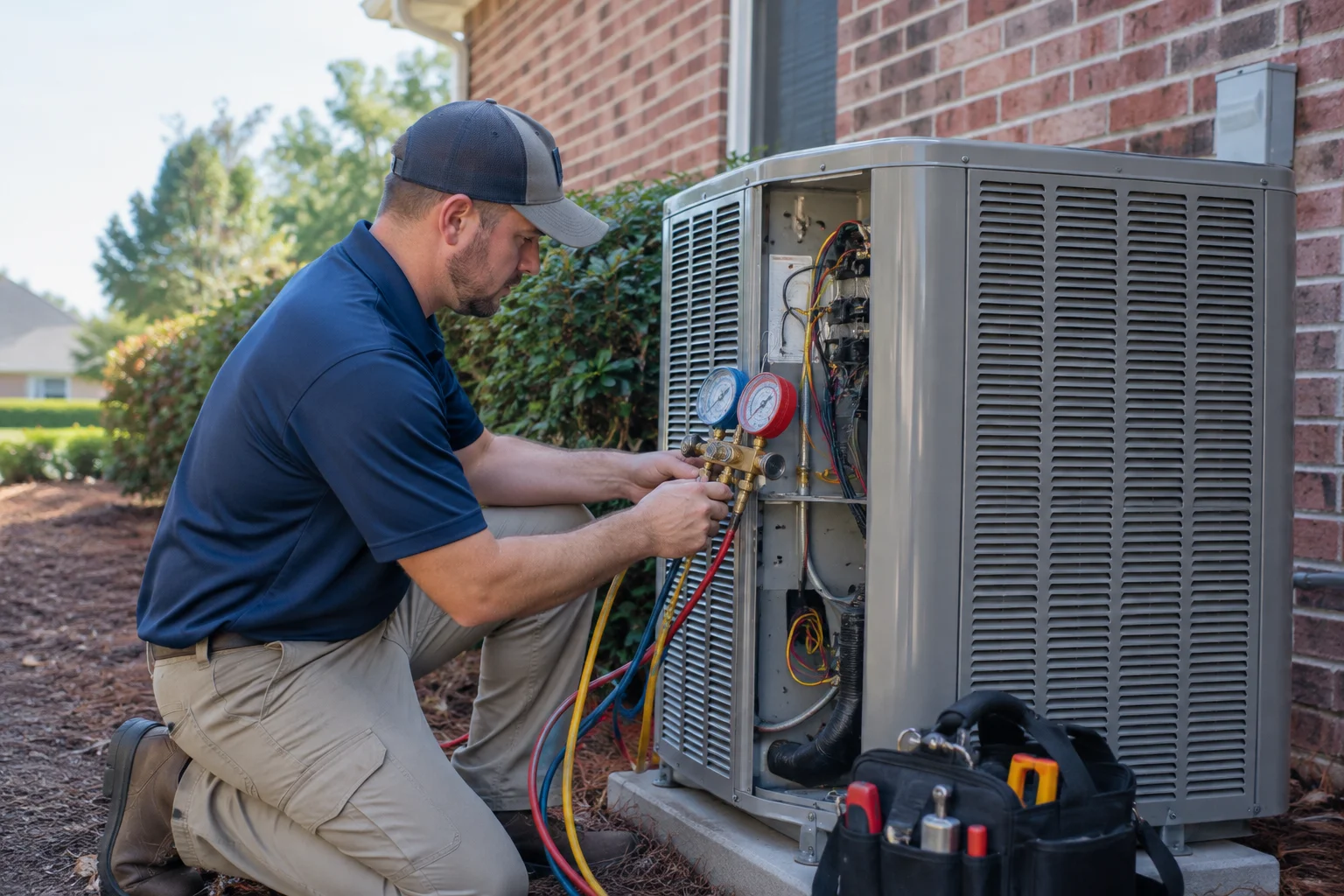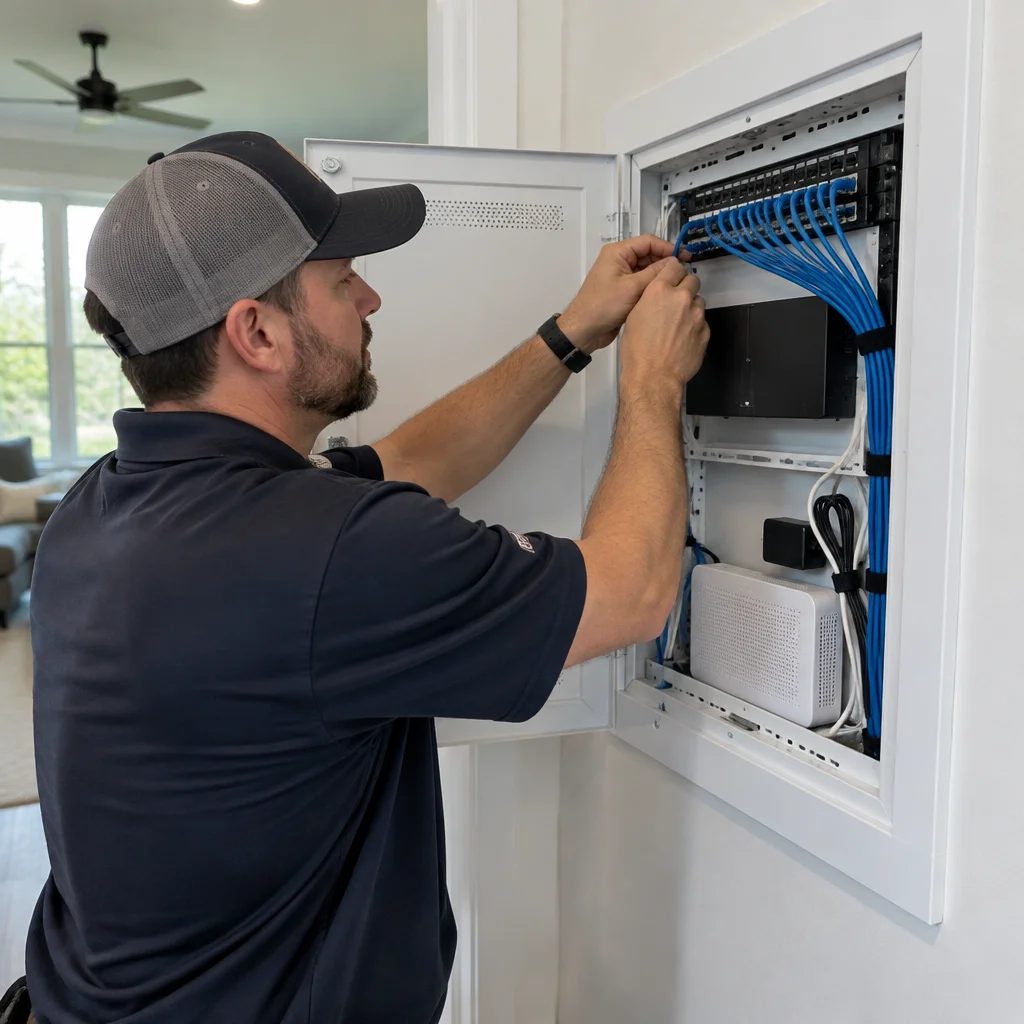
Camp Creek homes feel the Gulf Coast in every season. Even when you are not running the heat much, temperature swings, sticky indoor humidity, and airflow issues can show up fast. Heating control systems are what help your HVAC equipment respond to real comfort needs instead of guessing. For homeowners dealing with AC repair, heat pump service, or uneven heating, upgrading heating controls is often the missing piece.
If you are searching for a reliable heating control systems provider in Camp Creek, it helps to understand what these systems actually do and why coastal Florida conditions can make them especially important.
Why “control” matters more in Camp Creek than you might think
In coastal Florida, comfort is not only about temperature. It is also about humidity, airflow, and the way your system handles changing indoor and outdoor conditions. Heating control systems coordinate how your thermostat communicates with your heating equipment and how your system manages runtime, staging, and airflow.
When controls are outdated, misconfigured, or not matched to your ductwork and equipment, you can see the same problems again and again:
Hot and cold rooms caused by inconsistent air distribution and poor control of airflow.
Short cycling where the system turns on and off too quickly, which can increase wear on refrigerant systems and reduce comfort.
Humidity imbalance that can make your home feel warmer than the thermostat setting suggests.
Higher energy use because the system runs longer than needed to reach and hold the setpoint.
Confusing behavior such as the heat running at odd times or the system responding slowly to temperature changes.
Camp Creek also sits in Walton County’s coastal climate, where warm, moist air can stress HVAC performance. Even if your main comfort concern is cooling, heating controls still influence how the system transitions between modes and how consistently it can maintain indoor conditions.
Thermostats are the command center, but they are only part of the story
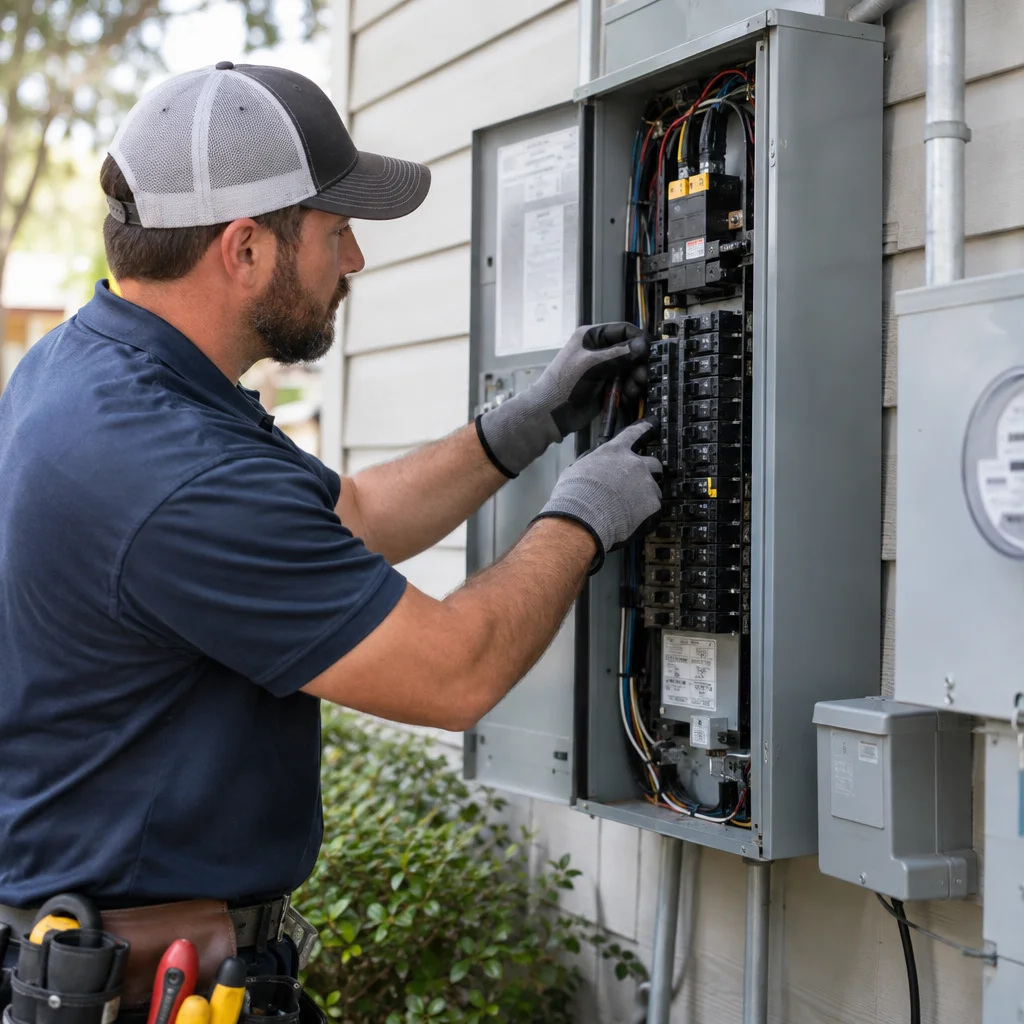
Most homeowners start with the thermostat, because it is the interface you touch every day. But heating control systems are broader than a wall display. They include the communication between thermostat sensors, control boards, and how your system manages heating cycles and airflow.
In homes across Camp Creek, thermostat issues often show up as:
Temperature that never feels right, especially when the sun hits one side of the house.
Delayed responses where the system takes too long to react to changes in indoor temperature.
Inaccurate sensing if the thermostat is in a spot affected by drafts, kitchens, hallways, or direct sunlight.
Limited control features on older models that cannot properly coordinate with modern HVAC equipment.
Professional installation matters because the thermostat has to be set up correctly for your home’s layout, comfort goals, and equipment type. If you are looking for thermostat installation near me, choose an HVAC contractor who will consider how your system is actually installed, not just where the thermostat goes on the wall.
Coastal humidity and airflow: how controls affect comfort
Humidity is one of the biggest comfort challenges in coastal Florida. Even during cooler periods, indoor moisture can linger. Heating control systems help your HVAC manage the balance between temperature and humidity by coordinating system operation and airflow.
Airflow is where many homeowners feel the difference most. If your air distribution is off, the thermostat may call for heat or cooling, but the air reaching each room can be uneven. That can lead to:
Hot spots near supply vents or returns that are positioned poorly.
Stale air in rooms far from the main airflow path.
Comfort swings when the system changes modes or adjusts runtime.
Controls that are properly configured can reduce frustration by helping the system run in a way that better matches the home’s airflow patterns. If you suspect airflow problems, it helps to pair control improvements with ductwork evaluation. For homeowners searching for duct repair near me, it is worth asking how ductwork impacts comfort and whether your current control setup is compensating for airflow limitations instead of solving them.
Condensate drainage and mode transitions
When humidity is high, condensate drainage becomes a more frequent concern. While condensate drainage is not the same thing as heating control, heating control systems influence how and when your system operates through cooling and heating transitions. If condensate drainage is restricted, it can contribute to performance issues that make temperature and humidity harder to manage.
A professional HVAC technician can evaluate whether any drainage concerns or airflow restrictions are affecting comfort and system behavior. Avoid assuming the cause is always the thermostat or controls alone.
Energy use and refrigerant systems: better control can reduce waste
Heating control systems influence how your HVAC equipment cycles and how it responds to indoor conditions. In homes with heat pumps or air conditioners, refrigerant systems rely on stable operating conditions. Poor control can push systems into inefficient patterns such as:
Frequent starts that can increase stress on components.
Long runtimes when the system cannot reach setpoints effectively due to airflow or control mismatch.
Inconsistent performance across seasons if controls were never tuned to the equipment and home.
That does not mean every comfort issue is a refrigerant diagnosis problem, but it does mean control decisions matter. When controls help the system operate within a healthy pattern, homeowners often notice smoother comfort and less “chasing” of the thermostat setting.
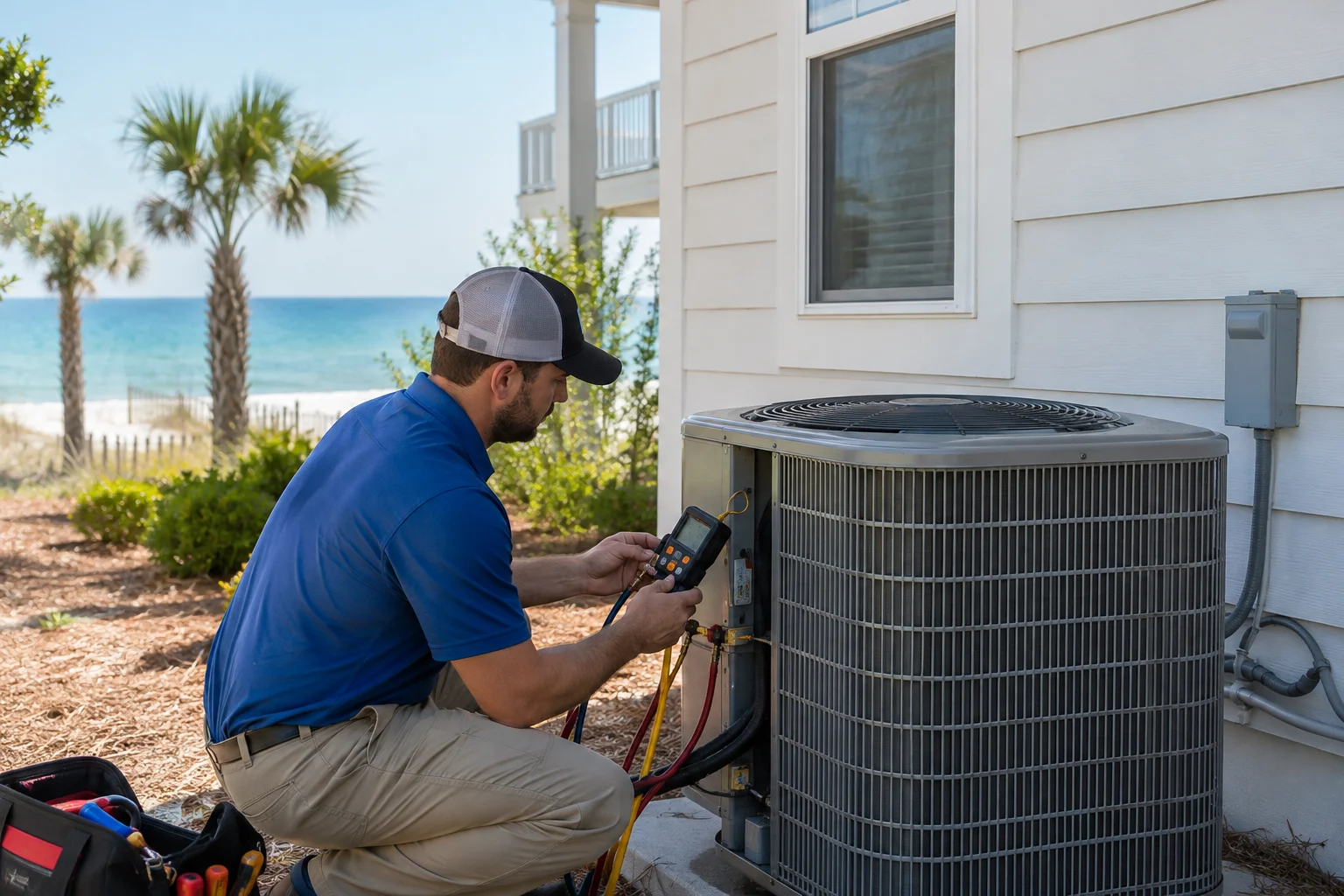
If you have been dealing with AC repair near me or heat pump repair near me, it is reasonable to ask whether control strategy is contributing to the symptoms. A qualified technician can review the system’s operation and determine whether controls, airflow, or equipment performance are the primary drivers.
Common Camp Creek scenarios where heating controls fall short
Camp Creek homes vary, from newer construction to older builds with established ductwork and home layouts. Coastal conditions and changing humidity patterns can also expose control weaknesses. Here are practical situations homeowners often run into:
1) Uneven comfort between floors or wings
If one area feels consistently warmer or cooler, the thermostat may be reading one zone while the rest of the home experiences different conditions. Heating control systems can be part of a zoning or comfort strategy, but the right approach depends on ductwork design and how air is distributed.
For many households, improving controls works best alongside ductwork assessment and balancing. If you are planning a comfort upgrade, review both the control plan and the airflow plan.
2) Cycling that feels “too frequent”
Short cycling can happen for multiple reasons, including airflow restrictions, improper thermostat settings, or mismatched equipment and control strategy. Even if the thermostat appears to be working, the system may not be able to maintain stable indoor conditions.
Because refrigerant systems and control behavior are linked, a professional evaluation is the safest way to understand what is happening. Do not rely on guesswork or online troubleshooting if the system is cycling more than it should.
3) Temperature that improves, then drifts again
Some homes reach the setpoint and then drift because of insulation differences, solar exposure, or airflow issues. Heating control systems can help reduce drift by managing how the system responds over time. However, if your ductwork or return air paths are restricting airflow, controls may not fully solve the problem.
This is also where indoor air quality goals connect. When airflow is inconsistent, it can affect how well air is filtered and how pollutants and moisture are managed.
4) Humidity concerns that show up as “comfort problems”
In coastal Florida, humidity can make the thermostat setting feel wrong. Homeowners may turn down the temperature, which can lead to additional energy use and may still not address moisture. Heating control systems that coordinate better with your system’s operation can help maintain steadier indoor conditions.
If you are also concerned about indoor air quality, pairing control improvements with proper filtration and ventilation strategy can support healthier air.
How preventive HVAC maintenance supports heating control systems
Heating control systems do not work in isolation. They depend on equipment and airflow being in good shape. Preventive HVAC maintenance supports the entire chain of comfort, including thermostat performance, airflow consistency, and safe operation.
During maintenance, a technician can check for issues that often affect control performance:
Airflow problems related to filters, supply and return paths, and duct restrictions.
Thermostat function and sensor accuracy.
System operation patterns that suggest a control mismatch or component wear.
Drainage concerns that can affect humidity handling and system behavior.
If you are searching for HVAC maintenance near me in Camp Creek, look for a company that treats maintenance as a comfort and performance service, not just a checklist. For extra reading, homeowners often find helpful guidance in A Practical Guide to Air Conditioning Maintenance in Camp Creek, FL.
Salt air and coastal conditions: why professional setup matters
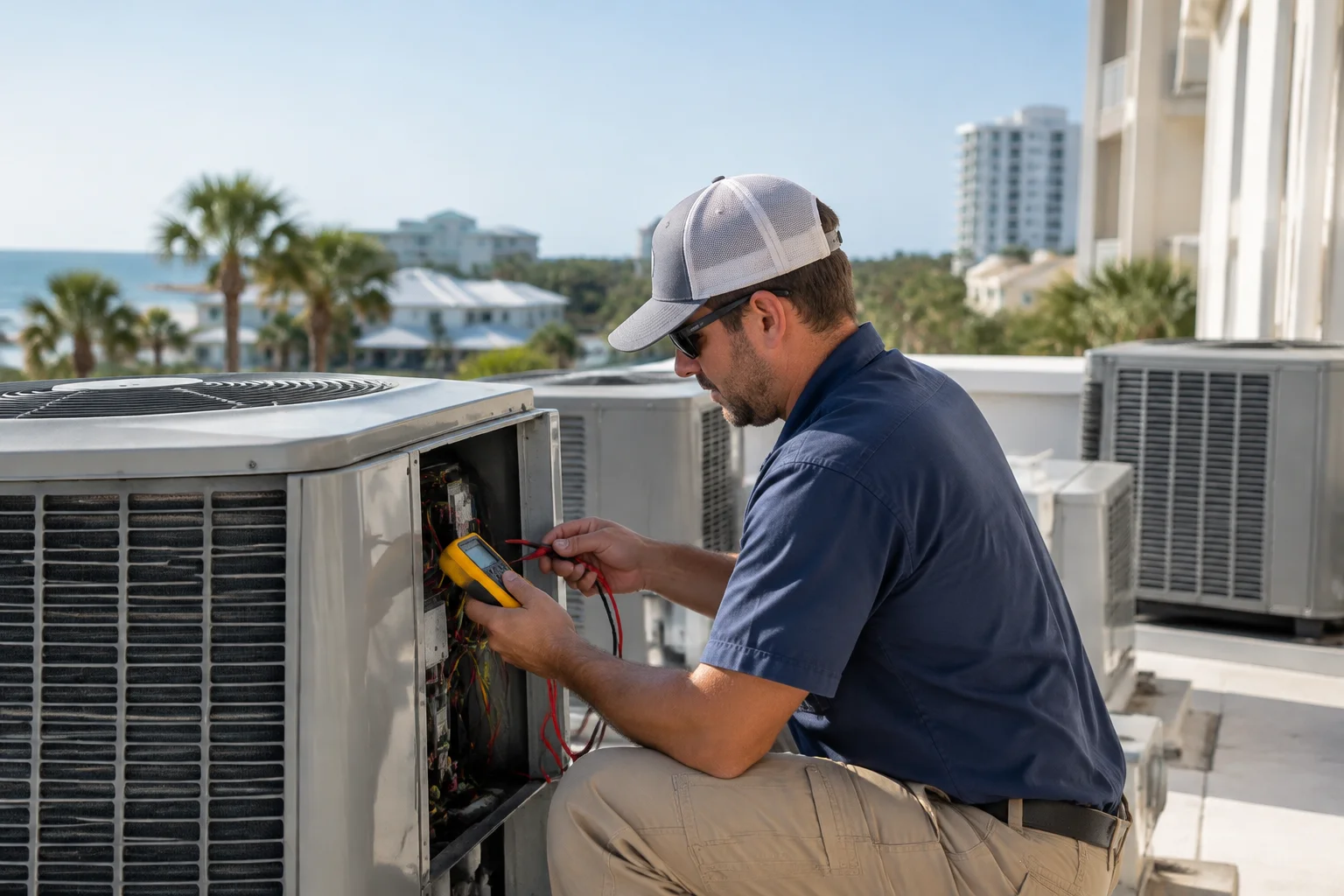
Coastal environments can increase corrosion risk and accelerate wear on outdoor equipment. Salt air can also affect how components perform over time. Heating control systems help manage indoor comfort, but they cannot override mechanical limitations if parts are degraded or if airflow is compromised.
That is why professional HVAC service matters in Camp Creek. A local HVAC contractor near me should understand the coastal context and how it impacts system behavior and maintenance needs.
When to call for help with heating controls
Some thermostat or control problems can be frustrating but still safe to monitor briefly. However, if your system is not maintaining comfort, is behaving unpredictably, or you are seeing repeated issues, it is time for an in-person evaluation.
Call a professional if you notice:
System short cycling or unusual runtime patterns that continue after basic checks.
Temperature that cannot be maintained even when settings are adjusted.
Frequent comfort complaints tied to humidity, airflow, or room-to-room differences.
Signs of drainage problems such as water where it should not be, musty odors, or persistent moisture issues.
Any situation where emergency cooling becomes a concern because the system cannot keep up during hot, humid stretches.
In Camp Creek, the weather can shift quickly, and hot days can become urgent. If you are dealing with emergency AC repair near me or your system cannot cool reliably, prioritize safety and comfort. Controls can be part of the solution, but a technician needs to assess the full system to determine the correct next step.
Smart planning: pairing controls with indoor air quality and better installs
Heating control systems can support better indoor air quality by helping your HVAC run more consistently and by coordinating operation that affects filtration effectiveness and humidity management. If you are planning upgrades, it helps to consider the full system, not just the thermostat.
For homeowners thinking about improvements beyond controls, these reads can help:
Smart HVAC Planning for Camp Creek Homes: Comfort, Humidity, and Better AC Installations
How Better HVAC Maintenance Supports Heating Control Systems in Alys Beach
If your home is being updated or you are considering new equipment, it is also useful to explore related options such as New Construction Air Conditioning or Ductless Mini-Splits, depending on your layout and comfort goals.
Choosing the right heating control system for your Camp Creek home
There is no one-size-fits-all solution. Heating control systems should match your equipment type, your ductwork layout, and how your household uses the home. A professional HVAC evaluation is the best way to decide whether you need a control upgrade, a thermostat replacement, or a broader comfort and airflow plan.
During a consultation, a technician should consider:
Your current thermostat setup and how it is configured.
How your system operates in real conditions, including heating and cooling mode transitions.
Ductwork condition and return air pathways that influence airflow.
Indoor air quality goals, including moisture and filtration needs.
Whether your system is a heat pump, conventional air conditioner, or another configuration.
When you need a reliable heating control systems installation or upgrade in Camp Creek, A Superior Mechanical can help you connect the right controls to the rest of your HVAC system. If you want to explore services across the area, visit our Camp Creek service area and Walton County HVAC services.
Questions homeowners often ask before upgrading
When an HVAC company near me discusses control upgrades, homeowners usually want clarity on what changes and what stays the same. A good contractor will explain the role of thermostats, airflow, refrigerant system operation, and how condensate drainage and humidity management fit into the overall plan.
It is also reasonable to ask how the upgrade will affect day-to-day comfort. You want controls that keep the house steady, handle humidity better, and avoid stressful system behavior that can lead to more frequent service calls like AC tune up near me or air conditioning inspection near me.
If you are considering broader system changes, ask whether your situation calls for heat pump installation near me or whether you should focus on controls and airflow first. A professional evaluation helps avoid unnecessary replacement decisions.
Related service options for Camp Creek homeowners
Heating control systems can be a strong comfort upgrade, but some homes also benefit from complementary HVAC services. Depending on your goals, it can help to compare options like:
Geothermal Energy for long-term heating and cooling considerations.
Commercial HVAC Services if you manage rentals or larger properties and need consistent control across spaces.
Even when the solution is controls-focused, the best results usually come from integrating thermostats, ductwork, airflow strategy, and maintenance into one comfort plan.
Keeping emergency cooling concerns from becoming a habit
In Camp Creek, you might not think about heating controls until you need cooling reliability. When systems fall out of tune, inconsistent control can contribute to comfort failures during hot, humid stretches. That is when emergency cooling concerns become real for families who need dependable indoor temperatures.
Better heating control systems help your HVAC respond more accurately, which can reduce the chances of uncomfortable setbacks. Still, if you are already experiencing unreliable cooling or repeated breakdowns, the priority is a full HVAC evaluation so the right issue is addressed, not just the symptom.
Find Heating Control Systems in Camp Creek, FL
If you need Heating Control Systems in Camp Creek, FL, visit our local service page or contact A Superior Mechanical today.
Map of Camp Creek, FL
Frequently Asked Questions
What does a heating control system do besides control the thermostat?
A heating control system coordinates how your thermostat communicates with your HVAC equipment and how the system manages heating cycles and airflow. In coastal Florida homes, that coordination can also influence how consistently the home holds temperature and manages humidity.
Can humidity problems in Camp Creek be caused by the thermostat or controls?
Sometimes. If the thermostat is misconfigured or sensing the wrong temperature, the HVAC may not operate in the comfort pattern your home needs. However, humidity can also be affected by airflow, ductwork, condensate drainage, filtration, and equipment performance. An in-person HVAC evaluation is the safest way to identify the main cause.
Will upgrading heating controls reduce energy use?
Better controls can help your system run more appropriately by improving how it responds to indoor conditions. The exact impact depends on your existing equipment, ductwork, and airflow. A technician can review how your system currently operates before recommending changes.
How do I know if my home needs thermostat installation or a broader control upgrade?
If your system behaves unpredictably, cannot maintain comfort, or rooms feel unevenly heated or cooled, it may be more than a simple thermostat swap. A professional inspection can check thermostat setup, airflow patterns, and how the HVAC responds in both heating and cooling modes.
Is it safe to troubleshoot refrigerant or control problems without a technician?
No. Refrigerant systems and control components require proper diagnostics and safe handling. If you suspect refrigerant-related issues or repeated failures, contact a qualified HVAC contractor for an in-person assessment rather than trying to diagnose or repair it yourself.
Related Articles
Photo Gallery