Miramar Beach homes live in a coastal rhythm. You might be rinsing off sunscreen after the beach, filling the kitchen with iced drinks, or running laundry for a full week of guests. When your water softening system is working well, that daily routine feels effortless. When it is not, you notice it quickly, from dull hair after bathing to hard water spots on glass and a metallic or chlorinated taste in drinking water.
This guide covers the most common causes of problems with AO Smith water softening systems in Miramar Beach, FL, and how homeowners can improve taste, clarity, and confidence year round. It also explains when DIY checks are helpful and when it is time for professional water softener service.
Why Miramar Beach water can stress an AO Smith softener
Hard water is the starting point for most softener problems. In many parts of Walton County, homeowners deal with minerals like calcium and magnesium that create scale. Even when your system is correctly sized, the local water conditions and household demand can push the system harder during peak usage.
Coastal weather also matters. High humidity, seasonal changes, and frequent use in vacation rentals can create swings in how quickly the system cycles. If your home is occupied heavily in summer and lightly in winter, the softener can spend more time sitting between regenerations. That can contribute to issues like salt bridging or inconsistent performance.
When hard water is not controlled, you see it everywhere: scale buildup around faucets, showerheads, and plumbing; hard water spots on dishes; and cloudy ice cubes that look like they have a film. You may also notice soap that does not lather or rinse well, plus visible sediment, discoloration, and odor concerns that can make you question what you are drinking and cooking with.
Problem #1: Salt issues that prevent proper regeneration
AO Smith water softeners rely on salt to regenerate the resin bed. Several salt related problems can lead to hard water slipping through, even if the system is installed correctly.
Salt bridging or crust formation in the brine tank
In humid coastal climates, salt can clump or form a crust. A crust can block water from dissolving the salt properly. The result is a partial regeneration, which often shows up as:
- New or worsening scale buildup around faucets and showerheads
- Soap scum that seems to come back faster than usual
- Water that feels less “silky” for bathing
- poor tasting coffee and cooking water because the water is not fully conditioned
Homeowners sometimes notice the salt level looks fine, but the system still underperforms. That is a strong clue that the brine tank is not drawing and dissolving salt consistently.
Wrong salt type or inconsistent refill habits
Not all salt is equal for every softener setup. Using the wrong product or mixing types can create performance problems. Also, letting the brine tank run too low can cause the system to regenerate without enough salt available.
If you are searching for water softener service near me because your softener seems “almost” right, salt handling is one of the first causes professionals check during troubleshooting.
Incorrect salt settings or regeneration schedule
AO Smith systems can be tuned based on household water use and hardness levels. If the settings drift over time, or if your household demand changes, the unit may regenerate too often or not often enough.
Common triggers include:
- Vacation rental turnover that changes daily water use
- New appliances like a dishwasher upgrade or more frequent laundry
- Plumbing repairs that change how water flows
- Hardness changes in the local supply
When regeneration is off, homeowners often report metallic, chlorinated, or unpleasant taste and a noticeable difference in how water feels after bathing.
Problem #2: Resin bed and media issues that reduce softening power
The resin bed is the heart of an AO Smith water softening system. If it becomes fouled or exhausted early, the softener cannot exchange minerals as effectively.
Iron, sediment, or other contaminants interfering with softening
Hard water minerals are not the only challenge that can show up in household water. Visible sediment, discoloration, and odor concerns can indicate that other contaminants are present. Even small amounts of iron or sediment can foul the resin bed over time.
When that happens, you may see:
- Water that still causes hard water spots on dishes
- Spotty scale and rough feeling water despite softener operation
- cloudy ice cubes that do not clear up
- Soap that does not rinse well
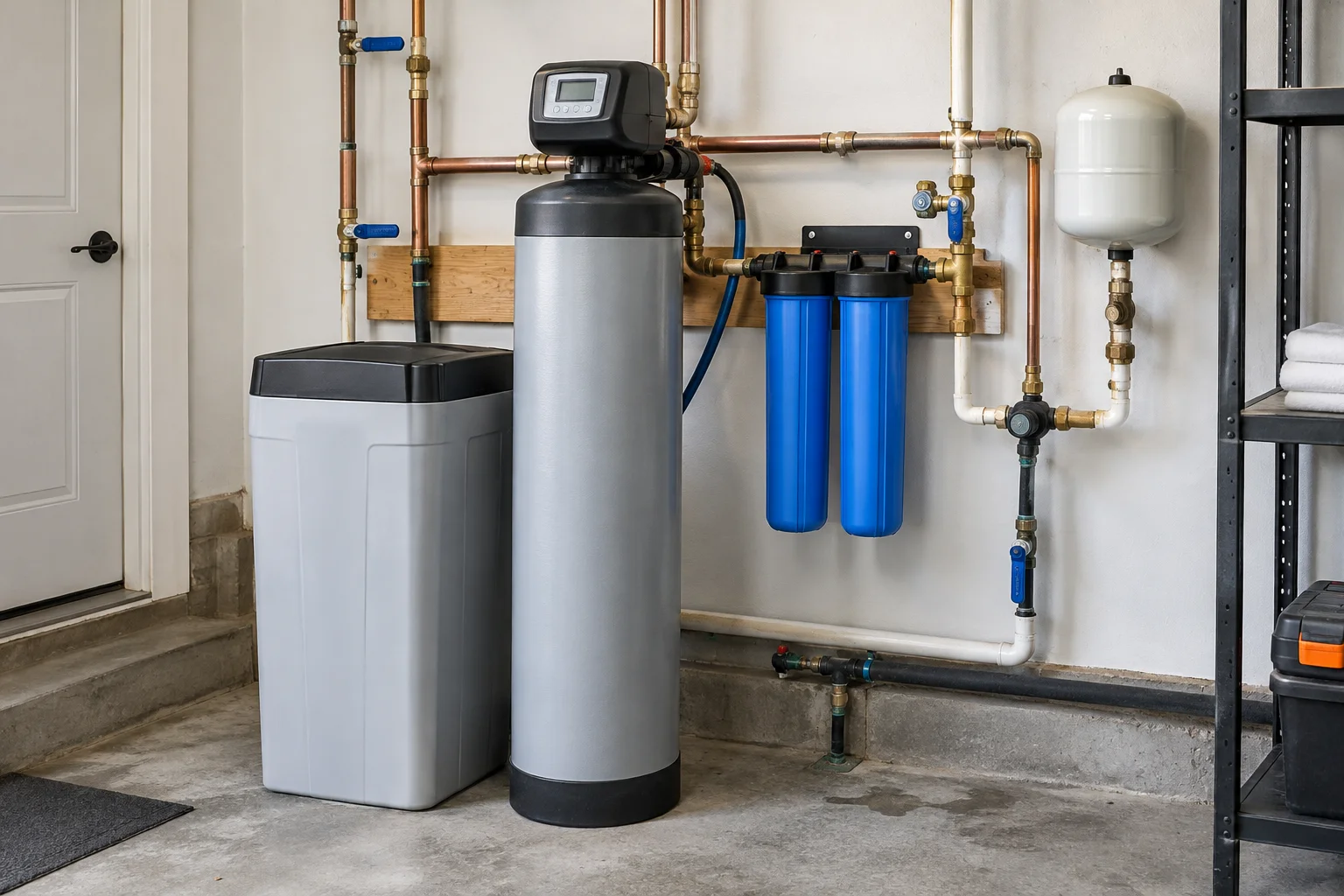
This is also where homeowners looking for whole home water filtration near me sometimes realize that softening alone is not addressing taste, clarity, and sediment concerns. In those situations, adding or pairing treatment like whole home water filtration or a reverse osmosis system for drinking water can make a big difference.
Clogged lines or restricted flow
Some softener problems are not about the resin itself. If flow is restricted, the system may not regenerate correctly. Homeowners might notice changes in water pressure at certain fixtures, but more often the clue is inconsistent water quality across the home.
Because Miramar Beach households use water in many ways throughout the day, from showers to laundry to kitchen sinks, a partially restricted system can create “hot spots” of hard water symptoms.
Problem #3: Water quality that changes after storms or seasonal shifts
Coastal weather can affect water conditions. After heavy rain, plumbing disturbances, or supply changes, some homes experience temporary water quality issues. If your softener is already near its limits, those shifts can push it into noticeable failure modes.
Homeowners often describe:
- cloudy ice cubes appearing suddenly
- Chlorine taste in water becoming more noticeable
- Discoloration that comes and goes
- Soap scum returning even though the softener is running
If you are seeing taste and clarity issues, it can help to compare symptoms at different times. For example, kitchen drinking water and cooking water might taste worse during certain periods, while bathing water may feel different but show less odor. Those patterns can point to treatment needs beyond softening.
Problem #4: Setup and installation details that affect daily performance
Even a high-quality unit can underperform if installation conditions are not ideal. Homeowners who are looking into water filtration near me or water softener installation near me sometimes discover that the system was installed, but the configuration did not match the home’s demand and plumbing layout.
Bypass valves left open or plumbing not configured for whole home use
A bypass can be useful during service, but if it is not returned to the right position, the home may receive hard water. The telltale signs are strong and consistent: scale buildup around faucets, showerhead crusting, and dry skin from hard water that returns quickly after every shower.
Drain line or brine line problems
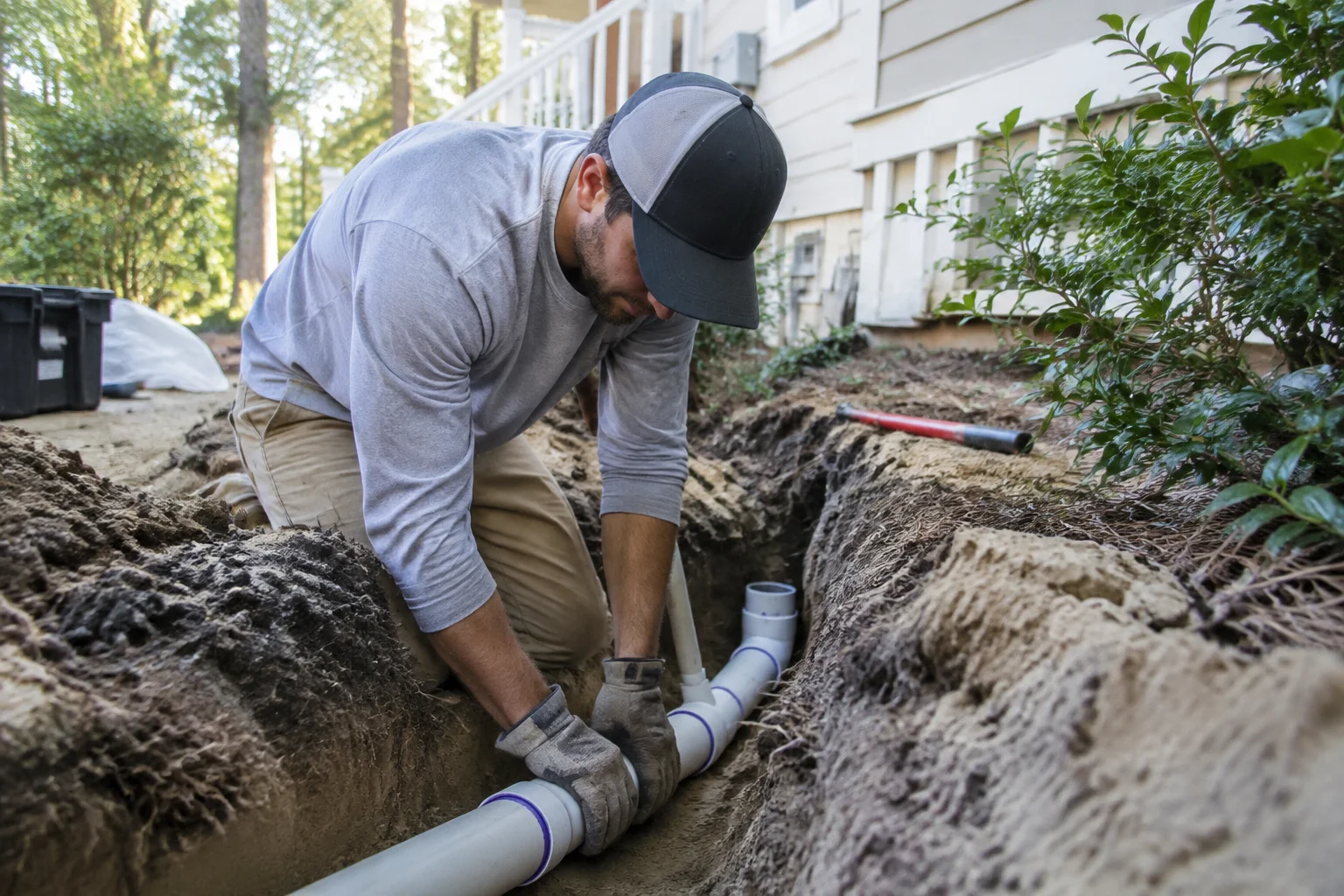
AO Smith softeners must move brine and water through correct pathways. If a drain line is blocked or brine flow is restricted, the unit can fail to regenerate properly. This shows up as “it used to work, then it did not” performance.
Since these components are inside the system and connected to household plumbing, it is usually best to let a qualified technician inspect and correct them.
What the symptoms look like when an AO Smith softener is not keeping up
Water problems tend to show up in everyday household scenes first. When you are making coffee for the family, filling a glass for dinner, or washing a week of beach towels, the water quality becomes obvious.
In the kitchen: taste, clarity, and cooking water
If your water softener is struggling, you may notice:
- poor tasting coffee and cooking water
- metallic, chlorinated, or unpleasant taste
- cloudy ice cubes or a film on glassware
Hard water minerals can affect how coffee extracts and how certain foods cook. Even if you are using good beans and fresh ingredients, the water you use matters.
In the bathroom: dry skin or dull hair after bathing
One of the most common homeowner complaints is how water feels on skin and hair. When softening is weak, you can experience dry skin from hard water and dull hair after bathing. You might also see residue that makes it harder to rinse shampoo and conditioner fully.
That is not just comfort. It is a daily confidence issue, especially for families and guests who want to feel clean after a day in the sun.
On fixtures and glass: hard water spots and scale
Look at what happens to the visible surfaces:
- hard water spots on glass after showers or dishwashing
- scale buildup around faucets, showerheads, and plumbing
- Water flow that seems reduced because scale restricts openings
Scale is not only a cleaning issue. It can contribute to plumbing wear and reduce the lifespan of fixtures and appliances.
In laundry and dishwashing: soap that does not lather or rinse well
Hard water can make laundry feel rough and can make dishwashing harder. You may notice:
- soap that does not lather or rinse well
- Residue on plates
- Faster wear on appliances like water heaters and washing machines
When hard water treatment becomes part of protecting fixtures and appliances, you typically see fewer “mystery” issues and better long-term efficiency.
How to improve taste, clarity, and daily confidence with the right water treatment mix
Many homeowners assume a softener fixes everything. It helps with hardness and scale, but taste and clarity can require additional treatment depending on local conditions and your specific water problems.
Use AO Smith water filtration strategies that match the symptom
AO Smith offers water softening systems designed for whole home mineral control. For homeowners dealing with more than just hardness, pairing softening with whole home water filtration can help reduce sediment and improve clarity.
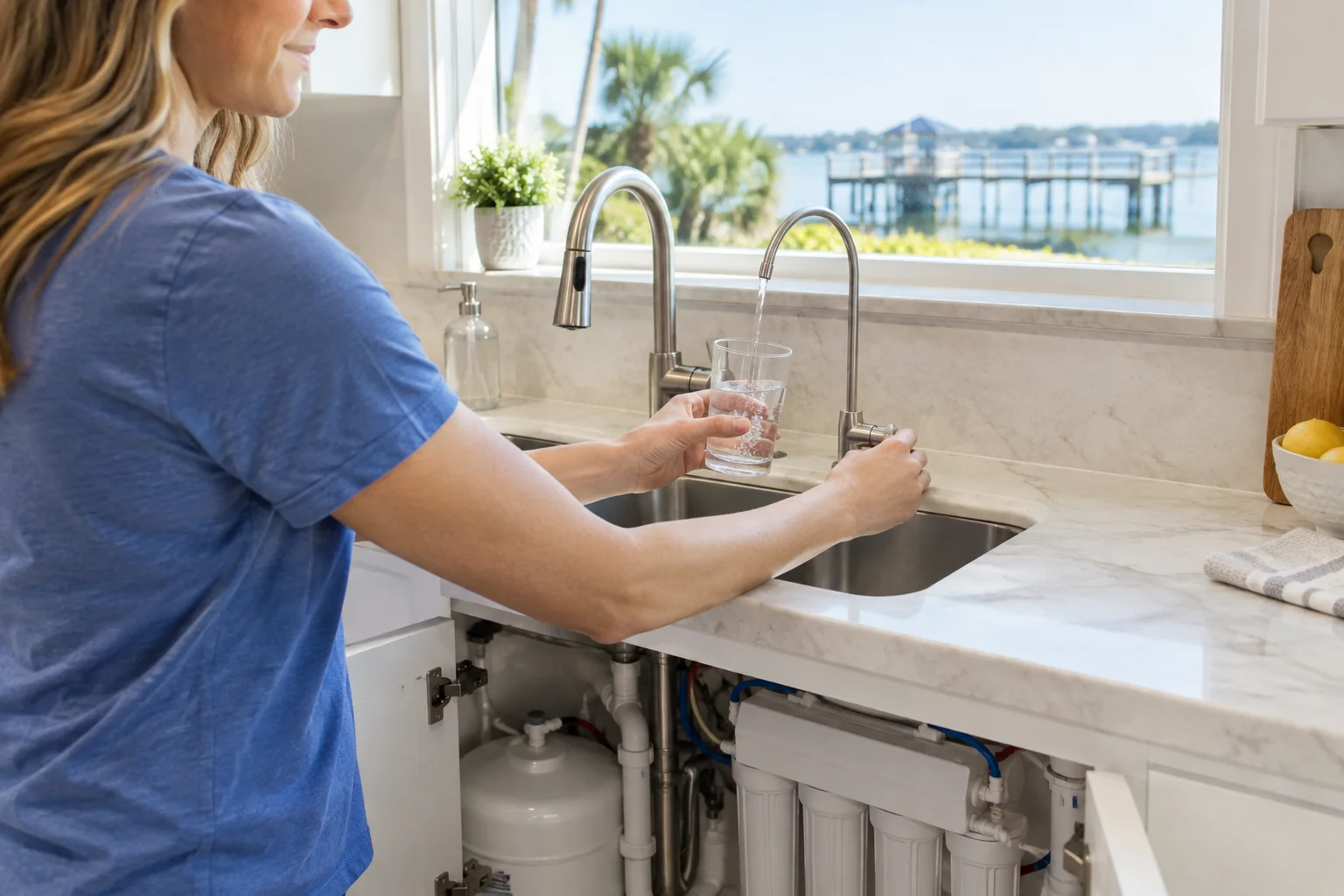
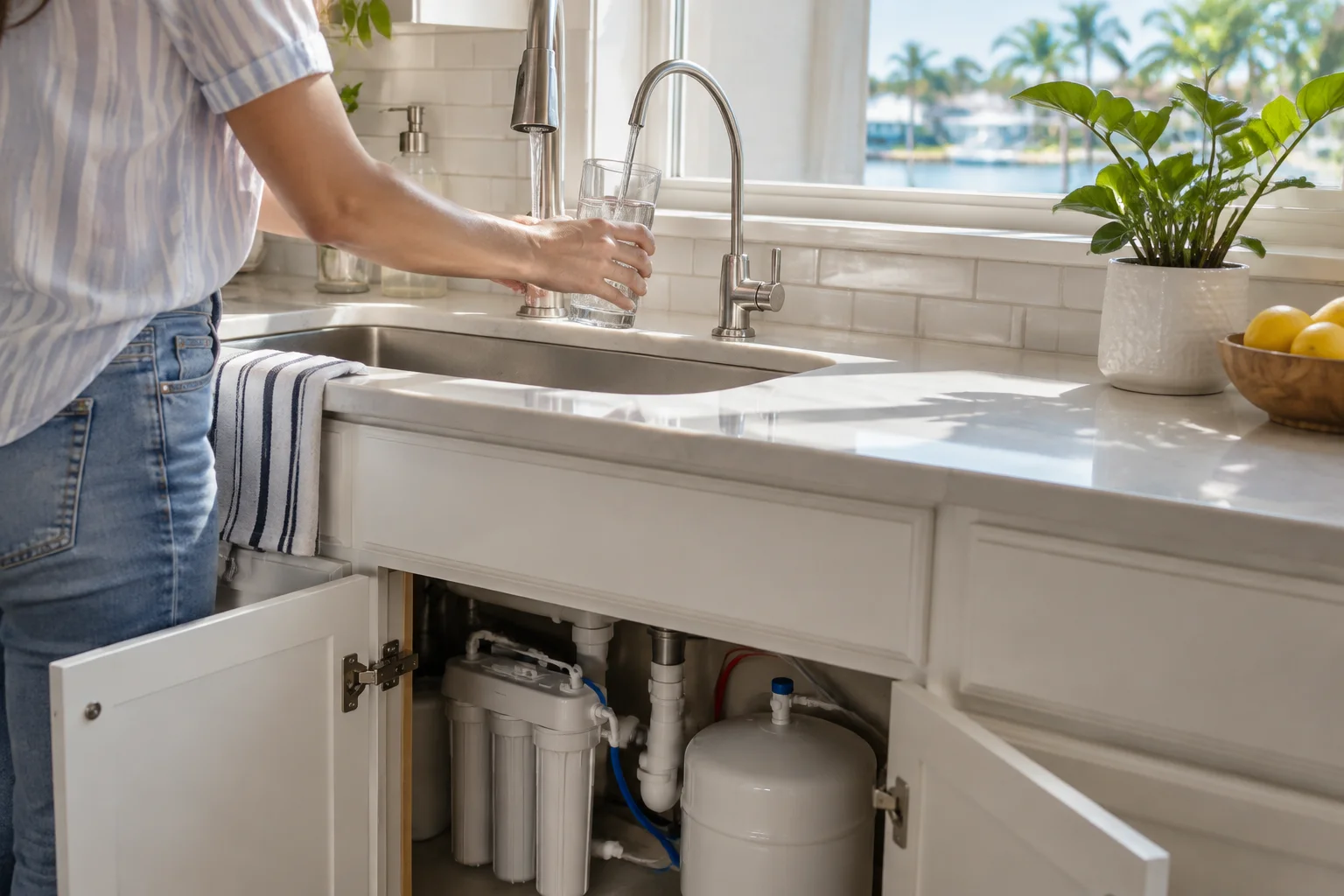
If you are primarily focused on drinking water, consider whether reverse osmosis or a drinking water filter is the right fit. A reverse osmosis system near me is often chosen when homeowners want consistently clean drinking water, especially for ice, cooking water, and coffee.
You can also see this decision play out in real routines. A family might keep softened water for showers and laundry, while using reverse osmosis or a dedicated drinking water filter for the kitchen.
Whole home water filtration near me for sediment and odor concerns
If you have visible sediment, discoloration, and odor concerns, filtration can help protect both taste and equipment. That is where homeowners searching for clean water systems near me often find they need more than softening.
For local homeowners in Miramar Beach, it is smart to talk about your exact symptoms, not just the hardness level. A technician can help determine whether you need softening alone, softening plus filtration, or a targeted approach for drinking water.
Maintenance that prevents softener problems year round
Even when you have an AO Smith water softener installed, maintenance habits influence performance. The goal is to keep the brine tank working properly, maintain correct settings, and protect the system from contaminants.
Check salt level and refill habits
Keep an eye on salt usage and refill before the tank runs low. If you notice the salt level is not dropping normally, that can point to bridging or a brine tank issue.
Inspect the brine tank for crusting
A quick visual inspection can save months of inconsistent water. If you see hard crust or clumps, schedule service. Professionals can clean the brine tank and verify that regeneration is drawing and dissolving salt correctly.
Test water hardness and watch for performance changes
When hardness control weakens, you will see it in daily life: more scale, less lather, and quicker residue buildup. Testing helps confirm what your eyes and skin are telling you.
If you are already dealing with hard water spots on dishes or scale buildup around faucets, testing can help determine whether the softener needs adjustment, cleaning, or replacement.
Schedule professional water softener service before the peak season
Miramar Beach is busy. Vacation rentals and seasonal homes often see higher water demand in summer. A proactive service appointment before peak use can reduce the chance of taste and scale issues showing up when guests arrive.
If you suspect your AO Smith water softener needs attention, you can learn more about the service options here: AO Smith water softening systems in Miramar Beach. For homeowners exploring broader options, the water filtration overview is here: water filtration and reverse osmosis options. You can also view the service area coverage on the Miramar Beach page and the Walton County page.
When homeowners should call a professional instead of troubleshooting alone
Some softener problems are safe to check, but others require technical knowledge and testing. Call A Superior Mechanical when you notice any of the following:
- Hard water symptoms persist even though the system seems to be running
- You see scale buildup around faucets and showerheads that keeps returning quickly
- Your kitchen water has metallic, chlorinated, or unpleasant taste or your ice cubes are consistently cloudy
- You have visible sediment, discoloration, and odor concerns that suggest more than hardness
- Soap does not lather and rinse well even after cleaning
- You are protecting an appliance that is wearing out faster than expected
Technicians can check regeneration performance, verify settings, inspect valves and lines, evaluate water quality, and recommend the right water treatment mix for your home.
Related reading for Miramar Beach homeowners
If you want to compare your symptoms with common hard water patterns in the area, these posts can help you narrow down what you are seeing:
- Hard Water Clues in Miramar Beach Homes and What AO Smith Water Softening Systems Can Change
- AO Smith Water Softening Systems for Miramar Beach Homes: Tackling Hard Water Spots, Scale, Taste, and Odor
- Why Water Heater Care Matters in Miramar Beach Homes Facing Hard Water and Plumbing Wear
- Why Better Plumbing Financing Matters for Miramar Beach Homes
These resources connect the dots between what you see at home and what your system needs to protect plumbing, improve water quality, and keep daily routines feeling reliable.
Protecting year round comfort and equipment with the right adjustments
When AO Smith water softening systems work as intended, Miramar Beach homeowners notice it in small, daily ways: glassware rinses cleaner, shower surfaces stay easier to maintain, laundry feels better, and kitchen water tastes more inviting. When problems develop, the effects show up across the home, from hard water spots on dishes to dry skin from hard water to appliances wearing out faster.
Most issues come down to regeneration performance, salt handling, water quality interference, or installation and flow details. The fastest path to improved taste, clarity, and confidence is choosing the right water treatment approach for your exact symptoms, then keeping up with maintenance that supports year round performance.
Find AO Smith Water Softening Systems in Miramar Beach, FL
If you need AO Smith Water Softening Systems in Miramar Beach, FL, visit our local service page or contact A Superior Mechanical today.
For a broader look at whole-home water filtration, reverse osmosis, and water softener options, visit our water filtration, RO, and water softener page.
Map of Miramar Beach, FL
Frequently Asked Questions
Why does my AO Smith water softener run but my water still feels hard in Miramar Beach?
Common causes include salt bridging in the brine tank, incorrect regeneration settings, a restricted drain or brine line, or resin bed fouling from sediment or other contaminants. A technician can test hardness at the home and inspect regeneration performance.
Can hard water cause cloudy ice cubes and poor tasting coffee?
Yes. Hard water minerals can affect how ice looks and how coffee and cooking water taste. If you also notice scale and soap residue, softening may be part of the fix. If odor or sediment is present, whole home water filtration or reverse osmosis for drinking water may be needed.
How do I know if I need reverse osmosis or whole home water filtration instead of softening alone?
If your main complaints are taste, odor, cloudiness, or visible sediment and discoloration, you may need filtration in addition to softening. Softening targets hardness and scale, while filtration can address particles and improve clarity. A Superior Mechanical can recommend the right combination for your household.
What maintenance helps prevent AO Smith softener problems year round?
Keep salt levels consistent, avoid letting the brine tank run low, check for salt crusting or bridging, and monitor performance changes like increased scale buildup or reduced soap lather. Professional service before peak seasonal demand can also help.
Related Articles
- Hard Water Clues in Miramar Beach Homes and What AO Smith Water Softening Systems Can Change
- AO Smith Water Softening Systems for Miramar Beach Homes: Tackling Hard Water Spots, Scale, Taste, and Odor
- Why Water Heater Care Matters in Miramar Beach Homes Facing Hard Water and Plumbing Wear
- Why Better Plumbing Financing Matters for Miramar Beach Homes
Photo Gallery