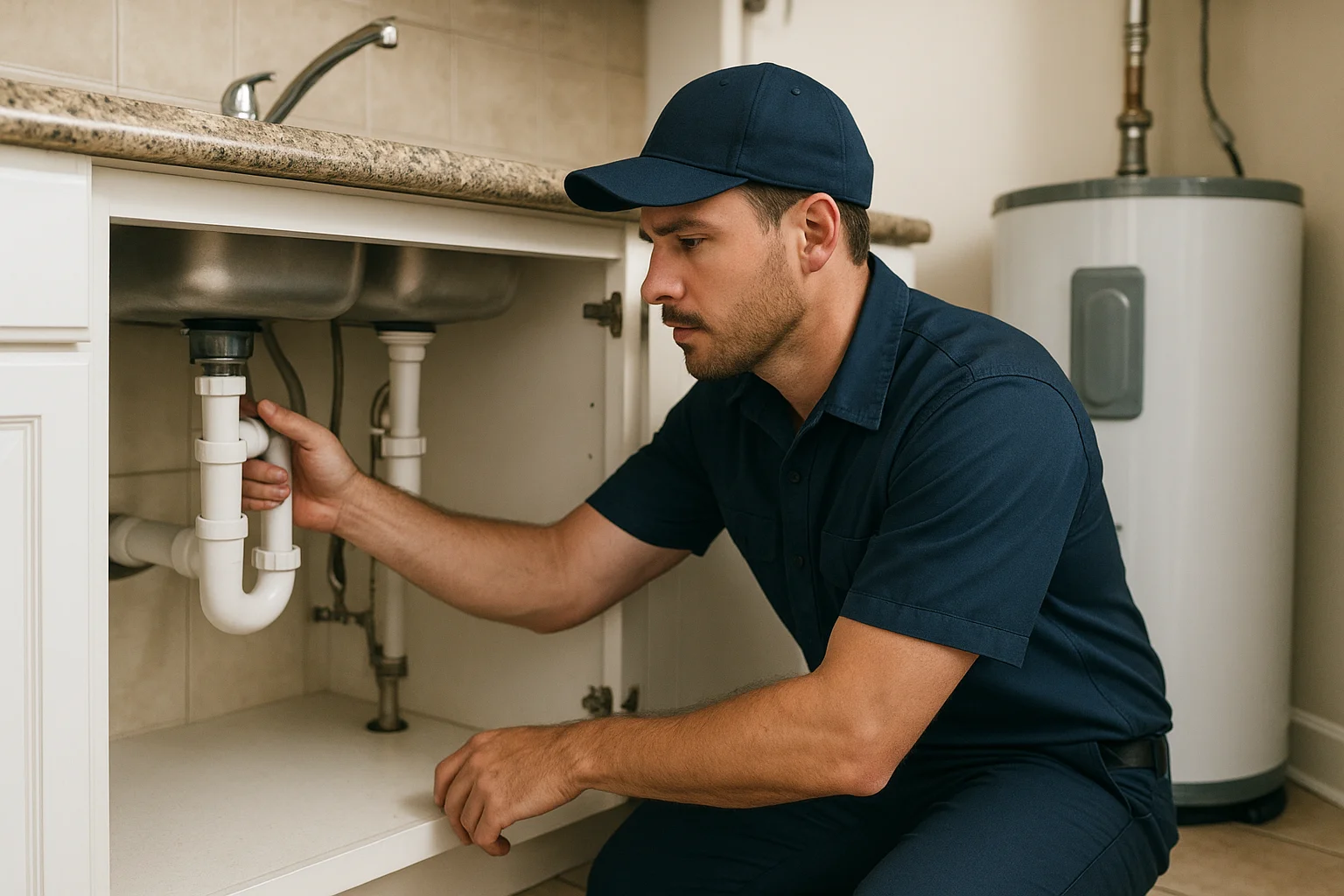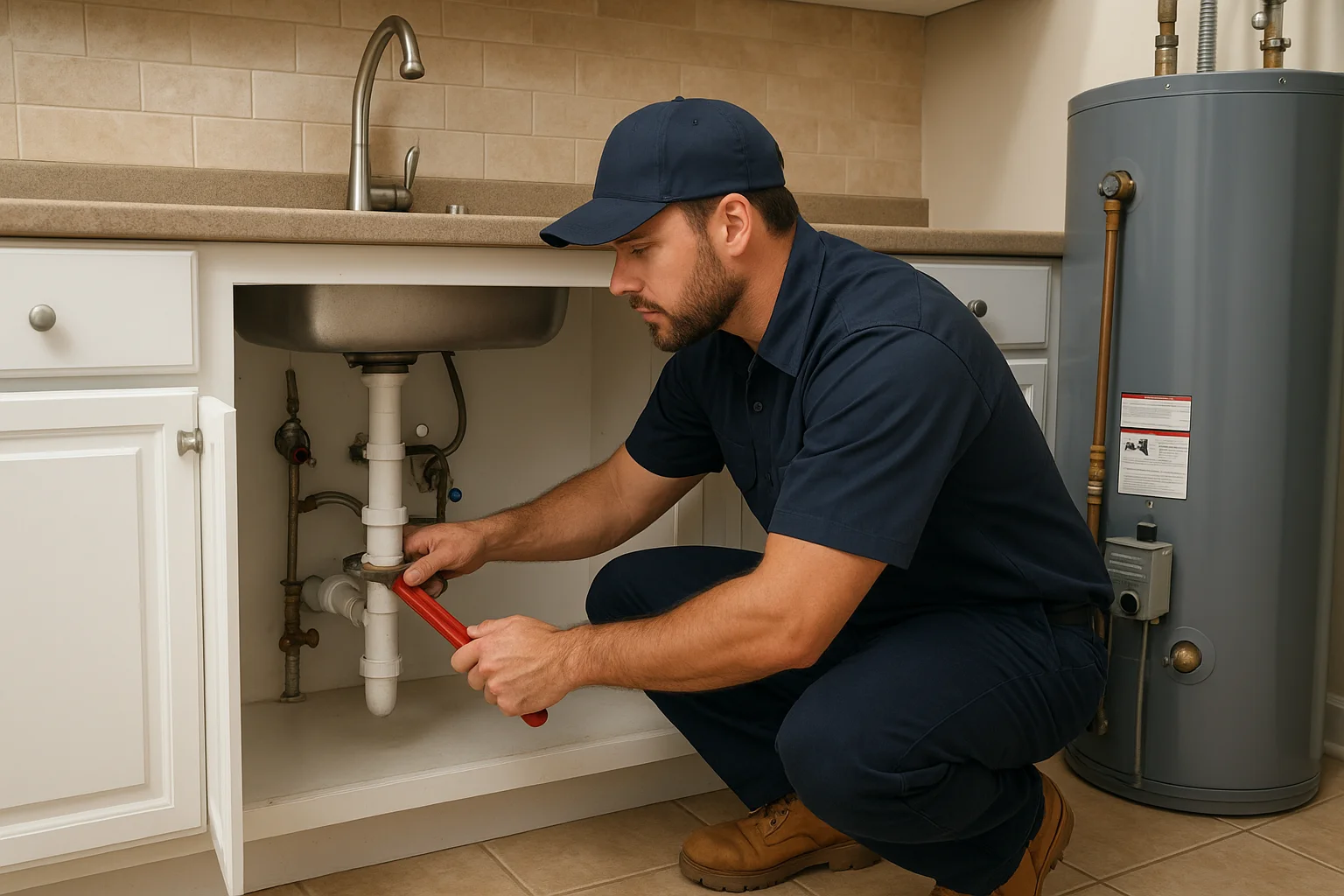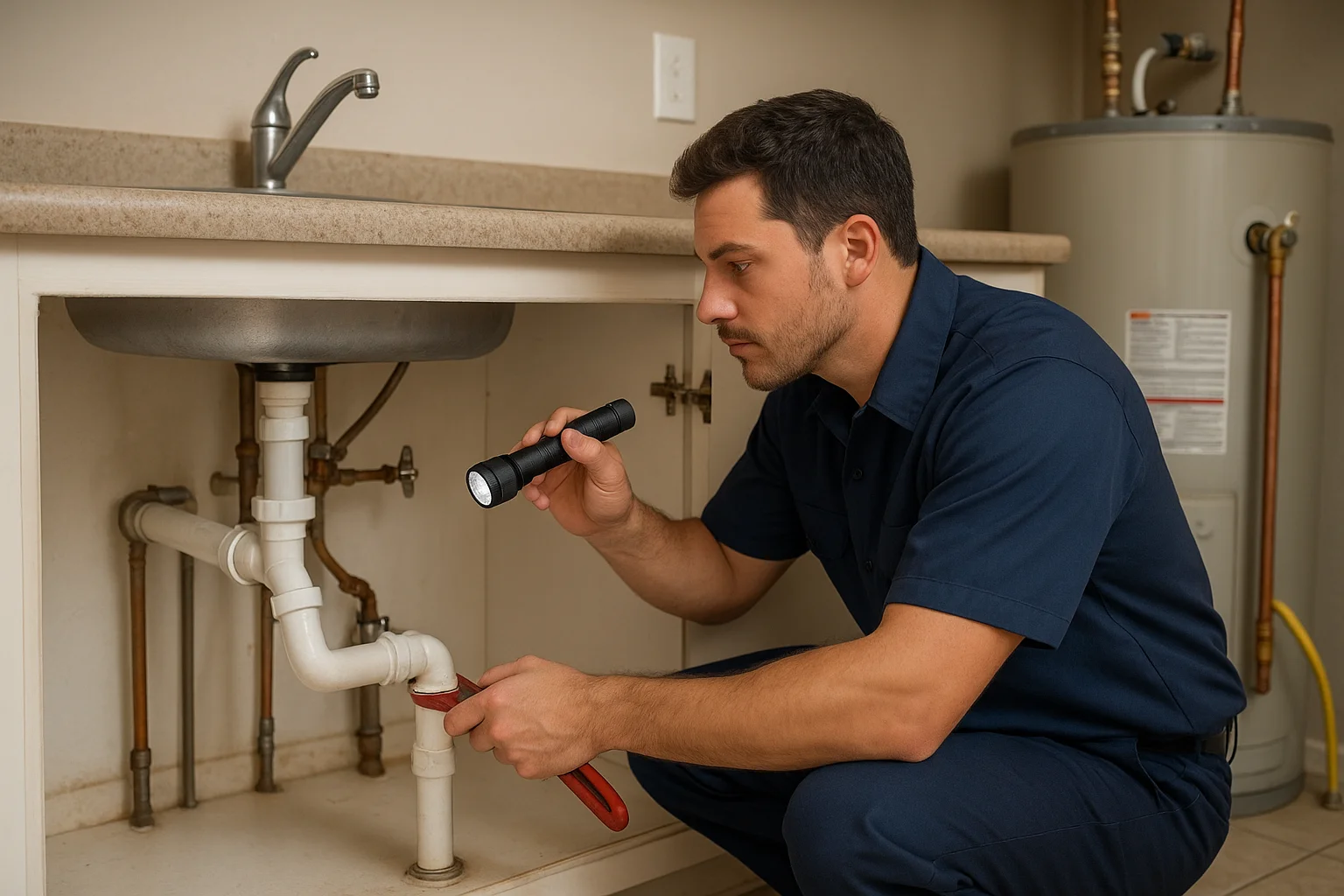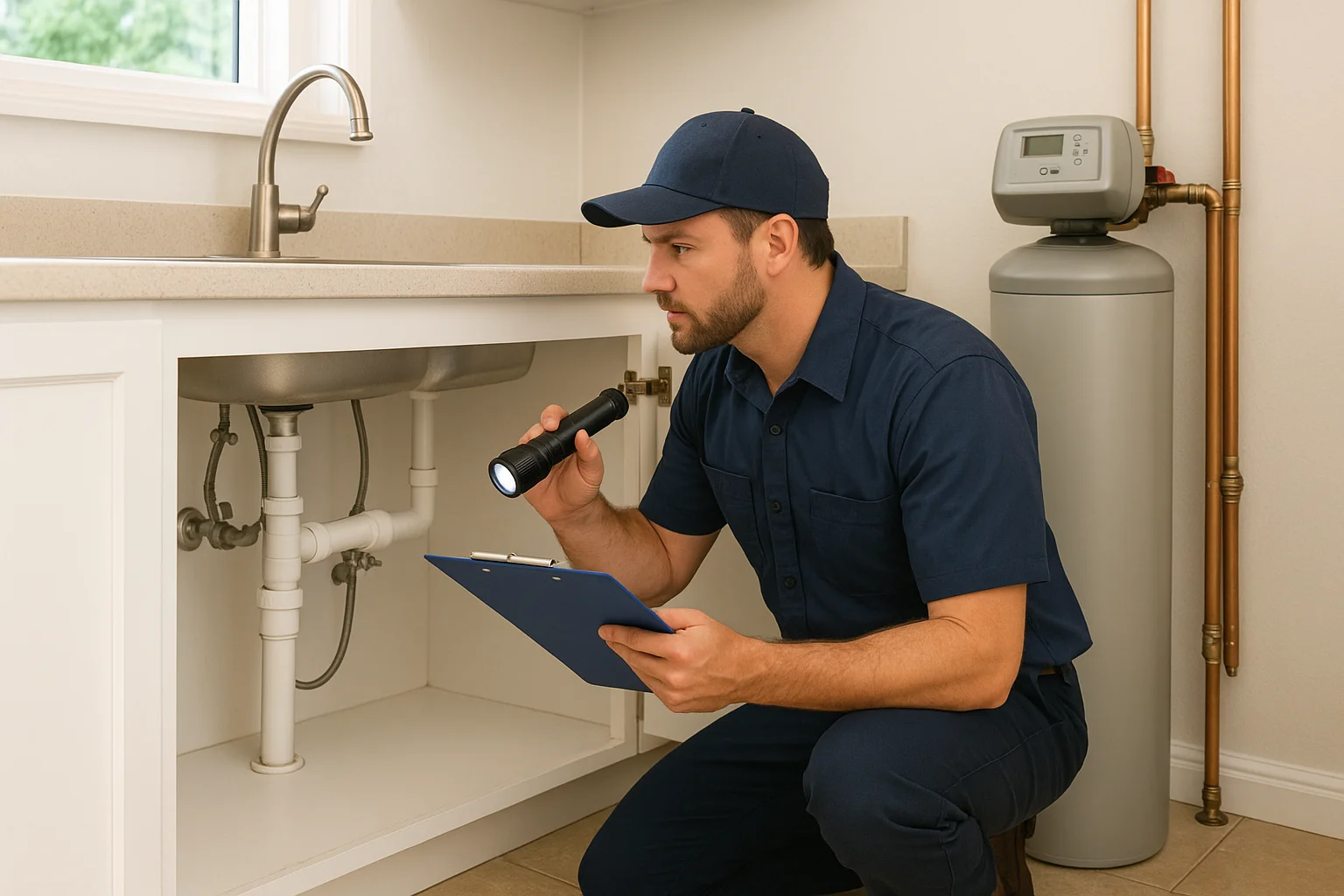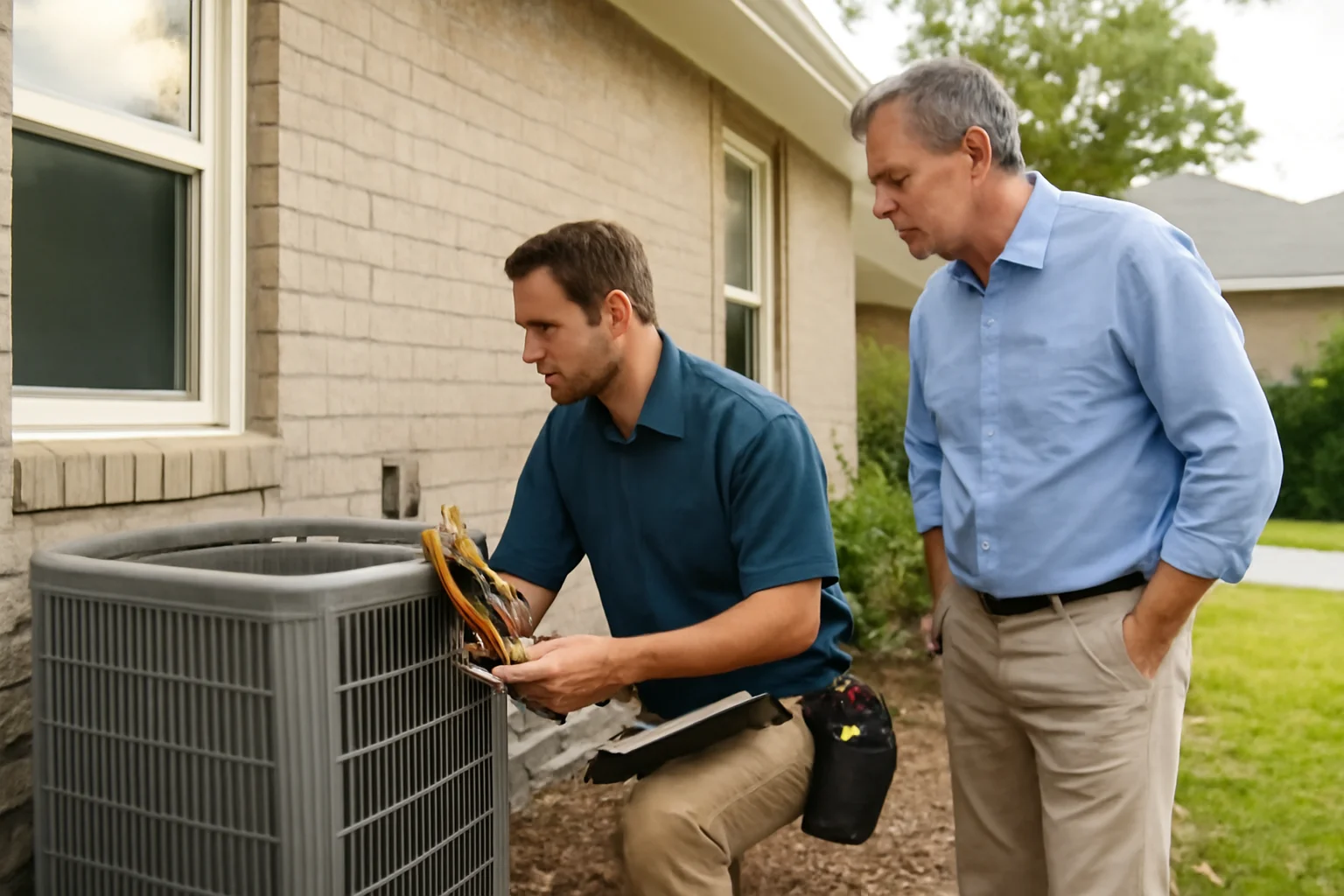
Bluewater Bay summers bring heavy humidity, warm coastal air, and long stretches of steady cooling demand. When your air conditioner has to work that hard, small issues can turn into uneven comfort, higher energy use, and emergency cooling concerns. A quality air conditioning inspection in Bluewater Bay, FL helps homeowners catch problems early and understand how their system is actually performing, not just how it feels on a hot day.
What an air conditioning inspection should cover in Bluewater Bay
An AC inspection is more than a quick look at the thermostat and outdoor unit. In Bluewater Bay, a professional HVAC technician typically evaluates the whole cooling system, including how air moves through your home and how the refrigerant system cycles. You want an inspection that connects comfort issues to likely causes, then documents what needs attention.
1) Thermostat settings and system control
Even when the AC is functioning, the thermostat can create problems. An inspection should verify that the thermostat is reading the right temperature, is properly configured for cooling, and is calling for cooling when it should. If you have frequent short cycling or the system never seems to reach set temperature, the control sequence matters.
If you are considering thermostat installation near me because your current thermostat is outdated or inconsistent, an inspection can also help confirm whether the issue is truly the thermostat or something happening with airflow, condensate drainage, or refrigerant system performance.
2) Airflow and indoor comfort
Airflow is often the difference between a “cold enough” system and a system that cools evenly. In a humid coastal climate, poor airflow can cause rooms to feel sticky, create temperature swings, and reduce the system’s ability to dehumidify. During inspection, a technician should check:
- Whether supply air is moving strongly from vents
- Whether return air paths are clear
- Whether the indoor blower is operating as expected
- Whether filters and air handling components are in good condition
If you notice weak airflow, hot spots, or rising humidity indoors, it is worth reading about why ductwork problems hit Bluewater Bay homes harder than you think. Ductwork issues can look like “AC repair near me” problems even when the outdoor unit seems to run.
3) Ductwork condition and airflow balance
Bluewater Bay homes rely on ductwork to deliver cooled, dehumidified air. Over time, ducts can develop leaks, loose connections, or sections that are crushed, disconnected, or poorly sealed. Salt air exposure, humidity, and aging building materials can also contribute to deterioration.
An inspection should evaluate how well air is distributed and whether duct sealing or duct repair near me is likely to improve performance. If the system runs but some rooms never cool, the duct system is a common suspect.
4) Condensate drainage and humidity control
In Florida heat and humidity, your air conditioner removes moisture from indoor air. That moisture drains through the condensate drainage system. If drainage is blocked or slow, you can see water around the indoor unit, musty odors, increased indoor humidity, or even safety-related shutoffs.
A proper inspection checks condensate drainage and related components to make sure water is leaving the system as intended. This is one of the reasons homeowners should not ignore “small” signs like a slow drain line or recurring dampness.
5) Refrigerant system performance
The refrigerant system is designed to absorb heat indoors and release it outdoors. When refrigerant levels or system performance are off, you may notice weak cooling, longer run times, icing on coils, or the system struggling to keep up on the hottest days.
During an inspection, a licensed HVAC contractor may measure system operation and look for indicators of refrigerant system issues. However, refrigerant diagnosis and any refrigerant-related actions must be based on an in-person evaluation. Homeowners should avoid guessing, topping off, or experimenting with refrigerant.
6) Outdoor unit health and airflow around the condenser
Outdoor units need clear space for airflow and safe operation. In coastal areas, outdoor components can be affected by salt air, airborne debris, and corrosion over time. A technician typically inspects the condenser area, checks for blocked airflow, and looks at the physical condition of key parts.
Even if your AC seems to “run,” restricted airflow around the condenser can reduce cooling effectiveness and increase wear.
Common AC inspection findings for Bluewater Bay homes
Every home is different, but Bluewater Bay homeowners often see similar patterns. Here are examples of what an inspection can uncover, along with what they mean for comfort and energy use.
Uneven cooling and “cold rooms, hot rooms”
If some rooms feel comfortable while others stay warm, the issue is frequently airflow related. Dirty filters, blocked returns, duct leaks, or imbalanced airflow can all contribute. In humid weather, uneven cooling can also impact dehumidification, leaving certain areas feeling sticky.
Higher energy use even when the thermostat is set normally
Energy use rises when a system runs longer to achieve the same comfort. Dirty coils, airflow restrictions, duct problems, or refrigerant system inefficiencies can all increase runtime. An inspection helps you understand whether the system is being asked to do more work than it should.
Frequent cycling or short run times
Short cycling can happen when the system cannot reach stable operating conditions due to airflow problems, thermostat control issues, or other performance limitations. An inspection can identify patterns and rule out common causes.
Condensate drainage concerns
Slow drains, clogs, or improper drainage can lead to indoor humidity problems and potential water issues near the air handler. In Florida’s wet season, these issues can become more noticeable quickly.
Musty odors or worsening indoor air quality
When humidity control is weak, indoor air quality can suffer. Excess moisture can contribute to unpleasant odors and help create conditions where biological growth becomes more likely. While an inspection is not the same as an air quality test, it can identify moisture and airflow problems that affect comfort and cleanliness.
How humidity and coastal air change what “good cooling” looks like
In Bluewater Bay, the goal is not only temperature control. A healthy air conditioner should also reduce indoor humidity so your home feels comfortable even when outdoor air is very humid. If your system cools the temperature but does not dehumidify well, you might feel clammy, see condensation on surfaces, or notice inconsistent comfort across rooms.
Salt air and coastal conditions can also affect system components over time. Corrosion and buildup can reduce efficiency and contribute to airflow restrictions. That is why inspections in this area should pay attention to both performance and the condition of components exposed to the outdoor environment.
Inspection frequency: how often should Bluewater Bay homeowners schedule AC tune ups?
Many homeowners schedule preventive HVAC maintenance in advance of peak cooling demand. A practical approach is to plan an inspection and AC tune up near me service before the hottest stretch arrives. If your home has frequent temperature complaints, long run times, or you operate the system continuously during the summer, you may benefit from more frequent checkups.
Rentals and vacation homes also have unique needs. When a property sits unused between stays, humidity can build up quickly once cooling starts again. For homeowners managing schedules, an inspection can help you confirm the system is ready to perform consistently when guests arrive.
Why professional HVAC service matters more than DIY “checks”
Homeowners can spot symptoms like warm air, strange noises, or water around the indoor unit. But a real inspection requires trained knowledge of how airflow, refrigerant systems, thermostats, and condensate drainage interact. In Florida, guessing can waste time and increase the odds of a mid-summer breakdown.
A licensed HVAC contractor can also help you prioritize the right fixes. Sometimes the best next step is ductwork repair, sometimes it is improved airflow through the system, and sometimes it involves investigating refrigerant system performance. Each scenario requires different tools and different safety considerations.
If you want to review how emergency situations affect local homeowners, see Why Bluewater Bay Homes Rely on Fast Emergency HVAC Service.
How to prepare for an air conditioning inspection
You can make the inspection more productive by gathering a few details before the technician arrives.
- Note comfort issues: which rooms run warm, when the problem started, and whether humidity feels worse.
- Track thermostat behavior: does it reach set temperature, and does the system cycle on and off rapidly?
- Look for drainage signs: water near the air handler, damp drywall, or recurring musty odors.
- Check filters: if they look clogged or are overdue, mention it.
- Share recent changes: new occupants, thermostat changes, renovations, or any ductwork modifications.
These details help a licensed HVAC contractor focus the inspection on the conditions that matter most to your home.
Questions to ask your HVAC contractor during the inspection
Good homeowners ask good questions. Here are prompts that keep the conversation practical.
- What airflow issues did you notice, and how might they affect dehumidification and comfort?
- Are there ductwork concerns that could be driving uneven temperatures?
- How is the condensate drainage system performing, and is there any sign of blockage or slow drainage?
- What did you observe about refrigerant system operation, and what additional evaluation would be needed if performance seems off?
- Do you recommend AC maintenance next, thermostat installation, or duct repair based on what you found?
If you are comparing options for upgrades, you can also explore A Practical Guide to Air Conditioning Installation for Bluewater Bay Homes to understand how system sizing and design choices affect comfort in this climate.
Inspection results and next steps: repair, maintenance, or planning a replacement
An inspection may lead to a straightforward repair, a maintenance plan, or recommendations for longer-term system planning. It should not rush you into replacing equipment without a clear, in-person assessment of what is failing and what is still performing adequately.
Common next steps include:
- Preventive HVAC maintenance to improve reliability and reduce avoidable wear.
- Ductwork repair when airflow balance issues are tied to leaks or damaged sections.
- Air conditioning service for performance limitations, drainage concerns, or other operational problems.
If your home is considering upgrades, you may also want to evaluate heating and cooling system integration. For residents who need both cooling and heating support, Heating Services can help with seasonal comfort planning.
Ductwork, indoor air quality, and why inspections connect the dots
Indoor air quality is not just about filters. In a humid environment, the way air circulates and how well moisture is managed can strongly influence how your home feels. If airflow is restricted, the system may not dehumidify effectively. If ductwork leaks, conditioned air may escape into unconditioned spaces, forcing the system to work harder and potentially pulling in humid air.
That is why inspections often overlap with topics like duct cleaning near me and duct repair. A technician can explain whether duct cleaning is likely to address your specific symptoms or whether airflow leaks, filtration, and moisture control are the more immediate issues.
If you are exploring duct-related comfort clues, this local read can help: Seagrove Beach Comfort Clues That Point to a Better Air Conditioning Inspection.
When to treat inspection as urgent for emergency cooling concerns
Most inspection appointments are preventive. Still, some symptoms should be treated as urgent, especially during Florida heat. Consider scheduling air conditioning inspection promptly if you notice:
- The system runs but does not cool effectively
- Water pooling near the indoor unit or recurring drainage problems
- Burning smells, unusual electrical odors, or repeated tripping of system safety controls
- Coils icing up or persistent airflow problems
- Major comfort changes during peak humidity periods
These issues can worsen quickly, and they can increase the risk of system failure when you need cooling most.
Where to start in Bluewater Bay, Okaloosa County
If you are searching for air conditioning inspection near me or trying to find a licensed HVAC contractor near me who understands local conditions, it helps to choose a company that provides inspections as part of a broader comfort and maintenance approach. A Superior Mechanical serves Bluewater Bay and surrounding areas across Bluewater Bay and throughout Okaloosa County.
For homeowners who want to maintain comfort year-round, pairing an inspection with Air Conditioning Maintenance can help reduce the odds of repairs during peak season. And if your home is exploring additional cooling options, it may be worth asking about ductless mini split installation near me depending on layout and goals.
For properties that need new equipment, you can review Air Conditioning Installation and compare how different system designs handle the heat, humidity, and airflow demands of the area.
How to connect inspection to long-term reliability
Think of an air conditioning inspection as a snapshot of how your system is performing in real conditions. Bluewater Bay’s climate can stress components, especially when airflow is restricted or humidity control is failing. A good inspection helps you understand what is driving comfort problems, what is affecting energy use, and what actions are most likely to improve reliability.
When you schedule preventive HVAC maintenance and address issues like airflow imbalance, condensate drainage concerns, and ductwork problems early, you give your air conditioner a better chance to handle the next wave of Florida heat without interruption.
Find Air Conditioning Inspection in Bluewater Bay, FL
If you need Air Conditioning Inspection in Bluewater Bay, FL, visit our local service page or contact A Superior Mechanical today.
Map of Bluewater Bay, FL
Frequently Asked Questions
How is an air conditioning inspection different from an AC repair visit?
An inspection focuses on system performance and potential issues before they become a breakdown. An AC repair visit usually happens after a problem appears. A thorough inspection looks at airflow, condensate drainage, thermostat control, ductwork conditions, and refrigerant system operation indicators, then recommends next steps based on what is found.
Can high humidity in my Bluewater Bay home mean my air conditioner needs an inspection?
Yes. In Florida humidity, your AC should remove moisture as it cools. If your home feels clammy, you may have airflow restrictions, condensate drainage problems, or performance limitations that affect dehumidification. An air conditioning inspection can help identify the likely cause so you can address it early.
What should I check before the technician arrives for an AC inspection?
Write down the comfort issues you notice, such as which rooms feel warm, when the system struggles, and whether humidity feels worse. Also check whether your air filter is overdue, and look for signs of condensate drainage issues like water near the indoor unit or damp odors.
Will an inspection tell me if my refrigerant system is low?
It may identify indicators that refrigerant system performance is not normal, but a refrigerant diagnosis must be based on an in-person professional evaluation. Avoid attempting refrigerant “topping off” yourself. The technician should explain what they observed and what additional steps are appropriate.
How often should Bluewater Bay homeowners schedule AC tune ups or inspections?
Many homeowners schedule preventive HVAC maintenance before peak cooling demand. If your system runs constantly, has recurring comfort issues, or is used heavily in rental or vacation schedules, you may need inspections more often. A Superior Mechanical can help you choose an inspection and maintenance rhythm based on your home and system behavior.
Related Articles
Photo Gallery