Commercial buildings in Seaside, FL face a unique mix of challenges. Summer heat and humidity push cooling systems hard, coastal salt air can accelerate corrosion, and airflow issues can turn a comfortable space into one that feels stuffy or inconsistent. When these problems build quietly, they often show up later as expensive repairs, emergency cooling concerns, or early system replacement.
This guide explains how commercial HVAC services help prevent those outcomes. It covers the most common causes behind costly failures, what to look for in day to day operation, and how professional help from A Superior Mechanical’s commercial HVAC services in Seaside, FL keeps businesses comfortable and operational.
Seaside conditions that make commercial HVAC problems more expensive
Most HVAC issues do not start with a dramatic failure. They start with stress. In Seaside, that stress is amplified by local climate and building realities.
Florida humidity changes how cooling systems perform
In coastal Walton County, humidity is not a minor inconvenience. It affects indoor comfort, condensate drainage, and how efficiently cooling can remove moisture. If humidity levels run high, occupants may complain about sticky air, uneven comfort, or persistent odors. Those comfort issues often point to airflow problems, drainage restrictions, or refrigerant system performance that needs a professional evaluation.
Salt air can speed up corrosion and wear
Salt carried by ocean air can settle on outdoor units and components. Over time, that exposure can contribute to corrosion on metal surfaces and can worsen the impact of normal wear. The result can be reduced heat transfer, increased strain on fans and motors, and more frequent breakdowns during peak cooling months.
Heat cycles and high cooling demand add up
Seaside summers can be relentless. When systems cycle frequently or run longer to maintain temperature, parts experience more thermal expansion and contraction. Without preventive HVAC maintenance, small issues like clogged filters, restricted airflow, or failing sensors can escalate into compressor or refrigerant system problems.
What homeowners and facility managers notice first: symptoms that cost money later
Commercial HVAC repairs become expensive when problems go unnoticed until the system can no longer keep up. Here are practical signs that should trigger a service call for air conditioner service or commercial AC repair.
Hot spots, cold spots, and uneven airflow
Uneven temperatures are often an airflow story. Common causes include ductwork issues, blocked supply or return paths, or problems with fans and dampers. If you suspect airflow problems, a duct sealing or ductwork evaluation may be part of the solution, but it should be based on a proper inspection first. If you are searching for duct repair near me or duct inspection near me, look for a contractor that checks airflow paths and system balance rather than guessing.
High humidity indoors or persistent musty odors
When comfort complaints include damp air or odors, condensate drainage and indoor air quality often become part of the conversation. Condensate drainage problems can lead to water buildup, unpleasant smells, and moisture that affects occupants and building materials. These issues also impact energy use because the system may run longer to reach setpoints.
Short cycling or systems that struggle to reach set temperature
Short cycling can happen when airflow is restricted, controls are not reading accurately, or equipment is not operating as intended. The longer a system runs inefficiently, the more wear it experiences. If you are considering HVAC replacement near me because a unit cannot keep up, start by asking for a professional diagnosis and airflow assessment. Replacement decisions should be based on the results of an in-person evaluation, not assumptions.
Rising energy bills during peak season
Energy use can climb when airflow is reduced, filtration is failing, or the refrigerant system is not performing as designed. While energy cost changes can have many causes, a sustained increase alongside comfort issues is a strong reason to schedule commercial HVAC maintenance.
Frequent thermostat complaints or control confusion
Thermostats and building controls can contribute to comfort problems. For example, inconsistent scheduling, sensor placement issues, or setpoint strategies that do not match real occupancy can create unnecessary runtime. A professional HVAC contractor can help verify that controls are configured properly for the building and that the system responds as intended.
Why “regular maintenance” is really about preventing refrigerant and airflow failures
Many building owners assume maintenance is just filter changes. In reality, preventive HVAC maintenance is designed to reduce the most common failure pathways in commercial systems.
Airflow maintenance protects both comfort and equipment
Airflow is the foundation of cooling performance. When filters clog or ducts leak, the system has to work harder. That extra work can stress motors and fans, reduce heat transfer, and contribute to higher operating temperatures. A maintenance visit should include checks that support proper airflow across the system, along with recommendations for ductwork and filtration upgrades when needed.
Condensate drainage checks help prevent moisture and downtime
During cooling season, condensate drainage is critical. Blocked or poorly draining condensate lines can cause overflow risk, water damage, and recurring shutdowns. Moisture problems also connect to indoor air quality. If your business includes shared spaces, dining areas, or hospitality rooms, these risks matter even more.
Refrigerant systems need careful, professional attention
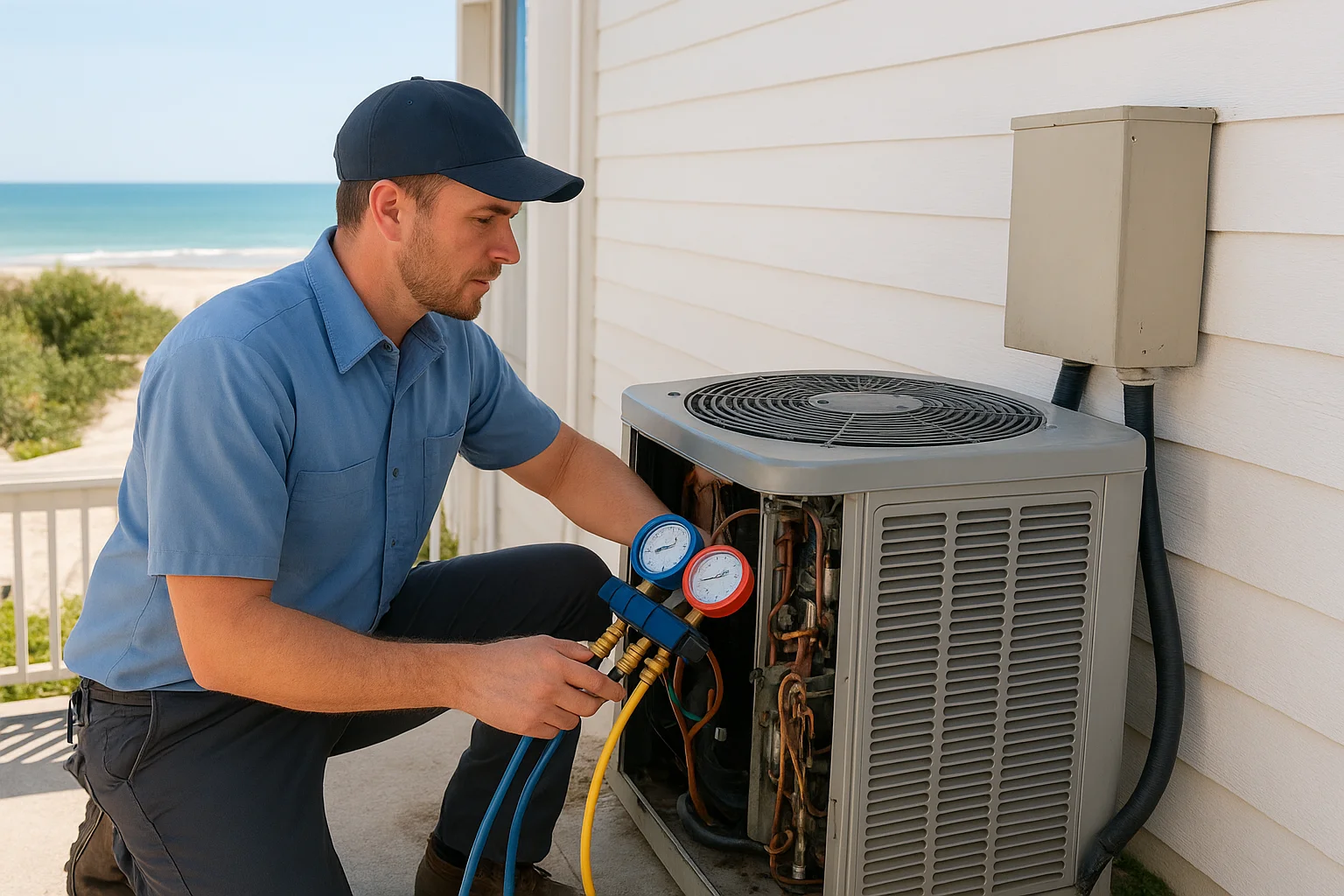
Refrigerant systems are engineered for specific operating conditions. When problems occur, they can affect cooling capacity, humidity control, and compressor load. Attempting DIY troubleshooting is not appropriate, and a refrigerant diagnosis should be completed by a qualified technician after an in-person inspection. A Superior Mechanical can evaluate system performance and recommend the correct next steps based on what is found on site.
Commercial HVAC services that reduce risk before emergency cooling concerns
Commercial HVAC services cover more than repairs. The right mix of installation, maintenance, and upgrades keeps systems reliable through high-demand weeks.
Commercial HVAC maintenance in Seaside, FL
Preventive maintenance is how you catch problems while they are still small. For businesses in Seaside and across Walton County, maintenance should focus on airflow health, condensate drainage, thermostat and control operation, and performance checks that help identify inefficiency before occupants feel the impact. When an HVAC maintenance near me search is used at the start of the season, it can prevent a mid-summer breakdown that interrupts operations.
Air conditioning service and commercial AC repair
When a system is not performing, prompt air conditioner service matters. Commercial AC repair should address the root cause, not just the symptom. That may include airflow correction, drainage clearing, control verification, or other components identified during an on-site assessment.
Heat pump service for year-round comfort
Some commercial properties use heat pumps for heating and cooling. In Florida, they may run heavily in shoulder seasons and still see high cooling demand in summer. If you are searching for heat pump repair near me or heat pump installation near me, choose a contractor experienced with commercial systems and coastal conditions. Heat pump service should include checks that confirm proper operation for both comfort and humidity management.
Ductwork evaluation and duct repair
Ductwork can be a hidden source of comfort issues. Leaks and restrictions can reduce airflow, increase energy use, and create hot and cold zones. If you suspect ductwork problems, ask about duct inspection and whether ductwork services are needed. If you are also dealing with comfort and indoor air quality issues, consider pairing ductwork work with filtration improvements.
Indoor air quality support for humid coastal air
Indoor air quality is not only about odors. In humid climates, poor filtration and airflow can contribute to discomfort and may worsen how spaces feel for occupants. If you are looking for Air Filtration & Purifiers, it is smart to coordinate that choice with your HVAC system’s airflow capacity and your building’s needs. For additional guidance, see Why Seaside Homes Benefit From Indoor Air Quality Testing Before Comfort Issues Spread.
System replacement planning that considers the whole building
Sometimes replacement is the right long-term move. But replacement should not be a reaction to a single breakdown. A professional evaluation can help confirm whether the system’s performance issues are related to airflow, controls, ductwork, or other building factors. If you are considering HVAC replacement near me, focus on a contractor that evaluates the installation environment and system requirements, including airflow and indoor comfort goals.
Common commercial HVAC issues in Seaside buildings
Different property types have different stress points. Still, several issues show up frequently in the area.
Condensate drainage problems in cooling season
In humid weather, condensate drainage must move water efficiently. Drain line clogs, improper slope, or restrictions can cause recurring moisture issues. When drainage problems are combined with limited airflow, the system may struggle to control humidity, which increases occupant complaints and operational downtime.
Airflow restrictions from filters and ductwork leaks
Commercial spaces often have higher airflow demands and may include long duct runs. Over time, ductwork can develop leaks, and filters can become restrictive. When airflow falls, the system works harder, and comfort becomes inconsistent.
Thermostat and control strategy mismatches
Many commercial buildings use scheduling and setpoint strategies to reduce energy use. If the thermostat strategy does not align with actual occupancy, comfort can suffer. Confusing control behavior can also lead to unnecessary runtime. A professional HVAC contractor can help verify that thermostats and controls are operating as expected.
Salt-air corrosion impacts outdoor components
Outdoor components face direct exposure. Corrosion can affect fans, coils, and other parts that support heat transfer. Preventive maintenance helps identify corrosion-related issues earlier, before they escalate into major failures.
How to prevent the “small problem becomes an emergency” pattern
Prevention is less about reacting and more about building a routine that matches Seaside’s seasonal demands.
Schedule maintenance before the hottest weeks
When you search HVAC maintenance near me, try to plan ahead rather than waiting for discomfort. A maintenance visit before peak cooling season helps ensure filters, airflow, condensate drainage, and controls are ready for the humidity load.
Use indoor comfort checklists during busy weeks
Facility teams can track simple indicators: temperature consistency across zones, humidity comfort, odor changes, and any recurring thermostat behavior. If you notice repeated issues, document them and share details with your HVAC contractor. That information helps technicians focus on likely causes during an inspection.
Plan ductwork and indoor air quality improvements together
If comfort complaints include stuffiness, odors, or humidity issues, consider coordinating ductwork evaluation with filtration and indoor air quality services. Air filtration solutions should align with the building’s airflow capacity. For more targeted assistance, you can explore Indoor Air Quality Services and consider how filtration upgrades support comfort.
Train staff on basic thermostat and operational habits
Thermostats control runtime and comfort. Simple habits like avoiding frequent setpoint changes during occupied hours can reduce stress on the system. If you have multiple zones, consistent scheduling helps prevent unnecessary cycling and supports better energy use.
Know when emergency cooling concerns are real
If a system stops cooling entirely, repeatedly trips safety controls, or cannot maintain basic comfort during occupied hours, treat it as an urgent issue. Commercial buildings can be sensitive to heat and humidity, especially for restaurants, hospitality areas, and workplaces. If you need rapid help, see Keeping Seaside Homes Ready for HVAC Emergencies for practical preparation habits that also apply to commercial planning.
Choosing the right commercial HVAC contractor for Seaside, Walton County
Picking an HVAC company near me is not just about availability. For commercial properties, you want a contractor that understands coastal conditions and can coordinate repairs and upgrades across the system.
Look for experience with commercial air conditioning contractor needs
Commercial systems often involve more complex ductwork, multiple zones, and controls. A contractor should be comfortable working with commercial air conditioning contractor requirements and should explain issues in terms of airflow, moisture control, and system performance.
Insist on on-site inspection before major conclusions
Refrigerant system concerns, electrical-related symptoms, and equipment performance issues require an in-person evaluation. A qualified technician should verify the situation on site before recommending refrigerant diagnosis, electrical diagnosis, or equipment replacement.
Ask how they approach ductwork and indoor air quality
Comfort problems can come from multiple sources. The best commercial HVAC services connect the dots between ductwork, filtration, humidity control, and thermostat operation. If your building’s issue includes indoor air quality, ask about filtration and purification options that match your system’s airflow.
Related service considerations for Seaside businesses
Many commercial HVAC needs connect to adjacent services. If you are planning upgrades or troubleshooting comfort issues, these resources can help you think through the bigger picture:
- Duct Sealing for addressing leakage that affects airflow and energy use.
- Air Filtration & Purifiers to support indoor air quality goals in humid coastal air.
- Commercial HVAC Services in Sandestin, FL: Answers to Common Questions for additional context on common commercial service scenarios.
- Smart HVAC Planning for Rosemary Beach Homes: Comfort, Airflow, and Coastal Protection for practical ideas that translate well to coastal comfort planning.
If you manage a commercial property in Seaside, it helps to start with a service plan rather than waiting for the system to fail. A Superior Mechanical offers commercial HVAC services in Seaside, FL for dependable comfort, efficiency, and fast response. Learn more at /service-areas/walton-county/seaside/commercial-hvac-services-ssfl and explore the broader service coverage at /service-areas/walton-county/seaside and /service-areas/walton-county.
Find Commercial HVAC Services in Seaside, FL
If you need Commercial HVAC Services in Seaside, FL, visit our local service page or contact A Superior Mechanical today.
Map of Seaside, FL
Frequently Asked Questions
How often should a commercial HVAC system be serviced in Seaside, FL?
Most businesses benefit from preventive HVAC maintenance before peak cooling season and follow-up checks based on how the system runs. Coastal humidity and salt air can increase wear, so a local HVAC contractor can help you set a schedule that fits your building and usage patterns.
Why does my commercial space feel humid even when the thermostat is set to cool?
Humidity complaints can be caused by airflow restrictions, condensate drainage issues, or refrigerant system performance problems. Because multiple factors can overlap, an in-person inspection is the safest way to identify the real cause and recommend the correct fix.
What is the difference between duct repair and duct sealing for commercial buildings?
Duct repair typically addresses damaged or disconnected ductwork, while duct sealing focuses on leaks that reduce airflow. A duct inspection near you can help determine whether sealing, repair, or both are needed based on where airflow is being lost.
Can indoor air quality improvements reduce HVAC stress?
When filtration and purification are chosen to match your system’s airflow needs, they can support comfort and reduce nuisance complaints. However, indoor air quality upgrades should be coordinated with airflow and maintenance practices so the HVAC system is not pushed beyond its design conditions.
When should we consider HVAC replacement instead of more repairs?
Replacement may be appropriate when a system repeatedly underperforms, requires frequent repairs, or cannot meet comfort and humidity control needs. A qualified technician should evaluate the building airflow, controls, ductwork, and overall system condition in person before recommending HVAC replacement near me decisions.
Related Articles
Photo Gallery