Crestview homes are built to handle Florida weather, but plumbing problems do not always show up the way you expect. A small leak can start quietly behind drywall, under tile, or within a concrete slab. When water escapes where you cannot see it, the damage usually grows faster than most people realize.
This guide explains how leak detection and slab leak services work in Crestview, FL, what timing means for plumbing repairs, and how to protect your floors, drains, sewer lines, and water heater from the hidden effects of leaks.
Why hidden leaks are common in Crestview homes
In Crestview and across Okaloosa County, homes experience a mix of humidity, hot summers, and seasonal rain. That climate can stress plumbing systems that already face daily wear. Over time, pipes can shift, seals can fail, and water pressure can swing as demand changes. Even if your home feels “fine,” water can still travel into places it should not.
Several local plumbing factors make early detection especially important:
- Hard water and mineral buildup: Crestview water can be hard, which contributes to scaling in pipes and water heaters. That buildup can reduce flow, increase strain, and make leaks more likely around fittings and connections.
- Water pressure changes: When pressure fluctuates, pipe joints and older supply lines can loosen or wear out faster.
- Soil movement and slab conditions: Concrete slabs can experience stress from moisture changes and ground shifts. If a pipe underneath the slab develops a leak, it often stays hidden until damage becomes obvious.
- Busy household water use: More showers, laundry, irrigation, and dishwasher cycles can mask a leak at first. By the time you notice higher bills or wet spots, the leak may have been running for weeks.
Leak detection is about finding the source, not chasing symptoms
Many homeowners start with visible clues like a damp patch, a musty smell, or a spike in water use. Those signs matter, but they do not always point to the exact location. For example, water from a slab leak can travel along pathways under flooring before it reaches the surface. Meanwhile, a drain issue can mimic a leak by causing slow-moving backups or recurring wet areas near a sink or shower.
That is why professional leak detection focuses on locating the plumbing problem precisely. A quality leak detection process typically includes:
- Reviewing water use and pressure patterns: Technicians may compare typical consumption to current readings and check for pressure behavior that suggests a running leak.
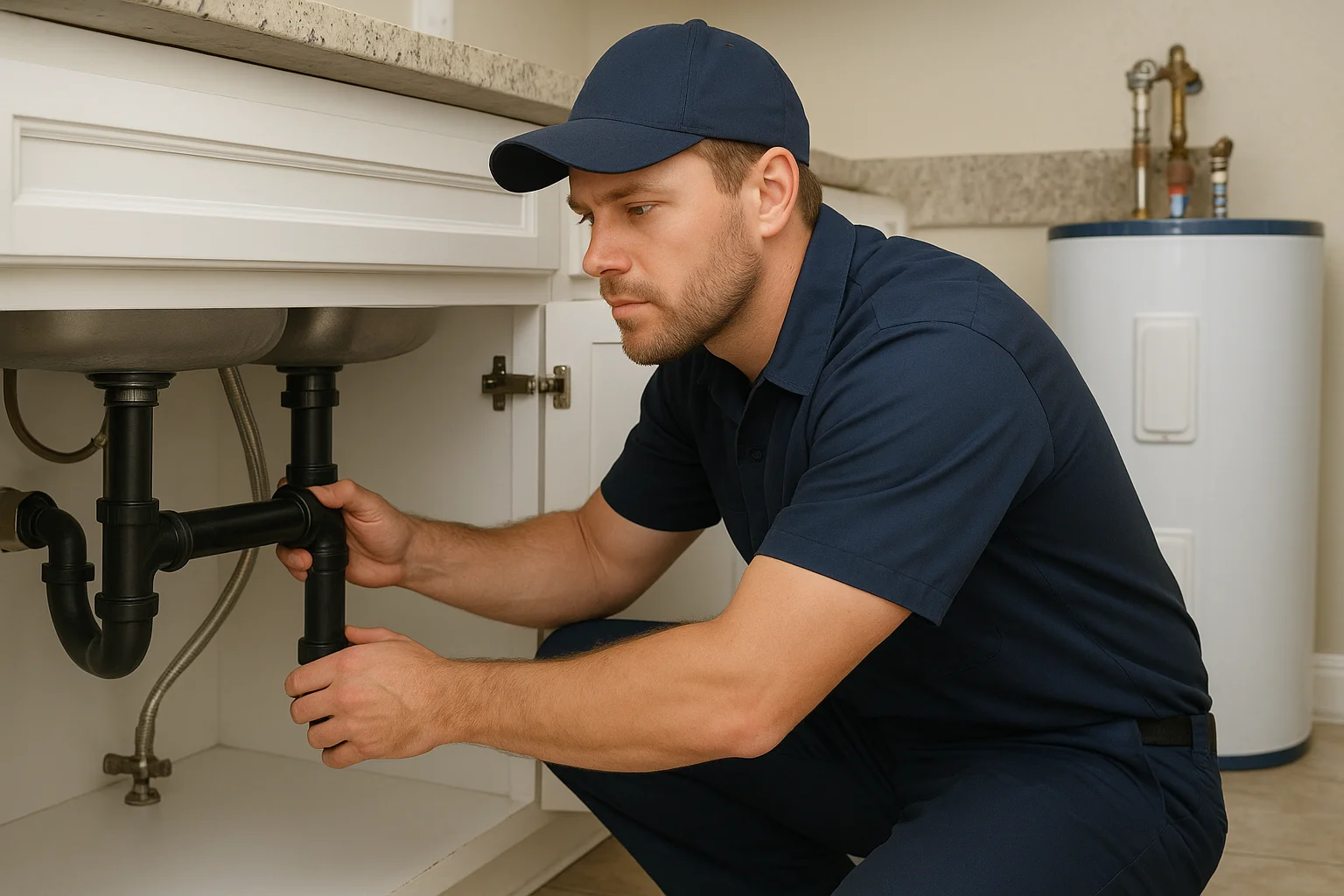
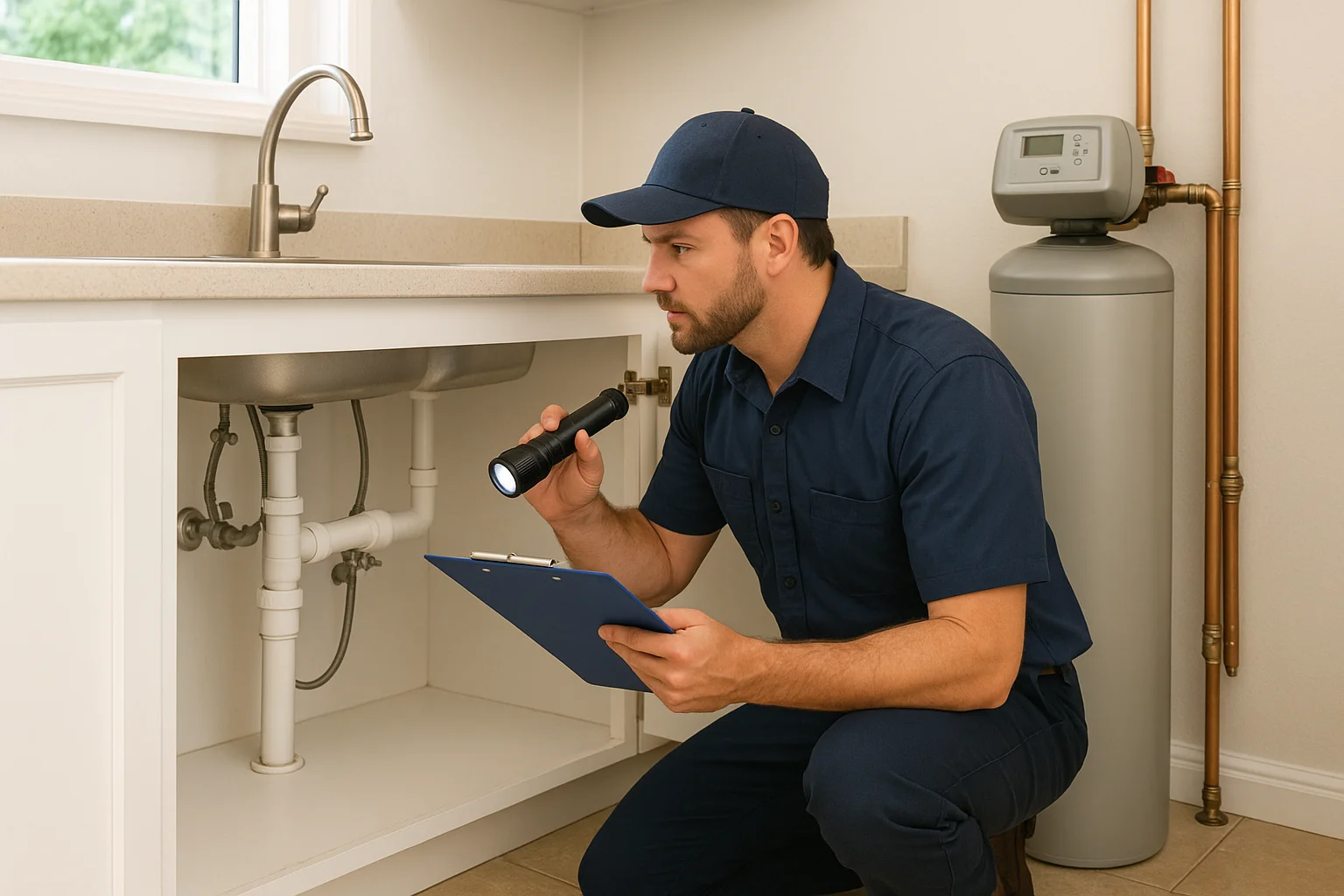
- Checking visible plumbing and fixtures: Faucets, toilets, shower drains, hose bibs, and under-sink connections often reveal early failure points.
- Listening and isolating: Trained diagnostics can help identify where water is escaping by narrowing down which section of plumbing is involved.
- Using specialized equipment: Tools help detect hidden leaks in pipes that are not accessible by simple inspection.
If you are searching for “plumbing repair near me” because you suspect a leak, the best next step is to ask whether the company provides leak detection and slab leak diagnostics, not just patch-and-repair. Quick fixes can help short term, but they do not always prevent the underlying water loss from continuing.
What a slab leak looks like before it becomes obvious
Slab leaks are particularly stressful for homeowners because the leak is under concrete. You might not see anything at first, even while water is escaping and causing problems below the flooring.
Common early warning signs include:
- Unexplained increases in water bills even when household routines stay the same.
- Warm spots on the floor that appear near supply lines.
- Cracks in tile, grout, or flooring that seem to widen over time.
- Moisture under baseboards or persistent dampness along interior walls.
- Slow drains or recurring plumbing issues that may be related to pressure changes affecting nearby lines.
- Sound of running water when no fixtures are in use.
- Musty odors that suggest moisture growth.
Some homeowners also notice problems around fixtures like toilets, sinks, or shower drains and assume it is only a drain clog repair. Those issues can be separate, but they can also show up at the same time as a supply leak. That is why it helps to treat the symptoms carefully and confirm the root cause.
Why timing matters for plumbing repairs in Crestview
With slab leaks and hidden plumbing leaks, timing is not just about convenience. It directly affects the amount of property damage, how complex the repair becomes, and what other systems may be affected.
Here is what changes when repairs happen early versus late:
Early repairs reduce water damage spread
When water escapes under a slab, it can move through soil and create moisture pockets. Early detection helps stop the leak before it saturates surrounding materials. That can protect flooring, drywall, insulation, and subfloor areas from long-term damage.
Early repairs often lower total repair costs
A small leak can become a larger job if it is allowed to continue. Prolonged moisture can lead to additional repairs such as flooring replacement, remediation, and more extensive pipe access.
Delays can stress your water heater and fixtures
Hidden leaks can increase hot water demand and cause your water heater to work harder. Over time, that extra strain can contribute to premature wear. If you are already evaluating Plumbing Replacement or considering Water Purification Services for hard-water protection, it is still important to stop the leak first so you are not replacing a system that is being overworked.
Delays can increase risk of emergency plumbing concerns
While a slab leak may start slowly, it can eventually worsen. If you are dealing with active flooding, sudden pressure loss, or water that will not stop, you may need an emergency plumber response. For homeowners searching “emergency pipe repair near me,” the goal is to stop the leak quickly and then identify the source accurately.
How water pressure and water use connect to leak detection
Many leak detection calls begin with a simple question: “Is my water usage normal?” In Crestview homes, even modest changes in water pressure and consumption can reveal hidden plumbing issues.
Here are a few practical ways homeowners can notice patterns:
- Watch your meter when the house is quiet: If water usage continues when no sinks, showers, toilets, or laundry are running, you may have an active leak.
- Notice pressure behavior at fixtures: If water pressure drops or fluctuates, it can indicate a leak in supply lines.
- Compare billing cycles: A gradual increase over several months can point to slow leaks.
These observations do not replace professional leak detection, but they help technicians narrow down the problem faster. That speed matters when you are trying to prevent slab leaks from turning into major repairs.
Slab leak services: what the repair process may involve
Slab leak repairs vary based on the pipe type, location, and how the leak is affecting your home. A good service plan starts with diagnosis and then explains the repair approach in plain language.
Depending on the situation, the process may include:
- Confirming the leak location: Diagnostics isolate the section of plumbing where the leak is occurring.
- Assessing pipe condition: The repair may address a specific damaged section or consider broader pipe health.
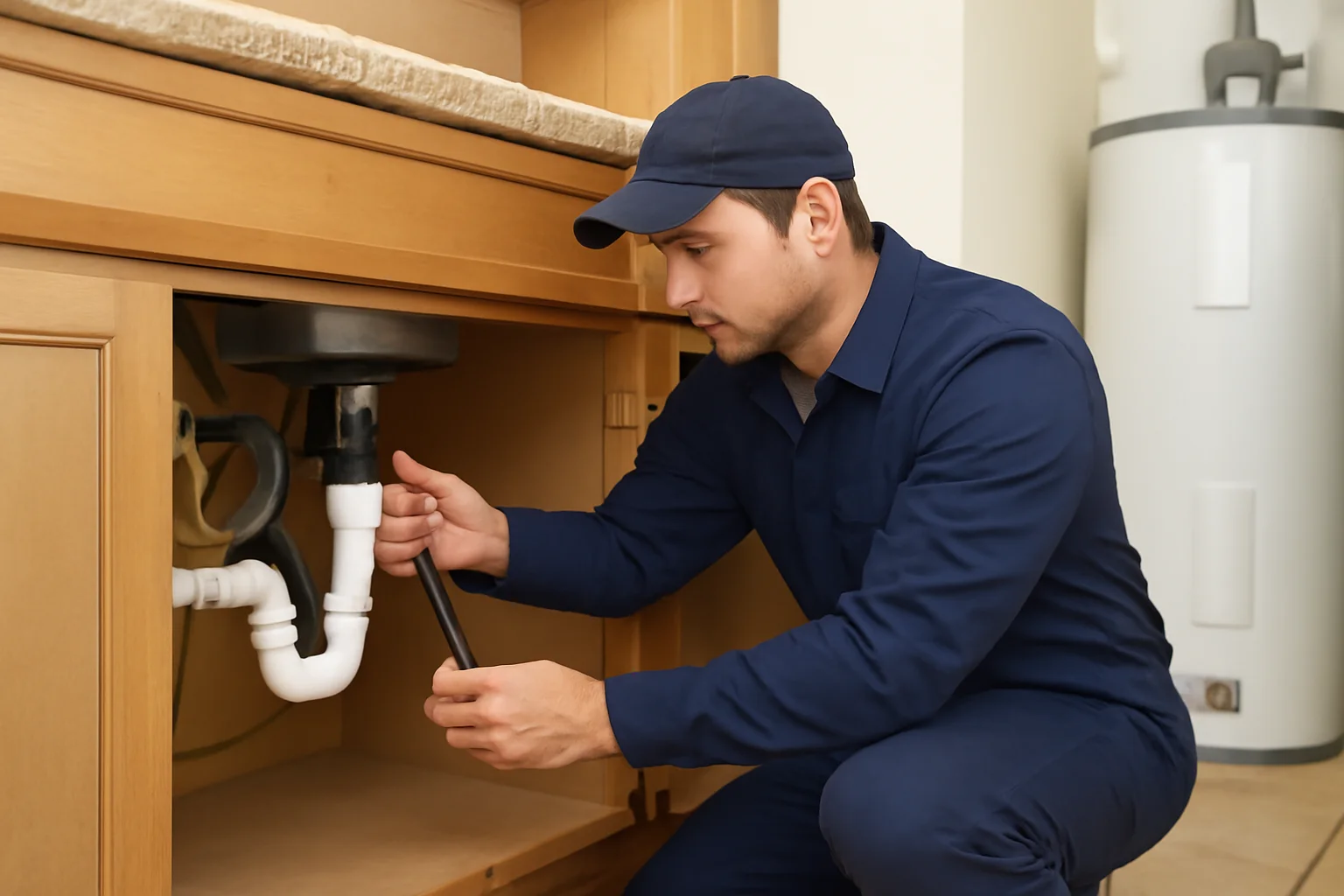
- Repairing or rerouting the plumbing: Some repairs involve accessing the line and sealing or replacing the failed portion. In other cases, rerouting may be recommended to reduce repeat failures.
- Testing after repairs: Pressure and flow tests help confirm the leak is resolved before the job is considered complete.
If your home also has older plumbing, it can be smart to discuss long-term plumbing maintenance. Homeowners who plan ahead often avoid repeating the same issue in another area.
Leak detection versus drain cleaning: knowing the difference
It is easy to confuse leak problems with drain problems because both can cause water-related symptoms. A clogged drain repair can lead to slow drainage in a sink or shower, while a leak can cause dampness, moisture, or wet spots.
Here is a simple way to separate common scenarios:
- If water backs up in a shower drain or sink: The issue may be a clogged line that needs drain cleaning or hydro jetting. If you are dealing with recurring build-up, consider Hydro Jetting Services.
- If you see wet areas or suspect supply line leaks: Leak detection is usually the priority, especially if the moisture appears near walls or floors.
- If you notice sewer line symptoms: Sewer backup repair near me searches often come from slow drains paired with gurgling sounds or foul odors. Those concerns should be evaluated separately from slab leak issues.
That said, plumbing systems connect. A leak can change pressure and contribute to performance issues in drains and fixtures. A professional plumber near me can help you sort out which problem is causing the symptoms you are seeing right now.
Common causes of slab leaks in Crestview
Slab leaks can happen for several reasons. Some are gradual, others are sudden. Understanding typical causes can help you take prevention steps and respond quickly when signs appear.
Common causes include:
- Pipe corrosion or deterioration: Older pipes can weaken over time, especially with hard water and changing pressure.
- Temperature and expansion cycles: Florida homes experience heat and humidity swings that can affect plumbing materials.
- Soil movement and moisture changes: Ground shifts can stress pipes under slabs.
- Poor installation or aging joints: Failed seals and fittings may eventually leak beneath the slab.
- Accidental damage: Repairs to nearby plumbing or landscaping can sometimes affect buried lines.
How to prevent leaks and catch problems earlier
You cannot stop every plumbing issue, but you can reduce risk and catch leaks before they become expensive slab leak emergencies. A few practical habits go a long way for Crestview homeowners.
Make plumbing maintenance near me part of your routine
Annual or semi-annual checkups help spot small failures before they spread. If you are building a home plumbing plan, consider asking for a leak detection and slab leak services assessment when you notice changes in water use, pressure, or fixture performance.
Protect water heaters from extra strain
Leaks can force your water heater to run more often. If you are noticing inconsistent hot water, higher energy use, or frequent cycling, it may be tied to a leak. Homeowners searching “hot water heater replacement near me” should also consider leak detection before replacing equipment, so you do not miss the real cause.
Keep an eye on toilets and faucet performance
Toilet repair and sink repair issues are common, and they can hide water waste. A slow toilet leak can steadily increase water use and contribute to moisture problems around floors and walls.
Stay alert to drain and sewer line warning signs
Clogged drains and sewer backups can create pressure changes and water movement that complicate leak detection. If you have recurring shower drain clog repair needs, it may be time for a deeper cleaning approach rather than repeated over-the-counter solutions.
When to call a professional plumber in Crestview
Some plumbing problems are manageable with basic fixes, but slab leaks and hidden leaks deserve professional attention. If you are experiencing any of the following, calling a local plumber near me for leak detection is a smart move:
- Water bills rise without a clear reason
- New cracks in tile, grout, or flooring
- Warm floors or persistent damp spots
- Water pressure drops or fluctuates
- Recurring wetness near baseboards or along interior walls
- Signs of sewer backup repair near me, such as gurgling drains or foul odors
- Any emergency plumbing concerns like active flooding or water that will not stop
If you want to connect directly with the service that focuses on this exact issue, you can review A Superior Mechanical’s leak detection and slab leak services for Crestview. For broader area coverage, visit our Crestview service area page and Okaloosa County plumbing services.
Related plumbing knowledge Crestview homeowners can use
If you are trying to reduce surprises and protect your plumbing system, these reads can help you connect today’s symptoms with long-term maintenance choices:
- How Crestview Homes Can Stay Ahead of Clogged Pipes and Plumbing Wear
- How Crestview Homeowners Can Make Smarter Choices About Plumbing Services
- Smart Plumbing Replacement Habits for Crestview Homes That Help Prevent Costly Repairs
And if you are planning major plumbing work or want to keep cash flow steady, you can also explore Plumbing Financing for eligible projects.
One more thing: don’t ignore the “almost” symptoms
Many Crestview homeowners wait because the problem seems minor. A faint damp spot that comes and goes. A small pressure change. A toilet that runs just enough to notice occasionally. Those “almost” symptoms are often the earliest stage of a leak, a failing fixture, or a supply line issue that could eventually become a slab leak.
When leak detection and slab leak services are scheduled promptly, you give your home the best chance to avoid hidden damage. That is especially valuable in Crestview, where Florida humidity and hard water can quietly accelerate plumbing wear over time.
Find Leak Detection and Slab Leak Services in Crestview, FL
If you need Leak Detection and Slab Leak Services in Crestview, FL, visit our local service page or contact A Superior Mechanical today.
Map of Crestview, FL
Frequently Asked Questions
What is the difference between leak detection and slab leak repair?
Leak detection focuses on locating the source of hidden water loss, often in pipes you cannot easily access. Slab leak repair is the next step, where the identified pipe issue is fixed or rerouted to stop the leak under the concrete slab.
How soon should I call a plumber after I notice higher water use?
Call as soon as you can. Higher water bills can mean a slow leak that is running for weeks. Early detection helps limit moisture spread under floors and reduces the chance of larger repairs later.
Can a clogged drain cause symptoms that look like a slab leak?
Yes. Drain clogs can create water backups and wet areas around fixtures. Slab leaks typically show signs like warm floors, cracks in tile or grout, and dampness near baseboards. A professional assessment helps confirm which system is responsible.
Will fixing a slab leak also protect my water heater?
Stopping the leak can reduce extra hot water use and strain on your water heater. If your heater is already aging, it may still need service, but leak repair is an important first step so you are not replacing equipment while the underlying leak continues.
Related Articles
- How Crestview Homes Can Stay Ahead of Clogged Pipes and Plumbing Wear
- How Crestview Homeowners Can Make Smarter Choices About Plumbing Services
- Smart Plumbing Replacement Habits for Crestview Homes That Help Prevent Costly Repairs
- Understanding Electrical Financing Before Small Problems Turn Unsafe in Crestview
Photo Gallery