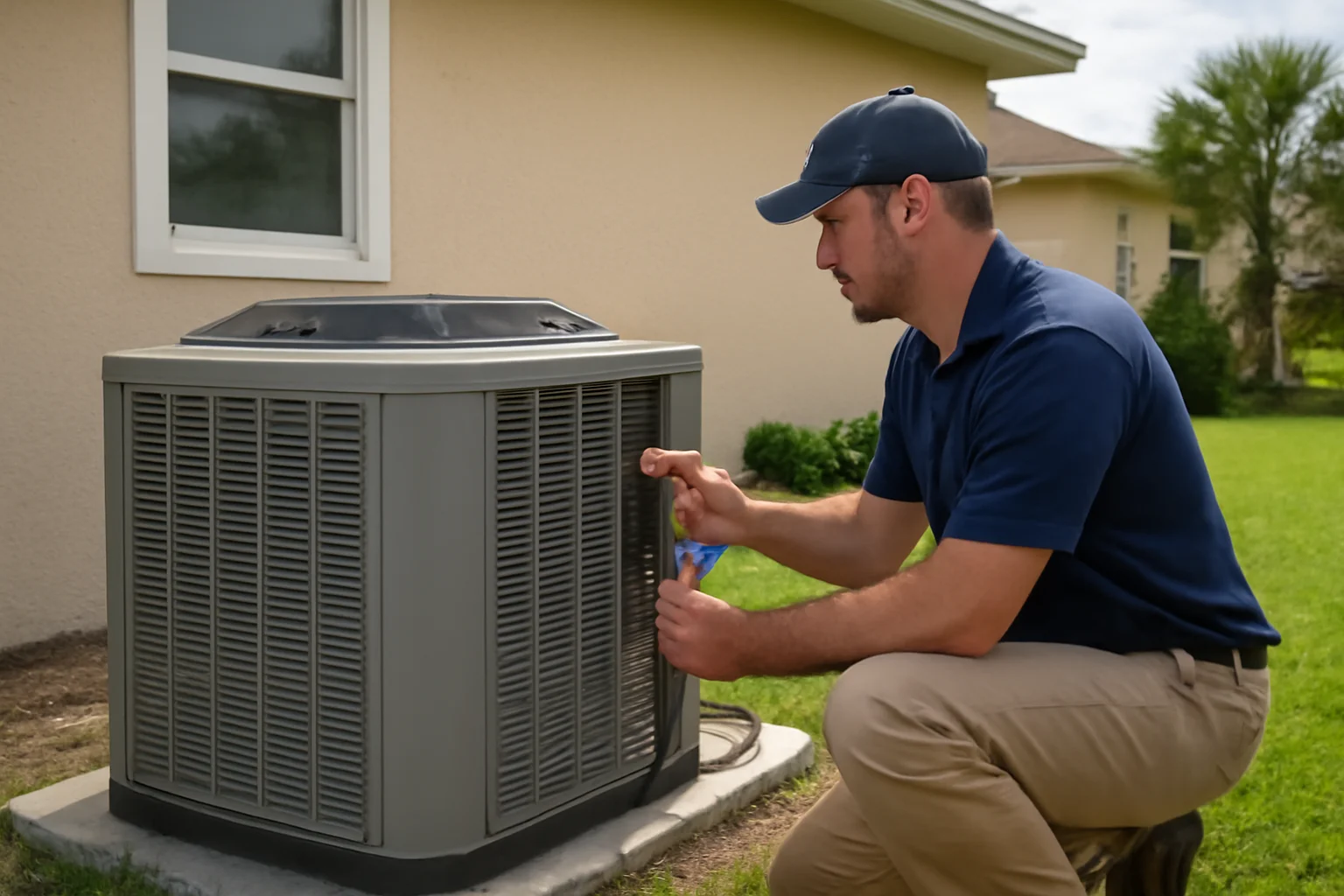
Living in Lake Lorraine, FL means your HVAC system works hard. Between summer heat, coastal humidity, and long stretches of air conditioning season, small duct problems can snowball into uneven temperatures, higher energy use, and indoor air quality issues. That is why duct inspection matters. But duct inspection results can also be affected by a number of real world factors, especially in Florida homes.
This guide walks through common causes of duct inspection problems, what technicians look for during ductwork inspection, and how homeowners can support better airflow and comfort. If you are dealing with stubborn hot or cold rooms, musty air, or frequent AC cycling, use this as a checklist while you arrange an duct inspection service in Lake Lorraine.
Why duct inspection in Lake Lorraine is not always straightforward
Duct inspection aims to answer a simple question: is conditioned air moving where it should, at the right airflow, through the right paths? In practice, ductwork inspection can be complicated by how Florida homes are built and how systems behave under local conditions.
In Lake Lorraine and across Okaloosa County, you can see a mix of older duct runs, retrofit changes, and systems designed for different comfort expectations than today. Add in Florida humidity and the way air conditioners handle moisture, and you end up with duct issues that are not always obvious from a quick look.
Common causes that interfere with duct inspection accuracy
1) Hidden air leaks that change during system operation
Many duct problems are not visible when the air handler is off. When your AC or heat pump runs, airflow pressure changes. That can open up loose connections at seams, collars, and transitions. In humid air, small gaps can also allow moisture-laden air to enter the duct system, which can later affect comfort and indoor air quality.
During duct inspection, technicians may need to observe airflow and pressure while the system is actively running. If a homeowner schedules an inspection when the system cannot be safely operated, results may be less complete. That is one reason professional HVAC service matters for air conditioning inspection and ductwork evaluation.
2) Duct sagging, shifting, and poor support over time
Florida homes experience heat expansion and contraction, and mechanical stress from vibration. Over time, ducts can sag or shift. Even a small change in duct position can reduce airflow, alter air distribution, and increase turbulence at registers.
When ducts sag, inspection may show dents, disconnected sections, or inconsistent airflow patterns. If duct supports are missing or deteriorated, the duct may not hold its designed shape. That can make it harder to diagnose the root cause of uneven temperatures without a hands-on evaluation.
3) Condensate drainage issues that indirectly affect airflow and comfort
Air conditioning systems remove moisture. If condensate drainage is not functioning correctly, the indoor unit can experience problems that impact performance. While condensate drainage is not the same as ductwork, it can change how the system behaves and how comfortable the home feels.
For example, restricted condensate drainage can lead to moisture-related conditions near the air handler area. That can influence air movement, trigger system protective behavior, or contribute to musty odors that people sometimes blame on ducts. A thorough duct inspection often includes checking the surrounding setup so duct findings do not get misattributed to the HVAC airflow path.
4) Leaks and airflow restrictions in the return side
Homeowners frequently focus on supply air because they feel warm or cool air at registers. But return ducts are just as important. Leaks in the return system can pull in unconditioned air from attics, crawl spaces, or wall cavities.
In Lake Lorraine, that means the system may be cycling against extra heat and humidity. It also can pull in dust and allergens, which affects indoor air quality. During duct inspection, a technician should evaluate both supply and return pathways, including return grilles, duct joints, and any transitions between air handler and ductwork.
5) Register and thermostat setup that masks duct issues
Sometimes the ductwork is fine, but the control setup makes it look like ductwork is the problem. Thermostat placement can be a factor, especially in humid Florida homes where airflow and solar heat gain can move around inside the living space.
If a thermostat is located near a supply air stream, in direct sun, or in a room that is consistently warmer or cooler due to duct imbalance, the system may cycle too frequently or run longer than expected. That can create symptoms that resemble duct problems, such as hot rooms, cold bedrooms, or comfort complaints that do not match the actual airflow path.
During inspection, professionals often confirm thermostat settings and operation and compare them with airflow behavior. This also helps prevent unnecessary repairs based on incomplete assumptions.
6) Refrigerant system performance that changes airflow behavior
Duct inspection and refrigerant system performance are connected. If the refrigerant system is underperforming, the indoor coil may not cool the air as intended, which can make airflow feel weak even if ductwork is not the primary issue.
It is important to note that a duct inspection cannot replace an in-person HVAC evaluation of the refrigerant system. A technician should look at airflow and duct distribution, while also considering the performance of the AC or heat pump system. If a homeowner suspects refrigerant-related problems, the safest path is to schedule a full air conditioning service visit rather than trying to diagnose refrigerant from duct symptoms alone.
7) Salt air and coastal corrosion that affects duct components
Okaloosa County is influenced by coastal conditions. Salt air and corrosion can impact metal ductwork, fasteners, and connection points. It can also contribute to deterioration of insulation around ducts, which can increase heat gain in attics and wall cavities.
When insulation is compromised, supply ducts can lose cooling effect before air reaches the living space. That can appear as an airflow problem during inspection. A professional duct inspection looks at duct condition, insulation integrity, and whether the duct is properly sealed and supported.
How duct problems show up in real Lake Lorraine comfort issues
Even when duct inspection is complex, the symptoms homeowners experience are often consistent. Here are common comfort clues that point toward ductwork inspection needs.
Uneven temperatures room to room
Hot bedrooms and cool living areas, or one side of the home that never feels right, often indicate duct imbalance, leaks, or restrictions. Sometimes it is supply distribution. Sometimes it is return imbalance. Either way, duct inspection helps map what is happening.
Air that feels weak at the registers
Low airflow can be caused by duct restrictions, closed dampers, disconnected sections, or return issues. It can also be affected by system performance. An HVAC technician can evaluate airflow and duct condition together to avoid misdiagnosing the problem.
Excess humidity indoors despite running AC
Florida humidity is relentless. If the home feels sticky or clammy, duct problems can contribute, especially if return air is pulling in humid air from unconditioned spaces. Some homeowners also notice that the system runs longer than expected to reach comfort targets.
If humidity management is a recurring issue, pairing duct inspection with whole home dehumidifiers can be part of the comfort plan, depending on the home’s layout and HVAC operation.
Musty odors or dust that seems to increase
Air leaks can pull in dust from attics and crawl spaces. Duct insulation damage can also contribute to odor issues. If indoor air quality is a concern, homeowners often benefit from combining ductwork inspection with indoor air quality services and a broader HVAC maintenance approach.
What a professional duct inspection in Lake Lorraine typically includes
Every home is different, but high quality duct inspection usually covers more than just looking at duct seams. A technician should evaluate the system as an airflow network and consider how the HVAC equipment and controls interact with ductwork.
Visual review of duct paths, joints, and insulation
The inspection should examine supply and return runs, check for gaps, loose connections, damaged insulation, and signs of sagging or poor support.
Assessment of register and airflow distribution
Technicians commonly verify airflow at multiple registers, look for blockage risks, and evaluate whether dampers are functioning as intended. This step helps identify whether the duct system is distributing air evenly.
Evaluation of system operation and thermostat behavior
Because thermostats influence run cycles and setpoints, a professional will check how the system responds to comfort calls. This can clarify whether symptoms are truly duct related or partly driven by control or placement issues.
Cross-check with air handler performance and refrigerant system context
While duct inspection focuses on air pathways, airflow and cooling comfort are affected by the air conditioning service components. A good technician will connect the dots without jumping to conclusions about refrigerant diagnosis or system replacement. Any suspected refrigerant issues should be addressed through a full on-site HVAC evaluation.
If you are exploring service options in the wider area, you can also review Lake Lorraine HVAC services for a complete view of how duct inspection fits into AC repair, heat pump service, and preventive maintenance.
How to improve airflow after duct inspection findings
Duct inspection is the starting point. The next step is making changes that restore airflow and reliability without creating new problems. Below are common improvement paths homeowners discuss with their HVAC contractor.
Seal and repair duct connections that leak under pressure
Air leaks at joints and transitions can waste energy and reduce comfort. Repairing connections can improve airflow delivery and reduce the chance of pulling in unconditioned air. The goal is to restore the designed airflow paths, not just patch what is easy to reach.
Address duct sagging and support issues
Proper duct support keeps airflow stable. If ducts have shifted or sagged, correcting the layout can reduce restrictions and improve distribution. This is especially important for long duct runs through attics where Florida heat can stress materials.
Correct return leaks and improve return air pathways
Fixing return leaks can reduce the system’s workload and help maintain indoor air quality. It can also prevent the system from drawing in hot, humid air that makes cooling feel inconsistent.
Upgrade ductwork when needed, not by guesswork
Some homes require duct replacement or redesign, especially when ductwork is undersized, severely damaged, or altered over time. If you are searching for duct replacement near me or air duct service near me, look for an HVAC contractor that explains the airflow reasoning behind the recommendation. Avoid decisions based solely on a single visible defect.
For homeowners who are also planning broader HVAC updates, ductwork evaluation can inform AC repair versus air conditioning replacement conversations when the system is aging and comfort problems persist.
Preventive maintenance makes duct inspection more useful
Duct inspection is a snapshot in time. Preventive HVAC maintenance helps the duct system and the equipment stay in better condition between inspections.
Regular filter changes protect airflow and indoor air quality. Coil cleaning and system checks support consistent cooling performance. When the HVAC system runs as intended, duct inspection findings are easier to interpret and less likely to be distorted by other issues.
If you want a maintenance-focused read that connects directly to duct inspection value, check out Why Preventive HVAC Service Matters for Duct Inspection in Miramar Beach Homes and Why Better HVAC Maintenance Makes Duct Inspection More Useful for Lynn Haven Homes.
Emergency cooling concerns during Florida heat
Lake Lorraine summers can turn uncomfortable quickly, especially during peak humidity. If you have sudden airflow failure, the system blowing warm air, or the AC not keeping up with the thermostat, it can become an emergency cooling concern.
While duct inspection is helpful for long-term comfort, urgent comfort needs should be handled through timely HVAC service. If your home is not cooling and you are considering emergency AC repair near me, prioritize an on-site visit so a technician can check airflow, system operation, condensate drainage, and duct performance together.
Also remember that duct issues can worsen during high demand. When the system runs longer, leaks can become more noticeable and humidity can rise. That is when homeowners often realize the duct system has been struggling for a while.
When to call A Superior Mechanical for duct inspection
Call a local HVAC contractor for duct inspection when you notice patterns, not just one-off issues. It is especially worth scheduling in Lake Lorraine if:
- Several rooms are consistently hotter or colder than the rest of the home.
- Airflow feels weak even when the air handler and thermostat settings seem correct.
- Humidity stays high or comfort feels sticky despite air conditioning running.
- There are recurring indoor air quality complaints like dust, odors, or allergy flare-ups.
- You have recently moved into a home or vacation rental and want a baseline for airflow and reliability.
- Your system seems to cycle frequently, raising energy use and making the home feel unstable.
For homeowners searching for residential HVAC service near me or HVAC maintenance near me, choosing a contractor that understands ductwork inspection in Florida conditions can prevent months of guesswork. You can schedule through A Superior Mechanical duct inspection services in Lake Lorraine and also explore the broader Okaloosa County HVAC service area.
Local comfort clues you can spot while waiting for inspection
You can gather useful information before your appointment. These observations help technicians focus the inspection and reduce the chance of overlooking something important.
Compare rooms at the same time of day
Take note of which rooms are warmest and coolest during the same cooling cycle. Florida solar load can mislead you if you only check one room at one time. Consistent patterns are more meaningful.
Watch for register airflow differences
When the system runs, compare airflow strength at multiple registers. If only certain areas feel weak, duct layout or return issues may be involved.
Check for unusual dust buildup
Dust around registers or rapid dust accumulation can suggest air leakage or poor filtration. Duct inspection can help confirm whether the duct system is contributing.
Note thermostat behavior
If your thermostat reaches the set temperature quickly but the home does not feel comfortable, or if it never seems to satisfy the setpoint, thermostat placement and duct distribution may be interacting.
If you like comfort-focused reading, you may also enjoy Comfort Clues Hidden in Lake Lorraine Ductwork for more homeowner-friendly observations.
Pair duct inspection with the right HVAC service
Duct inspection works best when it connects to the rest of the HVAC system. Depending on what the technician finds, you may also need air conditioning service, heat pump service, or a preventive maintenance plan to keep airflow stable through Florida’s humid seasons.
Homeowners with mixed systems or long duct runs can also benefit from scheduling air conditioning inspection alongside ductwork checks. Businesses may want to coordinate with commercial HVAC maintenance to reduce comfort complaints and improve reliability.
If your home uses a heat pump and you are dealing with inconsistent cooling, searching for heat pump repair near me can be part of the solution. Still, the most reliable approach is to evaluate ductwork and equipment together so comfort improvements are not limited by airflow problems.
Find Duct Inspection in Lake Lorraine, FL
If you need Duct Inspection in Lake Lorraine, FL, visit our local service page or contact A Superior Mechanical today.
Map of Lake Lorraine, FL
Frequently Asked Questions
Why does duct inspection sometimes miss the real problem in a Lake Lorraine home?
Duct issues can be hidden until the system runs. Air leaks may change under pressure, ducts can sag over time, and return leaks can pull in humid, dusty air. A complete inspection evaluates both supply and return pathways while the HVAC system is operating.
Can thermostat problems make ductwork look like the cause of uneven temperatures?
Yes. If the thermostat is in direct sun, near a supply air stream, or located in a room that does not reflect the rest of the home, the system may cycle too often or run too long. Professionals compare thermostat behavior with airflow and duct distribution before concluding the ductwork is at fault.
How does Florida humidity affect duct inspection results?
Humidity can worsen the impact of duct leaks and damaged insulation. Moisture can enter ductwork through gaps and connections, and return leaks can pull in humid air from unconditioned spaces. That can lead to comfort and indoor air quality symptoms that overlap with airflow problems.
Is duct inspection the same as air duct cleaning?
No. Duct cleaning is about removing debris, while duct inspection focuses on airflow paths, leaks, insulation condition, and distribution. Cleaning may be recommended after inspection if buildup is found, but inspection should guide the next steps.
What should I do if my AC is not cooling and I suspect duct issues?
Schedule an on-site HVAC service visit. Duct problems can contribute to weak airflow, but cooling failures can also involve the refrigerant system, condensate drainage, or other equipment performance factors. An in-person evaluation is the safest way to identify the correct cause.
Related Articles
Photo Gallery