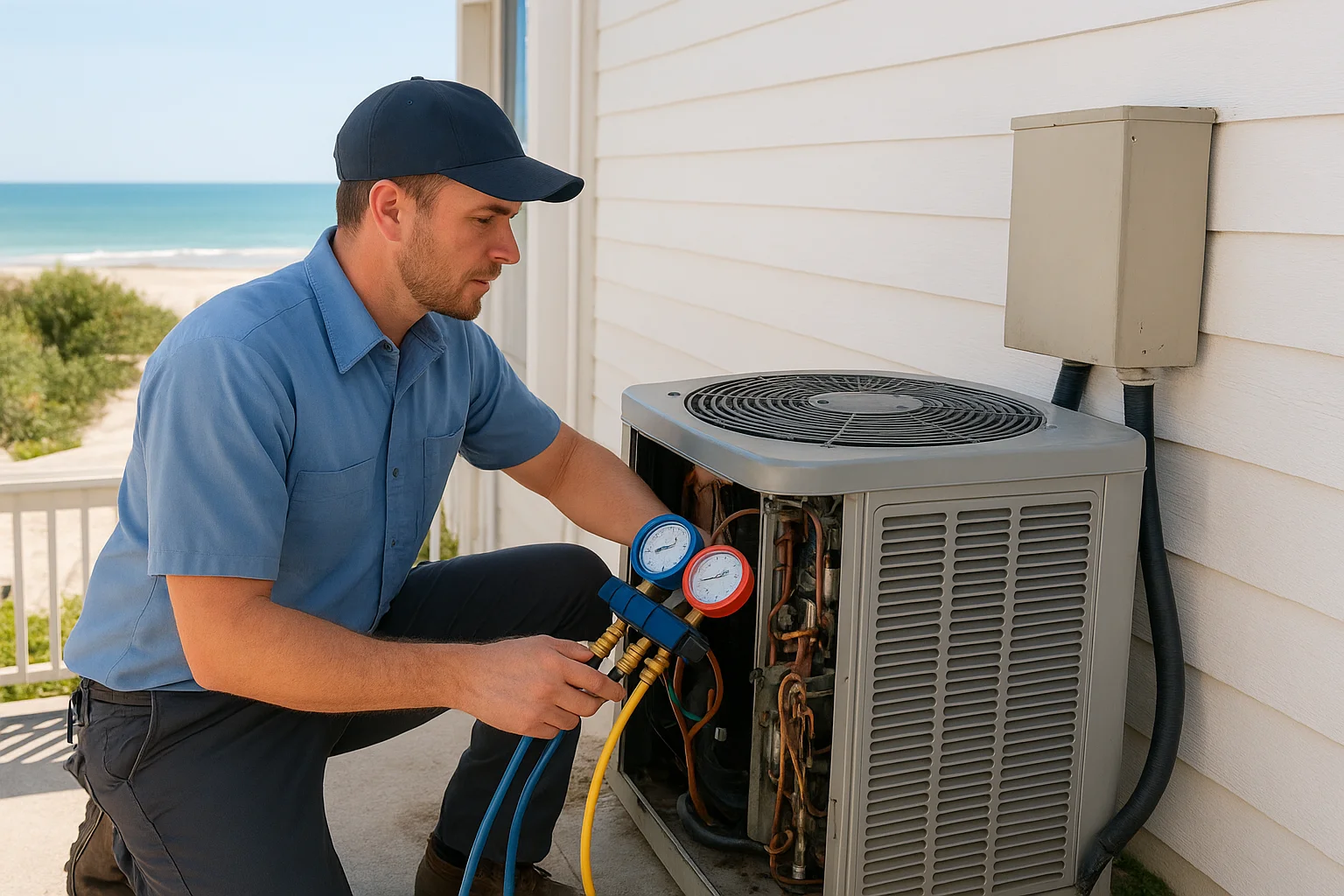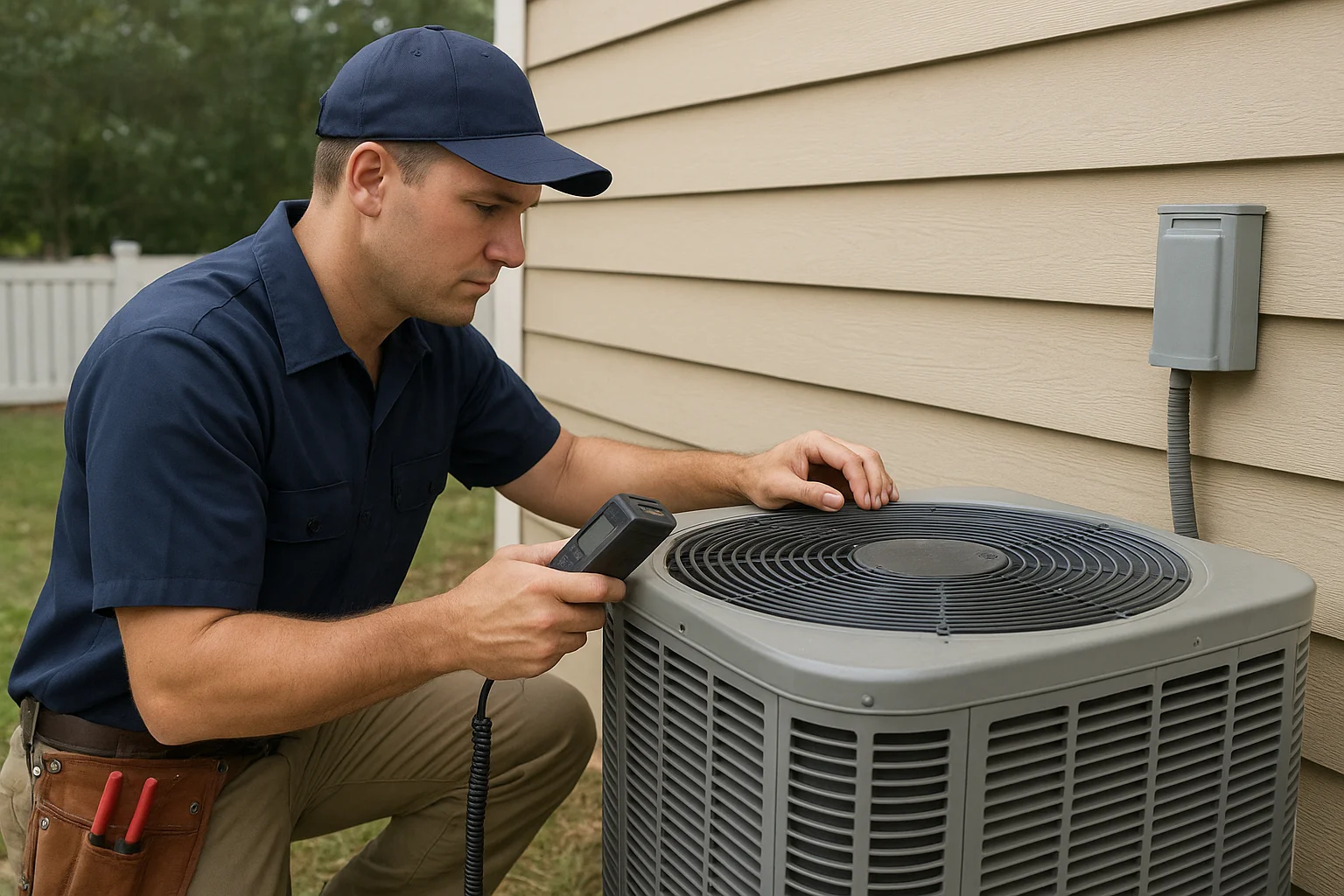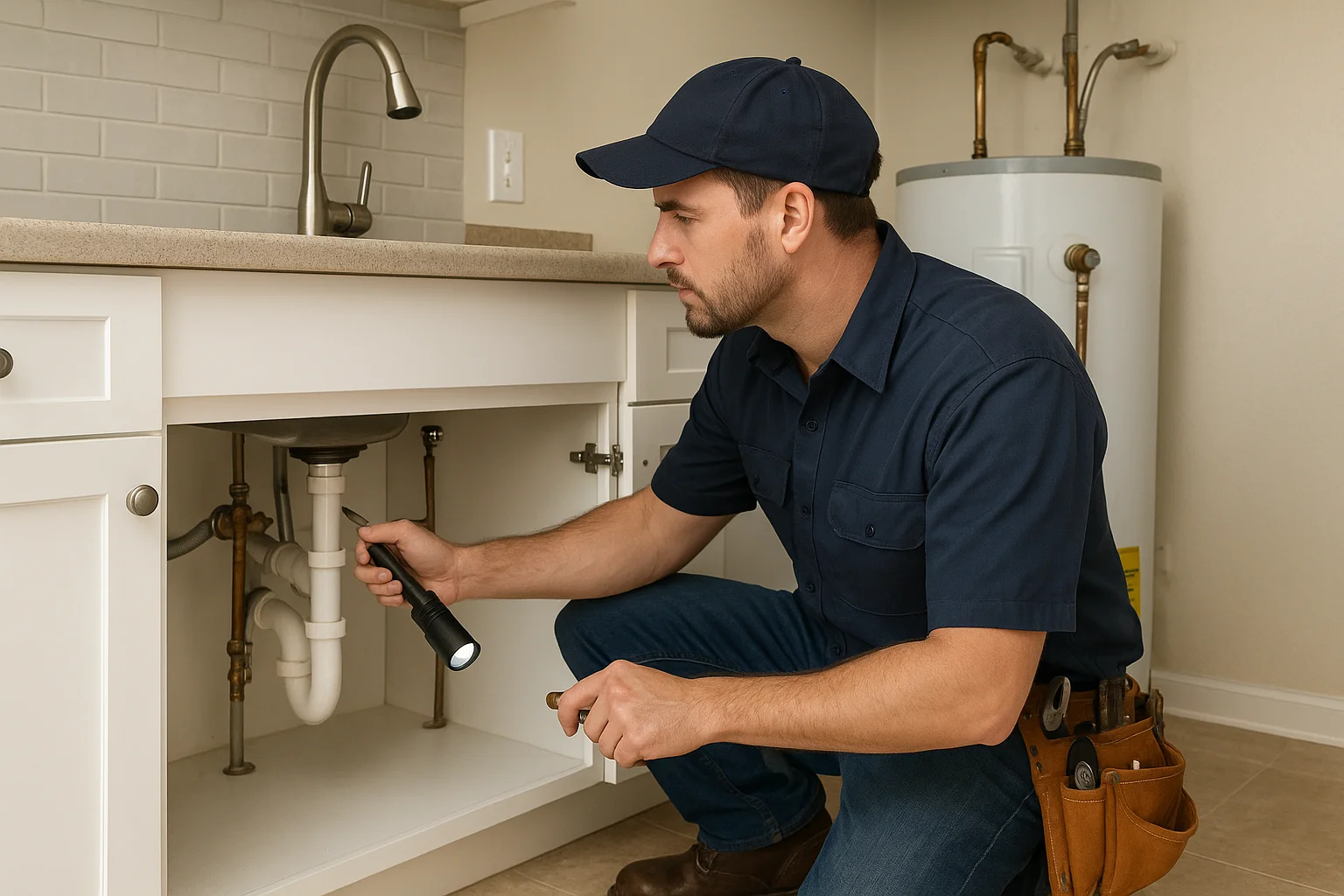
Property management HVAC services are not just about keeping tenants comfortable. In Parker, FL, where summer humidity and coastal salt air can push systems hard, smart HVAC maintenance is also a long game for reducing breakdowns, protecting indoor air quality, and extending equipment life.
When an air conditioner service visit becomes a recurring emergency, everyone pays the price: downtime, higher energy use, tenant complaints, and avoidable wear on refrigerant systems and condensate drainage. This homeowner and property manager guide explains what commonly shortens HVAC system life in Parker, what to watch for, and how preventive HVAC maintenance helps keep cooling reliable through Florida’s toughest stretches.
Why Parker’s climate is tougher on HVAC systems than many homeowners realize
In Parker, most of the year includes warm temperatures and high humidity. That affects how air conditioners, heat pumps, and air handlers perform. Even if the thermostat is set correctly, the system has to work longer to remove moisture and maintain comfortable indoor conditions.
On top of humidity, coastal influence from the Bay County area can bring salt-laden air. Over time, salt and moisture can contribute to corrosion on metal components and can increase the need for more frequent cleaning and inspections.
Then there is airflow. If ductwork is undersized, poorly sealed, or clogged, the system may run longer to deliver the same comfort. That extra run time increases wear across the entire HVAC system, including the refrigerant system, blower components, and heat exchange surfaces.
What shortens HVAC system life in Parker property buildings
HVAC systems fail for many reasons, but the biggest life-shorteners tend to be the same across rental homes, multi-unit buildings, and commercial spaces. Here are the most common causes property managers and homeowners should plan around.
1) Poor airflow from leaky or restricted ductwork
Airflow problems are one of the most frequent reasons HVAC repairs escalate. When supply air cannot move freely, the system compensates by running longer. Over time, that increased workload can stress components and reduce overall efficiency.
Common ductwork issues in older Parker homes and some rental renovations include:
- Loose duct connections that leak conditioned air into attics, crawlspaces, and wall cavities
- Collapsed or crushed duct sections
- Dust buildup that reduces airflow
- Registers that are blocked by furniture, window treatments, or stored items
- Inadequate return air paths, which can pull air from the wrong places
If you are searching for duct inspection near me or duct repair near me, start by focusing on airflow measurements and duct sealing. For properties with chronic humidity issues, planning duct sealing and aeroseal work can be a major step toward stabilizing comfort and protecting the HVAC system. If you want to read more, review Planning Duct Sealing and Aeroseal Work Before Parker Heat and Humidity Push Your HVAC Harder.
2) Humidity control failures that force the system to run harder
High indoor humidity is not just uncomfortable. It can affect comfort perception, encourage mold growth, and increase the likelihood of tenant complaints. It also changes how the air conditioner service cycle performs.
In many Parker properties, the HVAC system is asked to cool and dehumidify while dealing with humid outdoor air. If the system cannot remove moisture effectively, it tends to run longer. That increases wear and raises energy use.
Property managers can reduce humidity-related stress by coordinating maintenance that supports moisture removal, including:
- Cleaning evaporator coils and checking airflow across the coil
- Inspecting condensate drainage paths
- Ensuring thermostats are set and functioning properly for the property’s schedule
- Considering whole home dehumidifiers for homes or units with persistent moisture problems
If you are evaluating moisture control options for a rental portfolio, explore Whole Home Dehumidifiers.
3) Condensate drainage issues that lead to water problems and coil strain
When an air conditioner or cooling mode runs, it produces condensate. That condensate must drain correctly through the condensate drainage system. If drainage is restricted, the unit can back up, potentially causing water damage and contributing to coil and airflow issues.
In property management HVAC services, condensate drainage is often overlooked until there is a leak, a musty odor, or a recurring shutdown. Regular inspections help catch early problems such as clogged drain lines, improper slope, or drainage pan issues.
4) Dirty coils, filters, and blocked airflow paths
Dirty components are a fast way to shorten HVAC life. Dust and debris reduce heat transfer, which makes the system work harder. Filters that are too restrictive or not replaced on schedule can also reduce airflow and increase strain.
For landlords and property managers, this becomes especially important because tenant behavior can vary. Some tenants change filters on time, others forget, and some do not know where the filter is located. A preventive maintenance plan should include filter guidance and a routine inspection schedule.
If you are trying to reduce indoor allergies and airborne particulates, indoor air quality services can complement filter and duct maintenance. Consider Indoor Air Quality Services for options that support healthier airflow in humid climates.
5) Refrigerant system strain caused by airflow imbalance and unresolved performance issues
The refrigerant system is central to cooling and heat pump performance. While homeowners should not attempt refrigerant diagnosis or repairs themselves, they should understand how system health depends on airflow and clean heat exchange surfaces.
When airflow is restricted or coils are dirty, the refrigerant system can operate under stress. That can lead to cooling problems, higher energy use, and more frequent service calls.
If a unit is not cooling properly, it is important to have a licensed HVAC contractor evaluate the system in person. A technician can check operating conditions, airflow, and component performance before any refrigerant-related conclusions are made.
6) Thermostat problems that cause unnecessary run time
Thermostats drive comfort and system run cycles. A thermostat that is miscalibrated, improperly installed, or set with an unrealistic schedule can cause the system to run longer than needed.
In rental properties, common issues include:
- Settings that do not match occupancy schedules
- Temperature setbacks that create long recovery periods in humid weather
- Thermostat location problems, such as being exposed to direct sun or drafts
Professional HVAC maintenance can include thermostat verification and guidance on settings that reduce unnecessary cooling run time while still protecting humidity levels.
7) Salt air and coastal corrosion that compounds with moisture
Coastal influence can increase corrosion risk. When moisture and salt are present, outdoor components can deteriorate faster than expected. That does not mean every unit will fail early, but it does mean maintenance should include more frequent inspections of outdoor sections and cleaning of debris that can trap moisture.
For property managers, this is another reason to schedule preventive HVAC maintenance before the hottest months. You want issues identified while they are still minor and fixable.
Symptoms that often show up before a major HVAC breakdown
Many HVAC failures start as small problems. If your tenants report issues early and maintenance teams respond quickly, you can prevent a minor problem from becoming an equipment replacement scenario.
Watch for these warning signs in Parker properties:
- Uneven temperatures between rooms, especially hot upstairs areas
- Weak airflow from vents or rooms that never feel properly cooled
- Higher energy use compared to similar seasons
- Frequent cycling on and off, or the system running longer than usual
- Musty odors or signs of moisture near air handlers or condensate lines
- Visible dust buildup around registers or on return vents
- Thermostat complaints such as “it never reaches the set temperature”
- Repeated callouts for the same tenant issue
Some of these symptoms point to airflow, ductwork, or indoor air quality concerns. Others could relate to refrigerant system performance or coil condition. The key is treating patterns, not just individual calls.
Preventive maintenance that protects equipment life and tenant comfort
Preventive HVAC maintenance near me should not be a generic checklist. For Parker property management HVAC services, the plan should reflect local climate realities: humidity load, salt air exposure, and the importance of airflow.
Seasonal tune ups for cooling reliability
In South Florida, summer cooling is the priority. A strong maintenance plan typically includes:
- Coil and drain inspection to support condensate drainage
- Airflow checks across indoor and outdoor components
- Filter verification and recommendations based on system design and usage
- Electrical and control checks within safe operating limits
- Thermostat and schedule review for property occupancy patterns
When you plan this work ahead of the peak season, you reduce the chance of emergency cooling concerns during the hottest stretches.
Airflow and ductwork maintenance as a core strategy
Ductwork affects comfort, humidity removal, and energy use. If ducts are leaky or damaged, the system can run longer while delivering less conditioned air.
Depending on the property, duct repair, duct cleaning, or even duct replacement may be appropriate. If ductwork is compromised beyond repair, a professional evaluation is needed before any replacement steps are recommended. For homes with duct damage or chronic performance issues, explore Duct Replacement.
Also, if you are dealing with persistent airflow complaints, a duct inspection can identify where the system is losing performance.
Indoor air quality services that match humid climates
Indoor air quality services near me should consider humidity, particulates, and airflow distribution. In Parker, humidity can contribute to comfort problems and potential microbial growth if conditions are not controlled.
Maintenance that supports indoor air quality may include:
- Coil cleaning and airflow optimization
- Filter upgrades or changes based on tenant needs
- Targeted duct cleaning when appropriate
- Moisture control support, including dehumidification when needed
For property managers, these choices can reduce tenant turnover caused by comfort complaints and reduce repeated calls for “air feels damp” or “smells stale.”
Heat pumps and ductless systems: the same climate pressures, different failure patterns
Parker properties may use air conditioners, heat pumps, or ductless mini split systems. Each has different parts, but the life-shortening drivers are still similar: airflow, humidity control, and maintenance quality.
For ductless mini splits, owners should still prioritize:
- Cleaning and airflow performance checks for indoor units
- Drainage inspection where applicable
- Outdoor unit protection from debris and moisture accumulation
If you are considering ductless mini split installation near me for a rental or commercial space, plan maintenance and tenant education into the project. A well-installed system still needs regular upkeep to stay reliable in Florida heat and humidity.
Why professional local HVAC service matters for property managers
Property management HVAC services in Parker require more than technical skill. They require an understanding of how systems behave in humid coastal conditions and how tenant use patterns affect performance.
A licensed HVAC contractor can evaluate the whole system, including airflow, condensate drainage, thermostat behavior, and indoor air quality. That matters because HVAC repairs are interconnected. A symptom like weak cooling could involve airflow, ductwork, coil condition, or refrigerant system performance. Without in-person evaluation, it is easy to treat the wrong problem.
If you want a property-focused approach, you can learn more about how A Superior Mechanical supports landlords, investors, and property managers here: /service-areas/bay-county/parker/property-management-hvac-services-pbcfl. You can also browse the broader Parker service area coverage on /service-areas/bay-county/parker and /service-areas/bay-county.
Emergency cooling concerns in Florida: plan before the call
When an HVAC system fails in the middle of a humid heat wave, the priority becomes restoring comfort quickly. That is why having a plan matters for every rental property and multi-unit building.
Property managers can reduce emergency call volume by:
- Scheduling preventive HVAC maintenance ahead of peak cooling season
- Documenting system age, service history, and filter and thermostat locations
- Keeping a simple tenant communication guide for reporting airflow and moisture issues
- Ensuring condensate drainage is clear and that units are not blocked
If you need 24/7 support for an active emergency, review 24/7 Emergency HVAC Services. For many properties, having that coverage in place reduces panic and helps get repairs handled by a qualified HVAC company near me.
Cooling reliability also depends on smart planning between maintenance visits
Maintenance is not the only factor. How a property is managed between service visits can affect HVAC life. Tenant education and consistent upkeep can prevent common problems.
Consider these practical steps:
- Set expectations for filter changes, including where the filter is and what happens if it is not replaced
- Encourage tenants to report weak airflow, unusual noises, or moisture smells early
- Verify thermostats are not repeatedly moved out of schedule by occupants
- Keep supply and return vents unobstructed
- Address recurring issues room by room, since airflow distribution can be uneven
If you want deeper strategies for keeping systems reliable through Florida heat, read Keeping Parker Homes Cooler, Longer: Smart Ways to Manage Air Conditioning Service in Bay County.
Commercial and multi-unit properties: reduce small issues before they spread
For larger buildings, one neglected unit can impact multiple tenants and create cascading maintenance problems. Commercial HVAC problems in Parker often start with shared ductwork challenges, inconsistent maintenance schedules, and delayed responses to moisture or airflow complaints.
If your portfolio includes commercial spaces or multi-unit buildings, these resources can help you keep projects and repairs organized:
- Keeping Commercial HVAC Problems Small in Parker, FL
- Keeping Commercial HVAC Projects on Track in Parker, FL
When system replacement enters the conversation
Sometimes HVAC replacement is the right choice, especially when repeated repairs occur or when performance cannot meet comfort needs. However, homeowners and property managers should avoid rushing to replacement based on a single symptom.
A qualified HVAC contractor should evaluate the system in person, review service history, and consider the condition of key components such as coils, condensate drainage, ductwork, and airflow pathways. If you are considering heat pump service, heat pump repair, or heat pump installation near me, the evaluation should include how the system will perform in Parker’s humidity and what upgrades may be needed to maintain airflow and indoor air quality.
For property managers, the goal is to replace strategically, not reactively. Preventive HVAC maintenance, airflow-focused inspections, and timely repairs are what keep replacement from becoming the default solution every season.
Find Property Management HVAC Services in Parker, FL
If you need Property Management HVAC Services in Parker, FL, visit our local service page or contact A Superior Mechanical today.
Map of Parker, FL
Frequently Asked Questions
What are the most common things that shorten HVAC life in Parker, FL rentals?
The biggest life-shorteners are poor airflow from ductwork issues, high indoor humidity that forces longer cooling cycles, and condensate drainage problems. Dirty coils and restrictive filters also increase strain on the refrigerant system and airflow components.
How can property managers reduce emergency AC repair calls during Florida heat waves?
Schedule preventive HVAC maintenance before peak season, document filter locations and thermostat settings, and respond quickly to early signs like weak airflow, musty odors, or uneven cooling. Having a plan for emergency cooling concerns can also help protect tenant comfort.
Is duct cleaning or duct sealing more important for better HVAC performance in humid climates?
Both can matter, but airflow comes first. Duct sealing can reduce air leakage and help deliver conditioned air where it is needed. Duct cleaning may be appropriate when there is dust buildup or airflow reduction. A technician should inspect ducts and airflow before recommending the best approach.
Can thermostat issues cause faster HVAC wear?
Yes. A miscalibrated or poorly scheduled thermostat can cause the system to run longer than necessary, especially in humid Parker summers. Professional evaluation can confirm thermostat performance and help set schedules that reduce unnecessary run time.
Should homeowners attempt refrigerant repairs or diagnosis themselves?
No. Refrigerant system performance depends on multiple factors like airflow and coil condition. Refrigerant diagnosis and repairs should only be handled by a licensed HVAC contractor after an in-person evaluation.
Related Articles
Photo Gallery