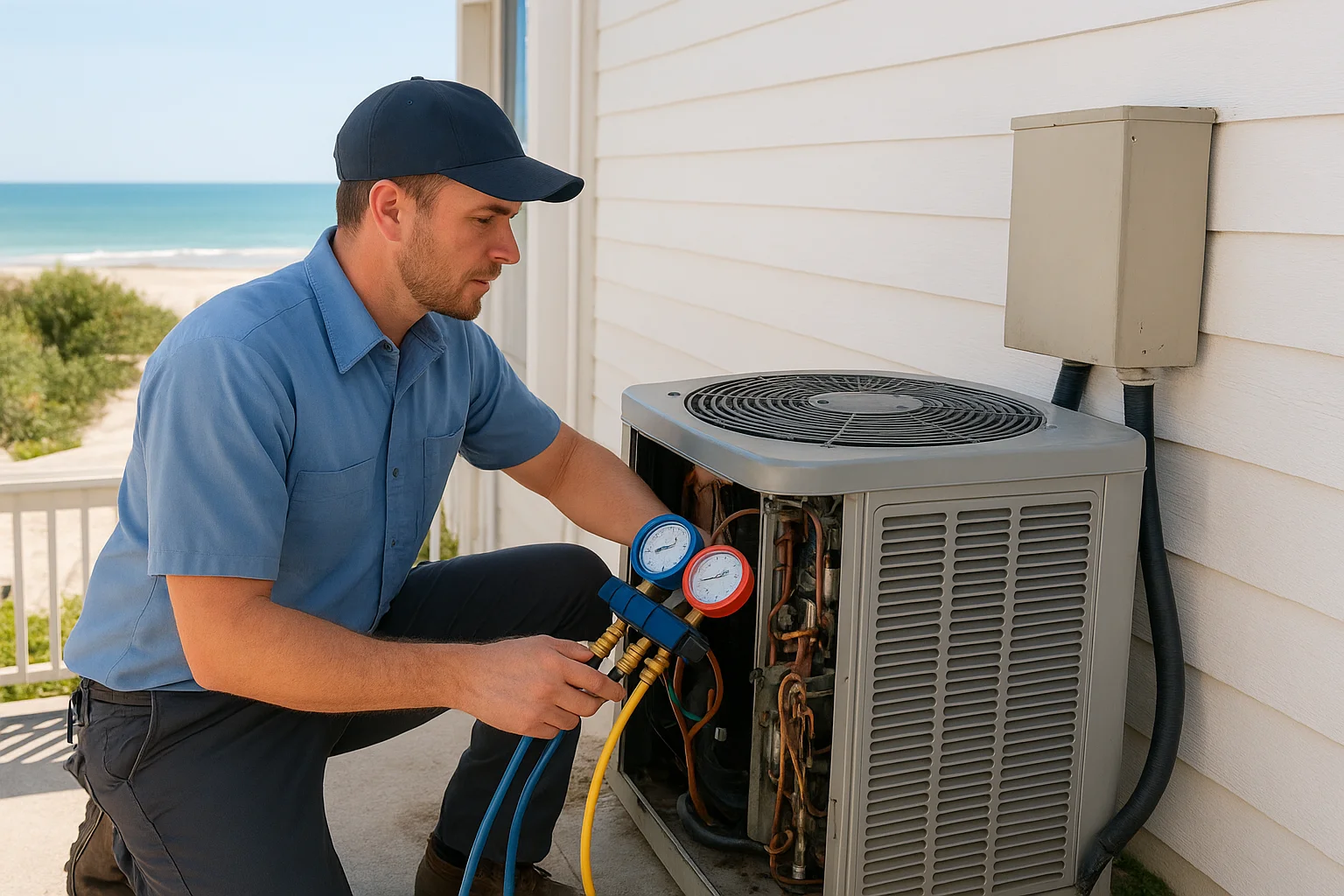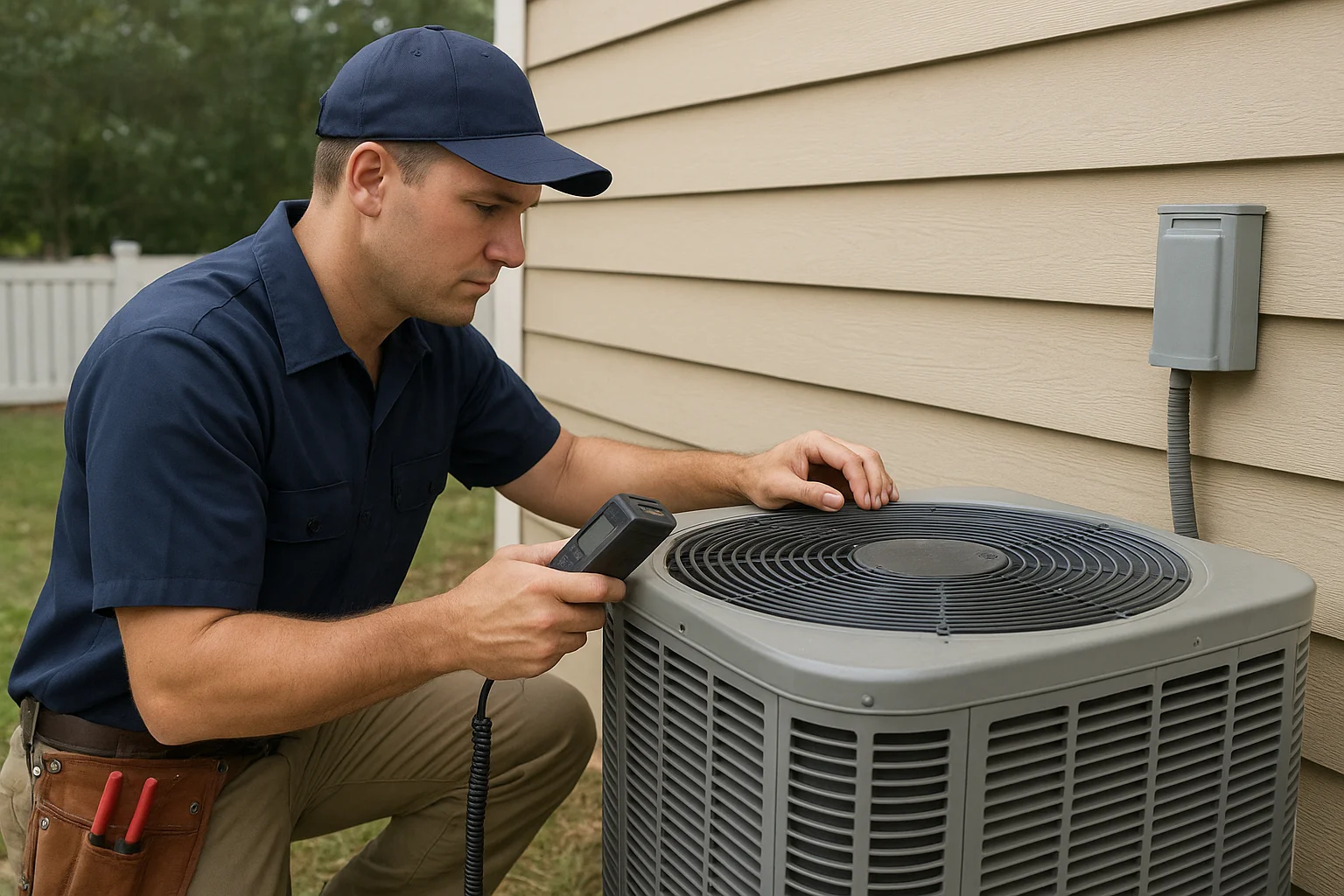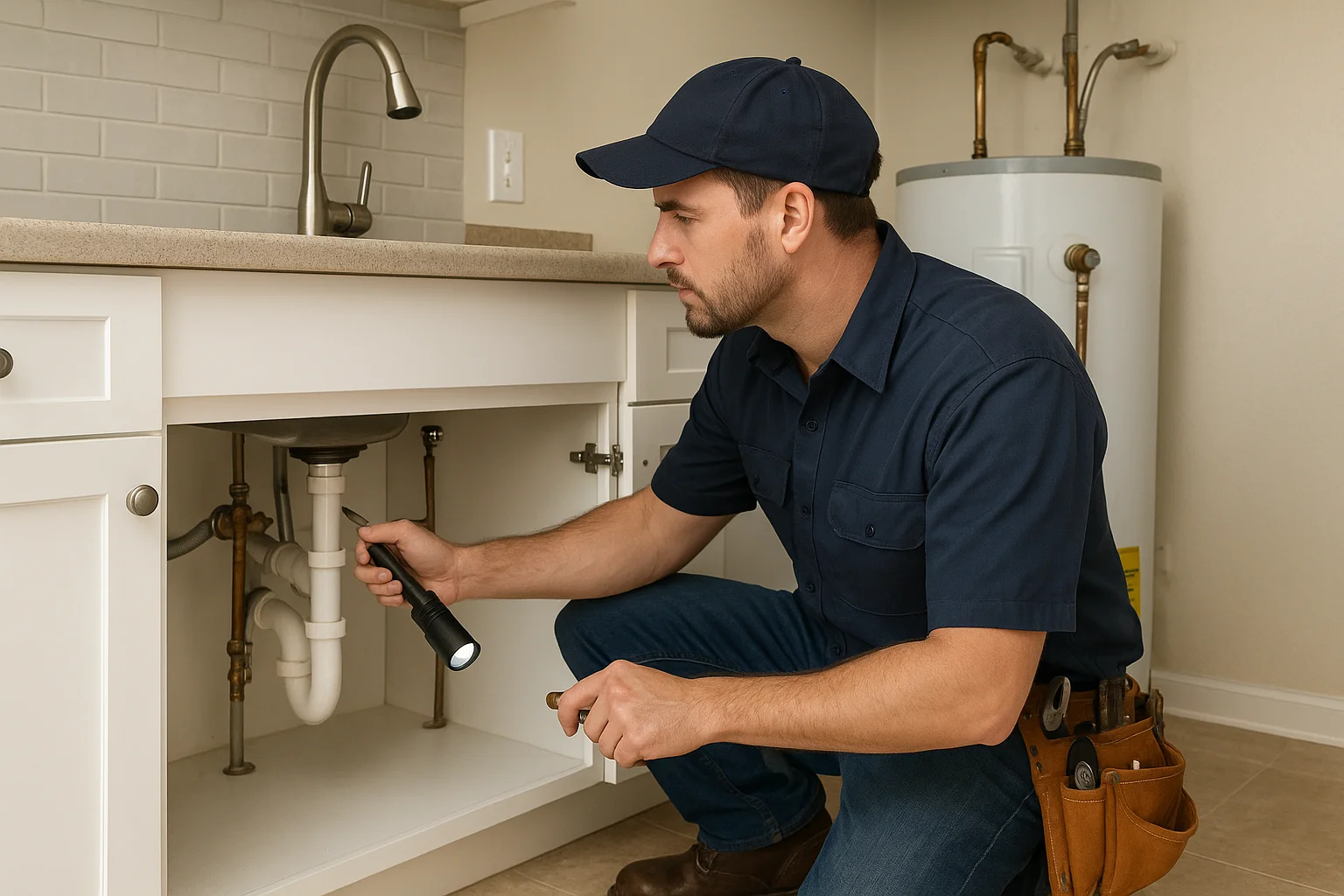
Niceville summers are no joke. Between Florida heat, heavy humidity, and salty air moving through coastal neighborhoods, your HVAC system works hard every day. Geothermal energy can help your heating and cooling run more efficiently by using the stable temperatures underground, but it does not make maintenance optional. The same issues that shorten the life of conventional systems can still show up in geothermal setups, especially when airflow, ductwork, indoor air quality, and condensate drainage are neglected.
This guide covers smart HVAC habits for homeowners using geothermal energy in Niceville, FL, plus the common causes of premature wear. If you are searching for geothermal energy services in Niceville, or you simply need residential HVAC service in Niceville, the goal is the same: keep the system operating within safe limits and prevent small problems from turning into emergency cooling concerns.
Why geothermal HVAC often runs differently in Niceville
Geothermal energy systems move heat using an indoor unit connected to a ground loop. Instead of pulling heat from outdoor air, the system relies on the earth’s more stable temperature. In practice, that can mean steadier operating conditions and less stress from extreme outdoor swings.
However, geothermal does not remove the HVAC fundamentals. Your system still has refrigerant components, filters, blower fans, coil surfaces, thermostats, ductwork, and condensate drainage. In Niceville’s humidity, the cooling cycle still has to manage moisture, and airflow still has to be correct to avoid coil icing, comfort issues, and strain on the refrigerant system.
What shortens the life of geothermal HVAC systems in humid Florida
Homeowners often assume geothermal systems fail because of the underground loop. In reality, many lifespan issues start indoors. Below are the most common wear drivers we see in the Niceville and broader Okaloosa County area, especially in homes built for Florida living.
1) Weak airflow from dirty filters or restricted ductwork
Airflow problems are one of the fastest paths to premature wear. When filters are clogged or ductwork is poorly sealed, the indoor coil does not get the airflow it needs. That can lead to higher operating pressures, uneven temperatures, and increased strain on the blower and refrigerant system.
In coastal climates, dust and pollen can accumulate quickly. If you notice rooms that run warmer or cooler than others, or if you hear the system working harder than usual, airflow is a likely culprit. Homeowners searching for air conditioning inspection near me or HVAC maintenance near me are often trying to catch this early.
What to do:
- Check and replace filters on schedule, especially during peak pollen and storm seasons.
- Watch for weak airflow from vents, unusual return airflow sounds, or persistent hot spots.
- If you suspect duct leakage, consider professional duct inspection near me before you assume it is “just the system.”
2) Poor humidity control and indoor air quality strain
Niceville’s humidity can be relentless. Even with geothermal energy, your indoor system must remove moisture during cooling. When humidity stays high, it can create conditions for mold growth in ductwork or on coil surfaces and can also make the system cycle more frequently.
High humidity also affects comfort and can lead to complaints like “the air feels cold but not dry.” That is a clue that the system may be struggling to dehumidify properly due to airflow issues, refrigerant balance problems, or condensate drainage problems.
For better indoor air quality, homeowners often ask about air filtration and dehumidifiers. The best approach depends on your home’s layout, ductwork condition, and comfort goals.
3) Condensate drainage problems that lead to coil and pan damage
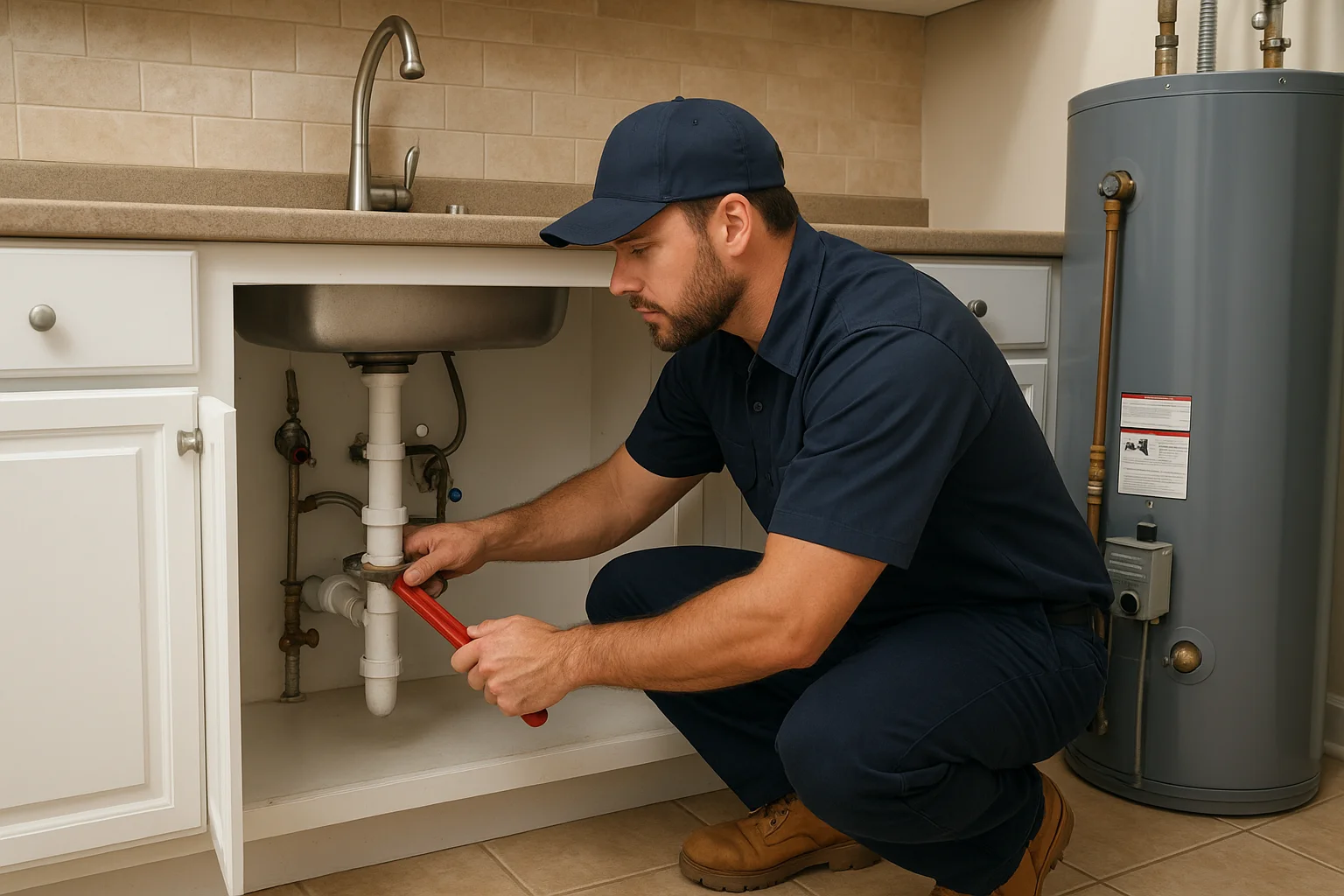
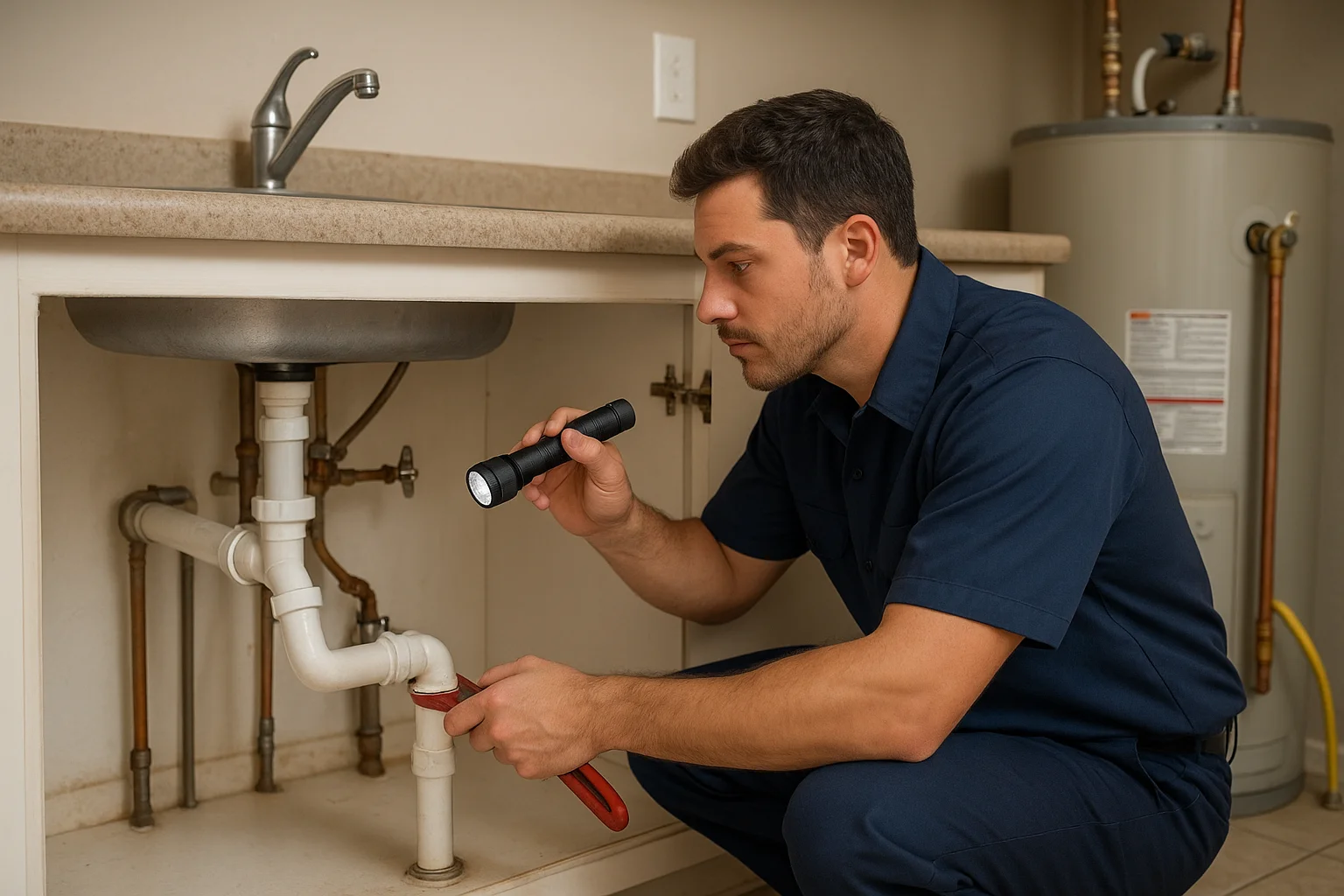
During cooling, geothermal indoor units produce condensate. If the condensate line is partially blocked, improperly routed, or the condensate pan is not draining as intended, water can back up. That can cause corrosion, microbial growth, and water damage that homeowners may not notice until the problem is advanced.
Signs include:
- Musty odors near the air handler or in closets where ductwork runs
- Water stains on ceilings or walls
- Unusual system shutdowns or safety trips
- Visible algae or buildup around the condensate area
Because condensate issues can affect reliability and indoor air quality, it is smart to include condensate drainage checks in your routine air conditioner service near me visits. This is also where professional maintenance can prevent leaks that damage nearby finishes.
4) Thermostat settings and control issues that cause short cycling
Your thermostat does not just “set a temperature.” It influences how long the system runs and how often it cycles. In humid Florida, short cycling can reduce dehumidification performance and increase wear on motors and components.
Common homeowner behaviors that contribute to short cycling:
- Changing setpoints repeatedly during the day
- Using schedules that do not match actual occupancy patterns
- Disabling dehumidification or fan behaviors without understanding how the system responds
If your system seems to start and stop frequently or never seems to reach stable comfort, a professional can evaluate thermostat operation and system control behavior. If you are considering thermostat installation near me, choose a qualified technician who can confirm compatibility with your geothermal HVAC controls.
5) Refrigerant system strain from airflow and maintenance gaps
Geothermal HVAC includes a refrigerant system that must operate correctly for safe and efficient performance. While homeowners should not attempt refrigerant diagnosis, it is important to understand how common maintenance gaps can contribute to refrigerant-related problems.
Examples include:
- Dirty coils and restricted airflow that change heat transfer
- Improper airflow across the indoor coil that affects system operation
- Air leaks in ductwork that cause uneven comfort and longer run times
If you see persistent temperature swings, ice on coils, or frequent system trips, contact a licensed HVAC professional for an in-person evaluation. Refrigerant issues require careful testing and should not be guessed from symptoms alone.
6) Coastal corrosion and salt air impacts
Niceville is part of Okaloosa County, where salt air and coastal conditions can accelerate corrosion on exposed components. Even though geothermal relies on the ground loop, the indoor unit and any outdoor-related components still need protection and proper maintenance.
Salt-laden air can also affect how dust and moisture collect on surfaces. That can increase buildup on coils and fans, adding resistance to airflow and reducing heat transfer.
What to do:
- Keep outdoor clearances maintained around any equipment that is exposed
- Ask about corrosion-aware maintenance during your HVAC maintenance visit
- Schedule seasonal inspections so small issues are handled before they spread
Smart maintenance habits that protect geothermal HVAC in Niceville
Geothermal energy can support efficient heating and cooling, but the system still needs routine checks to keep airflow, moisture control, and refrigerant system performance within expected ranges. Here are practical homeowner steps that pair well with professional service.
Replace filters and verify airflow quality
Start with the basics. Filters should be changed before they clog. If anyone in your home has allergies or asthma, you may also benefit from upgraded filtration and a plan for indoor air quality services.
If you are unsure whether your filter size or type is correct for your system, a technician can help confirm the right approach during air conditioning maintenance or a full inspection.
Keep registers and returns unobstructed
Furniture, rugs, and storage can block airflow. In Florida homes, closets and hallways often get used for storage, and it is easy to forget that supply and return paths need to stay open. Blocked airflow can reduce comfort and increase operating strain.
Watch condensate drainage during peak cooling
During hot, humid weeks, pay attention to drainage behavior. If you hear gurgling, smell mildew, or notice dampness, address it promptly. Condensate drainage issues can worsen quickly in the heat and humidity of Niceville.
Use thermostats intentionally
Instead of frequent setpoint changes, use a steady schedule aligned with your daily routines. If you have comfort issues, it is better to adjust settings thoughtfully or request a professional evaluation of airflow and controls than to keep “chasing” the temperature.
Plan for seasonal performance checks
In a climate with long cooling seasons, preventive HVAC maintenance helps catch problems before they become emergency needs. Homeowners searching for emergency AC repair near me often find out too late that a maintenance gap allowed a small drainage, airflow, or control issue to escalate.
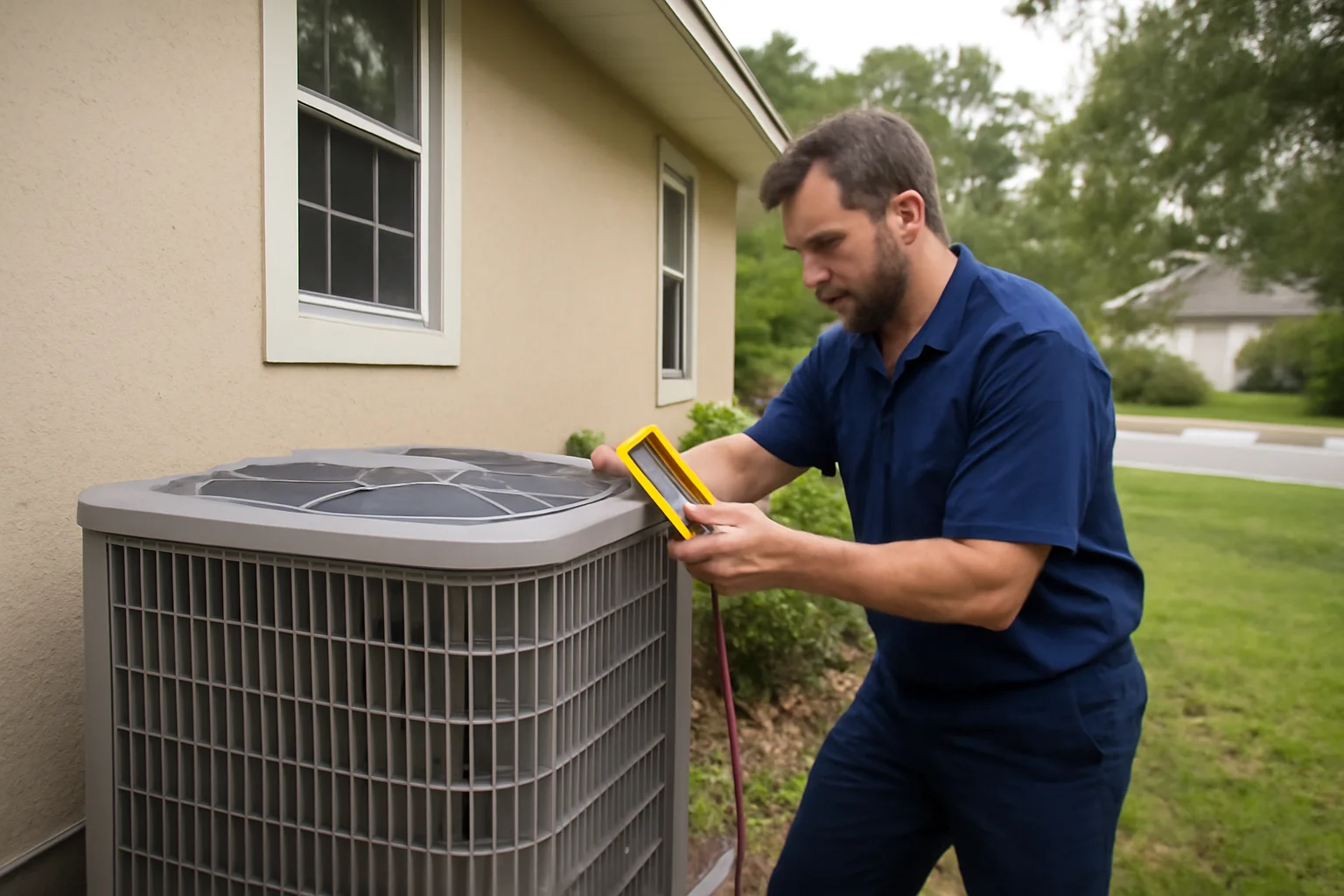
Professional inspections typically include verifying airflow, checking indoor coil conditions, reviewing thermostat operation, and examining condensate drainage. For geothermal systems, the technician may also assess components related to the indoor unit and system operation to ensure the system is behaving as it should.
Common geothermal HVAC complaints in Niceville homes
Geothermal systems can still show symptoms that look similar to conventional HVAC problems. Here are some homeowner-friendly clues that point to the need for professional evaluation.
Hot rooms and uneven cooling
Uneven temperatures can come from ductwork leaks, closed dampers, blocked returns, or airflow imbalance. If you suspect duct issues, ask about duct inspection near me before you consider major changes.
Air feels cold but humidity stays high
That often points to dehumidification performance problems. Airflow restrictions, condensate drainage issues, or control settings can all contribute. Addressing indoor air quality and humidity comfort together tends to produce better results than treating temperature alone.
Musty smells during cooling
Musty odors can be linked to moisture in the system, including condensate drainage problems. Since indoor air quality matters, it is worth scheduling an inspection rather than waiting for the smell to “go away.”
Short cycling or frequent starts
Short cycling can result from thermostat control behavior, airflow restrictions, or other system operation issues. A professional can confirm what is happening in your specific setup.
Why professional geothermal HVAC service matters more in coastal Florida
Niceville homes often combine older ductwork, tight construction, and humidity-heavy summers. Add salt air and the result is a system that can drift out of ideal performance if maintenance is delayed.
A licensed HVAC contractor can inspect the parts that homeowners cannot easily evaluate, such as coil condition, airflow pathways, condensate drainage function, and how the system is controlling across operating modes. This is also the safest way to handle refrigerant system concerns, since refrigerant diagnosis requires proper tools and careful procedures.
If you are looking for licensed HVAC contractor near me support, choose a provider that routinely services residential HVAC and can tailor maintenance to geothermal configurations. For many homeowners, that includes coordinating comfort, humidity, and airflow improvements alongside preventive HVAC maintenance.
Where ductwork and indoor air quality fit into geothermal longevity
Ductwork influences both comfort and system wear. When ducts leak or airflow is unbalanced, the system may run longer to reach setpoints, which can increase wear over time. In humid Florida, poor duct conditions can also worsen indoor air quality by trapping moisture and dust.
If you are considering duct-related work, a good first step is professional inspection. Some homeowners search for duct cleaning near me when comfort issues feel “mysterious,” but cleaning is not always the right fix. The right approach depends on what is actually happening in your ducts and how the air handler is operating.
For homeowners focused on moisture and filtration, pairing geothermal maintenance with indoor air quality improvements can help you get more consistent comfort while protecting the system from strain.
How to tell it is time for help, not DIY troubleshooting
Geothermal HVAC is a system, not a single component. If you see any of the following, schedule an in-person evaluation rather than trying to self-diagnose.
- The system will not maintain temperature or cycles erratically
- You notice ice formation on coils or persistent abnormal operation
- There are signs of condensate leakage, standing water, or repeated safety shutdowns
- Airflow is weak even after filter changes
- There is a strong musty odor that returns after cleaning attempts
- You suspect refrigerant-related performance issues
Homeowners searching for air conditioning repair near me often benefit from a service visit that checks airflow, moisture control, condensate drainage, and system control behavior as a connected set of issues. That approach helps prevent unnecessary parts replacement and focuses on the real cause.
Planning for the long run: replacements, upgrades, and comfort goals
Even with careful maintenance, every HVAC system eventually reaches the point where repair decisions need to be weighed against system replacement. In geothermal energy setups, replacement decisions should be based on the performance of the indoor unit, the condition of the ductwork and airflow pathways, and how well the system meets your comfort and humidity goals.
Instead of jumping to replacement immediately, start with a thorough assessment. A professional can help you understand whether the issue is isolated, whether your comfort problems point to airflow or ductwork concerns, or whether the system is showing broader wear.
If your home needs broader comfort improvements, you may also explore options like humidity-focused upgrades and filtration. For example, homeowners often pair maintenance with equipment and comfort planning by reviewing resources such as Keeping Niceville Cool Starts with Better AC Maintenance and Smart HVAC Planning for Rosemary Beach Homes: Comfort, Airflow, and Coastal Protection.
For moisture-heavy homes, it can also help to review Why Better HVAC Maintenance Matters for Whole Home Dehumidifiers in Sandestin, since humidity control and airflow work together across many HVAC designs.
Getting geothermal HVAC support in Niceville and Okaloosa County
If you want geothermal energy services in Niceville, you can start by matching the right service to your needs. For geothermal system performance and ongoing care, use this geothermal energy service page to connect with local expertise. For a broader view of service options in the area, visit the Niceville service area and Okaloosa County.
Geothermal energy can be a smart choice for heating and cooling in Florida, but the system still depends on clean airflow paths, reliable condensate drainage, well-tuned thermostat control, and indoor air quality practices. When those pieces stay aligned, your HVAC tends to run more smoothly and you reduce the chances of a mid-summer breakdown.
If you are dealing with discomfort, humidity, airflow concerns, or you are planning preventive HVAC maintenance, A Superior Mechanical can help you map out a maintenance plan that fits your Niceville home and your geothermal setup.
Helpful local service links
- Heat Pump Services
- Property Management HVAC Services
- Air Conditioning Maintenance
- Air Filtration and Dehumidifiers
Find Geothermal Energy in Niceville, FL
If you need Geothermal Energy in Niceville, FL, visit our local service page or contact A Superior Mechanical today.
Map of Niceville, FL
Frequently Asked Questions
Does geothermal energy eliminate the need for HVAC maintenance in Niceville?
No. Geothermal can improve how your system sources heat, but it still relies on airflow, clean coils, working condensate drainage, and properly functioning refrigerant components. Preventive HVAC maintenance helps prevent humidity and airflow issues that shorten system life.
What are the most common reasons geothermal HVAC systems wear out early in humid Florida?
Weak airflow from dirty filters or ductwork issues, poor humidity control, condensate drainage problems, and thermostat control that causes short cycling are common wear drivers. Salt air can also contribute to corrosion and buildup on components.
How do I know if my geothermal system has a condensate drainage problem?
Look for musty odors, water stains, gurgling sounds, or repeated shutdowns. Since condensate issues can affect indoor air quality and equipment condition, schedule an in-person inspection rather than troubleshooting yourself.
Can I fix airflow or refrigerant issues without professional help?
You can handle basic tasks like replacing filters and keeping vents and returns unblocked. Refrigerant and refrigerant system performance concerns should be evaluated by a licensed HVAC contractor, because a correct diagnosis requires proper testing and safe procedures.
What should I ask for during an air conditioning inspection near me?
Ask the technician to check airflow across the indoor coil, verify thermostat and control operation, inspect condensate drainage, and review indoor air quality factors like humidity performance and filtration. If ductwork problems are suspected, request duct inspection as part of the assessment.
Related Articles
- Keeping Niceville Cool Starts with Better AC Maintenance
- Smart HVAC Planning for Rosemary Beach Homes: Comfort, Airflow, and Coastal Protection
- Why Better HVAC Maintenance Matters for Whole Home Dehumidifiers in Sandestin
- Why Commercial HVAC Service Matters in Ocean City Homes and Mixed-Use Properties
Photo Gallery