Lower Grand Lagoon homes rely on clean, comfortable water for everything from quick morning showers to family dinners and laundry day. When water softening services are working the way they should, you should see fewer hard water spots, better soap performance, and more consistent appliance performance. When they are not, the symptoms show up fast: scale around faucets and showerheads, soap that does not lather or rinse well, and even changes in taste and odor.
Lower Grand Lagoon is in Bay County, and local water conditions can be tough on plumbing and water-using appliances. If you notice hard water spots on glass, hard water spots on dishes, or visible sediment and discoloration, the issue is often not just the water itself. It can also be how the system is set up, maintained, or matched to your household’s water use.
Why Lower Grand Lagoon water softening can start to struggle
A water softener is designed to reduce hardness minerals, mainly calcium and magnesium, so they do not form scale. But several factors can interfere with that process. Sometimes the system is undersized for the home, sometimes the salt and settings are off, and sometimes scale has already built up in pipes, fixtures, or the unit itself.
In coastal Florida climates, humidity and frequent water use patterns can also matter. Vacation rentals may see heavy use in short bursts. Homes with larger households may cycle the system more often. All of that affects regeneration schedules, salt consumption, and overall performance.
If you are searching for water treatment near me, water filtration near me, or hard water treatment in Lower Grand Lagoon, it helps to know what can cause problems with water softening services before you assume the water supply changed.
Hard water spots on glass, dishes, and fixtures
One of the clearest signs that water softening is not working is spotting. You may see:
- Hard water spots on glass after rinsing a drinking glass or shower door
- Hard water spots on dishes that appear cloudy or rough even after running the dishwasher
- Scale buildup around faucets, showerheads, and plumbing connections
These issues often point to one or more of these causes:
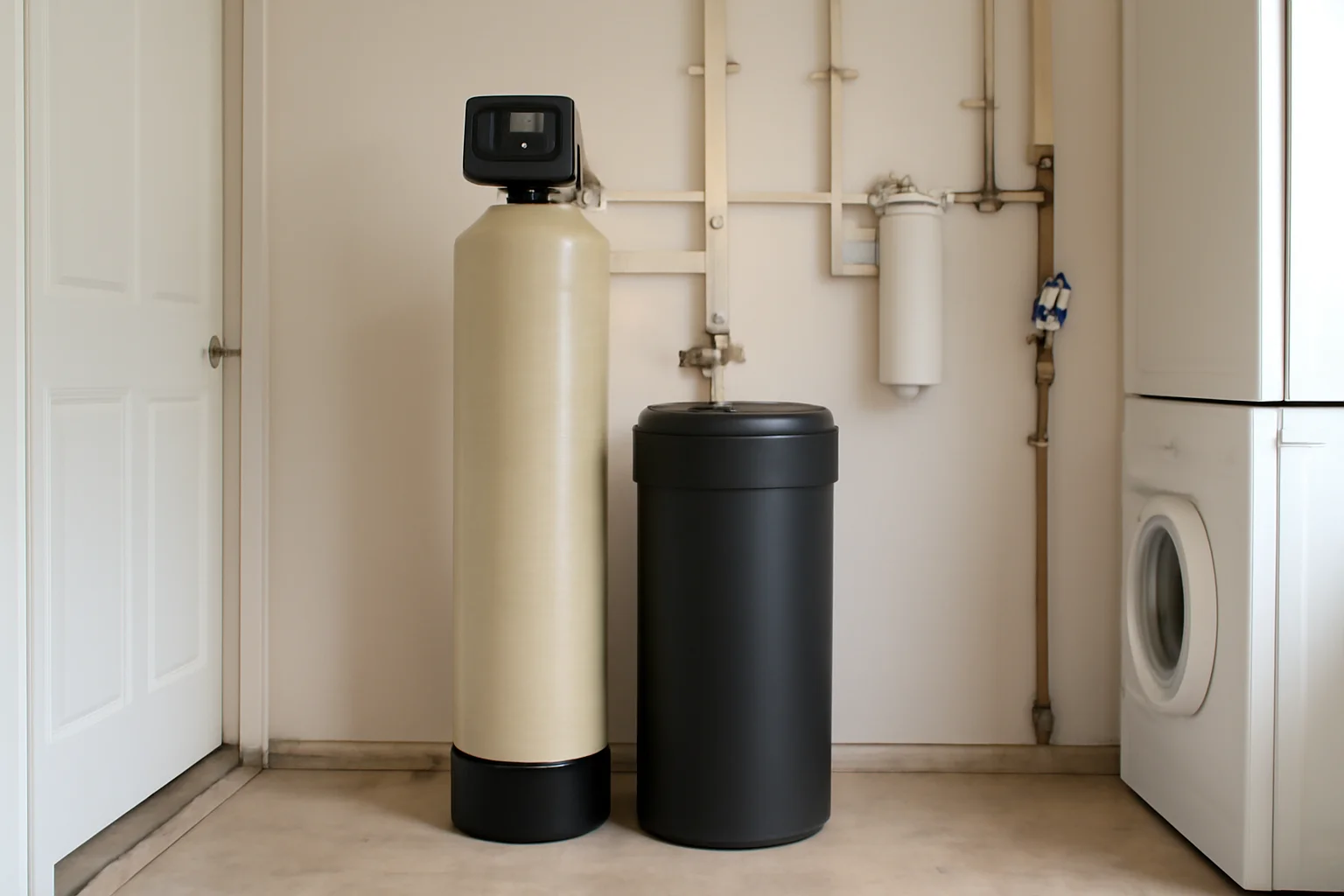
- Salt level is too low or salt type is not appropriate for your system. A properly maintained AO Smith water softener depends on consistent brine production.
- Regeneration settings are incorrect. If the softener regenerates too infrequently, hardness can slip through. If it regenerates too often, you may waste salt and still not get the results you expect.
- Clogging or scale buildup inside the unit. Even a good system can struggle if hardness minerals have already accumulated in internal components.
- Undersized equipment. A smaller unit may handle water use for a while, then fall behind when the household grows or water use increases.
When hard water treatment becomes part of protecting fixtures and appliances, the goal is consistent softness. Spots and scale are your visual reminder that consistency is missing.
Dry skin or dull hair after bathing
Soft water is easier on skin and hair because it helps soap and shampoo work the way they are meant to. When softness drops, you may notice:
- Skin feels dry or tight after showering
- Dull hair or residue that feels hard to rinse out
- Soap that does not rinse cleanly
For families, this can be more than an inconvenience. Picture an evening routine where everyone tries the same shampoo and body wash, but the rinse feels off. That is often when homeowners realize their water softener service needs attention.
Another related clue is that your soap does not lather or rinse well. With harder water, soap can react with minerals, leaving a film instead of a clean rinse.
Metallic, chlorinated, or unpleasant taste and odor concerns
Water softeners focus on hardness, not on every type of taste and odor issue. Still, when you have “water quality” complaints, you should consider both softening and filtration together.
Homeowners may report:
- Metallic tasting water or a strange aftertaste
- Water that tastes chlorinated even after it sits
- Visible sediment or discoloration that comes and goes
- Odor concerns that show up in drinking water or cooking water
Sometimes taste and odor complaints are tied to the water source or how the water is treated before it reaches your home. Other times, they are linked to sediment in the plumbing, old filters, or a need for additional treatment.
If your household is asking for better drinking water and you are already running a softener, adding or upgrading whole home water filtration or a dedicated drinking water filter can make a noticeable difference. Many homeowners also explore reverse osmosis for the kitchen, especially if they want cleaner drinking water and better cooking water.
Cloudy ice cubes and poor tasting coffee
Cloudy ice cubes are a common complaint. They can happen when water contains dissolved minerals, tiny particles, or other contaminants that do not settle out. You might also see that your:
- Ice cubes look cloudy or cloudy around the edges
- Coffee tastes off, flat, or inconsistent
- Cooking water affects the flavor of soups, pasta, and rice
Lower Grand Lagoon households often use their kitchen water daily, so taste changes become obvious fast. If you are searching for home water purification near me, it is worth remembering that softening and filtration can work together. Softening can reduce scale and improve feel on skin, while filtration can target different particles and taste concerns.
Appliances wearing out faster
Scale does not just show up on fixtures. It builds up inside water heaters, dishwashers, and other appliances that use hot or heated water. Over time, that can lead to:
- Water heater working less efficiently
- Dishwashers that do not clean as well
- Shorter appliance lifespans due to mineral deposits
Homeowners sometimes only connect the dots after they replace equipment sooner than expected. When you maintain water softening services properly, you help protect the inside of appliances where scale forms first.
Soap does not lather, rinse, or clean the way it used to
If your laundry or bathing routine feels different, pay attention to how soap behaves. Hard water can cause soap to bind with hardness minerals, leaving residue. You may notice:
- Soap does not lather as expected
- Shower and sink surfaces feel slick or filmy
- Clothes do not feel as clean, especially in heavily soiled loads
For many families, this becomes a “little problem” that turns into a bigger one, because the solution often seems like using more soap. When you address the water softness first, you usually get a cleaner result with less product.
Visible sediment, discoloration, and odor concerns
Sometimes the problem is not only hardness. You may see:
- Visible sediment in sinks or tubs
- Discoloration that looks brownish or cloudy
- Odor concerns that show up in specific fixtures
Softening can help with scale, but it will not necessarily remove sediment or all taste and odor compounds. That is where whole home water filtration, a drinking water filter, or a reverse osmosis system near you can play an important role.
If you are dealing with sediment or recurring odor, it is smart to have a water professional evaluate your setup. You want the right combination of treatment, not a trial-and-error approach that can waste time and money.
Common causes behind softener performance problems
1) Salt and brine issues
For an AO Smith water softener, consistent brine production is critical. Problems can come from:
- Salt bridging in the tank
- Salt that is not dissolving properly
- Low salt levels that lead to incomplete regeneration
Even if the system is running, poor brine formation can lead to hardness slipping through and showing up as hard water spots on glass and fixtures.
2) Incorrect settings or regeneration schedule
Softener settings should match your household’s water use. When they do not, you may see:
- Hardness not being reduced enough, leading to scale around faucets and showerheads
- Over-regeneration, which can increase salt use without improving results
Lower Grand Lagoon homes with changing occupancy, such as vacation rentals, often benefit from a review of water softener service based on actual usage patterns.
3) Scale buildup in and around the system
When hardness has been getting through for a while, scale can build up where it should not. That can include:
- Internal softener components
- Plumbing lines feeding fixtures
- Showerheads and faucet aerators
In those cases, simply “topping off salt” may not fix the performance gap quickly. A professional service visit can help restore proper operation and address lingering scale.
4) Water chemistry that calls for more than softening
Some homeowners think the softener is the only piece of the puzzle because it is the most visible equipment. But taste, odor, sediment, and cloudy ice cubes can point to additional treatment needs.
This is where AO Smith water filtration and other filtration options can complement softening. Many households choose whole home water filtration for consistent performance, then add reverse osmosis installation for drinking and cooking.
How homeowners can spot the problem early
You do not need lab tests to notice performance changes. Keep an eye on a few practical indicators:
- New hard water spots on glass or dishes after normal use
- Scale buildup around faucets, showerheads, and plumbing connections
- Soap does not lather or rinses poorly
- Dry skin or dull hair after bathing
- Cloudy ice cubes or a noticeable taste shift in coffee and cooking water
If more than one of these shows up, it is a good time to schedule water treatment service rather than waiting for the issue to get worse.
Solutions that often work for Lower Grand Lagoon homes
The best fix depends on what is causing the symptoms. A local water treatment professional can evaluate your water softening system, then recommend the right blend of treatment for your home.
Water softener service, repairs, and maintenance
When the issue is softener performance, service can include checking salt and brine operation, verifying settings, inspecting components, and cleaning or restoring function. For homeowners searching for water softener service near me, timely maintenance can prevent hardness from continuing to slip into your plumbing.
If you have an AO Smith water softener, using a service approach that respects the system design matters. The goal is stable, repeatable softening that protects fixtures, appliances, and your daily routines.
Whole home water filtration for taste, odor, and consistency
If you are seeing odor concerns, sediment, or inconsistent drinking water quality, whole home water filtration can help protect plumbing and improve water quality throughout the house. This is often a strong match for households that want “clean water systems” performance beyond scale reduction.
For homeowners looking for water filtration near me, whole home filtration can reduce the burdens that show up in laundry, bathing, and kitchen use.
Reverse osmosis for drinking water and cooking water
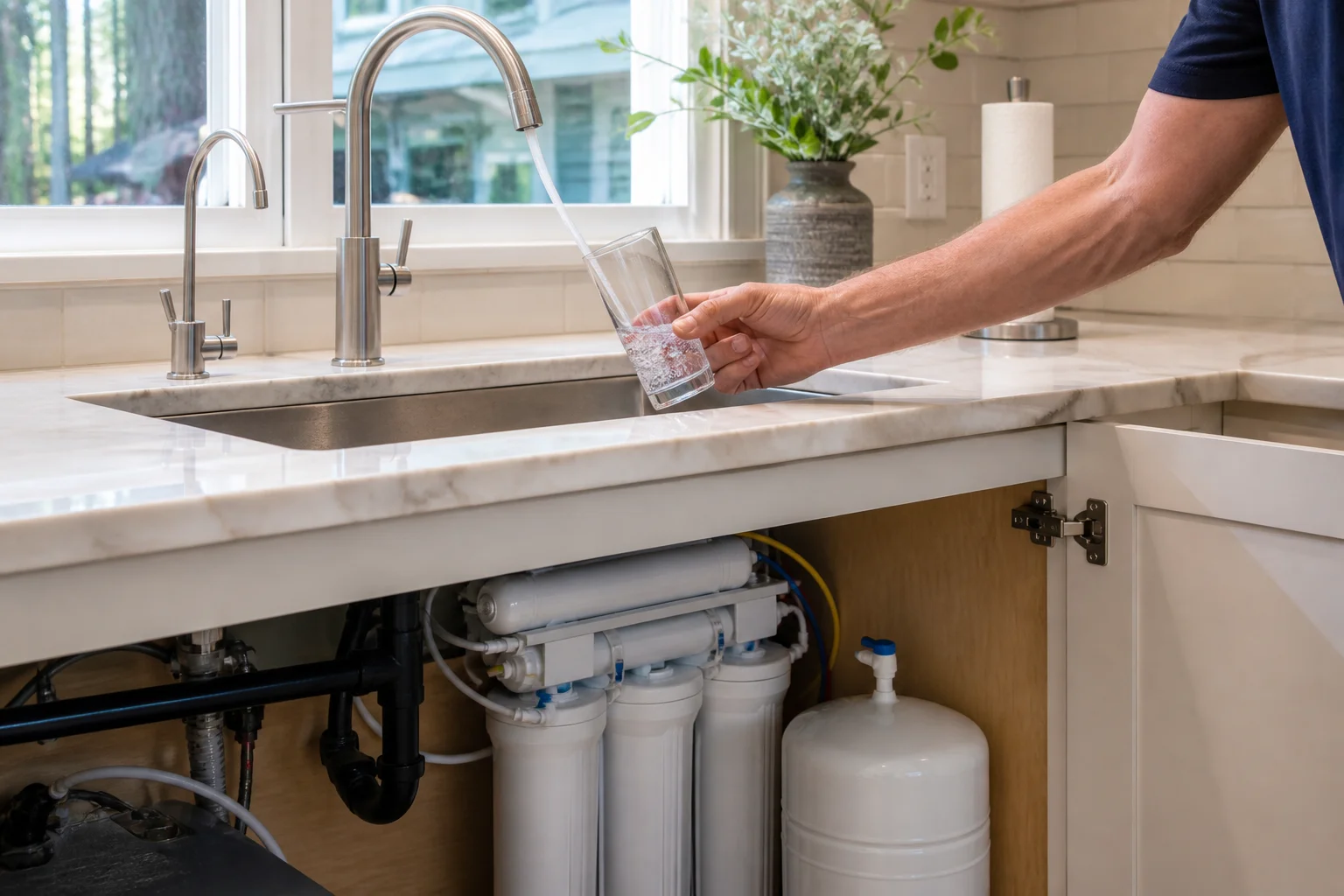
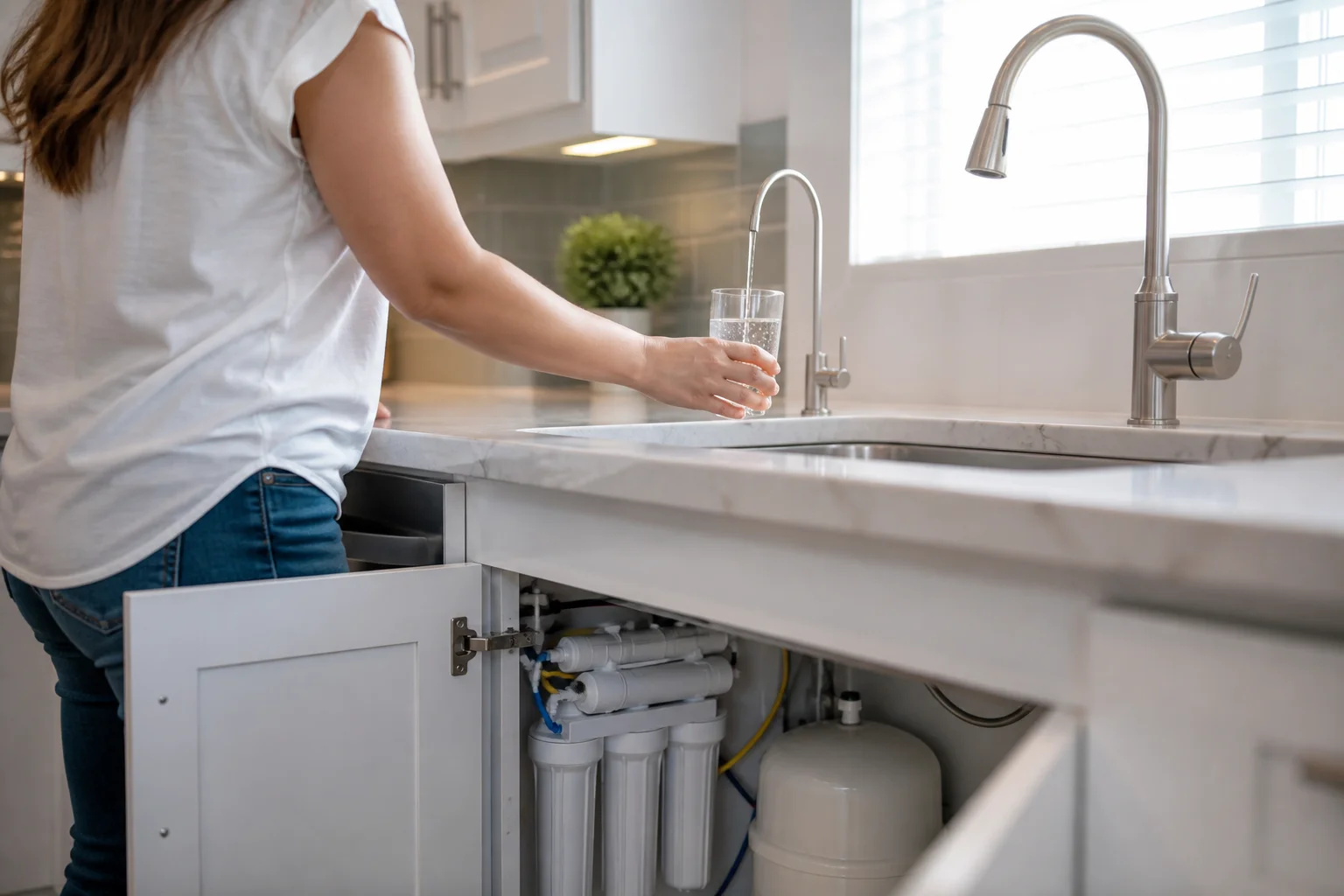
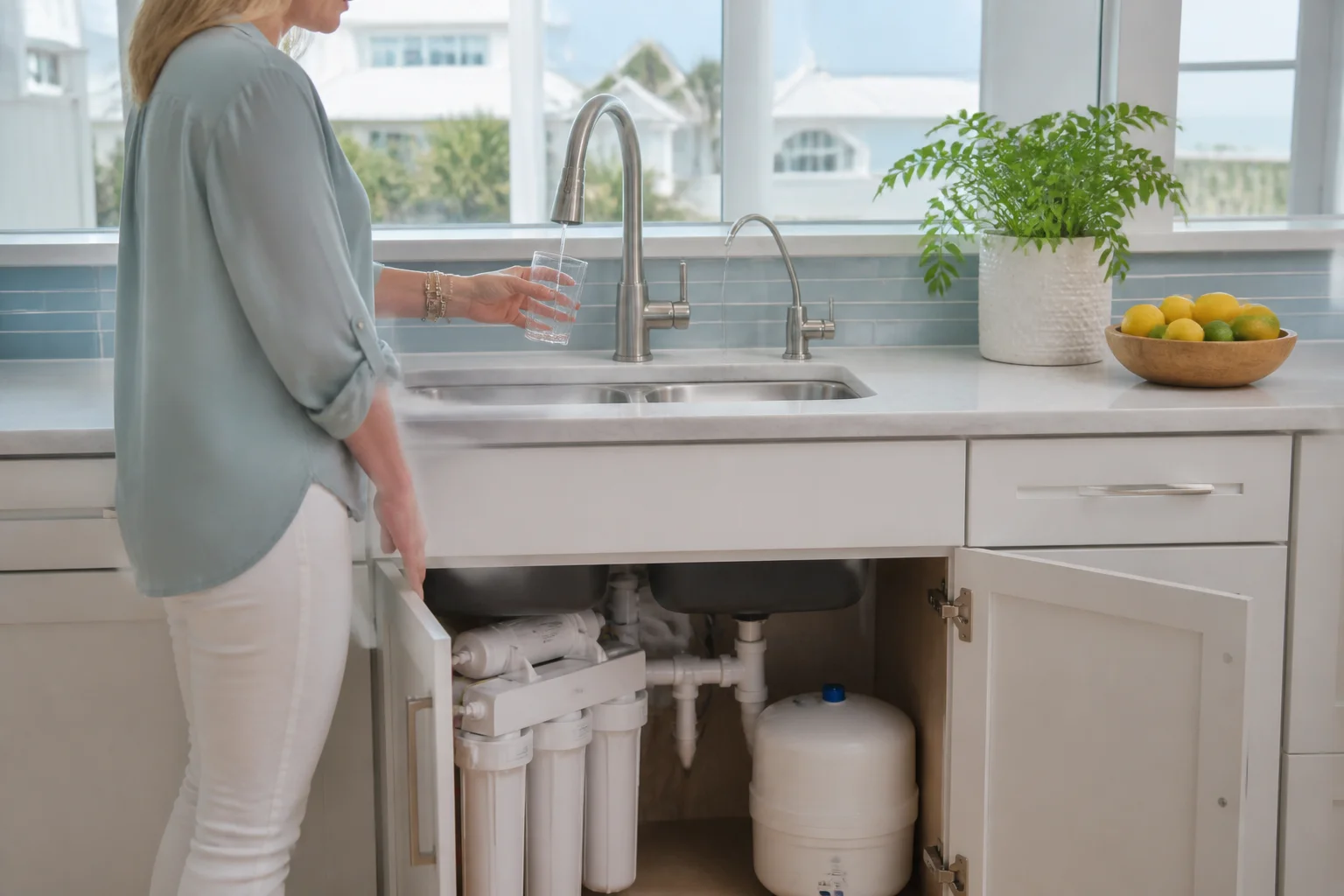
Many families want the best-tasting water for drinking and cooking. A reverse osmosis system near me can provide a focused solution for the kitchen. With reverse osmosis, you can reduce a wider range of dissolved impurities that may contribute to metallic tasting water, unpleasant taste, or cloudy ice cubes.
Lower Grand Lagoon households often notice the difference right away with better drinking water, better coffee, and more consistent cooking water.
Pairing softening with filtration
Softening and filtration work best as a team when your home has multiple concerns. Softening helps protect fixtures and appliances from scale. Filtration helps address taste, odor, and sediment concerns that a softener alone will not fully solve.
If you are exploring home water purification near me, it is usually more effective to plan the system around your actual symptoms instead of treating only hardness.
Why local service matters in Lower Grand Lagoon and Bay County
Water treatment is not one-size-fits-all. Lower Grand Lagoon homes can have different plumbing ages, water usage patterns, and household demands. Vacation rentals may see fast changes in occupancy. Family homes may have steady daily use and heavier shower and laundry demand.
Local service helps ensure your water softening services match your home’s needs. It also helps you avoid common troubleshooting mistakes, like replacing filters or adjusting settings without confirming the root cause. For many homeowners, the right local approach means fewer hard water spots, better bathing comfort, and more reliable appliance performance.
Where to start with water softening and filtration in Lower Grand Lagoon
If you are ready to improve water quality, you can begin by reviewing the specific water softening options for the area. Learn more about water softening services in Lower Grand Lagoon from A Superior Mechanical, including AO Smith water softener installation, repairs, and maintenance.
If your goals include better drinking water, cleaner kitchen water, and a broader approach to clean water systems, explore water filtration and RO water softeners. It is also helpful to understand the full local context on the Lower Grand Lagoon service area page, and if you want broader Bay County guidance, visit Bay County service information.
Homeowners often find it useful to connect water treatment decisions with overall plumbing protection. You may also like Cleaner Water, Better Plumbing: Why Filtration Matters in Lower Grand Lagoon Homes and Making Smarter Plumbing Maintenance Decisions in Lower Grand Lagoon Homes.
If you are maintaining a home or rental property, reviewing Staying a Step Ahead of Plumbing Emergencies in Lower Grand Lagoon can also help you prioritize prevention. And for homeowners who are coordinating treatment with other water-related work, What Lower Grand Lagoon Homeowners Should Know About Waterline Services offers additional context.
Find Water Softening Services in Lower Grand Lagoon, FL
If you need Water Softening Services in Lower Grand Lagoon, FL, visit our local service page or contact A Superior Mechanical today.
For a broader look at whole-home water filtration, reverse osmosis, and water softener options, visit our water filtration, RO, and water softener page.
Map of Lower Grand Lagoon, FL
Frequently Asked Questions
Why do I still have hard water spots on glass even though I have a water softener?
Hard water spots on glass can mean your softener is not producing enough brine, the regeneration schedule is set incorrectly, or scale has already built up in fixtures and plumbing. A water treatment professional can check settings, salt performance, and system operation.
Can a water softener fix metallic tasting water or cloudy ice cubes?
A water softener primarily targets hardness and scale. Metallic taste, unpleasant odors, and cloudy ice cubes often require additional filtration. Many homeowners pair softening with whole home water filtration or add reverse osmosis for drinking water and cooking water.
How do I know if I need whole home water filtration versus reverse osmosis?
If you are noticing odor, sediment, or inconsistent water quality throughout the home, whole home water filtration is often a good fit. If your main goal is better drinking water for the kitchen, reverse osmosis is commonly chosen for cleaner water at the tap.
How often should an AO Smith water softener be serviced in Lower Grand Lagoon?
Service frequency depends on household water use, salt performance, and how the system is operating. Many homeowners benefit from routine checks that include verifying settings, inspecting components, and confirming proper regeneration, especially for vacation rentals with changing occupancy.
Related Articles
Photo Gallery