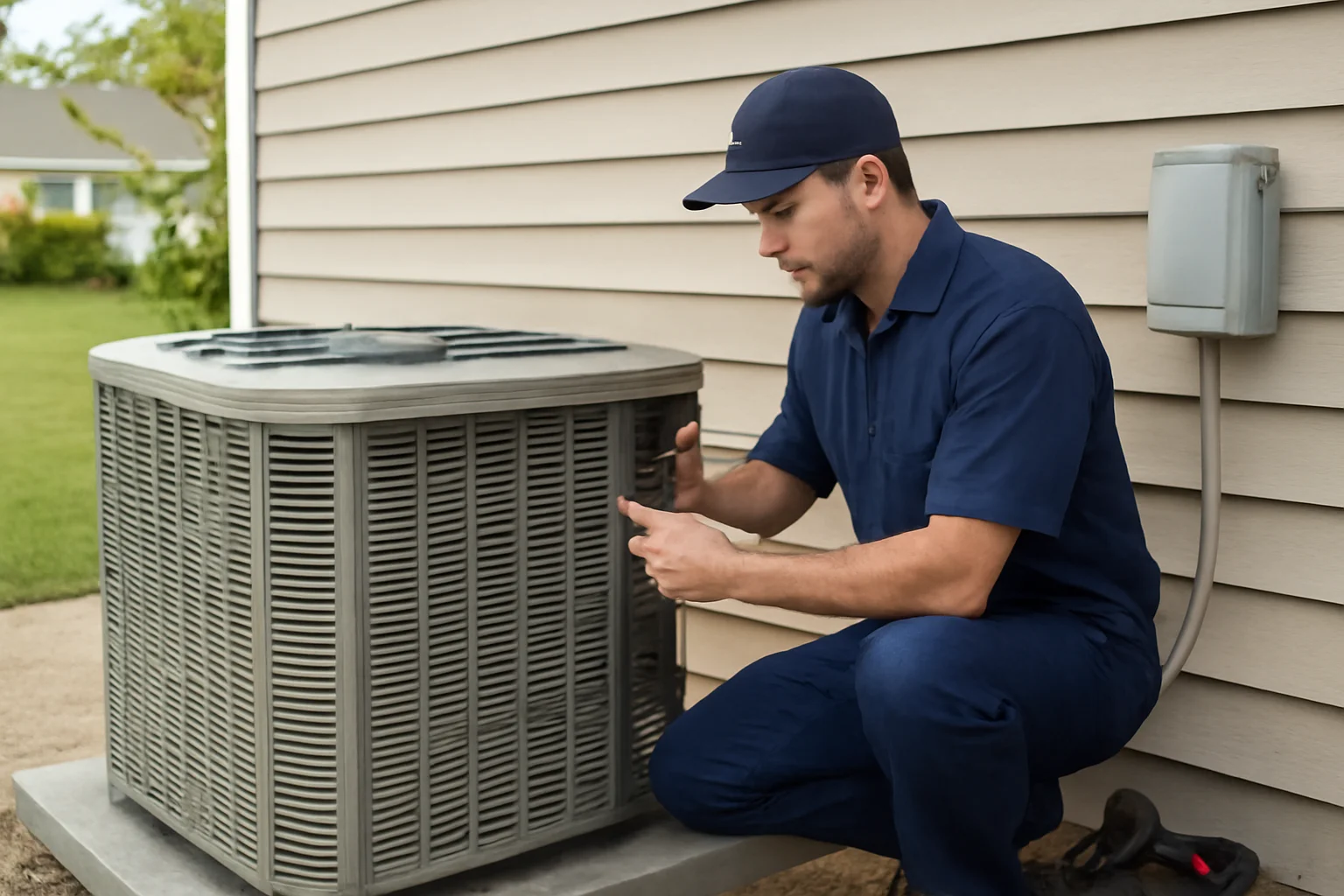
DeFuniak Springs homeowners know how quickly comfort can disappear. One day the air feels fine, and the next day the home is too warm, the heat pump or air conditioner is running nonstop, or airflow feels weak. In Walton County, Florida, heat and humidity work together with everyday wear to stress refrigerant systems, thermostats, ductwork, and condensate drainage. When those issues build quietly, they often turn into the kind of emergency HVAC services call that no homeowner wants to make.
This guide explains the warning signs connected to emergency HVAC services in DeFuniak Springs, FL, and what typically shortens HVAC system life. You will also see practical steps to reduce risk with preventive HVAC maintenance, plus when it is time to call a local HVAC technician.
Why DeFuniak Springs HVAC systems wear out faster when problems are ignored
Florida summers are not just hot. They are humid, and that humidity can intensify strain on air conditioning systems and heat pumps. When indoor moisture is high, cooling equipment must work harder to remove humidity and maintain comfortable indoor air quality. If airflow is restricted, refrigerant systems do not perform as designed. If condensate drainage is slow or blocked, moisture can build where it should not.
DeFuniak Springs also has housing styles that vary, from older homes with aging ductwork to newer builds with tighter envelopes. Either way, ductwork and airflow matter. If ducts leak, are undersized, or are coated with debris, the system can cycle oddly, run longer, and experience additional stress.
Salt air is common across the region, and while it does not automatically destroy HVAC equipment, coastal moisture exposure can contribute to corrosion over time, especially on outdoor components. That is one reason professional local HVAC service matters. A licensed HVAC contractor near me can spot patterns that indicate a system is being pushed beyond its normal limits.
Emergency HVAC warning signs that often point to deeper system strain
Not every HVAC issue is an emergency, but certain symptoms are strong indicators that the system is already under abnormal stress. Homeowners searching for HVAC repair near me often notice these problems right before a shutdown, a spike in energy use, or a loss of cooling.
1) Warm air or weak airflow, especially when the system runs continuously
Weak airflow can come from dirty filters, blocked return vents, failing blower components, or duct restrictions. In humid Florida weather, weak airflow makes humidity control harder. The system may run longer to achieve the same comfort level, which shortens component life.
When airflow is low, the refrigerant system can become less stable because the heat transfer process is not happening efficiently. A homeowner may only notice that it feels warmer indoors, but the strain is happening behind the panels.
If you are dealing with air conditioning service needs, start with basic checks like verifying the filter condition and ensuring vents are not obstructed. If the issue continues, an emergency HVAC services technician can evaluate airflow paths, blower operation, and system performance.
2) Short cycling or frequent on off behavior
Short cycling, where the system turns on and off repeatedly, is a common precursor to breakdowns. It can be caused by thermostat issues, airflow problems, refrigerant system imbalance, or control problems. In Florida heat, short cycling often shows up as inconsistent cooling, temperature swings, and higher energy use because the system is constantly restarting.
Frequent cycling increases wear on compressors and electrical components. Even if the unit still “works,” the stress can accumulate quickly. Homeowners who wait for “another day” sometimes end up with an emergency cooling concern that is harder to resolve.
3) Frosting or ice on indoor coils or outdoor components
Frost or ice can develop when the system is not moving heat properly. That can happen with restricted airflow, dirty coils, or refrigerant system performance issues. In a humid climate, ice formation is a warning that the system is not managing temperature and moisture correctly.
Do not try to melt ice quickly with heat sources or by running the system in ways it was not designed for. An air conditioning repair near me professional can inspect airflow, coil conditions, and related components in person.
4) Water leaks, pooled condensate, or clogged condensate drainage
Condensate drainage is critical for AC performance and indoor air quality. When the drain line is clogged or the condensate pan overflows, water can leak indoors. That can lead to moisture problems, musty odors, and damage to nearby materials.
In DeFuniak Springs humidity, drain issues can worsen quickly. A blocked condensate line may also affect system operation and can contribute to shutdowns. If you see water near the air handler or hear gurgling during cooling, treat it as an urgent reliability concern.
For homeowners searching for duct repair near me or broader HVAC service near me, it is important to remember that moisture problems are not always “just a leak.” Drain and airflow are connected, and both should be assessed during service.
5) Unusual noises: grinding, rattling, squealing, or loud buzzing
Some noises are normal during startup, but persistent grinding, rattling, or loud buzzing can signal failing components. Outdoor units can develop issues from debris buildup or wear. Indoor units can produce abnormal sounds from blower problems or loose components.
When noises show up alongside reduced cooling, it may indicate that the system is struggling. Ignoring those sounds can lead to more severe failures and longer repairs later.
6) Thermostat problems that prevent stable comfort
Thermostats control when the system runs and how it cycles. A thermostat that is inaccurate, miscalibrated, or malfunctioning can cause the system to run too long, cycle too frequently, or fail to respond to cooling demand. In a humid climate, that can increase energy use and contribute to indoor air quality issues.
If the thermostat display seems wrong or the system does not respond as expected, do not assume it is “just user error.” A technician can confirm thermostat operation and verify that the HVAC controls are working as designed.
7) Sudden system shutdowns or repeated error codes
Many modern systems will show a warning or stop running when a protective limit is reached. That can happen due to airflow restrictions, refrigerant system performance issues, electrical component stress, or control board faults. A shutdown is not a minor inconvenience. It is the system telling you it is not operating within safe parameters.
When cooling stops during peak humidity, the indoor environment can become uncomfortable quickly. That is why emergency HVAC services exist. If your system shuts down repeatedly and you cannot restore cooling safely, it is time to call a local HVAC technician.
What causes these warnings, and why they shorten HVAC life
Most emergency-level symptoms are connected to a few major categories. Understanding them helps homeowners ask better questions and recognize when an “easy fix” is unlikely.
Restricted airflow through filters, returns, and ductwork
Airflow restrictions are one of the most common drivers of premature HVAC wear. Dirty filters, blocked returns, closed vents that should remain open, and duct leakage can all reduce airflow. When airflow is restricted, the system has to work longer to move the same amount of air.
In DeFuniak Springs, restricted airflow also impacts humidity removal. That can lead to higher indoor moisture levels, which affects comfort and indoor air quality.
If you suspect ductwork is contributing to problems, consider whether duct cleaning near me is appropriate for your situation. Duct cleaning can help in certain cases, but it is not a universal fix. An HVAC professional can assess whether ductwork issues are airflow related and whether duct repair is needed. For some homes, older duct layouts may also contribute to poor performance. If ductwork is beyond practical repair, homeowners may consider duct replacement.
Refrigerant system stress and performance instability
Refrigerant systems rely on proper airflow and correct system operation. When the system is not transferring heat as it should, refrigerant performance can become unstable. That can contribute to symptoms like frosting, inconsistent cooling, and repeated shutdowns.
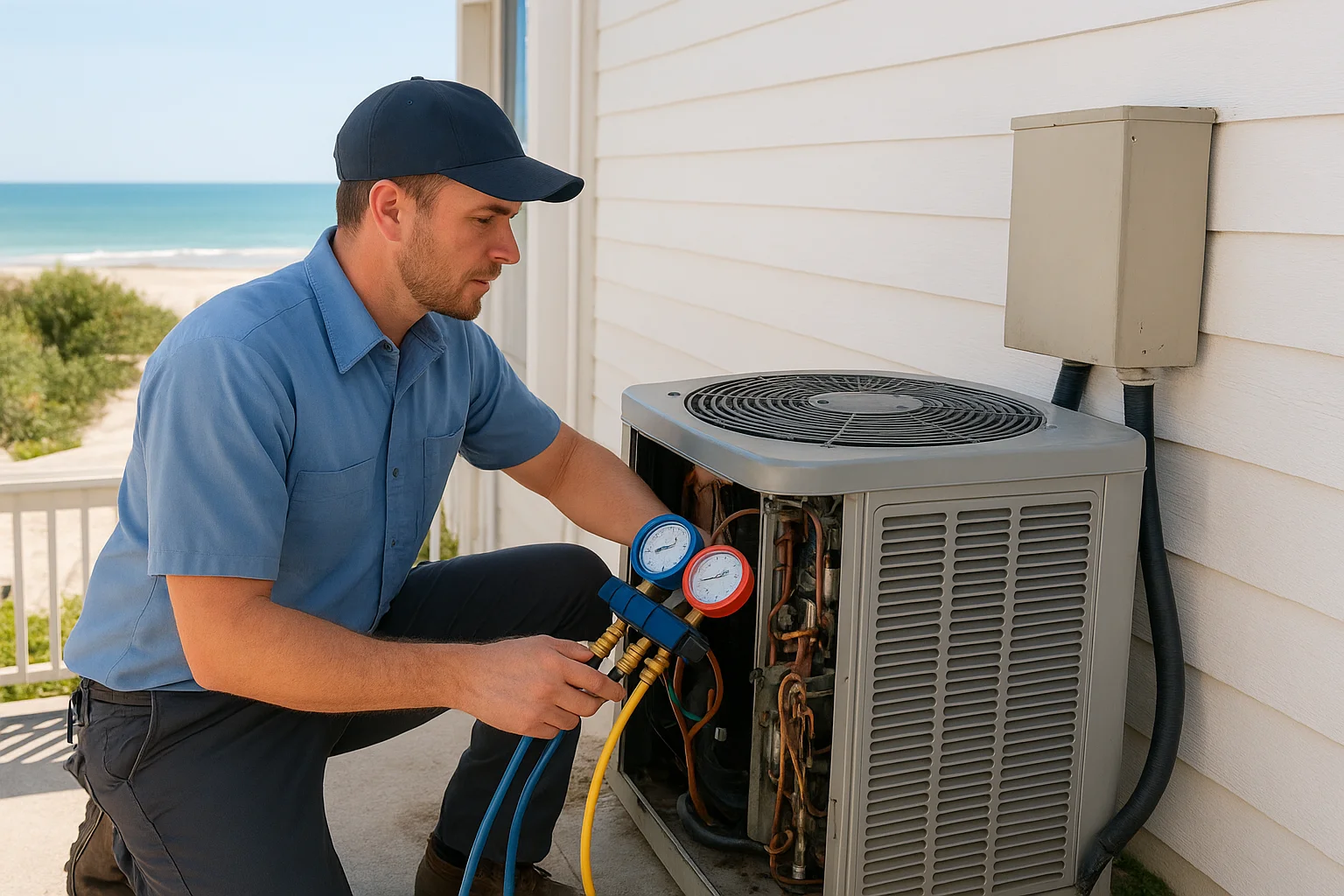
Homeowners should avoid attempts to “fix refrigerant problems” themselves. A refrigerant diagnosis requires in-person inspection and appropriate testing. If you are worried about refrigerant system performance, a licensed technician can evaluate the situation safely and determine next steps.
Humidity and condensate drainage failures
Condensate drainage issues are especially common in humid climates. When drainage is slow or blocked, water can back up into the system. That can create comfort problems and indoor air quality concerns, and it can also lead to corrosion in nearby areas over time.
A Superior Mechanical can evaluate condensate drainage during service visits, especially when leaks, odors, or shutdowns occur during cooling.
Thermostat and control issues that cause excessive runtime
When thermostats or controls cause the system to run too often, components experience more cycles and longer run times. In Florida heat, that can increase energy use and accelerate wear. It can also worsen indoor humidity if the system is not cycling correctly.
Coil buildup, outdoor debris, and corrosion exposure
Coils can accumulate dirt, and outdoor units can collect debris. In DeFuniak Springs, pollen and seasonal debris can contribute to coil and airflow problems. Salt air exposure in the broader region can also contribute to corrosion over time.
Coil buildup reduces heat transfer and can lead to longer runtimes and more frequent cycling. Professional maintenance helps keep the system operating within expected performance ranges.
Emergency HVAC services: what to do right now (and what not to do)
If your air conditioner or heat pump is failing during a hot, humid stretch, immediate actions can reduce risk while you wait for help.
Do
- Set the thermostat to a cooling mode and confirm the settings are correct.
- Check for obvious airflow obstructions, like blocked return vents.
- Replace a visibly dirty filter if you can do so safely.
- Keep the area around the indoor unit and outdoor unit clear of debris.
- Call emergency HVAC services in DeFuniak Springs if cooling is not coming on, the system is shutting down repeatedly, or you have water leaks.
Avoid
- Do not try to bypass safety switches or controls.
- Do not attempt refrigerant handling or DIY refrigerant “top offs.”
- Do not keep restarting the system over and over if it shuts down.
- Do not ignore condensate drainage leaks, especially if you notice odors or wet areas.
If you are troubleshooting an emergency cooling concern, a local HVAC technician near you can determine whether the issue is airflow, condensate drainage, thermostat control, or another performance problem. The correct path depends on what is happening in your specific system.
Preventive maintenance that helps stop emergencies before they start
Emergency HVAC calls are often preventable when homeowners stay ahead of airflow, moisture, and control issues. Preventive HVAC maintenance is not just about “keeping it running.” It is about reducing the chance of sudden shutdowns and protecting the lifespan of key components.
Replace filters and protect airflow
Filters affect airflow and system efficiency. In humid weather, you want consistent airflow for both cooling and humidity control. If you have pets, dust, or allergies, you may need more frequent filter changes.
Schedule seasonal inspections for air conditioning service and heat pump service
DeFuniak Springs systems often switch between cooling and heating seasons. A seasonal inspection can help catch early warning signs like coil buildup, airflow problems, and control issues before they become emergencies. If you are searching for air conditioner service near me or heat pump repair near me, look for a company that evaluates airflow, condensate drainage, and thermostat operation.
If you have a heat pump, pay attention to how it handles humidity and comfort during warm months. Heat pumps can also be affected by airflow restrictions and refrigerant system performance issues, so the same reliability principles apply.
Address ductwork and airflow imbalances
Uneven temperatures, rooms that never cool, and complaints that the system “runs all day” often connect to ductwork and airflow design. If you suspect a duct issue, consider whether duct cleaning or duct repair is the right step for your home.
For homeowners dealing with persistent airflow limitations, it may be worth discussing duct replacement as a long-term reliability option. Ductwork that cannot deliver airflow consistently can shorten system life even if the equipment itself is in good shape.
Protect indoor air quality during high humidity
Indoor air quality is not only about filters. Moisture control matters. When condensate drainage fails or airflow is restricted, indoor humidity can rise and contribute to comfort issues. That is why emergency HVAC services often overlap with indoor air quality concerns.
A professional HVAC service visit should consider how the system is removing moisture and whether the airflow setup supports healthy indoor conditions.
Energy use is often the early clue
Homeowners sometimes notice higher energy bills before they notice a complete failure. When the system runs longer due to airflow limits, coil buildup, or control issues, energy use rises. In Florida heat, that effect is amplified. Energy use increases can also signal that the system is not achieving the temperature set on the thermostat.
If you are seeing big changes in energy use, do not assume it is “just the weather.” Weather plays a role, but equipment stress often shows up as higher runtime and inconsistent comfort. That is a good time to schedule an HVAC inspection.
Choosing the right local HVAC contractor for emergency reliability
When your system is failing, you want more than a quick fix. You want a licensed HVAC contractor near me who understands how humidity, airflow, refrigerant systems, and condensate drainage interact in real homes. In DeFuniak Springs, where humidity and temperature swings can challenge equipment, a careful in-person evaluation is essential.
Look for a contractor that can explain the likely causes of your symptoms, check airflow and comfort performance, and recommend preventive steps that reduce future risk. If you are managing more than one property, you may also want to review Property Management HVAC Services for structured maintenance and faster response planning.
For businesses, the stakes are higher due to occupancy and equipment load. You can read more in Why Commercial HVAC Maintenance Matters More in DeFuniak Springs Than Most Businesses Realize.
How to reduce the chance of emergency breakdowns in the future
Even with good equipment, HVAC reliability improves when homeowners act early. A small issue can become a major emergency when it affects airflow, moisture removal, or system controls.
Keep small problems from turning into big disruptions
If you have noticed any of the warning signs above, treat them as reliability signals. Homeowners who have already read Keeping Small HVAC Problems from Turning into Big Business Disruptions in DeFuniak Springs will recognize the pattern. The sooner you address the cause, the less likely it is that the system will fail during peak heat.
Plan for maintenance around seasonal pressure points
In DeFuniak Springs, the hottest and most humid periods are when HVAC systems feel the most strain. Scheduling preventive HVAC maintenance before the peak season helps reduce the chances of emergency cooling concerns.
Consider financial planning for smarter maintenance
Maintenance and repairs can be easier to manage when you plan ahead. If budgeting is a concern, review A Homeowner’s Guide to HVAC Financing for Smarter Maintenance in DeFuniak Springs, FL. Planning can help you handle repairs before they become emergencies that interrupt comfort and indoor air quality.
When emergency HVAC services are the right choice
Emergency HVAC services are appropriate when your home cannot maintain safe comfort and the system is failing in ways that suggest abnormal operation or shutdown. If you have warm air, no cooling, repeated shutdowns, water leaks, or visible frosting, it is best to contact a local HVAC company quickly.
You can learn more about service coverage at our DeFuniak Springs service area and specifically review Walton County HVAC services when planning for future maintenance across properties.
For everyday HVAC reliability in DeFuniak Springs, the goal is simple: catch the warning signs early, reduce strain on refrigerant systems and airflow pathways, keep condensate drainage working, and maintain indoor air quality through consistent performance. When the symptoms are severe, emergency help helps protect both comfort and the lifespan of the equipment.
Find Emergency HVAC Services in DeFuniak Springs, FL
If you need Emergency HVAC Services in DeFuniak Springs, FL, visit our local service page or contact A Superior Mechanical today.
Map of DeFuniak Springs, FL
Frequently Asked Questions
What are the most common HVAC warning signs that lead to emergency AC service in DeFuniak Springs?
The most common signs include warm air, weak airflow, short cycling, frost or ice on coils, water leaks from condensate drainage, unusual noises, and repeated system shutdowns or error codes.
Can high humidity in Walton County make an AC problem worse?
Yes. Humidity increases the cooling and dehumidification load. If airflow is restricted or condensate drainage is not working well, moisture can build and comfort can drop quickly, sometimes triggering protective shutdowns.
Should I keep restarting my air conditioner if it shuts off?
No. Repeated restarts can increase wear and may indicate the system is reaching a protective limit. It is safer to stop and contact an HVAC professional for an in-person evaluation.
Is it okay to DIY a refrigerant issue to avoid an emergency call?
No. Refrigerant diagnosis and handling require proper testing and safety procedures. A technician should evaluate refrigerant system performance in person before any repair decisions are made.
How can preventive HVAC maintenance help prevent emergency cooling concerns?
Regular maintenance helps keep airflow steady, supports condensate drainage, and allows technicians to spot early warning signs like coil buildup, control problems, and ductwork-related airflow issues before the system fails during peak heat.
Related Articles
- A Homeowner’s Guide to HVAC Financing for Smarter Maintenance in DeFuniak Springs, FL
- Why Commercial HVAC Maintenance Matters More in DeFuniak Springs Than Most Businesses Realize
- How DeFuniak Springs Homeowners Can Reduce Duct Cleaning Problems and Keep HVAC Systems Running Better
- Keeping Small HVAC Problems from Turning into Big Business Disruptions in DeFuniak Springs
Photo Gallery