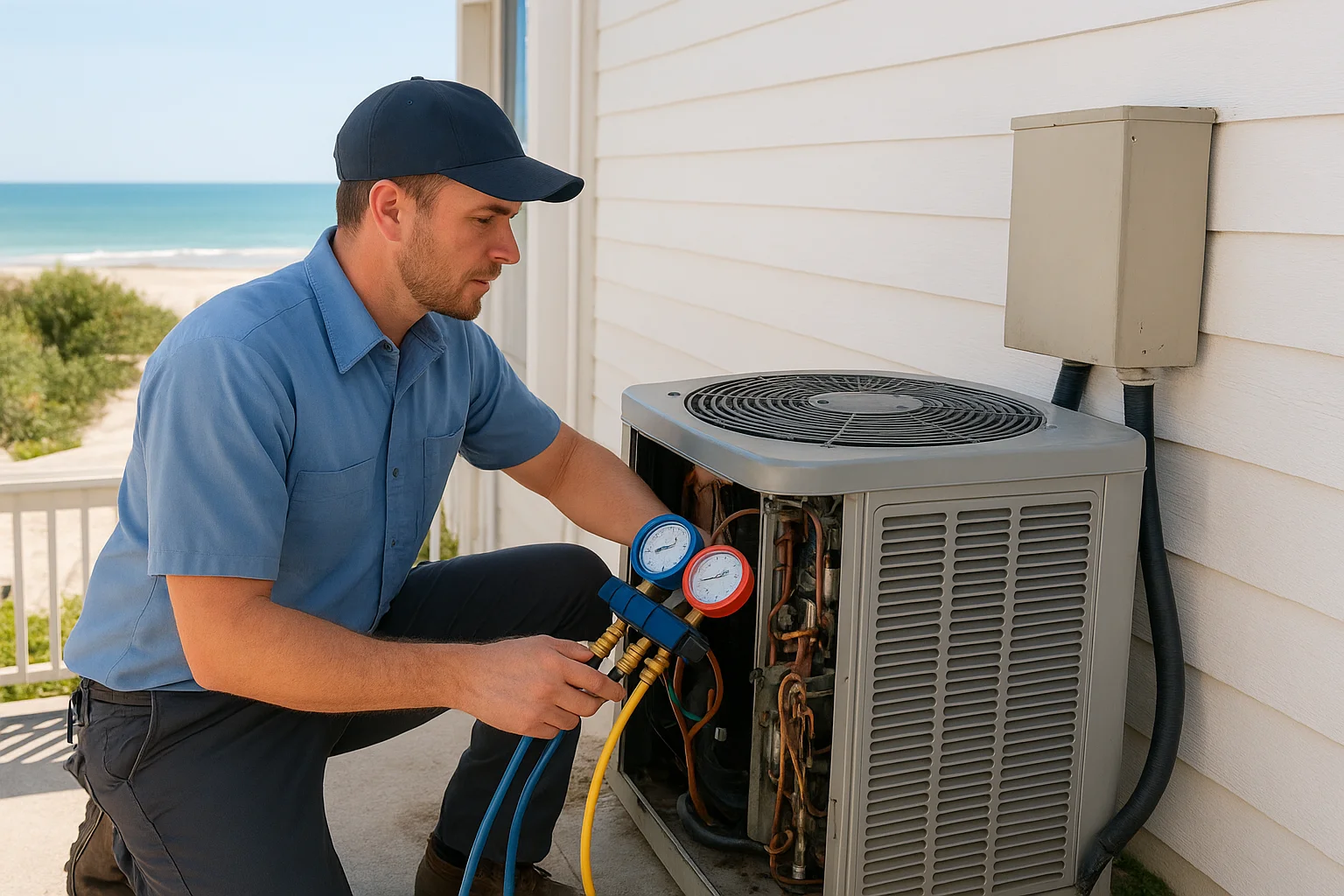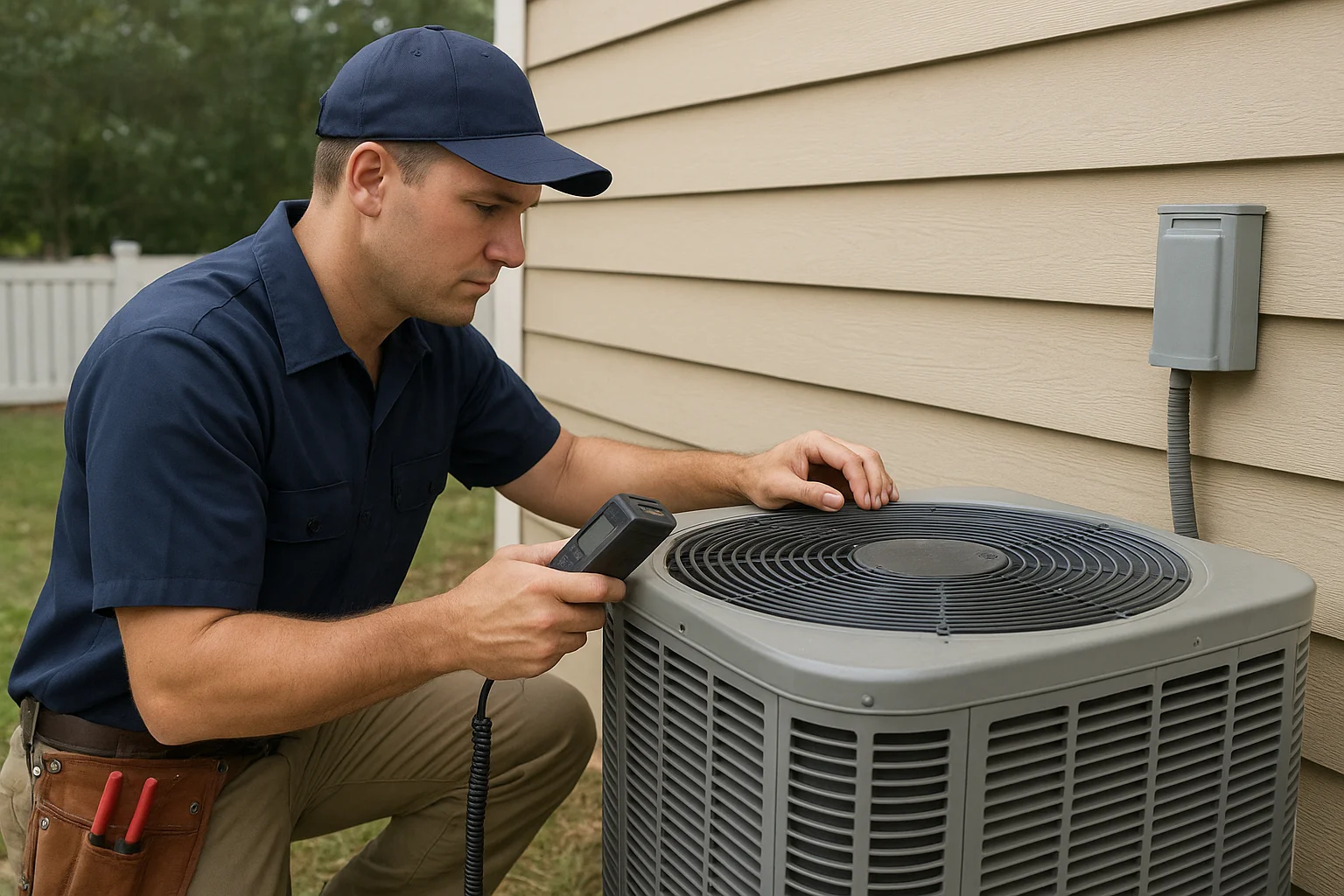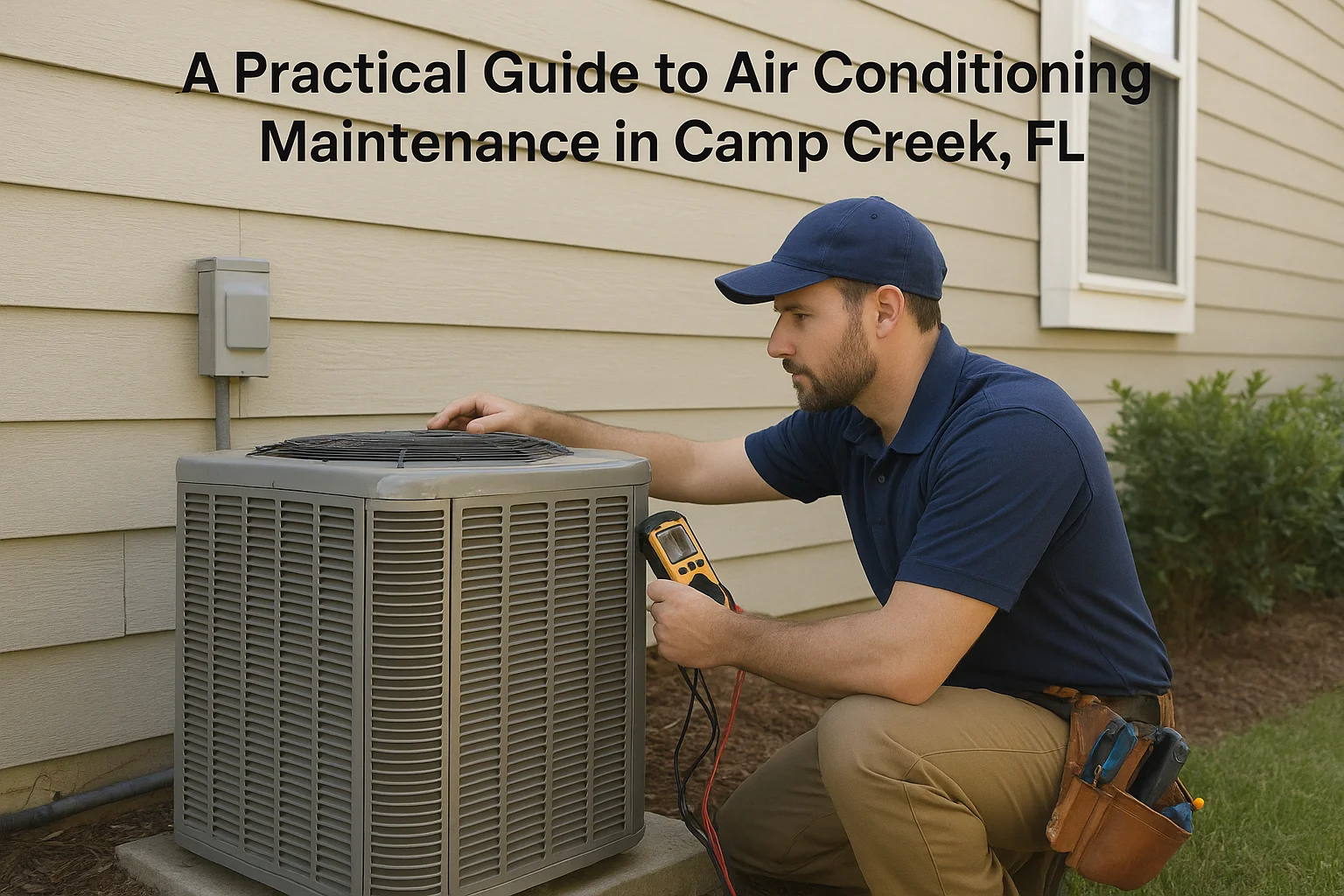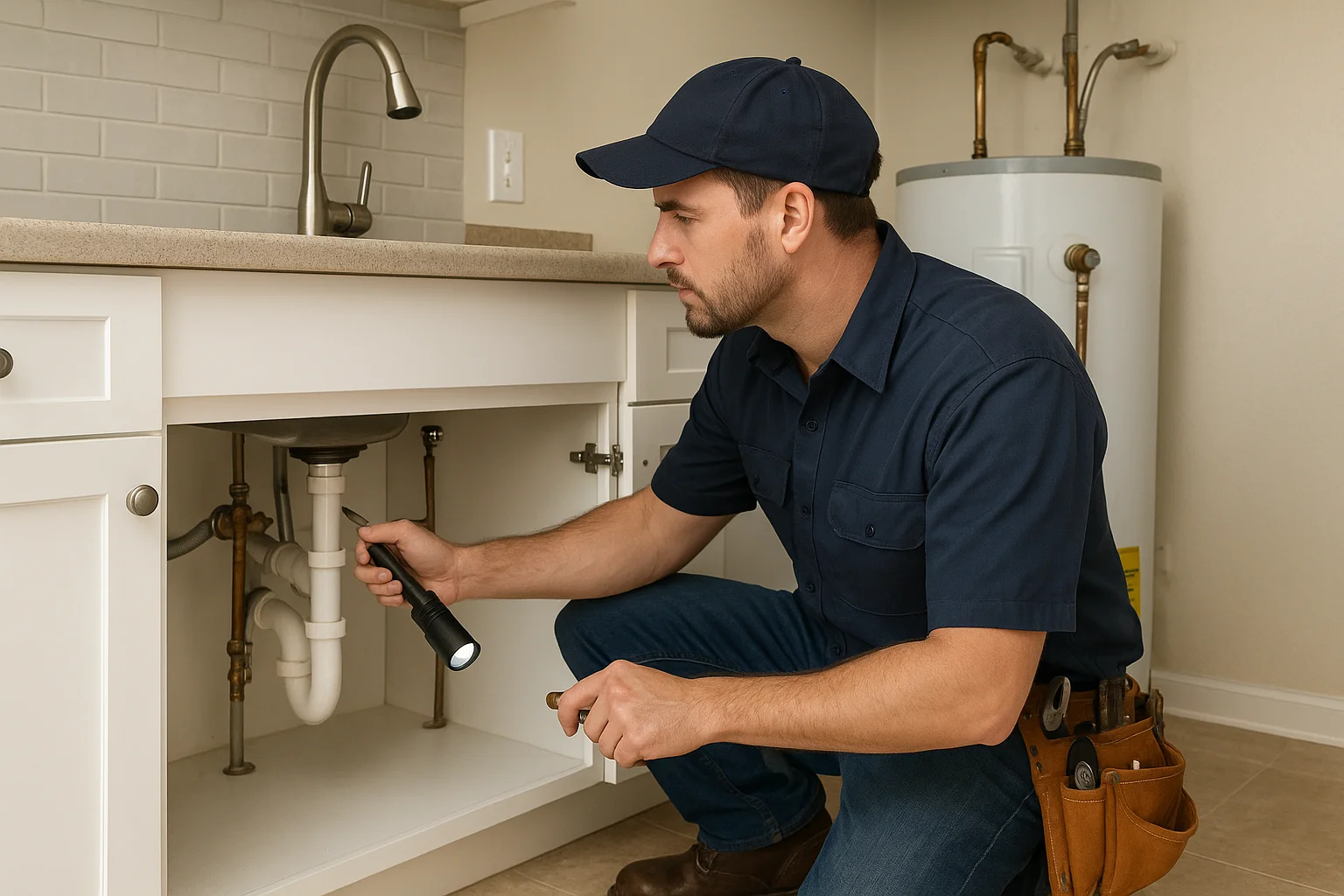
Bid-A-Wee, FL keeps HVAC systems busy. Long stretches of heat and humidity, coastal salt air, and frequent demand for indoor comfort can wear out parts faster than many homeowners expect. Even newer systems can suffer when airflow, condensate drainage, ductwork, or refrigerant system health are neglected.
For businesses and property owners, the goal is not just to fix a breakdown. It is to spot warning signs early and connect them to the right commercial HVAC repair in Bid-A-Wee, FL. Doing that helps protect comfort, indoor air quality, and energy use, while reducing emergency cooling concerns when Florida weather turns intense.
Why HVAC systems in Bid-A-Wee age differently than you might think
Older and newer homes in Bay County are exposed to the same climate stressors, just with different equipment and setup. In the real world, system life is influenced by how the HVAC system handles airflow, moisture, and refrigerant cycle performance over time.
Bid-A-Wee and nearby areas in Bay County can see:
- High humidity that increases moisture load on cooling coils and can stress condensate drainage.
- Intense summer heat that raises run time and accelerates wear on motors, bearings, contactors, and compressors.
- Salt air near the coast that can contribute to corrosion on outdoor components and fasten the deterioration of metal parts.
- Airflow restrictions from ductwork that changes over time, filters that are neglected, and supply or return vents that get blocked by storage or renovations.
When warning signs appear, they often point to the same underlying issues that shorten HVAC life: airflow problems, refrigerant system imbalance, drainage failures, thermostat or control errors, and ductwork limitations that trap humidity and reduce cooling performance.
The warning signs that often connect to commercial HVAC repair
Some HVAC warning signs are obvious. Others are subtle, showing up as comfort complaints, rising energy use, or recurring “small problems” that never fully get resolved. For property owners, the key is to treat these signs as data, not as nuisances.
1) Uneven cooling or hot spots that keep returning
Uneven temperatures can happen in both older and newer buildings. In commercial settings, hot zones often trace back to airflow limitations: clogged filters, undersized or obstructed ductwork, supply registers that are blocked, or return air that is not moving freely.
When airflow is restricted, the cooling system may not remove heat properly. That can lead to coil icing, increased compressor workload, and longer run times. Over time, the system experiences more stress than it was designed for.
If your building has multiple rooms, you may also want to consider zoning approaches. For some properties, VRF multi-zone systems can help distribute comfort, but airflow and controls still require proper commissioning and ongoing maintenance.
2) Short cycling or frequent on-off operation
Short cycling is when the system starts, runs briefly, and then shuts off again. It can be caused by thermostat issues, refrigerant cycle imbalance, airflow restrictions, or control settings that do not match the building load.
Short cycling increases wear on components and can reduce system efficiency. In a humid Florida climate, it can also interfere with dehumidification. That means the indoor space can feel damp even when the thermostat says the temperature is “set.”
3) Higher energy use without a clear reason
When energy costs rise, homeowners may assume it is simply “the weather.” Weather matters, but so do mechanical conditions. Dirty coils, failing airflow components, restricted ductwork, or refrigerant system issues can all increase how hard the system works to maintain comfort.
Energy use is also a clue about system health. If your AC repair near me search is always followed by a quick fix, it may be time to address the root causes that keep repeating.
4) Warm air at the vents or cooling that feels weak
Weak cooling is not always a “refrigerant is low” story. It can also be airflow and heat transfer related. Examples include dirty evaporator coils, blocked condensate drainage that affects coil performance, or ductwork that cannot deliver air where it needs to go.
Because refrigerant systems require careful handling, a licensed HVAC contractor should evaluate the system in person before any refrigerant-related conclusions are made. Attempting to self-diagnose or add refrigerant is not a safe or accurate approach.
5) Condensate drainage problems and moisture around the unit
In Florida heat and humidity, condensate drainage is a major factor in both comfort and equipment longevity. If drainage is blocked or the drain pan is not functioning correctly, water can overflow or pool around the system.
That can contribute to:
- Higher indoor humidity and reduced comfort
- Potential damage to nearby surfaces
- Coil and component wear from excess moisture
- Indoor air quality issues when moisture supports microbial growth
Condensate drainage problems can also show up as “mystery smells,” recurring musty odors, or wet returns. These are strong signals that your commercial air conditioning contractor near me needs to inspect the drainage path and the system’s cooling performance together.
6) Strange noises, vibration, or a “struggling” fan
Rattling, squealing, or abnormal vibration can point to worn bearings, loose panels, failing motors, or airflow issues caused by debris. In older systems, it may also reflect accumulated wear. In newer systems, it can still occur if installation was not properly balanced or if maintenance has been inconsistent.
Noise is often an early sign. Waiting until the unit fails can turn a manageable repair into a more disruptive service call.
7) Thermostat behavior that does not match comfort
Thermostats control how the HVAC system cycles and how it responds to indoor conditions. Inconsistent temperature readings, frequent “calls for cooling,” or incorrect scheduling can cause the system to run longer than necessary or short cycle.
For businesses, thermostat issues can also affect energy use and indoor air quality. If your HVAC maintenance near me search leads you to a contractor that checks controls and airflow together, you are more likely to prevent repeat problems.
What shortens HVAC life in older vs. newer homes
Older housing stock and newer builds can both experience early failure, but the reasons often differ.
Older homes: ductwork and moisture management are common weak points
In older homes, ductwork may have leaks, poor insulation, or airflow restrictions. Filters might not be the right size for the return path, and return air pathways can be compromised by renovations.
These issues matter in Florida because humidity control depends on cooling coil performance and consistent airflow. When airflow is weak, the coil may not dehumidify correctly, and the system may run longer to reach setpoints.
Older systems are also more likely to have accumulated corrosion from salt air and wear on components that have been operating for years.
Newer homes: installation details and ongoing maintenance still make the difference
Newer equipment can still age quickly when airflow is not balanced, filters are neglected, or condensate drainage is not kept clear. Some systems are also installed with ductwork that looks “fine” but does not deliver design airflow under real operating conditions.
Even with modern controls, a thermostat that is incorrectly configured, a sensor that is reading inaccurately, or a blocked return can lead to inefficient operation. That inefficiency drives higher energy use and increases component stress.
How HVAC warning signs connect to refrigerant systems and air movement
Refrigerant systems depend on correct airflow and stable operating conditions. When airflow is restricted, heat transfer is reduced, and the refrigerant cycle can behave differently than intended.
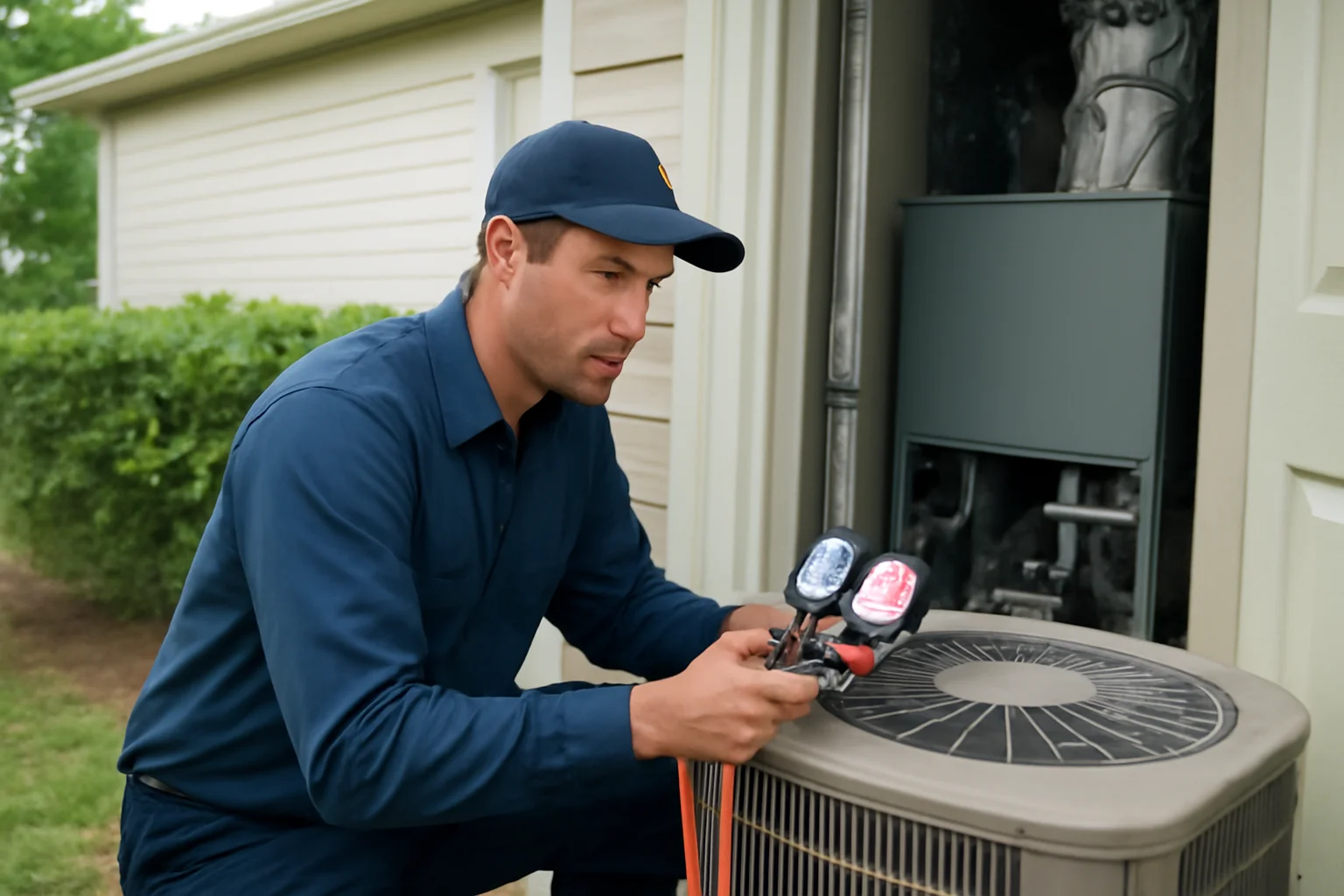
That is why many commercial HVAC repair evaluations in Bid-A-Wee focus on both airflow and refrigerant system performance rather than treating symptoms in isolation. A licensed HVAC contractor may inspect the evaporator coil condition, verify that supply and return air pathways are functioning, and confirm that the system is operating as expected under load.
If a refrigerant issue is suspected, it should be evaluated with proper tools and procedures. Refrigerant diagnosis requires training and experience to avoid unsafe or inaccurate conclusions.
Ductwork and indoor air quality: the comfort issue that turns into a system issue
Ductwork is not just about temperature. It also affects how much moisture is removed, how evenly air is distributed, and how effectively the system ventilates and filters indoor air.
When ductwork problems exist, homeowners may notice:
- Inconsistent cooling between rooms
- Stronger odors when the system runs
- Dust buildup near vents
- Humidity that feels “stuck” even after the thermostat is set
Those are also indoor air quality signals. If moisture management is weak, indoor air quality services near me can become necessary because HVAC performance affects filtration and humidity levels.
If your building’s airflow pathway needs attention, consider ductwork services as part of the repair plan. In commercial spaces, proper airflow supports comfort, helps equipment operate within normal parameters, and can reduce the likelihood of repeat calls.
Preventive HVAC maintenance that helps systems last longer
Preventive maintenance is where warning signs get addressed before they become failures. For Bid-A-Wee property owners, a seasonal plan matters because the HVAC system experiences peak demand during Florida’s hottest and most humid months.
Good preventive HVAC maintenance typically includes checks and adjustments that support:
- Airflow performance by inspecting filters, blower operation, and airflow pathways
- Coil cleanliness for both cooling performance and humidity control
- Condensate drainage to reduce moisture buildup and overflow risk
- Thermostat and control operation so the system cycles correctly
- Energy efficiency by keeping the system operating as intended
If you are trying to connect preventive steps to healthier indoor air, read How Preventive HVAC Service Supports Cleaner Indoor Air in Bid-A-Wee. It explains how maintenance supports filtration and humidity control, which are especially important in coastal Florida.
Emergency cooling concerns: why small symptoms matter in commercial settings
For businesses, HVAC failures are not just uncomfortable. They can disrupt operations, impact product storage conditions, and create safety concerns when indoor temperatures climb. This is why “small problems” should be taken seriously.
Common early warning patterns that deserve attention include:
- Recurring callbacks for the same comfort complaint
- Visible moisture near indoor units or condensate lines
- Frequent thermostat cycling or temperature swings
- Weak cooling or longer run times during peak hours
These issues can escalate quickly when the system is pushed hard by Florida heat. A licensed HVAC contractor can help you prioritize repairs based on what is most likely to fail under load.
How to choose a commercial HVAC repair contractor in Bid-A-Wee
When you search “commercial air conditioning contractor near me” or “HVAC repair near me,” it is tempting to focus only on speed. Speed matters, but so does the ability to diagnose the root cause. Commercial systems are complex, and equipment performance depends on airflow, ductwork, condensate drainage, and controls.
A Superior Mechanical focuses on commercial HVAC repair in Bid-A-Wee, FL for businesses across Bay County. If you want a deeper look at why commercial repairs matter beyond comfort, see Why Commercial HVAC Repair Matters to Home Comfort in Miramar Beach and Commercial HVAC Repair in Fort Walton Beach: What Property Owners Should Pay Attention To Before Small Problems Grow.
You can explore the service area details here: commercial HVAC repair in Bid-A-Wee. If you want to connect system performance to local conditions, How Local Weather Affects Commercial HVAC Repair in Destin, FL is also useful.
Other HVAC options to consider for long-term comfort
Some property owners explore system upgrades to improve comfort and efficiency, especially when repeated repairs become common. If your business is evaluating alternatives, it helps to talk with a professional about what fits your building’s layout and humidity needs.
Depending on the property, options may include:
- Ductless comfort such as ductless mini split installation near me, which can help with zoning and targeted cooling in certain spaces
- Geothermal energy systems for properties that can support the installation approach, explored in Geothermal Energy Systems
- VRF multi-zone systems for buildings that need flexible zoning, discussed in VRF Multi-Zone Systems
- Heating services for seasonal balance and maintenance planning, available through Heating Services
Even with upgrades, preventive maintenance remains important. Better equipment does not eliminate airflow, ductwork, and moisture management requirements.
When to schedule HVAC service for warning signs
If you notice any combination of weak cooling, short cycling, moisture around equipment, or persistent temperature inconsistency, schedule a professional inspection rather than waiting for a complete failure. In a climate like Bid-A-Wee, HVAC systems can be forced to run continuously during peak heat and humidity, which can turn a repair into an emergency.
For homeowners who want to reduce the chances of repeat breakdowns, pairing repairs with preventive HVAC maintenance is a practical approach. It is also a good time to ask about airflow, condensate drainage, ductwork condition, and how your thermostats and controls are currently set up.
If you are weighing HVAC replacement near me because repairs keep coming back, ask for an in-person evaluation. A licensed HVAC contractor should assess system condition, airflow and ductwork limitations, and refrigerant system behavior before recommending any replacement plan.
Practical checklist you can use before a commercial HVAC repair visit
Homeowners and property managers can help the technician by gathering a few details. This can support faster, more accurate diagnosis without guessing.
- When the problem started and whether it is constant or seasonal
- Any comfort complaints such as hot spots, humidity issues, or odors
- Whether the system short cycles or runs longer than usual
- Any visible moisture near air handlers or condensate lines
- Thermostat behavior, including schedules and setpoint changes
- Recent filter changes and whether filters were replaced on schedule
- Any recent renovations that changed airflow pathways or blocked vents
These details can connect the dots between warning signs and the most likely repair needs, especially in coastal Florida where humidity and salt air can accelerate wear on HVAC components.
For businesses searching for reliable commercial HVAC repair in Bid-A-Wee, FL, A Superior Mechanical helps property owners address HVAC warning signs with a focus on airflow, moisture control, and system performance. If you are ready to schedule service, visit commercial HVAC repair in Bid-A-Wee or learn more about service coverage on the Bid-A-Wee service area page.
Find Commercial HVAC Repair in Bid-A-Wee, FL
If you need Commercial HVAC Repair in Bid-A-Wee, FL, visit our local service page or contact A Superior Mechanical today.
Map of Bid-A-Wee, FL
Frequently Asked Questions
Can HVAC warning signs happen in both older and newer homes?
Yes. Older systems often struggle with ductwork, airflow, and accumulated wear, while newer systems can still develop issues if airflow is restricted, condensate drainage is not functioning well, or controls and maintenance routines are inconsistent.
What warning sign in humid Florida most often leads to costly AC repairs?
Moisture and condensate drainage problems are a big one. High humidity makes condensate removal critical. If drainage is blocked or the system cannot dehumidify properly, comfort and equipment performance can suffer quickly.
Is weak cooling always a refrigerant problem?
No. Weak cooling can also be caused by airflow restrictions, dirty coils, ductwork limitations, thermostat or control issues, or other factors that affect heat transfer. A professional inspection is needed before any refrigerant-related conclusions are made.
How does ductwork affect indoor air quality in commercial buildings?
Ductwork impacts airflow balance, filtration effectiveness, and humidity control. When air distribution is uneven or returns are restricted, indoor air quality can decline due to higher humidity and reduced removal of moisture and airborne particles.
What should a preventive HVAC maintenance plan include for Bid-A-Wee properties?
A strong preventive plan includes checks for airflow performance, coil cleanliness, condensate drainage, thermostat and control operation, and overall system efficiency. This helps prevent mid-summer breakdowns during Florida heat and humidity.
Related Articles
- How Preventive HVAC Service Supports Cleaner Indoor Air in Bid-A-Wee
- Why Commercial HVAC Repair Matters to Home Comfort in Miramar Beach
- Commercial HVAC Repair in Fort Walton Beach: What Property Owners Should Pay Attention To Before Small Problems Grow
- How Local Weather Affects Commercial HVAC Repair in Destin, FL
Photo Gallery