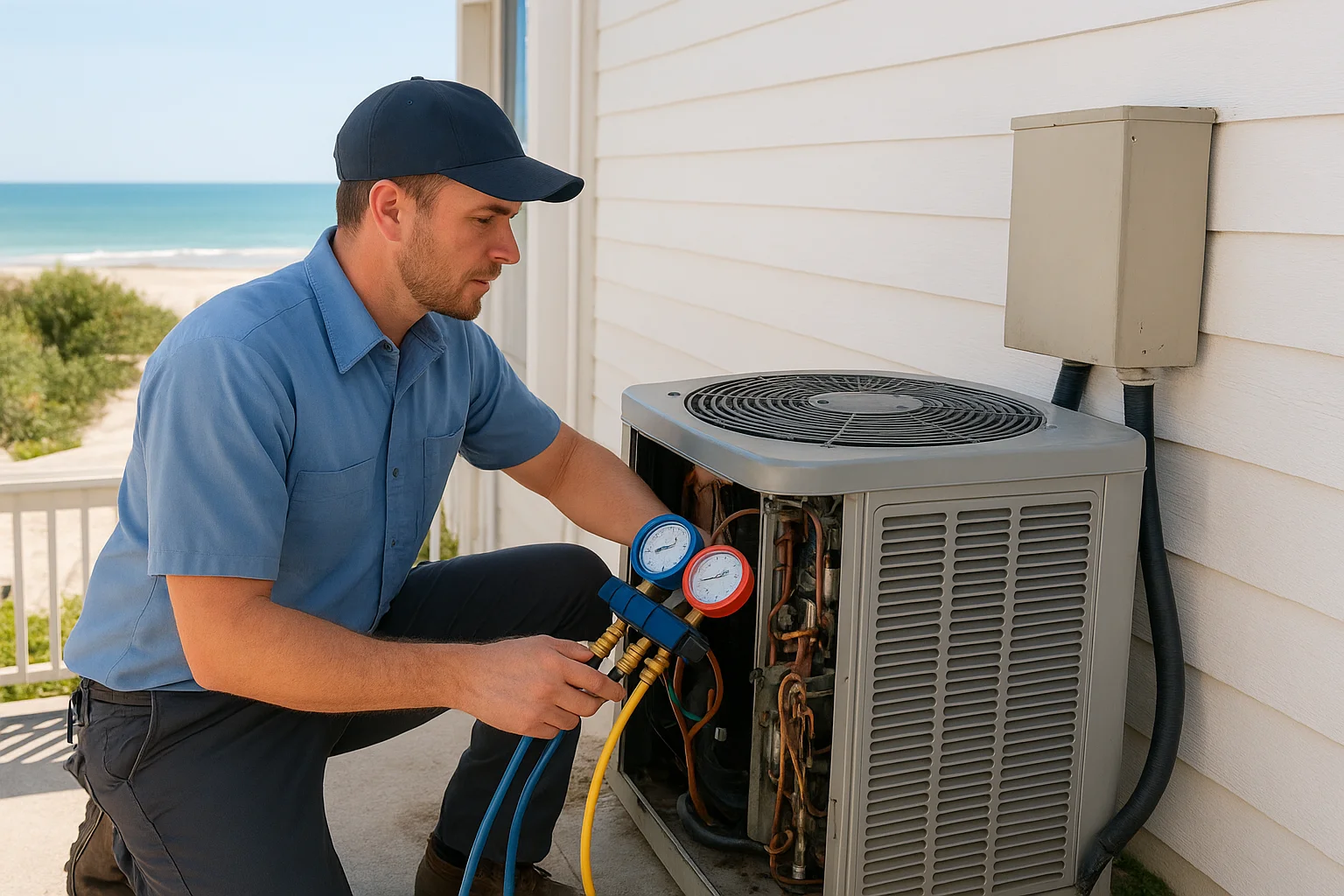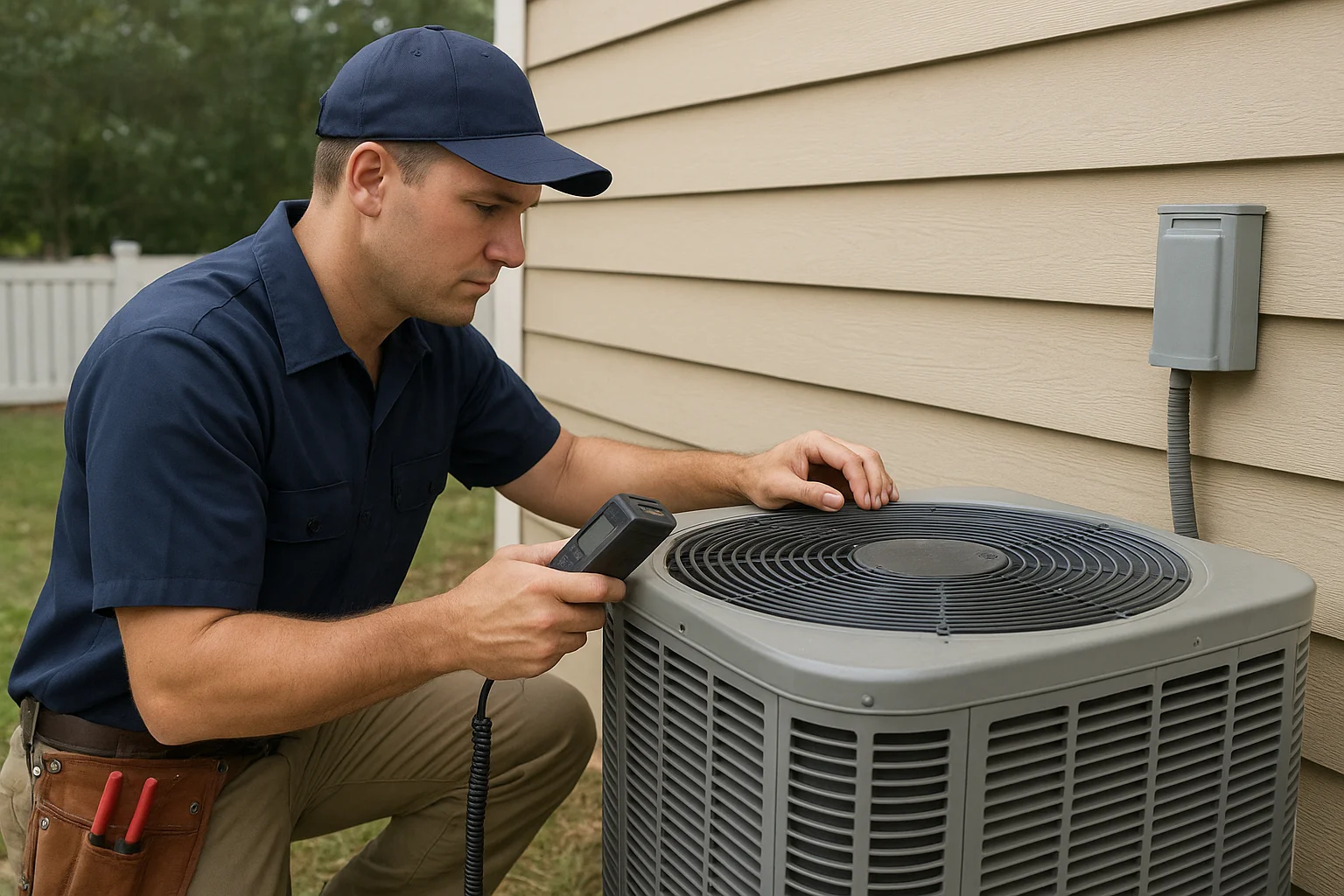
Blue Mountain Beach, FL is beautiful, but it is also hard on air conditioning systems. The combination of hot summer days, persistent humidity, and salt air exposure can stress HVAC components that homeowners rarely think about until something goes wrong. The good news is that many “HVAC warning signs” are really clues connected to your air conditioner’s performance and protection systems. When you catch them early, you can reduce the chances of emergency cooling concerns, lower energy waste, and extend the life of your HVAC system.
This guide explains the warning signs homeowners often notice with air conditioning systems in Blue Mountain Beach, what typically causes them, and how preventive HVAC maintenance and air conditioning service can help. If you suspect trouble, you can explore local options through A Superior Mechanical’s air conditioning systems page for AC repair, tune ups, and system upgrades.
Why air conditioning systems fail faster in coastal Florida
Most homeowners know that Florida heat is intense, but the strain on HVAC does not stop at temperature. In Blue Mountain Beach, humidity and coastal conditions change how your air conditioner behaves and how components age.
1) Heat load and airflow demands: When outdoor temperatures climb and indoor spaces stay humid, your air conditioner has to work longer to remove moisture and maintain comfort. If airflow is restricted, the system can run hotter internally. That increases wear on motors, fans, and compressor-related components.
2) Salt air exposure: Coastal air can accelerate corrosion on outdoor equipment and affect how surfaces shed debris. Corrosion and buildup can reduce heat transfer, which can push your system to work harder.
3) Refrigerant system sensitivity: Your air conditioner’s refrigerant systems rely on stable pressure and proper heat transfer. When airflow or coil cleanliness is off, the refrigerant process can become less efficient. Homeowners should not attempt refrigerant diagnosis on their own, but they should recognize performance clues that a technician can evaluate in person.
4) Condensate drainage and moisture: Air conditioning systems remove humidity as they cool. That creates condensate that must drain properly. When condensate drainage is blocked or the coil is not draining correctly, moisture can contribute to indoor air quality problems and can also affect system operation.
5) Thermostat and control behavior: Thermostats influence how long your system runs and how it cycles. In humid climates, short cycling or incorrect control sequences can increase stress. A technician can confirm whether thermostat settings or system operation are contributing to the issue.
Warning sign: The air feels cool, but humidity stays high
One of the most common “connected HVAC warning signs” in Blue Mountain Beach is comfort that feels right at first but does not hold. You may notice the air conditioner blows cold air, yet the home still feels sticky, muggy, or uncomfortable. High humidity can also make indoor air quality worse by encouraging mold and dust buildup.
What it can mean: This can point to restricted airflow, an overworked system, or coil performance issues. If the evaporator coil is dirty, airflow is limited, or the system is not removing moisture effectively, your air conditioner may cool the temperature without properly dehumidifying.
Why this shortens system life: When the system cannot remove humidity efficiently, it often runs longer and cycles more frequently. That adds heat and mechanical stress.
Homeowner actions: Check that return vents are not blocked by furniture or curtains. Replace HVAC filters on schedule and consider having a technician inspect coil and airflow performance. If you are searching for air conditioning service or HVAC maintenance near me, include airflow and humidity control in your request.
If you suspect ductwork problems, a helpful next step is a duct inspection. You can also read Blue Mountain Beach Homes and the Hidden Value of a Duct Inspection to understand how airflow loss can affect comfort and energy use.
Warning sign: Warm air at the vents or weak airflow from registers
If your supply air feels weak or warmer than expected, the issue is often tied to airflow and air handling. In coastal Florida, airflow restrictions are especially costly because the system must fight both heat and humidity.
What it can mean: Dirty air filters, blocked return paths, clogged evaporator coils, struggling indoor blower motors, or ductwork leaks and restrictions. Duct leakage can allow cooled air to escape before it reaches the living space, increasing runtime and energy use.
Why this shortens system life: Restricted airflow can raise temperatures inside the system. That can reduce heat transfer efficiency and increase stress on the refrigerant system and moving parts.
What homeowners can do now: Replace the filter with the correct size and type for your system. If airflow has changed suddenly, schedule AC repair near me with a licensed HVAC contractor who can inspect airflow, ductwork conditions, and system operation.
For homes where ductwork is a suspect, consider Duct Sealing & Aeroseal Services or review a duct inspection first.
Warning sign: The system short cycles or turns on and off too quickly
Short cycling is not just annoying. It can be a direct path to premature wear because the system starts up more often than it should.
What it can mean: Issues with airflow, thermostat settings, sensor readings, refrigerant system performance, or condensate drainage can contribute to abnormal cycling behavior. In humid climates, a system that cannot hold steady comfort may cycle rapidly.
Why this shortens system life: Frequent starts add stress to the compressor and electrical components. Even if the system “works,” the repeated start and stop process increases wear.
Homeowner actions: Confirm thermostat settings match your schedule and that the thermostat is not set to an unusual mode. If short cycling is new, do not keep resetting the thermostat repeatedly. Contact a local HVAC professional for diagnosis based on system operation, airflow, and coil conditions.
Warning sign: Condensate issues, water on floors, or musty odors
Air conditioning systems remove moisture, so condensate drainage is part of normal operation. In Blue Mountain Beach homes, humidity can be high even when the weather is calm, which makes proper drainage and coil cleanliness more important.
What it can mean: A clogged condensate line, a drain pan problem, a blocked drain route, or an evaporator coil that is not draining properly. Musty odors can also suggest moisture is lingering in areas that affect indoor air quality.
Why this shortens system life: Poor drainage can contribute to corrosion, water damage, and indoor air quality problems that homeowners feel as discomfort. It can also affect how the system runs.
What homeowners can do safely: Keep the area around the indoor unit clear. If you see water where it should not be, treat it as a priority and schedule air conditioner service. If you are searching for emergency AC repair near me because moisture is affecting comfort or safety, a technician can inspect condensate drainage and system operation in person.
Warning sign: Strange noises, rattling, or banging during cooling cycles
Some sounds are normal, but persistent noises can signal problems that get worse over time.
What it can mean: Loose panels, debris in the outdoor unit, failing fan components, airflow turbulence from duct restrictions, or vibration from mounts. In coastal areas, outdoor units can collect debris and salt residue that contributes to noise.
Why this shortens system life: Noise often means components are not operating smoothly. Vibration can lead to wear on mounts and connections. Heat transfer can also be affected if the fan is not moving air properly.
Homeowner actions: Do not ignore repeated noises, especially if they occur when the air conditioner first starts or when it cycles. Schedule a visit so a technician can inspect the system while it is running.
Warning sign: Higher energy bills without a clear reason
Energy use can rise when your air conditioner is working harder than it should. In a place like Blue Mountain Beach, where the cooling season is long, small inefficiencies can add up.
What it can mean: Airflow restrictions, dirty coils, duct leakage, thermostat programming issues, or system wear that reduces efficiency. If your ductwork is leaking, conditioned air may not reach rooms evenly, forcing the system to run longer.
Why this shortens system life: Longer runtime increases heat exposure and cycling stress. It also accelerates wear on parts that must operate under load.
Homeowner actions: Compare utility bills from similar months. Check that air filters are fresh and that vents are open. If the increase is noticeable, request HVAC maintenance that includes airflow checks and a review of ductwork conditions. For many homeowners, a duct sealing conversation starts with an inspection.
Warning sign: Ice buildup on the indoor coil or refrigerant-related symptoms
Seeing frost or ice on an indoor coil is a major comfort and performance issue. It can happen when airflow is restricted or when the system is not moving heat properly.
What it can mean: Dirty filters, blocked returns, restricted airflow, coil buildup, or system performance problems that require in-person evaluation. Homeowners should not attempt refrigerant diagnosis.
Why this shortens system life: Ice can interfere with heat transfer and can stress components. Running under abnormal conditions can lead to further failures.
Homeowner actions: If you see ice, turn off the system and schedule service. Waiting too long can turn a repair into a larger failure and can create emergency cooling concerns during hot Florida weather.
Warning sign: Thermostat issues, odd temperature swings, or comfort that never stabilizes
Your thermostat is the control center for the cooling cycle. In humid climates, stable temperature and humidity control matter for comfort and for indoor air quality.
What it can mean: Incorrect thermostat settings, thermostat calibration drift, placement issues where it reads direct sunlight or airflow from vents, or control behavior that leads to short cycling.
Why this shortens system life: If the system cycles too frequently, it increases wear. If it runs too long without resolving comfort, it increases stress and energy use.
Homeowner actions: Keep thermostat placement away from direct sun and drafts. If temperature swings are new or the system is not behaving like it used to, consider thermostat installation near me or professional evaluation. A technician can confirm whether thermostat settings or system operation are driving the problem.
Warning sign: Outdoor unit performance problems during peak heat
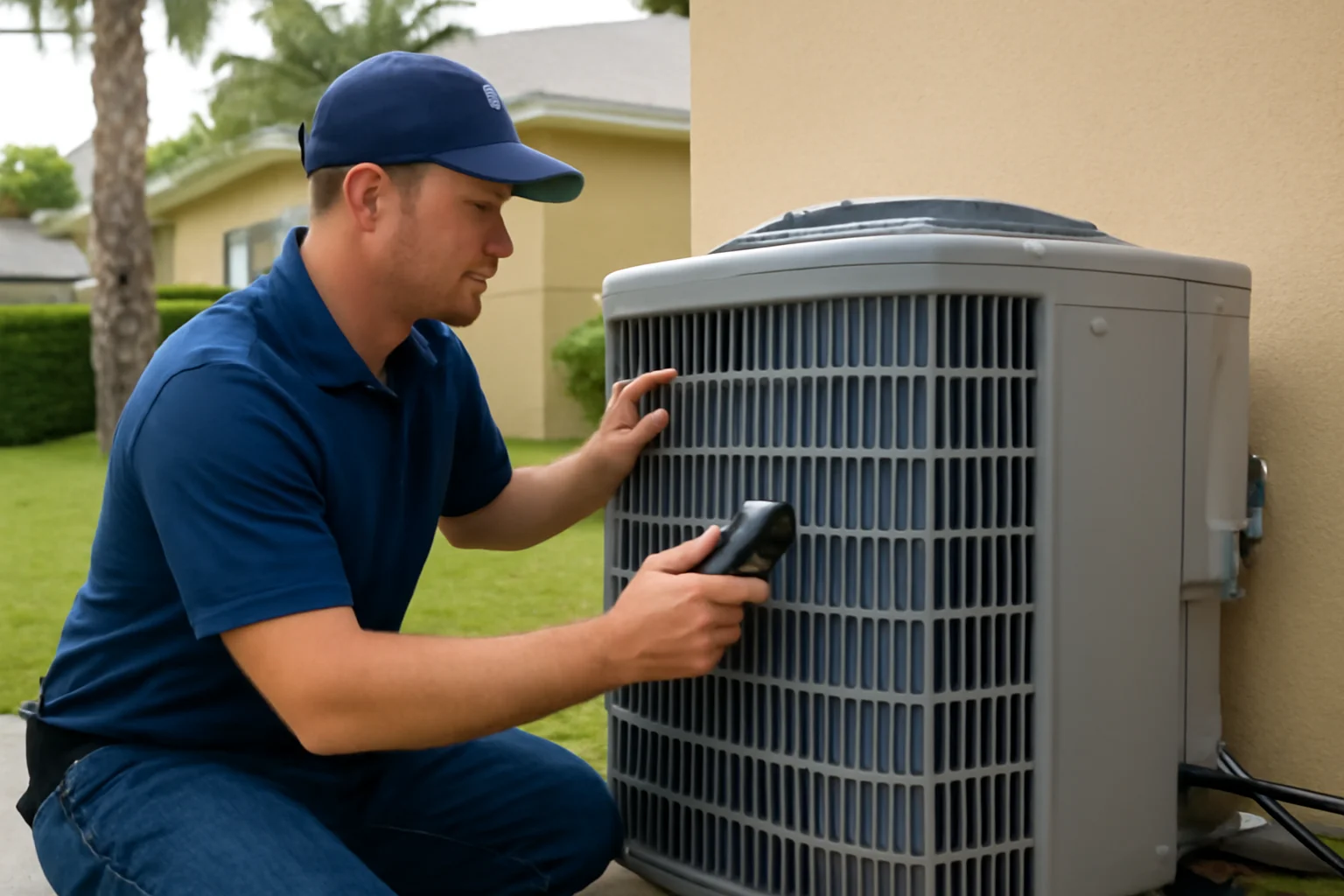
When Florida heat spikes, your outdoor unit has to reject heat effectively. Salt air and humidity can make this harder.
What it can mean: Outdoor coil or fan obstruction, corrosion-related performance changes, debris buildup, or airflow restrictions around the outdoor unit. Even when the indoor system is running, the outdoor unit must be able to move air for proper heat exchange.
Why this shortens system life: Reduced heat rejection can make the entire refrigerant system work under higher stress. That can accelerate wear.
Homeowner actions: Keep landscaping trimmed away from the outdoor unit and remove obvious debris. Do not power-wash or scrape coils. If performance drops during heat waves, schedule air conditioning repair near me so a technician can inspect the system safely.
How preventive HVAC maintenance protects AC systems in Walton County
Preventive HVAC maintenance is one of the best ways to slow down wear and catch issues before they become major. For homeowners, it often comes down to consistent inspections and attention to the parts of the system that affect airflow, humidity control, and safe operation.
Here are maintenance areas that matter especially for air conditioning systems in Blue Mountain Beach:
- Airflow verification: Checking filter condition, return and supply airflow, and ductwork restrictions can prevent problems like poor dehumidification and coil icing.
- Coil cleanliness and performance: Dirty coils reduce heat transfer and can lead to higher runtime and comfort issues.
- Condensate drainage inspection: Ensuring proper drainage helps protect indoor air quality and prevents moisture-related problems.
- Thermostat and control review: Confirming correct operation helps reduce short cycling and temperature swings.
- Refrigerant system evaluation: Any concerns related to refrigerant require careful in-person inspection by a qualified professional. Homeowners should not attempt DIY refrigerant handling.
- Energy use and comfort checks: A technician can help connect performance symptoms to likely causes, including duct leakage and airflow imbalance.
If you want to understand how routine care ties into long-term performance, read Why Better HVAC Maintenance Pays Off for Valparaiso Air Conditioning Systems. While the location differs, the underlying HVAC principles are the same for humid coastal climates.
When homeowners should call for AC repair instead of troubleshooting
Some issues are safe to investigate at home, like checking for blocked vents or changing a clogged filter. Other problems should be evaluated by a professional because they involve system operation, refrigerant systems, and component safety.
Call a licensed HVAC contractor promptly if you notice any of the following:
- Ice buildup on the indoor coil
- Water pooling near indoor equipment or repeated condensate overflow concerns
- Burning smells, persistent electrical-like odors, or major performance drops
- Repeated short cycling or the system cannot maintain comfortable temperatures
- Airflow problems that do not improve after filter replacement
- Unusual noises that continue after the unit has run for a short time
For homeowners searching for HVAC service near me or an air conditioning repair near me team, it helps to choose a contractor that routinely works on air conditioning systems in Walton County and understands coastal conditions. You can start with A Superior Mechanical in Blue Mountain Beach and then review the specific air conditioning systems service area page.
Smarter upgrades for long-term comfort, airflow, and indoor air quality
Sometimes the most preventive action is planning ahead for replacement or system redesign. Coastal Florida homes often benefit from upgrades that improve humidity control, airflow balance, and indoor air quality.
Homeowners may consider:
- Duct inspection and duct sealing: If comfort is inconsistent room to room, ductwork may be leaking or poorly balanced. A duct inspection near me can help identify airflow losses. See Blue Mountain Beach Homes and the Hidden Value of a Duct Inspection.
- Duct sealing or duct replacement: If ducts are damaged or severely restricted, sealing or replacement may be appropriate. Explore Duct Replacement and Duct Sealing & Aeroseal Services.
- Indoor air quality testing: When humidity and comfort issues persist, indoor air quality testing can help determine whether airflow and moisture are contributing to dust, odors, or other issues. Consider Indoor Air Quality Testing.
- Air conditioning system replacement planning: If the system is repeatedly struggling, replacement may be the most responsible option after an in-person evaluation. Review Air Conditioning Replacement for guidance.
If you own a coastal home that feels “hard to cool” even when the air conditioner runs, these decisions are often connected to ductwork, humidity management, and airflow. For additional reading that fits coastal Florida homes, see A Pretty Bayou Homeowner’s Guide to Air Conditioning Systems That Handle Coastal Florida and A Smarter Way to Plan Air Conditioning Systems in Miramar Beach Homes.
How to avoid emergency cooling concerns during peak summer
In Blue Mountain Beach, the most stressful AC problems often happen during peak demand. A system that is already running longer, dealing with airflow issues, or struggling with condensate drainage is more likely to fail when the outdoor temperature and humidity are at their worst.
Preventive steps that reduce risk include:
- Staying consistent with HVAC maintenance near me schedules, especially before the hottest months
- Replacing filters on time to protect airflow and coil performance
- Paying attention to early comfort changes like humidity staying high or weak airflow
- Scheduling duct inspection when comfort is uneven room to room
- Addressing condensate drainage concerns quickly
When you need help, it can be reassuring to have a local team that understands air conditioning systems in Walton County. A Superior Mechanical serves the area with air conditioning service and HVAC maintenance built for coastal conditions. If you want to explore more options across the county, visit /service-areas/walton-county.
One note for heat pump owners
Some homes in the region use heat pumps. If your system is a heat pump and you are seeing cooling performance issues or humidity problems, the same airflow and coil cleanliness principles still apply. You may also need heat pump repair near me if the system is not operating correctly in cooling mode. A technician can evaluate the system in person and recommend the right next step.
Ductless systems and minisplits
For homes that use ductless mini split installation, warning signs can still show up as poor dehumidification, uneven comfort, or airflow limitations caused by maintenance gaps. If you are considering or troubleshooting ductless comfort, a qualified contractor can help you compare performance and maintenance needs.
If you want a practical starting point for homeowners, focus on the patterns: humidity that does not drop, airflow that feels weak, condensate drainage issues, and temperature control that never stabilizes. Those are often connected to the air conditioning system’s ability to move air, manage moisture, and transfer heat efficiently. With the right inspection and preventive HVAC maintenance, your system is more likely to deliver dependable performance through the long coastal summer.
Find Air Conditioning Systems in Blue Mountain Beach, FL
If you need Air Conditioning Systems in Blue Mountain Beach, FL, visit our local service page or contact A Superior Mechanical today.
Map of Blue Mountain Beach, FL
Frequently Asked Questions
Why does my air conditioner run a lot but my Blue Mountain Beach home still feels humid?
High humidity with ongoing AC runtime often points to airflow restrictions, coil performance issues, or ductwork problems that reduce moisture removal. A technician can inspect airflow, coil condition, and duct performance to identify the cause.
Can clogged condensate drainage shorten the life of my AC system?
Yes. When condensate drainage is blocked, moisture can affect indoor components and contribute to indoor air quality issues. It can also interfere with how the system operates. Prompt inspection is important.
What should I do if I notice ice on the indoor coil?
Turn off the system and schedule service. Coil icing is commonly connected to airflow problems or system performance issues, and it should be evaluated in person rather than handled with DIY troubleshooting.
How often should I schedule preventive HVAC maintenance for my AC in coastal Florida?
Many homeowners benefit from regular maintenance before peak cooling season and periodic checks throughout the year. Your exact schedule depends on system age, usage, and comfort symptoms, so a local HVAC professional can recommend a plan.
Related Articles
- Why Better HVAC Maintenance Pays Off for Valparaiso Air Conditioning Systems
- Blue Mountain Beach Homes and the Hidden Value of a Duct Inspection
- A Pretty Bayou Homeowner’s Guide to Air Conditioning Systems That Handle Coastal Florida
- A Smarter Way to Plan Air Conditioning Systems in Miramar Beach Homes
Photo Gallery