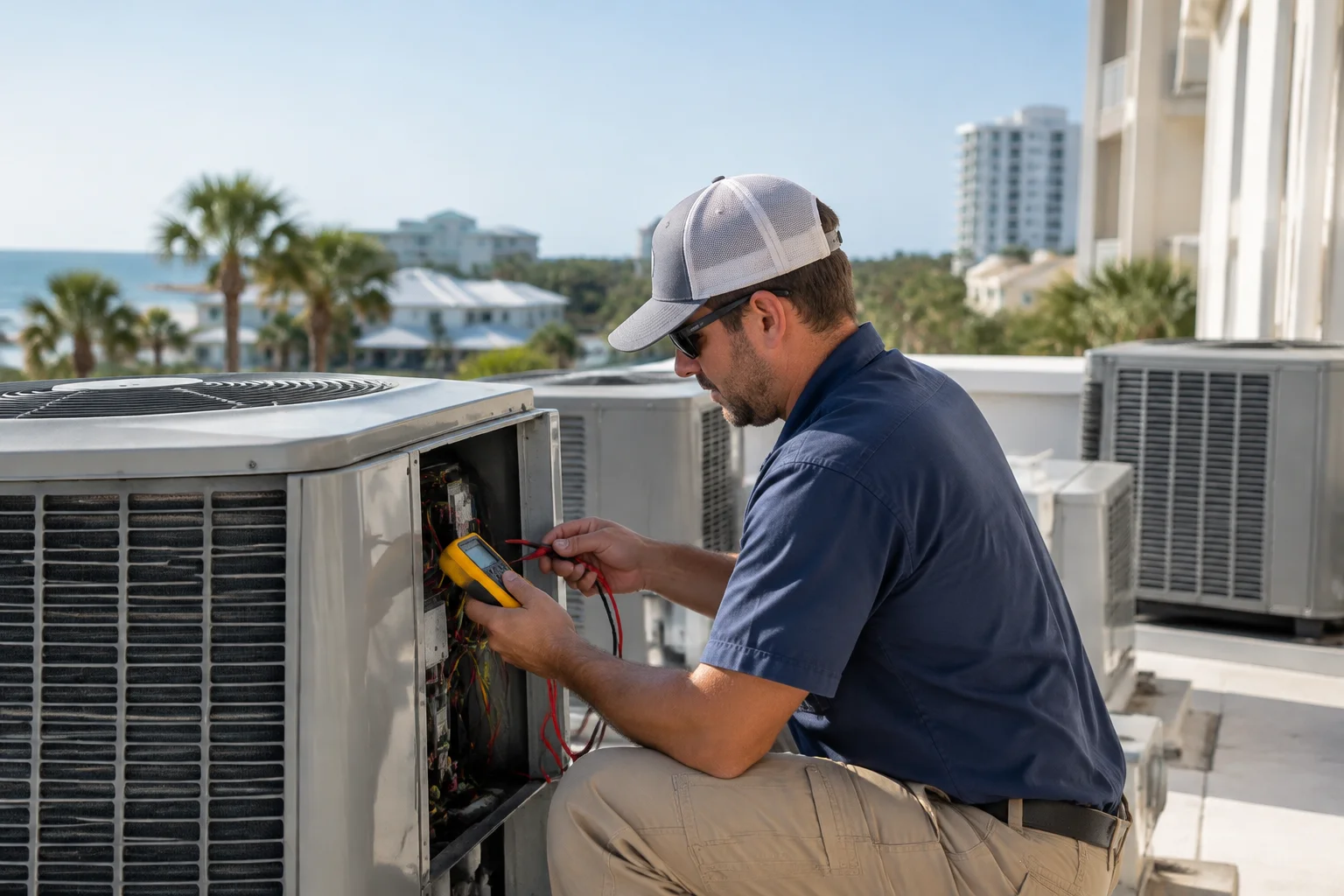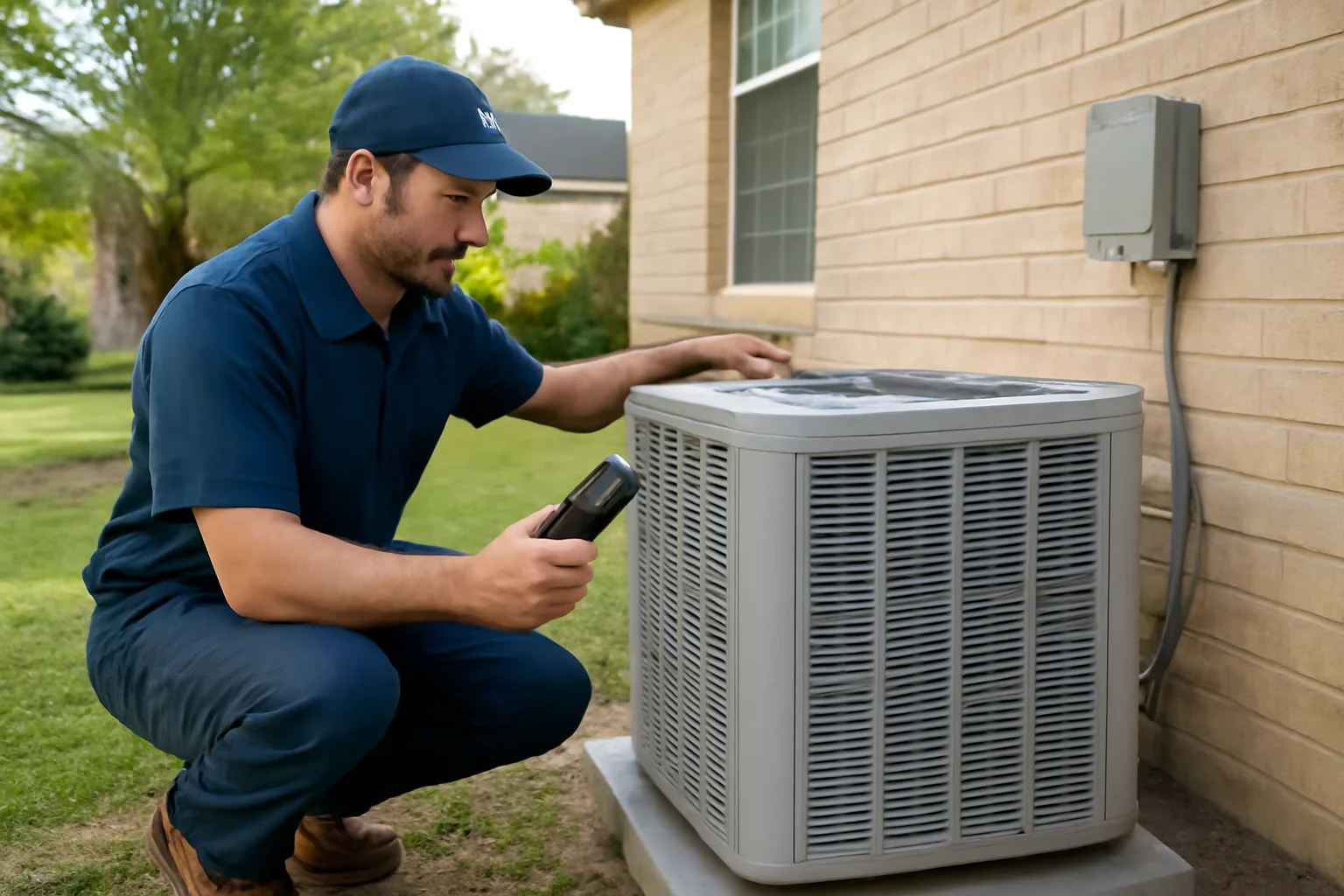
Lake Lorraine homeowners rely on air conditioning to stay comfortable through hot, humid stretches. But when an AC system has been running season after season, wear and tear can change what an inspection finds and how urgent certain issues look. A thoughtful air conditioning inspection in Lake Lorraine, FL goes beyond a quick check and helps connect the dots between system condition, airflow, moisture control, and indoor air quality.
Professional inspection matters even more in Okaloosa County because Florida weather is relentless. High humidity, salt air exposure near the coast, and frequent temperature swings can accelerate deterioration in parts that keep your home cooling safely and efficiently.
Why “wear and tear” changes what an inspection can reveal
An air conditioning inspection is not just about whether the unit turns on. It is about how well the refrigerant system, airflow path, condensate drainage, and controls are working together. Over time, normal aging and environmental stress can shift performance, mask symptoms, or create secondary issues that show up during inspection.
For example, a system that struggles to cool may still blow air, but the air may be warmer than expected, airflow may be restricted, or the indoor coil may be collecting more moisture than it should. Those changes can be caused by several different factors, and wear can make the pattern harder to interpret without a trained technician.
Florida heat and humidity: the wear factors that show up during inspection
Lake Lorraine summers bring frequent humidity spikes. Air conditioners remove moisture as they cool, and that condensate has to drain correctly. When wear and tear affects any part of the moisture removal process, the inspection can reveal it through airflow temperature differences, coil condition, and condensate drainage observations.
Condensate drainage problems that develop slowly
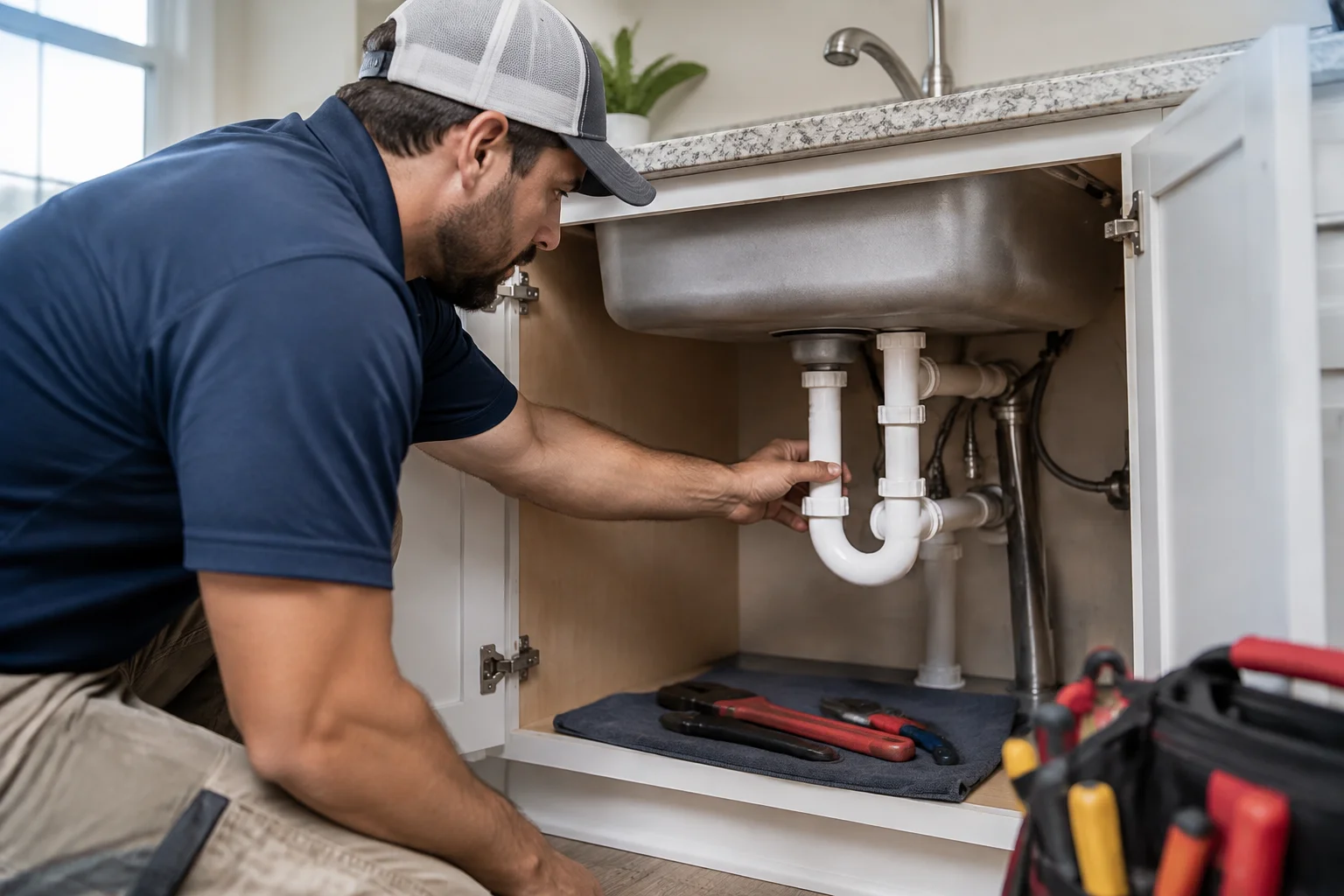
Condensate drainage can clog from algae, dust, and accumulated debris. As drainage becomes less effective, moisture can back up, increase humidity indoors, and contribute to musty odors. During an inspection, a technician may check for proper drain flow and look for signs of water staining around the indoor unit and ductwork.
Wear can also affect the drain line slope or the connections at the air handler. Even if the system cools at first, poor condensate drainage can lead to indoor air quality complaints later in the season.
Indoor coil wear and airflow strain
Over time, indoor coils can collect dirt, and airflow across the coil can become less effective. In Florida humidity, that buildup can intensify because the system runs longer and the coil stays colder for longer periods. Restricted airflow reduces heat transfer, which can make the system work harder and cycle differently.
During an Okaloosa County HVAC service inspection, technicians often focus on airflow and system balance because airflow is the “delivery system” for cooling and dehumidification. When airflow is off, the refrigerant system may not operate as intended.
Salt air and corrosion: how it affects inspection findings
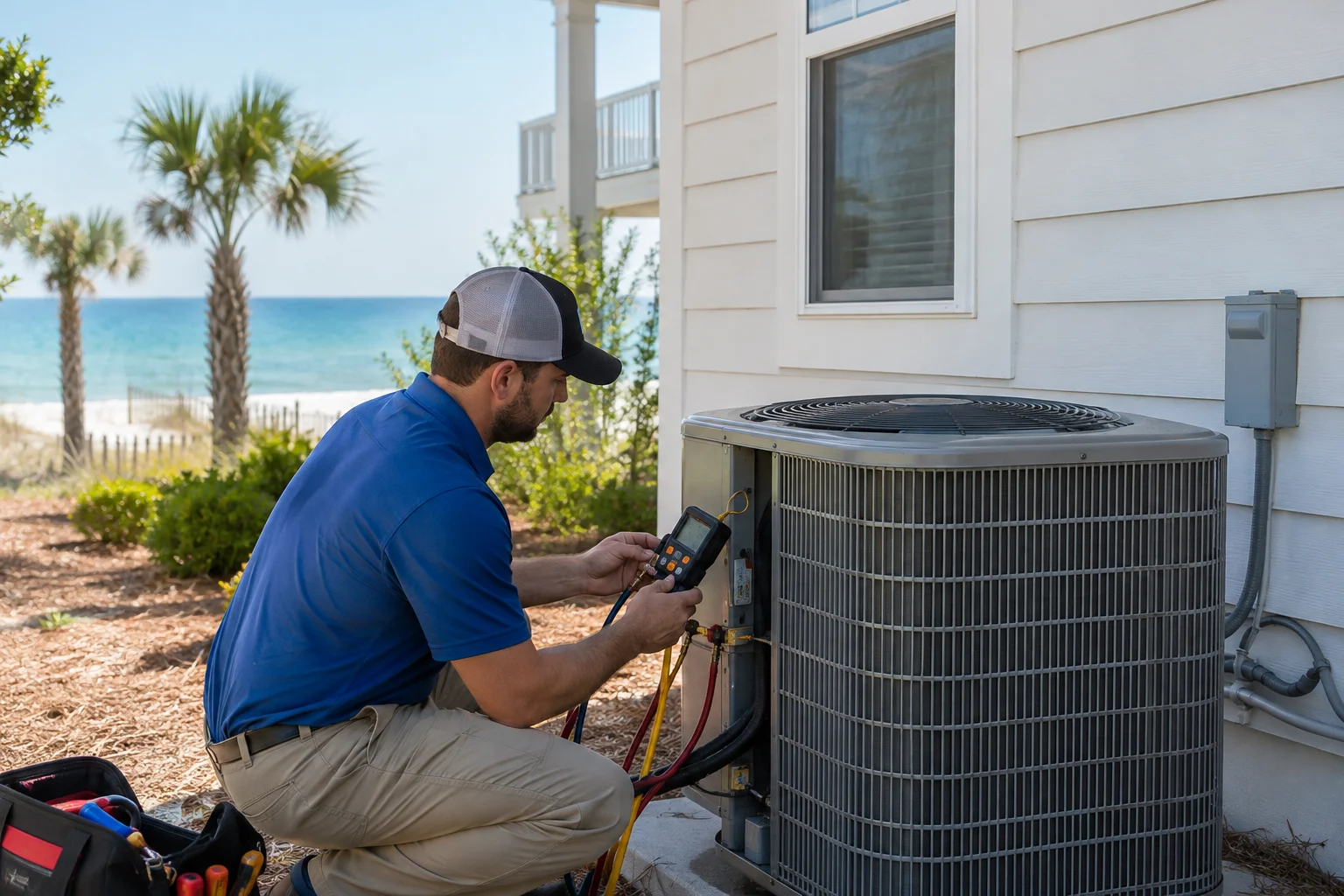
Okaloosa County homes can experience salt-laden air, especially as you get closer to the coast. Salt air accelerates corrosion on outdoor components and can also affect fasteners, coil fins, and electrical connections. Corrosion may not stop the AC immediately, but it can contribute to intermittent issues that become more visible during inspection.
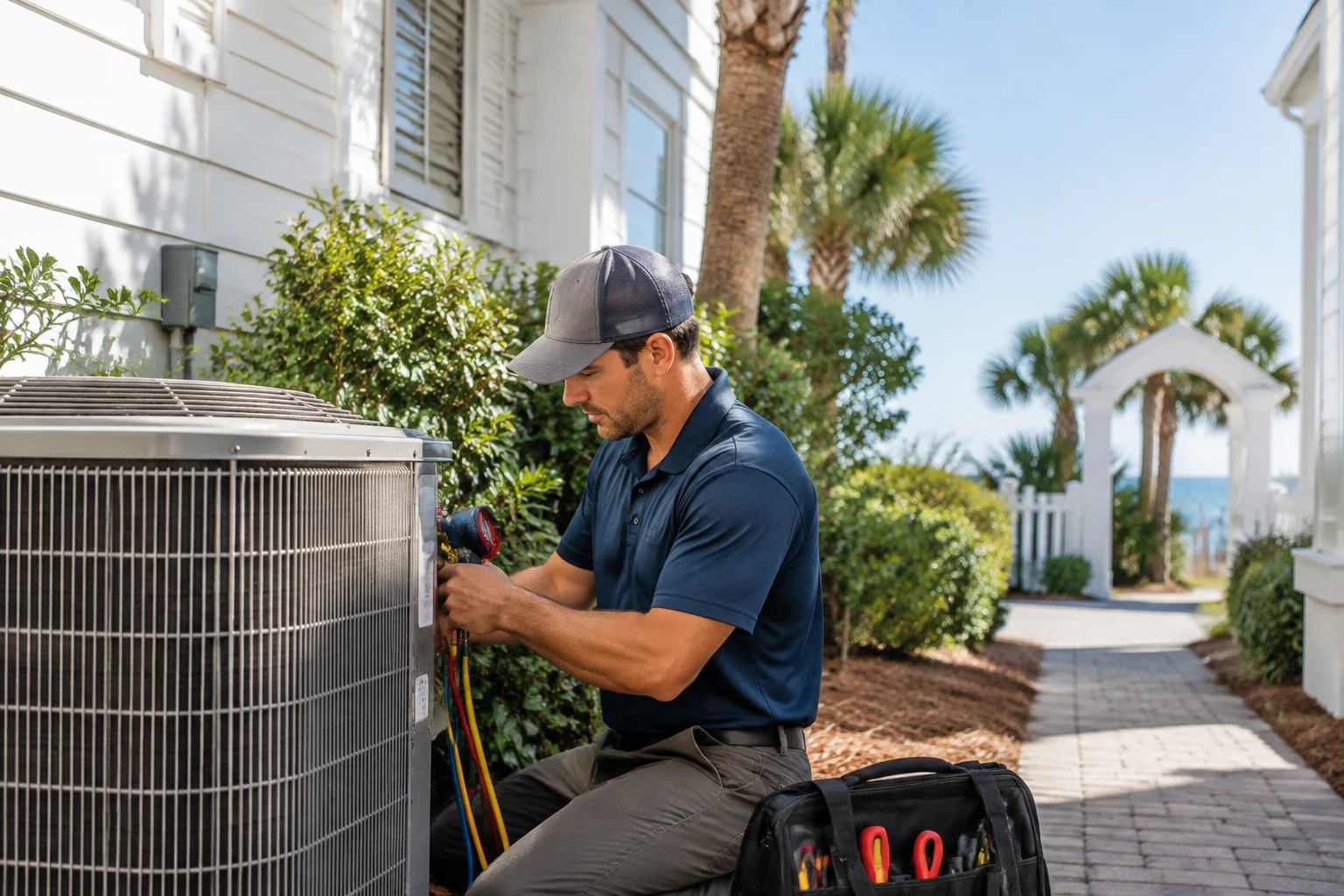
Outdoor unit corrosion and airflow restrictions
When outdoor coil fins are partially blocked by debris or corrosion, heat exchange can degrade. The inspection may show reduced airflow across the outdoor coil, fin damage, or signs that the unit is struggling to reject heat.
That matters because the outdoor section is part of the refrigerant system loop that allows cooling to happen. If heat rejection is impaired, the system can run longer, cycle more frequently, and feel less responsive when you adjust the thermostat.
Electrical component aging and symptom overlap
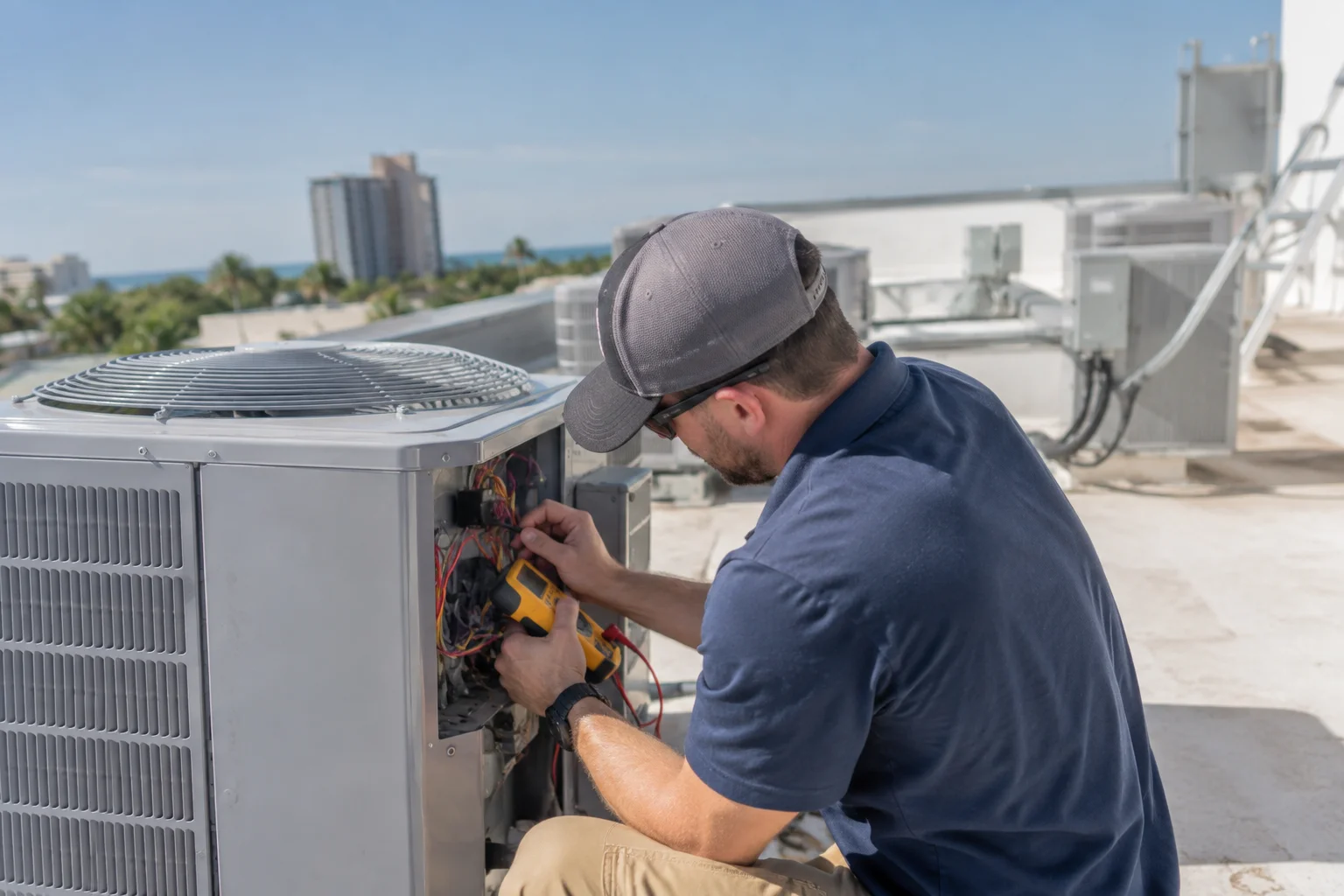
Corrosion and moisture exposure can also affect contact points and connections. While a technician can observe and document signs of wear, it is important not to assume a specific electrical diagnosis without in-person evaluation. Intermittent cooling, short cycling, or frequent trips can have multiple causes, including airflow limitations, refrigerant system issues, or control problems.
Refrigerant system wear: what an inspection can and cannot confirm
Homeowners often ask about refrigerant. It is a key part of the AC process, but it is also where caution is needed. Wear and tear can lead to performance changes, and inspections can help identify whether something is likely affecting the refrigerant system.
However, a technician should not claim a refrigerant diagnosis or suggest a refrigerant replacement based on a remote conversation or visual inspection alone. Accurate assessment requires proper testing and safe, manufacturer-appropriate procedures.
How inspection connects refrigerant issues to airflow and comfort
In Lake Lorraine, cooling complaints often relate to airflow comfort and humidity control. An inspection may compare indoor temperature behavior, airflow delivery, and coil conditions to determine whether the system is operating within expected cooling performance ranges.
If wear has reduced system efficiency, the inspection can show patterns like uneven cooling, longer run times, or temperature inconsistencies between rooms. Those symptoms can point to multiple underlying causes, including airflow restrictions, ductwork issues, or problems affecting the refrigerant system.
Thermostats and controls: wear that leads to inconsistent comfort
Thermostats are the control center for your cooling schedule. Over time, thermostat settings, sensor performance, wiring connections, or compatibility with your system can become a factor. Wear and tear can also affect the way the system responds to temperature changes.
Common homeowner observations during inspection season
- Rooms feel cool in the morning but warm up later, even when the thermostat is set the same.
- The system cycles frequently or seems to run longer than expected.
- Humidity feels higher than it used to, which can happen when cooling performance is inconsistent.
A professional air conditioning inspection looks at how the thermostat communicates with the system and how the system performs under real conditions. If you are noticing comfort swings, it is a good time to schedule inspection rather than adjusting settings repeatedly.
Ductwork wear: the hidden reason inspections sometimes look “normal” at first
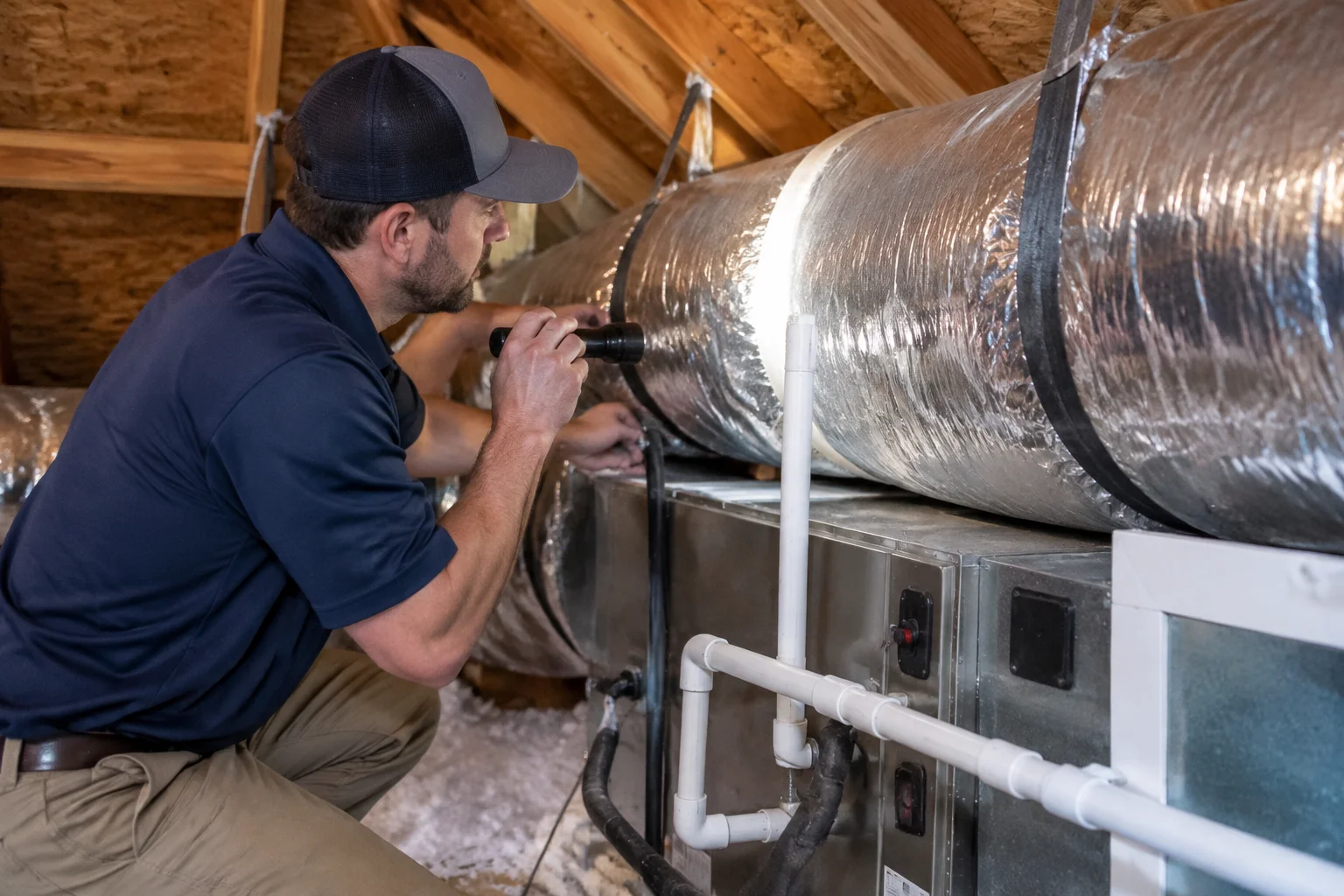
Even when an AC unit is operating, ductwork can limit the comfort you actually feel. Ductwork wear and tear includes leaks, poor insulation, damaged sections, and airflow restrictions from buildup. In humid Florida weather, ductwork issues can also contribute to indoor air quality concerns.
Airflow problems that show up during inspection
Restricted airflow can cause the indoor coil to operate differently, affect humidity removal, and increase energy use. Signs can include weak airflow from vents, inconsistent temperature between rooms, and a system that runs longer to reach the thermostat target.
If you suspect ductwork issues, it can help to review comfort patterns and consider duct-focused services. You can also read Comfort Clues Hidden in Lake Lorraine Ductwork for practical indicators homeowners can watch for.
If ductwork needs attention, options may include targeted duct repair or duct cleaning, depending on what the inspection reveals. For homeowners searching for duct cleaning or duct repair near me, inspection results guide the safest, most effective next step.
How preventive HVAC maintenance reduces inspection surprises
Wear and tear is unavoidable, but preventive HVAC maintenance can slow it down and keep your inspection results clearer. When filters are clean, airflow is stable, and coils are maintained, technicians can more accurately identify what is truly wrong versus what is simply dirty or restricted.
Preventive maintenance also helps protect energy use and reduces the chance that you will face emergency cooling concerns during peak heat.
Maintenance items that support a better inspection
- Filter checks and replacement to maintain airflow across the indoor coil.
- Coil inspection for dirt buildup that affects heat transfer and moisture removal.
- Condensate drainage checks to support proper moisture control.
- Thermostat and control verification for consistent operation.
- Airflow verification to confirm the system is delivering cooling where it should.
If you are looking for an air conditioning systems professional in Lake Lorraine, preventive maintenance is often the difference between a straightforward inspection and a long list of “maybe” issues that require repeat visits.
Energy use and comfort: why wear can raise costs without fixing the problem
When an AC system is worn, it may still cool, but it does so inefficiently. Restricted airflow, failing components, and declining coil performance can all increase runtime. That can raise your energy use and reduce comfort, especially in a humid climate where the system must remove moisture, not just lower temperature.
Inspections help homeowners understand whether high energy use is tied to airflow, ductwork, humidity control, or system performance issues. This can also inform whether repairs are likely to restore comfort or whether system replacement planning is more appropriate after a thorough evaluation.
Homeowners searching for HVAC repair near me often want a quick fix. An inspection first can help target the right issue, which reduces the chance of chasing symptoms that wear has created elsewhere in the system.
Common Lake Lorraine AC inspection findings linked to aging
Every home is different, but these are typical wear-related themes technicians look for during air conditioning inspections in Lake Lorraine.
1) Airflow that is weaker than expected
This can come from dirty filters, duct restrictions, or worn components that affect blower performance. Weak airflow can reduce cooling comfort and make humidity feel higher. It can also stress the system because the unit runs longer to reach your thermostat setting.
2) Condensate drainage that does not keep up
Slow or clogged drainage can create moisture issues that affect indoor air quality. It can also contribute to corrosion and algae growth on nearby components.
3) Outdoor coil issues from debris, corrosion, or fin damage
Outdoor airflow restrictions limit heat rejection. That can lead to reduced cooling performance and more frequent cycling.
4) Control behavior that does not match your settings
Thermostat settings, sensor behavior, and control communication can lead to inconsistent comfort. Wear can also contribute to short cycling patterns that show up during inspection.
When to schedule an air conditioning inspection before problems escalate
Inspection timing can help you avoid emergency cooling concerns. If you are approaching peak summer conditions or you have noticed changes in comfort, scheduling inspection before a failure is often the smartest move.
Consider booking an air conditioning inspection in Lake Lorraine, FL if you notice:
- Cooling that feels uneven room to room.
- Humidity that feels higher even when the thermostat is set appropriately.
- Longer run times or frequent cycling.
- Strange odors near vents or around the indoor unit.
- Visible water issues around condensate drainage areas.
If you are searching for an HVAC company near me or a licensed HVAC contractor near me, choose a provider that explains what they observe and why. A strong inspection should document findings clearly and connect them to comfort and system operation.
How A Superior Mechanical helps homeowners interpret inspection results
Wear and tear often creates multiple overlapping symptoms. A professional inspection should help you understand what is most likely driving the comfort problem and what needs attention first. A Superior Mechanical focuses on the full cooling system picture, including airflow, condensate drainage, thermostat behavior, ductwork considerations, and indoor air quality factors.
If your home needs more than inspection, you can also explore related local services like Heating Services for seasonal planning, or Commercial HVAC Installation if you manage a business with comfort requirements beyond a single residence.
For homeowners who want extra context on duct-related inspection clues, these reads can be helpful: Seagrove Beach Comfort Clues That Point to a Better Air Conditioning Inspection and What Laguna Beach Homeowners Should Know About Air Conditioning Inspections and Catching Problems Early. You can also compare processes by region with What to Expect From Air Conditioning Inspection in Parker, FL.
Questions homeowners can ask during an inspection
To get the most value from your appointment, ask questions that connect wear to comfort and next steps.
- What did you observe about airflow and humidity removal?
- How does condensate drainage look and what signs of wear are present?
- Are there ductwork concerns that could be affecting air distribution?
- What parts appear worn or at higher risk of failing during peak heat?
- What repairs would address the biggest comfort and efficiency issues first?
These questions keep the discussion grounded in what the inspection reveals, rather than guesswork.
Pair inspection with smart prevention for the next hot stretch
Wear and tear will continue, but you can reduce the rate at which minor issues become major. Replace filters on schedule, keep outdoor unit areas clear of debris, and address comfort concerns early. If you manage a vacation rental, inspection helps you avoid mid-season failures that disrupt bookings and indoor comfort.
For homeowners searching for air conditioner service near me, remember that preventive HVAC maintenance plus a detailed inspection can help you avoid repeated troubleshooting. It also makes it easier to plan for HVAC repair near me needs, duct repair near me concerns, or HVAC replacement near me discussions if wear has progressed.
Finally, if you run a heat pump or rely on a system that switches between heating and cooling, the same wear patterns can affect performance across seasons. Scheduling inspection and maintenance with an experienced team can support smoother operation for both comfort modes. If you are also considering heat pump installation near me, inspection history and system condition can help guide realistic planning.
Find Air Conditioning Inspection in Lake Lorraine, FL
If you need Air Conditioning Inspection in Lake Lorraine, FL, visit our local service page or contact A Superior Mechanical today.
Map of Lake Lorraine, FL
Frequently Asked Questions
How does humidity in Lake Lorraine affect air conditioning inspection results?
High humidity increases the system’s moisture load. During inspection, technicians look at how well the indoor coil is cooling and whether condensate drainage is handling moisture properly. Wear-related drainage slowdowns can raise indoor humidity and affect comfort.
Can a dirty filter or duct problem make my AC inspection look like a refrigerant issue?
Yes. Restricted airflow from dirty filters or ductwork can change temperature behavior and system cycling. That is why a good inspection evaluates airflow and ductwork conditions alongside refrigerant system performance, without jumping to refrigerant conclusions.
What are common signs of wear and tear that show up during an AC inspection?
Common findings include weak or uneven airflow, condensate drainage concerns, outdoor coil airflow restrictions from debris or corrosion, and thermostat or control behavior that leads to inconsistent cooling.
Should I schedule an air conditioning inspection before the hottest months in Okaloosa County?
Scheduling before peak heat can help catch wear-related issues early, improve comfort, and reduce the chance of emergency cooling concerns. It also gives time to plan repairs or any longer-term system decisions after an in-person evaluation.
How do I know whether I need AC repair or HVAC replacement after inspection?
An in-person inspection can compare comfort performance, airflow, moisture control, and observed wear. It should not assume replacement without evaluation. A technician will explain repair options based on what they find and how the system is operating.
Related Articles
Photo Gallery