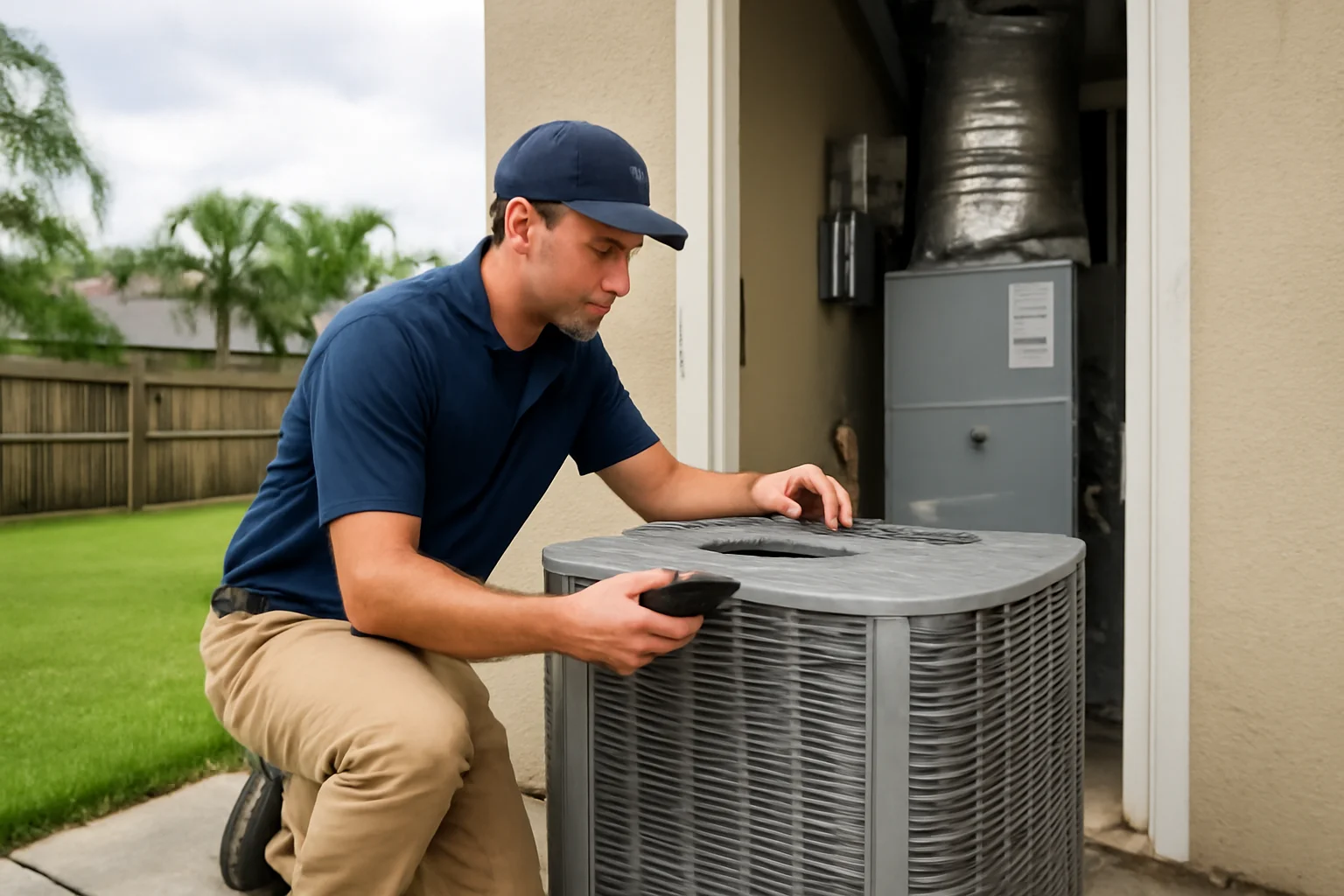
Freeport homeowners often notice comfort problems long before they can explain why. A room can feel warmer than the rest, airflow may seem weak, or indoor air can feel a little stale. When you schedule duct inspection in Freeport, FL, a trained HVAC technician looks beyond the thermostat to understand how HVAC wear and tear is affecting the ductwork and the air that moves through your home.
In Walton County, Florida, the environment does not help. Heat and humidity stress cooling systems, salt air can accelerate corrosion over time, and many homes endure frequent seasonal cycling. All of that wear changes what a duct inspection reveals, and it can also influence AC repair needs, air conditioning service decisions, and long term indoor air quality planning.
Why duct inspection findings shift as HVAC systems age
Duct inspection is not just about checking whether ducts exist. It is about evaluating how well conditioned air travels from the air handler or furnace to each room. As HVAC components age, airflow patterns change. That means the duct inspection results you get today may look different than they would have ten years ago.
Wear and tear can show up in several ways:
- Airflow imbalance: Some rooms get too much air while others get too little. This can be caused by duct leakage, duct restrictions, or long-term changes to dampers and registers.
- Leaky seams and joints: Ducts can develop gaps at connections. Over time, vibration and temperature swings can loosen fittings.
- Moisture-related issues: In humid Florida air, condensation can form when ducts or nearby components run cold. With age, insulation can degrade.
- Dust and debris accumulation: Duct interiors can collect particles. Even when duct cleaning is not always the answer, an inspection helps determine what is actually happening.
- Hidden impacts from refrigerant systems and condensate drainage: If the cooling system is not maintaining stable temperatures, duct condensation risk and airflow complaints can increase.
That is why duct inspection is often paired with broader residential HVAC service. A duct problem can be the symptom, while the root cause may be tied to how the AC system, heat pump service components, or airflow controls are operating.
Florida heat and humidity: wear that shows up in ductwork
Freeport experiences long cooling seasons. In many homes, the air conditioning system runs frequently, and sometimes for extended periods during humid stretches. This matters for duct inspection because it affects temperature gradients and condensation risk.
When cool air travels through ducts, the duct surface can become colder than the surrounding air. If insulation is compromised or ductwork is exposed in hot, humid spaces like attics or crawl spaces, condensation can form. Over time, moisture can contribute to:
- Insulation breakdown and increased heat transfer, which can make the system work harder.
- Musty odors and comfort complaints that overlap with indoor air quality concerns.
- Potential staining or damage near supply runs, especially where airflow is weak.
- Condensate drainage strain when cooling cycles do not manage moisture as designed.
Duct inspection near Freeport, FL should consider how humidity interacts with your specific duct layout, insulation condition, and where ducts run through or near unconditioned spaces.
Salt air and coastal corrosion: a quiet factor in duct and HVAC wear
Walton County is shaped by coastal weather patterns. Salt air does not only affect outdoor units. It can also contribute to corrosion-related deterioration around HVAC components and metal duct parts, especially in older installations or homes with less protected duct routing.
During duct inspection, corrosion and aging can appear as:
- Corroded duct seams or joints that gradually open.
- Damper or register issues that change airflow distribution.
- Wear that indirectly affects system performance, such as airflow that does not match what your thermostat expects.
Even when duct cleaning near me searches bring homeowners to the idea of cleaning first, inspection can help confirm whether the primary issue is leakage, airflow restriction, or moisture. Cleaning is not a substitute for fixing air movement problems.
How airflow problems and duct leaks change comfort (and energy use)
Airflow is the “delivery system” for your HVAC. When ducts are worn or leaking, your AC or heat pump service may still run, but the home does not receive air as intended. That can lead to comfort problems that feel like they are “always happening,” especially during peak summer.
Common comfort patterns linked to duct leakage and wear include:
- Hot rooms or cold rooms: Rooms far from the air handler may struggle, while others feel over-cooled.
- Short cycling: The system may cycle more often if airflow is not stable, which can increase wear on the refrigerant system components.
- Higher energy use: When airflow is restricted or poorly distributed, the system often has to work longer to reach thermostat targets.
- Inconsistent humidity control: In humid climates, weak airflow can make it harder to maintain comfortable moisture levels.
Homeowners sometimes assume an AC tune up near me will solve the issue. A tune up can help, but it cannot correct duct leaks or ductwork restrictions. That is why residential HVAC service should treat ducts as part of the system, not an afterthought.
Refrigerant systems, condensate drainage, and what duct inspection can reveal
Duct inspection focuses on airflow and duct condition, but HVAC wear in refrigerant systems and condensate drainage can still influence what you notice inside the home. It is common for comfort complaints to overlap, such as reduced cooling, higher humidity, or water-related concerns.
Here is how these issues can connect without assuming the cause:
- Cooling performance affects duct temperatures: If the system does not maintain expected cooling, ducts may not stay in the temperature range that supports proper condensation control.
- Condensate drainage can reflect moisture stress: When condensate drainage is not managing moisture effectively, the surrounding areas can experience higher humidity levels.
- Airflow impacts moisture removal: Strong airflow helps the cooling process manage humidity. If ductwork is restricted, humidity control can suffer.
A Superior Mechanical can evaluate ductwork and overall system conditions during inspection and service visits. It is important not to guess at a refrigerant diagnosis or electrical diagnosis based on duct symptoms alone. A professional, in-person assessment is the right way to sort out what is truly happening.
Thermostats and controls: when wear changes how your system responds
Thermostats and heating control systems influence how often your equipment runs. If the thermostat is set correctly but the duct system is not delivering air consistently, your home can feel uneven even when the thermostat thinks the job should be done.
Wear-related duct issues can create a “feedback loop”:
- The thermostat registers comfort in one area.
- Duct leakage or restrictions prevent other rooms from receiving adequate airflow.
- The system may continue running to satisfy the thermostat sensor location, increasing energy use and wear.
If you are exploring thermostat installation near me options due to comfort issues, pair that step with duct inspection so you do not treat symptoms while the delivery system is still underperforming. For additional guidance, you may also find helpful information on heating control systems in Freeport.
Signs duct inspection should be part of your HVAC plan
Homeowners in Freeport often search for duct inspection after noticing repeated problems. While every situation is different, these signs commonly point to ductwork wear and airflow delivery concerns.
Comfort and airflow red flags
- One or more rooms feel consistently warmer or cooler than the rest.
- Airflow from vents is noticeably weaker than it used to be.
- Registers whistle, rattle, or do not respond smoothly.
- Filters require frequent changes due to unusual dust buildup.
Moisture and odor concerns
- Musty smells when the AC runs, especially after long humid stretches.
- Visible moisture or staining near supply runs or in adjacent areas.
- Condensation issues that appear around vents or registers.
System performance and safety considerations
- Cooling takes longer to reach your thermostat setting.
- The system runs longer cycles or seems to struggle during peak heat.
- Emergency cooling concerns, such as sudden loss of cooling during a hot period.
If you have emergency cooling concerns, it is wise to seek commercial HVAC repair for commercial sites and the appropriate residential service for homes. For homeowners searching for emergency AC repair near me, choose a licensed HVAC contractor near me who can evaluate airflow delivery, duct conditions, and equipment operation together rather than treating ductwork as a separate problem.
What A Superior Mechanical looks for during duct inspection
Every home layout is different, especially in Freeport where housing styles can vary. A duct inspection should be thorough and grounded in what the home is doing, not just what it looks like.
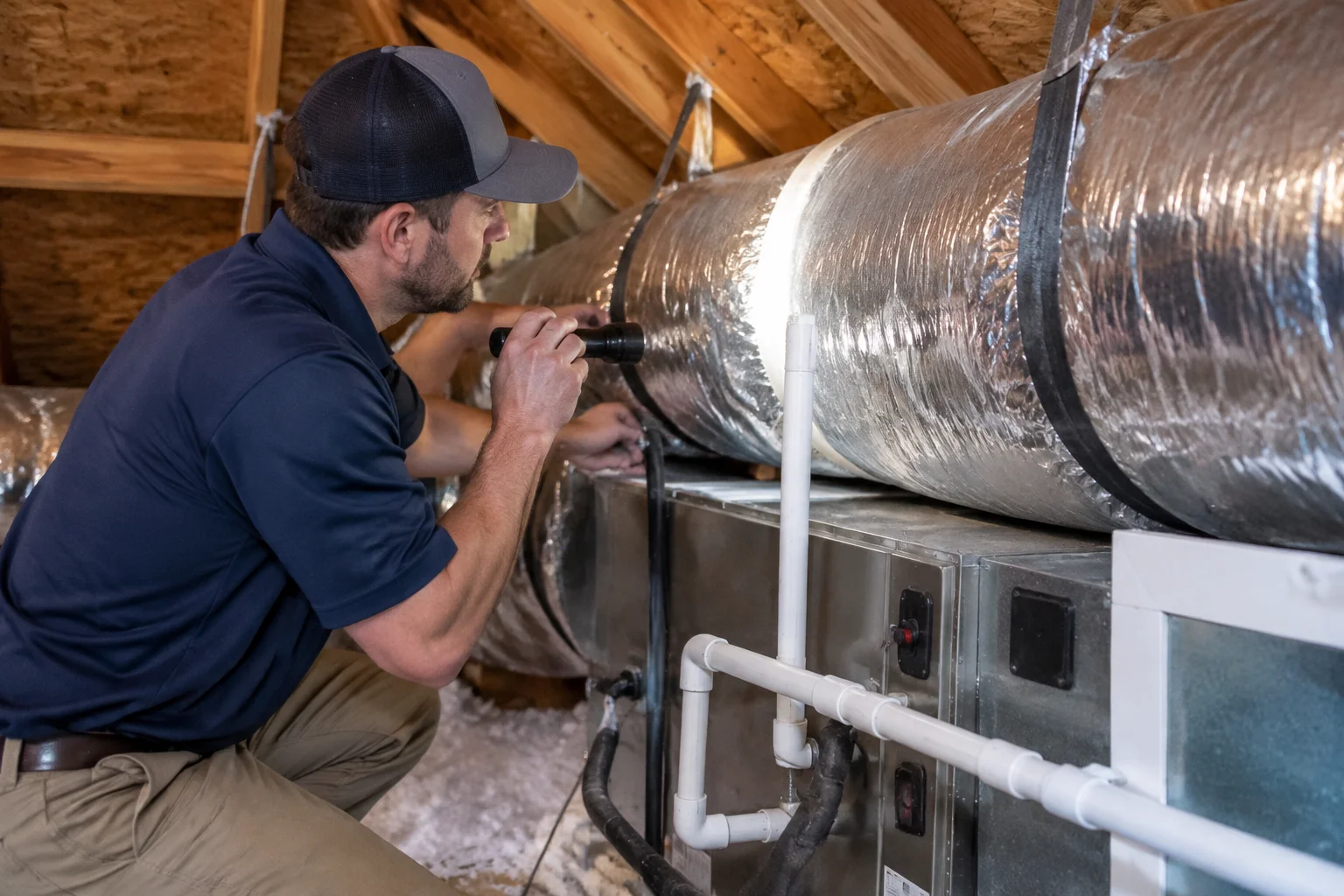
During a professional visit, technicians typically focus on:
- Airflow distribution: Checking whether supply air reaches rooms as intended.
- Duct leakage points: Identifying gaps at joints, seams, and connections.
- Insulation condition: Looking for insulation degradation that increases condensation risk.
- Air handling and return paths: Confirming that returns are not blocked and that airflow pathways are balanced.
- Moisture indicators: Reviewing signs of condensation or moisture accumulation in duct-adjacent areas.
If inspection suggests ductwork replacement is needed, homeowners can compare options such as duct replacement. If the ductwork is salvageable, the plan may focus on restoring airflow and addressing the root cause of the wear.
Maintenance that slows wear and improves duct performance
Preventive HVAC maintenance is one of the best ways to reduce duct-related problems. It does not stop time, but it can reduce how quickly wear compounds. In Florida humidity, small issues can escalate if they are not addressed early.
Practical steps that support better airflow and duct health include:
- Change filters on schedule: Restricted airflow can increase system strain and worsen distribution issues.
- Keep vents unobstructed: Furniture, rugs, and closed dampers can make airflow imbalance worse.
- Watch humidity trends: If indoor air feels too damp, duct leakage and insulation issues can be part of the story.
- Schedule periodic HVAC service: An HVAC technician can spot emerging duct and airflow concerns before they become comfort problems.
- Address condensate drainage issues early: Moisture problems can affect both comfort and indoor air quality.
For homeowners who want to connect duct inspection to broader maintenance planning, these reads may help:
- Why Efficient Heating and Cooling Starts With Commercial HVAC Maintenance in Freeport, FL
- The Details That Get Missed in Commercial HVAC Installation in Freeport, FL
- A Homeowner’s Guide to HVAC Financing and Why It Matters in Freeport, FL
If you are interested in how different systems can change airflow planning, you may also consider Geothermal HVAC Systems as a long-term conversation starter.
When duct cleaning is helpful and when inspection matters more
Many homeowners look for duct cleaning near me when they see dust. Dust is real, but duct cleaning is not always the best first move. Wear and tear often causes dust to enter the system through leaks, or it comes from airflow imbalance and filter setup issues.
That is why inspection comes first. A professional duct inspection helps determine whether dust is a symptom of:
- Air leakage pulling in dust from attics or crawl spaces
- Moisture-related contamination concerns
- Restricted airflow that causes uneven distribution and more particulate movement
- Filter and return air path issues
Once the root cause is understood, homeowners can decide whether duct cleaning, duct repair, or duct replacement is the right path for indoor air quality services near me searches.
Residential and commercial properties in Walton County: duct wear can look different
Freeport homes, vacation rentals, and commercial properties often face different usage patterns. Vacation rentals may sit idle for stretches, then run hard during peak visitor weeks. Commercial HVAC service near me needs can also vary, especially in buildings with multiple zones, long duct runs, or frequent occupancy changes.
For commercial sites, wear and airflow issues can affect comfort, productivity, and indoor air quality. If your building has recurring issues, you may benefit from guidance like Staying Ahead of Commercial HVAC Problems in Freeport, FL: A Practical Guide for More Reliable Buildings.
For homeowners and property managers, the main takeaway is the same: duct inspection should be part of the HVAC plan, whether you are troubleshooting AC repair needs, preparing for a system replacement discussion, or maintaining comfort across seasons.
Choosing duct inspection in Freeport, FL: what to ask before scheduling
When you contact an HVAC company about duct inspection, a few questions can help you confirm you are getting a service that matches your goals.
- How will the inspection evaluate airflow balance across rooms?
- Will the technician review duct insulation condition and moisture indicators?
- Will the visit connect duct findings to system operation, including refrigerant system comfort performance and condensate drainage concerns?
- How will recommendations be prioritized, such as repair versus duct replacement near me considerations?
- Can you explain how thermostat settings and airflow delivery interact?
If you are comparing options, start with local knowledge. A Walton County HVAC team understands how Freeport weather and housing conditions can influence duct wear and indoor air quality. You can also explore more about service coverage at this Freeport service area page and the broader Walton County HVAC service area.
Why professional duct inspection matters before major HVAC decisions
Duct wear and tear can drive comfort complaints, energy use, and indoor air quality stress. It can also complicate system troubleshooting because symptoms overlap. That is why duct inspection is a smart step before you commit to larger decisions like HVAC replacement near me conversations.
A professional evaluation can help you avoid chasing the wrong problem. If ducts are leaking or insulation is failing, “more service calls” can turn into a cycle. On the other hand, if ductwork is sound and the issue is primarily equipment performance, duct inspection can still clarify where airflow is going and why comfort is not matching thermostat expectations.
For homeowners looking for a licensed HVAC contractor near me who treats ductwork as part of the whole system, schedule a professional visit with A Superior Mechanical for duct inspection in Freeport, FL. The goal is straightforward: improve airflow, reduce moisture and indoor air quality concerns, and support more reliable cooling through Florida’s hottest months.
Find Duct Inspection in Freeport, FL
If you need Duct Inspection in Freeport, FL, visit our local service page or contact A Superior Mechanical today.
Map of Freeport, FL
Frequently Asked Questions
How does humidity in Freeport affect duct inspection results?
Humidity can increase condensation risk on colder duct surfaces, especially if insulation is worn or ducts run through unconditioned areas. During inspection, a technician checks insulation condition, moisture indicators, and airflow patterns that can contribute to indoor air quality concerns.
Can duct leaks make my AC feel like it is not cooling enough?
Yes. Duct leaks and restrictions can reduce airflow to certain rooms, causing hot spots, uneven temperatures, and longer cooling cycles. Duct inspection helps confirm whether airflow delivery is the issue before you assume the refrigerant system is the only problem.
Is duct cleaning always the right first step for dusty vents?
Not necessarily. Dust can enter through duct leaks or come from airflow imbalance and filtration issues. Duct inspection can identify the source of dust and determine whether cleaning, duct repair, or duct replacement is the better path.
What should I do if I notice musty smells when the AC runs?
Musty odors can be linked to moisture, insulation wear, or other indoor air quality issues. Schedule duct inspection to look for condensation signs and airflow problems. Avoid guessing at causes without an in-person evaluation.
When should I call for emergency AC repair near me?
If your home loses cooling during a hot period, or you have emergency cooling concerns, contact a local HVAC professional right away. A technician can evaluate airflow delivery and system operation so you are not waiting while the issue worsens.
Related Articles
- Why Efficient Heating and Cooling Starts With Commercial HVAC Maintenance in Freeport, FL
- The Details That Get Missed in Commercial HVAC Installation in Freeport, FL
- A Homeowner’s Guide to HVAC Financing and Why It Matters in Freeport, FL
- Staying Ahead of Commercial HVAC Problems in Freeport, FL: A Practical Guide for More Reliable Buildings
Photo Gallery