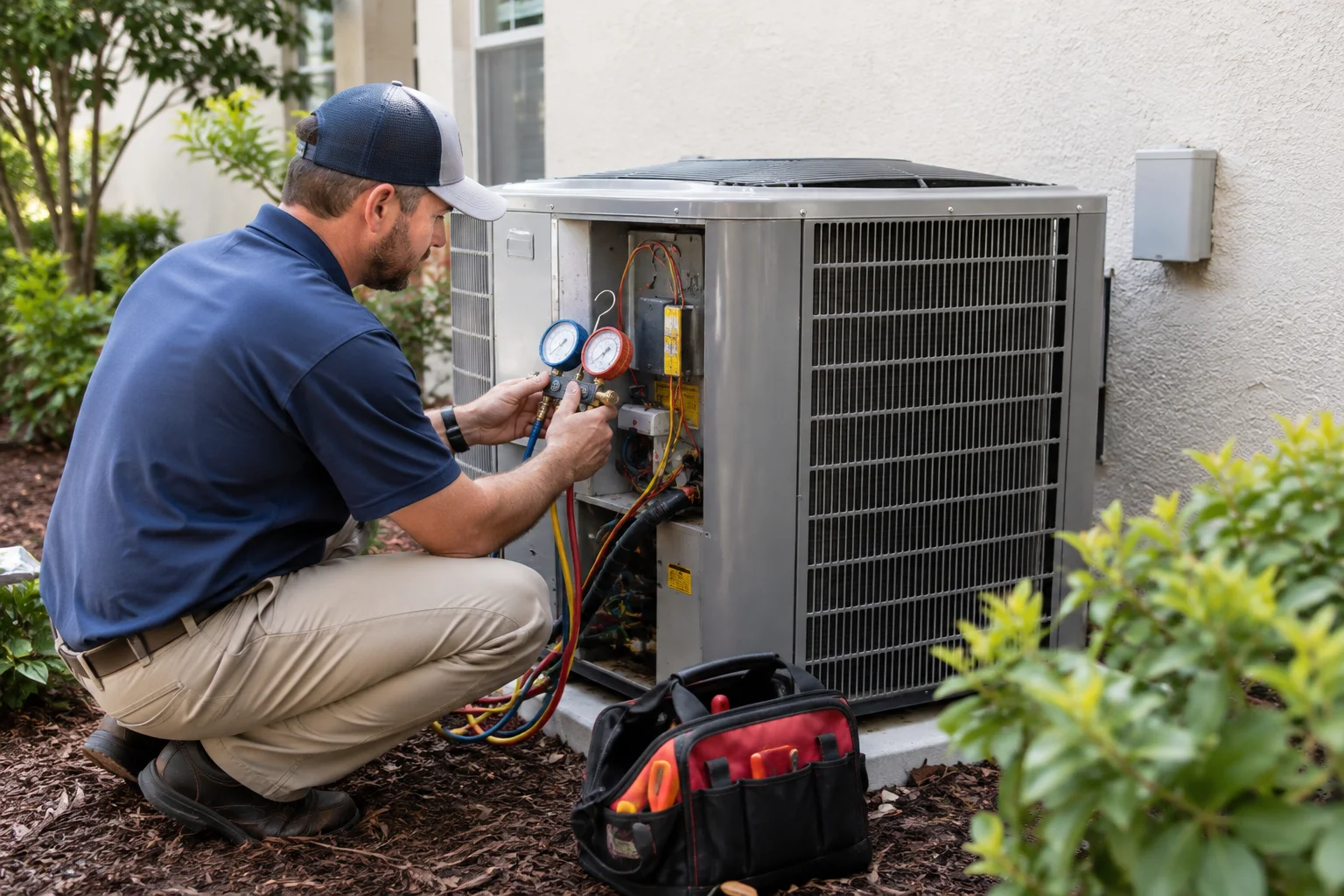
Camp Creek, FL has a climate that tests HVAC systems every day. Warm temperatures, frequent humidity, and the salty air that comes with coastal living can combine to strain commercial heating and cooling equipment. When HVAC wear and tear builds up over time, it does not just reduce comfort. It can also make it harder to manage humidity, increase energy use, and create emergency cooling concerns during the hottest stretches of summer.
A Superior Mechanical provides commercial HVAC services in Camp Creek to help property owners and facility managers keep systems performing as intended. This guide explains how wear and tear affects heat and humidity control, which symptoms to watch for, and what preventive HVAC maintenance can do to reduce breakdown risk.
Camp Creek humidity and heat: why commercial systems feel the strain
Commercial buildings in and around Camp Creek often rely on centralized air conditioning, ductwork distribution, and controls like thermostats to maintain consistent indoor conditions. In Florida, the air outside is frequently humid, and that matters because comfort is not only about temperature. If the system cannot remove moisture effectively, spaces can feel sticky even when the thermostat says the temperature is “cool.”
Coastal and near-coastal conditions also add stress. Salt air can accelerate corrosion on outdoor components and affect metal parts in the air handling process. Meanwhile, high run times during summer can magnify normal aging effects like filter loading, refrigerant system strain, and condensate drainage issues.
What “wear and tear” means for commercial HVAC performance
Commercial HVAC systems experience continuous cycles of start up, cooling, reheating, and air distribution. Over months and years, common components gradually lose efficiency. Some changes are subtle at first, but they can add up to measurable comfort and indoor air quality problems.
Airflow restrictions that make humidity harder to control
Airflow is the foundation of both cooling comfort and moisture removal. When filters load with dust, return grilles collect debris, or ductwork develops leaks and restrictions, the system may not move the right amount of air across the cooling coil. That can lead to:
- Weaker cooling performance even though the system runs
- Reduced dehumidification, which leaves indoor air feeling damp
- Hot spots in offices, retail spaces, and restaurants
Wear and tear can also show up as ductwork that no longer distributes air evenly. For help with airflow and distribution issues, consider an duct sealing and Aeroseal services and pairing that work with an air conditioning inspection.
Refrigerant system strain and cooling imbalance
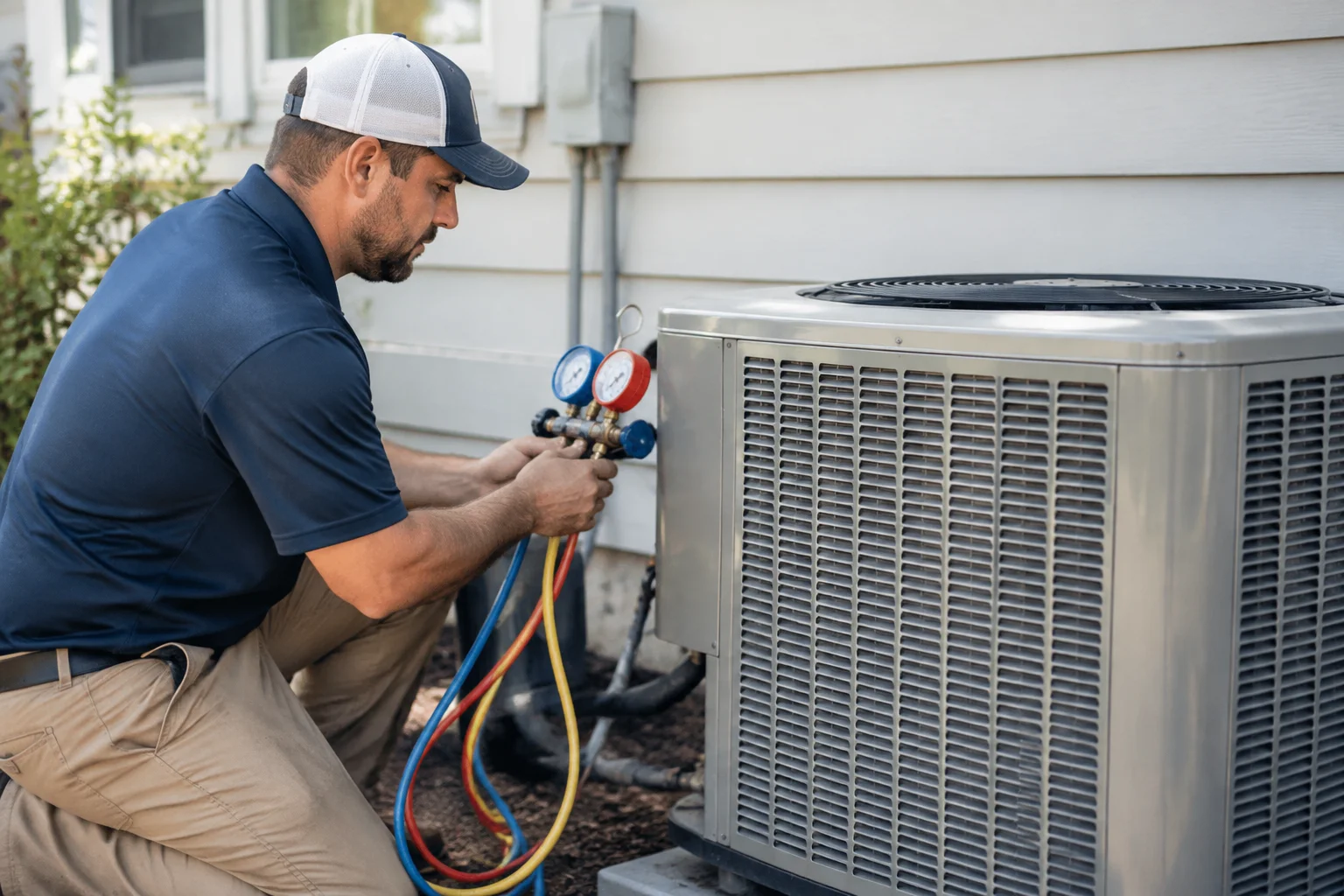
Commercial air conditioning depends on the refrigerant system to transfer heat. Over time, components can wear, connections can loosen, and performance can drift due to factors that require an in-person assessment. When the refrigerant system is not operating as intended, cooling can become less effective, and the system may cycle in ways that increase wear on other parts.
Homeowners and facility managers sometimes notice temperature swings, longer run times, or inconsistent comfort across zones. Those symptoms can point in multiple directions, including airflow problems, sensor issues, or refrigerant system concerns. It is important not to assume a refrigerant diagnosis from symptoms alone. A licensed HVAC contractor near you can verify the system’s actual operating conditions during service.
Condensate drainage problems that lead to moisture and indoor air quality issues
When air conditioning removes humidity, condensation forms and must drain properly. Wear and tear can clog condensate drain lines, slow drainage, or cause condensate drainage to back up. In commercial spaces, that can contribute to:
- Water-related damage near air handlers or in ceilings
- Musty odors
- Higher humidity that affects comfort and indoor air quality
In humid Florida conditions, condensate drainage issues can worsen quickly during peak cooling weeks. If you have emergency cooling concerns, moisture-related symptoms should be treated as a priority, not a “later” problem.
Thermostat and control wear that disrupts heat and humidity setpoints
Thermostats and building controls help manage when equipment runs and how it responds to indoor conditions. As systems age, sensors can drift, programming can become outdated, and controls may not match the building’s actual airflow and duct distribution. That can result in:
- Short cycling that reduces coil performance and dehumidification
- Comfort complaints that sound like “the AC isn’t strong enough”
- Increased energy use because equipment runs longer than it should
Even if temperature seems “okay,” humidity control can suffer when controls do not align with real airflow and coil performance. A professional commercial air conditioning contractor can review how the system responds during actual operation, not just how it looks on paper.
Common commercial symptoms that often point to wear and tear
When HVAC wear and tear affects heat and humidity management, the signs usually show up in comfort and building conditions. Here are symptoms that property managers in Camp Creek often report:
1) Spaces feel cool but still humid
This is a classic humidity control failure. It can occur when airflow is restricted, the coil is not getting the proper air volume, or condensate drainage is not removing moisture effectively.
2) Uneven temperatures across the building
Hot and cold areas can be tied to ductwork distribution, airflow balance, or zoning control issues. Over time, duct leaks and settling can worsen how air moves through the system.
3) Higher energy use without better comfort
Wear and tear often increases system effort. Filters, coils, and airflow pathways can become less efficient. When the system has to run longer to achieve setpoints, energy use can rise.
4) Strange noises, frequent cycling, or longer run times
These patterns can indicate worn mechanical components, airflow issues, or control problems. They also raise the risk of a mid-summer breakdown, especially during periods of intense heat.
5) Indoor air quality complaints that coincide with AC operation
When humidity control slips, indoor air quality can worsen. Occupants may notice stale air, irritation, or odors. In commercial settings, that can become a serious comfort and health concern.
If you are looking for indoor air quality services near me, it helps to understand that indoor air quality improvements are often most effective when the base HVAC system is working correctly. For moisture and airborne contaminant control, explore indoor air quality air scrubbers as part of a broader approach.
Why ductwork and airflow problems show up in Florida first
In Camp Creek’s heat and humidity, ductwork performance is directly tied to comfort. Even if the air conditioner is cooling, poor airflow can prevent the system from removing moisture. Over time, duct insulation can degrade, joints can loosen, and air can leak into unconditioned spaces. Florida attics and crawl areas can add heat load, which then increases the strain on the refrigerant system and increases energy use.
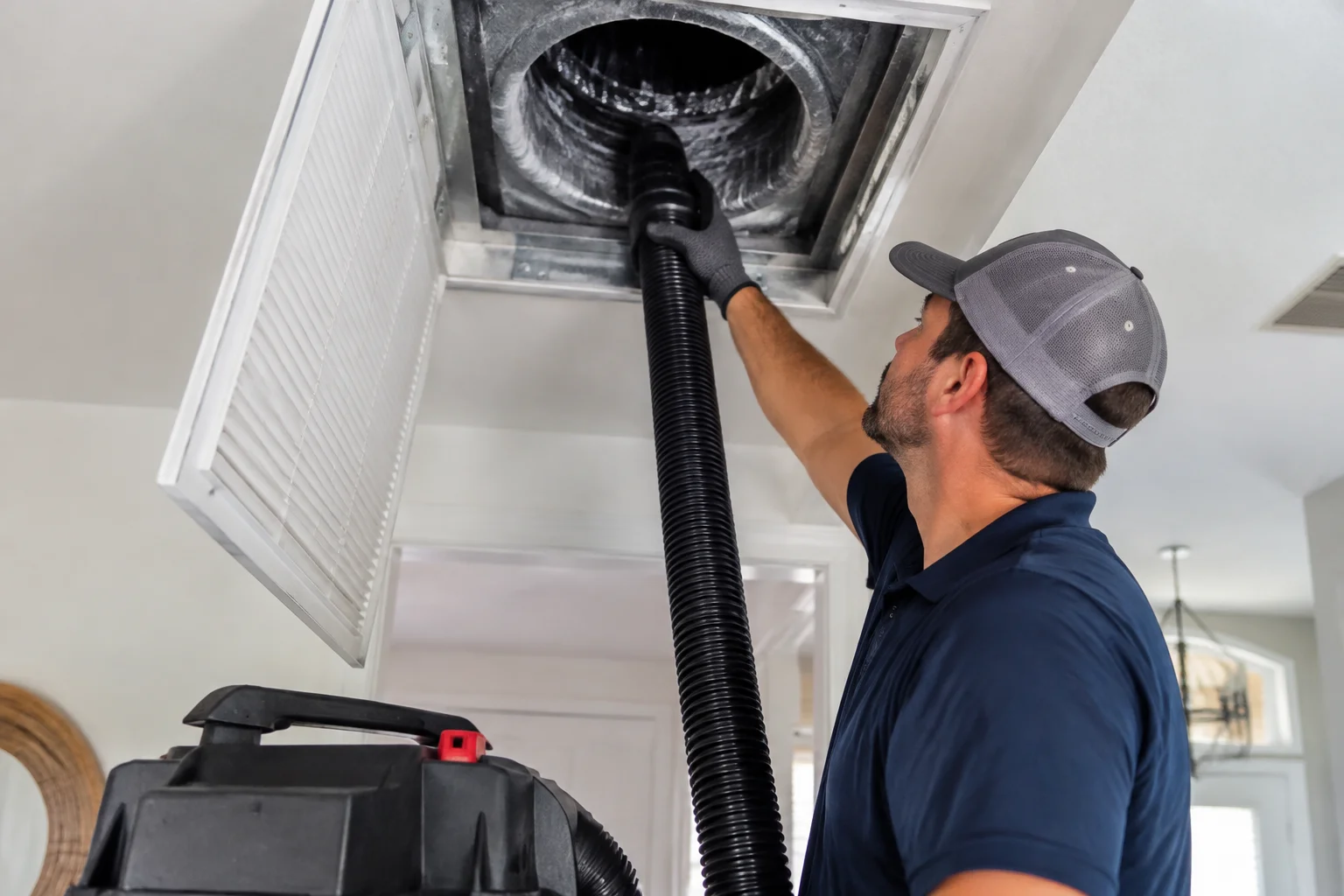
For commercial buildings, duct inspections are often a practical step when comfort complaints repeat room after room. If you are comparing options for duct cleaning near me, keep in mind that duct cleaning is not a universal fix for humidity control. A professional can determine whether the issue is debris, airflow restriction, duct leakage, or something else that needs targeted attention. When ductwork needs more than cleaning, sealing and system balancing may be the better path.
How preventive HVAC maintenance reduces wear and tear
Preventive HVAC maintenance is not just about preventing total system failure. It is about keeping heat transfer and airflow pathways performing consistently so humidity stays under control. For homeowners managing commercial properties, maintenance is also a way to plan budgets and reduce emergency cooling concerns.
Seasonal inspections that catch problems early
Regular maintenance typically includes checking components that influence airflow, cooling performance, condensate drainage, and control response. In Florida, seasonal tune ups can be especially valuable before peak summer demand.
For a maintenance-focused walkthrough that applies to the local climate, read A Practical Guide to Air Conditioning Maintenance in Camp Creek, FL.
Filter and airflow management
Filters that are too restrictive can reduce airflow. Filters that are too loose may not capture fine particulates that affect indoor air quality. The right filter type and schedule depends on the building, occupant load, and the HVAC design. During maintenance, a technician can confirm airflow performance and recommend adjustments based on the system’s needs.
Coil care and moisture management
Coils can accumulate dust and debris, which reduces heat transfer. That can make it harder for the system to manage humidity. Maintenance can include cleaning and inspection of coil surfaces and drainage components to support proper condensate drainage.
Control checks for consistent thermostat behavior
Thermostats and commercial controls influence staging, run time, and comfort stability. Wear and tear can lead to drift in sensors or mismatched settings. A professional can review control operation and help ensure the system’s behavior matches the building’s comfort targets.
For properties where indoor air quality and comfort are both priorities, see Smart HVAC Planning for Cleaner Indoor Air in Camp Creek and Smart HVAC Planning for Camp Creek Homes: Comfort, Humidity, and Better AC Installations.
Wear and tear causes that are common in Camp Creek commercial buildings
Not every comfort issue is the same, but some causes show up more often in Florida commercial environments.
Salt air corrosion on outdoor components
Outdoor units can experience faster corrosion when salt air is present. Corrosion can affect airflow pathways, fan components, and metal parts that support heat exchange. Over time, that can reduce efficiency and increase the likelihood of mechanical problems.
High run times and peak cooling demand
Florida summers can keep equipment running longer than many regions. That accelerates normal wear, especially on parts that respond to frequent cycles.
Dirty returns and occupant-related load
Commercial buildings often have higher occupant density and more varied activity. Restaurants, retail spaces, and offices can generate heat and humidity loads that require consistent airflow and dehumidification. When systems age, they may struggle more to keep up with those demands.
Leaky or aging ductwork
Duct leaks can reduce delivered airflow and shift cooling away from where it is needed. In humid conditions, that can also affect moisture removal performance.
Heat pump and ductless systems: wear and tear still matters
Some commercial properties use heat pumps for both cooling and heating, while others use ductless mini split installation for targeted comfort zones. Heat pump repair near me inquiries often rise as equipment ages because controls, airflow, and refrigerant system performance all affect cooling and heating balance.
Even ductless systems are not immune. Filters, airflow paths, and drainage management still matter. If you manage a mixed system, comfort complaints can be hard to diagnose without an on-site evaluation. A licensed HVAC contractor near me can help determine whether the issue is airflow, control settings, indoor air quality factors, or a component that needs service.
What to do if you suspect wear and tear is affecting humidity
If your building is experiencing humidity complaints, comfort instability, or repeated cooling issues, start by documenting what you notice. Useful details include which areas feel dampest, whether the problem happens during certain times of day, and whether the system runs longer than usual.
Then schedule an AC repair or commercial HVAC services in Camp Creek so a professional can inspect airflow, ductwork, condensate drainage, thermostat behavior, and the refrigerant system under real operating conditions. Avoid assuming a specific diagnosis based on symptoms alone. A proper evaluation protects the building and helps prevent unnecessary repairs.
If you manage multiple properties or need consistent upkeep, consider property management HVAC services so maintenance is scheduled with the building’s occupancy and seasonal demand in mind.
Why professional commercial HVAC service matters for energy use and emergency cooling concerns
Commercial HVAC wear and tear can turn into bigger problems when the system has to work harder to maintain comfort in high humidity. That can increase energy use and put extra stress on refrigerant systems and airflow components. During peak heat, delays in service can become emergency cooling concerns.
Working with A Superior Mechanical means your system is evaluated with commercial comfort goals in mind, including airflow delivery, humidity control, and indoor air quality. If you are also dealing with duct-related comfort problems, professional evaluation can help determine whether duct sealing, duct inspection, or targeted ductwork repairs are the right next step.
If you want to explore more about what is typical for the area, you can browse the Camp Creek service area page and the broader Walton County service area.
Find Commercial HVAC Services in Camp Creek, FL
If you need Commercial HVAC Services in Camp Creek, FL, visit our local service page or contact A Superior Mechanical today.
Map of Camp Creek, FL
Frequently Asked Questions
How does HVAC wear and tear make a commercial building feel humid even when it is “cool”?
Wear and tear often reduces airflow or moisture removal. When filters load, ductwork leaks, or coils get dirty, the system may not move enough air across the cooling coil. That can lower dehumidification even if the temperature feels acceptable.
What are the most common signs condensate drainage problems are affecting my AC?
Look for musty odors, damp spots near air handlers, recurring indoor humidity complaints, or water staining. In humid Florida conditions, condensate drainage issues can worsen quickly, so it is best to have the system inspected promptly.
Can ductwork problems cause both comfort issues and higher energy use?
Yes. Leaky or restricted ductwork can reduce airflow where it is needed, causing longer run times and uneven temperatures. That increases energy use and can also affect humidity control.
Should I try to guess the cause of cooling problems before an HVAC inspection?
No. Symptoms like temperature swings or weak cooling can be caused by multiple issues, including airflow problems, control drift, condensate drainage concerns, or refrigerant system performance. A professional evaluation is needed before recommending repairs.
What preventive HVAC maintenance steps help protect commercial humidity control in Camp Creek?
Regular inspections, filter and airflow checks, coil care, condensate drainage verification, and thermostat or control reviews help keep cooling performance steady. Pairing maintenance with ductwork evaluation can further support better airflow and indoor air quality.
Related Articles
Photo Gallery