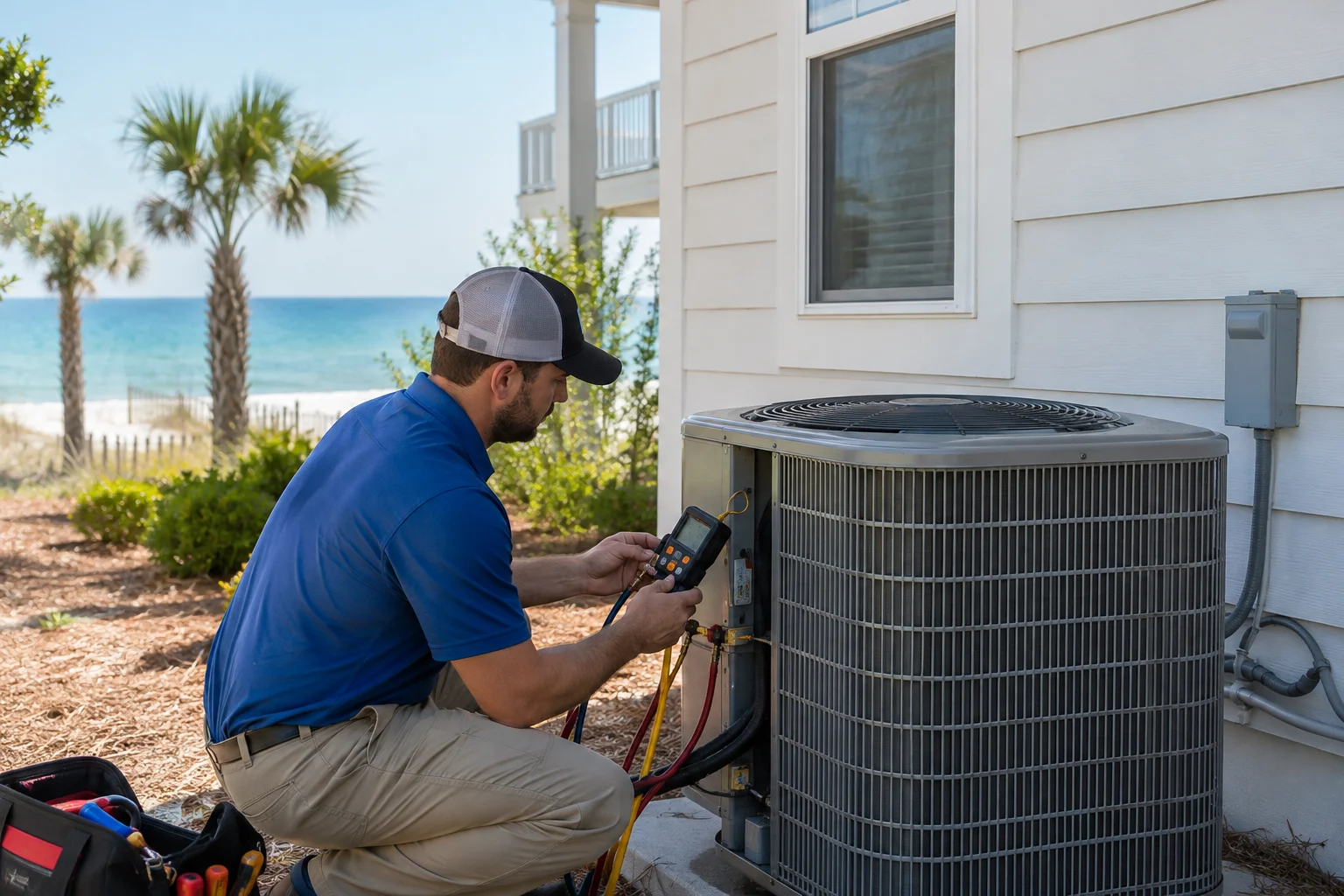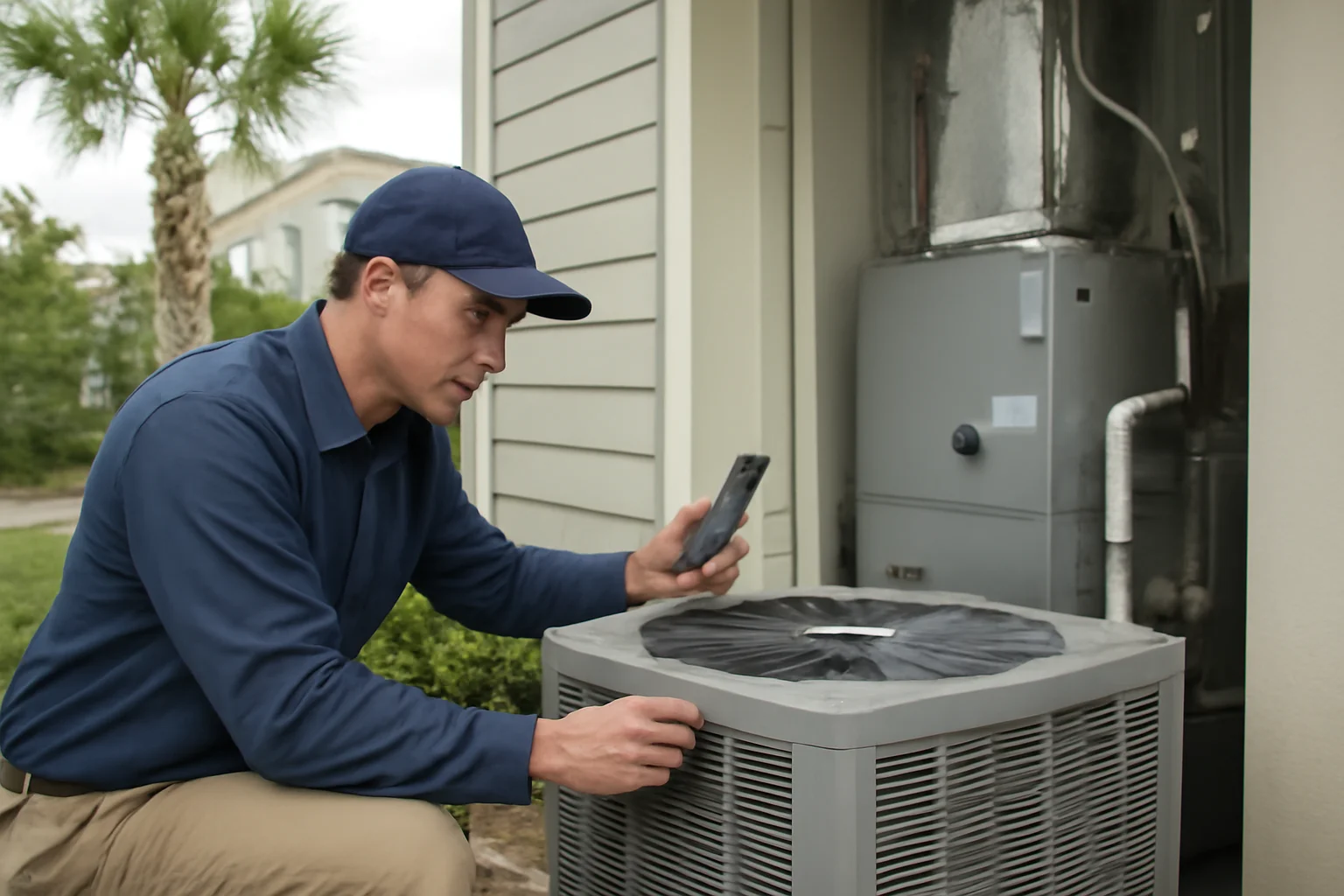
When the Florida heat hits, your air conditioner has a job to do: keep indoor temperatures comfortable while managing humidity and airflow. But cooling performance is not only about the thermostat and the size of your system. Indoor air quality (IAQ) problems can quietly push your HVAC equipment to work harder, run longer, and still leave rooms feeling stuffy or uneven.
For homeowners in WaterColor, FL, professional indoor air quality testing helps connect the dots between what you feel in your home and what your heating and cooling system is actually dealing with. The result is more reliable comfort, better humidity control, and fewer emergency cooling concerns during peak summer.
WaterColor humidity and salt air can affect more than comfort
WaterColor is coastal, and Walton County weather can be tough on indoor environments. Humidity levels can rise quickly, and salt air and outdoor pollen can add to indoor buildup. Even if your AC is running, high indoor moisture can lead to:
- Stuffy air and “cool but not comfortable” temperatures
- Condensation issues that increase the risk of microbial growth
- Odors that feel musty or “stale”
- Allergy-like symptoms that come and go with weather changes
These issues can also interfere with HVAC performance. Airflow that is restricted by dirty ducts or poor duct sealing, moisture that is not being managed correctly, and contaminants moving through the system can all make it harder for your refrigerant system to do its job efficiently.
What indoor air quality testing looks for in an HVAC context
Indoor air quality testing is often discussed in the language of health, but for HVAC homeowners the bigger value is performance. A careful IAQ evaluation can help identify factors that affect cooling, airflow balance, and humidity control.
In WaterColor homes, testing commonly focuses on:
- Indoor humidity and moisture behavior: Moisture levels, and where moisture is likely to accumulate, especially when the AC cycles.
- Airborne particulates and allergens: Dust, pollen, and other particles that can circulate through supply registers and return vents.
- Possible microbial or odor sources: Conditions that support growth, along with indicators that odors may be coming from HVAC-related surfaces.
- Airflow and system-related comfort issues: Whether the home’s airflow patterns match what the HVAC system is trying to deliver.
Professional IAQ testing does not replace HVAC diagnostics. Instead, it complements them. For example, if your home feels humid even when the temperature is set correctly, the root cause might involve ductwork, condensate drainage, thermostat behavior, or how the system is handling indoor airflow.
How IAQ problems can make your AC work harder
Most cooling systems rely on a refrigerant cycle to remove heat from indoor air. But the system also depends on airflow and moisture management to keep conditions stable. When IAQ issues are present, several common scenarios can increase strain on your air conditioning service and lead to more frequent HVAC repair needs.
1) High humidity can reduce comfort even when temperatures are cool
In humid Florida weather, comfort is not just about temperature. If humidity control is off, you may feel sticky or clammy, and rooms may never feel “fully cooled.” That can lead you to lower thermostat settings repeatedly, which increases run time and energy use.
Indoor air quality services near me can help you understand whether the issue is related to system operation, condensate drainage, duct leakage, or other factors that affect moisture removal.
2) Restricted airflow can trap contaminants and affect cooling performance
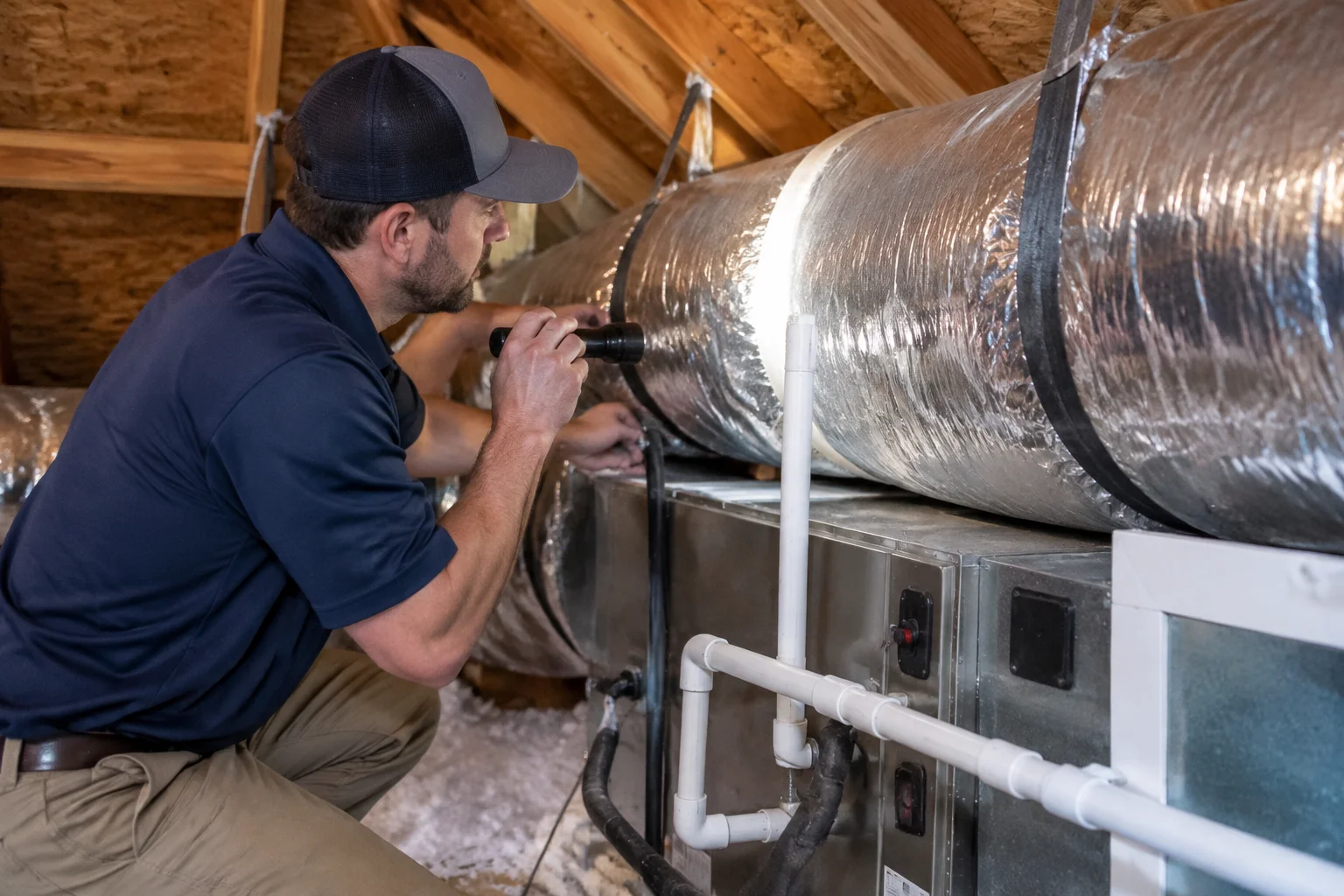
Dirty returns, poorly sealed ducts, or ductwork that does not distribute air evenly can create hotspots and cold spots. The same airflow problems that cause uneven temperatures can also affect how contaminants move through the home.
If you are considering ductwork improvements, WaterColor homeowners often benefit from guidance like why WaterColor homes benefit from better duct sealing and Aeroseal care. Better sealing and more consistent airflow can support humidity control and help the system cool more predictably.
3) Condensate drainage problems can create moisture where you do not want it
During cooling, your air conditioner removes moisture from the indoor air. That moisture typically drains through the condensate drainage system. If drainage is slow, blocked, or not set up correctly, moisture can collect around components and create conditions that affect indoor air quality.
Condensate drainage issues are not always obvious until you notice recurring musty odors, visible moisture, or symptoms that flare up when the system runs. A professional evaluation can help determine whether the HVAC repair you need is tied to moisture management.
4) Thermostat behavior can mask IAQ and comfort issues
Modern thermostats can be helpful, but they can also contribute to confusion when humidity and airflow are not matching the temperature setting. Some homeowners set the thermostat lower to chase comfort, which can lead to longer cycles and higher energy use without solving the underlying humidity or airflow problem.
During an IAQ and HVAC review, technicians can look at how the thermostat is being used and whether the system is able to maintain stable comfort conditions.
Common WaterColor HVAC issues that show up as indoor air quality complaints
Homeowners often start with a comfort or air quality concern, then discover it is tied to HVAC performance. In WaterColor, these patterns show up frequently:
- Musty odors when the AC turns on: Odor sources can be connected to moisture, air distribution, or HVAC-related surfaces.
- Rooms that feel humid or “not cooled”: This can point to ductwork airflow issues, pressure imbalances, or incomplete moisture removal.
- Allergy symptoms that worsen during humid stretches: Indoor particulates and airflow patterns can circulate contaminants more effectively when conditions are right for them.
- Short cycling or inconsistent cooling: Sometimes linked to airflow, system operation, or how the thermostat and humidity conditions interact.
- Condensate drainage concerns: Slow drainage can contribute to dampness and odors that affect indoor air quality.
These are exactly the kinds of situations where professional indoor air quality testing in WaterColor can help homeowners understand what is driving the complaint and how it relates to cooling performance.
Why IAQ testing matters before system replacement or major repairs
Some homeowners assume they need a new AC or heat pump installation near me because the home never feels right. But replacing equipment without understanding the indoor environment can lead to expensive “band-aids.”
IAQ testing can clarify whether the comfort issue is primarily tied to:
- Humidity control and moisture behavior
- Airflow patterns from ductwork and registers
- Potential indoor contaminants that are being redistributed by the system
- Operational concerns that should be addressed before replacement
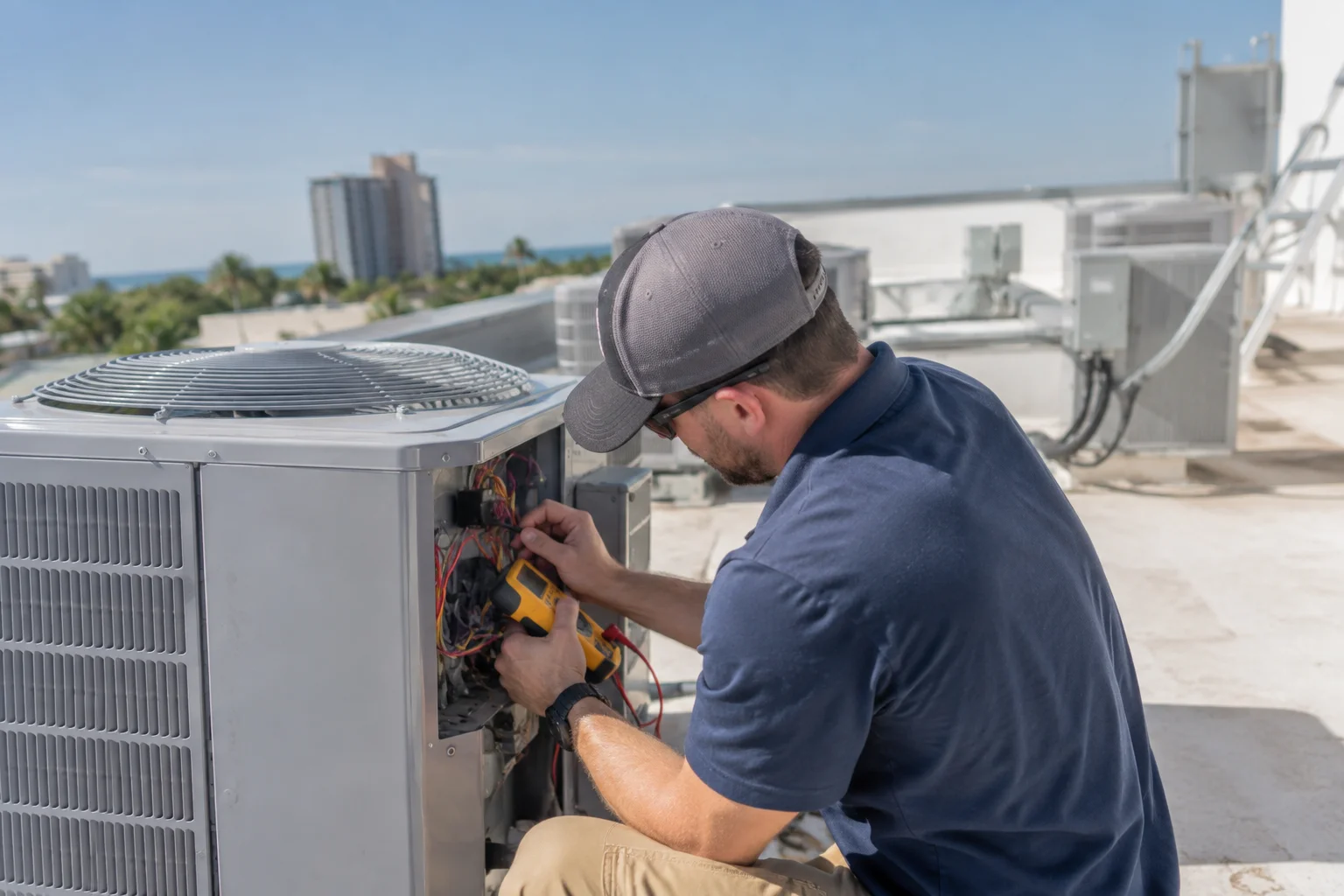
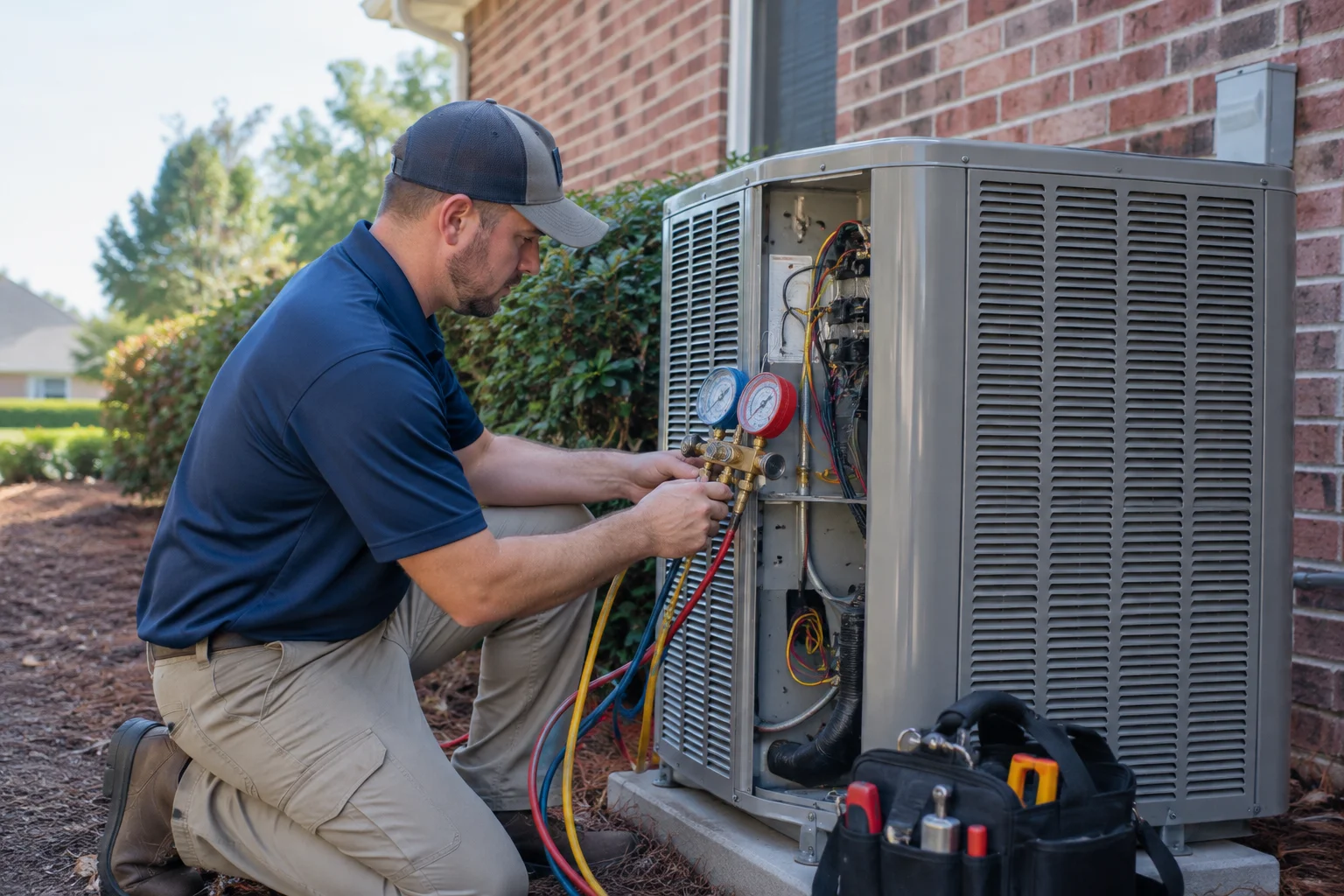
Refrigerant systems are designed to remove heat efficiently when airflow and moisture conditions are within normal operating behavior. If indoor air quality problems are forcing the system into a less stable pattern, the home may feel worse even with a properly sized unit. An in-person professional evaluation is the right step before any refrigerant diagnosis, electrical diagnosis, or equipment replacement is considered.
How testing supports preventive HVAC maintenance
Preventive HVAC maintenance is about catching issues before they become emergency cooling concerns. IAQ testing can play a role in that strategy because it helps identify conditions that can worsen over time, especially in coastal climates.
For example, a homeowner may schedule HVAC maintenance near me to keep the system running smoothly. IAQ insights can help the technician prioritize:
- Airflow checks tied to comfort and humidity control
- Inspection of ductwork pathways and return airflow
- Evaluation of condensate drainage and moisture risk
- Filter and filtration approach that matches the indoor environment
When you address IAQ-related performance factors early, you reduce the odds of mid-summer breakdowns and prolonged discomfort.
Air filtration, dehumidification, and air cleaning options may help, depending on what testing finds
Many homeowners ask about air scrubber installation near me or HVAC air filtration near me after noticing odors, dust, or allergy symptoms. Those solutions can be effective, but the best approach depends on the indoor conditions and the HVAC system design.
If humidity control is a major driver, some homes benefit from whole home dehumidifiers. You can explore whole home dehumidifiers to see whether that strategy fits your comfort goals.
If the issue is primarily airflow and distribution, ductwork improvements may be more impactful than air cleaning alone. Some homes in WaterColor consider options like duct replacement or targeted upgrades based on duct inspection near me findings.
And if parts of the home need different temperature and airflow strategies, ductless systems may be considered. For homeowners comparing options, ductless mini-splits can be part of the comfort plan when they match the layout and performance needs.
Better airflow and ductwork often go hand in hand with IAQ
Ductwork is the pathway for conditioned air. In coastal Florida, duct leakage and poor sealing can contribute to humidity problems because the home can pull in moisture-laden air from unconditioned spaces. That can make it harder for the AC to remove moisture effectively.
Even when the equipment is working, airflow imbalance can cause some areas to stay cooler, while others remain humid. That inconsistency can be a major contributor to both comfort and indoor air quality concerns.
If you suspect ductwork is part of the issue, a technician can evaluate airflow and distribution and recommend appropriate next steps. This is also why homeowners searching for duct inspection near me often get better results when ductwork improvements are paired with filtration and humidity control strategies.
For more on the role of duct sealing in WaterColor homes, see this guide to better duct sealing and Aeroseal care.
When indoor air quality testing becomes urgent
IAQ issues do not always wait for the “right time.” If you notice any of the following, it is smart to schedule an evaluation:
- Musty odors that persist or return quickly after cleaning
- Visible condensation around HVAC equipment or in areas near ductwork
- Allergy or respiratory symptoms that worsen during AC operation
- Rooms that feel humid or uncomfortable even when temperatures are set
- Frequent need for air conditioning repair near me due to recurring comfort complaints
During Florida heat waves, these problems can become emergency cooling concerns. When the home cannot maintain comfortable humidity and airflow, it becomes harder to keep indoor conditions stable, and the system may be pushed into prolonged operation.
Why professional local HVAC service matters in WaterColor and Walton County
WaterColor homes are influenced by coastal weather, typical humidity swings, and the realities of older and newer construction. A professional HVAC contractor understands how these local factors show up in real indoor environments.
Choosing a team that provides indoor air quality testing plus HVAC diagnostics helps you avoid guesswork. It also helps ensure that any next steps, whether that is HVAC repair, ductwork improvements, heat pump service, or a filtration strategy, are based on what is happening in your home.
Homeowners can also benefit from broader guidance like keeping WaterColor homes comfortable without the emergency call, which focuses on preventive habits and maintenance priorities that reduce the chance of a crisis during peak cooling season.
If you are dealing with ongoing comfort issues tied to equipment or system performance, you can explore commercial HVAC repair for related diagnostic approaches, even if your goal is residential comfort. For residential needs, the same principle applies: correct diagnosis matters.
For broader county coverage, you can also review services across Walton County.
What to do next if your home feels “cool but not comfortable”
If your AC runs but the home still feels humid, smells stale, or has persistent allergy concerns, indoor air quality testing can help you move from frustration to clarity. The process is most helpful when it is paired with HVAC evaluation, including airflow assessment and inspection of moisture-related components like condensate drainage.
A Superior Mechanical provides professional indoor air quality testing in WaterColor, FL for cleaner, healthier air and better HVAC performance. If you are searching for indoor air quality services near me, HVAC air filtration near me, or HVAC maintenance near me, start with a local evaluation that connects IAQ findings to how your cooling system is performing in the humidity and salt-air conditions common to WaterColor.
To schedule testing or discuss your cooling performance concerns, visit indoor air quality testing for WaterColor, FL.
Find Indoor Air Quality Testing in WaterColor, FL
If you need Indoor Air Quality Testing in WaterColor, FL, visit our local service page or contact A Superior Mechanical today.
Map of WaterColor, FL
Frequently Asked Questions
Will indoor air quality testing tell me why my AC feels weak in humid weather?
It can help. IAQ testing looks at indoor humidity, airflow-related comfort factors, and indicators of contaminants or moisture conditions that can affect cooling performance. A technician then connects those findings to HVAC diagnostics like airflow, ductwork, and condensate drainage. Refrigerant or electrical issues still require an in-person HVAC evaluation.
How does humidity in WaterColor affect my air conditioner’s performance?
High humidity changes how the home feels at the same temperature setting. If moisture removal and airflow are not balanced, your system may run longer, cycle inconsistently, or fail to deliver “dry, comfortable” air. Indoor air quality testing helps identify whether humidity issues are tied to system operation, ductwork, or moisture behavior.
If I’m worried about musty odors, should I test indoor air quality or focus on AC repair?
Both can be part of the solution. Musty odors can be linked to moisture and indoor contaminants that move through the HVAC system. Indoor air quality testing can provide direction, while an HVAC technician evaluates condensate drainage, airflow, and related system factors. The best path depends on what is found in your home.
Can better duct sealing improve indoor air quality and cooling comfort?
Often, yes. Poorly sealed ductwork can contribute to uneven airflow and moisture issues, which can worsen indoor air quality. If testing and inspection point to duct-related problems, improvements like duct sealing and related airflow upgrades may support both comfort and IAQ goals.
Is IAQ testing only for people with allergies?
No. IAQ testing is useful for any homeowner who wants to understand what is driving comfort problems, odors, excess humidity, or inconsistent cooling. It is especially valuable in coastal areas like WaterColor where humidity and outdoor contaminants can influence indoor conditions.
Related Articles
- Why Commercial HVAC Systems Struggle in WaterColor Homes and How to Stay Ahead of It
- Why WaterColor Homes Benefit from Better Duct Sealing and Aeroseal Care
- Keeping WaterColor Homes Comfortable Without the Emergency Call
- Indoor Air Quality Testing That Helps Inlet Beach Homes Stay Comfortable Longer
Photo Gallery