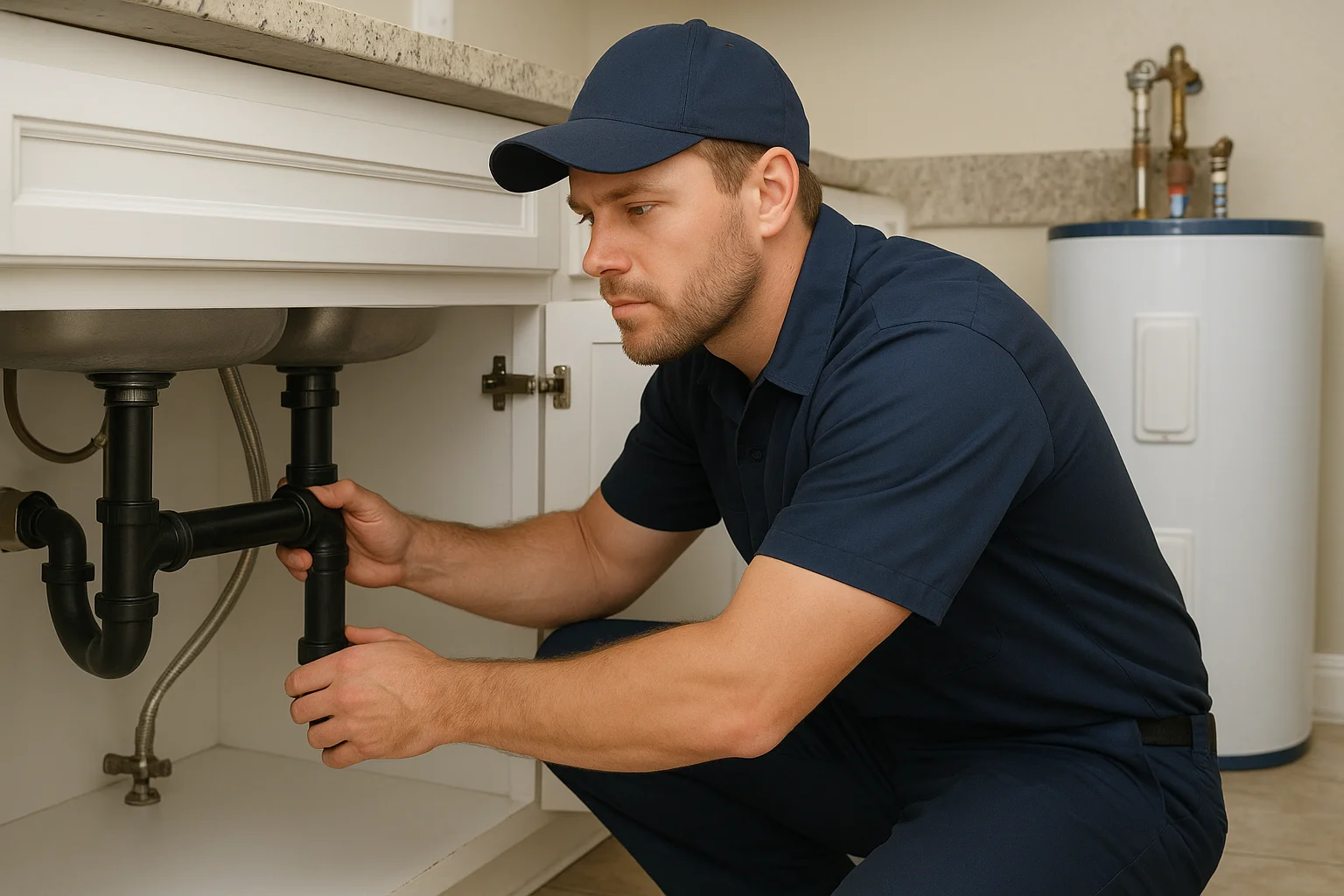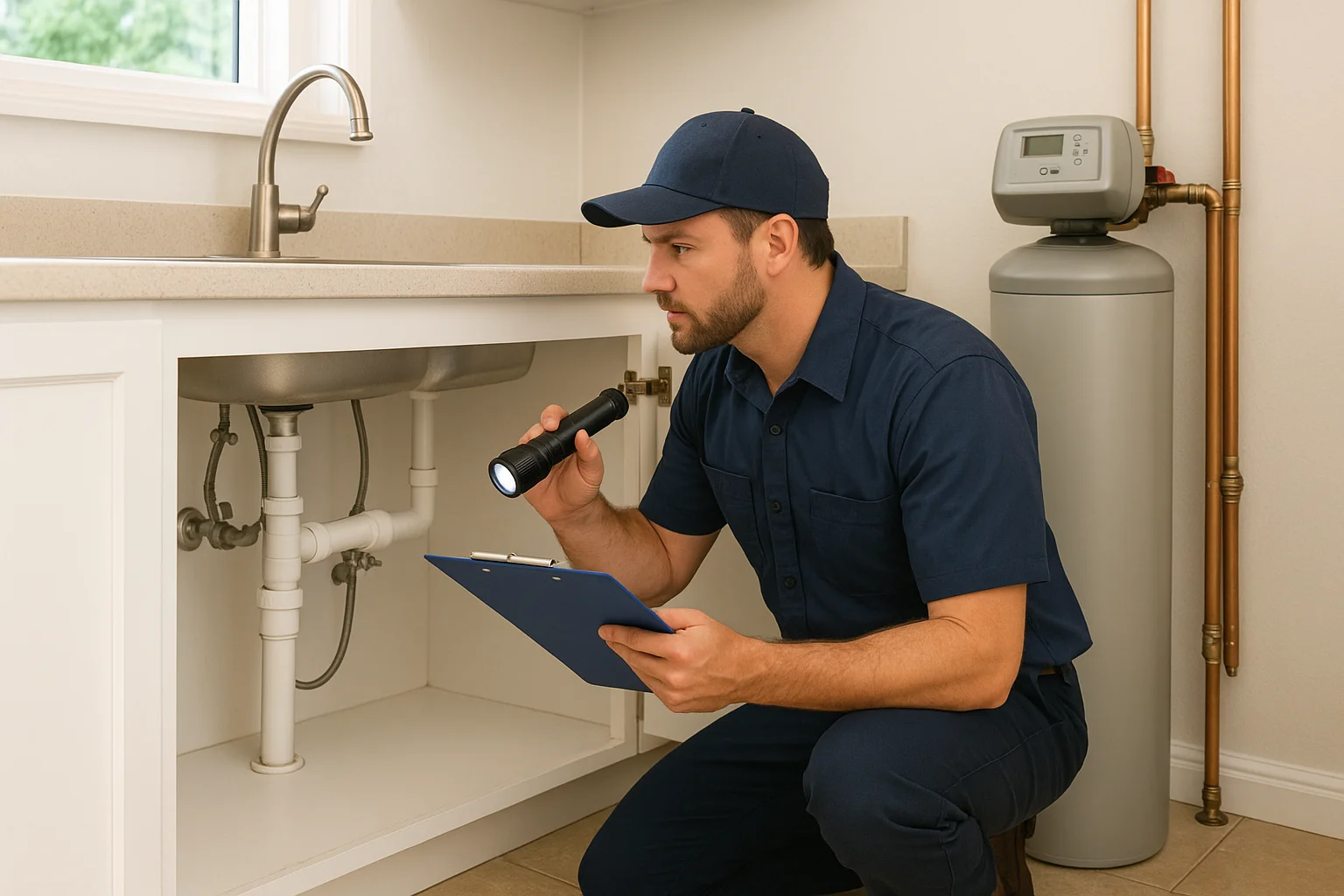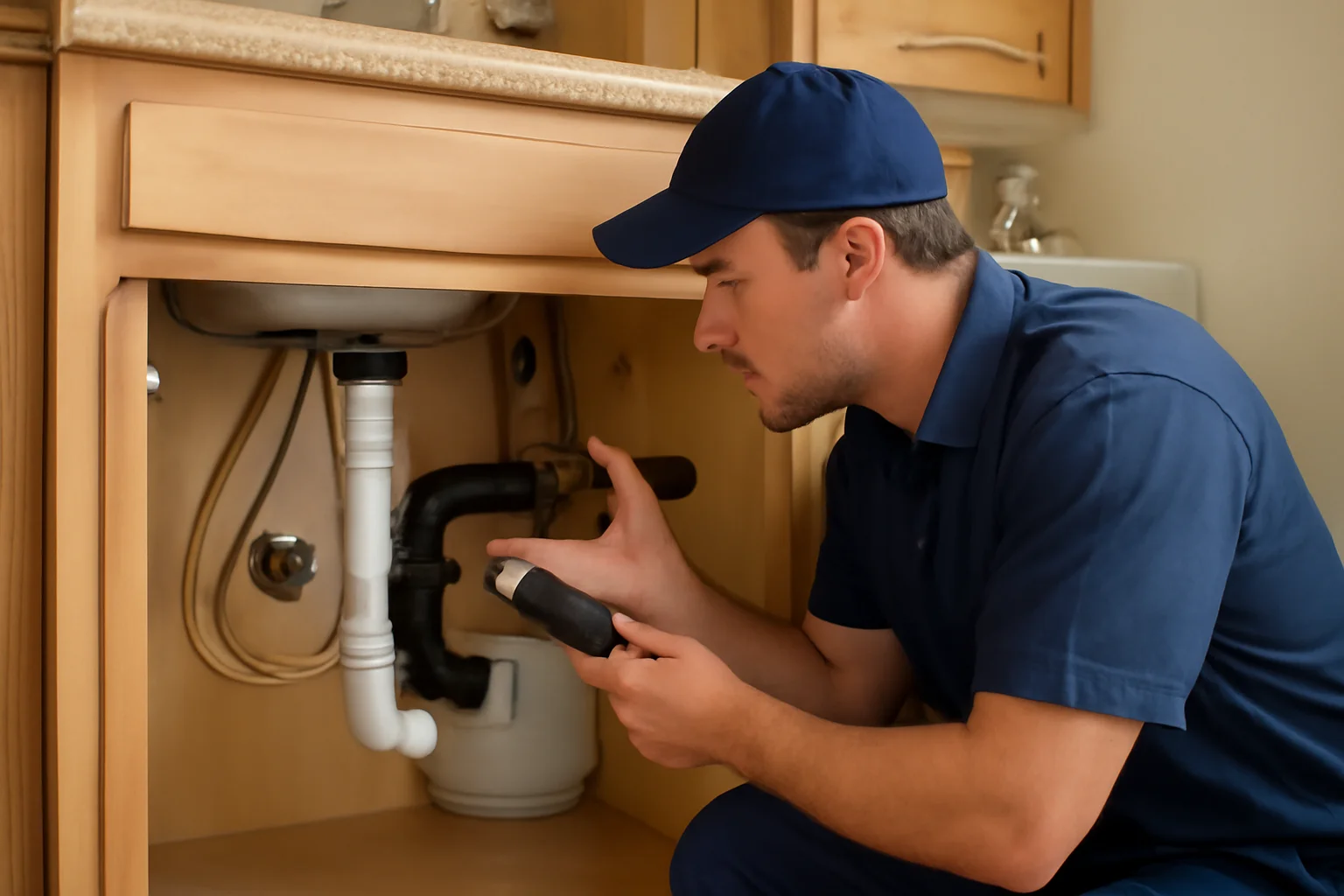
Wright, FL homes can look solid on the surface, even when plumbing problems are quietly building underneath. When water seeps through a slab or travels through pipes in walls and floors, the first signs are often subtle: slightly higher water use, damp spots that come and go, or floors that feel warmer in one area. That is where leak detection and slab leak services become more than a repair. They help you find the source early, so you can stop the leak and protect your home from expensive water damage.
At A Superior Mechanical’s Leak Detection and Slab Leak Services for Wright, we focus on locating the problem accurately, not guessing. This guide explains how leak detection works, common causes of slab leaks in our local climate, and practical steps homeowners can take to reduce risk.
Why hidden leaks cost Wright homeowners more over time
Many plumbing leaks start as small issues. A hairline crack in a pipe, a loose connection, or a joint that shifts slightly under the foundation can allow water to escape. Because the leak is underground, you may not see it right away. Meanwhile, the water is still doing damage.
In Wright, homes often rely on plumbing systems that move water to fixtures like toilets, sinks, showers, and outdoor spigots. When a leak is hidden, it can raise water bills and keep your system running longer than usual. It can also contribute to:
Moisture buildup under floors and near foundation edges
Soil erosion around the home’s base
Floor cracking or uneven surfaces as the slab shifts
Damage to subfloor materials, drywall, and insulation
Increased wear on the water pressure regulator and water heater
Water pressure that seems “off” can also be a clue. Some slab leaks reduce pressure because water escapes before it reaches fixtures. Others cause fluctuating pressure when the leak changes flow rates. If you have noticed pressure swings along with higher water use, it is worth scheduling home plumbing inspection near me style diagnostics, even if you cannot see water.
Leak detection in Wright: what professionals actually look for
Leak detection is not just listening for water sounds. It is a process that combines homeowner observations with technical testing to pinpoint the leak location. A reliable leak detection service typically includes:
1) A careful walkthrough of symptoms
A technician will ask about the timeline and what you have noticed, such as damp carpets, a musty smell, recurring wet patches, unexplained corrosion around fixtures, or water heater performance changes. For example, if your water heater service is suddenly more frequent because the unit cycles more often, that can be related to higher overall water flow from a hidden leak.
2) Water use and pressure checks
Hidden leaks often show up as increased water use. A technician may compare typical usage patterns to current readings from your meter, then check pressure behavior at the home. Consistent pressure drops, unusual cycling, or water moving when no fixtures are running can all help narrow the search. This is especially important in Okaloosa County homes where seasonal humidity can affect how quickly moisture shows up indoors.
3) Listening and electronic pinpointing
For suspected pipe leak repair situations, professionals may use acoustic tools to listen for leak sounds through surfaces. They may also use specialized equipment to locate leaks within plumbing runs. For slab leaks, the goal is to identify the pipe section that is leaking beneath the concrete so repairs can be targeted.
4) Inspection of accessible plumbing and fixtures
Not every leak under a slab is the only issue. Sometimes a toilet, faucet, or supply line connection is contributing to water loss. A professional will inspect accessible areas such as:
Toilet fill valves and flappers (toilet repair near me concerns often start here)
Faucet aerators and supply lines
Under-sink connections that feed bathroom fixtures
Any visible wetness around drains and pipe penetrations
This is also where drain cleaning and sewer line help can come into the picture. A slow drain repair near me search can quickly turn into a bigger issue when a clogged line pushes water into nearby areas. If you are dealing with recurring backups, it is smart to have a plumber evaluate the entire drainage path, not just the fixture.
What causes slab leaks in Wright, FL?
Slab leaks happen when plumbing lines installed under a concrete slab develop a failure. In Wright and across Okaloosa County, common factors include:
Shifting soil and pressure changes
Florida soil can expand and contract with changing moisture levels. Over time, that movement can stress pipes and joints. When a pipe shifts slightly, a small crack can turn into a steady leak.
Corrosion and pipe age
Older plumbing materials can corrode, especially when water chemistry and minerals are a factor. Hard water is common in many parts of the region, and mineral buildup can increase stress on plumbing components. Corrosion can be gradual, which is why homeowners sometimes notice higher water use long before they see a major failure.
Water pressure that is too high
Excessive water pressure speeds up wear and can strain connections. If your home’s water pressure seems high or has changed after plumbing repairs or utility updates, a slab leak may be more likely. A quality local plumbing maintenance visit can help confirm pressure is within a safe range and that regulators are functioning correctly.
Tree roots and sewer line stress
While slab leaks are plumbing supply leaks under the foundation, sewer line problems can create similar symptoms like damp areas and odors. If you notice sink or toilet backups along with wet spots, sewer and drain issues may be involved. For Wright homeowners looking for Sewer and Drain Services, it is important to have the right line inspected. Roots and blockages can also change how water moves around the home.
Improper repairs or recent work
Sometimes a slab leak is triggered after other plumbing work. A cut, an old patch, or a connection that was not sealed correctly can fail later. If you recently had plumbing repair and then noticed new moisture, do not assume it is unrelated.
Common signs of a slab leak or hidden pipe leak
Slab leaks can show themselves in ways that are easy to overlook. Here are practical signs Wright homeowners often report:
Higher water bills with no obvious reason
If your water use jumps but you have not changed habits, a hidden leak may be the cause. Compare usage patterns to past months. Even a small leak can add up quickly.
Damp floors, warm spots, or recurring moisture
Sometimes the leak is close to a surface and the floor above it feels warmer. Other times, the moisture appears only after certain water use patterns. Humidity can make dampness harder to spot, which is why leak detection matters.
Cracks in drywall, flooring, or the foundation edge
As water escapes under the slab, it can weaken supporting soil. Over time, you may see cracks or uneven areas. If you notice these along with increased water use, treat it as an emergency plumbing concern.
Low or fluctuating water pressure
Leaking supply lines can reduce pressure at fixtures. You might notice weak flow at faucets or showers, or pressure that changes when another fixture runs.
Toilet or fixture issues that keep coming back
A toilet that runs constantly can waste water, and a faucet that drips can add to the problem. While that is not always a slab leak, it is still a plumbing repair issue. Addressing fixture problems early can prevent confusion when you are trying to diagnose a bigger leak. If you are searching for toilet repair near me or faucet repair, it is a good time to also ask for a quick check of the supply lines feeding those fixtures.
Musty odors or signs of moisture in bathrooms
Bathroom drains, supply lines, and ventilation all interact. A leak near a bathroom can create a smell that returns after cleaning. If you also have slow drainage, it may be related to plumbing backups or a line that is not draining properly.
Leak detection vs. guess-and-replace plumbing repairs
Homeowners sometimes try to solve a leak by replacing fixtures, tightening fittings, or clearing drains repeatedly. Those actions can help if the issue is obvious, like a dripping faucet. But with slab leaks, guesswork can be expensive.
Replacing a toilet, for example, will not stop water escaping under the slab. And repeated drain cleaning will not fix a supply line crack. Professional leak detection helps you avoid unnecessary repairs and reduces the chance of opening the wrong area of your home.
If you are looking for affordable plumber near me options, it helps to choose a service that is transparent about diagnostics. Accurate leak detection often costs less than repeated trial-and-error plumbing repair.
What to do right now if you suspect a hidden leak
If you suspect a slab leak, act quickly. Here are homeowner steps that can protect your home while you arrange professional help.
Check your water meter and look for movement
Turn off all faucets and appliances that use water. Then watch the meter for changes. If the meter continues to move, you likely have a leak somewhere in the plumbing system.
Observe pressure and fixture behavior
Note whether water pressure drops at certain times, whether toilets refill longer than usual, and whether any fixtures drip. These observations are useful for leak detection near me conversations and can help narrow the search.
Look for moisture patterns
Check for dampness under windows, along baseboards, and near bathroom and kitchen areas where supply lines may run. If you have a basement or crawl space, check there too. Even in a slab home, surrounding moisture can point to the general area.
Do not ignore drain and sewer symptoms
If you also have slow drains, backups, or recurring clogs, address those alongside leak concerns. For sewer drain cleaning near me needs, the drainage system matters because backups can add pressure and push water into places it should not go. For heavy buildup, hydro jetting may be recommended depending on the situation.
Slab leak repair: why timing matters
Once a slab leak is confirmed, the next step is repair planning. The longer the leak continues, the more damage can occur to the slab, subfloor, insulation, and nearby materials. That is why homeowners searching for plumbing repair near me often want a fast response.
Repair methods can vary depending on the pipe location and the severity of the leak. Some repairs involve accessing the plumbing by opening a limited section of the slab. Others focus on isolating the leaking section and replacing the damaged pipe run. A professional will explain the options and aim to minimize disruption while restoring safe, reliable water flow.
How leak prevention fits local Wright plumbing maintenance
Because slab leaks are often hidden, prevention is about reducing risk and catching issues early.
Keep an eye on water pressure
If you notice pressure changes after utility updates or plumbing work, have it checked. High pressure can stress pipes and fixtures over time. Local plumbing maintenance can also help ensure regulators and shutoff valves function properly.
Manage hard water impact
Hard water can contribute to mineral buildup in pipes and water heaters. If you are planning water heater service or wondering about replacement cycles, ask whether water treatment could help protect your system. For homeowners who want additional protection, consider Water Purification Services to reduce scale and improve system efficiency.
Maintain fixtures that often cause hidden water loss
A small toilet leak can waste a surprising amount of water. Replace worn flappers, repair running toilets, and address dripping faucets before they become constant. If you need a toilet replacement near me or faucet repair because the fixture is old or failing, handle it promptly and ask for an inspection of nearby supply lines.
Schedule home plumbing inspection before problems escalate
Routine inspections can help detect early issues like dampness near supply lines, failing valves, or minor pressure irregularities. If you are preparing for hurricane season or heavy rainfall periods, consider proactive checks. Wright’s humidity and storm impacts can make moisture problems more noticeable, but they can also accelerate damage.
Emergency plumbing concerns in Wright: when to treat it as urgent
Some leak situations should be handled right away, especially when water is actively escaping. Call for emergency help if you notice:
Water pooling near foundation edges or under flooring
Rapidly increasing dampness or saturated areas
Major pressure loss combined with visible moisture
Backups that overflow or create standing water
Cracks that appear suddenly or expand quickly
If you are unsure whether the issue is a leak, a drain blockage, or a sewer line concern, professional diagnostics can prevent unnecessary delays. For timing-sensitive situations, this local guide is also useful: Why Wright Homes Need Faster Emergency Plumbing Support.
Related plumbing topics Wright homeowners often need alongside leak detection
Leak detection sometimes overlaps with other plumbing repairs because many systems share water supply lines, drainage paths, and fixture connections. Here are a few areas that commonly come up during service calls:
Fixture replacement and upgrades that prevent repeat failures
If an older fixture is contributing to leaks or you are tired of recurring repairs, replacement can be more cost-effective. See A Smarter Way to Handle Plumbing Fixture Replacement in Wright, FL for practical steps and how to choose the right approach for your home.
Commercial properties and shared plumbing systems
For businesses and multi-unit properties, leaks can disrupt operations and escalate quickly. If you manage a commercial building, review A Practical Guide to Smarter Commercial Plumbing Maintenance in Wright, FL.
Avoiding water damage through faster, smarter repairs
If you have already noticed moisture or suspect water loss, it helps to understand how professional response reduces damage. This article breaks down the connection between leak repair speed and cost: How Professional Plumbing Service Helps Wright Homes Avoid Costly Water Damage.
Choosing a plumber for leak detection and slab leak services in Wright
When you search for local plumber near me, you want more than availability. Look for a company that can explain the diagnostic process, communicate repair options clearly, and treat slab leak concerns as both a plumbing and property protection issue.
For Wright homeowners, the best leak detection services focus on:
Pinpointing the leak source rather than guessing
Coordinating leak repair with drain and sewer line concerns when symptoms overlap
Respecting your home by minimizing unnecessary access and clean-up disruption
Planning for water heater and pressure-related factors that can increase risk
If you suspect a slab leak or you are seeing rising water bills, damp spots, or pressure changes, start with diagnostics. You can review service details on A Superior Mechanical’s Wright leak detection and slab leak services and learn more about the company’s local coverage on the Wright service area page and Okaloosa County plumbing services.
Find Leak Detection and Slab Leak Services in Wright, FL
If you need Leak Detection and Slab Leak Services in Wright, FL, visit our local service page or contact A Superior Mechanical today.
Map of Wright, FL
Frequently Asked Questions
What is the difference between leak detection and slab leak service?
Leak detection focuses on finding the location of a hidden leak using testing and diagnostic tools. Slab leak service is the repair portion for leaks that occur in plumbing lines under a concrete slab, often involving targeted access and pipe replacement.
Can hard water or high water pressure cause slab leaks?
They can contribute. Hard water can increase mineral buildup and wear in plumbing systems, and high water pressure can stress pipes and connections over time. A professional inspection can check pressure and overall plumbing condition to reduce future failures.
How can I tell if my slab leak is actually a drain or sewer problem?
Some symptoms overlap, such as damp areas near bathrooms or recurring odors. If you have slow drains, backups, or gurgling, sewer drain cleaning or sewer line inspection may be needed. A diagnostic visit can help determine whether the issue is supply piping or drainage.
What should I do before the plumber arrives if I suspect a hidden leak?
Turn off water where possible, avoid running fixtures unnecessarily, and check your water meter for movement with everything off. If you notice active pooling or rapid moisture spread, treat it as an emergency plumbing concern and call right away.
Will slab leak repairs always require breaking up the whole slab?
Not necessarily. The goal is targeted access based on the leak location. Accurate leak detection helps reduce unnecessary demolition by identifying the pipe section that needs repair.
Related Articles
Photo Gallery