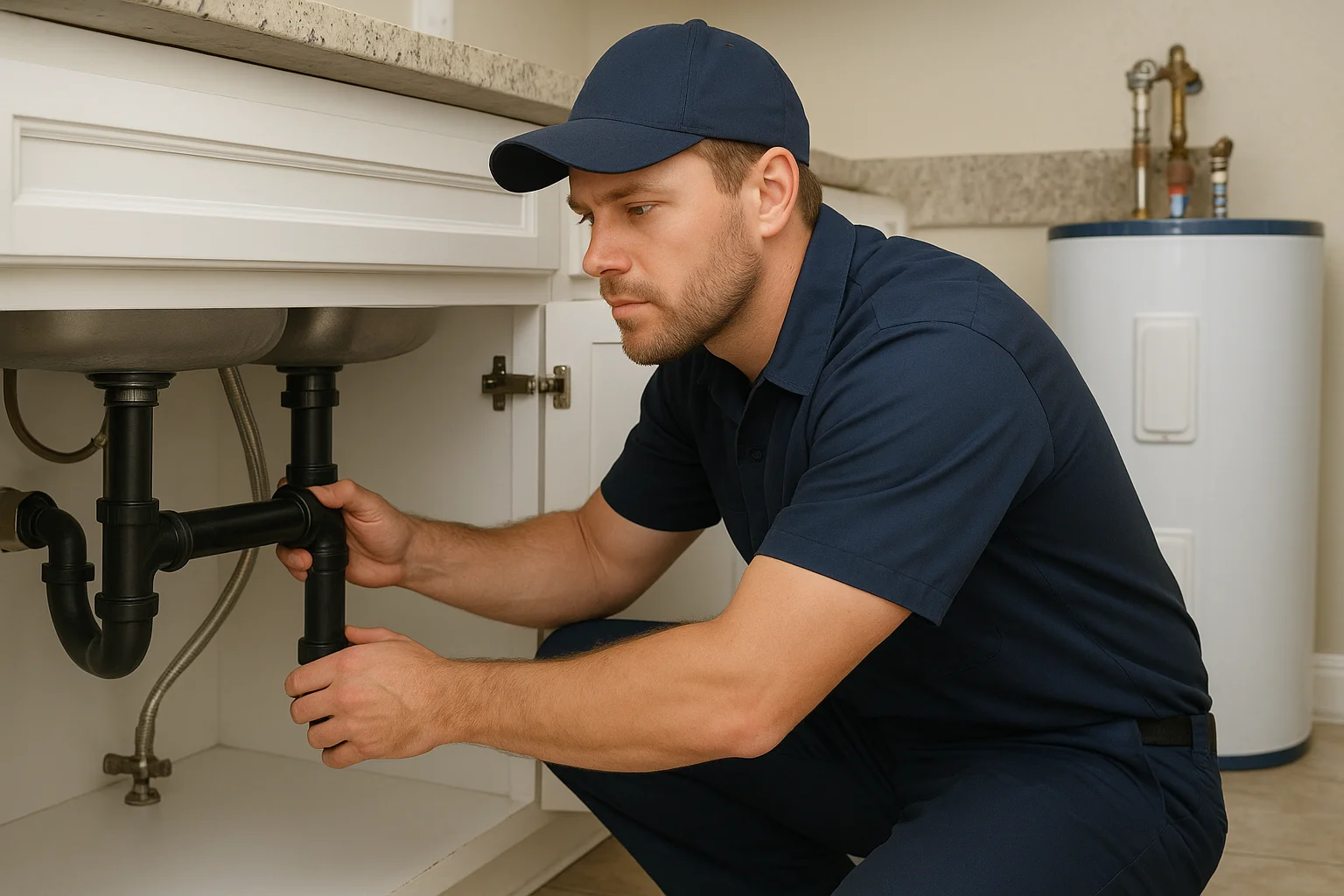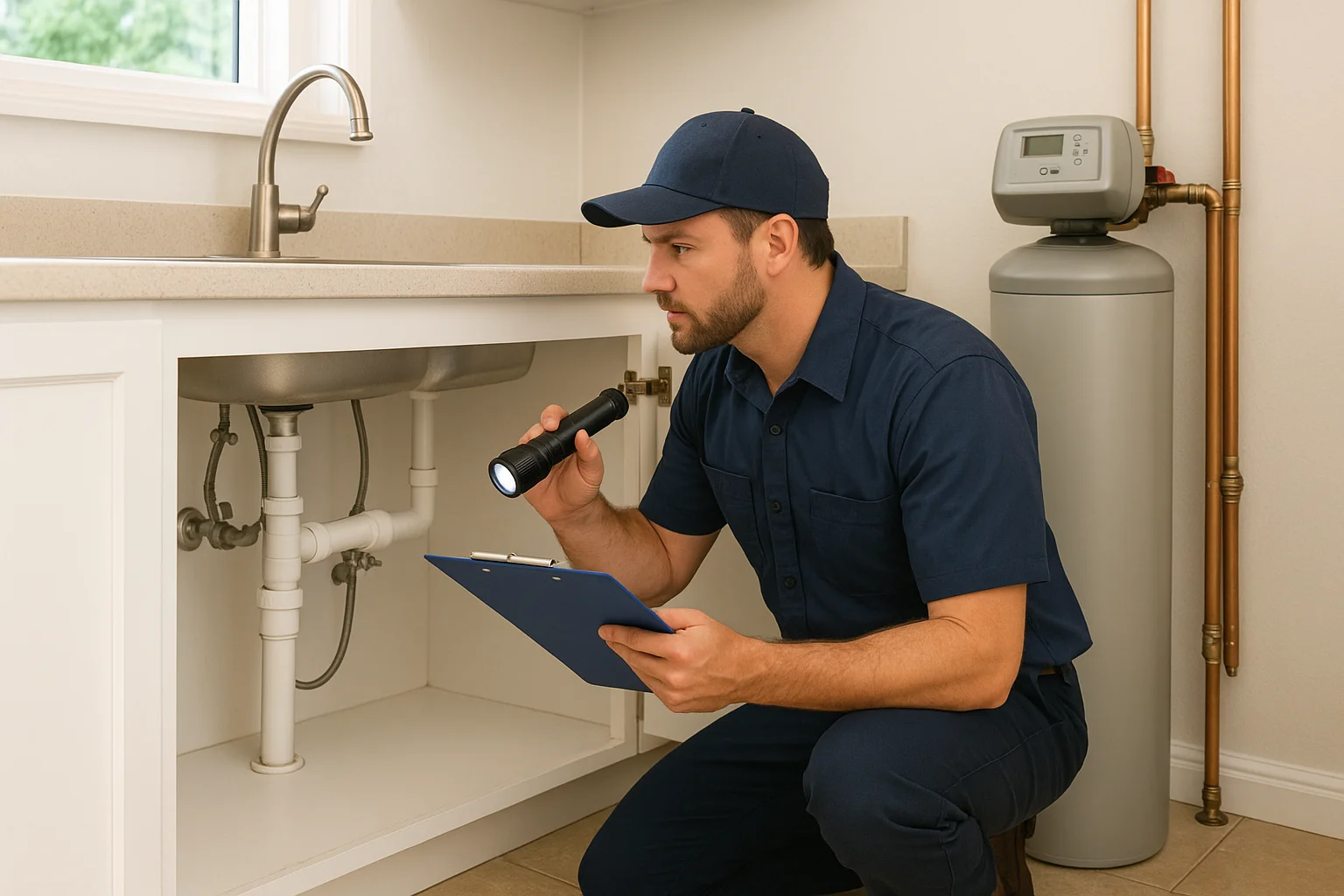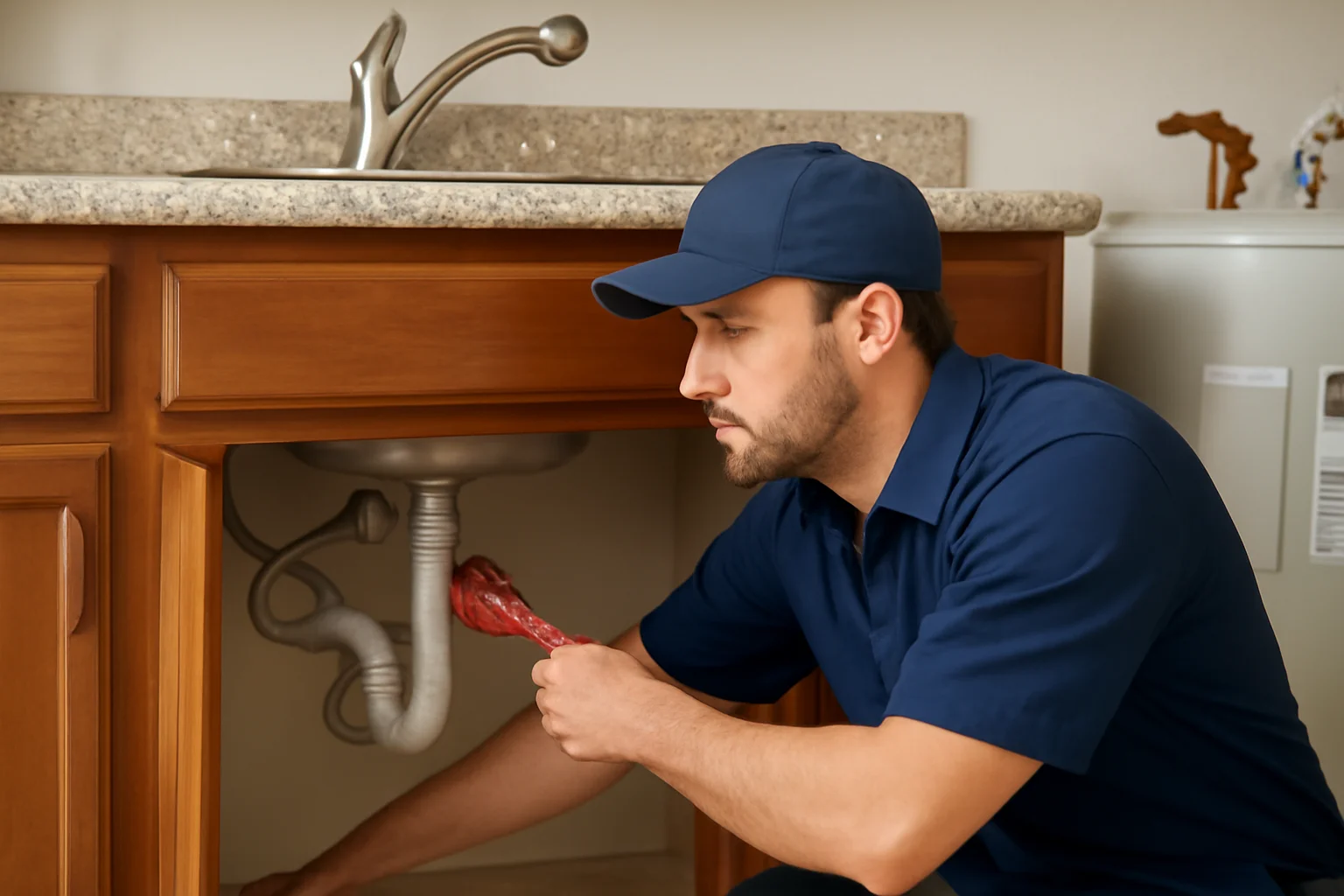
Plumbing fixture replacement is supposed to make your home work better, look cleaner, and waste less water. In Valparaiso, FL, where many homes rely on aging supply lines, older drain layouts, and seasonal weather swings, the replacement process can also create new risks if it is not planned carefully. A licensed plumber near me can help you avoid common failure points that lead to leaks, clogged drains, and even slab leak repair concerns.
Why fixture replacement is more than swapping out a faucet or toilet
In many Valparaiso homes, fixtures are connected to systems that have been working for years. When you replace a faucet, toilet, shower valve, or sink, you may be disturbing connections that were already close to failing. Even small issues like a slightly misaligned supply line or a worn wax ring under a toilet can turn into steady moisture, hidden rot, or a problem that shows up after you stop watching.
Fixture replacement also changes how water flows through your pipes. The right parts and the right installation method matter because your home’s water pressure, drain slope, venting, and pipe material all influence performance.
Local conditions that can affect plumbing fixture replacement in Valparaiso
Valparaiso and nearby Okaloosa County neighborhoods see humid coastal air, occasional heavy rain, and temperature swings that can stress plumbing materials. At the same time, many local homes have to deal with hard water. Hard water can leave scale behind inside supply lines and fixtures, which can make seals less forgiving during replacement and can contribute to reduced flow or inconsistent pressure.
Homes with older plumbing may also have joints that are corroded or slightly out of alignment. If you are replacing a fixture in a bathroom or kitchen that has seen years of use, the “simple” swap can expose problems in pipes, shutoff valves, or the drain system underneath.
If you are planning plumbing fixture replacement, it helps to treat the job like a small plumbing project, not just a cosmetic upgrade.
Common causes of problems during fixture replacement
1) Water pressure that is too high or pressure that changes after the swap
Water pressure affects how quickly seals seat, how smoothly valves close, and how fixtures perform under load. If your home has high pressure, it can stress connections and increase the chance of leaks around supply lines. If pressure is low, you may get weak toilet fills, slow sink drainage, or poor shower performance that makes it seem like the new fixture is defective.
A plumber may check pressure and ensure the replacement matches your system. This is especially important if you are replacing a shower valve, installing a new faucet style, or upgrading to a model with different flow requirements.
2) Worn shutoff valves and supply lines that cannot be reused
Many fixture problems start at the shutoff valve. Ball valves and older compression fittings can be stiff, partially stuck, or corroded. A “working” valve can still leak under new conditions when a fixture is installed and tightened. Supply lines can also be stretched or kinked during removal.
When a licensed plumber near me evaluates the job, they often look for signs that valves and connectors should be replaced along with the fixture. This reduces the chance of a drip that becomes a bigger water damage claim later.
3) Improper sealing under toilets and bathroom fixtures
Toilet replacement is one of the most common places homeowners run into trouble. The wax ring (or alternative seal) must match the floor condition and the toilet’s base. If the flange is uneven, too high, too low, or corroded, the seal may not compress correctly.
Even if the toilet does not leak immediately, a slow seep can develop after daily use. That moisture can damage subflooring and create odor issues. If you notice dampness around the base, recurring toilet repair needs, or a soft floor, it is time for a closer inspection.
For homeowners searching for toilet repair near me, many cases are actually installation or sealing problems that show up after replacement.
4) Drain and vent issues that become obvious after new fixtures are installed
A sink or tub can drain “fine” until you replace the faucet, change the trap, or connect to a different drain configuration. The drain system depends on correct slope, trap alignment, and proper venting. If venting is restricted, you can get gurgling, slow draining, or water backing up into the basin.
Homeowners in Valparaiso often deal with drain buildup from hair, food particles, soap scum, and debris carried by older plumbing. When a new fixture is installed, the drain connection may be tightened differently, exposing a weak seal at the trap or a partially clogged line behind the wall.
When a clogged drain repair near me search turns into an urgent problem, it is often because the underlying drain issue was present but not noticeable until the fixture job changed flow patterns. If you hear gurgling or notice slow drainage right after replacement, ask about drain cleaning and line inspection.
5) Leaks hidden behind walls, under cabinets, or in slab areas
Some leaks are not visible until water has time to travel. Under-sink leaks can soak cabinet bottoms. Behind shower walls, a small connection issue can lead to mold and rot. In homes with slab construction or plumbing that runs close to concrete, a failure can raise slab leak repair concerns.
Common triggers include reusing old fittings, overtightening connections, or using parts that do not match pipe material. If you suspect hidden leaks, a professional evaluation matters. Camera inspection can help confirm what is happening before you open walls unnecessarily.
If you need additional help diagnosing a suspected issue, consider camera inspection to pinpoint the source of the leak.
6) Mixing incompatible parts or using the wrong connectors
Not all fittings are interchangeable. Pipe materials, thread types, and connector sizes matter. For example, using a connector that fits “close enough” can fail after the first temperature changes or after the fixture is fully tightened. Hard water can also accelerate wear on certain seals.
When you are replacing a faucet, shower trim, or toilet supply line, the installation should use parts that match the existing plumbing. A Superior Mechanical can help you choose correct components for your specific setup.
7) Corroded pipes and aging connections that break during removal
Fixture removal can stress old plumbing. Corroded supply lines, brittle fittings, and weakened drain connections can crack when a homeowner or installer applies torque. This can turn a straightforward project into broken pipe repair near me needs, including emergency plumbing concerns.
If your home has older galvanized lines, frequent mineral buildup, or signs of corrosion near the fixture, plan for the possibility that connectors or short pipe sections may need replacement.
8) Water heater supply and pressure issues affecting fixture performance
While fixture replacement is primarily about faucets, toilets, and sinks, performance depends on hot water delivery too. If you are replacing a bathroom sink or installing a new shower valve, changes in flow can reveal problems with the water heater or its plumbing connections. Sediment buildup, failing thermostats, or restricted lines can cause inconsistent temperatures and weak hot water.
Homeowners searching for water heater replacement near me sometimes notice the issue only after a fixture upgrade changes how much hot water is demanded at once.
For routine readiness, water heater maintenance can reduce surprises and support steady hot water during fixture upgrades. If you also need a new unit, consider coordinating the timing so the plumbing system is stable before you finish the remodel.
Water damage prevention: planning steps that reduce risk
Start with an inspection of the current connections
Before replacement, look under sinks and around toilets for signs of moisture, staining, or mineral deposits. Check shutoff valves for smooth operation. If you see corrosion, persistent drips, or soft flooring, plan to address the connection rather than only replacing the fixture.
A home plumbing inspection near me can be especially useful if you are not sure whether the issue is the fixture or the plumbing behind it.
Choose the right parts for your plumbing layout
Valparaiso homes vary. Some have older drain traps, others have newer PEX or copper supplies, and many have mixed materials from past repairs. The correct seal, connector type, and trap alignment depend on what is already in place.
If you are upgrading a toilet, confirm the flange height and whether a flange extender or repair ring is needed. For faucets, verify supply line compatibility and ensure the mounting hardware matches the sink thickness.
Plan for shutoff and water control during the job
Even a skilled installer can run into a stuck valve or a compromised connector. Plan to have a clear path for shutting off water and preventing damage if a line fails. For emergency plumbing concerns, you want to know who to call immediately so the water is stopped quickly.
If you are replacing a fixture as part of a larger bathroom refresh, keep the work area ready for quick cleanup and drying. Moisture control matters, particularly in humid conditions.
Confirm drain performance after installation
After a new sink, tub, or toilet is installed, test it with normal household use. Run water, check for slow drainage, and watch for gurgling. If you suspect a blockage or venting issue, address it early with plumbing fixture replacement coordination or direct emergency plumbing services if water is backing up.
For recurring sink issues, homeowners often benefit from bathroom drain cleaning near me or drain cleaning near me to remove buildup before it causes a backup. If you are dealing with recurring problems, sewer drain cleaning near me may be the right next step, especially if multiple fixtures drain poorly at the same time.
Don’t ignore hard water effects on seals and valves
Hard water can build scale around aerators, inside cartridges, and on valve seats. When you install a new faucet or shower component, the surrounding plumbing may still have mineral buildup that affects how the fixture operates. Over time, scale can contribute to drips and reduced flow.
Water softening or maintenance practices can help, but the immediate priority is correct installation and leak checks.
Signs the replacement process created a new plumbing problem
It is normal to have minor adjustments after installation, but certain symptoms suggest a leak, drainage issue, or connection failure. Watch for these red flags:
- Water pooling under a sink or damp cabinet bottoms after use
- Toilet rocking, rocking base, or moisture around the flange
- Slow draining that starts right after the fixture install
- Gurgling or bubbling in the sink or tub drain
- Drips at supply lines, shutoff valves, or connections
- Water pressure changes between hot and cold or noticeable hammering
- Repeated clogs that are new to the system
If you see these issues, do not keep using the fixture “to see if it settles.” Continued use can worsen damage, increase repair costs, and spread water into surrounding materials.
Emergency plumbing concerns during fixture replacement
Some failures require immediate action. If you notice a rapid leak that soaks floors, a supply line that cannot be shut off, or water backing up from a drain, treat it as an emergency. In Valparaiso homes, quick response helps limit moisture damage to cabinets, subflooring, and nearby rooms.
For urgent situations, use Emergency Plumbing Services so a plumber can stop the water, assess the damage, and make safe repairs.
How professionals prevent fixture replacement problems
A good plumber near me will not just install the fixture. They will coordinate the work with your home’s plumbing system and verify performance. That often includes:
- Checking shutoff valves and supply line condition before connecting new fixtures
- Verifying correct seal type for toilets and proper flange condition
- Inspecting drain connections and confirming trap alignment and slope
- Testing for leaks after pressurizing the system
- Assessing whether hidden leaks could be involved, including slab leak repair concerns
- Reviewing hot water delivery if you are installing shower or sink fixtures that use more flow
This is also where local knowledge matters. In Okaloosa County, plumbing repairs often need to account for older installations, hard water effects, and the way homes were built and retrofitted over time.
Related planning tips for Valparaiso homeowners
If you are choosing fixtures, timing the project, or coordinating multiple upgrades, these guides can help you make smarter decisions across the region:
- A Smarter Way to Handle Plumbing Fixture Replacement in Wright, FL
- Making Smarter Choices About Plumbing Fixture Replacement in DeFuniak Springs, FL
- Choosing the Right Time for Plumbing Fixture Replacement in Upper Grand Lagoon
- Keeping Hot Water Reliable in Valparaiso Starts with a Smarter Installation
When you should call a plumber after fixture replacement
Call a professional if you suspect leaks, drainage problems, or hidden plumbing damage. That includes situations like:
- The toilet base shows moisture or the floor feels soft
- A faucet drips after the connection is tightened
- Water pressure changes significantly after installation
- Your sink or shower drains slower than before
- Multiple fixtures drain poorly, which can point to sewer line repair needs
- You hear gurgling, bubbling, or notice foul odors that suggest trapped air or venting problems
If you are dealing with recurring backups or suspect a bigger line problem, it may be time to discuss sewer line help or camera inspection. For homes where water is affecting the supply or underground plumbing, you might also need Waterline Replacement instead of another surface-level fix.
For more coverage across Valparaiso and Okaloosa County, visit our Valparaiso service area and Okaloosa County plumbing services.
Frequently overlooked issues during fixture upgrades
Even careful homeowners can miss details that professionals catch. Here are a few common oversights during fixture replacement in Valparaiso:
- Reusing old supply lines that already have corrosion or micro leaks
- Not accounting for flange condition when installing a new toilet
- Assuming the drain is fine because the fixture “fits” and water runs for a few minutes
- Ignoring slow leaks that only show up after multiple uses
- Skipping water heater checks when hot water behavior changes after installation
Find Plumbing Fixture Replacement in Valparaiso, FL
If you need Plumbing Fixture Replacement in Valparaiso, FL, visit our local service page or contact A Superior Mechanical today.
Map of Valparaiso, FL
Frequently Asked Questions
Why does my toilet leak after I replace it?
A toilet leak after replacement is usually caused by an incorrect wax ring or seal type, an uneven or damaged flange, or a supply connection that was disturbed. Moisture around the base often points to sealing problems that need adjustment or repair.
Can fixture replacement cause drainage problems even if the drain was working before?
Yes. Replacing a sink, tub, or toilet can change trap alignment, disturb a partially clogged line, or expose venting issues. If you notice slow drainage, gurgling, or backups right after the install, it is time for drain cleaning near me level troubleshooting.
What should I check for leaks in the first 24 hours after installation?
Check under sinks and around the toilet base for dampness, verify supply line connections for any drips, and watch for slow seepage that appears after water use. If you see moisture or smell sewage, contact a plumber promptly.
How do hard water and Valparaiso humidity affect new plumbing fixtures?
Hard water can leave mineral deposits that affect valve cartridges, aerators, and seals. Humidity can make small leaks show up as stains or odors faster. Proper installation and correct parts help reduce the risk.
When should I call an emergency plumber during a fixture replacement?
Call immediately if you cannot shut off a leaking supply line, water is backing up into your home, or a leak is soaking floors quickly. Emergency plumbing services can stop the water and prevent more damage.
Related Articles
- A Smarter Way to Handle Plumbing Fixture Replacement in Wright, FL
- Making Smarter Choices About Plumbing Fixture Replacement in DeFuniak Springs, FL
- Choosing the Right Time for Plumbing Fixture Replacement in Upper Grand Lagoon
- Keeping Hot Water Reliable in Valparaiso Starts with a Smarter Installation
Photo Gallery