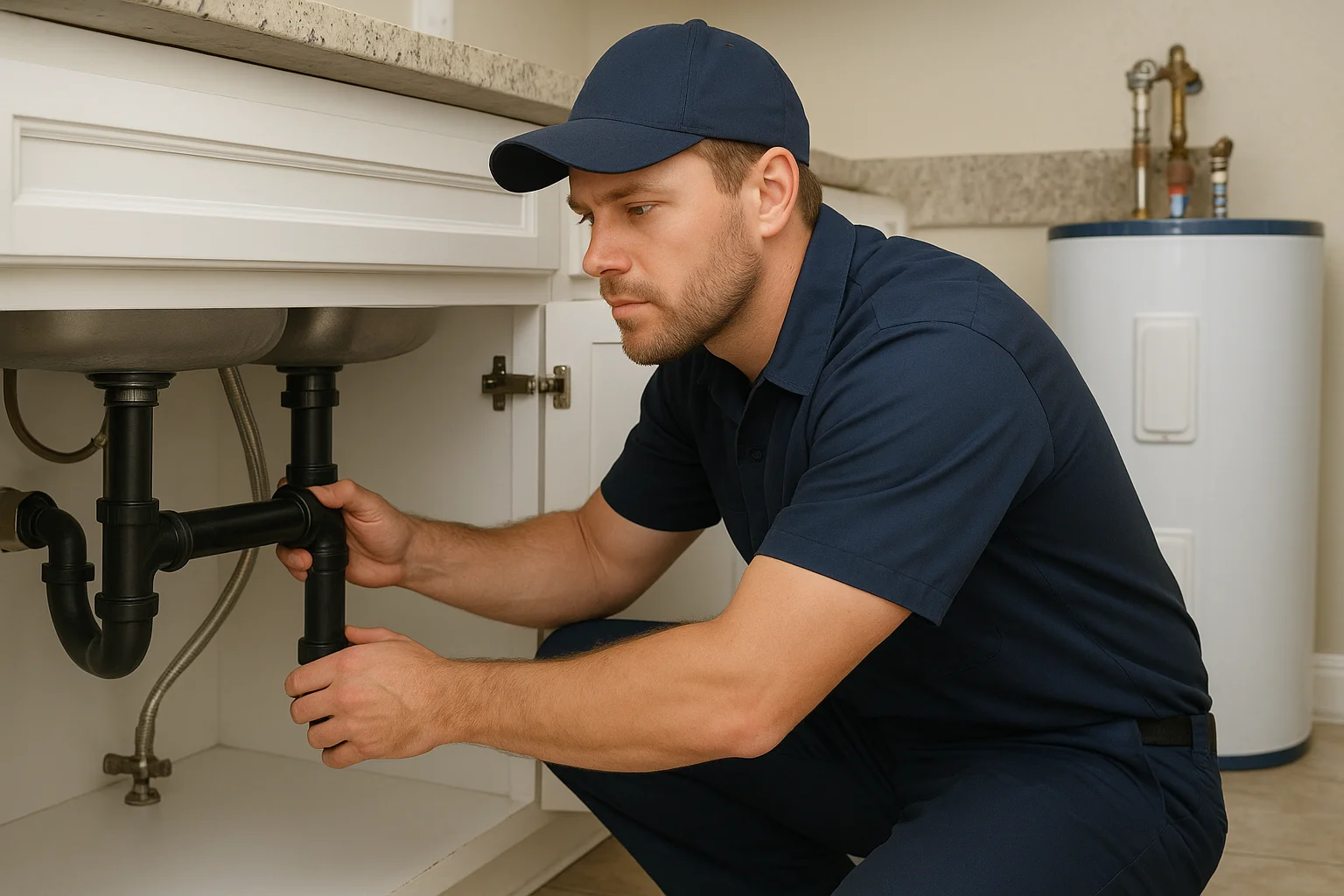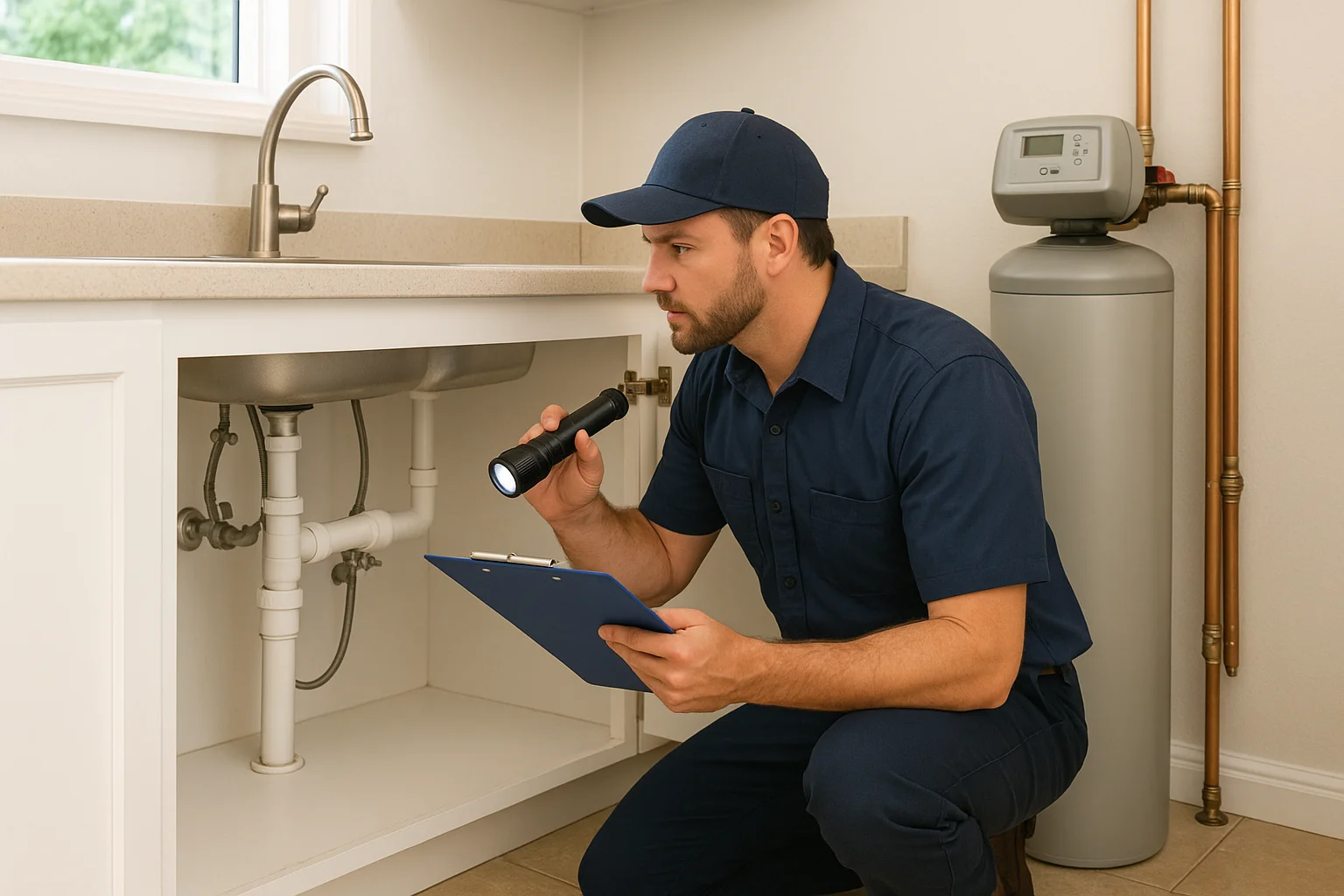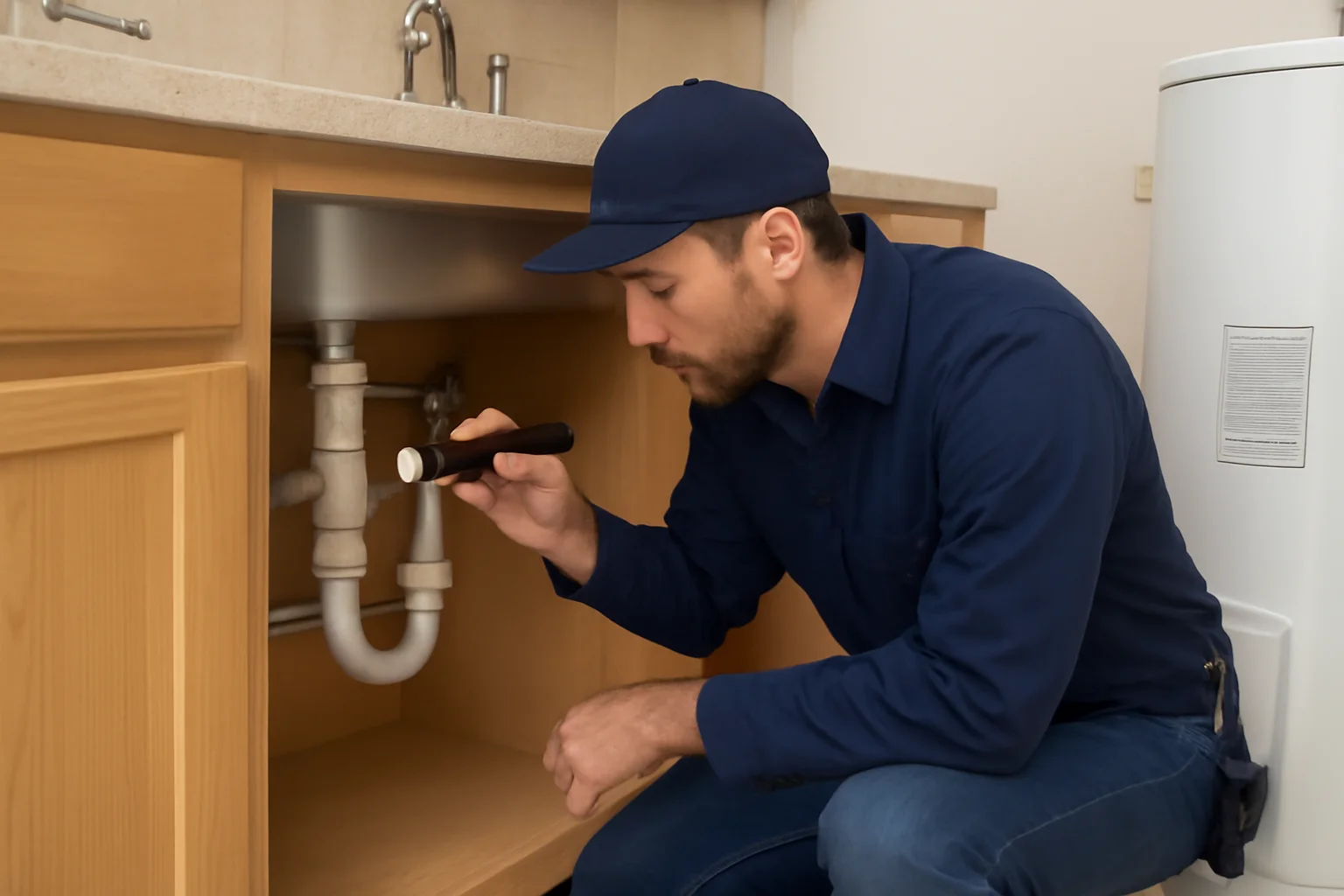
Homes in Bid-A-Wee, FL live with a unique mix of older plumbing, coastal humidity, and hard water. When it is time for plumbing replacement, the goal is more than swapping out old parts. The real win is catching the problems that quietly build up before they turn into water damage, sewer backups, or emergency plumbing concerns.
This guide explains what can cause trouble during or after plumbing replacement, what homeowners should watch for, and how local maintenance helps keep repairs under control. If you are searching for a plumber near me for replacement support, this checklist can help you ask better questions and spot red flags sooner.
Why plumbing replacement problems can start long before the new pipe is installed
Even well-planned replacement work can be affected by what is happening in the rest of the plumbing system. Bid-A-Wee homes may have aging supply lines, older drains, or sewer piping that has been stressed by years of water use, shifting soil, and corrosion. When those hidden issues are not addressed, you can end up with recurring leaks, persistent clogs, or pressure problems that make the new install feel “unfinished.”
Local plumbing service matters because a technician familiar with Bay County conditions can identify patterns that show up in nearby neighborhoods. That means looking at water pressure history, drain performance, fixture wear, and signs of slab leaks or pipe deterioration common in older homes.
Hard water and high mineral buildup that sabotage replacement work
Hard water is a frequent factor in Bay County. Mineral deposits can build up inside pipes, reduce flow, and make valves and faucets wear faster. When buildup is severe, it can also interfere with how new components perform.
How hard water causes replacement problems
- Reduced water pressure: You may notice weak flow at showers or faucets even when the system is “working.”
- Clogging in drains: Mineral scale can add to hair, soap scum, and food debris, making slow drain repair harder.
- Valve and fixture failure: Aging shutoff valves, cartridges, and supply lines can fail sooner after replacement if the underlying water chemistry is not addressed.
If you are noticing mineral staining, frequent faucet repair needs, or recurring drain cleaning, it is worth discussing water-related causes during your plumbing replacement planning. You may also find helpful context in How Plumbing Conditions Change Water Purification in Bid-A-Wee Homes.
Water pressure swings that stress pipes, fittings, and water heaters
Water pressure is not just a comfort issue. It affects how quickly joints wear, how well fixtures seal, and how long water heaters last. In homes with pressure that runs high or fluctuates, new plumbing can still experience leaks if the pressure problem is unresolved.
Common pressure-related symptoms
- Water hammer sounds when a faucet shuts off
- Toilets that run longer than they should
- Inconsistent hot water availability
- Frequent need for faucet repair near me or recurring supply leaks
A proper replacement process includes checking pressure and verifying that shutoff valves and pressure-regulating components are functioning correctly. If your home is also due for water heater service, have the technician evaluate temperature and performance, not just the tank or unit itself.
For homes considering upgrades, you can explore Water Heater Maintenance to reduce surprise failures.
Hidden leaks that turn a replacement job into a bigger repair
Leaks can be obvious, like dripping under a sink. Other leaks are subtle, like moisture in drywall, damp spots near baseboards, or unexplained increases in water bills. When leaks persist, they can damage floors, cabinets, and even the foundation area where pipes run.
Where leaks often show up in Bid-A-Wee homes
- Behind fixtures: Under kitchen sinks, laundry hookups, and bathroom vanities
- At connections: Supply line couplings, toilet connections, and shutoff valve fittings
- Near slab areas: Slab leaks can be harder to see, especially if flooring materials hide the moisture
- At water heater connections: Common around inlet and outlet fittings, relief valves, and drain ports
If you suspect a leak, prioritize leak detection near me before replacement work begins. A technician can confirm the leak source and help prevent repeat failures after new lines are installed.
For homeowners who are dealing with concrete or foundation-adjacent plumbing concerns, slab leak repair may be part of the bigger picture. If that is your situation, search for slab leak repair near me and ask about pressure testing and moisture monitoring.
Corroded or deteriorating sewer lines that cause backups after “fresh” plumbing
Many homeowners associate plumbing replacement with supply lines and fixtures. However, sewer line condition can create ongoing problems that replacement of drains and fixtures alone cannot fix. In Bid-A-Wee, older sewer piping can be vulnerable to corrosion and stress from soil movement and years of household waste.
Signs your sewer line may be compromised
- Frequent clogs that return after drain cleaning
- Gurgling sounds in drains when water runs
- Slow drain repair that does not improve with routine cleaning
- Bad odors near floor drains, cleanouts, or yard areas
- Backups in tubs, toilets, or laundry drains
When a clogged drain repair near me search turns into an urgent problem, the root cause can be deeper than a single blockage. A sewer inspection near me can help determine whether the issue is a localized stoppage, a damaged section, or a sewer line that needs replacement.
It also helps to coordinate sewer line work with fixture and drain updates. If you replace a toilet or upgrade a bathroom without addressing sewer line issues, you may still experience recurring backups.
Drain and venting problems that create slow flow and recurring blockages
Drains do not work alone. They rely on proper slope, internal pipe condition, and venting that allows air to move through the system. If vents are blocked or pipes are misaligned, you can get slow drains, repeated clogs, and inconsistent toilet flushing.
What to watch for
- Multiple fixtures draining slowly at the same time
- Toilets that “burp” or require multiple flushes
- Water backing up in one sink after another drains
- Gaps in performance that get worse after heavy water use
When homeowners plan plumbing replacement, it is smart to include drain and vent evaluation. This is especially important for vacation rentals and property-managed homes where water use patterns can be intense and sudden.
If you manage a rental property, consider reading Why Property Management Plumbing Keeps Bid-A-Wee Homes Comfortable and Repairs Under Control for practical maintenance ideas.
Toilets, faucets, and fixtures that hide bigger plumbing issues
Fixture problems can be symptoms, not just inconveniences. A toilet that runs constantly may point to a supply line issue or pressure fluctuation. A faucet that leaks under the handle may indicate worn supply connections. Even a “small” drip can become a bigger leak repair if it is not addressed early.
Common fixture-related causes
- Worn cartridges and seals that leak slowly over time
- Loose supply connections that worsen with water pressure changes
- Corrosion at the shutoff valve or flexible supply line
- Improper shutoff function that delays emergency response
If you are considering upgrades, Plumbing Fixture Replacement can be a helpful next step. Ask your plumber to inspect supply lines and shutoff valves during fixture replacement, not just swap the hardware.
Waterline issues and outdoor piping that affect indoor performance
Some homeowners focus on what is inside the house. But the waterline feeding your home also matters. Outdoor piping can be affected by soil movement, yard drainage patterns, and corrosion over time. When the waterline struggles, indoor pressure and hot water performance can suffer.
Outdoor and waterline warning signs
- Unexplained pressure drops at certain times of day
- Wet spots near the yard, meter, or utility area
- Frequent need for water leak repair near me searches because leaks keep returning
- Changes in water temperature or flow consistency
If you suspect a waterline problem, it is often best to address it directly rather than repeatedly treating symptoms indoors. For waterline-focused help, explore Waterline Repair.
Coastal moisture and corrosion that accelerate pipe aging
Bid-A-Wee sits along a humid coastal region, and that moisture can speed up corrosion on metal components and fittings. Even if your home plumbing looks “fine” during a quick inspection, corrosion can be quietly weakening connections.
During plumbing replacement, this matters because corroded threads and fittings can complicate installation. A skilled plumber accounts for this by using correct materials, confirming compatibility with existing lines, and checking the condition of nearby components rather than forcing connections that are likely to fail later.
How to catch problems early with a simple home maintenance routine
You do not need to be a plumber to spot early warning signs. A few quick checks each month can help you catch issues before they become emergency plumbing concerns.
Monthly checks homeowners can do
- Look under sinks and around toilets: Check for dampness, discoloration, or crusty residue on fittings.
- Monitor water bills: A steady rise can indicate a hidden leak.
- Test hot water performance: Note delays, temperature swings, or inconsistent flow.
- Check drain speed: If one sink or tub is draining slower than usual, address it early with drain cleaning near me before it becomes a bigger clog.
- Listen for water hammer: Knocks or bangs when faucets shut off can point to pressure regulation issues.
Seasonal habits that help in Florida humidity
- Confirm bathroom fan ventilation is working to reduce moisture around fixtures.
- Keep an eye on crawl spaces or access panels if your home has them.
- For vacation rentals, document water use patterns. Higher occupancy often reveals weak points faster.
If you are trying to understand how early attention reduces the risk of bigger repairs, this related read is useful: Why plumbing problems in Bid-A-Wee deserve earlier attention.
Common replacement “gotchas” that homeowners can discuss with a plumber
When you call for plumbing repair or replacement planning, ask about these points. They help prevent repeat issues and reduce the chances that a new installation will be undermined by an older system component.
Questions worth asking during a replacement evaluation
- Will you pressure test the supply lines and check for hidden leaks?
- How will you verify water pressure and identify pressure regulation problems?
- Do you inspect sewer lines and drains, including venting and cleanouts?
- If the home has a slab, will you check for signs of a slab leak?
- Will you coordinate water heater service or replacement if connections and performance suggest it is needed?
- What materials are best for coastal conditions and hard water exposure?
These conversations help your project stay focused. They also help your plumber avoid replacing one failing component while leaving the system’s root cause in place.
For homeowners who are comparing timing and long-term value, you may also like Why Earlier Plumbing Replacement Can Save Parker Homes from Bigger Repairs, which covers the same logic that applies across Florida neighborhoods.
When to call a professional fast, not later
Some plumbing issues are not ideal for waiting. If you notice any of the following, contact a local plumbing team promptly. Searching for emergency plumber near me is appropriate when safety and home protection are at stake.
- Active leaks that are pooling water or saturating walls and floors
- Low or no water that affects multiple fixtures
- Water heater leaks or signs of overheating
- Sewer backups or repeated drain clogs that return quickly
- Burst pipe repair near me situations, especially after temperature swings or sudden pressure changes
Even if the problem seems small, fast action can reduce damage. A professional can perform leak detection, drain cleaning, pipe repair, or sewer line help as needed, and help you plan the right scope of plumbing replacement.
Choosing local plumbing replacement support that fits Bid-A-Wee homes
Plumbing replacement is a long-term investment. In Bid-A-Wee, you want a plan that accounts for water use, water pressure realities, hard water effects, and how drains and sewer lines behave over time. A local team can also help coordinate related services like fixture replacement, water heater maintenance, and waterline repair so your system performs as one connected network.
If you are ready to move forward, start with a service evaluation linked here: plumbing replacement in Bid-A-Wee. You can also browse the broader service area coverage on the Bid-A-Wee page and learn more about Bay County plumbing needs at the Bay County page.
With early detection and a replacement plan that addresses root causes, you can reduce the odds of repeat leaks, recurring clogs, and costly water damage during or after the upgrade.
Find Plumbing Replacement in Bid-A-Wee, FL
If you need Plumbing Replacement in Bid-A-Wee, FL, visit our local service page or contact A Superior Mechanical today.
Map of Bid-A-Wee, FL
Frequently Asked Questions
What usually causes problems after plumbing replacement in Bid-A-Wee homes?
Most issues come from root causes that were not fully addressed, such as hidden leaks, pressure problems, hard water buildup, or sewer line and venting conditions that continue to affect drains. A good evaluation checks the full system, not only the visible plumbing section.
How can I tell if I might have a slab leak or another hidden water leak?
Common clues include unexplained water bill increases, damp spots near baseboards, persistent moisture odors, and sometimes warm areas on floors. Because slab leaks are harder to see, leak detection and pressure testing are often needed for confirmation.
Do hard water minerals affect plumbing replacement decisions?
Yes. Hard water can reduce flow, contribute to scale buildup, and accelerate wear on valves and fixtures. When planning replacement, ask your plumber to evaluate water pressure and corrosion risks so new components are selected and installed for your water conditions.
When should I consider sewer line replacement instead of repeated drain cleaning?
If clogs return frequently, drains gurgle, backups happen in multiple fixtures, or a sewer inspection shows damage or severe buildup, sewer line replacement may be the longer-term solution. Replacing the drain line without addressing the sewer line often leads to repeat problems.
What is the fastest way to reduce damage if I suspect an active leak?
Shut off the water supply if it is safe to do so, then contact a plumber for leak repair and leak detection. Active leaks can cause water damage quickly, so it is appropriate to look for an emergency plumber near me when water is spreading or you see saturated areas.
Related Articles
Photo Gallery