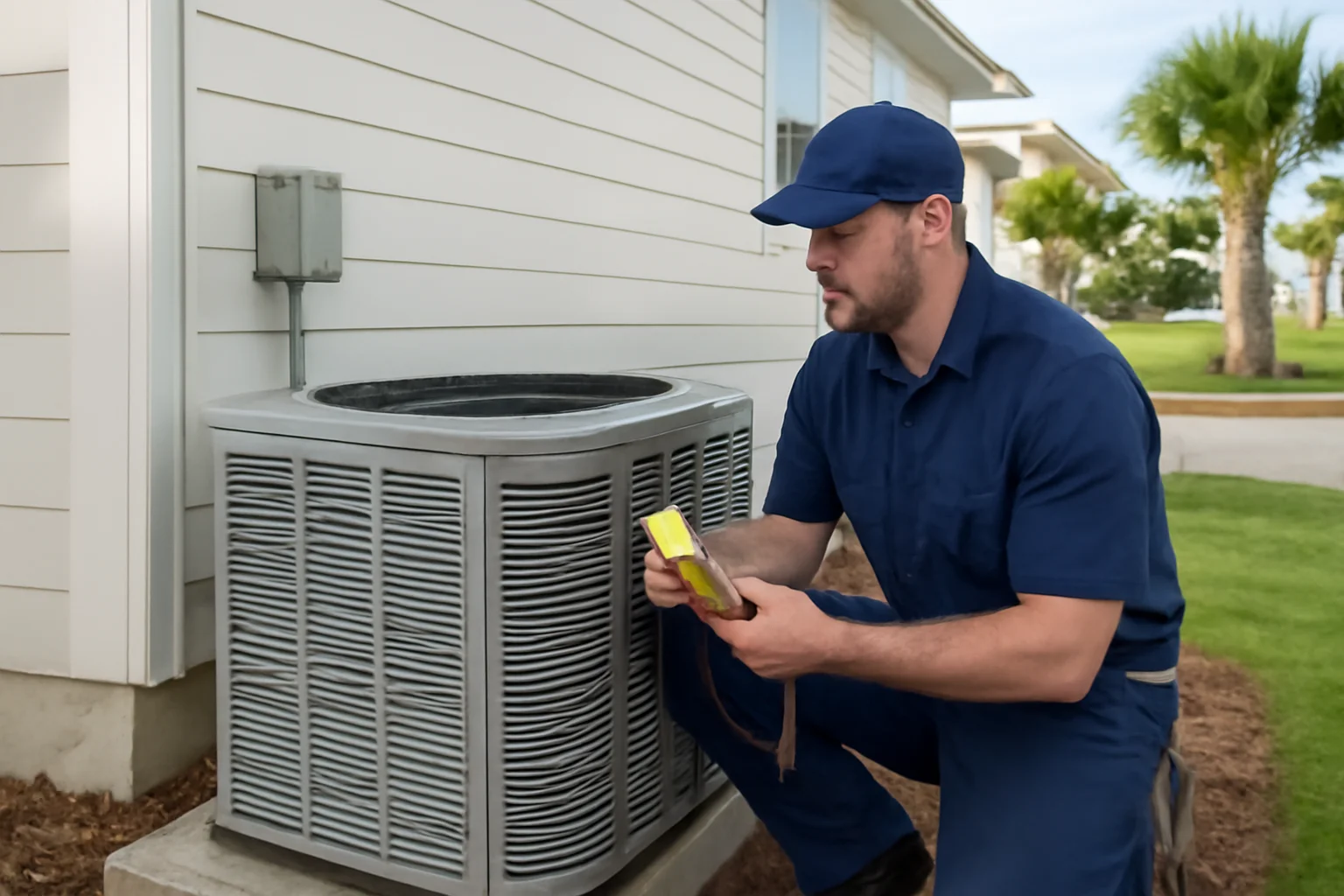
Seaside, FL homes live with a mix of warm temperatures, high humidity, and salt air that can wear down HVAC components and challenge indoor comfort. Heating control systems play a big role in how evenly your home warms, how well air moves through your ductwork, and how consistently your thermostat responds. When these controls are set up well and maintained, homeowners often see steadier comfort and smoother energy use. When they are neglected, you can end up with hot and cold rooms, short cycling, and preventable service calls.
If you are searching for heating control systems in Seaside, this guide breaks down what to know about thermostats, zoning, airflow, refrigerant system behavior, and the maintenance steps that help keep your system running efficiently in our local conditions. It also covers when to call a professional HVAC team like A Superior Mechanical for HVAC maintenance near me, air conditioning service, heat pump service, and ductwork support.
Why heating control systems matter in Seaside’s climate
In Seaside, your comfort depends on more than just the thermostat setting. The way your system cycles, the way air is distributed, and the way humidity is managed all connect back to your heating controls. That connection is especially important in our coastal environment where salt air can contribute to corrosion on exposed metal parts, and where summer humidity can push HVAC systems to work harder.
Heating control systems can include:
- Thermostats that control heating stages and fan operation
- Zoning controls that divide your home into areas with separate temperature targets
- Automation features that coordinate equipment runtime with indoor conditions
- Control boards and sensor inputs that interpret demand
When these parts work together, airflow tends to be more consistent. When they do not, you may notice uneven temperatures, comfort complaints that seem unrelated to “heating,” or systems that run longer than necessary.
Airflow and comfort: the control system’s quiet job
Heating control systems influence airflow even if the equipment is not “doing something dramatic.” For example, thermostat settings that call for continuous fan can change air circulation patterns. Zoning can also change static pressure in the ductwork, which affects how much air the system can move through registers and vents.
In practice, homeowners may see these issues:
- Hot rooms near supply vents and cooler rooms farther away
- Rooms that never seem to reach the set temperature, even though the system runs
- Frequent short cycling that can stress components and reduce comfort stability
- Temperature swings when the system switches between heating stages
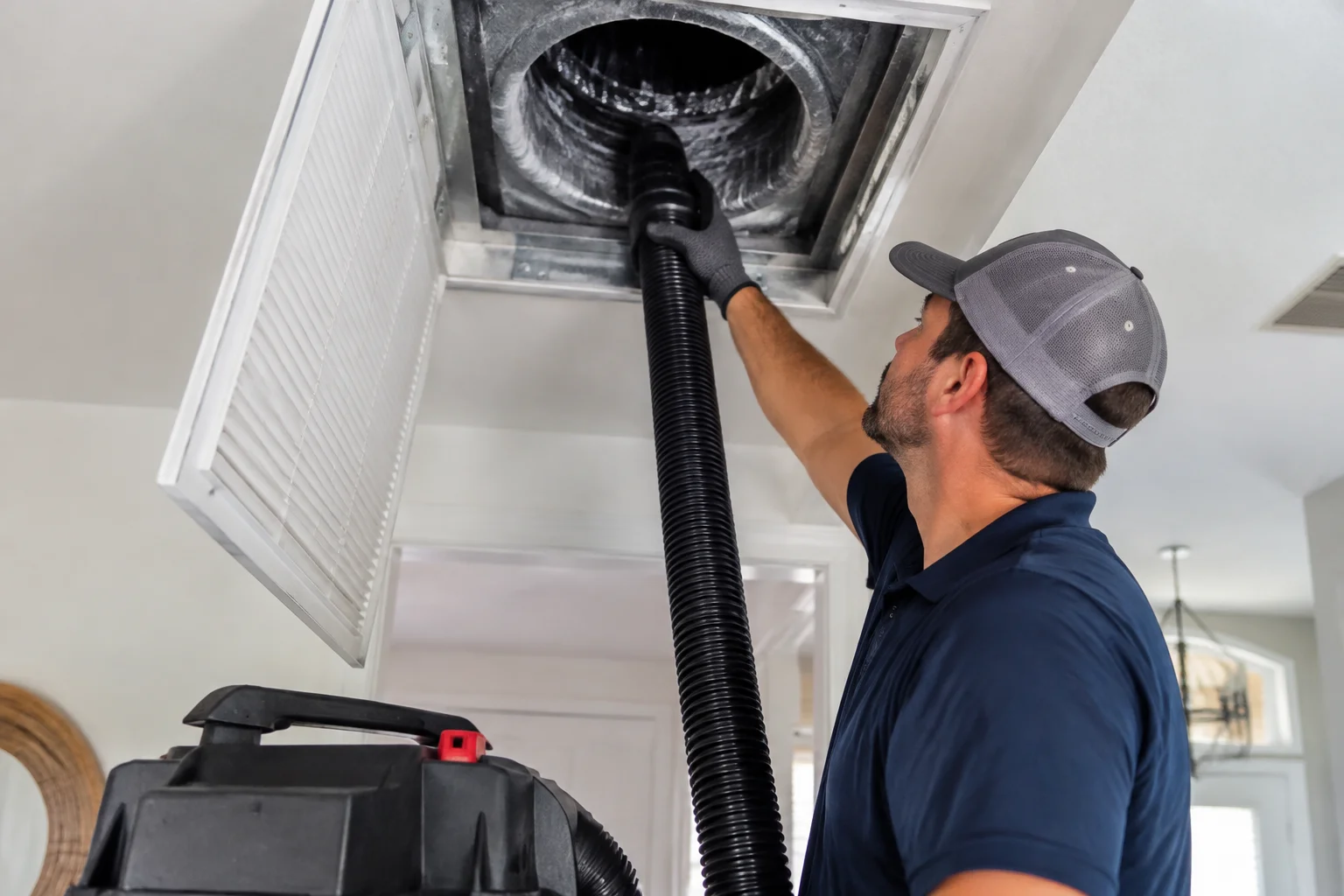
Airflow is also tied to ductwork condition. Dust buildup, duct leaks, or duct restrictions can make it harder for your HVAC system to deliver the airflow your heating controls are expecting. That is why HVAC service in Seaside often includes duct evaluation as part of comfort troubleshooting.
If your home has older ductwork or you suspect airflow problems, consider reviewing options like duct replacement or asking about duct repair support. For households focused on ductwork improvements, it can also help to read about why indoor air quality testing matters before comfort issues spread.
Thermostats, humidity, and the “heating” comfort connection
Many homeowners think humidity is only an air conditioning concern, but in a coastal climate, humidity affects perceived comfort during the heating season too. When indoor humidity is too high, rooms can feel warmer or stuffier than the temperature reading suggests. When it is too low, the air can feel dry and uncomfortable. Even if your thermostat is calling for heat, humidity control and airflow balance influence how the home actually feels.
Heating control systems can support comfort by coordinating heating demand with fan and system operation. Some systems also use sensors to make decisions based on indoor conditions rather than only temperature. If sensors are inaccurate or if thermostat placement is poor, the system may overcorrect, leading to extra runtime and uneven comfort.
Common thermostat-related causes of comfort problems include:
- Thermostats installed in direct sunlight or near heat sources
- Behind furniture or in airflow dead zones
- Incorrect settings for the equipment type
- Sensor issues or calibration drift
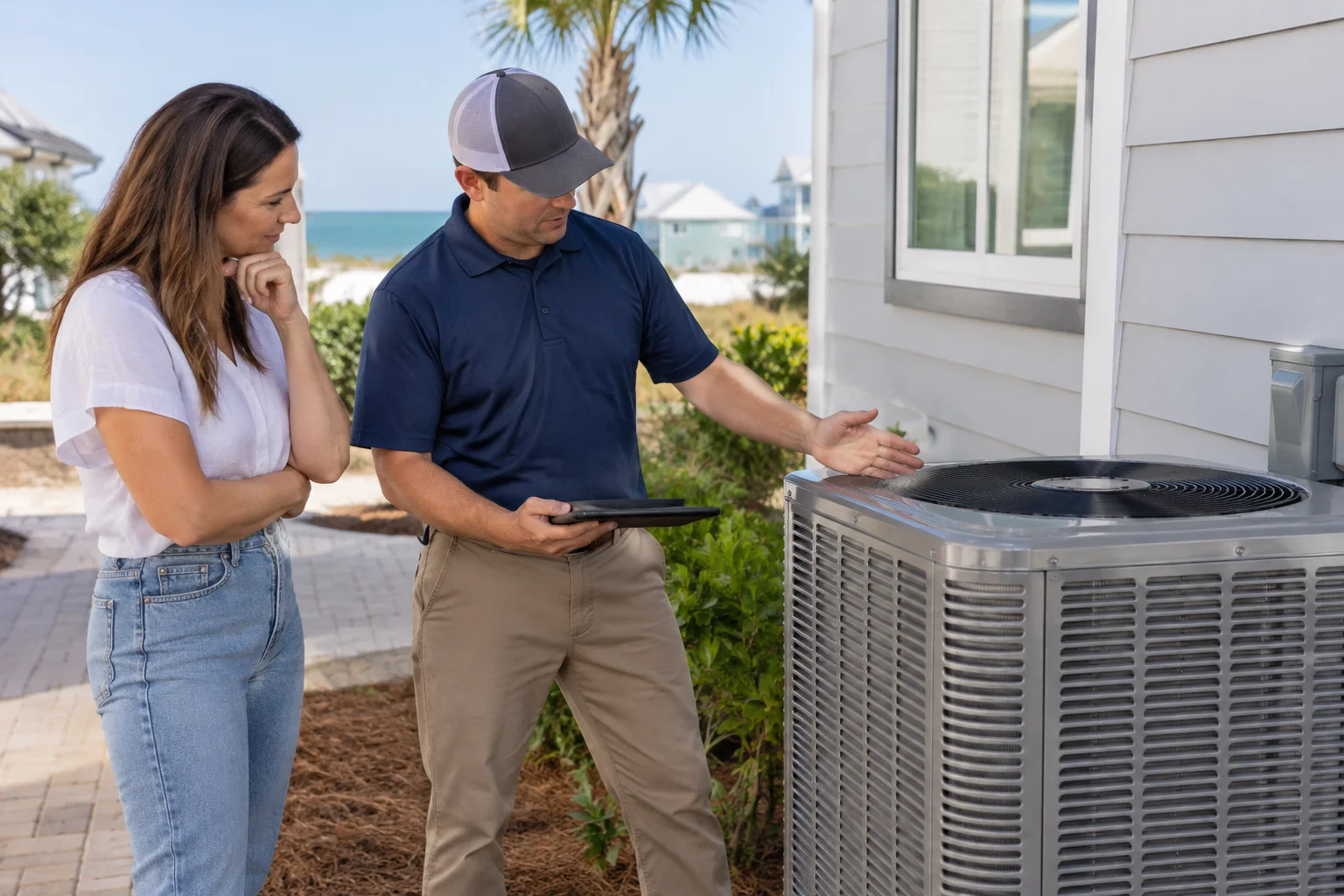
Because these are part of the control loop, it is smart to include an air conditioning inspection near me or heating-focused inspection when comfort issues persist. A Superior Mechanical can help evaluate how your controls are interacting with your equipment and airflow setup.
Zoning controls: comfort benefits and tradeoffs
Zoning can be a great fit for Seaside homes with multiple floors, guest rooms, or vacation rental layouts where comfort needs vary by area. Zoning controls can reduce temperature conflicts and help the system respond to actual demand.
But zoning changes the airflow dynamics. When one zone is calling and others are closed, duct airflow patterns shift. If the system is not balanced or if ductwork is restrictive, zoning can contribute to:
- Uneven temperature recovery across zones
- Higher system runtime because the equipment is working against airflow limitations
- Inconsistent comfort during transitions between zones
Maintenance and verification matter. If you have zoning, your HVAC maintenance plan should include checking dampers operation, verifying control settings, and making sure airflow is still within the expected range for your system and ductwork.
Refrigerant systems and control behavior: what homeowners should understand
Heating control systems often coordinate with refrigerant system operation through staging and demand signals. That means control settings can influence runtime and when the system shifts between modes. However, homeowners should not attempt to diagnose refrigerant issues based on thermostat behavior alone.
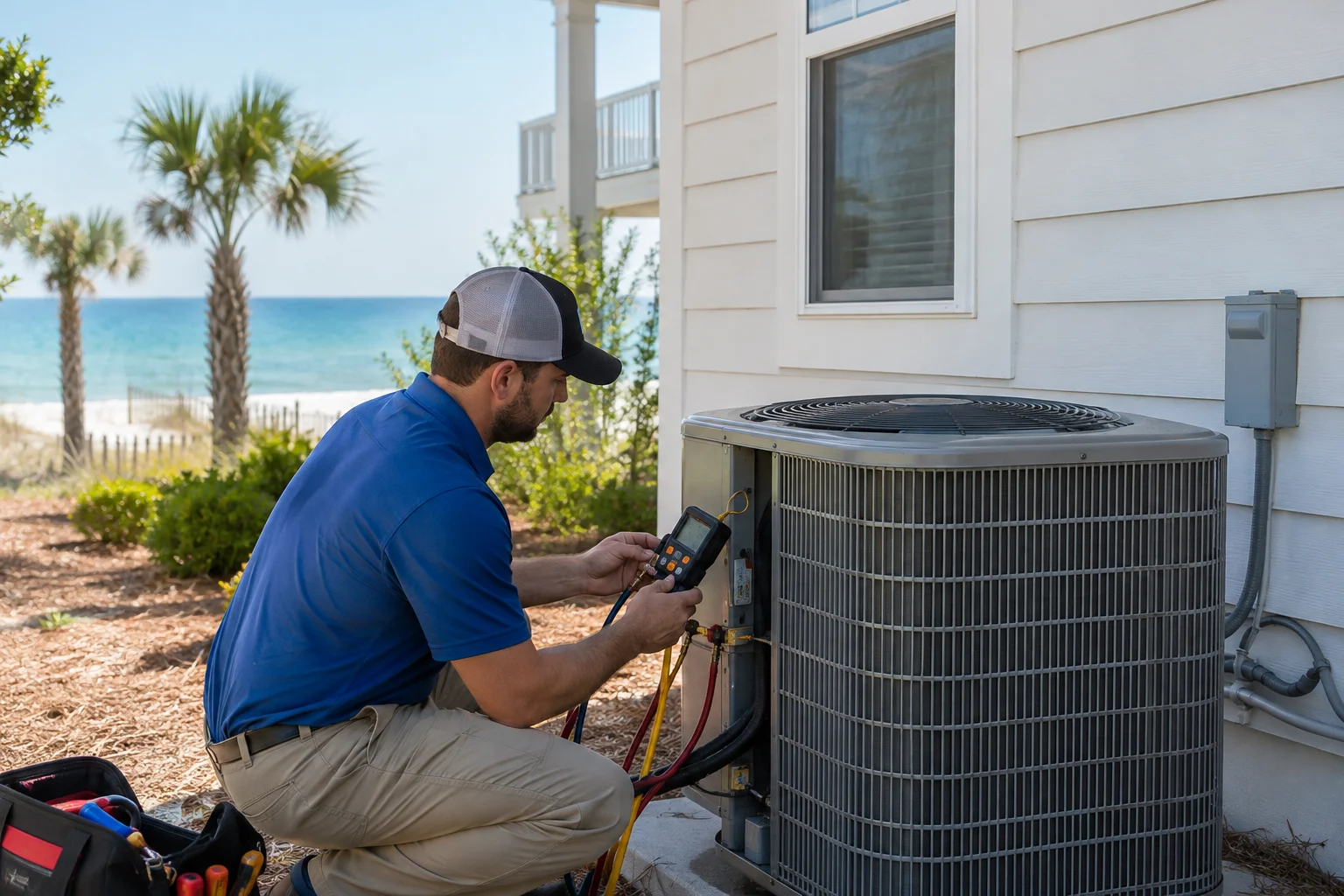
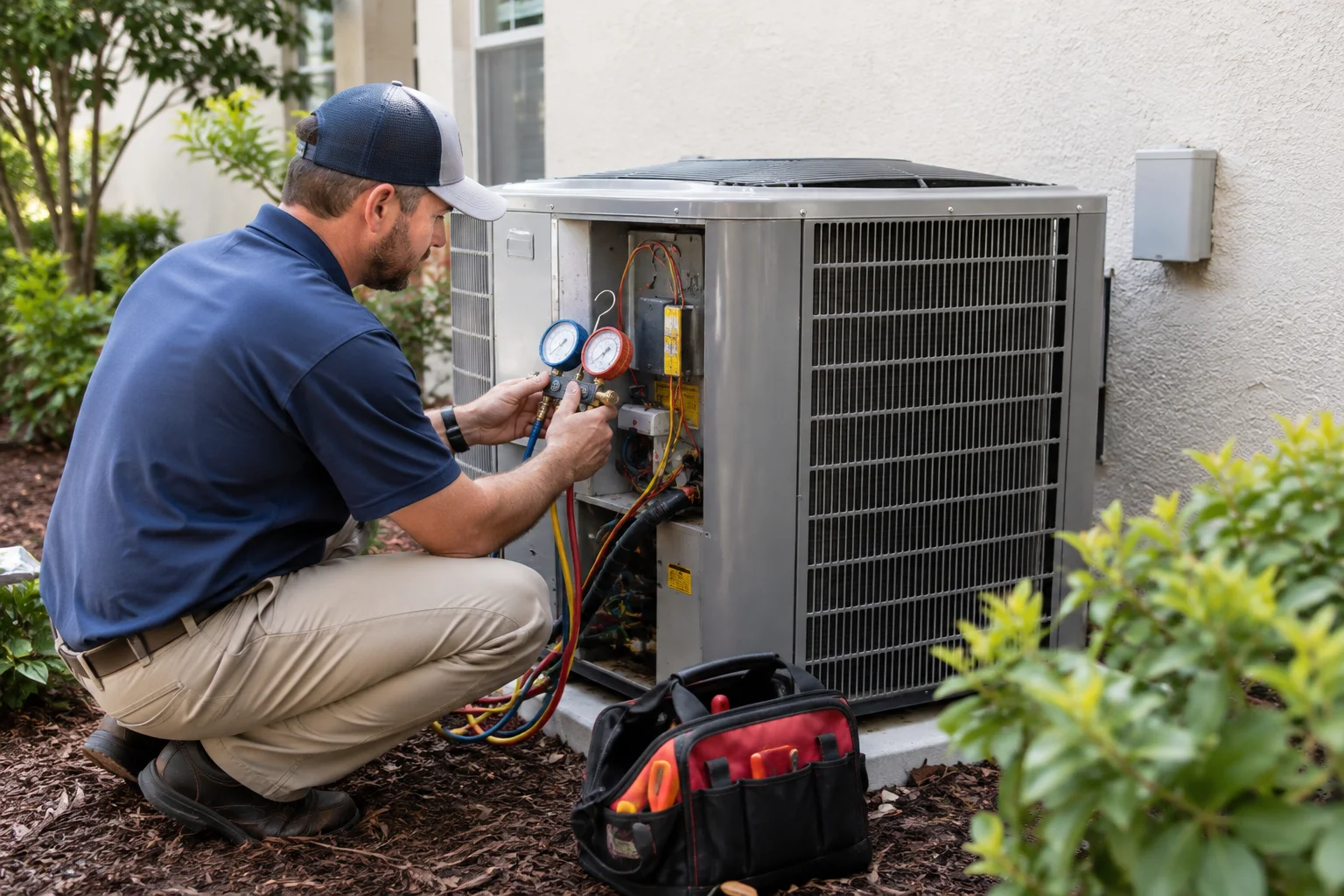
If you notice symptoms like unusual noises, repeated cycling, or performance drops, a professional should evaluate the system in person. HVAC technicians may need to inspect the refrigerant system as part of a larger comfort and airflow evaluation. Attempting to self-diagnose refrigerant issues can lead to wasted time and unsafe decisions.
What you can do is track patterns. For example: does the system struggle only during certain times of day? Does it happen more when humidity is higher? Do some rooms always lag behind? Those observations help a licensed HVAC contractor near me approach the issue more efficiently.
Condensate drainage and airflow: why it still matters for heating controls
Even though condensate drainage is often associated with cooling, it can still affect comfort during shoulder seasons and heat pump operation. When condensate drainage is restricted, water can back up into parts of the system and create operational issues that show up as performance problems or unexpected shutdowns.
In coastal areas, humidity is a constant. That makes it even more important that condensate drainage routes remain clear and that drain lines are properly maintained. If your system uses a condensate mechanism, include drainage checks in your preventive HVAC maintenance schedule.
While homeowners cannot safely service many internal components, they can watch for early indicators such as:
- Water around indoor equipment or near air handler units
- Musty odors that suggest moisture buildup
- System behavior that looks like it is “protecting itself”
If you are dealing with recurring moisture issues, ask for a residential HVAC service near me that includes drainage verification and control system review, not just a surface-level fix.
Maintenance tips that protect airflow, comfort, and energy use
Preventive maintenance is where heating control systems tend to perform best. When controls are clean, calibrated, and properly configured to match your equipment, your system can deliver the airflow it is designed to move.
1) Keep filters clean and matched to your system
Dirty filters restrict airflow and can cause the system to run longer. That changes the comfort profile your thermostat expects. Use the correct filter type and replace on schedule. If you are unsure what is appropriate for your HVAC setup, ask during an HVAC maintenance near me appointment. For many homes, filter condition is one of the simplest factors that impacts indoor air quality and comfort.
2) Review thermostat settings seasonally
Seasonal changes are not just about turning the temperature up or down. Confirm that fan settings, schedules, and heating mode selections match your equipment. Vacation rentals in Seaside can also benefit from consistent thermostat programming and clear occupant instructions so settings do not drift into comfort problems.
3) Inspect registers and return airflow
Blocked returns or closed interior doors can disrupt airflow balance. If you use zoning, make sure dampers and vents are not being manually overridden. For ductwork-related concerns, you may also want to ask about duct cleaning near me or duct repair near me services if you have persistent dust, odors, or airflow imbalance.
4) Watch for airflow and comfort patterns
Instead of waiting until the system fails, pay attention to trends. If you notice that the system takes longer to reach temperature, that some rooms never fully catch up, or that the system cycles more frequently, it can be an early sign of airflow restrictions, sensor mismatches, or control configuration issues.
5) Schedule professional checkups for controls and equipment coordination
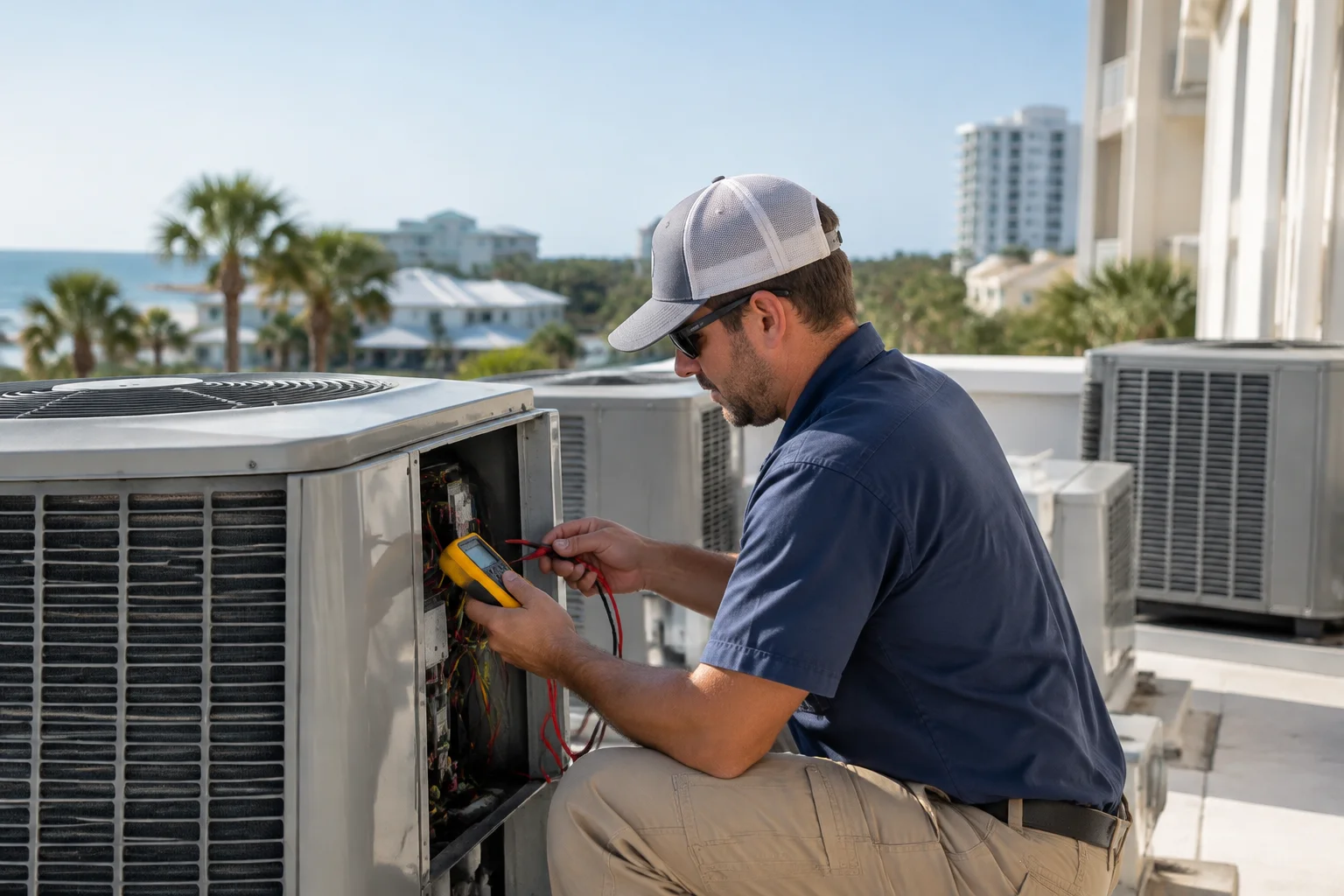
Heating control systems involve more than the thermostat. Professionals may check control board operation, sensor readings, and how the system stages respond to demand. This is also where technicians can connect comfort symptoms to ductwork, airflow, and equipment performance without guessing.
For homeowners who also need cooling support, it is helpful to plan ahead with an air conditioning service visit so the system transitions smoothly between seasons. If you run a heat pump, ask about heat pump repair near me and maintenance support as part of an annual comfort plan.
Common heating control and airflow issues in Seaside homes
Coastal homes often experience issues that are not limited to “one part.” Here are a few patterns A Superior Mechanical frequently sees when homeowners describe comfort problems.
Uneven heating across rooms
This can be caused by ductwork restrictions, airflow imbalance, thermostat location issues, or zoning control settings that do not match the duct layout. A professional can evaluate airflow pathways and control behavior together.
System runs longer than it should
When airflow is restricted, the system may work harder to reach temperature targets. Dirty filters, clogged supply or return paths, and duct leaks can all contribute. Heating control settings can also influence staging decisions and how often the system cycles.
Short cycling or inconsistent temperature swings
Short cycling can show up when the system cannot maintain stable conditions. Control settings, sensor behavior, or airflow limitations can contribute. Because refrigerant systems and other components may be involved, it is best to have a technician evaluate the system in person.
Comfort complaints that overlap with indoor air quality
In a humid and coastal environment, indoor air quality can affect how comfortable the home feels. If you are noticing stuffiness, lingering odors, or excessive dust, it can help to consider indoor air quality testing before comfort issues spread. Better humidity and airflow balance can reduce the “fighting the thermostat” cycle.
When to call a professional HVAC team
Homeowners do not always need emergency service, but certain symptoms should trigger a call to a qualified team quickly. If you are searching for emergency AC repair near me because cooling is failing during a hot spell, remember that heating control issues can also show up as the seasons change and equipment transitions modes.
Call A Superior Mechanical for residential or commercial HVAC service near me when you notice:
- Frequent thermostat cycling or repeated system shutdowns
- Rooms that stay far from the set temperature
- New noise or unusual system behavior during heating
- Moisture symptoms related to condensate drainage
- Persistent comfort problems that do not improve after basic filter and setting checks
If you manage a multi-unit property or operate a vacation rental portfolio, consider property management HVAC services so systems stay consistent for guests and occupants.
How A Superior Mechanical supports smarter heating control in Seaside
Heating control systems are only as good as their setup and the condition of the rest of the HVAC system. A Superior Mechanical helps homeowners in Seaside, Walton County, and the surrounding area connect thermostat and control behavior to real airflow, ductwork performance, and overall system operation.
That support can be especially valuable for homes with:
- Older ductwork that may need ductwork repairs or improvements
- Heat pumps that require coordinated control settings for comfort
- Zoning systems where airflow balance is critical
- Indoor air quality concerns that overlap with comfort complaints
To explore options for your home, start with heating control systems in Seaside, and if you also need broader equipment support, you can review air conditioning systems or air conditioning installation. For a wider service area view, visit the Seaside service page and Walton County HVAC services.
Maintenance planning that reduces mid-season stress
Coastal weather can shift quickly. A comfortable home is not just about having equipment, it is about keeping the control system aligned with airflow and indoor conditions. A practical plan helps reduce the chance of a mid-season breakdown and the discomfort that comes with it.
If you want to build resilience around comfort and cooling reliability, it can help to read Keeping Seaside Homes Ready for HVAC Emergencies. And if you are comparing how maintenance affects control outcomes, this related article on the same control concept can be useful: How Better HVAC Maintenance Supports Heating Control Systems in Alys Beach.
For homeowners trying to maintain comfort and manage energy use, the goal is consistency. Heating control systems help you get there, but they depend on clean components, balanced airflow, properly configured thermostats, and professional evaluation when problems persist.
If your home is not heating evenly, if your system seems to run longer, or if humidity and comfort feel out of sync, the most reliable approach is to schedule a comfort-focused inspection. That is how you protect airflow, support refrigerant system performance, keep condensate drainage working as it should, and avoid guesswork during Florida heat and humidity.
Find Heating Control Systems in Seaside, FL
If you need Heating Control Systems in Seaside, FL, visit our local service page or contact A Superior Mechanical today.
Map of Seaside, FL
Frequently Asked Questions
How do heating control systems affect airflow in a Seaside home?
Heating control systems influence how your system stages heat and how it controls fan operation. Zoning can also change airflow patterns by closing dampers in some areas. If ductwork is restricted or unbalanced, the control system may call for comfort that the home cannot deliver evenly.
Why does my thermostat seem accurate, but some rooms still feel uncomfortable?
That usually points to airflow and distribution issues, thermostat placement, or zoning balance problems. Dirty filters, duct leaks, blocked returns, or sensor placement can cause uneven comfort even when the thermostat reads correctly.
Can humidity in Seaside make heating feel worse even when the temperature is set correctly?
Yes. Humidity affects how warm or cool the air feels. If indoor humidity is high, rooms can feel stuffy or warmer than expected. Heating controls and fan operation can influence how moisture and air movement behave, so comfort may not match the temperature setting.
What maintenance steps help heating control systems work better?
Start with clean, correctly sized filters, confirm seasonal thermostat settings, keep registers and returns unobstructed, and schedule professional inspections so controls, sensors, and airflow-related components can be verified.
Should I try to troubleshoot refrigerant or electrical problems based on control behavior?
No. Thermostat behavior can overlap with airflow issues, sensor problems, and equipment performance. Refrigerant and electrical concerns require an in-person professional evaluation to avoid unsafe or incorrect conclusions.
Related Articles
Photo Gallery