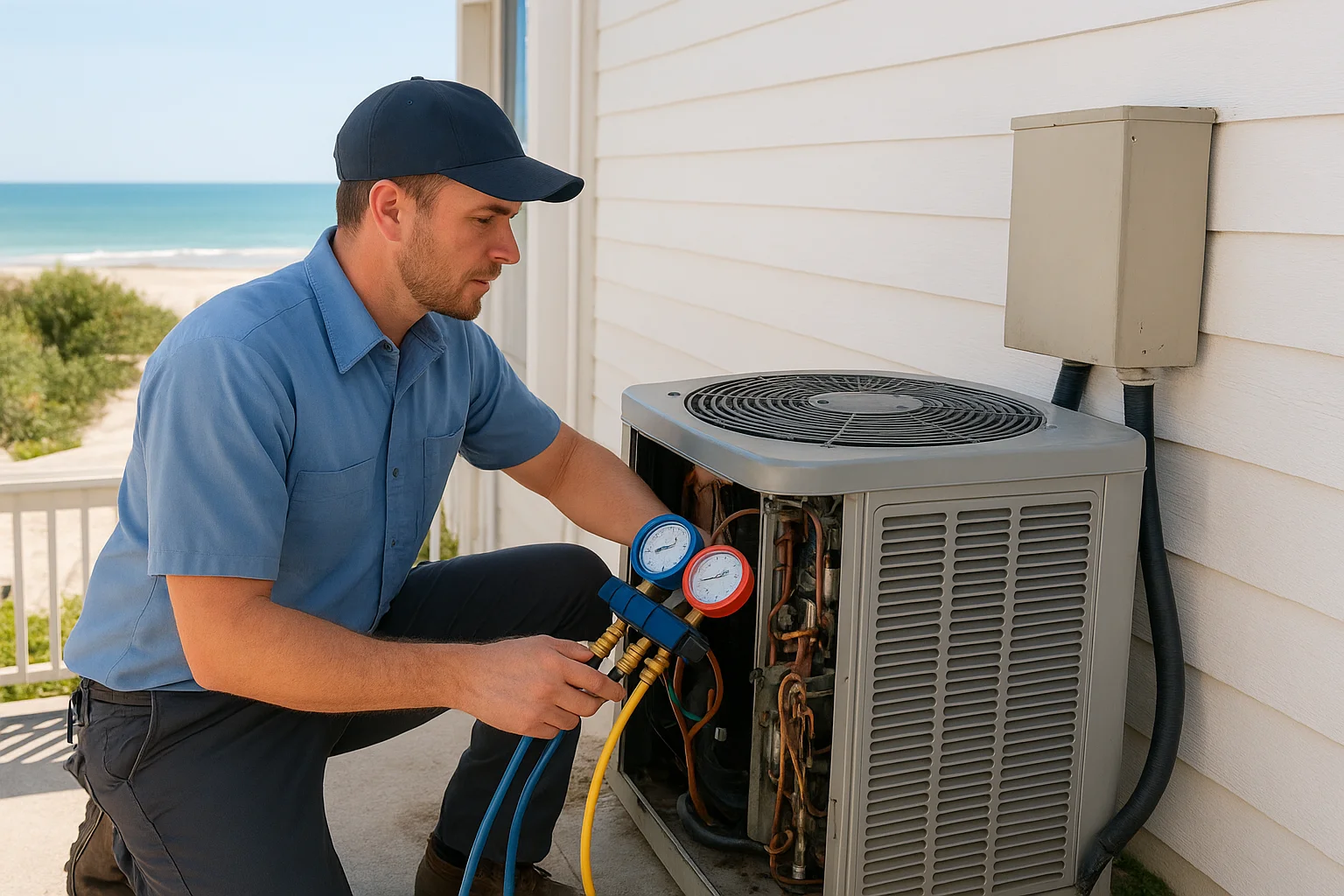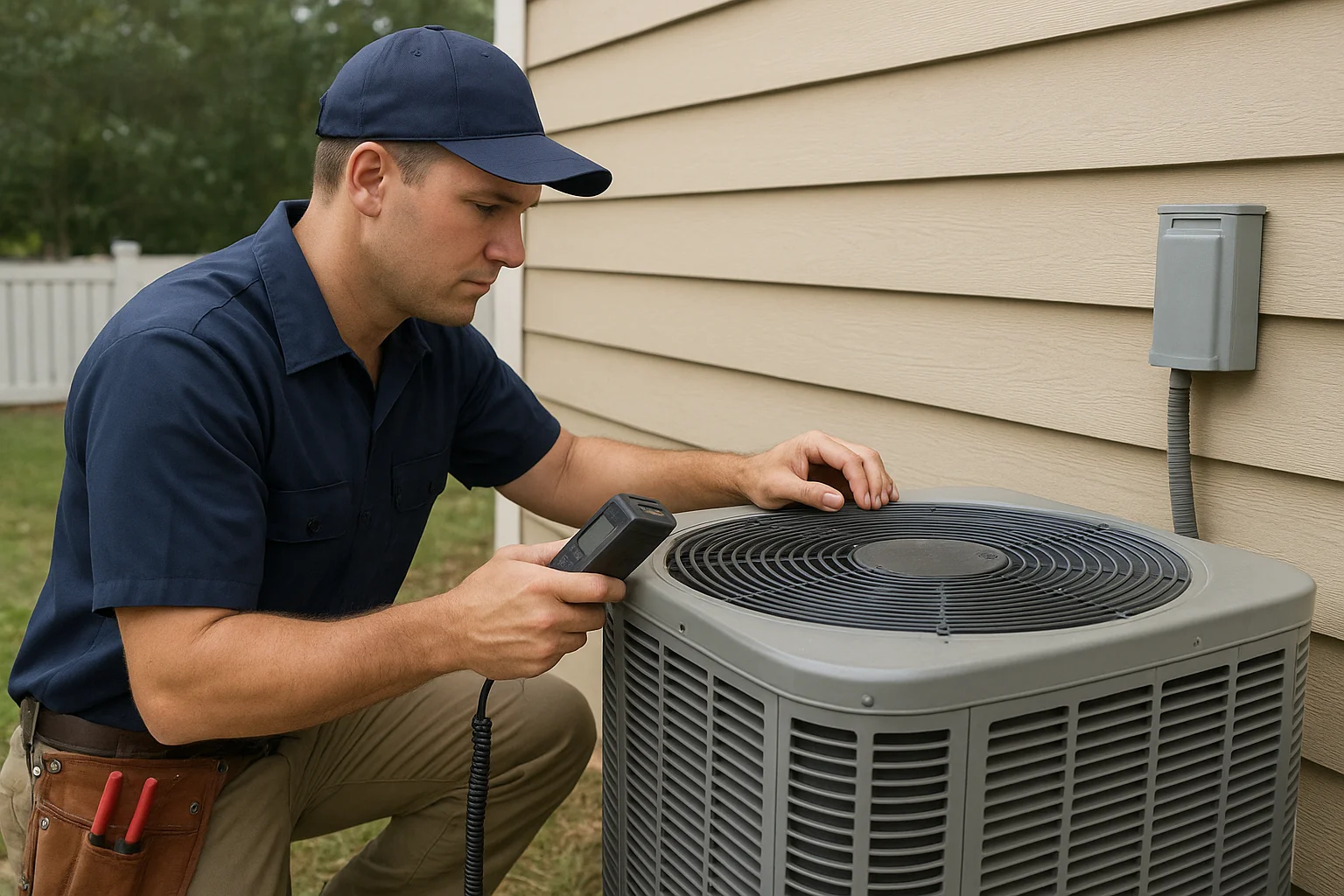
Seaside, FL is beautiful, but it is tough on HVAC equipment. Coastal humidity, salt air, and frequent temperature swings can turn small comfort issues into expensive commercial HVAC repair problems. For property managers and business owners, the goal is simple: manage heat and humidity reliably, protect indoor air quality, and avoid emergency cooling concerns that interrupt operations.
This guide breaks down what commonly causes problems with commercial HVAC repair in Seaside and Walton County, and how those issues can shorten HVAC system lifespan. You will also find prevention steps that support better airflow, healthier indoor air, and fewer system shutdowns.
Why Seaside’s coastal climate stresses commercial HVAC systems
Commercial buildings in Seaside often run HVAC systems for long hours, with higher occupant loads and tighter comfort expectations. Add the local climate and the stress multiplies. In coastal Walton County, the air can stay humid for much of the year, and salt-laden air can infiltrate outdoor units, ductwork, and intake areas.
That combination affects every part of the refrigerant system’s job: cooling, dehumidifying, and maintaining stable temperatures. When humidity management is inconsistent, comfort drops and the system works harder to catch up. Over time, that extra demand can contribute to wear and tear across components.
Humidity overload: when dehumidification fails, repairs follow
One of the most frequent commercial HVAC repair challenges in Seaside is humidity control. When an air conditioning system cannot remove moisture effectively, you may notice:
- Condensation on interior surfaces or near supply vents
- Musty odors or a “damp” feel in offices, retail spaces, and restaurants
- Fogging on windows, especially when outdoor humidity is high
- Uneven comfort, with hot or clammy zones
Humidity overload is not just a comfort issue. High indoor humidity can increase indoor air quality problems by supporting microbial growth and increasing airborne irritants. It can also increase corrosion potential when moisture contacts metal surfaces.
Humidity control depends on airflow, coil performance, and condensate drainage. If any one of those elements is compromised, the system can struggle to cool and dehumidify at the same time.
Airflow problems that reduce cooling and dehumidification
Airflow is the foundation of effective cooling. In commercial settings, filters, ductwork, and air handlers often accumulate dust and debris. Even when the thermostat calls for cooling, restricted airflow can cause the system to:
- Run hotter on the cooling cycle
- Produce less effective coil cooling
- Fail to remove enough moisture from the air
Over time, airflow problems can raise energy use and increase strain on the refrigerant system. If you are searching for commercial HVAC repair in Seaside, FL, ask the technician to evaluate airflow pathways, not just the thermostat settings. Air conditioning service should include a review of how air is moving through the space.
Ductwork issues that create hot spots and wet areas
In coastal buildings, ductwork can be impacted by age, renovations, or improper sealing. Leaky or poorly balanced ducts can cause uneven temperatures and humidity pockets. You might see:
- Rooms that stay warmer than expected
- Supplies that blow weakly or inconsistently
- Condensation near vents or returns
For owners and managers, duct inspection and ductwork improvements often reduce repeat repair calls by addressing root causes. If you suspect duct leakage or airflow imbalance, consider Duct Inspection and Duct Sealing as part of a comfort strategy.
Salt air corrosion: a slow problem that shortens equipment life
Salt air is a defining feature of the Florida coast. Even when buildings are not directly exposed, fine airborne salt can reach outdoor units, coil surfaces, and air intakes. Over time, corrosion can contribute to:
- Reduced coil heat transfer
- Damaged fins and degraded airflow through outdoor coils
- Faster deterioration of metal components
- More frequent service needs for fans, motors, and related parts
Salt-related corrosion does not always produce immediate shutdowns. Many systems appear to run normally until performance drops, humidity control worsens, or airflow becomes erratic. That is why preventive HVAC maintenance matters in coastal areas.
Condensate drainage failures and the moisture cascade
In cooling mode, HVAC systems produce condensate as moisture is removed from indoor air. That condensate must drain properly. When condensate drainage is restricted, the system can develop:
- Water pooling near air handlers or in drip pans
- Overflow risks that trigger shutdowns or safety controls
- Moisture damage to nearby surfaces
- More opportunities for microbial growth, affecting indoor air quality
In humid coastal climates, condensate can form more readily. If a condensate line is partially blocked or sloped incorrectly, the system may not clear water efficiently. This can lead to repeating service calls and premature wear on components exposed to moisture.
Professional commercial HVAC repair should include checking condensate drainage pathways and verifying that moisture is being managed safely and consistently.
Thermostat and control issues that create comfort instability
Commercial thermostats and building controls are responsible for more than turning cooling on and off. They also help manage humidity, staging, and scheduling. When controls are misconfigured or failing, you may see:
- Short cycling that interrupts normal coil performance
- Temperature swings that cause occupants to complain
- Cooling that runs without adequate dehumidification
- Systems that do not follow occupancy schedules
Because humidity management is tied to how long and how effectively the system can run, control problems can indirectly shorten HVAC system life by forcing inefficient cycles.
If you are looking for HVAC service near me in Seaside, prioritize licensed, experienced technicians who understand commercial comfort and control sequences. A licensed HVAC contractor near me should be able to review thermostat operation, staging behavior, and how the system responds to real building conditions.
Refrigerant system strain: small issues can become big problems
The refrigerant system is designed to move heat and manage cooling performance. When it is not operating as intended, cooling effectiveness can drop and energy use can rise. In a humid climate, reduced cooling performance can also lead to weaker dehumidification, which then increases the likelihood of indoor comfort complaints and repeat service calls.
It is important to note that refrigerant issues should not be guessed at. A refrigerant diagnosis requires an in-person evaluation with proper tools and safe procedures. If a technician determines there is a refrigerant-related concern, the repair plan should be based on observed operation and verified readings, not assumptions.
Why airflow and airflow measurement matter more than quick fixes
Many commercial comfort problems are not caused by one “bad part.” They are caused by system-level mismatches: airflow that does not match design intent, coils that are not clean enough for the season, ductwork that does not deliver air where it is needed, or controls that do not run the system long enough to dehumidify.
That is why homeowners and property managers should look for a commercial air conditioning contractor near me approach that focuses on the whole system. Ask whether the technician will evaluate:
- Air handler operation and fan performance
- Filter condition and airflow restrictions
- Supply and return airflow paths
- Coil cleanliness and condensation behavior
- Thermostat settings and control sequences
These checks help reduce the chances that a repair addresses symptoms but misses the cause.
Indoor air quality and comfort complaints that signal HVAC trouble
High humidity, poor airflow, and drainage problems can show up as indoor air quality symptoms. In commercial spaces, that can affect employee productivity, customer experience, and even health-related complaints. Common signs include:
- Odors that worsen during cooling season
- Increased dust near vents or on surfaces
- Dry or irritated air when humidity control is inconsistent
- Allergy-like complaints that coincide with HVAC operation
When indoor air quality declines, HVAC systems often get blamed for symptoms that originate in airflow, filtration, or moisture management. A thorough air conditioning inspection near me should connect comfort complaints to the system components that influence humidity, ventilation, and filtration.
Energy use and “works but not well” performance
In Seaside, businesses may feel pressure to keep comfort high while controlling operating costs. When HVAC systems drift out of tune, they may keep running but deliver less cooling and more humidity. That can increase energy use without improving comfort.
Look for patterns such as:
- Higher utility bills without a clear change in business operations
- Longer run times to reach set temperatures
- Frequent temperature resets or manual thermostat adjustments
- Occupant complaints that repeat each week during humid periods
These patterns are often fixable, but they usually require professional diagnosis. If you are comparing options for an HVAC company near me, choose one that emphasizes preventive HVAC maintenance and system performance, not just immediate cooling restoration.
How preventive HVAC maintenance helps coastal commercial buildings last longer
Preventive maintenance is one of the most practical ways to reduce the likelihood of major repairs. For Seaside properties, it is also a way to protect equipment from humidity-related stress and salt air exposure.
Routine maintenance typically includes cleaning and inspection of key components, checking airflow and control operation, and verifying that condensate drainage is working properly. For a commercial building, maintaining correct operation can help reduce short cycling, maintain dehumidification performance, and support consistent comfort.
If you manage multiple properties or a busy commercial facility, consider scheduling service through Commercial HVAC Maintenance so seasonal issues do not stack up.
Heat pump and split systems: humidity and airflow still matter
Some commercial buildings use heat pumps or ductless mini split systems. While these systems can be efficient, they still depend on airflow and moisture management. In humid conditions, inadequate airflow or drainage can still lead to comfort instability and indoor air quality concerns.
If you are searching for Heating Services or commercial HVAC repair, make sure the technician understands how your specific system handles humidity and condensate. For ductless systems, airflow and proper installation details also affect performance. Some owners also search for ductless mini split installation near me, but ongoing service and verification are equally important for long-term reliability.
Small problems that can become emergency cooling concerns
Commercial buildings do not have the luxury of waiting. A minor issue in a humid coastal environment can escalate quickly, especially when outdoor conditions are demanding. Examples of issues that can turn into emergency cooling concerns include:
- Condensate drainage that slowly clogs and eventually triggers shutdowns
- Airflow restrictions that reduce cooling performance until the system cannot keep up
- Coil fouling that increases run times and leads to performance failures
- Control problems that cause short cycling and component wear
- Corrosion that begins as reduced performance and later becomes a component failure
When a system fails during peak humidity, it can affect employee comfort, inventory storage conditions, and customer experience. That is why preventive maintenance and early repair are worth planning around.
How to spot repair needs before comfort falls apart
Homeowners may watch for window fogging or damp smells. For commercial properties, pay attention to patterns across tenants, floors, and schedules. Practical indicators include:
- Repeated hot or humid zones that do not respond to thermostat adjustments
- Increased condensation around air handlers or near returns
- Strange odors during cooling cycles
- Visible dust buildup near vents or on grilles
- Short cycling or frequent system restarts
- Changes in airflow at diffusers, especially if only one area is affected
When you see these signs, contacting a professional HVAC contractor early can help limit damage and reduce the chance of a mid-season breakdown. If you want to understand how local conditions impact service decisions, read How Local Weather Affects Commercial HVAC Repair in Destin, FL for a wider view of the region’s weather patterns.
Why professional local commercial HVAC service matters in Walton County
Commercial HVAC repair in Seaside is not just about getting the system running. It is about making sure the system can manage heat and humidity reliably in real operating conditions. Coastal salt air, high moisture levels, and building-specific ductwork and airflow design all influence what repairs will actually hold up.
A Superior Mechanical focuses on commercial HVAC repair so businesses can restore comfort without unnecessary downtime. If you are comparing options, look for a team that:
- Evaluates airflow, humidity behavior, and condensate drainage as part of diagnosis
- Understands refrigerant system operation without guessing
- Works with commercial thermostats and control sequences
- Supports preventive HVAC maintenance to reduce repeat failures
You can explore the service area details for commercial HVAC repair in Seaside, or browse the broader coverage on the Seaside page and Walton County.
Planning ahead for seasonal humidity and emergency cooling risks
Seaside businesses often need dependable cooling during the hottest, most humid stretches. Planning for maintenance and addressing small comfort issues early can reduce the chance of major failures during peak demand.
If your property includes shared spaces, multiple tenants, or vacation rental schedules, you may also find it helpful to review Keeping Seaside Homes Ready for HVAC Emergencies to think through practical steps for preparedness. For additional commercial context, see Why Commercial HVAC Repair Matters to Home Comfort in Miramar Beach and Commercial HVAC Repair in Fort Walton Beach: What Property Owners Should Pay Attention To Before Small Problems Grow.
When system replacement becomes a conversation
Sometimes repairs are not the best long-term path, especially when equipment has struggled with humidity management and performance drift over multiple seasons. Replacement decisions should be based on an in-person evaluation of the system’s condition, efficiency, comfort performance, and how it fits the building’s airflow needs.
If you suspect your current system is nearing the end of its useful life, a licensed HVAC contractor can help you weigh repair versus replacement based on observed performance and the specific demands of your commercial property.
Find Commercial HVAC Repair in Seaside, FL
If you need Commercial HVAC Repair in Seaside, FL, visit our local service page or contact A Superior Mechanical today.
Map of Seaside, FL
Frequently Asked Questions
How does Seaside humidity affect commercial AC repair?
High humidity can reduce the system’s ability to dehumidify, leading to damp indoor conditions, comfort complaints, and repeat service needs. Humidity control depends on airflow, coil performance, and condensate drainage, so those areas should be evaluated during commercial HVAC repair.
What role does condensate drainage play in HVAC problems?
When condensate drainage is restricted, water can pool in drip pans or overflow, which can trigger shutdowns and increase moisture-related indoor air quality issues. In humid coastal conditions, drainage checks are a key part of diagnosing cooling performance problems.
Can salt air shorten the life of commercial HVAC equipment?
Yes. Coastal salt air can contribute to corrosion on outdoor coils and metal components, which can reduce heat transfer and airflow performance. Over time, corrosion can lead to more frequent repairs and earlier component wear.
Why might my commercial HVAC run but still not feel cool or dry enough?
That pattern often points to airflow restrictions, ductwork imbalance, dirty coils, or control settings that prevent the system from running effectively for dehumidification. A professional evaluation should focus on system-level performance rather than only thermostat changes.
Should I try to diagnose refrigerant problems myself?
No. Refrigerant system concerns should be diagnosed with proper tools and safe procedures by a qualified technician. If you suspect a refrigerant issue, contact a licensed HVAC contractor for an in-person assessment.
Related Articles
Photo Gallery