Panama City homes run on hot water for showers, laundry, and dishwashing, and many families rely on tankless systems for steady performance. The catch is that tankless water heaters are sensitive to plumbing details. A small issue during service, an overlooked leak, or a mismatch between the system and your home’s water conditions can turn into expensive water damage, especially in crawl spaces, utility rooms, and around slabs.
This guide breaks down common causes of problems after tankless water heater services in Panama City, FL, and explains how homeowners can plan repairs to protect floors, fixtures, and sewer lines. If you are searching for tankless water heater services in Panama City, FL, the right approach starts with prevention and careful plumbing inspection.
Why tankless systems can cause water damage when service goes wrong
Tankless water heaters do not store hot water in a tank like traditional units. Instead, they heat water on demand, which means fast flow changes and constant cycling. That is great for efficiency, but it can expose weak points in your plumbing network. When service technicians do not address the full system, including pipes, valves, fittings, and drains, small failures can escalate quickly.
In Panama City’s humid coastal environment, leaks can also be harder to notice. Water can travel along studs, behind drywall, or under floors before it becomes obvious. By the time you see staining or warped baseboards, the damage may already be spreading.
1) Loose fittings and failed seals at hot and cold connections
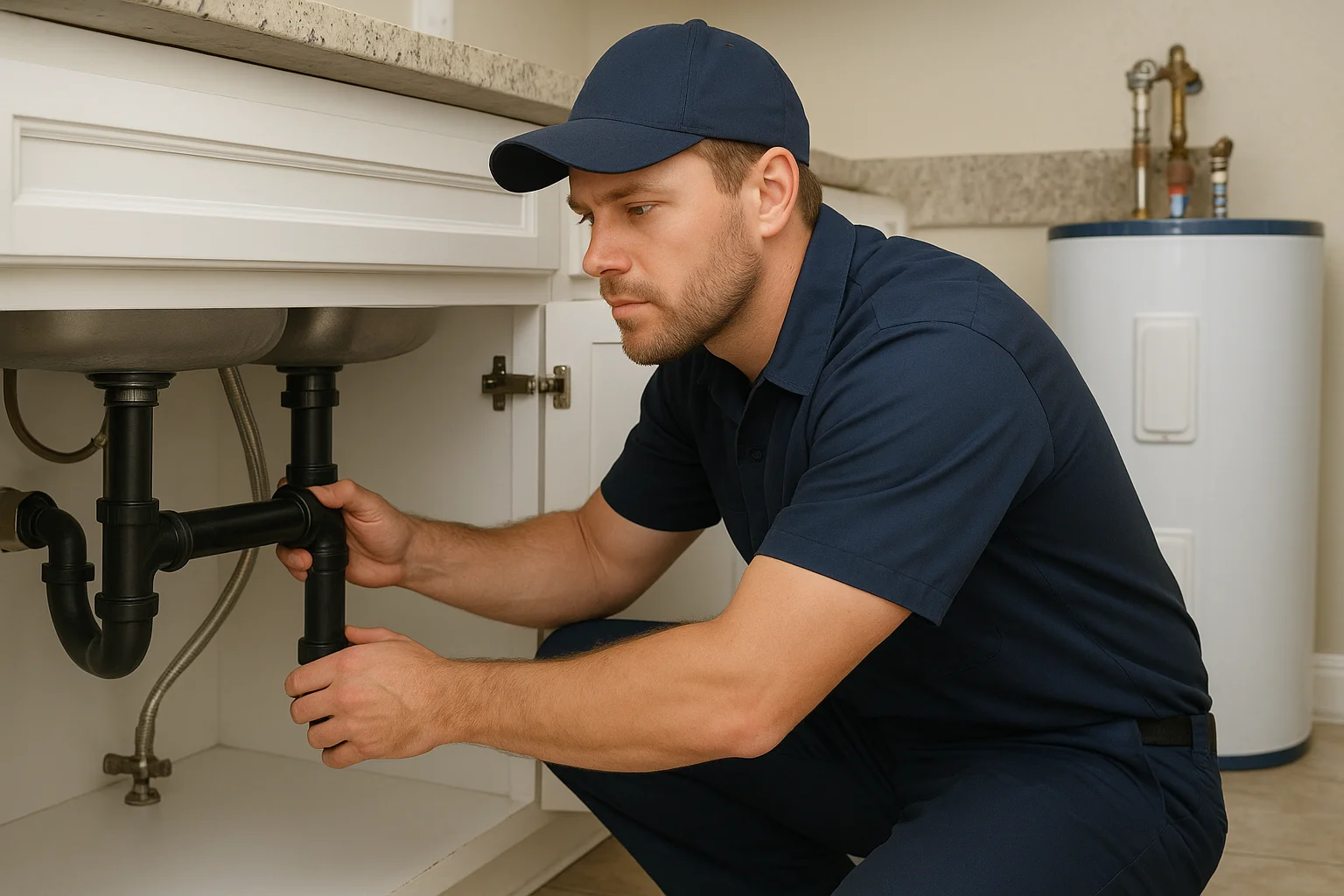
One of the most common causes of post-service leaks is a connection that was not tightened correctly or a seal that was not matched to your plumbing materials. Tankless units connect to your home’s hot and cold lines with adapters, unions, gaskets, and shutoff valves. If anything is slightly misaligned, it can seep under pressure.
Bay County homes vary widely in piping age and materials. Some older properties still have galvanized components, while newer builds often use copper or PEX. A mismatch between fittings and pipe type can contribute to leaks, particularly when water pressure fluctuates from irrigation systems or multiple fixtures running at once.
What homeowners notice: dampness near the unit, mineral crust around fittings, water spots on the floor, or a musty smell in the utility area. If you see signs of moisture, stop assuming it is “just condensation” and treat it like a leak repair issue.
2) Water pressure that is too high for the tankless system
Tankless water heaters are designed to operate within a specific pressure range. If your home’s incoming water pressure is too high, it can stress internal components and plumbing connections. High pressure can also increase the risk of dripping at fixtures and valves, turning a minor service issue into a recurring problem.
In Panama City, water pressure can swing based on neighborhood demand and seasonal usage patterns. During peak summer months, more showers, laundry, and outdoor water use can create changes that affect how the system performs.
How it leads to damage: pressure spikes can force water through a gasket or micro-crack. Over time, that can cause pinhole leaks in supply lines or a slow discharge that soaks nearby materials.
If you are dealing with water pressure concerns, a licensed plumber near you can check pressure at the right location and confirm that your tankless installation includes appropriate protection.
3) Hard water scaling and clogged components after service
Hard water is common in many Florida areas, and it can be tough on tankless units. Mineral buildup can reduce heat transfer efficiency and contribute to internal flow restrictions. When flow is restricted, the system may cycle differently, which can increase wear on parts and raise the chance of service-related issues.
Scaling can also affect nearby plumbing. For example, if you have a history of slow drains or mineral buildup at fixtures, the same water chemistry may contribute to reduced flow and uneven distribution throughout your home.
Service planning matters: maintenance flushing schedules, filter checks, and water quality recommendations should be part of any tankless water heater service plan. If you are searching for “water heater service” because your hot water is inconsistent, scaling may be part of the cause.
4) Drain line problems and improper condensate handling
Even when the tankless heater is not “leaking” from a supply connection, water can still escape if the condensate or drain pathway is not installed correctly. Some tankless setups include condensate management, relief valve discharge, or drains for servicing and safety.
If the drain line is blocked, incorrectly routed, or connected to the wrong location, water can back up. That can create pooling, overflow, or moisture intrusion into walls and floors.
Related plumbing concerns: a clogged drain repair scenario can show up near the water heater, but it can also be connected to the home’s broader drainage system. If you find water pooling where a drain should be carrying it away, call a professional for plumbing repair and drain cleaning rather than trying to flush random chemicals.
5) Relief valve leaks and missed discharge checks
Pressure relief valves and related discharge lines protect the system. If a relief valve drips or discharges unexpectedly, it is often a sign of pressure, temperature, or expansion issues. Sometimes the problem is the valve itself. Other times the cause is upstream, such as pressure regulation problems or a mismatch in plumbing components.
Homeowners sometimes ignore a small drip because it seems minor. But relief valve leaks can lead to persistent moisture, corrosion, and damage to nearby piping and finishes. In a slab home, moisture can be especially difficult to detect until it becomes a slab leak repair emergency.
If you see any ongoing discharge or dampness near the relief valve, treat it like a leak repair priority.
6) Installation errors that only show up after real water use
A tankless service visit can look “fine” when the technician leaves, but problems may appear after normal household demand starts. For example, running multiple showers, starting laundry, or using a dishwasher right after hot water arrives can reveal flow issues or temperature swings.
Common installation and service gaps include:
- Incorrect pipe sizing that cannot handle peak flow
- Shutoff valves not fully opened or improperly configured
- Air pockets that cause inconsistent hot water and unusual noises
- Improper venting or clearance decisions that affect system operation and water management
While some of these issues touch system design, the plumbing side is where homeowners often see the real-world symptoms: water dripping, temperature fluctuations at fixtures, and pressure changes that can affect toilets and faucets.
7) Corroded pipes, hidden leaks, and slab leak risks
Tankless units are frequently installed in basements, garages, utility closets, or near the main water line. That means plumbing problems in that area can become more noticeable once the unit is active. Corrosion, aging joints, and micro-leaks can worsen with pressure cycling and higher flow demand.
In Panama City, many homes have older plumbing segments or areas where moisture has been present for a while. If you suspect a slab leak, do not wait for dramatic signs. Early moisture can show up as damp carpets, unexplained water bills, or recurring wet patches near a wall.
Because emergency plumbing concerns can escalate fast, homeowners who notice persistent dampness should consider an inspection that includes pipe repair evaluation, not just a quick adjustment to the tankless unit.
8) Backflow and cross-connection issues between fixtures
Cross-connections can happen when valves, mixing setups, or plumbing repairs are not completed correctly. If hot water does not behave normally, or if you notice odd temperature changes when another fixture runs, the tankless system may be reacting to plumbing flow issues.
These problems can also impact toilets. If you are dealing with a running toilet repair situation, the cause may not be the toilet alone. A pressure or flow problem can contribute to weak flushing, incomplete refill cycles, or “ghost” water movement that increases water use.
For homeowners searching for a licensed plumber near me, it helps to ask for a whole-system look at the water heater connections, fixture supply lines, and any recent plumbing repair history.
How local water use patterns and coastal conditions affect tankless service
Panama City’s coastal climate brings humidity and salt-laden air that can accelerate corrosion on exposed metal components. Even when the tankless heater itself is indoors, nearby pipes, valves, and shutoffs can be affected over time.
Water use patterns also matter. In summer, many households run showers back-to-back, use more laundry, and increase dishwasher cycles. When more hot water is demanded at once, flow rate changes can expose issues like undersized lines, clogged filters, or inadequate pressure regulation.
That is why local plumbing maintenance should include inspection of valves, drains, and nearby fixtures, not just the tankless unit. If your home is also dealing with sewer line help, the drainage side can influence how safely the system manages discharge and condensate.
Water heater service checklist homeowners can use between visits
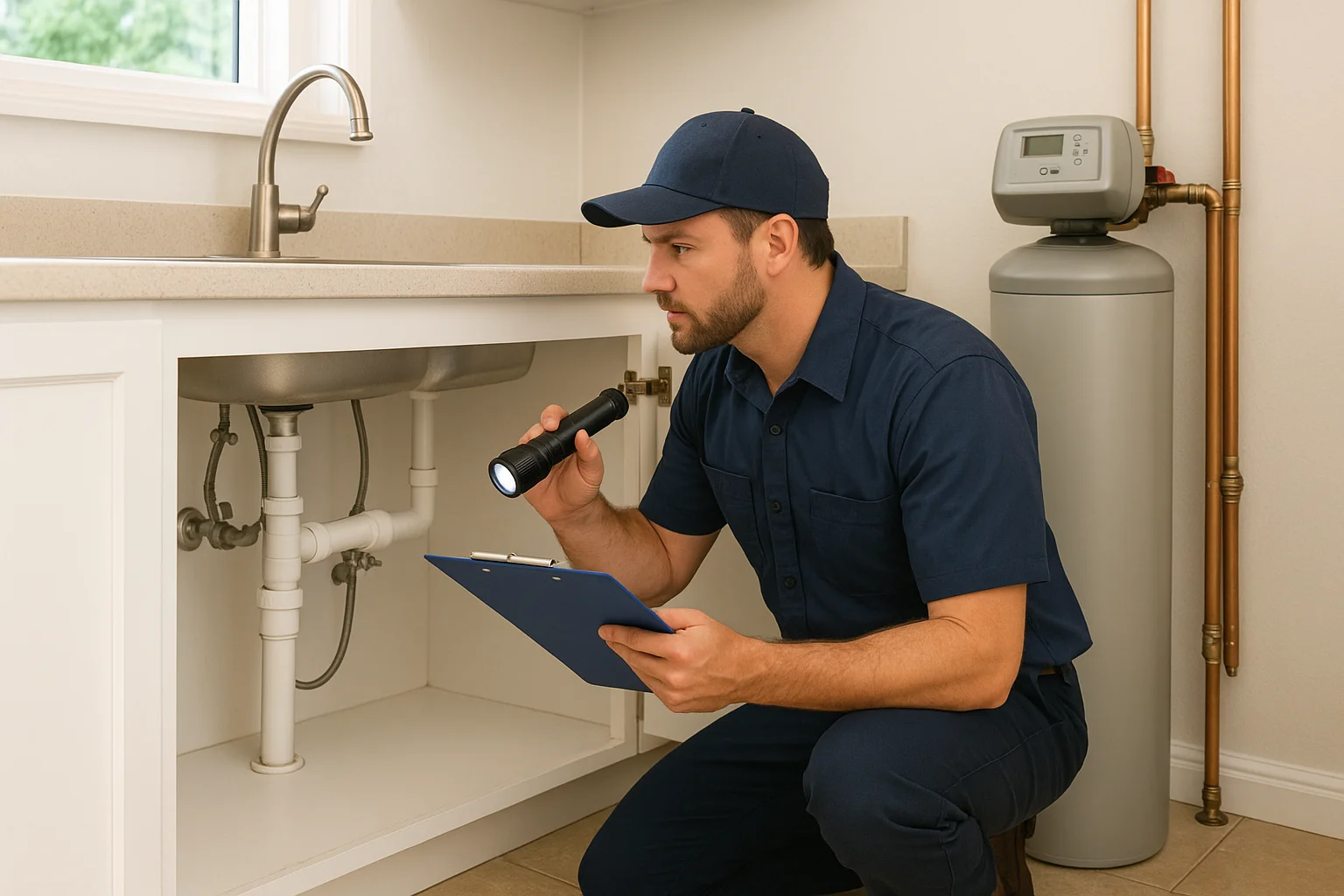
You do not have to be a plumber to spot trouble early. Use this practical checklist to monitor the system and reduce the chance of water damage.
Look for moisture and early leak clues
- Check the floor around the unit for dampness or mineral deposits
- Inspect the area around shutoff valves and the relief valve discharge path
- Watch for wall staining, bubbling paint, or warped trim near the heater
Pay attention to how hot water behaves
- Notice temperature swings when someone turns on a faucet or shower
- Listen for unusual noises during activation
- Track whether hot water takes longer to arrive than it used to
Monitor drains and nearby plumbing
- Slow drains can indicate broader buildup that affects water flow
- If a clogged drain repair near me search turns into an emergency, it may also be linked to the same area of your plumbing network
- Confirm that any drain line connected to the system is clear and properly routed
If you find patterns, write them down. A short log of when issues happen and which fixtures are running can help a residential plumber near me diagnose faster and reduce repeat service calls.
Planning repair and replacement to protect your home
Homeowners often ask about hot water heater replacement near me when repairs seem to pile up. The best plan depends on the cause. A leak from a fitting might be a straightforward plumbing repair. But if the issue is scaling, a failing component, or a connection problem that keeps recurring, replacement or deeper service may be more cost-effective.
Here is a repair planning approach that keeps water damage prevention at the center:
Step 1: Identify whether the problem is water, pressure, or flow
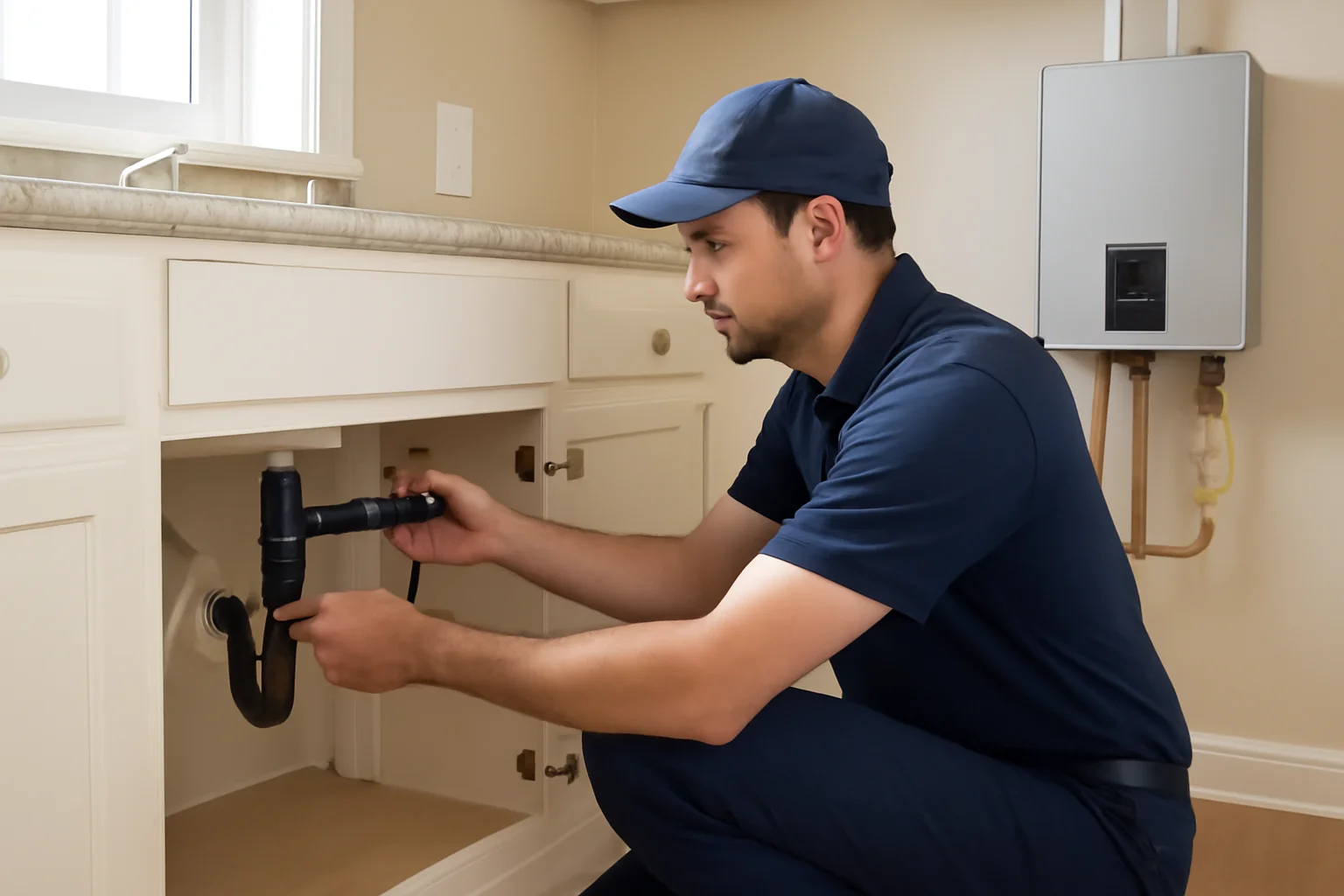
Is water escaping from a connection? Is the system discharging from a relief valve? Are hot water cycles inconsistent because of scaling or flow restriction? A careful inspection should separate these causes so you are not chasing symptoms.
Step 2: Inspect the surrounding plumbing network
A tankless heater is part of your home’s plumbing. The technician should check nearby pipes, valves, fixtures, and drains. If you have recurring fixture issues, it may point to a supply line or pressure regulator problem rather than the heater alone.
Step 3: Address related drainage and sewer line risks
Even if the tankless system is the trigger for your call, the drainage system can still be involved. If you need sewer repair and maintenance or you have a history of main drain cleaning, those issues can affect how discharge and condensate pathways behave. If you suspect a blockage, getting timely service can prevent backups that impact multiple areas of the home.
When emergency plumbing concerns should override waiting
Some tankless service problems become urgent because they involve active water escape. Do not wait if you see any of the following:
- Water spraying or rapidly spreading from the heater area
- Relief valve discharge that continues
- Dampness that appears overnight or keeps growing
- Signs of slab leak, such as new cracks, persistent wetness, or unexplained water spikes
- Drain backups near the heater or slow drainage that is worsening
If you are searching for an emergency plumber because of a burst pipe repair near me scenario, the same rule applies to tankless water heater leaks. Quick action helps limit damage, especially in homes with finished basements, low crawl spaces, or tile floors that hide moisture.
Common plumbing service pairings homeowners overlook
Tankless water heater service often connects to other plumbing repair needs. If you are already dealing with a plumbing issue, it can be efficient to address related problems during the same window.
Toilet repair and replacement
If you have a running toilet repair situation, it can increase hot water demand and complicate tankless performance. A toilet that does not refill properly can also point to supply line issues. Explore Toilet Repair and Replacement if the problem is recurring.
Faucet repair and fixture leaks
Small drips waste water and can create pressure swings that show up as hot water inconsistencies. For faucet repair near me or fixture leak repair, a plumber can check supply lines and valve function.
Sewer repair and maintenance
If you are dealing with odors, slow drains, or repeated backups, plan for Sewer Repair and Maintenance. Keeping the sewer line healthy helps prevent backups that can complicate tankless discharge management.
Drain cleaning
When homeowners search for drain cleaning near me, it is often because a clog is affecting daily routines. If the clog is near the heater area, it can also influence how water pathways behave. Addressing it early reduces the chance of water damage.
How A Superior Mechanical helps prevent water damage
Tankless systems are efficient, and they can be a great fit for Panama City households when they are serviced with the full plumbing picture in mind. A Superior Mechanical focuses on tankless water heater service that includes the connections, valves, drains, and nearby plumbing components that protect your home from leaks and water intrusion.
If you need tankless water heater services in Panama City, FL, you can also consider pairing service with other local plumbing priorities like maintenance planning and fixture repairs. For homeowners who want a proactive approach, these resources may help: A Smarter Way to Handle Plumbing Maintenance in Panama City Beach and Keeping Panama City Beach Plumbing Ready for Coastal Living.
If you are troubleshooting hot water issues, these posts can help you gather clues before the plumber arrives: Plumbing Clues Around the Water Heater That Panama City Beach Families Should Not Ignore. And if you are trying to stop small problems from becoming bigger ones, Small Plumbing Repairs That Save Panama City Beach Homes from Bigger Trouble offers practical guidance.
Local service that matches your home in Bay County
Plumbing issues do not happen in a vacuum. Bay County homes differ in age, pipe materials, water pressure behavior, and drainage layouts. That is why local planning matters. If you want to understand service options across the region, visit /service-areas/bay-county and the Panama City overview at /service-areas/bay-county/panama-city.
For tankless water heater services, the plumbing work is what keeps water where it belongs. When connections are sealed correctly, pressure is verified, drains are clear, and the surrounding system is inspected, homeowners can enjoy consistent hot water without the risk of hidden leaks.
Frequently overlooked causes of tankless water heater service problems
If you are trying to narrow down what can cause problems with tankless water heater service, these are common culprits homeowners run into across Panama City:
- Improper sealing at hot and cold connections
- Pressure regulation issues that stress components
- Hard water scaling that reduces flow and changes performance
- Drain line routing or blockage that leads to overflow
- Relief valve discharge that signals a bigger pressure or temperature issue
- Hidden pipe corrosion, including slab leak risks
- Fixture supply problems that create pressure swings and temperature changes
When a tankless system is involved, water damage prevention is not just about the heater. It is about the plumbing ecosystem around it, including drains, pipes, fixtures, and sewer lines.
Related next steps for homeowners
If you are planning plumbing repair work alongside tankless service, you may also want to review Plumbing Replacement for aging supply lines, or consider Whole Home Clean Water Systems if hard water is contributing to scaling. For homes with recurring drainage problems, sewer repair and maintenance can reduce the odds of backups that complicate everything else.
Find Tankless Water Heater Services in Panama City, FL
If you need Tankless Water Heater Services in Panama City, FL, visit our local service page or contact A Superior Mechanical today.
Map of Panama City, FL
Frequently Asked Questions
Can a tankless water heater leak look like condensation at first?
Yes. Light moisture can be mistaken for condensation, especially in humid areas. If you notice mineral deposits, wet spots that spread, or moisture around fittings and the relief valve discharge path, treat it as a leak repair issue and have it inspected.
What plumbing problems are most common after tankless water heater service in Panama City?
Loose fittings, incorrect seals, pressure issues, blocked or misrouted drain lines, and relief valve discharge are common causes. Hard water scaling can also contribute to performance problems that lead to repeated service visits.
How do I know if my tankless water heater issue is actually a drain or sewer problem?
If you have slow drains, repeated clogs, odors, or backups near the heater area, the cause may be drainage or sewer line help rather than the unit alone. A plumber should inspect the nearby plumbing network and discharge pathways.
When should I treat a tankless water heater problem as an emergency?
Call for emergency plumbing help if water is actively spreading, relief valve discharge continues, dampness grows quickly overnight, or you suspect a slab leak. Fast action helps limit water damage to floors, walls, and substructures.
What maintenance helps prevent tankless water heater plumbing issues?
Regular flushing for hard water scaling, checking filters and flow paths, inspecting shutoff valves and connections, and confirming drain or condensate handling stays clear. A maintenance plan from a local plumber can reduce the chances of leaks and recurring service problems.
Related Articles
Photo Gallery