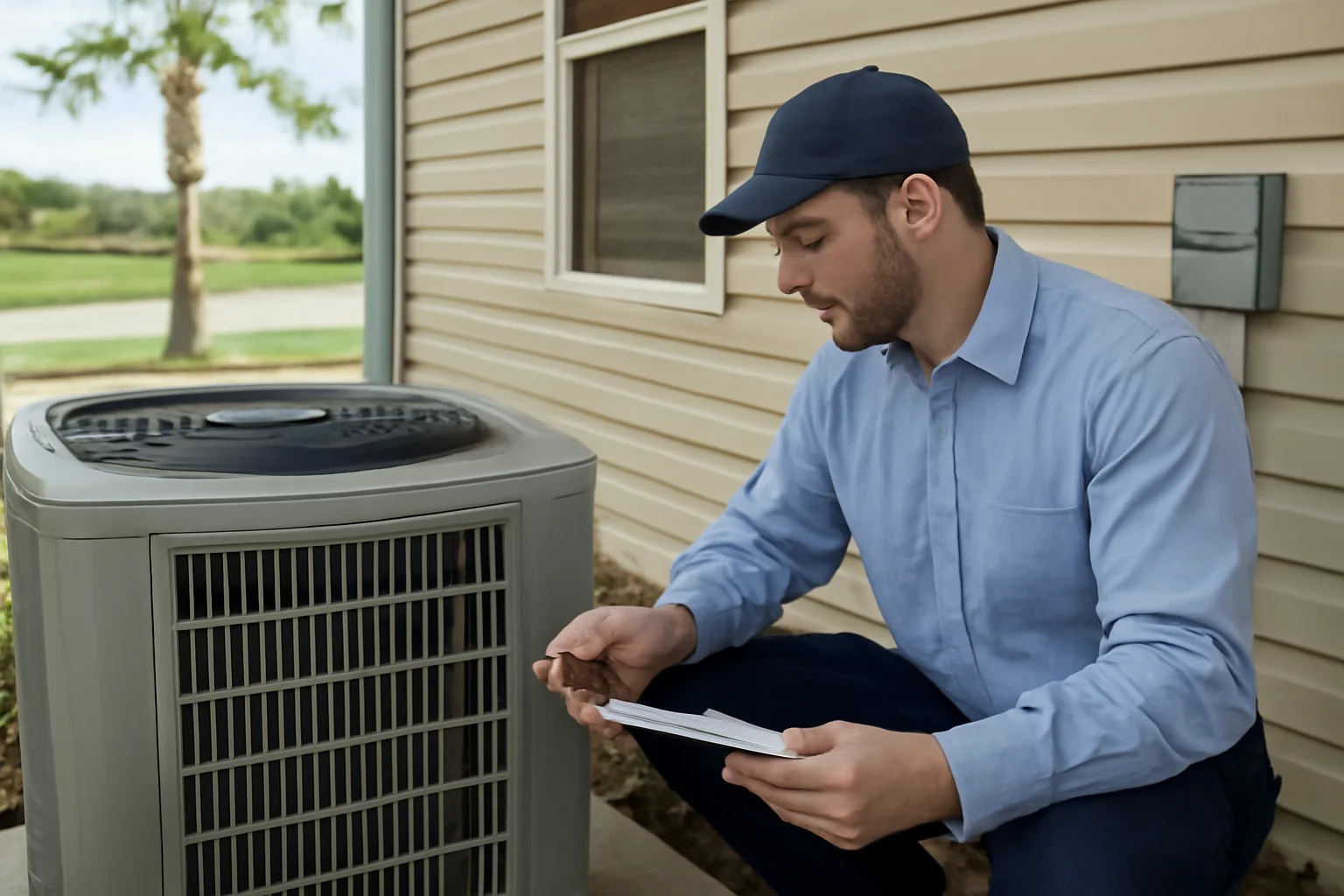
Pretty Bayou has a way of putting HVAC systems to the test. Between Florida heat, high humidity, and coastal air that carries more corrosion risk, even a well-installed air conditioner can wear out sooner than homeowners expect. A thorough air conditioning inspection is one of the best ways to catch those problems early, protect comfort, and reduce the chance of an emergency cooling situation during the hottest weeks of the year.
If you are searching for air conditioning inspection in Pretty Bayou, FL, this guide will help you understand what a good inspection should cover and what can shorten HVAC system life in our local climate.
Why Pretty Bayou AC systems face extra stress
Most HVAC components are designed to last, but the environment matters. In Pretty Bayou and the wider Bay County area, your system often deals with:
- Heat and humidity: High indoor humidity forces the cooling system to work harder to remove moisture. When airflow is restricted or coils are dirty, the system can’t manage latent and sensible cooling effectively.
- Coastal salt air: Salt in the air can increase corrosion on outdoor units and metal components over time. Corrosion can affect connections, fan operation, and overall system reliability.
- Long run times: Florida weather can require the air conditioner to run for extended periods, especially when ducts, filters, or insulation are not helping.
- Condensate drainage challenges: Air conditioning produces condensate. If drainage is restricted or improperly routed, water can back up and contribute to moisture problems.
That combination is why preventive HVAC maintenance and a careful inspection are not just “nice to have” for local homeowners.
What a real AC inspection should look for
A strong inspection is more than a quick visual look. It should connect common symptoms to the parts of the cooling system that are most likely to be causing them. When you choose a licensed HVAC contractor near me, the goal is to verify the system’s condition across airflow, refrigerant system performance, controls, and indoor comfort factors.
1) Airflow, ductwork, and return air issues
Airflow problems are one of the most frequent causes of shorter AC life. When air cannot move properly, the system can run hotter and harder than intended. During an inspection, technicians typically evaluate:
- Supply and return airflow balance: Poor return airflow can starve the indoor coil, reducing cooling performance.
- Dirty filters and restricted grilles: Even a filter that looks “okay” can be clogged, especially in high humidity environments where dust and debris accumulate.
- Ductwork condition: Leaks, poorly sealed connections, and damaged ducts can reduce airflow and increase humidity issues.
If you suspect uneven temperatures, weak airflow, or rooms that never feel comfortable, it’s worth reviewing your ductwork. For more on this topic, read What Pretty Bayou Homeowners Should Know About Ductwork Services.
2) Evaporator and condenser coil cleanliness
Coils are where heat exchange happens. When coils get dirty, the system struggles to transfer heat effectively. In humid coastal areas, dirt and organic buildup can be more noticeable, and airflow across the coil matters even more.
During an inspection, professionals will check for coil buildup and related airflow restrictions. If you have noticed musty smells, reduced cooling, or the system running longer than usual, coil cleanliness is often part of the story.
3) Refrigerant system red flags and performance limits
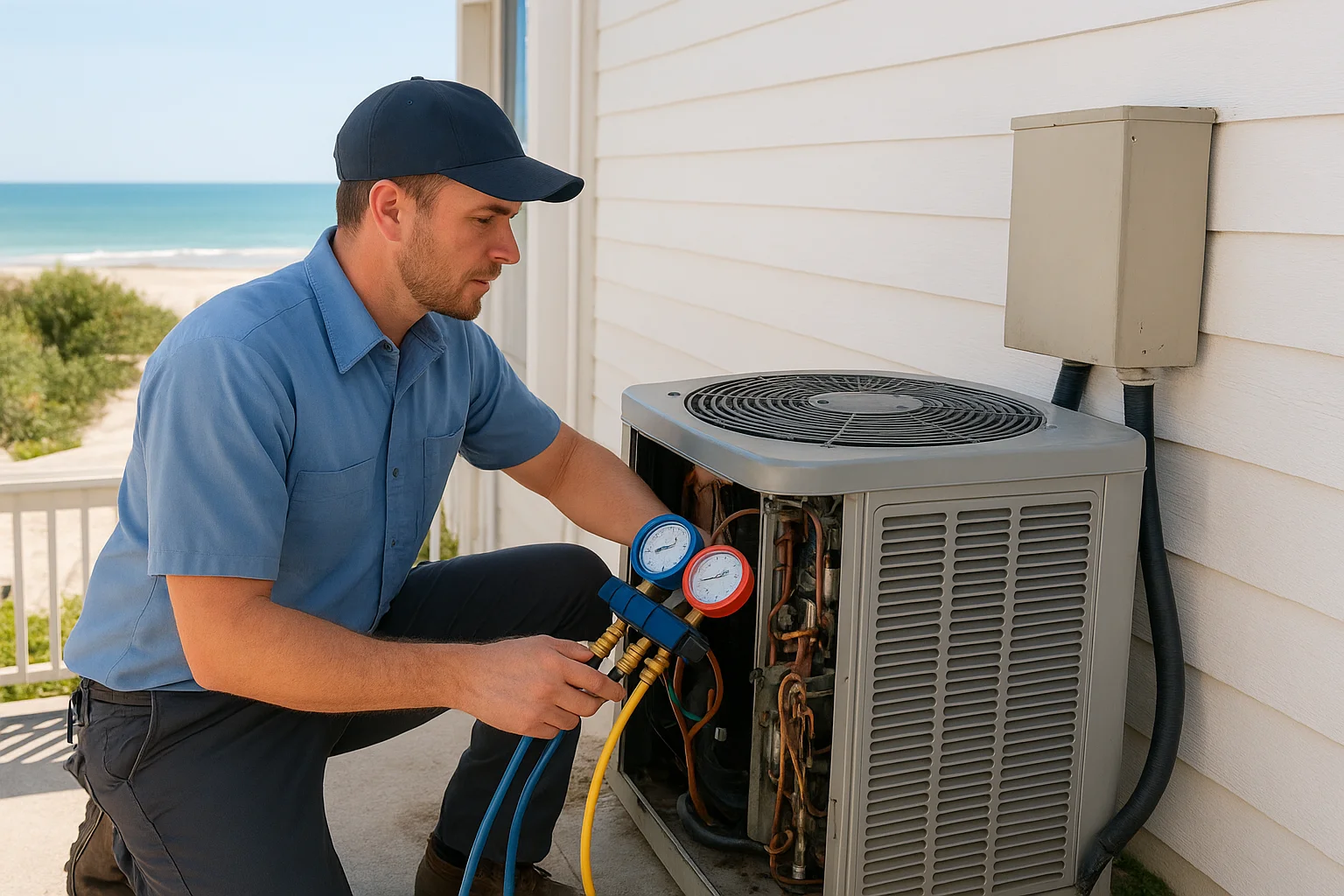
Homeowners sometimes hear about “refrigerant leaks” or “low refrigerant,” but the correct approach is not guesswork. Refrigerant is part of a closed system, and diagnosing it requires proper tools and an in-person evaluation.
A qualified technician can look for indicators that the refrigerant system is not operating as it should, while also considering airflow and airflow-related effects. Without checking airflow and other components, it is easy to misinterpret what is actually happening. If you are dealing with inconsistent cooling, ice buildup, or frequent cycling, a local air conditioning service visit can help determine the real cause.
4) Condensate drainage and moisture management
Because air conditioners remove humidity, condensate drainage is critical. During an inspection, the technician should review condensate drainage pathways and look for signs of:
- Slow draining or standing water
- Clogged or misaligned drain lines
- Moisture around the indoor unit or near the air handler
When condensate drainage fails, it can contribute to indoor air quality problems and create conditions that lead to microbial growth. It can also cause the system to shut down or behave unpredictably.
5) Thermostats and comfort controls
Thermostats are the “command center” for cooling. If your thermostat is inaccurate, failing, or not configured correctly, the system may cycle inefficiently or run longer than necessary. An inspection should include checking:
- Thermostat operation and settings
- Sensor placement and readings
- System response to temperature calls
If you are considering thermostat installation near me because of comfort issues, it helps to start with an inspection first. That way, you can confirm whether the thermostat is the real issue or whether the underlying cooling performance needs attention. For homes that want better control, see How Modern Homes in Pretty Bayou Get More from Heating Control Systems.
6) Electrical and safety checks that support reliability
Even though homeowners do not diagnose electrical components themselves, a professional inspection should still include safety and operational checks. This helps ensure components are starting and stopping correctly, and it can reduce the chance of failures that lead to emergency cooling concerns.
If a system trips breakers, shows intermittent operation, or struggles to start reliably during heat waves, that is a strong reason to schedule HVAC repair with a qualified team.
Common causes of shortened HVAC life in Pretty Bayou
Below are several issues that can shorten the life of air conditioning systems, especially in a climate like ours.
Dirty filters and restricted airflow
Restricted airflow is hard on multiple parts of the system. It can raise operating temperatures, reduce the effectiveness of heat exchange, and contribute to coil icing in some situations. Over time, that strain increases wear and can trigger repeated service needs.
Leaky ducts and poor duct sealing
Leaky ductwork can waste conditioned air and make the system work harder to maintain indoor temperatures. It also affects humidity control because airflow patterns change. If you are noticing hot spots, cold rooms, or frequent re-calls for cooling, ductwork may be part of the problem. You can learn more in What Pretty Bayou Homeowners Should Know About Ductwork Services.
Humidity overload and long run times
In high humidity conditions, the air conditioner needs the right airflow and proper coil performance to remove moisture. When the system cannot dehumidify well, it may feel like the home is “cool but sticky.” That discomfort often leads to higher thermostat settings, longer run times, and added stress on the system.
Condensate drainage problems
When condensate drainage is restricted, the indoor unit can develop moisture issues that affect comfort and air quality. Moisture and microbial growth concerns are especially important in Florida homes where humidity is a constant factor.
Coastal corrosion on outdoor components
Salt air can accelerate corrosion, especially on outdoor unit surfaces, fasteners, and electrical connection points. Corrosion can cause intermittent operation and can reduce component longevity. Regular inspections help catch early signs before they become bigger failures.
Thermostat mismatch or control issues
Sometimes the system is not failing, but it is being controlled in a way that increases runtime or cycling. In a hot, humid climate, that can increase wear. A professional can check whether the thermostat setup supports healthy operation.
Neglected preventive HVAC maintenance
Even if your system seems to cool “okay,” small issues can build. Preventive maintenance is designed to reduce that buildup by addressing airflow, cleaning key surfaces, verifying drainage, and checking operational safety. If you are searching for HVAC maintenance near me, choose a provider that treats inspection as a detailed process, not a quick checklist.
How to use inspection results to decide what to do next
After an inspection, homeowners typically want clarity. A good technician explains what is affecting performance and what is likely to become a bigger problem if ignored. That might include:
- Airflow restrictions that reduce cooling and humidity control
- Ductwork leaks that waste energy and affect comfort
- Drainage concerns that can affect indoor air quality
- Operational issues that increase the chance of breakdown during peak heat
It is also normal to discuss whether repair is reasonable now or whether a system replacement conversation should happen. For many homeowners, the best next step is to address the issues that are shortening the system’s life first, while planning ahead for long-term comfort and energy use.
What homeowners can do between inspections
Inspections and professional service are essential, but a few habits can reduce stress on your AC system.
Replace or check filters regularly
During humid months, dust and debris can accumulate quickly. A clogged filter restricts airflow, which can shorten HVAC life. If your home has pets, allergies, or lots of dust, you may need more frequent filter checks.
Keep outdoor airflow paths clear
Outdoor units need unobstructed airflow. Make sure landscaping is trimmed back and that debris is cleared around the unit area. This helps protect airflow and reduces strain on the system.
Watch for humidity and comfort patterns
If the home feels cool but not comfortable, or if humidity seems high, that can indicate coil performance or airflow issues. Those are inspection-worthy concerns.
Notice early warning signs
Some symptoms are easy to overlook until they become emergencies. Pay attention to:
- Reduced cooling or uneven room temperatures
- Longer run times than usual
- Unusual odors when the system starts
- Water pooling near the indoor unit or in the area around the drain
- Frequent cycling or failure to start reliably
When an HVAC maintenance near me search is used too late, it can mean the system is already under stress. Scheduling inspection earlier helps prevent problems that can become more expensive and more disruptive.
When “inspection” should turn into AC repair
Some issues are not just maintenance items. If you notice any of the following, it is time to schedule HVAC repair with a qualified team:
- The system stops cooling or only cools intermittently
- Ice forms on the indoor coil or refrigerant-related surfaces
- The indoor unit produces excessive moisture or shows signs of drainage failure
- Strange sounds or repeated start attempts
- Burning smells or persistent electrical-related concerns
Do not attempt refrigerant diagnosis or electrical diagnosis yourself. Refrigerant systems and electrical components require proper training and safety procedures. An in-person evaluation is the safest path to accurate troubleshooting.
Inspections are also key for system upgrades and replacement planning
At some point, homeowners may start planning for HVAC replacement near me or a new installation. Even then, an inspection matters because it helps clarify what is failing and what should be considered during replacement planning, such as:
- Whether ductwork needs repair or sealing to match the new equipment
- Indoor comfort goals and humidity control needs in Florida conditions
- Whether the current thermostat and control setup supports the home’s comfort requirements
- How the condensate drainage pathway should be handled
If you are exploring options for coastal Florida homes, review A Pretty Bayou Homeowner’s Guide to Air Conditioning Systems That Handle Coastal Florida.
For new builds or major upgrades, you may also want to compare installation approaches. If your home is under construction, see New Construction Air Conditioning. If you are planning to replace or add equipment, browse Air Conditioning Installation and Air Conditioning Services.
Airflow, ductwork, and indoor air quality go together
In humid climates, indoor air quality is closely tied to how well your cooling system controls moisture and moves air. If your home feels stuffy, you have allergy symptoms that spike during the summer, or you notice lingering odors, it may be time to look beyond the thermostat.
A professional inspection can identify airflow and moisture issues that affect indoor air quality. Homeowners who want a focused approach can schedule Indoor Air Quality Testing to understand what is happening in the home environment.
Heat pump and ductless systems: inspection still matters
Some Pretty Bayou homes use heat pumps. Others use ductless mini split systems. Inspections still matter because airflow, humidity control, condensate drainage, and thermostat behavior all influence system longevity.
If you are searching for heat pump repair near me or considering ductless changes like ductless mini split installation near me, it is smart to include inspection and performance evaluation in your planning. Even the best equipment can struggle if airflow and indoor humidity management are not set up correctly.
Why professional local HVAC service is the safer choice
Pretty Bayou homeowners benefit from working with a team that understands local conditions. Salt air, humidity, and Florida heat are not the same as inland climates, and the service approach should reflect that reality.
A Superior Mechanical provides professional air conditioning inspection in Pretty Bayou, FL designed to help catch issues early. For broader service context across the region, you can also visit the Pretty Bayou service area page and the Bay County service area.
During an inspection, the focus stays on what can shorten HVAC life: airflow restrictions, coil and cleanliness issues, refrigerant system performance concerns that require in-person evaluation, condensate drainage, thermostat operation, and the effects of coastal wear. That is how homeowners protect comfort and reduce the risk of emergency cooling concerns when the weather turns hottest.
If you are deciding between air conditioner service near me options, ask the team what their inspection includes, how they evaluate airflow and drainage, and how they explain next steps. A clear, detailed process is a strong indicator you are getting real protection, not just a quick look.
Find Air Conditioning Inspection in Pretty Bayou, FL
If you need Air Conditioning Inspection in Pretty Bayou, FL, visit our local service page or contact A Superior Mechanical today.
Map of Pretty Bayou, FL
Frequently Asked Questions
How often should Pretty Bayou homeowners schedule an air conditioning inspection?
Many homeowners schedule a detailed inspection before peak cooling season and then follow up based on the system’s condition. If you have persistent humidity issues, uneven cooling, or older equipment, staying on a regular maintenance schedule can help reduce the chance of mid-summer breakdowns.
Can high humidity in Pretty Bayou shorten the life of my HVAC system?
Yes. Humidity increases cooling demands. When airflow is restricted or coils are dirty, the system works longer to remove moisture, which can accelerate wear. A proper inspection looks at airflow, coil condition, and condensate drainage to address the root causes.
What should I do if my air conditioner runs but does not cool well?
Schedule professional HVAC repair. Reduced cooling can be caused by airflow problems in ductwork, coil issues, refrigerant system performance concerns, or thermostat/control issues. It is best not to guess about refrigerant or electrical causes without an in-person evaluation.
How can ductwork affect my air conditioner inspection results?
Ductwork impacts airflow and humidity control. Leaks, poor sealing, or damaged ducts can reduce supply air, disrupt return air, and make the system work harder. During inspection, technicians evaluate airflow pathways and may recommend ductwork services if comfort problems point to distribution issues.
What are common condensate drainage signs homeowners can watch for?
Look for water pooling near the indoor unit, slow drainage, damp spots, or unusual musty odors. Condensate drainage issues can affect comfort and indoor air quality, so they should be addressed promptly by a qualified HVAC technician.
Related Articles
- What Pretty Bayou Homeowners Should Know About Ductwork Services
- A Pretty Bayou Homeowner’s Guide to Air Conditioning Systems That Handle Coastal Florida
- How Modern Homes in Pretty Bayou Get More from Heating Control Systems
- Keeping Pretty Bayou Cool: A Homeowner’s Guide to Air Conditioning Maintenance That Works With the Coast
Photo Gallery