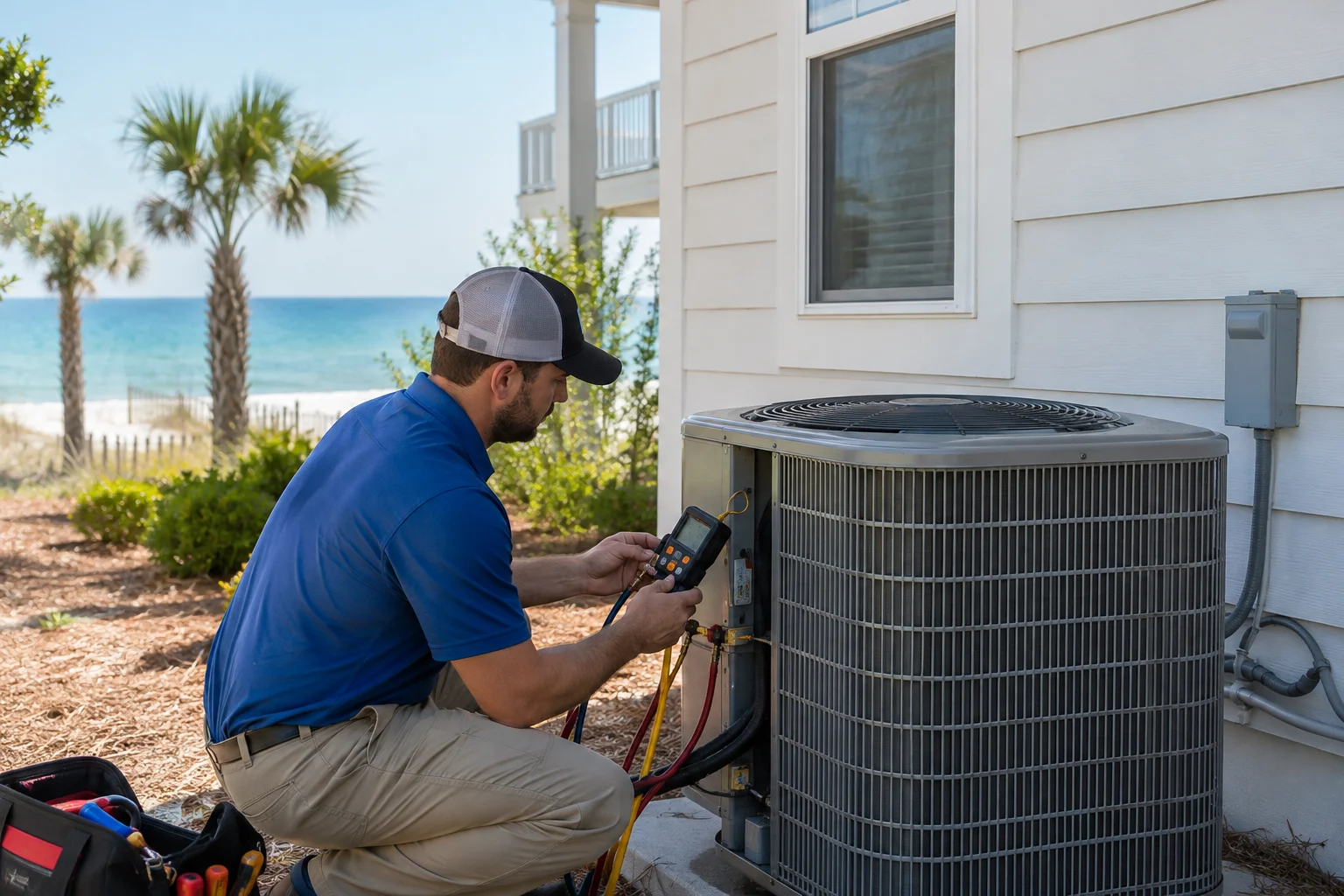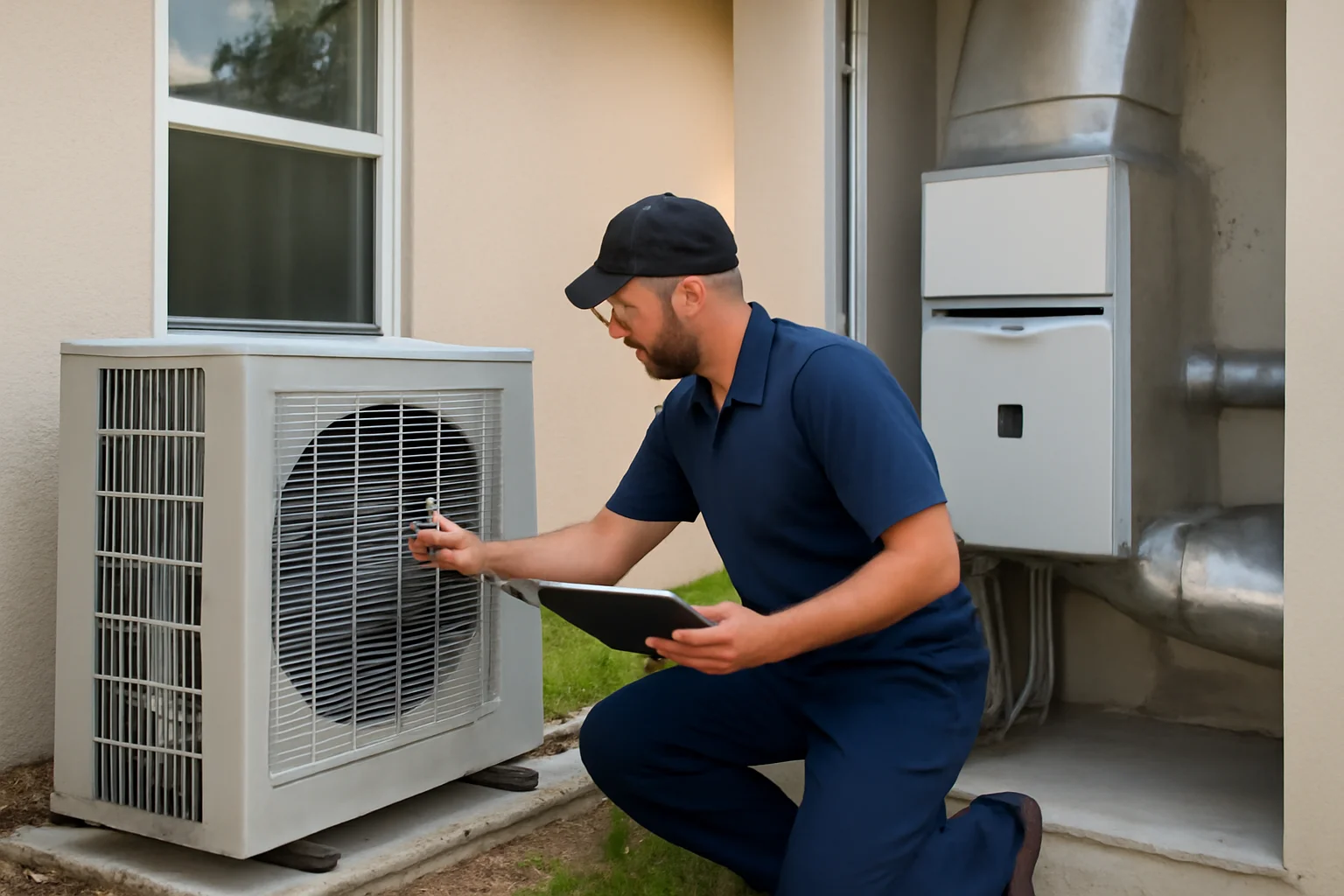
VRF multi-zone systems are built for zoned comfort and efficient cooling, which is why many Valparaiso, FL homeowners like the idea for homes and small commercial spaces. But when cooling performance drops, it is rarely one single “broken part.” In the Florida heat and humidity, several overlooked factors can quietly strain a VRF system and lead to uneven temperatures, higher energy use, and in some cases an emergency cooling situation.
If you are searching for VRF multi-zone systems service in Valparaiso, this guide covers the most common, homeowner-observable causes of cooling problems. It also explains what preventive HVAC maintenance can do to keep performance steady through long, humid summers.
Why VRF cooling struggles in Valparaiso’s humidity and salt air
Valparaiso is hot for much of the year, and humidity is not seasonal. Even when outdoor temperatures are manageable, moisture in the air can affect how well the system dehumidifies and how indoor units manage condensate. Coastal exposure in Okaloosa County can add another layer of difficulty, because salt-laden air can accelerate corrosion on outdoor components over time.
VRF systems move refrigerant through a network of indoor units and piping, using controls to match cooling output to each zone’s needs. That design is efficient when airflow, drainage, and controls are working as intended. When those pieces are restricted or mismanaged, the system can compensate in ways that still leave homeowners feeling “not cold enough,” even though the equipment is running.
Airflow problems that homeowners notice first
Many VRF cooling complaints start with airflow, not the refrigerant system itself. If one or more zones feel warm or the temperature swings, the cause is often an airflow limitation that prevents indoor units from moving conditioned air effectively.
Dirty filters and clogged return paths
Indoor air filters that are overdue for cleaning or replacement can reduce airflow. In a multi-zone setup, one zone can become noticeably weaker while others still cool. Homeowners might assume the thermostat is wrong, but a restricted filter can make the indoor unit struggle to deliver the expected cooling and dehumidification.
It also impacts indoor air quality. In humid climates, reduced airflow can increase the time air spends in contact with wet surfaces, which can contribute to musty odors and higher moisture conditions.
Blocked vents, closed dampers, and furniture placement
It sounds simple, but closed supply or return vents are a common issue in homes with multiple zones. In some layouts, homeowners close vents in unused rooms, place tall furniture near grilles, or add window coverings that block airflow. With VRF, the system is designed to respond to zone demand, but it cannot correct for airflow that never reaches the living space.
Ductwork leakage or poor balancing
Even when the VRF indoor units are correctly sized, ductwork problems can steal cooling performance. Leaks, disconnected sections, or duct restrictions can reduce airflow volume and increase system runtime. Homeowners may notice that one room never feels right or that cooling seems to “take longer” to recover after doors close.
If you are dealing with uneven temperatures and suspect ductwork, consider reading Comfort Clues Hidden in the Ductwork: Why Valparaiso Homes Benefit from Cleaner Air Paths. For duct repair needs, it helps to have a technician evaluate airflow and duct integrity rather than guessing.
Condensate drainage issues that reduce cooling and comfort
Cooling in humid Florida weather requires the system to manage moisture. As indoor units remove humidity, condensate must drain properly. A VRF multi-zone system can lose cooling effectiveness when condensate drainage is restricted or not functioning as designed.
Slow drains, trapped water, and clogged condensate lines
Over time, condensate lines can clog with debris or biofilm. If a line slopes incorrectly or is partially blocked, water can back up. That can lead to indoor unit performance complaints such as:
- Musty odors near vents or in the zone
- Inconsistent cooling or a zone that feels warmer
- Higher humidity in the room, even when the thermostat calls for cooling
Some systems include protections that can shut down a unit or reduce operation when drainage is not right. That can look like “the AC is on but nothing is happening.”
Drain pan problems in closets and utility spaces
In many homes, indoor units are installed in closets, utility rooms, or suspended areas. Drain pans can collect moisture and debris. If a pan is not maintained, it can contribute to odors and operational issues that affect comfort.
Thermostat settings and control mismatches
Homeowners often overlook how much thermostat behavior affects VRF performance. A VRF system can be sensitive to how zones call for cooling and how controls interpret temperature and humidity needs.
Incorrect mode selection for multi-zone operation
VRF systems can have different operating modes, and zones may respond differently depending on the system configuration. If a thermostat is set in a way that conflicts with the system’s current operating state, you might see one zone cooling while another does not.
Smart thermostat schedules that fight the system
Smart thermostats are useful, but schedules can create rapid changes in zone demand. For example, a schedule that drops temperature aggressively in one room while other zones remain warm can increase cycling and strain comfort stability. This is not a reason to avoid smart thermostats, but it is a reason to set schedules that match how your home is used.
If you are considering upgrades, review Smart Thermostats for guidance on choosing settings that support stable comfort.
Sensor placement and drafts
Thermostat sensors can be affected by direct sunlight, supply air blowing across the sensor, or drafts from doors and windows. When the sensor reads cooler or warmer than the actual space, the system may not deliver the right cooling output to that zone.
Refrigerant system stress points homeowners rarely see
VRF relies on refrigerant circulation and precise control. Homeowners usually cannot inspect refrigerant piping directly, so cooling problems related to refrigerant systems often show up indirectly as poor temperature pull-down, long run times, or persistent uneven comfort.
It is important to avoid DIY refrigerant troubleshooting. A professional should evaluate system pressures, refrigerant flow behavior, and the condition of components on site.
Refrigerant piping restrictions or installation issues
VRF piping runs through walls, ceilings, and soffits. Over years, those pathways can be disturbed by renovations, pest activity, or changes in building use. Even small restrictions can affect how refrigerant reaches indoor units and how the system balances demand across zones.
Corrosion and coastal exposure
Salt air can accelerate corrosion on outdoor components and fittings. When the outdoor section is affected, the system may not reject heat as effectively. Homeowners may notice that cooling performance declines gradually over the season instead of failing suddenly.
Condensate and refrigerant-related operational interactions
Drainage issues can create conditions that affect indoor unit operation. While condensate drainage is not the same as refrigerant diagnostics, the overall outcome is similar from a homeowner perspective: less comfort, more humidity, and more frequent cycling.
Energy use that climbs when VRF cooling slips
When a VRF system cannot achieve the desired temperature quickly, it often runs longer. That can increase energy use, especially during peak summer days when Valparaiso homes are dealing with bright sun loads, hot exterior walls, and frequent humidity spikes.
Homeowners may notice higher utility bills or that the system seems to “work harder” without improving comfort. That is a strong sign that an airflow, drainage, control, or system performance issue needs professional attention.
If you want practical maintenance guidance for your area, Why Better HVAC Maintenance Pays Off for Valparaiso Air Conditioning Systems explains how routine service helps reduce the chance of mid-summer breakdowns.
How to spot cooling problems early without guessing
You do not need to be a technician to recognize patterns. These observations can help a licensed HVAC contractor narrow down the most likely causes.
Track zone behavior
- Which rooms feel warm first?
- Does the problem happen only in one zone or several?
- Does it improve after the system runs for a long time?
Watch humidity and comfort, not just temperature
In Florida, “cool enough” is not always “comfortable enough.” If the room feels sticky or humid even when the thermostat is set lower, condensate drainage, airflow, or indoor unit performance may be involved.
Listen for operational changes
Pay attention to unusual noises, frequent starts and stops, or changes in how quickly the system responds to thermostat calls. Those patterns can point to airflow restrictions, control issues, or other performance limitations.
Why preventive HVAC maintenance matters more for VRF in Valparaiso
VRF multi-zone performance depends on multiple components working together: airflow across indoor units, proper condensate drainage, functioning controls, and outdoor heat rejection. In a humid coastal climate, small maintenance gaps can compound into bigger comfort problems.
Preventive HVAC maintenance is also about catching issues that homeowners cannot see. For example, technicians can inspect and clean components, verify that the system is operating as intended across zones, and address airflow and drainage concerns before they become emergencies.
If you want a broader maintenance mindset for local properties, read Keeping Valparaiso Comfortable Starts With Smarter Commercial HVAC Maintenance. Many principles apply to multi-zone systems in homes and small commercial spaces too.
When cooling becomes an emergency cooling concern
In Valparaiso summers, cooling failures can become urgent, especially for households with children, seniors, or anyone sensitive to heat and humidity. While VRF systems are designed for reliable operation, performance problems can still become critical when:
- Multiple zones stop cooling at once
- The system repeatedly trips protections
- There are strong musty odors plus reduced cooling, which can indicate drainage or moisture-related concerns
- Indoor units produce unusual water-related symptoms
If you are facing a situation where comfort and safety are at risk, contact Air Conditioning Repair or a local licensed HVAC contractor near me who has VRF experience. Avoid waiting for the weekend if the home is becoming uncomfortably hot and humid.
What a professional VRF evaluation should include
Because VRF systems are complex, a quality service visit should focus on the actual symptoms you are seeing in your zones and how the system is responding overall. A technician should review the system layout, airflow paths, thermostat behavior, and drainage conditions, then perform on-site checks based on the manufacturer’s service procedures.
Homeowners can help by sharing:
- When the problem started and whether it is getting worse
- Which zones are affected
- Any odors, water signs, or changes in humidity
- Thermostat settings and schedule changes made recently
It is not appropriate to claim a refrigerant diagnosis or suggest equipment replacement without an in-person evaluation. VRF performance issues can have multiple causes, and a technician should confirm what is happening before recommending next steps.
Local service that understands Valparaiso homes and HVAC realities
Okaloosa County homes vary widely in age and layout. Coastal exposure, insulation differences, and ductwork quality can all influence how VRF multi-zone systems perform. Working with a local HVAC company that understands Valparaiso weather patterns and common comfort problems can reduce guesswork and help you plan the right service approach.
For homeowners comparing options like Air Conditioning Systems or planning HVAC service near me, it is worth choosing a contractor with VRF multi-zone experience and a maintenance-first approach. That is especially true if you are already noticing higher energy use, uneven cooling, or humidity discomfort.
Practical prevention checklist for homeowners
You cannot eliminate all VRF issues with homeowner tasks, but you can reduce risk and improve comfort. Use this checklist to support preventive HVAC maintenance between professional visits.
- Keep indoor unit filters clean or replaced on schedule.
- Make sure supply and return vents are not blocked, even by furniture or storage.
- Confirm that thermostats are not exposed to direct sun or supply air drafts.
- Watch for musty odors or signs of moisture around indoor units.
- During busy cooling months, schedule AC tune up near me style service early so airflow and drainage issues get addressed before peak demand.
- Consider air filtration strategies that support indoor air quality without restricting airflow. For options, see Air Filtration and Purifiers.
These steps help protect airflow, humidity control, and overall system performance, which is what keeps VRF cooling steady through the Florida season.
If you are ready to evaluate VRF multi-zone cooling performance in your Valparaiso home, start with the service page for VRF multi-zone systems in Valparaiso, FL. For broader coverage across the region, you can also explore Okaloosa County HVAC service.
Find VRF Multi-Zone Systems in Valparaiso, FL
If you need VRF Multi-Zone Systems in Valparaiso, FL, visit our local service page or contact A Superior Mechanical today.
Map of Valparaiso, FL
Frequently Asked Questions
Why does my VRF multi-zone system cool some rooms but not others in Valparaiso?
Uneven cooling is often caused by airflow restrictions in specific zones, such as dirty filters, blocked vents, or ductwork limitations. Thermostat sensor placement and zone control settings can also affect how each indoor unit responds. A technician should inspect the affected zones and verify airflow and drainage performance.
Could humidity or condensate drainage problems make VRF cooling feel weak?
Yes. In Florida’s humidity, indoor units remove moisture and produce condensate. If condensate drainage is slow or clogged, a zone can feel sticky or less comfortable even when the system runs. Musty odors and moisture signs near indoor units are important clues for professional evaluation.
How can I tell if the issue is ductwork versus the VRF system itself?
Look for patterns: if a single room or a group of rooms has poor cooling while other zones perform better, airflow and duct pathways may be involved. Leaks, restrictions, or poor balancing can reduce airflow volume. A licensed HVAC contractor can assess duct integrity and confirm how the VRF system is operating across zones.
Should I adjust my thermostat settings to fix VRF cooling performance?
Small thermostat changes can help if the problem is scheduling or sensor placement, but it should not be used to mask a system issue. If cooling is uneven, humidity is high, or you notice odors or moisture, schedule service so a technician can evaluate the actual cause.
When should I call an HVAC contractor for VRF cooling problems?
Call promptly if multiple zones stop cooling, the system repeatedly trips protections, you notice musty odors or water-related symptoms, or the home becomes uncomfortably hot and humid. For HVAC service in Valparaiso, start with VRF multi-zone systems service so the right checks are done on site.
Related Articles
- Keeping Valparaiso Comfortable Starts With Smarter Commercial HVAC Maintenance
- Why Better HVAC Maintenance Pays Off for Valparaiso Air Conditioning Systems
- Comfort Clues Hidden in the Ductwork: Why Valparaiso Homes Benefit from Cleaner Air Paths
- Why Heating Control Systems Matter for Valparaiso Homes
Photo Gallery