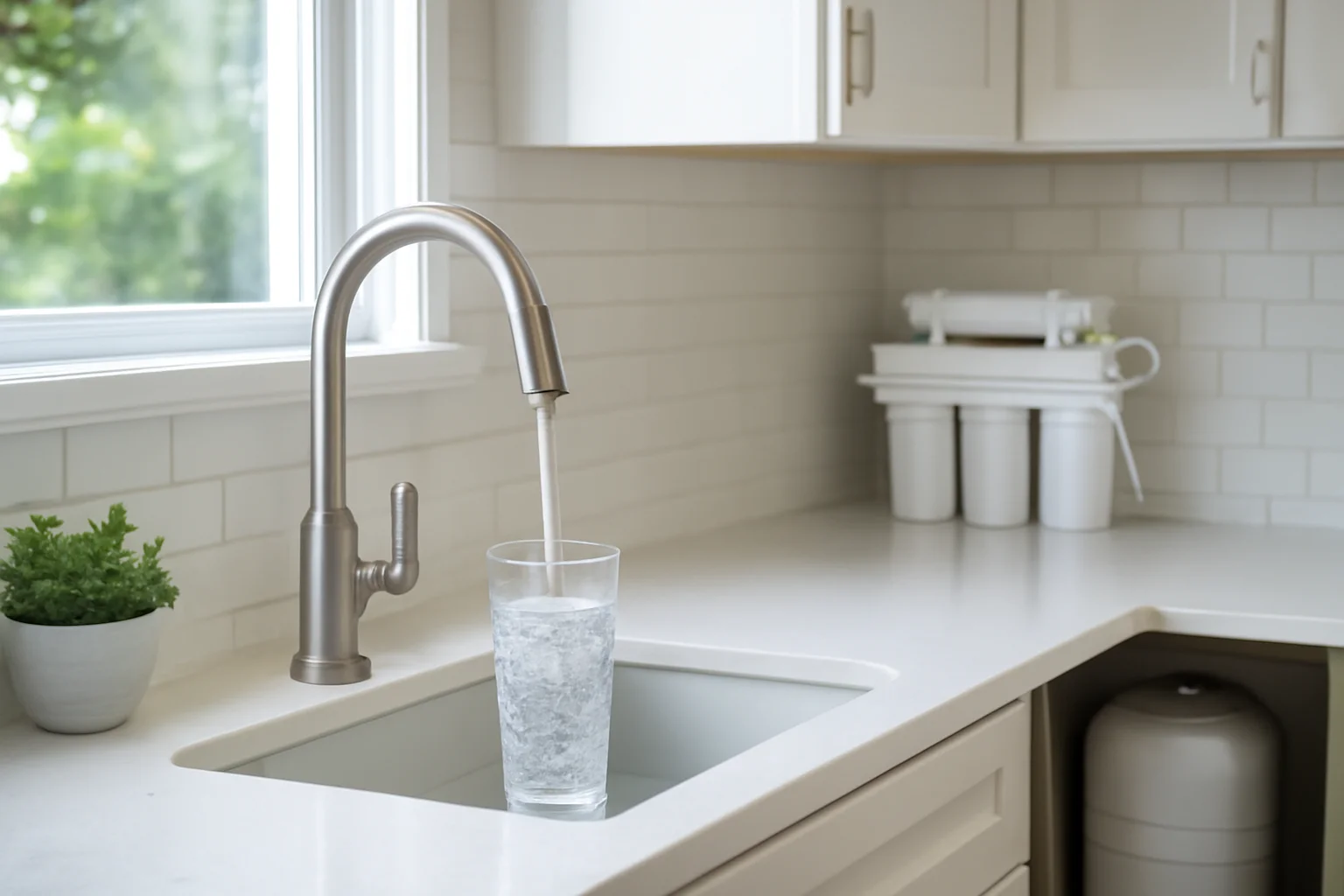
Lake Lorraine homes depend on clean, comfortable water for everything from drinking and cooking to bathing, laundry, and keeping plumbing working smoothly. When your water softening system starts slipping, the effects often show up in everyday places first: glassware that never looks truly spotless, soap that does not rinse clean, and fixtures that build up scale faster than they should.
This guide covers the most common causes of water softening service problems in Lake Lorraine, FL, what to watch for, and how to catch water quality issues early. If you are searching for water treatment near me, water filtration near me, or whole home water filtration near me, the clues below can help you describe the problem clearly and choose the right clean water systems for your household.
Why Lake Lorraine water can stress a softener
Homes in Okaloosa County can experience water quality challenges that are especially hard on water softeners and other clean water systems. Hardness and mineral content can vary, and the warm, humid climate can also affect how systems perform over time. In practical terms, that means your system has to work harder to prevent scale buildup and keep water feeling and tasting consistent.
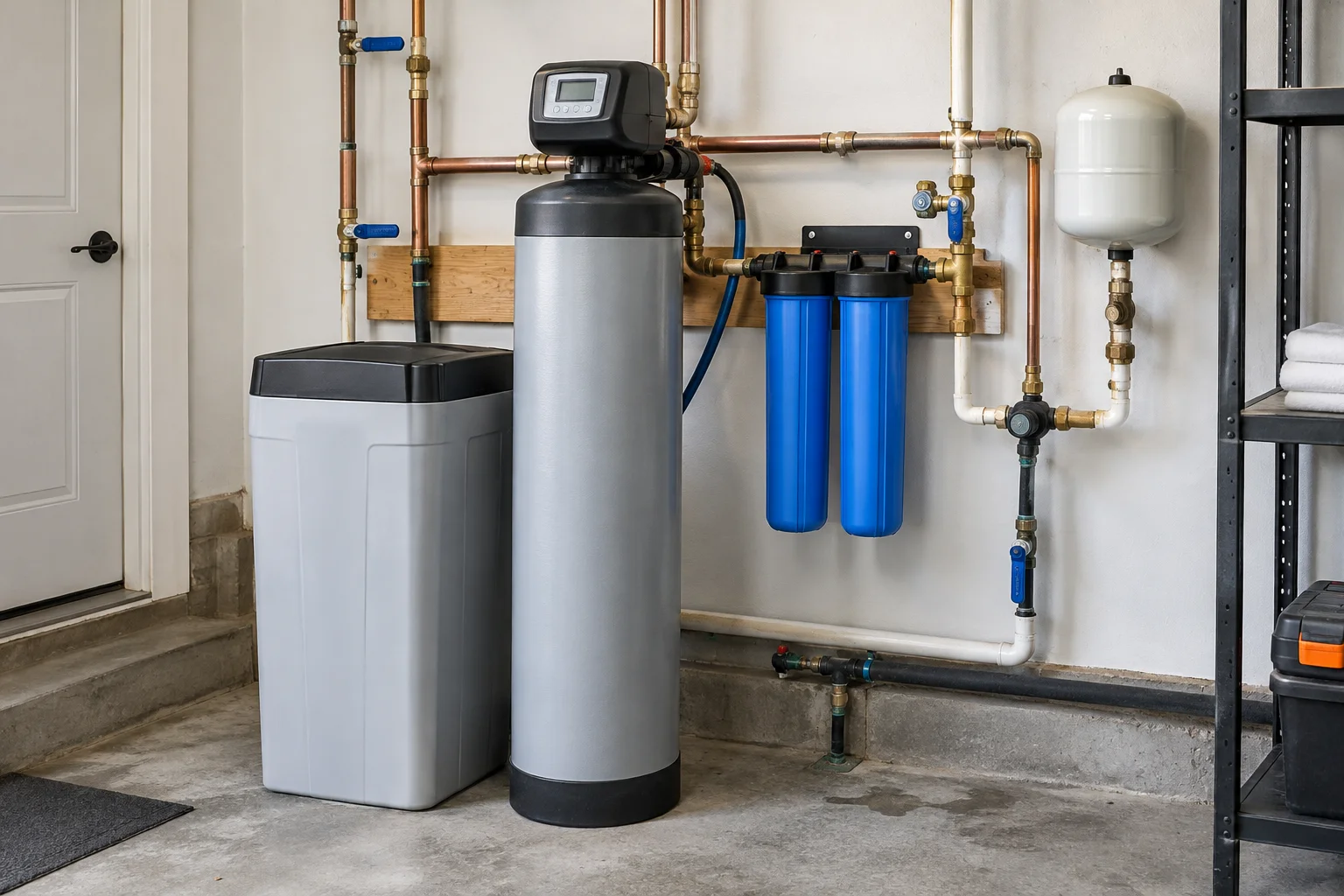
When your softener is operating correctly, it should reduce hard water minerals that cause scale buildup around faucets, showerheads, and plumbing lines. It should also help protect appliances that use hot water, like your water heater and dishwasher. If it is not working as intended, you may notice symptoms in the kitchen, bathroom, laundry room, and even in how quickly appliances age.
Early warning signs your water softening service is failing
Many homeowners first notice water softening problems through visible changes. The earlier you catch them, the more likely you can prevent long-term damage to plumbing and appliances.
Hard water spots on glass, dishes, and fixtures
One of the clearest signs is persistent hard water spots on dishes and hard water spots on glass. You may see a hazy film that does not wipe away easily, or spots that return quickly after cleaning. In the bathroom, look for scale buildup around faucets and showerheads. Scale can also show up on shower doors, tub surfaces, and the inside edges of sinks.
Soap that does not lather or rinses poorly
If soap does not lather or you feel like it never fully rinses away, the water may still contain enough hardness minerals to interfere with cleaning. This can also lead to a “film” feeling on skin and hair, and it can make laundry feel less fresh even after washing.
Dry skin or dull hair after bathing
Hard water can leave mineral residue on the skin and hair. Homeowners often describe dry skin, tightness after showering, and dull hair that feels harder to manage. If you have recently noticed these changes, it can be a sign your water softener is not delivering softened water consistently.
Metallic, chlorinated, or unpleasant taste
A water softener is designed to manage hardness. It is not the same as a drinking water filtration system, but when softening is out of balance, you may also notice taste and odor issues that make drinking water less enjoyable. If you detect chlorine taste in water or a metallic or unpleasant flavor, it is worth having your system checked and considering additional treatment like AO Smith water filtration or reverse osmosis for drinking water.
Cloudy ice cubes and off-tasting drinking water
Cloudy ice cubes can point to dissolved minerals, sediment, or taste and odor concerns. Combined with a noticeable change in drinking water flavor, it can be a sign that your clean water system needs attention. If you are trying to get better drinking water for the family kitchen, this is a strong clue to inspect your setup.
Poor tasting coffee and cooking water
Many Lake Lorraine households notice changes in the kitchen first. If poor tasting coffee water or off flavor shows up in soups, pasta, and other recipes, the minerals and water chemistry may be affecting extraction and taste. Better water for drinking and cooking often depends on matching the right system to the water conditions in your home.
Visible sediment, discoloration, and odor concerns
Sometimes the issue is not only hardness. If you see visible sediment, notice discoloration (such as a change in clarity), or smell an odor that is new or stronger than before, you may need more than softening. Sediment can also contribute to scale and faster wear in appliances.
Appliances wearing out faster
When scale accumulates, it acts like insulation, reducing heat transfer and forcing appliances to work harder. You may notice that your water heater efficiency drops sooner, your dishwasher does not clean as well, or your hot water system seems to age faster than it used to. This is often when homeowners start searching for water treatment near me because the problem is costing money.
What can cause water softening problems in Lake Lorraine homes
Water softeners are mechanical and chemical systems. Even well-installed systems can develop issues over time. Here are common causes that lead to hard water symptoms.
Salt issues: low salt, wrong type, or bridging
Most conventional softeners rely on salt to regenerate. If the salt level drops too low, the system cannot properly regenerate, and hardness will slip through. Another common issue is salt bridging, where salt forms a crust in the tank and water cannot flow through it correctly. Both can cause intermittent hard water, making the problem feel random.
Regeneration settings that do not match your household
Over time, family size, laundry habits, dishwashing routines, and water usage patterns can change. If your softener regenerates too infrequently, hardness builds up. If it regenerates too often, you can waste salt and water and still fail to deliver consistent results. Proper settings depend on your water usage and the water conditions in your home.
Clogged or worn components in the control valve
The control valve manages regeneration cycles. If parts become clogged or wear out, the system can skip steps or run incomplete cycles. That can lead to scale buildup around faucets, weaker cleaning performance, and inconsistent water feel during showers or laundry.
Iron or sediment in the water supply
Some Lake Lorraine homes deal with more than hardness. Iron, manganese, and sediment can foul resin and interfere with softening performance. You might see discoloration, odor concerns, or sediment in household water. If your softener resin becomes coated, softened water may not perform like it should, and you may need additional filtration or a different treatment approach.
Bypass or plumbing leaks that send untreated water through
If the softener is partially bypassed, or if there is a leak in the plumbing connections, softened water may not reach the home consistently. This can show up as “some fixtures are fine, others are not.” It is also a reason to have a technician verify flow paths and connections rather than assuming the system is fully working.
Resin exhaustion and loss of softening capacity
Resin is the heart of a water softener. Over time, it can become exhausted or fouled. When that happens, the system may still run through regeneration cycles, but it no longer exchanges hardness minerals efficiently. The result is often a gradual return of hard water spots on dishes and fixtures, along with dry skin or dull hair after bathing.
High water demand during peak times
Lake Lorraine households often have predictable high-use windows, like mornings and evenings. If your softener capacity is not keeping up with demand, you may see softened water in the first part of the day and harder water later. That can affect shower experience, laundry outcomes, and even how your dishwasher performs.
How to catch water quality issues early with simple home checks
You do not need lab equipment to spot trouble. A few observations can help you decide whether you need water softener service, additional filtration, or both.
Inspect glassware and bathroom fixtures weekly
Pick a few surfaces and check them consistently. Look for hazy film on drinking glasses, cloudiness on mirrors, and scale buildup around faucets or showerheads. If the pattern worsens over a few weeks, it is a sign the softener may not be regenerating properly or the resin may be degrading.
Track laundry and bathing changes
If clothes feel stiff, whites do not stay bright, or you notice soap residue in the rinse cycle, pay attention. In the bathroom, note whether your family experiences dry skin or dull hair even with the same shampoo and lotion. These are common clues that hard water is slipping through.
Compare taste and ice clarity
Make it a quick habit to check drinking water and ice. Cloudy ice cubes, a stronger chlorine taste in water, or a noticeable change in coffee and cooking water taste can signal that your overall clean water systems need adjustment.
Watch for odor, discoloration, or sediment
If you ever see visible sediment or notice a new odor, treat it as a priority. Sediment can affect not only taste but also the effectiveness of filtration and softening components.
Why “softening only” may not be enough for better drinking water
Many homeowners assume that a water softener will solve all water quality concerns. Softening helps with hardness, which reduces scale buildup and improves cleaning. But drinking water quality often involves separate issues like taste, odor, and fine sediment or dissolved contaminants.
That is where AO Smith water filtration and reverse osmosis systems can come into play. For households focused on better water for drinking and cooking, a staged approach often works well: softening for whole-home protection, plus targeted filtration for kitchen and drinking water.
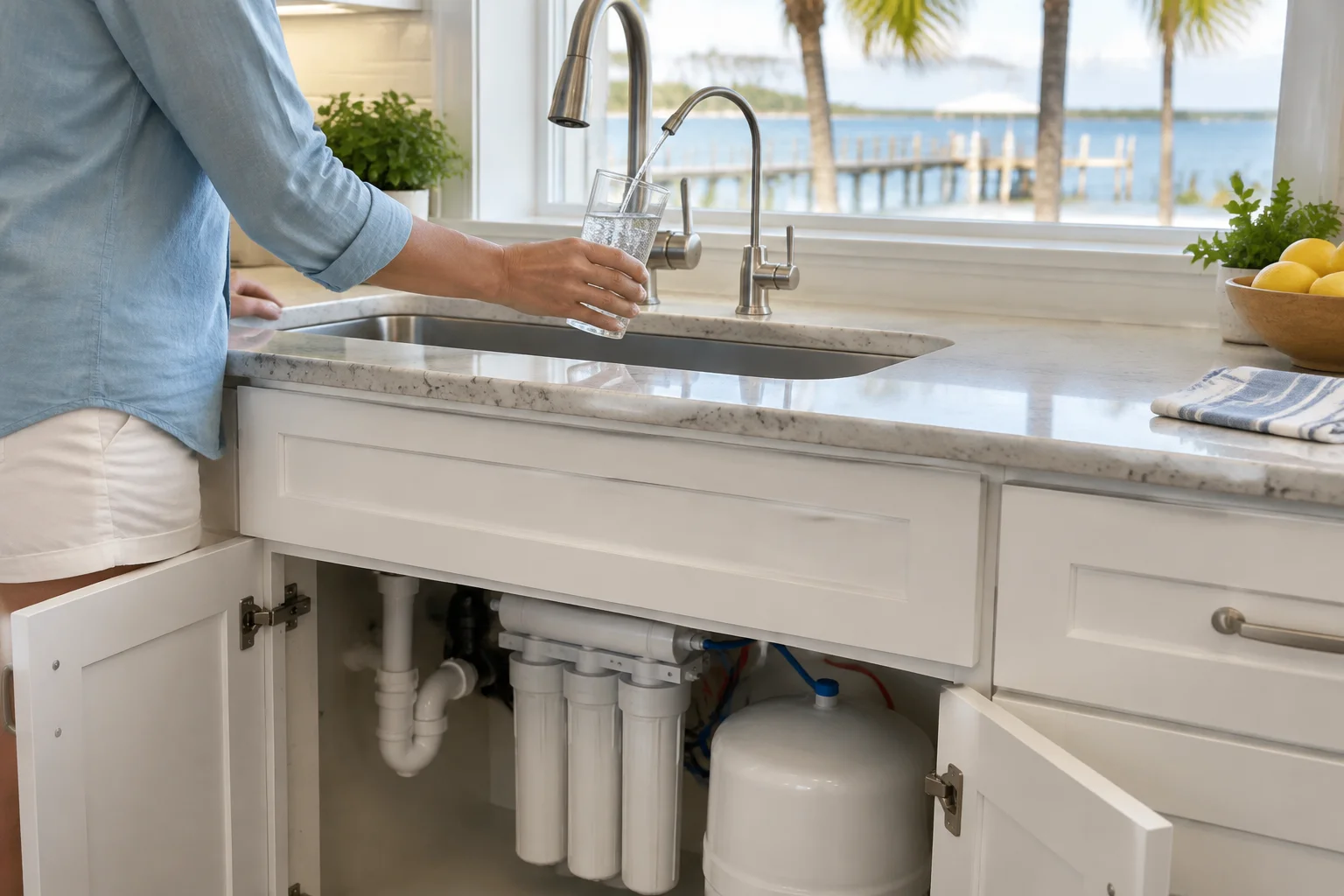
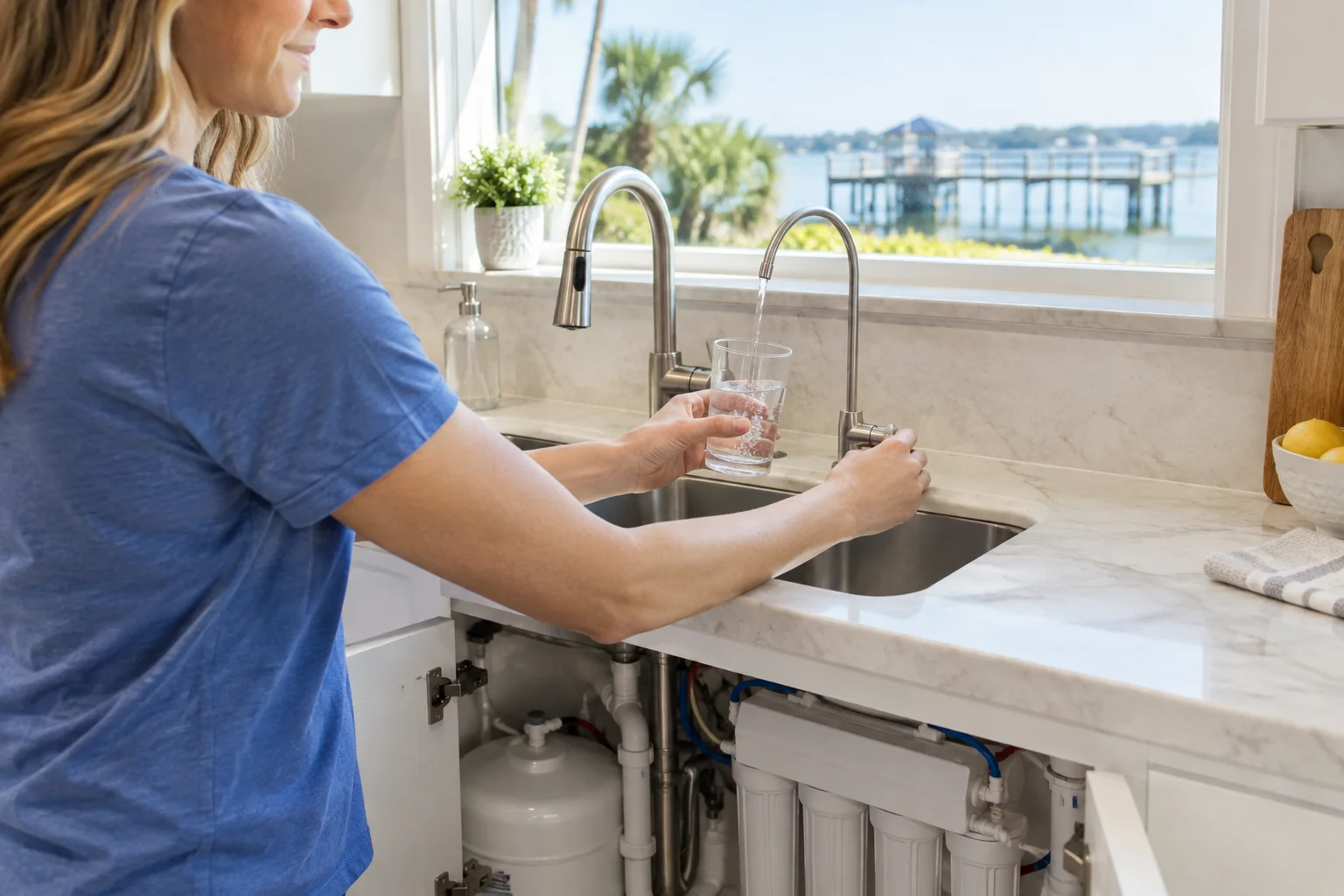
Reverse osmosis for the kitchen and drinking water
If you are noticing unpleasant taste, cloudy ice cubes, or you want consistently clean water for the family kitchen, a reverse osmosis system can be a strong option. Many homeowners looking for a reverse osmosis system near me want dependable drinking water and cooking water that tastes right in coffee, tea, and recipes. When installed correctly and maintained on schedule, it can complement your whole-home softening strategy.
Whole home water filtration for cleaner water systems near me
Whole home water filtration can help address sediment and other water quality issues before they reach fixtures and appliances. If your home has concerns like visible sediment in household water or recurring odor changes, whole house water filter solutions may reduce the burden on your softener and help protect plumbing and appliances.
Homeowners searching for whole home water filtration near me often want fewer surprises across bathrooms, laundry, and the kitchen. A properly designed clean water system can also make it easier to maintain consistent water feel, from bathing to dishwashing.
Maintenance and service steps that prevent repeat problems
Early detection is helpful, but routine service matters just as much. In Lake Lorraine, where households rely on comfort and convenience year-round, preventative care helps keep water treatment performing as expected.
Regular system inspections and water testing
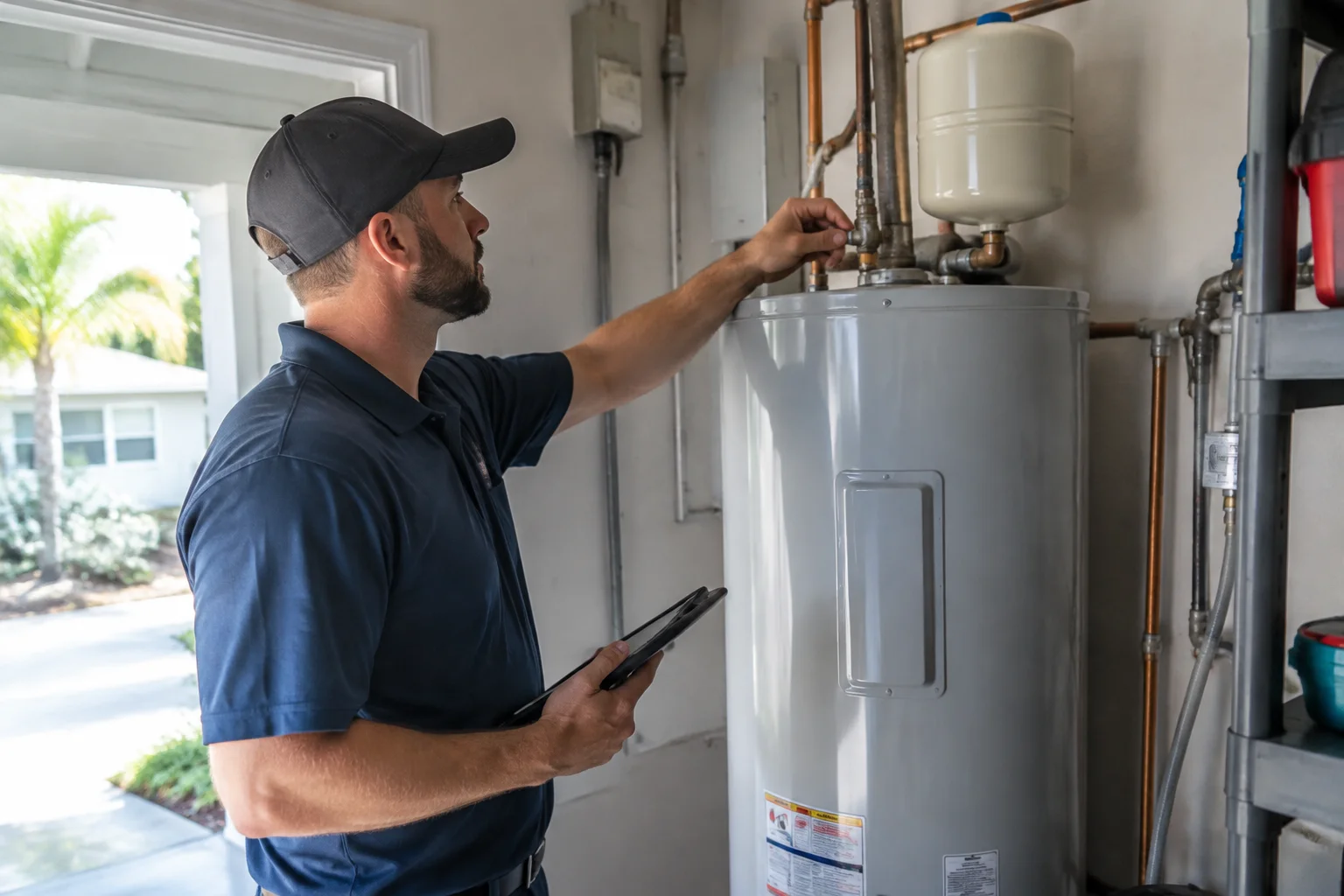
A technician should verify hardness reduction and check system performance against your household needs. Testing can also help determine whether the issue is strictly hardness or whether you have additional concerns like sediment or iron-related buildup.
Check salt levels and tank conditions
Even if you do not handle service work yourself, you can keep an eye on salt levels and refill schedules. If you notice the tank looks unusually empty or salt appears clumped, it can be a sign of bridging or improper flow. Those issues often lead to sudden hardness return.
Verify settings and regeneration performance
Over time, the correct regeneration schedule can change. A professional can adjust your settings based on actual usage and performance. That helps reduce scale buildup on faucets and helps keep soap working the way it should.
Inspect and clean components as needed
Clogged components in the control valve, worn parts, or fouled resin can all degrade performance. Service may include cleaning, replacing worn components, and ensuring the system regenerates fully and consistently.
Choosing the right solution for your Lake Lorraine home
Different homes need different combinations of water softening and filtration. The right plan depends on what you are seeing and tasting, how your household uses water, and what is happening in your plumbing lines.
For hard water spots and scale: focus on water softening service
If your main issues are hard water spots on glass, scale buildup around faucets, and dry skin or dull hair after bathing, water softening service is usually the foundation. A Superior Mechanical can help evaluate your current system and restore dependable softening performance.
You can read more about local service here: /service-areas/okaloosa-county/lake-lorraine/water-softening-services-llofl.
For taste, ice clarity, and drinking water: add targeted filtration
If the water feels better after softening but the kitchen still has taste or odor concerns, consider adding drinking water filtration. Many homeowners explore options like AO Smith water filtration and reverse osmosis to improve water for drinking and cooking.
To explore whole home options and system combinations, visit /water-filtration-ro-water-softeners.
For whole-home consistency: consider whole home water filtration
When you want cleaner water across the house, whole home water filtration can help reduce sediment and help your softener work more effectively. If you are searching for clean water systems near me, this approach may align with your goals for fixtures, laundry, and appliances.
For broader local context on service options in the area, see /service-areas/okaloosa-county/lake-lorraine and /service-areas/okaloosa-county.
How better water changes daily life in Lake Lorraine
When your water softening and filtration systems run the way they should, the differences show up quickly, especially in family routines.
In the kitchen, water becomes more pleasant for drinking and cooking. Coffee tastes cleaner, ice looks clearer, and recipes behave more predictably. In the bathroom, bathing feels better because soap rinses clean and skin does not feel dry or tight afterward. In laundry, detergent works the way it is supposed to, and clothes come out cleaner without residue.
Across the home, fixtures stay cleaner longer, and you spend less time scrubbing scale. Appliances last longer because mineral buildup is reduced. That is the practical value of catching water quality issues early rather than waiting until the problem becomes expensive.
When to call a professional water treatment team
Schedule water softener service or a full water treatment evaluation if you notice any of the following:
- Hard water spots on glass and dishes return or worsen
- Scale buildup around faucets and showerheads increases
- Soap does not lather or rinse well
- Dry skin or dull hair after bathing becomes more noticeable
- Chlorine taste in water, metallic taste, or unpleasant odors appear
- Cloudy ice cubes show up more often
- You see visible sediment, discoloration, or odor concerns
- Appliances appear to wear out faster than expected
Getting help early can prevent mineral buildup from becoming a long-term plumbing issue. If you are comparing options like water filtration near me, whole house water filter systems, or reverse osmosis system near me, a professional can also help you choose the right pairing with your softener so you get both whole-home protection and better drinking water.
Related local reading that supports cleaner water
If you want to strengthen your overall clean water systems strategy, these reads can help you connect water treatment performance with home maintenance:
- How Preventive Plumbing Care Supports Cleaner Water in Lake Lorraine Homes
- Why Earlier Plumbing Maintenance Pays Off in Lake Lorraine Homes
- How Lake Lorraine Water Conditions Shape the Right Purification System
Find Water Softening Services in Lake Lorraine, FL
If you need Water Softening Services in Lake Lorraine, FL, visit our local service page or contact A Superior Mechanical today.
For a broader look at whole-home water filtration, reverse osmosis, and water softener options, visit our water filtration, RO, and water softener page.
Map of Lake Lorraine, FL
Frequently Asked Questions
Why do I still see hard water spots even after water softener service?
Hard water spots can mean the softener is not regenerating correctly, the salt level or salt flow is failing, the resin is exhausted, or untreated water is bypassing the system. It can also happen if sediment or iron is affecting cleaning performance. A technician can test hardness reduction and inspect system components to pinpoint the cause.
Can a water softener fix chlorine taste in water or cloudy ice cubes?
A standard water softener focuses on hardness and scale prevention. Chlorine taste in water and cloudy ice cubes often point to other water quality issues. Many homeowners improve drinking water flavor by adding AO Smith water filtration or a reverse osmosis system for kitchen and drinking water.
How often should a water softener be maintained in Lake Lorraine, FL?
Maintenance needs vary by household size, water hardness, and system type. Most homes benefit from periodic inspections and performance checks, especially if you notice scale buildup on faucets, soap residue, or dry skin changes. If symptoms appear, schedule service sooner rather than waiting for the next routine visit.
What is the difference between whole home water filtration and a drinking water reverse osmosis system?
Whole home water filtration aims to improve water quality throughout the house, often helping reduce sediment and supporting cleaner fixtures and appliances. Reverse osmosis targets drinking water and cooking water, focusing on taste, odor, and dissolved contaminants at the kitchen point of use. Many clean water plans combine both for best results.
Related Articles
Photo Gallery