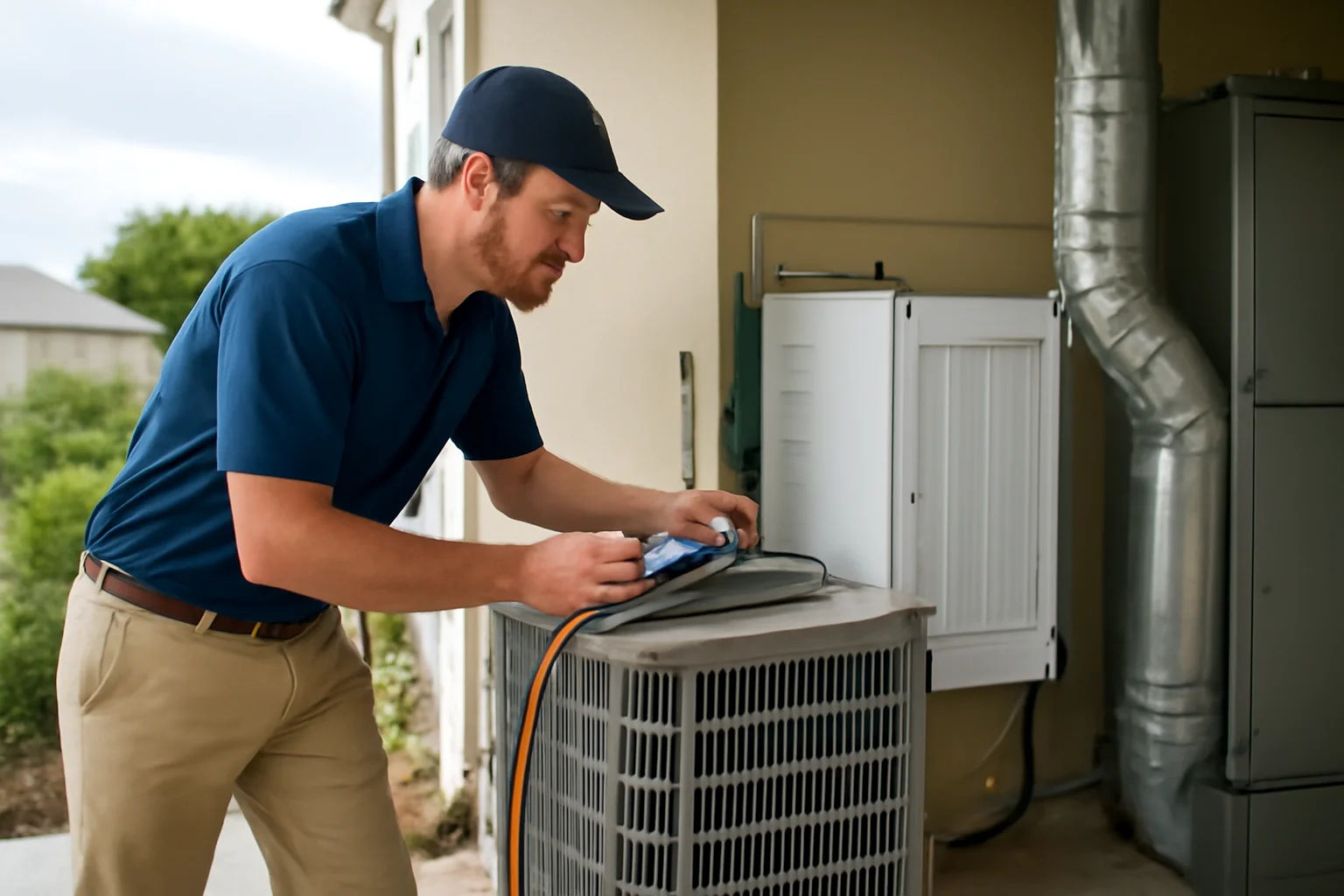
Blue Mountain Beach feels like paradise, but the air is not shy about humidity. Salt air from the Gulf, warm Florida temperatures, and long summer stretches can push indoor moisture higher than many homeowners expect. When your HVAC system and a whole home dehumidifier are not working in sync, you may see comfort problems, indoor air quality issues, and even extra wear on your AC or heat pump.
This guide connects common HVAC warning signs to whole home dehumidifier performance in both older homes and newer construction. You will also find practical habits that help prevent HVAC issues, plus clear guidance on when to call a professional local HVAC service in Walton County.
Why humidity in Blue Mountain Beach stresses HVAC systems
In Blue Mountain Beach, humidity is not just a comfort issue. Moisture affects how your air conditioner and heat pump move air, how air feels at the thermostat, and how well ductwork manages condensation and airflow. Whole home dehumidifiers are designed to control excess moisture, but they still rely on good HVAC fundamentals: proper airflow, correct thermostat settings, reliable condensate drainage, and clean, properly sealed ductwork.
When humidity stays high, your HVAC may run longer to cool the space, which can increase energy use and accelerate wear on refrigerant systems. In coastal Florida, salt air can also contribute to corrosion and buildup on components over time, especially when airflow is restricted or maintenance has fallen behind.
How whole home dehumidifiers interact with AC, heat pumps, and ductwork
Whole home dehumidifiers are built to reduce moisture across the home, not just in one room. Many setups are integrated with your HVAC circulation and rely on ductwork pathways to move dehumidified air where you need it. That means the dehumidifier performance is closely tied to:
- Airflow: If supply or return airflow is restricted, the system cannot move moisture effectively.
- Condensate drainage: Dehumidifiers remove moisture by condensing it, then draining it safely. Poor drainage can cause backups and shutdowns.
- Thermostat and humidity controls: If settings conflict or sensors are inaccurate, the HVAC may short cycle or run too long.
- Refrigerant systems and cooling load: When indoor moisture is high, cooling demands increase. That can raise compressor runtime and stress components.
- Ductwork condition: Leaks, poor insulation, and airflow imbalances can cause humid air to linger and pull moisture back into the system.
Whether you are dealing with an older home with older ductwork or a newer build with different airflow design, the goal is the same: keep humidity under control without creating new HVAC problems.
HVAC warning signs that often point to dehumidifier connected issues
Some symptoms look like “just an AC problem” or “just a humidity problem.” The clue is how consistently the problem shows up, especially during humid summer conditions.
1) AC runs constantly, but the home still feels damp
If your air conditioner seems to run all day and the house still feels sticky, high humidity is likely not being controlled effectively. A whole home dehumidifier can help, but it may be limited by airflow, sensor accuracy, or drainage.
Possible causes include clogged filters, restricted supply or return airflow, ductwork issues that prevent dehumidified air from circulating, or a dehumidifier that is not receiving the airflow it needs. A professional HVAC evaluation can confirm whether the issue is airflow balance, thermostat or humidity control settings, condensate drainage performance, or another factor.
2) Musty odors, foggy windows, or visible condensation in unexpected areas
Musty smells and condensation can show up when moisture is not being removed consistently. In coastal Florida, humidity can also create a cycle where moisture collects in ducts, on surfaces, or around poorly sealed areas. If your dehumidifier is connected to your HVAC system, poor airflow paths or an interrupted dehumidifier drainage line can contribute to ongoing dampness.
Do not assume the odor is “normal Florida air.” If you notice recurring mustiness, it is a strong indicator to check indoor air quality and the humidity control system together.
3) Ice buildup on cooling components or unusual system cycling
Ice or frost can happen when airflow is restricted or operating conditions are off. While dehumidifiers focus on moisture removal, they still depend on airflow and cooling balance. If your HVAC is not moving air correctly, the system can struggle to cool and dehumidify as designed.
Because refrigerant systems are involved, this is not a DIY diagnosis. If you see ice, shut down the system and schedule an in-person inspection with a licensed HVAC contractor near me or a local HVAC company near me that can evaluate airflow, thermostat behavior, and cooling performance.
4) Water pooling, a draining smell, or dehumidifier shutdowns
A whole home dehumidifier removes moisture and sends condensate through drainage. If the condensate drainage is clogged, misrouted, or backing up, you may notice water near the unit, a wet basement smell, or dehumidifier operation stopping unexpectedly.
In older homes, drainage routes may be aging. In newer homes, drainage lines can still be installed in a way that does not match the actual airflow and humidity patterns. A professional assessment can confirm the drainage path, check for blockages, and verify safe condensate drainage.
5) Humidity and temperature readings disagree at the thermostat
Many homeowners set the thermostat for comfort and expect humidity control to follow. But if humidity sensors are inaccurate, placed in a poor location, or affected by airflow issues, the system may not respond correctly.
When thermostat installation near me comes up, it is often about more than the display. Proper placement, correct sensor performance, and correct integration with humidity controls can reduce the chance of short cycling and excessive runtime.
Simple habits that help prevent HVAC issues from humidity problems
You do not need to micromanage every day. A few consistent habits can reduce moisture load and support better HVAC performance.
Keep air filters clean and airflow steady
Dirty filters restrict airflow, which can reduce dehumidification effectiveness and increase energy use. Replace or clean filters on schedule, and consider checking them more often during peak humidity months. If you are searching for HVAC maintenance near me, ask whether your filter and airflow setup is optimized for both cooling and humidity control.
Use bathroom and kitchen ventilation during and after showers
Whole home dehumidifiers help across the home, but daily moisture sources still matter. Run exhaust fans during showers and cooking, and allow them to clear lingering steam. This reduces the moisture spike that can overwhelm humidity control.
Manage indoor airflow pathways and keep vents unobstructed
Supply and return vents need clear pathways for proper airflow. Furniture, rugs, and closed doors can reduce circulation. If your dehumidifier is integrated with ductwork, restricted airflow can prevent moisture removal where it is needed.
If you have rooms that feel consistently damp or muggy, that can be a ductwork and airflow clue. A duct inspection near me can help identify leaks, imbalances, or airflow restrictions that allow humidity to linger.
Check for drainage issues after heavy humid stretches
During the wettest weeks, glance for signs of water near the dehumidifier or any unusual draining sounds. If you notice recurring drainage concerns, schedule service rather than waiting for a full breakdown. Condensate drainage problems can become urgent when the home is already humid.
Keep thermostat and humidity settings consistent with how you live
Frequent thermostat changes can confuse the system’s control strategy. Choose settings that match your routine and avoid aggressive swings. If you are not sure whether your humidity control is integrated properly with your HVAC system, a professional can verify the control logic during a service visit.
Older homes vs. newer homes: where problems show up differently
Blue Mountain Beach includes a mix of older structures and newer builds. Humidity control challenges can look different depending on construction details.
Older homes: ductwork, sealing, and airflow balance are common culprits
Older homes may have ductwork that is undersized, leaky, or not insulated well. When warm humid air enters through gaps, it can increase the moisture load your HVAC must handle. Even with a whole home dehumidifier, poor ductwork performance can reduce the system’s ability to move dehumidified air effectively.
If you suspect this, read about the hidden value of airflow evaluation in Blue Mountain Beach Homes and the Hidden Value of a Duct Inspection. A duct inspection can reveal issues that contribute to both comfort and indoor air quality.
Newer homes: correct setup matters more than “it should work”
Newer construction can be tighter, which helps reduce outdoor air infiltration. But that also means indoor humidity can accumulate if ventilation and airflow are not balanced. Whole home dehumidifiers can help, but only when installed and configured to match the home’s airflow design and humidity patterns.
If you recently added a dehumidifier or changed HVAC equipment, professional commissioning can help ensure the thermostat, dehumidifier, ductwork pathways, and condensate drainage work together.
Coastal factors in Walton County that make maintenance more important
Blue Mountain Beach and nearby Walton County communities face salt air, high humidity, and frequent summer cooling demand. Those conditions can contribute to:
- Corrosion and buildup: Salt air can accelerate wear on outdoor sections of HVAC equipment.
- More run time: Humidity control and cooling loads can increase energy use and component runtime.
- Airflow strain: Coastal environments can increase the chance of restricted airflow from dirt and debris.
That is why homeowners often benefit from preventive HVAC maintenance that addresses airflow, refrigerant system performance, condensate drainage, and indoor air quality together.
What a professional HVAC service should check for dehumidifier related concerns
If you are dealing with HVAC repair near me concerns connected to humidity, a licensed HVAC contractor near me should evaluate the whole system, not just the dehumidifier or the air conditioner.
During an in-person visit, look for service that includes:
- Airflow verification: Confirm supply and return airflow supports both cooling and dehumidification.
- Thermostat and humidity control review: Ensure settings and sensor placement make sense for your home.
- Condensate drainage inspection: Check that drainage lines are clear and installed for safe operation.
- Ductwork assessment: Identify leaks, poor insulation, and airflow imbalances that affect humidity control.
- Refrigerant system performance awareness: A technician can check for operating issues without you guessing. If refrigerant system conditions are abnormal, it needs professional evaluation.
These checks help prevent misdiagnoses and reduce the chance of repeated breakdowns during peak Florida humidity.
When to call A Superior Mechanical for whole home dehumidifier and HVAC help
Call a professional when you notice recurring humidity problems, signs of drainage trouble, or any cooling performance issues that could affect refrigerant systems or airflow. It is especially important if you are seeing:
- Persistent dampness despite dehumidifier operation
- Water pooling or drainage smells
- Ice buildup, unusual noises, or frequent short cycling
- Musty odors that suggest indoor air quality concerns
- Thermostat humidity readings that do not match what you feel at home
If you are still deciding whether your home needs a whole home dehumidifier setup that truly fits your HVAC, you can explore service options here: whole-home dehumidifiers in Blue Mountain Beach. For broader context on the area and how local conditions affect home comfort, visit the Blue Mountain Beach service area page.
How related HVAC services support better humidity control
Whole home dehumidifiers work best when the rest of your system is in good shape. These services often pair well with humidity control:
- AC tune ups and air conditioner service: If your cooling system is not running efficiently, humidity control becomes harder. Ask about heat pump service or AC service based on your system type.
- Heat pump repair: Heat pumps also manage comfort and humidity during shoulder seasons. If you notice performance changes, schedule heat pump services.
- Ductwork improvements: When humidity is trapped, ductwork and airflow can be the missing link. If you are comparing options, see how duct inspection can uncover hidden value in this duct inspection article.
- New construction air conditioning: If your home is newly built, the setup matters. Learn more about planning in new construction air conditioning.
- Ductless mini splits: Some homes use mini splits in addition to central systems. If you are evaluating whole home comfort strategies, review ductless mini split installation.
- Geothermal considerations: For certain homes, geothermal can change comfort patterns and airflow needs. Explore geothermal energy if you are planning long-term system upgrades.
Preventive maintenance habits that protect energy use and indoor air quality
Humidity control is not only about comfort. It also supports indoor air quality by reducing the moisture that can encourage mold growth and musty odors. Preventive maintenance helps your HVAC system run as intended, which can reduce unnecessary energy use and the chance of mid-summer breakdowns.
If you want a deeper look at how maintenance supports dehumidifier performance, read Why Better HVAC Maintenance Matters for Whole Home Dehumidifiers in Sandestin and Getting More Life and Better Results From Whole Home Dehumidifiers in Upper Grand Lagoon. Those articles focus on the same Florida humidity realities that Blue Mountain Beach homeowners face.
Energy use and comfort are connected to moisture control
When your home stays too humid, your cooling system can run longer and still feel uncomfortable. That can lead to higher energy use and more stress on refrigerant systems. Whole home dehumidifiers help reduce that load, but only when airflow, drainage, and controls are set up correctly.
Emergency cooling concerns: do not wait when HVAC performance drops
Florida summers can move quickly. If your system is not cooling properly, or if humidity control is failing due to drainage or airflow issues, you may face emergency cooling concerns during the hottest stretches. If you are experiencing significant comfort loss, unusual sounds, or water issues, contact a local HVAC company promptly for an in-person evaluation. Avoid experimenting with settings or attempting refrigerant-related troubleshooting yourself.
Find Whole Home Dehumidifiers in Blue Mountain Beach, FL
If you need Whole Home Dehumidifiers in Blue Mountain Beach, FL, visit our local service page or contact A Superior Mechanical today.
Map of Blue Mountain Beach, FL
Frequently Asked Questions
Can a whole home dehumidifier cause my AC to run longer?
Yes, it can happen indirectly. If airflow is restricted, ductwork is leaking, or the dehumidifier and thermostat humidity controls are not coordinated, the home may remain humid and the AC may run longer to manage the cooling load. A professional inspection can confirm whether the issue is airflow, control settings, drainage, or another HVAC factor.
What are the most common humidity-related HVAC warning signs in Blue Mountain Beach homes?
Homeowners often notice persistent dampness, musty odors, condensation on windows, frequent short cycling, or water drainage concerns. In coastal Florida humidity, these symptoms can point to airflow restrictions, ductwork problems, condensate drainage issues, or thermostat and humidity control mismatches.
How do I know if my dehumidifier drainage is failing?
Look for water pooling near the unit, a wet smell, gurgling sounds, or signs the dehumidifier is stopping unexpectedly. Because drainage issues can become urgent during humid weather, schedule an in-person HVAC evaluation rather than waiting.
Should I adjust thermostat or humidity settings myself to fix the problem?
Small changes can affect comfort, but frequent adjustments can also mask the real cause. If you are seeing recurring HVAC warning signs, it is best to have a licensed HVAC contractor evaluate airflow, ductwork, condensate drainage, and control behavior before making major changes.
Does ductwork inspection really matter for whole home dehumidifiers?
It often does. Whole home humidity control depends on airflow pathways. Leaks, missing insulation, or airflow imbalance can prevent dehumidified air from reaching the right areas and can allow moisture to remain trapped. A duct inspection can help identify issues that impact indoor air quality and HVAC performance.
Related Articles
- Why Better HVAC Maintenance Matters for Whole Home Dehumidifiers in Sandestin
- Blue Mountain Beach Homes and the Hidden Value of a Duct Inspection
- Getting More Life and Better Results From Whole Home Dehumidifiers in Upper Grand Lagoon
- What Laguna Beach Homeowners Should Know About Whole Home Dehumidifiers and Smarter Maintenance
Photo Gallery