WaterColor, FL is beautiful, but the air is often unforgiving. Coastal humidity, salt air, and Florida heat can push indoor moisture higher than homeowners expect, especially in well sealed homes and vacation rentals that sit for stretches. Whole home dehumidifiers help protect comfort and indoor air quality, yet many families only notice the problem after they see musty smells, foggy windows, or damp crawl spaces.
This guide shares smart, practical tips local homeowners often overlook when planning or maintaining a whole home dehumidifier system. It is written for families who want healthier indoor air, smoother cooling cycles, and fewer humidity related surprises that can become emergency cooling concerns during peak summer.
Why WaterColor humidity challenges whole home comfort
In WaterColor and the surrounding Walton County area, humidity is not just a comfort issue. It affects how your air conditioner, heat pump system, and ductwork behave day to day. When indoor humidity runs high, air can feel warmer than the thermostat setting suggests. That can lead to longer run times, higher energy use, and a home that never feels fully “dry” even when the AC is running.
Whole home dehumidifiers are designed to manage moisture across the house, but their performance depends on airflow, system integration, and proper condensate drainage. Coastal conditions add another layer. Salt air can be harder on components over time, and moisture can accelerate corrosion when the HVAC system and ductwork are not maintained.
Smart tip: treat dehumidification and airflow as one system
A common homeowner mistake is focusing only on the dehumidifier unit and ignoring airflow. Dehumidifiers need the right air volume moving through the system to remove moisture effectively. If ductwork is undersized, poorly balanced, or leaking, the dehumidifier may cool the wrong areas, short cycle, or struggle to reach the target humidity level.
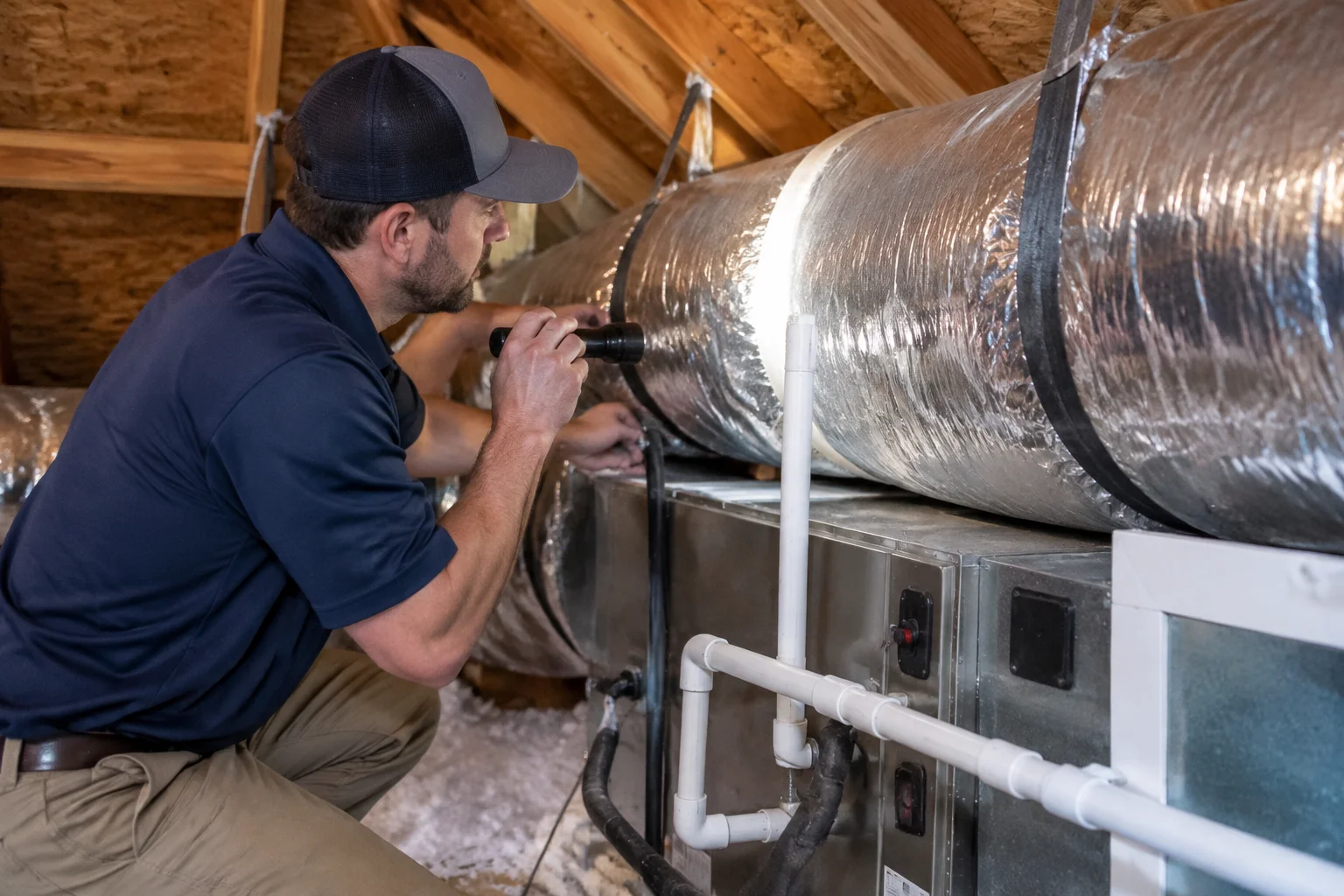
Before or during dehumidifier service, ask your HVAC contractor to evaluate airflow paths and duct conditions. That can include checking supply and return airflow, verifying that damp areas are actually connected to the system, and reviewing whether duct sealing is needed. If you are searching for duct inspection near me or duct cleaning near me, keep in mind that moisture control starts with good distribution.
For homes in WaterColor, duct sealing and airflow improvements can be especially important. If you want a deeper look, read Why WaterColor Homes Benefit from Better Duct Sealing and Aeroseal Care.
How ductwork issues show up as “humidity problems”
Homeowners often describe these symptoms as dehumidifier failure, but the root cause can be duct related:
- Humidity stays high while the AC runs steadily
- Some rooms feel clammy even when others feel fine
- Condensate drains may run but moisture still persists
- Musty odors appear near returns, closets, or upstairs areas
These patterns can point to airflow imbalance, duct leaks, or areas that are not adequately supplied with conditioned air.
Smart tip: confirm condensate drainage is correct and unobstructed
Whole home dehumidifiers remove moisture and then route condensate through drainage lines. If the condensate drain is partially blocked, improperly pitched, or affected by algae or debris, the system can underperform or behave inconsistently. In some cases, homeowners may notice water around drains, slow draining, or a dehumidifier that seems to “try” but never catches up.
Because this involves water handling and HVAC integration, it is best handled by a licensed HVAC contractor who can inspect the condensate drainage path as part of HVAC troubleshooting. If you are looking for residential HVAC service near me for moisture control, ask specifically whether the contractor will verify condensate drainage and check related components during the visit.
Smart tip: use thermostats that support humidity control, not just temperature
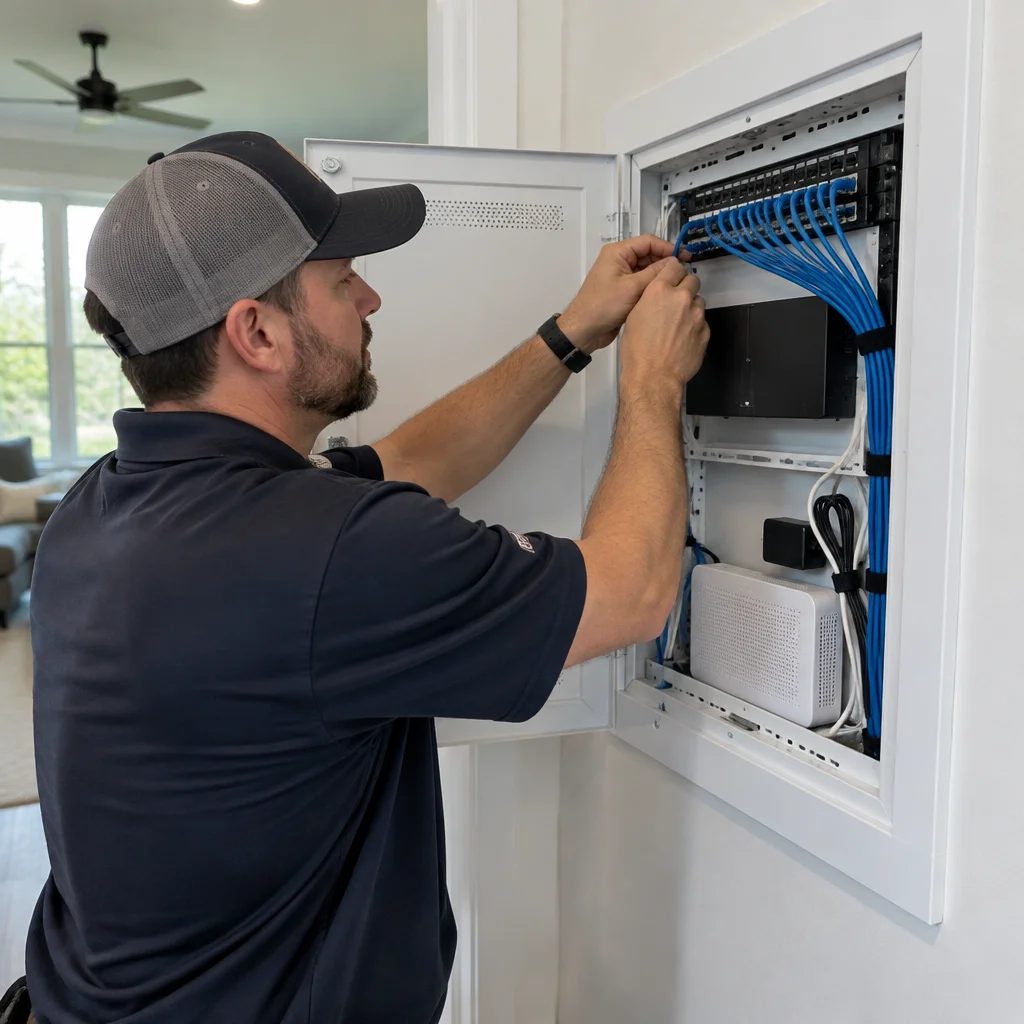
Many homeowners set a comfort temperature and assume the dehumidifier will handle the rest. In reality, whole home moisture control depends on how the thermostat and dehumidifier controls interact. If the thermostat is not configured correctly, the system may cool without managing relative humidity effectively, or it may run in a way that does not match the home’s moisture load.
When discussing HVAC maintenance near me or air conditioning inspection near me, ask about:
- Whether your thermostat can display or target humidity levels
- How the dehumidifier is staged or coordinated with the heat pump or AC
- Whether settings were changed after service or during seasonal transitions
Be cautious of DIY adjustments that you cannot verify. Humidity control is closely tied to airflow and refrigerant system operation, and a proper evaluation should be done in person.
Smart tip: understand how refrigerant systems and dehumidification interact
In Florida heat, your air conditioner or heat pump is already working hard. Dehumidification can be influenced by how the refrigerant system cycles and how the indoor coil operates. If the system is short cycling, struggling to maintain stable cooling, or experiencing airflow problems across the coil, moisture removal can suffer.
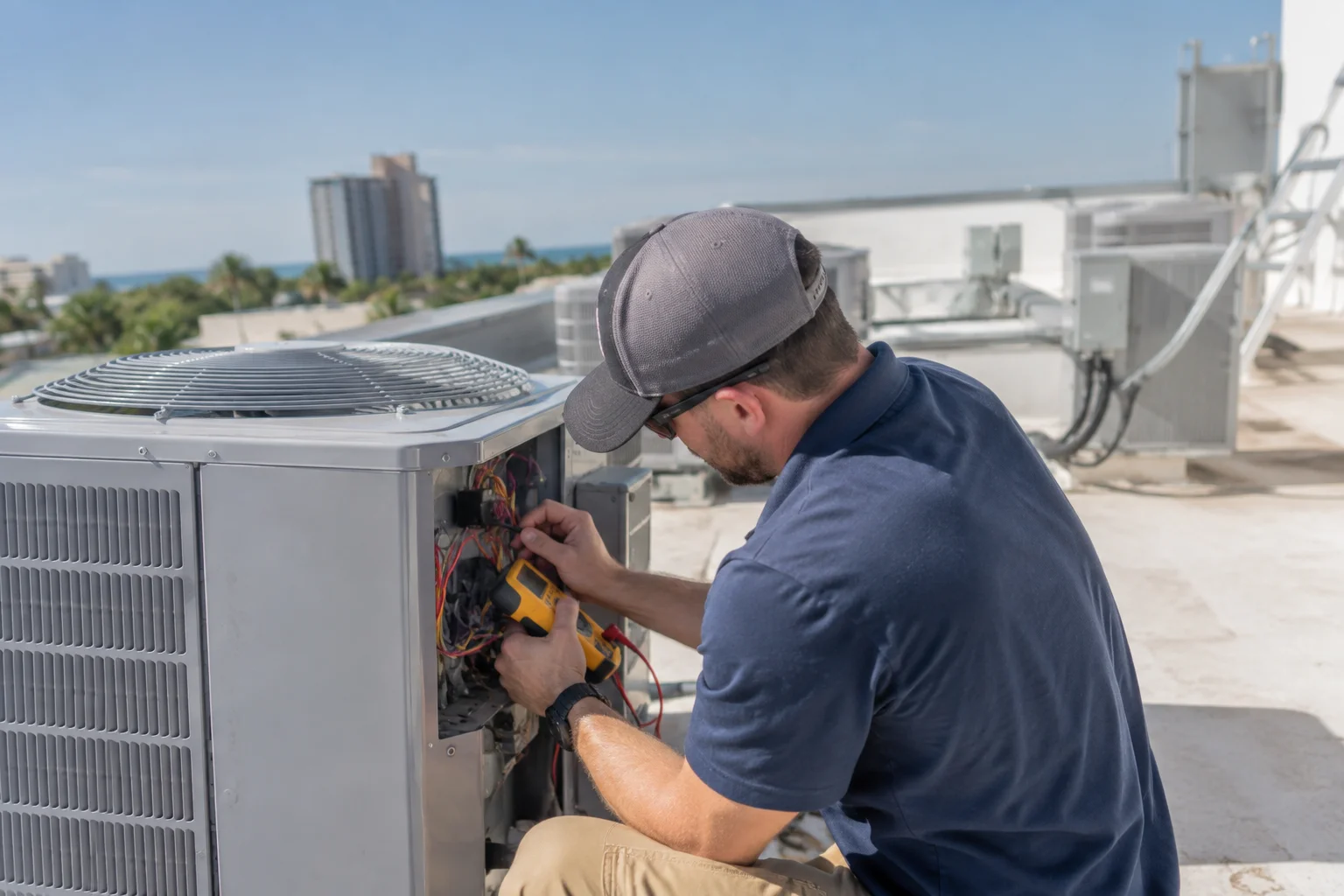
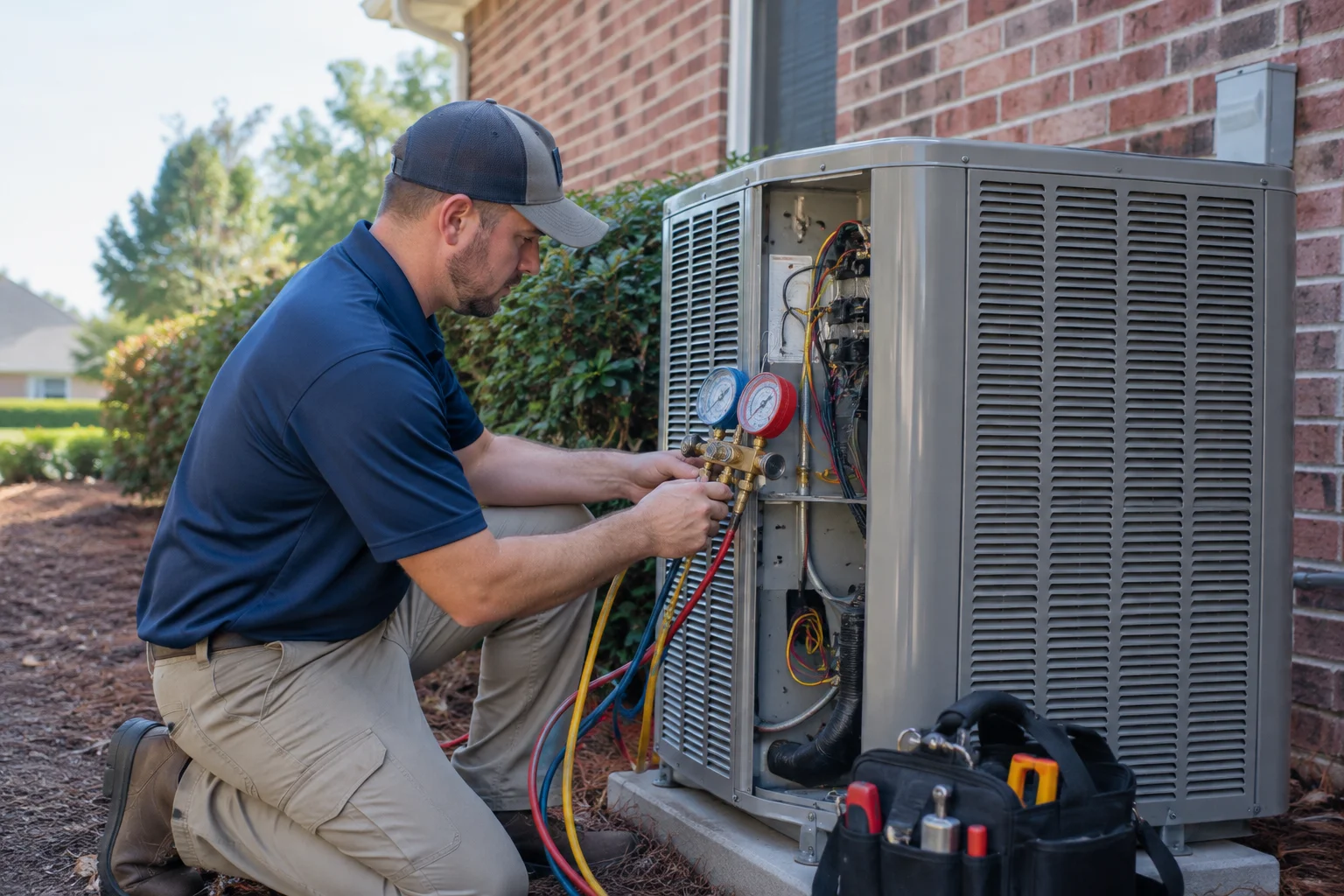
It is important to note that refrigerant system diagnosis requires an in person professional evaluation. A homeowner should not attempt refrigerant troubleshooting. However, you can still ask your contractor to look for airflow restrictions, coil cleanliness, and control behavior that can affect moisture removal.
If you suspect your humidity issue is tied to cooling performance, it helps to address both: indoor moisture and cooling system health. That is also why a licensed HVAC contractor near me matters. Moisture control is not a standalone fix in most WaterColor homes.
What families in WaterColor often overlook during summer
Humidity problems can build gradually and then hit hard during peak Florida heat. Families tend to notice when they open windows, run showers, cook more, or return from time away and find the house feels “stale.” Here are several overlooked factors that can throw off whole home dehumidification.
1) Bathroom and kitchen moisture loads
Fans help, but not all exhaust systems move moisture effectively. If vents are blocked, improperly ducted, or not running long enough, humidity can spread through the home faster than the dehumidifier can keep up.
2) Oversized or poorly matched cooling cycles
If your AC or heat pump cycles too quickly, the system may not remove enough moisture from the indoor air during each run. That can leave humidity high even though the temperature seems controlled. A professional can evaluate whether the cooling system is behaving as intended.
3) Dirty filters and restricted airflow
Dirty return filters reduce airflow and can affect coil performance and dehumidification. Replace filters on schedule and consider whether the filter type is appropriate for your system. If you are unsure, ask your contractor during HVAC maintenance near me visits.
4) Duct leaks pulling in humid air
Duct leaks can pull unconditioned air into the system. In a coastal Florida environment, that air may be humid, which increases indoor moisture and makes dehumidification harder. If you have noticed humidity patterns in specific rooms, ductwork may be part of the story. For homes that benefit from improved sealing, see Why WaterColor Homes Benefit from Better Duct Sealing and Aeroseal Care.
Maintenance steps that keep whole home dehumidifiers performing
Whole home dehumidifiers are not set and forget, especially in a coastal climate. A good preventive maintenance plan reduces the risk of mid-summer surprises and supports consistent indoor air quality.
Seasonal checks that matter
- Inspect and clean components as recommended by the manufacturer
- Verify condensate drainage is clear and flowing correctly
- Check airflow across the system and confirm duct connections are secure
- Review thermostat settings and humidity control behavior
- Look for signs of corrosion or buildup that can be more common with salt air
If you want a related moisture and maintenance perspective, this post on maintenance in nearby areas is helpful: Why Better HVAC Maintenance Matters for Whole Home Dehumidifiers in Sandestin.
Energy use and comfort: what smart homeowners watch
Humidity control affects energy use because it influences how long your cooling system runs and how hard it works. When humidity is high, occupants often turn the thermostat down, which can increase cooling demand. With a well tuned whole home dehumidifier system, the home can feel more comfortable at a higher temperature set point while maintaining better relative humidity.
Homeowners can track comfort without guessing. Note whether:
- The dehumidifier runs consistently during humid days
- Humidity levels stabilize after a period of operation
- Rooms that were previously clammy improve
- The AC or heat pump cycles in a more balanced pattern
Because every home’s airflow and ductwork are different, avoid comparing your results to someone else’s. A local HVAC contractor can evaluate your specific system behavior.
Emergency cooling concerns: why moisture control can reduce stress
During hot spells, families in WaterColor often want reliable cooling first. High humidity can make cooling feel less effective, which may lead to repeated thermostat changes and increased system strain. If the HVAC system experiences airflow restrictions, condensate drainage issues, or control problems, the likelihood of an urgent service request goes up.
Preventive HVAC maintenance and a properly integrated dehumidifier can reduce the chance that cooling performance and moisture control fail at the same time. If you want to reduce the odds of an emergency call, see Keeping WaterColor Homes Comfortable Without the Emergency Call.
Whole home dehumidifier installation and system replacement considerations
Installing a whole home dehumidifier is not just about adding another appliance. It needs to be matched to the home’s layout, airflow design, ductwork, and how the existing AC or heat pump system operates. WaterColor homes can vary widely, including differences in insulation, ceiling height, and whether the home uses a single return or multiple zones.
When families are searching for air conditioner service near me or heat pump service, it is smart to ask how the dehumidifier will be integrated with the current refrigerant system and controls. If you are considering system replacement or major upgrades, discuss:
- How the dehumidifier will be staged with cooling and fan operation
- Whether ductwork improvements are needed for balanced airflow
- How condensate drainage will be routed and maintained
- Whether the thermostat and control settings support humidity targets
Professional planning helps avoid the situation where a dehumidifier runs but the home still feels damp due to airflow and duct distribution issues.
Where to start in WaterColor: the most useful first questions
If you are considering whole home dehumidifiers in WaterColor, FL, start with a clear HVAC conversation. You can bring these questions to your visit with A Superior Mechanical:
- How will you assess airflow and ductwork conditions that affect dehumidification?
- Will you inspect condensate drainage and confirm it is operating correctly?
- How do you verify thermostat humidity settings and control coordination?
- What preventive maintenance plan do you recommend for coastal humidity and salt air?
- If ductwork needs attention, do you offer Duct Inspection first?
You can also explore the service directly here: whole-home-dehumidifiers-wcfl. For broader coverage across the area, visit /service-areas/walton-county/watercolor and /service-areas/walton-county.
Related HVAC topics that often connect to moisture control
Whole home dehumidification overlaps with several HVAC areas homeowners frequently need help with in WaterColor.
- Ductwork and airflow: If humidity is uneven, ask about Duct Inspection and whether duct repair or sealing is needed.
- Indoor air quality: Moisture control supports better indoor air quality by reducing conditions that can contribute to odors and microbial growth.
- Heat pump and AC performance: If the dehumidifier seems ineffective, cooling behavior and airflow can be part of the story.
- Controls: If you are using advanced thermostats or want better humidity management, review Heating Control Systems.
Some WaterColor households also use ductless comfort solutions for certain areas. If that is your setup, you may find helpful guidance in Ductless Mini-Splits, especially when discussing how different zones handle moisture.
Why local HVAC service matters in coastal Walton County homes
WaterColor homes are shaped by coastal conditions. Salt air, humidity swings, and the way homes are built and sealed can change how HVAC systems perform. That is why homeowners often get better results from a local HVAC company that understands the area’s real comfort challenges.
A Superior Mechanical focuses on humidity control solutions for WaterColor, and that local knowledge helps when you need reliable AC repair, air conditioning service, or heat pump service tied to indoor comfort. If you are searching for an HVAC company near me for moisture and comfort issues, look for a contractor that will evaluate the whole system, including ductwork, airflow, thermostat controls, condensate drainage, and how your refrigerant system is behaving under Florida heat.
If you want to explore your options and get professional guidance, review whole-home-dehumidifiers-wcfl and then reach out to schedule an inspection tailored to your home in WaterColor.
Find Whole Home Dehumidifiers in WaterColor, FL
If you need Whole Home Dehumidifiers in WaterColor, FL, visit our local service page or contact A Superior Mechanical today.
Map of WaterColor, FL
Frequently Asked Questions
How do I know if my WaterColor home needs a whole home dehumidifier?
If you notice persistent dampness, musty odors, foggy windows, or humidity stays high even when the AC runs, a whole home dehumidifier may help. A professional HVAC inspection can connect the symptoms to airflow, ductwork, condensate drainage, and system controls.
Will a whole home dehumidifier replace my air conditioner or heat pump?
No. A dehumidifier manages moisture, while your AC or heat pump controls temperature and provides cooling. In many homes, the systems work together, and proper thermostat settings and airflow are key to smooth operation.
Can ductwork problems make a dehumidifier seem like it is not working?
Yes. Leaks or imbalance in ductwork can reduce airflow across HVAC components and cause some rooms to stay clammy. That is why duct inspection and airflow evaluation often matter as much as the dehumidifier itself.
What should I ask about condensate drainage during dehumidifier service?
Ask whether the technician will inspect the full condensate drainage path, confirm proper flow and pitch, and check for blockages or buildup. Drainage issues can lead to inconsistent performance and moisture that does not resolve.
Is it safe to try to adjust humidity or refrigerant related settings myself?
Humidity control settings may be adjustable on some thermostats, but refrigerant systems and HVAC control integration should be evaluated in person. For any refrigerant or equipment related concerns, rely on a licensed HVAC contractor to diagnose the issue safely.
Related Articles
Photo Gallery