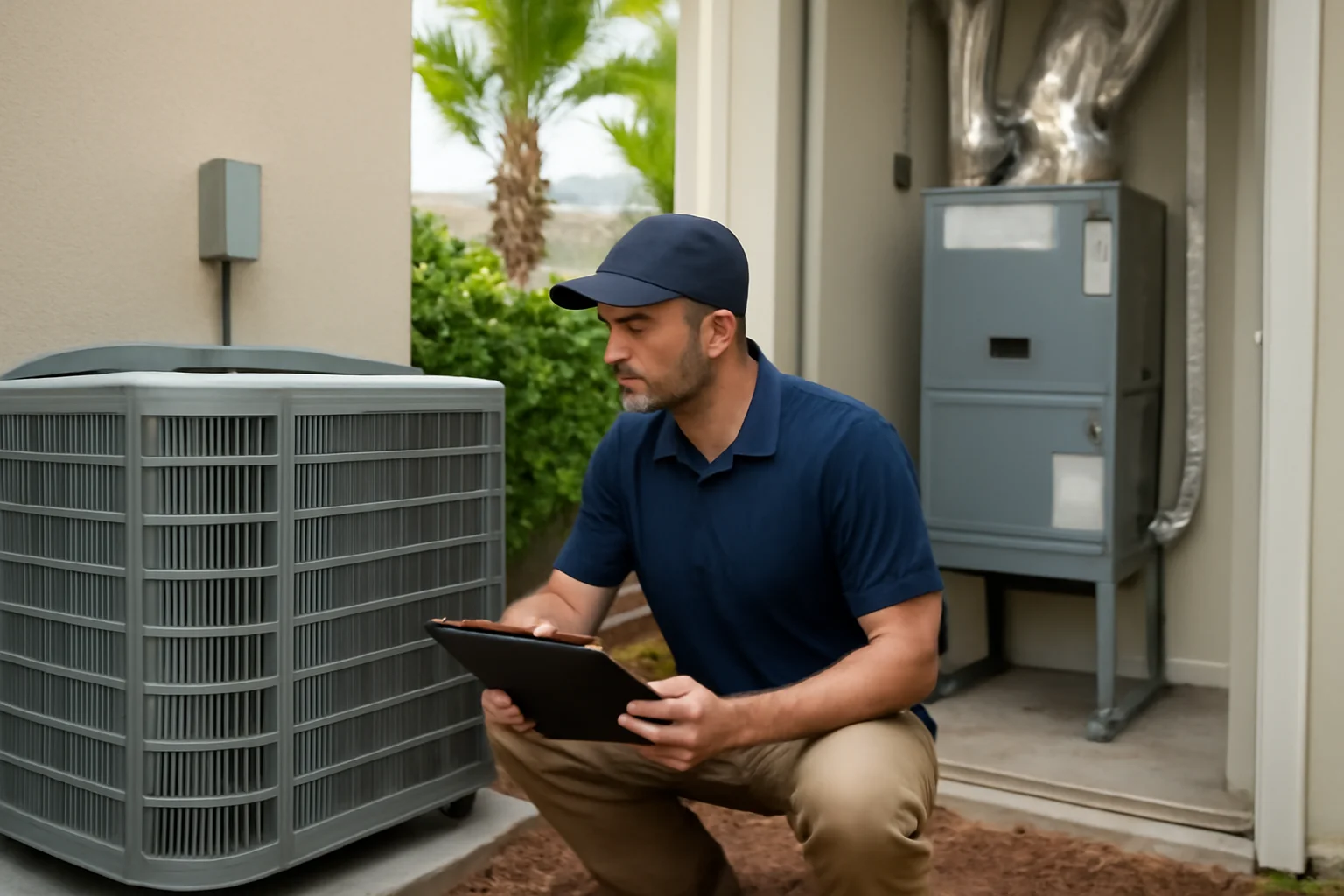
Valparaiso, FL homeowners know summer can feel relentless. Heat plus coastal moisture means indoor humidity can climb quickly, even when your air conditioner is running. When humidity stays high, comfort drops, indoor air quality suffers, and HVAC systems can work harder than they should. Whole home dehumidification is one practical way to control moisture throughout the house, support better airflow, and reduce the odds of emergency cooling problems.
Why Valparaiso humidity is harder on HVAC than most people expect
Florida humidity is not just an “annoyance.” It changes how your comfort system performs. Air conditioners and heat pumps remove moisture as they cool, but they are designed primarily for temperature control. In humid climates like Valparaiso and across Okaloosa County, the HVAC system can end up cycling more often, running longer, or struggling to keep up when indoor moisture loads are high.
Several local factors contribute:
- Coastal salt air and moisture. Even if your home is not directly on the beach, the Gulf atmosphere still brings humid air indoors through leaks and ventilation.
- Older housing and ductwork realities. Many homes have ductwork that is not perfectly balanced, or gaps that allow humid air to mix with conditioned air.
- Thermostat settings and comfort expectations. A thermostat that targets temperature without addressing humidity can lead to “cool but clammy” conditions.
- Refrigerant system strain from extended runtimes. When the system runs longer to chase comfort, it can increase wear on components and raise the chances of a refrigerant-related or airflow-related problem.
Whole home dehumidification helps by focusing on moisture control across the entire living space, not only in one room.
How whole home dehumidification supports better indoor comfort
When humidity is controlled, air feels cooler at the same temperature. That can reduce how hard your system needs to work to maintain comfort. Dehumidification also supports indoor air quality by reducing conditions that favor mold growth and musty odors.
In a typical setup, dehumidification is coordinated with your HVAC operation and airflow path. That coordination matters. If air distribution is poor, moisture can linger in certain areas, creating hotspots that trigger repeated calls for HVAC repair or emergency AC repair near me during peak summer weeks.
For homeowners, the goal is simple: keep humidity in a comfortable range while maintaining proper airflow through ducts and across the evaporator section of your air conditioning or heat pump system.
Common signs your home needs stronger dehumidification
Some humidity problems are obvious, but others show up as comfort and system behavior. Look for these patterns in your Valparaiso home:
- Condensation around vents or on nearby surfaces. Even small amounts can point to moisture imbalance or airflow issues.
- Musty odors or persistent dampness. This can be a sign that moisture is not being removed reliably.
- “Cool but clammy” indoor air. The thermostat may say the home is at the set temperature while the air still feels sticky.
- Frequent cycling or long run times. Your AC or heat pump may be running more often than expected, which can increase energy use and shorten component life.
- Condensate drainage concerns. If condensate drainage is not working smoothly, moisture can back up or the system can shut down to protect itself.
- Uneven humidity between rooms. One area may feel more humid than the rest due to duct leakage, duct sizing, or airflow imbalance.
If you notice multiple signs at once, it is a strong indicator that your dehumidification strategy needs adjustment, not just a thermostat tweak.
Maintenance tips that prevent moisture and airflow problems
Whole home dehumidification is not a “set it and forget it” task. It relies on airflow, condensate drainage, thermostat control, and clean system components. Here are homeowner-friendly maintenance steps that support the work your HVAC technician performs.
1) Keep indoor filters clean and correctly sized
Dirty filters restrict airflow, which can reduce the system’s ability to remove moisture. Limited airflow can also cause the system to run longer, raising energy use. Replace filters on schedule and use the correct size and type recommended for your system.
If you have pets, allergies, or heavy seasonal dust, you may need more frequent filter changes. If you are unsure, ask an Air Conditioning Inspection technician to confirm the right approach for your setup.
2) Check supply and return airflow paths
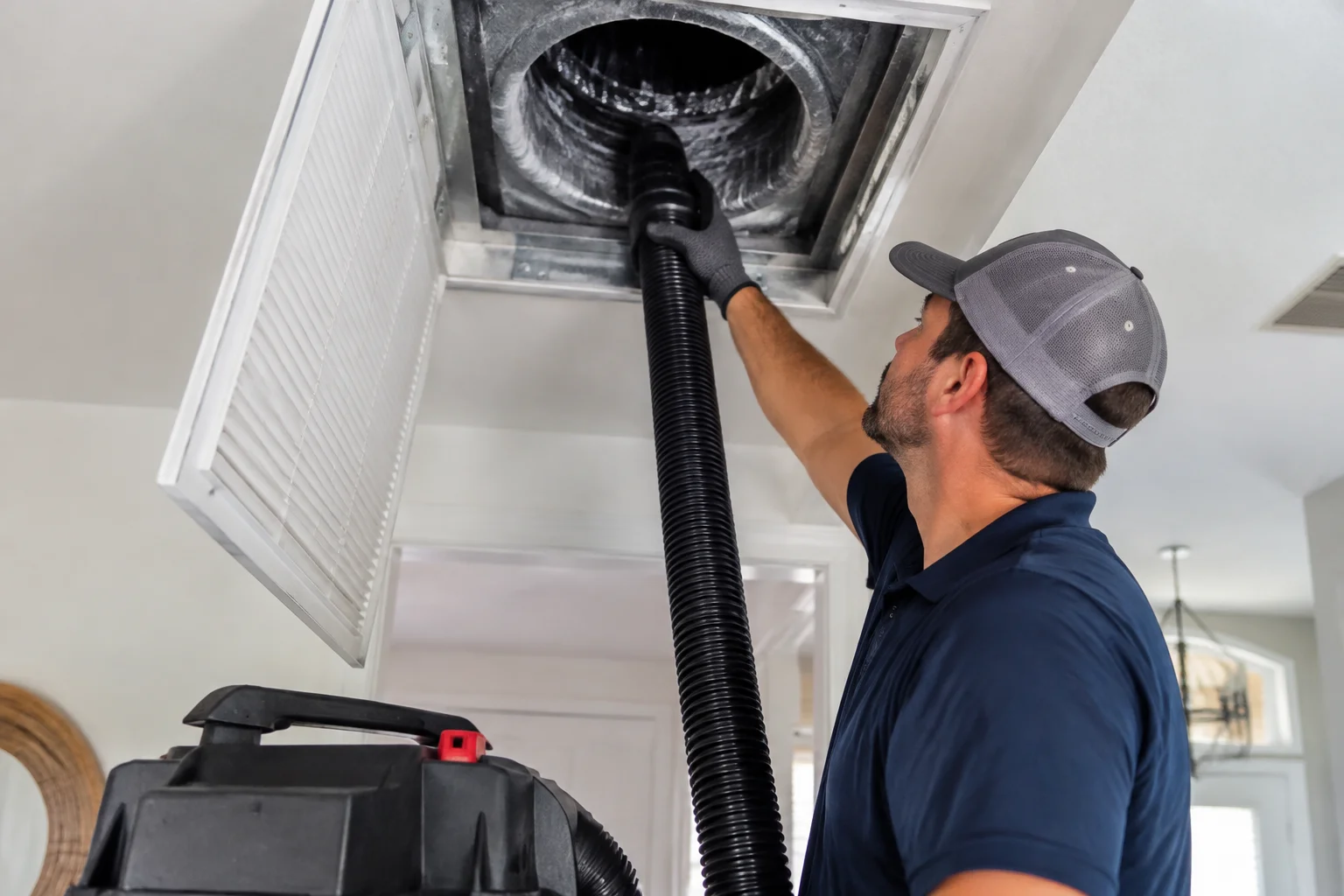
Airflow is the “delivery system” for both cooling and dehumidification. Make sure returns are not blocked by furniture, and keep supply vents unobstructed. If you feel weak airflow in one area, that can lead to localized humidity and comfort complaints.
For homeowners searching for duct inspection near me, uneven airflow is one of the most common reasons dehumidification does not perform as expected.
3) Watch the thermostat behavior, not just the temperature
Many thermostats can display or work with humidity-related settings, depending on the model. If your home is consistently cool but feels sticky, you may need to adjust humidity targets or confirm that the system is operating in a way that supports moisture control.
If you are considering changes to thermostat control, it is best to coordinate it with your HVAC technician so the system’s refrigerant operation and airflow sequence align with your comfort goals.
4) Keep condensate drainage clear and monitored
During cooling, your HVAC system removes moisture and drains condensate. If condensate drainage is partially blocked, moisture can build up where it should not. That can lead to water issues, system shutdowns, and repeat service calls.
Homeowners can do simple checks, such as making sure drain lines are not visibly blocked and that the area around the drain pan is not showing signs of overflow or staining. For deeper inspection, a professional can confirm the drainage path and system safety controls.
5) Improve airflow balance when rooms feel different
Uneven humidity often points to ductwork or balancing needs. Leaky ducts, undersized ducts, or poor register placement can prevent the system from delivering conditioned air where it is needed. That can cause one area to stay humid while another feels over-cooled.
If you suspect ductwork issues, consider pairing dehumidification with ductwork evaluation. You may also want to review whether Duct Cleaning is appropriate for your situation, especially if you have persistent dust problems that could be affecting airflow. If the duct system is failing or too restrictive, Duct Replacement may be part of the long-term fix.
Energy use and HVAC emergencies: the link homeowners can control
When humidity is not managed, your HVAC system may run longer or cycle more frequently. That means more compressor run time in air conditioning and heat pump systems, and more demand on the refrigerant system components and airflow components.
Over time, higher workload can increase the likelihood of a breakdown during peak heat. Humidity can also make comfort problems feel worse, which is why homeowners sometimes end up searching for emergency AC repair near me when they are trying to cool a home that feels sticky and uncomfortable.
Whole home dehumidification does not replace routine preventive HVAC maintenance, but it can reduce the “stress load” on your system by improving moisture control and helping the HVAC run in a more stable comfort cycle.
Whole home dehumidification and your refrigerant system: why airflow still matters
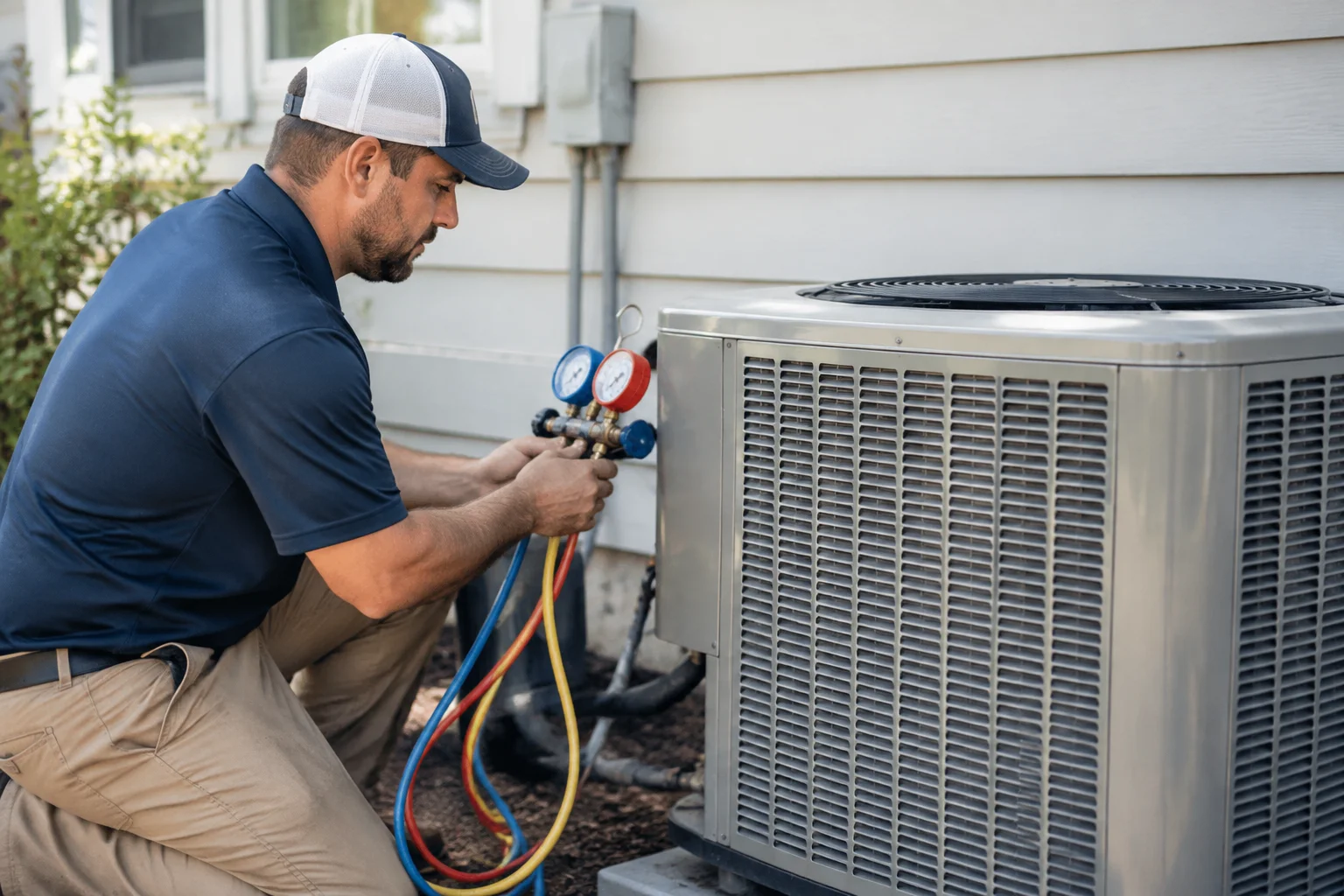
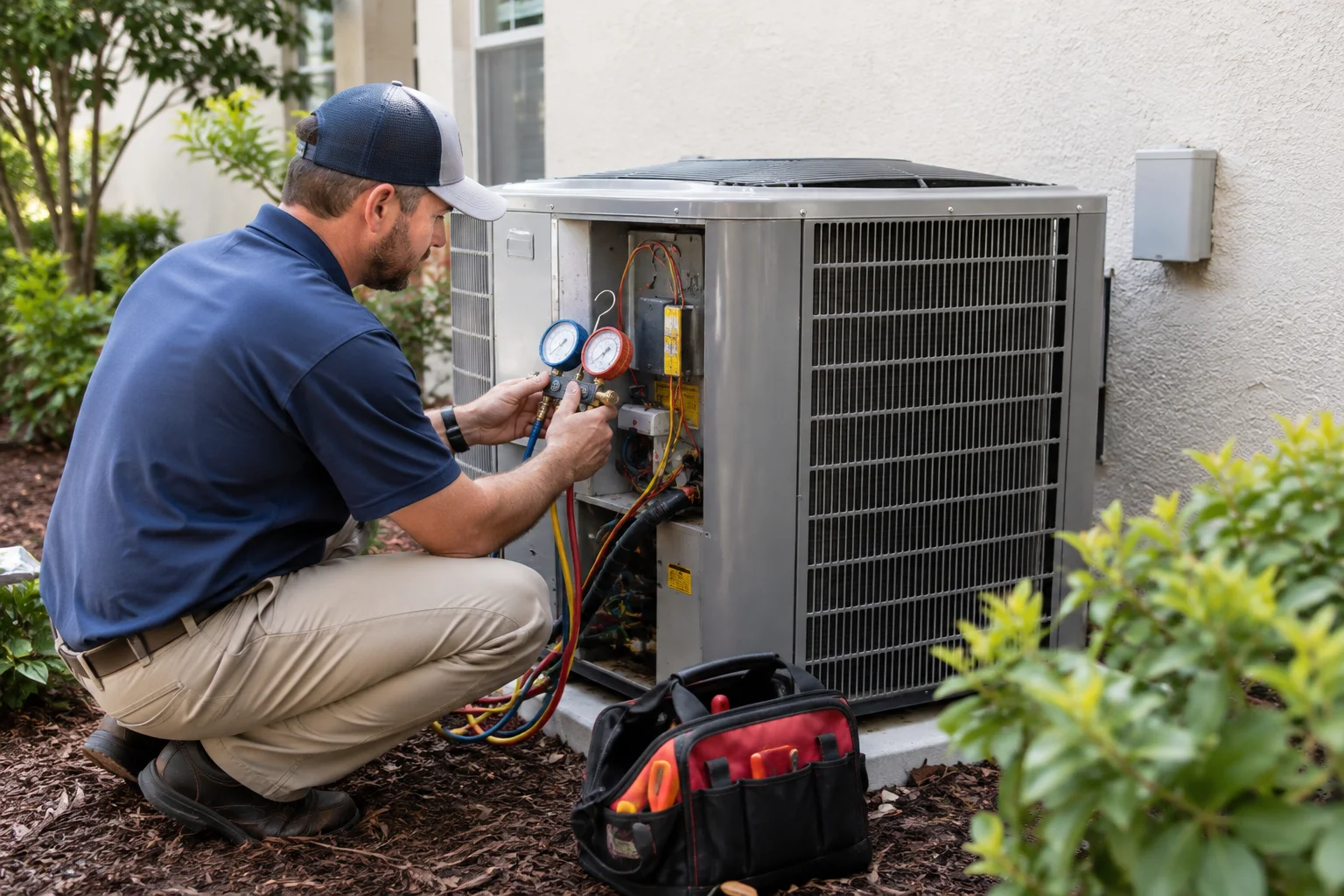
Air conditioning and heat pumps use refrigerant systems to cool and remove moisture. The dehumidification performance depends on how effectively the system’s evaporator section can do its job. That requires correct airflow across the coil and sufficient system operation.
Homeowners should avoid guessing about refrigerant levels or trying to “tune” refrigerant performance themselves. If your system is not removing moisture properly, the cause could be airflow restriction, condensate drainage issues, thermostat control settings, or other factors that require an in-person professional evaluation.
A Superior Mechanical focuses on whole home dehumidification as part of a complete comfort approach, including airflow and indoor air quality considerations that impact real-world performance.
Indoor air quality improvements you can feel
Valparaiso homes often rely on HVAC not only for temperature, but also for maintaining healthier indoor air. When humidity is controlled, it becomes harder for mold and mildew to thrive. That can reduce musty odors and support better indoor air quality.
Dehumidification can also support cleaner airflow by reducing the damp conditions that make dust and particulate matter feel heavier in the air. If you are actively improving comfort, it can be helpful to pair dehumidification with other indoor air quality services. For many homeowners, searching for indoor air quality services near me leads to a broader plan that includes filtration, airflow verification, and moisture control.
If you are not sure where to start, you can review how duct airflow affects comfort in Comfort Clues Hidden in the Ductwork: Why Valparaiso Homes Benefit from Cleaner Air Paths.
Preventive HVAC maintenance that pairs well with dehumidification
Whole home dehumidification works best when your HVAC system is maintained and tuned for the humidity challenge in Valparaiso. Preventive HVAC maintenance typically includes inspecting airflow, verifying safe operation, checking condensate drainage components, and reviewing thermostat operation and comfort settings.
Because humidity drives longer runtimes and higher system demand, the value of maintenance is amplified in coastal Florida. If you want to understand why maintenance matters for local systems, read Why Better HVAC Maintenance Pays Off for Valparaiso Air Conditioning Systems.
Also consider how control strategies can change comfort outcomes. Homeowners interested in better humidity and temperature coordination may find helpful context in Why Heating Control Systems Matter for Valparaiso Homes.
When to call A Superior Mechanical for whole home dehumidification help
Some humidity issues can be improved with basic upkeep, but persistent comfort and moisture problems usually need professional evaluation. Call a local HVAC company when you notice:
- Repeated sticky comfort complaints despite normal cooling
- Condensate drainage issues, water near the unit, or a history of overflow
- Uneven humidity across rooms, especially if one area stays damp
- Frequent AC cycling, long run times, or system behavior that feels abnormal
- Visible dust buildup or signs that airflow is reduced
If your home is approaching the point where you are searching for HVAC contractor near me or HVAC maintenance near me because the system cannot keep up, a whole home dehumidification assessment can help you get back to stable comfort before a breakdown becomes an emergency.
For Valparaiso homeowners, you can explore the specific service here: Whole Home Dehumidification. For broader coverage across the area, visit Valparaiso and Okaloosa County.
FAQ: whole home dehumidification and HVAC emergencies
If you are trying to connect humidity control to fewer HVAC emergencies, these questions come up often.
Can a heat pump handle dehumidification on its own?
Heat pumps remove moisture while cooling, but performance depends on airflow, runtime, and comfort settings. Many homeowners benefit from whole home dehumidification when Florida humidity overwhelms the system’s temperature-focused operation.
Does dehumidification eliminate the need for AC repair?
No. Whole home dehumidification helps reduce moisture-related stress, but it does not prevent all mechanical issues. If you have symptoms like abnormal cycling, drainage problems, or airflow restrictions, AC repair or HVAC service may still be needed after an in-person evaluation.
What about ductwork and airflow problems?
Dehumidification performance depends on airflow. If ductwork is leaky or poorly balanced, some rooms may stay humid even when the system runs. That is why homeowners often pair moisture control with ductwork inspection and airflow verification.
Should I replace equipment to solve humidity?
Equipment replacement is not automatically the right move. A professional inspection can determine whether the issue is airflow, condensate drainage, thermostat control, or another factor in the refrigerant and distribution system. If replacement is ever recommended, it should come after a documented, on-site assessment.
Practical next steps for Valparaiso homeowners
Whole home dehumidification is a strong comfort strategy for Florida homes, but it works best when it is paired with smart maintenance and airflow awareness. Start by tracking how your home feels during humid days, confirm that filters and vents support airflow, and address condensate drainage concerns early. Then schedule a professional evaluation so your system can be coordinated for moisture control, indoor air quality, and reliable cooling through the hottest weeks.
If you want to focus on long-term comfort and fewer emergency cooling concerns, it can also help to review how maintenance planning supports reliability. See Keeping Valparaiso Comfortable Starts With Smarter Commercial HVAC Maintenance for ideas that many homeowners can apply to their own preventive schedules.
When humidity is managed well, your air conditioner and heat pump can spend more time delivering comfort and less time fighting moisture. That is the kind of stability Valparaiso homes need during peak summer conditions, salt air humidity, and the long stretches between service visits.
Find Whole Home Dehumidification in Valparaiso, FL
If you need Whole Home Dehumidification in Valparaiso, FL, visit our local service page or contact A Superior Mechanical today.
Map of Valparaiso, FL
Frequently Asked Questions
What is whole home dehumidification, and how is it different from running the AC longer?
Whole home dehumidification is designed to control moisture throughout your living space, not just cool one area. While AC and heat pumps remove moisture as they cool, whole home approaches coordinate moisture control with airflow and system operation so the home stays comfortable without relying only on extended cooling cycles.
Why does my home feel humid even when the thermostat is set to a normal temperature?
This often points to humidity not being controlled effectively, uneven airflow through ductwork, condensate drainage issues, or thermostat settings that prioritize temperature over moisture. An on-site HVAC inspection can help identify what is limiting dehumidification performance.
How do condensate drainage problems affect humidity and HVAC reliability?
When condensate drainage is restricted or not draining properly, moisture can build up where it should not. That can contribute to damp conditions and may trigger protective shutoffs. Checking drainage pathways and related components is important as part of preventive HVAC maintenance in humid Florida weather.
Can ductwork issues prevent proper dehumidification?
Yes. If ducts are leaky, poorly balanced, or obstructed, conditioned air may not reach all rooms evenly. That can leave some areas humid even while the system runs. Duct inspection and airflow verification are key when humidity is uneven.
Should I try to diagnose refrigerant or electrical issues myself for a dehumidification problem?
No. Refrigerant and electrical concerns require professional, on-site evaluation. If humidity control is failing, a technician can assess airflow, condensate drainage, thermostat operation, and refrigerant system performance safely.
Related Articles
- Keeping Valparaiso Comfortable Starts With Smarter Commercial HVAC Maintenance
- Why Better HVAC Maintenance Pays Off for Valparaiso Air Conditioning Systems
- Comfort Clues Hidden in the Ductwork: Why Valparaiso Homes Benefit from Cleaner Air Paths
- Why Heating Control Systems Matter for Valparaiso Homes
Photo Gallery