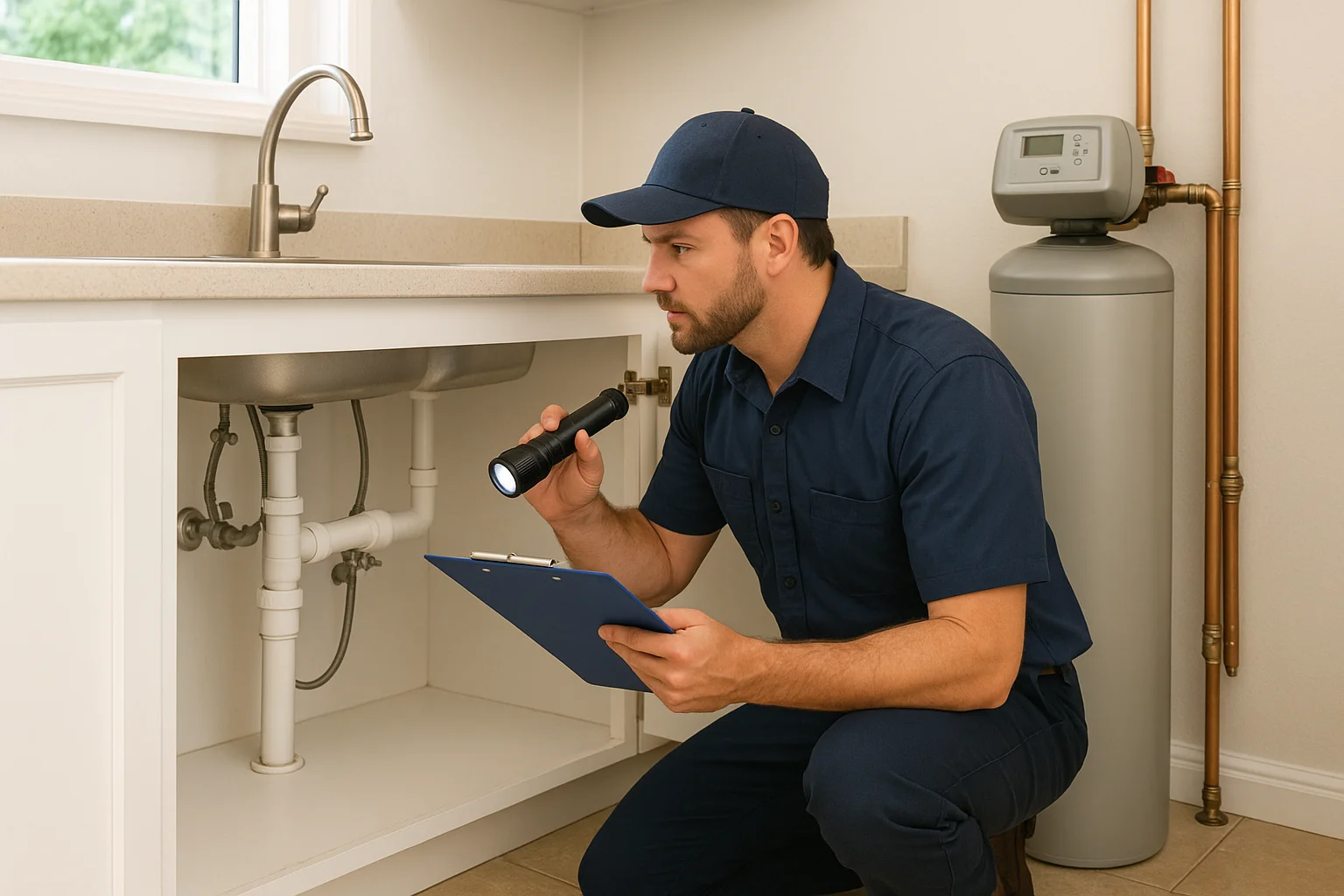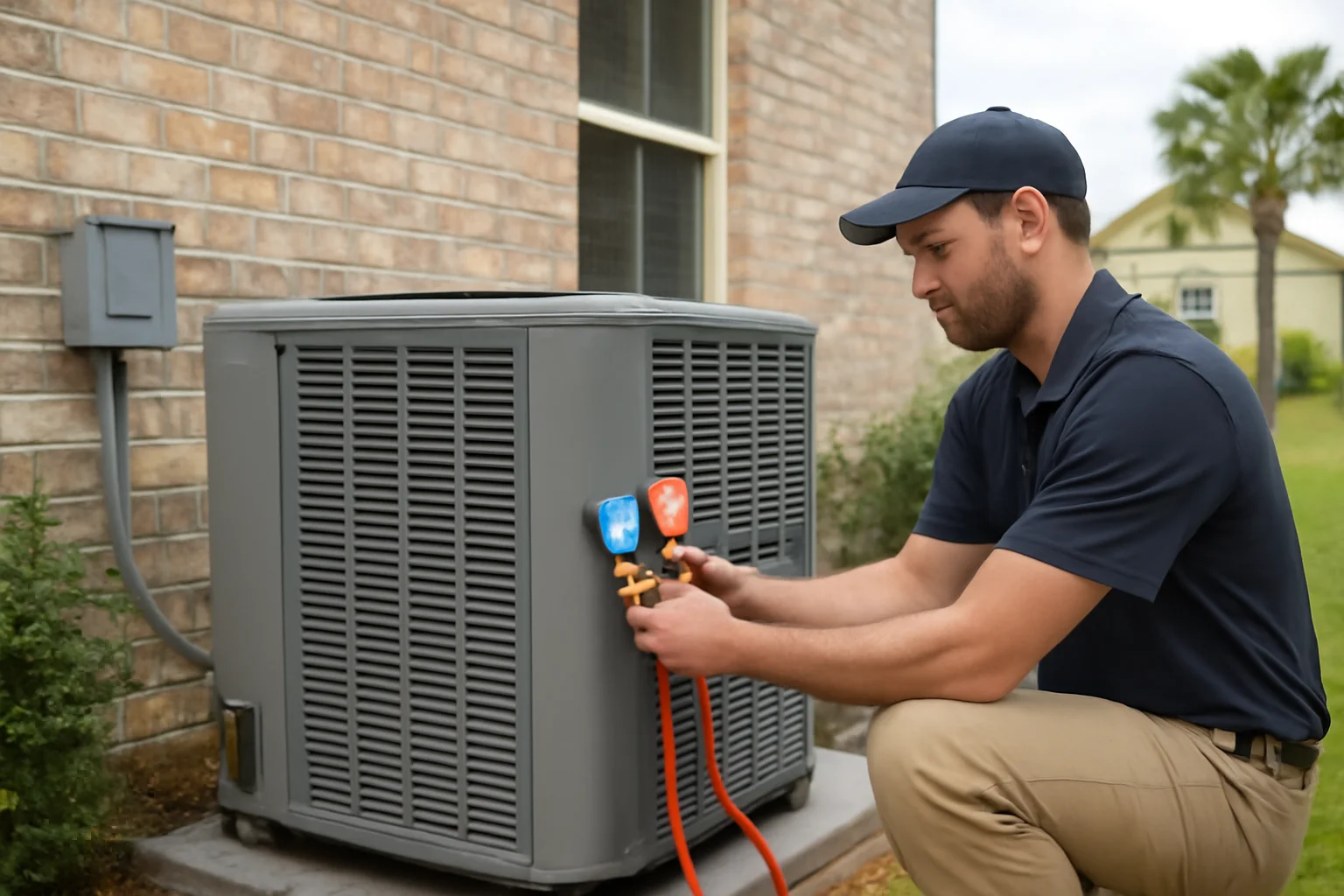
Freeport, FL can feel like two climates at once. You get sun baked days, humid evenings, and coastal salt air that stresses HVAC systems over time. After an air conditioning installation in Freeport, FL, homeowners often expect smooth, steady cooling. When warning signs show up instead, the cause is sometimes tied to installation details that affect airflow, refrigerant system behavior, condensate drainage, and indoor air quality.
This guide covers the HVAC warning signs homeowners notice after a new AC installation, why they happen in Freeport’s heat and humidity, and what you can do to improve airflow and long term reliability. It also explains when it is time to schedule an air conditioning service or HVAC replacement evaluation with a licensed HVAC contractor.
Why “installation issues” can show up as HVAC warning signs
In Freeport, comfort depends on more than the outdoor unit. A properly installed AC system is a coordinated set of parts: the outdoor condenser, indoor air handler or furnace cabinet, refrigerant lines, ductwork, thermostat controls, condensate drainage, and ventilation or filtration components. If any one part is set up incorrectly, the system can still run, but it may not cool evenly or efficiently.
Homeowners who are searching for HVAC installation near me, HVAC company near me, or new AC installation near me are usually focused on the equipment. But the installation process determines whether the system can move the right amount of air, manage moisture, and maintain stable refrigerant system operation under Florida conditions.
Warning sign #1: Weak airflow from vents or uneven cooling
One of the most common post installation complaints is airflow that feels thin or inconsistent. You might notice that some rooms are cool while others stay warm, or that supply vents blow less air than expected.
Common Freeport installation related causes
- Ductwork restrictions or poor duct connections: Loose joints, crushed duct sections, or ducts that are not sealed can reduce airflow and increase leakage.
- Incorrect airflow settings: The indoor blower speed and static pressure need to match the system design. When they are off, air can move too slowly to remove humidity or too fast to achieve proper cooling.
- Oversized or undersized system mismatch: A system that is too large may short cycle, while one that is too small can struggle to keep up with summer heat and humidity.
- Blocked or poorly routed returns: If return paths are restricted, the system may pull insufficient air across the indoor coil.
If you are dealing with duct repair near me concerns, airflow issues are often where ductwork problems show up first. In coastal areas, duct leakage can also pull in humidity-laden air from crawl spaces or attics, which can affect indoor air quality.
For homeowners who need ductwork corrections, you may want to review options like duct replacement in Freeport, FL when repairs cannot restore proper airflow.
Warning sign #2: AC runs a long time but does not feel consistently cool
Another red flag is an AC system that seems to run constantly, never quite reaching comfortable temperatures. In Freeport’s humidity, this can feel especially frustrating because even when the temperature drops, the air may still feel sticky.
Installation details that can contribute
- Thermostat setup that does not match the system behavior: Improper configuration, wrong sensor placement, or incorrect settings can cause the thermostat to call for cooling longer than necessary.
- Airflow problems across the indoor coil: If the system cannot move air over the evaporator coil as designed, the coil may not remove moisture effectively.
- Refrigerant system imbalance due to improper installation: Refrigerant systems depend on correct line sizing, clean connections, proper charging practices, and leak checks. Installation shortcuts can lead to unstable operation.
Homeowners sometimes assume this is “just a bad unit.” It can be, but if the issue started after installation, it is important to have a professional air conditioning inspection near me that focuses on airflow, control behavior, and refrigerant system performance. A technician should evaluate the system in person. Without that, it is not appropriate to guess at refrigerant diagnoses or make changes based on assumptions.
Warning sign #3: Indoor humidity stays high or rooms feel clammy
Florida heat is one challenge. High humidity is another. When humidity stays elevated after an AC installation, it can point to moisture removal problems. Comfort is not only about temperature. Your system needs the right airflow rate and coil conditions to dehumidify.
Why humidity issues are common in Freeport
Freeport experiences warm, humid summers, and many homes have older duct systems, tighter building envelopes, or crawl spaces and attics that can pick up moisture. If the system is not set up to remove moisture effectively, you may notice:
- Condensation on non-cooled surfaces
- Musty odors or damp air
- Windows fogging or persistent indoor dampness
Moisture removal depends on airflow, correct coil operation, and proper condensate drainage. If the condensate drainage is not working as intended, water can back up, increase indoor humidity, or create conditions that affect comfort.
Warning sign #4: Condensate drainage problems, water near the indoor unit, or gurgling sounds
A properly installed AC system should manage condensate drainage smoothly. If you hear gurgling, see water where it should not be, or notice a wet pan, that is a warning sign that should be addressed quickly.
Installation related causes
- Drain line slope or routing issues: Condensate needs a correct slope to drain.
- Drain line clogs or improper materials: Debris from installation or wrong line routing can create blockages.
- Improper condensate pan placement or secondary drain connection: If the pan or safety switch is not set correctly, overflow can occur.
Because condensate issues can affect indoor air quality and can lead to water damage, homeowners should schedule an air conditioner service or AC tune up near me sooner rather than later. A technician can confirm drainage performance and check for airflow conditions that influence condensate production.
Warning sign #5: Strange noises, vibration, or frequent short cycling
After installation, some homeowners notice buzzing, rattling, or rapid on off cycling. Short cycling can reduce comfort and increase wear. In humid climates, it can also leave the home feeling less dehumidified than expected.
What can trigger short cycling after installation
- Thermostat placement or settings: A thermostat near heat sources or drafts can misread indoor conditions.
- Airflow restrictions: If the system does not move air across the coil properly, the control system may respond in unexpected ways.
- Oversized equipment for the home load: Oversizing can cause the system to cool quickly and shut down before it removes enough humidity.
If you see these symptoms, avoid repeated thermostat overrides. Instead, schedule an on site evaluation. It is not appropriate for homeowners to attempt electrical diagnosis or refrigerant system adjustments without professional tools and training.
Warning sign #6: Higher energy use or rising utility bills soon after installation
Energy use is a major concern in Florida. Even when you choose an energy efficient AC system, the installation details determine how efficiently the system operates. If your cooling costs rise soon after a new installation, it may be tied to airflow, duct performance, or control setup.
Installation factors that can raise energy use
- Leaky or undersized ductwork: Air that does not reach the living space can be wasted.
- Incorrect refrigerant system operation due to charging or line setup: A system that is not charged and matched correctly may not cool as intended.
- Thermostat configuration issues: Settings that do not align with how the system should stage or cycle can increase run time.
In Freeport, coastal conditions and humidity can also make proper system sealing and airflow even more important. If you suspect the installation is affecting performance, an AC installation follow up with A Superior Mechanical can help connect the dots between airflow, comfort, and energy use.
Warning sign #7: Air quality complaints or odors after installation
Indoor air quality can change after a new installation. That does not always mean something is wrong, but it can highlight issues with filtration, duct sealing, or airflow balance. In humid environments, poor airflow and moisture can create conditions that make odors linger.
What homeowners may notice
- Dustier air or increased dust on surfaces
- Musty smells when the AC starts
- Increased allergy symptoms
For homeowners thinking about upgrades, thermostat control and system scheduling can help, especially with smart thermostats. You can explore Smart Thermostats to support comfort and better control of cooling cycles.
How A Superior Mechanical improves airflow and reliability during AC installation
Homeowners in Freeport want a reliable system that handles summer heat and humidity without drama. Professional air conditioning installation near me should include more than mounting equipment and connecting lines. It should address the system as a whole.
Key installation and verification steps that matter
- Correct system sizing for the home: Load calculations and airflow design should account for Florida heat, humidity, and how the home is used.
- Careful ductwork planning: Sealing, routing, and balancing influence airflow and humidity removal. If ducts are damaged, consider duct replacement rather than forcing a poor fit.
- Thermostat selection and placement: Proper configuration helps the system respond accurately to indoor conditions.
- Condensate drainage verification: A technician should confirm condensate removal pathways and ensure safe operation.
- Performance checks after installation: Cooling comfort, airflow delivery, and control behavior should be verified so the system can run reliably.
If you are comparing installation approaches, these details are also covered in our related reading: Choosing the Right Air Conditioning Installation for Freeport Homes That Need to Stay Comfortable.
Preventive maintenance that reduces repeat problems
Even a well installed system needs preventive HVAC maintenance. In Freeport, seasonal humidity and salt air can accelerate wear and reduce performance if maintenance is skipped.
What preventive maintenance often includes
- Air conditioning inspection near me focused on airflow and indoor coil condition
- Filter and airflow checks to support indoor comfort and indoor air quality
- Verification of condensate drainage performance
- Evaluation of thermostat operation and system controls
- Cleaning and inspection steps designed to support long term reliability
If you manage a rental property or commercial space, maintenance planning matters even more. For homeowners who also oversee larger systems, this guide is helpful: Why Efficient Heating and Cooling Starts With Commercial HVAC Maintenance in Freeport, FL.
When to request emergency cooling help
Freeport summers can turn quickly. If your AC system fails during peak heat, you may need emergency cooling concerns addressed right away. Consider contacting Emergency HVAC Services if:
- The indoor unit runs but the home does not cool
- You have unusual odors combined with poor cooling
- Condensate overflow or water leakage is occurring
- The system shuts down repeatedly and you cannot maintain safe indoor temperatures
Emergency service does not replace a thorough installation review, but it can prevent comfort and safety issues while the root cause is evaluated.
How to decide between AC repair, air conditioning service, and HVAC replacement near me
After an installation, it is natural to wonder whether you need AC repair or a larger HVAC replacement near me conversation. The best path depends on what the technician finds during an in person evaluation.
Repair and service are often the starting point when
- The warning signs began soon after installation
- Airflow, duct sealing, or condensate drainage needs correction
- Thermostat settings or control behavior appears misconfigured
Replacement may be considered when
- The system is not capable of maintaining comfort despite correct airflow and control setup
- The home load and equipment selection do not match and cannot be corrected through tuning
- Parts are not functioning reliably after evaluation
A licensed HVAC contractor can explain options based on the system’s condition, installation quality, and performance. Avoid making decisions based solely on online troubleshooting tips. A proper diagnosis requires real measurements and careful system inspection.
Special note for ductless and multi-zone homes in Freeport
Some Freeport homes, additions, or rentals use ductless mini split installation near me solutions or multi zone systems to improve comfort in specific areas. If you notice uneven cooling, humidity discomfort, or airflow complaints after a ductless install, the same principles apply: airflow paths, correct installation practices, and indoor air quality considerations still matter.
If you are exploring multi zone setups, you can read more about how these systems are handled in the local context in VRF Multi Zone HVAC Systems.
Questions homeowners can ask during an air conditioning inspection
When you schedule HVAC help, having the right questions can make the visit more productive. Here are homeowner friendly prompts that focus on airflow and reliability without forcing guesses.
- “Can you evaluate whether my ductwork is delivering the airflow the system needs for proper humidity removal?”
- “How is the thermostat set up, and does it match the system’s operation?”
- “Can you check condensate drainage performance and confirm the system is draining as designed?”
- “What performance checks do you run to confirm airflow and cooling stability after installation?”
- “If the system seems mismatched to the home load, what installation factors would you review first?”
This is also a good time to understand what details are sometimes missed. You may find this blog useful: The Details That Get Missed in Commercial HVAC Installation in Freeport, FL.
Making airflow and reliability a priority from day one
Freeport homes face real HVAC demands: warm air, heavy humidity, and coastal salt air that can affect components over time. That is why installation details matter so much. When homeowners notice airflow issues, high humidity, condensate drainage concerns, short cycling, or unexpected energy use after an AC installation, it is reasonable to ask whether the system was installed and commissioned correctly.
Working with a licensed local HVAC contractor helps connect the warning signs to the underlying causes, whether that means ductwork corrections, thermostat configuration, condensate drainage verification, or performance troubleshooting. For residents who want a dependable partner for installation and ongoing care, A Superior Mechanical supports Freeport homeowners with professional air conditioning installation designed for Walton County conditions.
If you need help after an installation or you are planning a new system, start with air conditioning installation in Freeport, FL and explore the broader local service area at /service-areas/walton-county/freeport or /service-areas/walton-county.
Find Air Conditioning Installation in Freeport, FL
If you need Air Conditioning Installation in Freeport, FL, visit our local service page or contact A Superior Mechanical today.
Map of Freeport, FL
Frequently Asked Questions
Why does my AC feel like it cools unevenly right after installation in Freeport, FL?
Uneven cooling often comes from airflow problems such as ductwork leakage, restricted returns, or airflow settings that do not match the system design. A technician should inspect duct connections, airflow delivery, and thermostat operation to confirm what is causing the imbalance.
Is high humidity inside my home a sign of an installation problem or just Florida weather?
Florida humidity is always a factor, but persistent clammy air after installation can indicate that the system is not removing moisture effectively. Airflow across the indoor coil, condensate drainage performance, and correct thermostat configuration all affect dehumidification.
What should I do if I notice water under the indoor unit after my AC was installed?
Condensate drainage problems should be addressed promptly. Schedule an air conditioning inspection so a professional can check the drain line routing, pan condition, and condensate removal performance. If water is present, do not ignore it because it can affect indoor air quality and cause damage.
Can I adjust refrigerant or thermostat settings myself to fix post installation cooling issues?
Homeowners should not attempt refrigerant system adjustments or electrical related troubleshooting without an in person evaluation. Thermostat configuration can sometimes be corrected, but the underlying cause should be confirmed first to avoid worsening performance or reliability.
When should I use emergency HVAC services instead of scheduling a standard appointment?
Emergency HVAC services are appropriate when your home cannot maintain safe cooling during peak heat, when you see condensate overflow or active leakage, or when the system shuts down repeatedly with no stable cooling. If comfort is at risk, contact emergency support.
Related Articles
- Choosing the Right Air Conditioning Installation for Freeport Homes That Need to Stay Comfortable
- Why Efficient Heating and Cooling Starts With Commercial HVAC Maintenance in Freeport, FL
- The Details That Get Missed in Commercial HVAC Installation in Freeport, FL
- A Homeowner’s Guide to HVAC Financing and Why It Matters in Freeport, FL
Photo Gallery