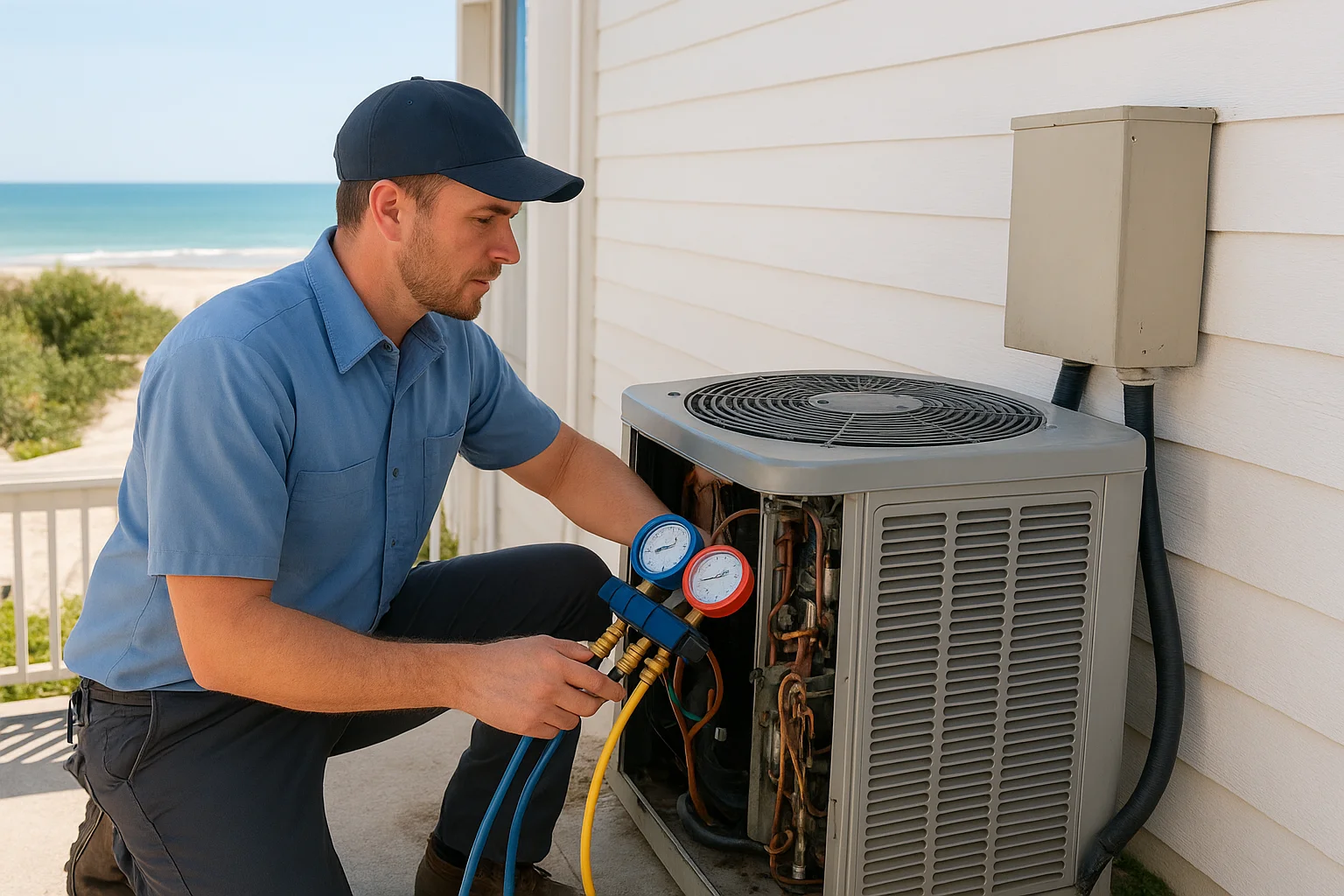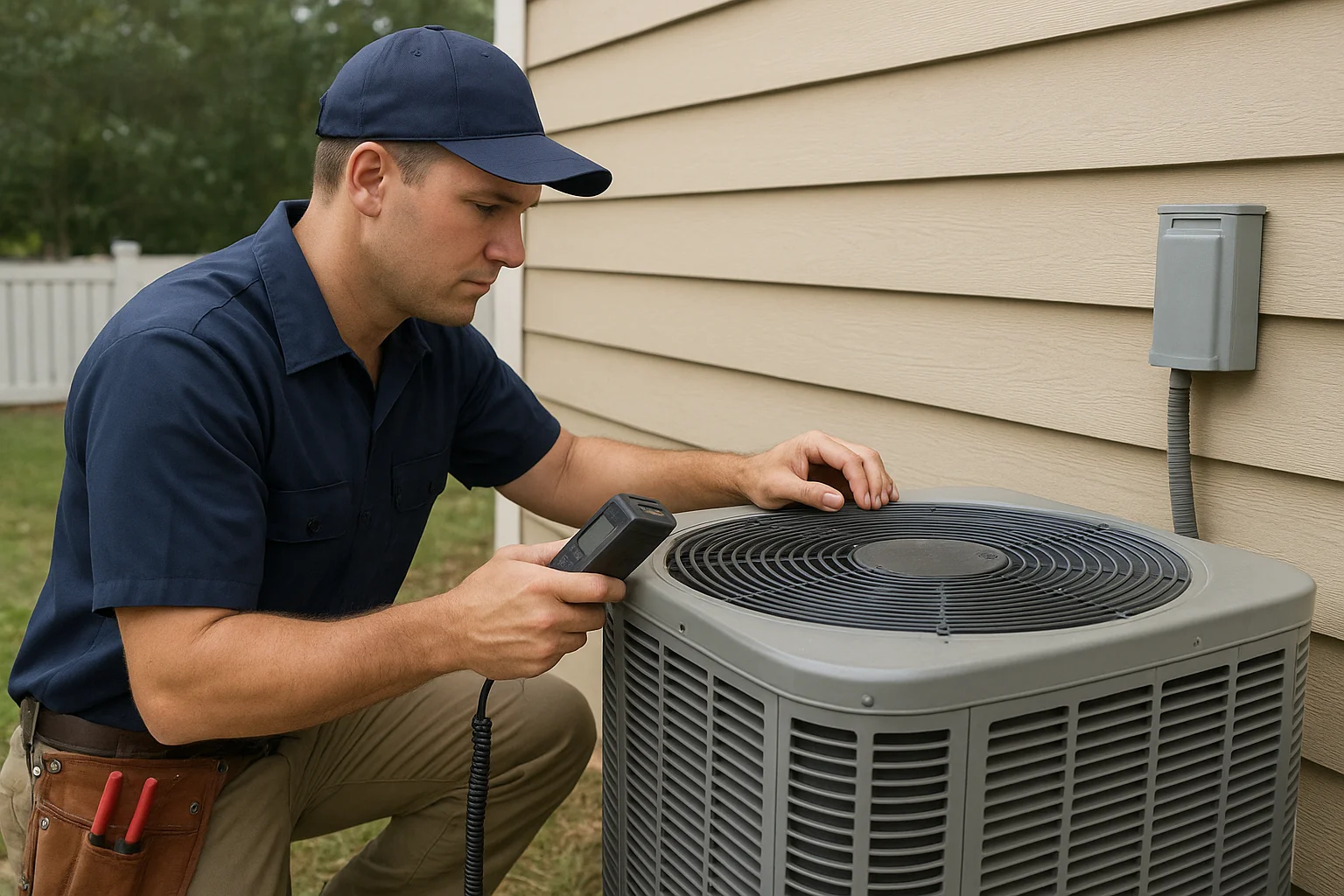
Lower Grand Lagoon, FL has a unique HVAC challenge. Between the heat, the humidity, and the salt air that can ride in on coastal breezes, your systems work harder than many homeowners realize. For property managers and owners, that means HVAC problems do not just affect one unit. They can disrupt guest stays, tenant comfort, and day to day operations across Bay County.
This guide covers HVAC warning signs that should trigger action, how timing affects repairs, and what a property management HVAC plan looks like in Lower Grand Lagoon. You will also find practical steps to help prevent indoor air quality issues, airflow problems, and emergency cooling concerns before they escalate.
Why timing matters for HVAC repairs in Lower Grand Lagoon
When an HVAC system starts to struggle in Florida, it often has less margin for error than it would in a milder climate. A small issue can become a larger one because the system is running frequently to manage humidity and maintain steady temperatures. When repairs are delayed, the system may keep operating under stress, which can lead to:
- More wear on the refrigerant system and moving parts
- Reduced airflow through ductwork, which can worsen cooling performance
- Higher energy use due to inefficient operation
- Condensate drainage problems that can contribute to moisture in the home
- Indoor air quality decline from dust buildup, poor filtration, and uneven air distribution
For property management, timing is also about communication. A fast response helps you avoid tenant complaints, protects your reputation, and keeps units compliant with your own maintenance standards. If you want a focused approach, explore property management HVAC services in Lower Grand Lagoon and coordinate maintenance and repairs across your portfolio.
HVAC warning signs property managers should track
Below are common HVAC warning signs seen in Lower Grand Lagoon homes and rentals. These are the signals that should be logged and escalated quickly, especially during peak cooling season.
1) Humidity that will not come down
In a coastal Florida climate, humidity control is not optional. If tenants complain that rooms feel sticky, or you notice condensation on windows and walls, the cooling system may not be removing moisture effectively. Causes can include airflow restrictions, thermostat settings that do not match the comfort needs of the space, dirty filters, or issues within the refrigerant system.
Humidity problems can also raise the risk of musty odors and indoor air quality concerns. For homeowners and managers, the practical move is to address the issue early through a full comfort and airflow assessment rather than waiting for it to “work itself out.”
If your portfolio includes properties that need stronger moisture control, consider whole home dehumidifiers as part of a broader indoor humidity strategy.
2) Weak airflow from vents or uneven temperatures
Airflow problems often show up as hot rooms, cold rooms, or a system that runs but does not feel like it is cooling. In Florida, weak airflow can become a bigger problem because the system keeps cycling while the home remains uncomfortable.
Airflow issues can come from clogged filters, blocked returns, ductwork leakage, or ductwork design that does not support balanced distribution. Salt air and ongoing humidity can also contribute to dust and buildup that restricts airflow over time.
In many cases, a licensed HVAC contractor near me style approach means starting with an airflow and duct inspection. If you suspect ductwork is contributing, look for duct sealing improvements that can help reduce leaks and support more consistent comfort.
3) Condensate drainage issues and water near the indoor unit
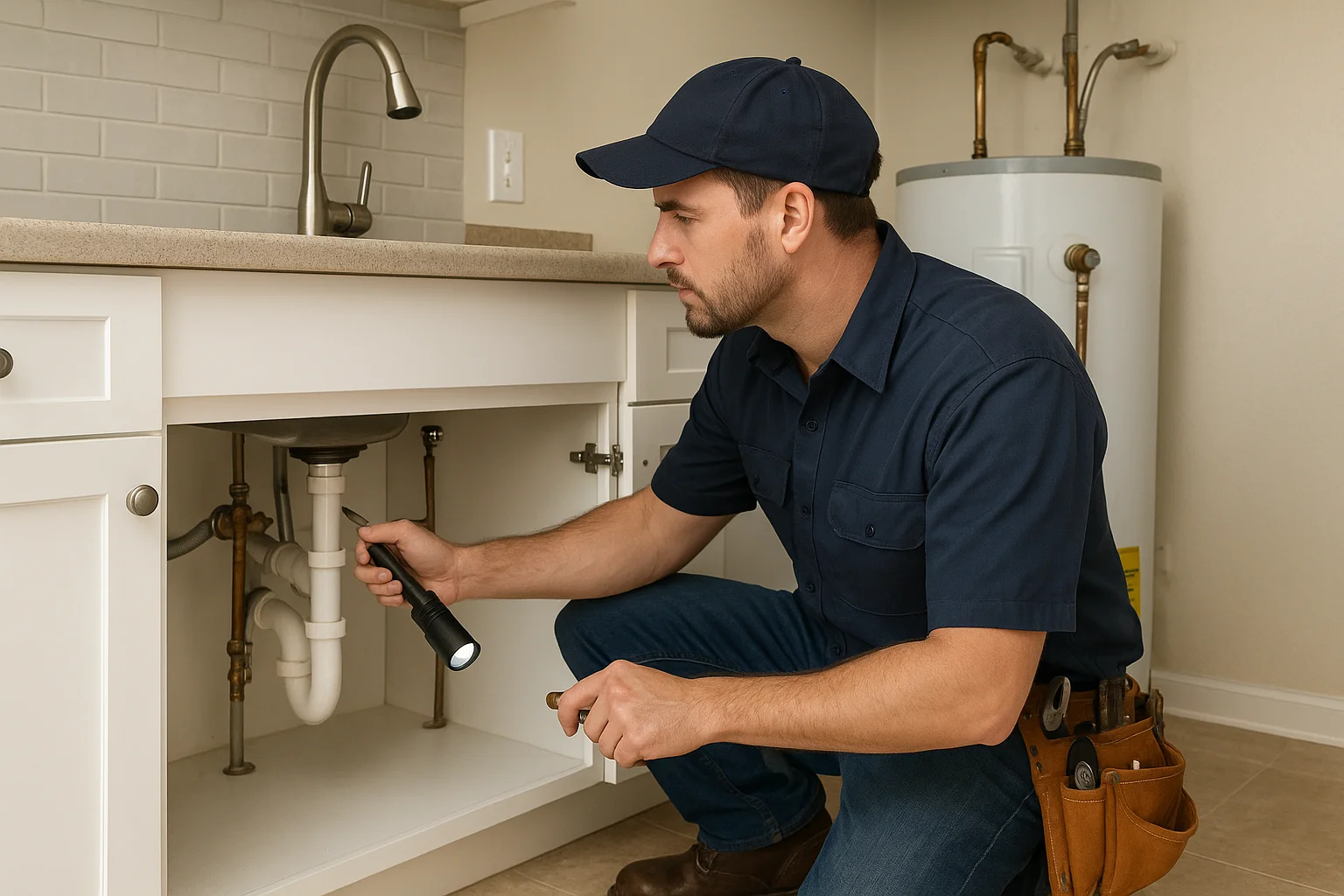
Air conditioning produces condensate. When condensate drainage is restricted, water can back up. For property managers, this can become a maintenance and liability issue quickly.
Watch for signs like:
- Water dripping from the unit or around the air handler
- Wet drywall, staining, or damp spots near the equipment
- Frequent shutdowns tied to moisture safety controls
- Musty smells that appear after cooling runs
Condensate drainage problems can be caused by clogged drain lines, improper pitch, algae or debris buildup, or issues that affect how the system removes moisture. Because moisture can damage finishes and encourage indoor air quality problems, addressing condensate drainage early is a smart move for year round home protection.
4) Short cycling, frequent on off behavior, or temperature swings
Short cycling means the system turns on and off more often than it should. This can happen when the thermostat is not reading conditions correctly, when airflow is restricted, or when components in the refrigerant system are not operating as intended. The result is less time for the system to properly cool and dehumidify.
Short cycling can also increase energy use because the system spends more time starting than running efficiently. If a unit is repeatedly cycling, it is not a “wait and see” situation during peak heat.
5) Strange noises or new vibration
Florida heat drives long cooling cycles. Over time, systems can develop noise as parts wear or as airflow changes. Listen for patterns such as:
- Banging or clanking when the system starts
- Rattling that increases as the unit runs
- Grinding sounds from fans or motors
- Hissing that can indicate refrigerant system issues, which requires professional evaluation
Noise is often a sign that the system is not operating within normal parameters. For property management, it is best to document the timing of the noise and escalate quickly so the problem is not compounded by continued operation.
6) Thermostat behavior that does not match comfort needs
Thermostats control how the system responds to indoor conditions. Warning signs include:
- Temperature readings that seem inaccurate
- Frequent “calls for cooling” even when the space feels cool
- Short cycling tied to thermostat schedules
- Wi Fi thermostat connectivity issues that lead to control gaps
Before making changes, a professional should verify thermostat operation and how it interacts with the HVAC system. A thermostat issue can look like an HVAC repair need, and the reverse is also true.
7) Rising energy use or cooling complaints during the hottest weeks
In Lower Grand Lagoon, energy use can climb quickly when systems lose efficiency. If you see utility bills rising, or tenants report that the unit cannot keep up during extreme heat and humidity, that is a signal to assess the full system. Energy use increases can be related to airflow restrictions, refrigerant system performance, thermostat control, and ductwork leakage.
For property managers, tracking energy and comfort trends helps you schedule HVAC maintenance before performance drops. If you are considering more comprehensive upgrades, you may also be searching for commercial HVAC installation or evaluating options for specific properties.
Common causes behind these warning signs
Not every symptom points to the same root cause. In Florida, several factors commonly contribute to HVAC issues in both residential and rental properties.
Humidity and airflow strain
High humidity raises cooling demand. If airflow is restricted, the system cannot move air effectively through ductwork and across the indoor coil. That can reduce moisture removal and increase the chance of condensate drainage issues.
Ductwork leakage and poor distribution
Leaky ductwork can pull in hot, humid air from attics or crawlspaces, reducing cooling efficiency. It can also create uneven temperatures that make tenants think the system is broken even when it is running. If you are seeing repeated comfort complaints, duct inspection is often part of the answer.
If you are searching for property management HVAC services or comparing approaches across Bay County, you will see duct considerations come up frequently because distribution problems are common.
Refrigerant system performance concerns
Refrigerant systems are designed to operate within specific conditions. When performance is off, the system may cool poorly, run longer, or short cycle. However, it is not appropriate for anyone to diagnose refrigerant system problems without an in person evaluation. If you are seeing persistent cooling failures, comfort and humidity issues, or unusual noises, a professional HVAC technician can inspect the system safely and determine the next steps.
Condensate drainage maintenance gaps
Condensate drainage can be affected by debris, algae buildup, and restrictions in drain lines. In humid climates, these problems can develop faster than many people expect. That is why preventive maintenance matters for property managers who need reliable performance across multiple units.
How to respond: a property management repair timeline that reduces emergencies
When you manage multiple properties, you need a consistent escalation plan. Here is a practical timeline framework that many property teams use for Lower Grand Lagoon.
Step 1: Triage the complaint based on cooling urgency
Some issues can wait for a scheduled visit. Others should be treated as urgent cooling concerns. If a tenant reports the unit is not cooling at all, if the indoor temperature is climbing rapidly, or if you see water leaks, treat it as high priority.
For less urgent issues like intermittent airflow or mild humidity concerns, you can often schedule evaluation soon, but not weeks out. Florida heat and humidity can turn a “small” problem into a bigger one quickly.
Step 2: Collect the right details from tenants
Ask for a few specific observations:
- What the thermostat is set to, and whether the system runs continuously
- When the issue started and whether it is constant or intermittent
- Whether there are odors, water around the indoor unit, or visible condensation
- Whether airflow feels weak at vents or limited to certain rooms
- Any unusual noises during start up or operation
This helps your HVAC company arrive prepared for the right inspection, whether the focus is ductwork, airflow, indoor air quality services, or refrigerant system checks.
Step 3: Schedule a diagnostic visit and plan the repair route
During the visit, a professional HVAC technician should evaluate the system as a whole, including airflow, thermostat operation, condensate drainage, and performance indicators. If ductwork is suspected, a duct inspection can help identify leaks or restrictions that affect comfort.
If you are comparing a local heating services approach for seasonal transitions, keep in mind that the same airflow and ductwork issues can impact heating performance too. The goal is consistent year round comfort, not just emergency response.
Preventive HVAC maintenance that protects year round comfort
Preventive maintenance is how property managers reduce repeat calls and minimize the risk of mid-summer breakdowns. In Lower Grand Lagoon, HVAC maintenance near me searches often spike during the hottest months, but the best results come from scheduling earlier.
What maintenance should include for property management
While the exact checklist depends on system type and condition, effective property management HVAC maintenance typically covers:
- Filter and airflow checks to support consistent cooling and humidity control
- Indoor coil and drain system inspection to reduce condensate drainage issues
- Verification of thermostat operation and control settings
- Assessment of system performance and airflow across the ductwork
- Review of indoor air quality factors like dust buildup and ventilation behavior
- Identification of early wear issues so repairs happen before a failure
For properties with heat pumps, preventive maintenance is especially important because heat pump repair and cooling performance issues can look similar to other HVAC problems. A licensed HVAC contractor can evaluate the system safely and recommend the right service path.
Heat pump, AC, and airflow: why the same warning signs matter
Whether the unit is an air conditioner or a heat pump, warning signs like weak airflow, humidity problems, and short cycling still matter. The refrigerant system and airflow pathways are different across system types, but the comfort outcomes are similar. That is why a consistent maintenance strategy across your portfolio is a strong way to protect tenant experience and reduce emergency cooling concerns.
When HVAC replacement questions come up
Property managers eventually face replacement decisions. When you start hearing recurring complaints, seeing repeated repairs, or noticing performance that does not improve after service, it is reasonable to ask about long term options.
However, replacement should not be based on a quick call or a remote guess. If a homeowner or manager is searching for HVAC replacement near me, the right next step is an in person evaluation that considers system condition, airflow, ductwork, humidity performance, and overall operation.
A Superior Mechanical can help property managers approach repairs and replacements with a plan that supports year round home protection across Bay County. For a portfolio focused approach, start with property management HVAC services for Lower Grand Lagoon.
Lower Grand Lagoon specifics: salt air, humidity, and how they show up indoors
Homes near coastal conditions often deal with more than just heat. Salt air can contribute to corrosion and accelerated wear, especially on metal components exposed to outdoor conditions. That can show up as early performance decline, increased maintenance needs, and more frequent attention to airflow and drainage systems.
Humidity is another major factor. Even when temperatures are acceptable, high moisture can make indoor air feel uncomfortable. That can push tenants to run the system longer, which increases energy use and can stress parts that are already working under heavy load.
When you combine humidity with ductwork leakage, you can get a cycle where the system runs longer, struggles to remove moisture, and increases indoor dust circulation. Addressing these issues early supports better indoor air quality services and more stable comfort.
Helpful resources for property managers and homeowners
HVAC decisions often involve more than repairs. If your team is planning budgets or comparing financing options for multiple units, read A Local Homeowner’s Guide to HVAC Financing in Lower Grand Lagoon, FL. For property management practices across the area, these guides can also help you standardize maintenance and response planning: A Homeowner’s Guide to Property Management HVAC Services in Santa Rosa Beach and A Practical Look at Property Management HVAC Services for Local Property Owners in Sandestin.
Get a professional HVAC evaluation when warning signs persist
Some problems can be simple to resolve, like a blocked filter or a clear airflow restriction. Others require careful inspection to avoid guessing. It is not appropriate to attempt refrigerant system diagnosis, electrical diagnosis, or equipment replacement decisions without an in person professional evaluation.
If you are dealing with repeated cooling complaints, humidity that will not stabilize, condensate drainage concerns, or airflow that stays weak, the best move is to schedule an HVAC repair evaluation with a local, licensed HVAC contractor familiar with Lower Grand Lagoon conditions. A professional team can inspect the system, verify thermostat control, check ductwork performance, and address the root cause so the unit can handle Florida heat and humidity reliably.
For property managers who need consistent support across multiple units, visit A Superior Mechanical’s property management HVAC services in Lower Grand Lagoon and review how maintenance and repairs can be coordinated across Bay County.
If you manage properties beyond Lower Grand Lagoon, you can also browse Bay County HVAC service areas to see coverage and service alignment across the region.
Find Property Management HVAC Services in Lower Grand Lagoon, FL
If you need Property Management HVAC Services in Lower Grand Lagoon, FL, visit our local service page or contact A Superior Mechanical today.
Map of Lower Grand Lagoon, FL
Frequently Asked Questions
What HVAC warning sign should be treated as urgent in Lower Grand Lagoon?
If the system stops cooling, indoor temperatures climb quickly, or you see water from condensate drainage, treat it as urgent. Florida heat and humidity can turn a comfort issue into an emergency cooling concern fast.
Why does humidity stay high even when the AC runs?
High humidity can happen when airflow is restricted, ductwork distribution is uneven, filters are dirty, or the cooling process is not removing moisture effectively. A professional inspection can confirm the cause and the right fix.
Can ductwork problems cause short cycling and uneven temperatures?
Yes. Poor airflow through ductwork can lead to temperature swings and cycling behavior. A duct inspection near me can help identify leaks or restrictions that affect comfort.
How often should property managers schedule preventive HVAC maintenance?
Many properties benefit from seasonal maintenance, plus additional attention when warning signs appear. The right schedule depends on system age, usage, and indoor comfort goals, and it is best set with your HVAC company.
Do I need to worry about condensate drainage in Florida?
Yes. Florida humidity makes condensate drainage issues more likely to affect comfort and indoor air quality. If you notice water near the indoor unit, damp spots, or musty odors, schedule service promptly.
Related Articles
- A Local Homeowner’s Guide to HVAC Financing in Lower Grand Lagoon, FL: Comfort, Airflow, Humidity, and Prevention
- A Homeowner’s Guide to Property Management HVAC Services in Santa Rosa Beach
- A Practical Look at Property Management HVAC Services for Local Property Owners in Sandestin, FL
- How Lower Grand Lagoon Homes Stay Comfortable with Better Duct Sealing and Aeroseal
Photo Gallery