Callaway, FL homes feel the weather the moment the season shifts. Warm air, high humidity, and salt air from the Gulf can push HVAC systems harder than homeowners expect. When indoor air quality slips, it does not just affect comfort. It can also strain refrigerant systems, worsen condensate drainage issues, reduce airflow, and create emergency cooling concerns when you need your system most.
This guide explains how indoor air quality testing works, what it can reveal for Bay County homes, and how homeowners can use results to plan preventive HVAC maintenance. If you are searching for an indoor air quality testing specialist in Callaway, this will help you ask better questions and make smarter decisions.
Why indoor air quality testing matters in Callaway’s heat and humidity
Indoor air quality is not one single problem. It is a combination of air movement, filtration, ventilation, moisture control, and the pollutants that build up indoors. In Callaway, the outdoor conditions you cannot control are a big reason indoor air quality testing is so valuable.
- Humidity control is a first-order need: Florida humidity can overwhelm air conditioning performance if airflow, ductwork, and condensate drainage are not working properly.
- Airflow affects comfort and equipment stress: When the system cannot move air as designed, the indoor coil and ductwork can become less effective, leading to comfort complaints and potential system strain.
- Salt air and coastal exposure can contribute to buildup: Coastal environments can accelerate corrosion and residue on components, which can influence airflow, filtration performance, and indoor air cleanliness over time.
- Allergens and airborne pollutants can worsen when ventilation is off: Poor mixing, leaky ductwork, or inadequate filtration can allow dust, pollen, and other particles to linger.
Indoor air quality testing helps identify which of these factors are driving your symptoms. That makes preventive HVAC maintenance more targeted, instead of guesswork that can lead to repeated HVAC repair calls during peak cooling demand.
Common indoor air quality symptoms that lead to HVAC emergencies
Many HVAC emergencies are not sudden failures. They are often the end of a chain of smaller issues. Homeowners in Callaway often notice patterns like these before a breakdown:
Moisture and comfort problems
- Rooms feel muggy even when the thermostat is set correctly
- Musty odors after the system runs
- Condensate drainage concerns such as water where it should not be, or repeated shutdowns due to moisture
Airflow and filtration red flags
- Uneven temperatures from room to room
- Dust buildup on vents or near returns
- Dry air that still feels stale, suggesting ventilation or mixing problems
Health and allergy-related complaints
- More sneezing, coughing, or itchy eyes when the AC is running
- Symptoms that improve after leaving home
These issues can be connected to ductwork performance, HVAC air filtration, and humidity control. They can also increase the risk of emergency cooling concerns by pushing the system to run longer and harder to achieve comfort.
What indoor air quality testing can actually tell you
Indoor air quality testing typically focuses on measurable conditions inside your home or business. A professional process usually combines on-site observations with targeted measurements so recommendations match what is happening in your specific space.
Humidity and moisture dynamics
Humidity that is too high can encourage mold growth potential and make the air feel warmer than it really is. Testing can help confirm whether the HVAC system is removing moisture effectively and whether condensate drainage is functioning as intended.
Airborne pollutants and particle levels
Particulate matter from dust, pollen, and other indoor sources can collect in ductwork and on filters. Testing can help determine whether your current filtration and airflow setup is keeping particles under control.
Ventilation and airflow patterns
Even if the system cools, air may not circulate or mix well. Testing and diagnostics can help identify whether airflow is sufficient across rooms, and whether ductwork is contributing to stagnation.
Pressure and air movement clues related to ductwork
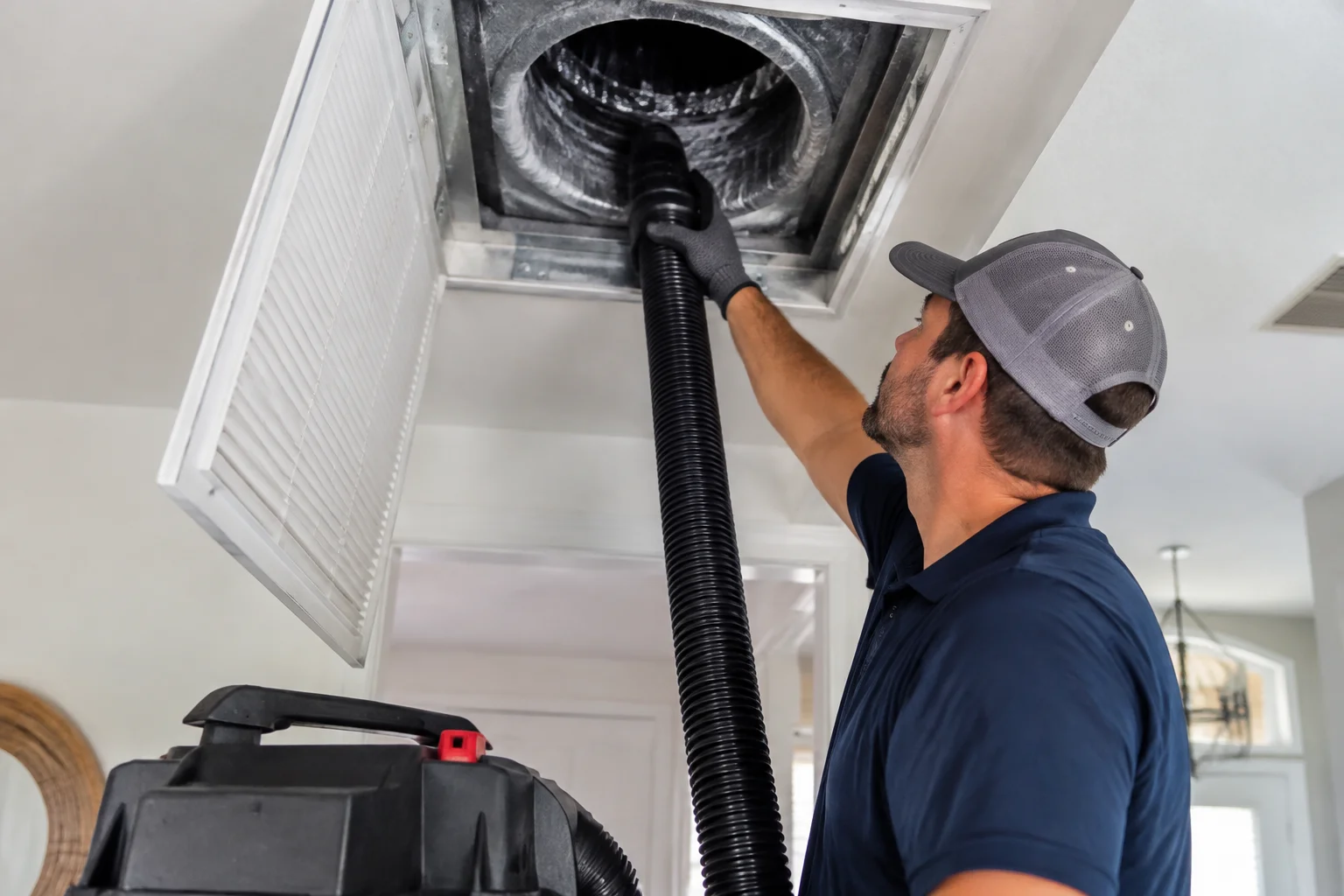
In many homes, ductwork issues can create imbalances that affect comfort and indoor air quality. If you are searching for duct inspection near me because you suspect leakage, poor distribution, or uneven temperatures, indoor air quality testing can support the case for additional ductwork evaluation.
How Callaway homes and HVAC setups influence indoor air quality
Callaway spans a mix of housing types, with many homes built to handle Florida heat but not always updated for modern comfort expectations. Several local factors can affect indoor air quality and system reliability.
Older ductwork and hidden leaks
Over time, ductwork can develop leaks, loose connections, or areas where insulation degrades. That can reduce airflow, pull in unconditioned air, and make it harder for the system to maintain stable humidity. If you are considering duct inspection, pairing it with indoor air quality testing often gives a clearer picture of the root causes.
Thermostat behavior and comfort settings
Thermostats influence run time and system staging. Some homeowners notice that the system cycles too quickly or runs longer than expected, which can impact humidity removal and filtration performance. A professional can review thermostat settings and operation alongside indoor air quality findings.
Condensate drainage performance
When condensate drainage is restricted, the system can struggle to maintain proper moisture handling. That can create musty odors or water-related problems. Addressing condensate drainage concerns can be part of preventing repeated service calls during humid periods.
Refrigerant system workload and airflow balance
Indoor air quality issues can overlap with refrigerant system workload because both depend on correct airflow and proper coil performance. If airflow is restricted, the system may not operate as intended. A professional evaluation is required before any refrigerant-related conclusions are made.
Maintenance habits that support better indoor air quality
Testing is a snapshot, but maintenance is the pattern. The goal is to keep your HVAC system operating in a way that supports clean, comfortable indoor air and reduces the odds of a mid-summer emergency cooling situation.
Keep filters in the right condition
Air filtration is one of the most direct links between HVAC operation and indoor air quality. Replace filters on schedule and do not let them become overfilled. If you have pets, allergies, or you notice heavy dust, ask your HVAC technician about an approach to HVAC air filtration that fits your system.
Protect airflow and avoid blocked returns
Furniture, rugs, and storage can block return vents and reduce system airflow. That can affect humidity control and particle distribution. For healthier airflow, keep returns clear and ensure supply vents are not obstructed.
Stay consistent with AC tune up and seasonal checks
In Florida heat, small issues become bigger quickly. A routine AC tune up near me search is often prompted by symptoms, but preventive maintenance can help you avoid repeated breakdowns. A professional visit can check components that influence air movement, moisture removal, and system reliability.
Address ductwork performance before comfort turns into a crisis
If your home has hot spots, cold spots, or persistent humidity problems, ductwork is a likely contributor. Duct sealing can improve distribution and reduce the chance that unconditioned air affects indoor air quality. Consider resources such as Duct Sealing & Aeroseal Services when you have evidence of leakage or distribution problems.
When indoor air quality testing points to ductwork and humidity control
Indoor air quality testing can help narrow down whether your issue is primarily moisture, filtration, or airflow distribution. In Callaway, humidity control is often the key lever because it affects comfort and how well your system can remove moisture from indoor air.
Whole home dehumidifiers as a support tool
Some homes need additional help to manage humidity, especially when ductwork distribution is imperfect or when the home has higher moisture loads. If testing suggests humidity control is the driver, homeowners may explore Whole Home Dehumidifiers as part of a broader indoor air quality plan.
Airflow balancing for consistent room-to-room comfort
Indoor air quality and comfort improve when air reaches where it should. Testing can uncover whether airflow is uneven, which can lead to recommendations tied to ductwork performance and HVAC airflow. That can also reduce the system’s tendency to run constantly in humid conditions.
How testing supports HVAC repair decisions without guesswork
Homeowners often want a quick answer: repair or replace, and which problem matters most. Indoor air quality testing can support better decisions because it helps separate comfort complaints from equipment issues.
It helps identify the problem category
For example, if indoor air quality testing shows elevated humidity and moisture symptoms, the priority might be condensate drainage performance, airflow, or ductwork distribution. If particle levels are high, the focus may shift to filtration and airflow patterns. These directions help avoid unnecessary actions.
It does not replace in-person HVAC diagnostics
Even strong test results cannot confirm refrigerant system causes, electrical causes, or the need for system replacement without a professional, on-site evaluation. A licensed HVAC technician should interpret findings alongside system operation, airflow measurements, and component inspection.
Scheduling indoor air quality testing in Callaway: timing that helps
Waiting until the system is already struggling can turn an indoor air quality issue into an emergency cooling concern. Testing earlier in the season can help you plan maintenance before the hottest weeks arrive.
Good times to plan testing
- Before peak summer humidity ramps up
- After major home changes such as renovations, new flooring, or air sealing work
- When you notice repeated symptoms like musty odors, persistent dust, or uneven room comfort
- When you are preparing for a busy season in a rental property
If you are comparing contractors and searching for indoor air quality services near me or HVAC contractor near me, look for a provider that explains the testing process clearly and ties results to practical HVAC maintenance steps.
Questions homeowners can ask during an indoor air quality testing appointment
To get the most value from testing, bring your observations. Then ask questions that connect indoor air quality to HVAC operation.
About the measurements
- Which indoor air quality factors are you testing for in my home?
- How do your findings relate to humidity, airflow, and filtration in my HVAC system?
About HVAC system operation
- Are there signs of airflow restriction in the return or supply pathways?
- Does my condensate drainage look like it is managing moisture correctly?
- Could ductwork performance be contributing to uneven comfort or stale air?
About next steps
- Which preventive HVAC maintenance steps should I prioritize first?
- Would duct sealing, improved filtration, or humidity control address the issues you found?
- Do you recommend additional diagnostics before any repair decisions?
These questions help keep the conversation grounded in what can be verified on site, which is especially important when considering complex topics like refrigerant systems or system replacement.
How indoor air quality testing reduces the odds of repeat HVAC repair calls
When indoor air quality improves, systems often perform more consistently. That can mean fewer interruptions and fewer urgent calls during the weeks when everyone in Bay County relies on air conditioning.
Testing supports reliability by:
- Highlighting moisture problems early, before they create musty odors or moisture-related shutdowns
- Confirming whether filtration and airflow are supporting cleaner indoor air
- Pointing toward ductwork performance issues that can drive comfort complaints and additional HVAC repair needs
- Helping homeowners plan preventive steps rather than reacting to symptoms
If you have a heat pump, indoor air quality testing can also help you understand how humidity and airflow behave across seasons, which supports long-term comfort. For homeowners searching for heat pump repair near me, testing can be part of the broader picture, but repair decisions should always follow an in-person evaluation.
Where to start with A Superior Mechanical in Callaway
If you want indoor air quality testing for fewer HVAC emergencies in Callaway, start by scheduling an appointment with a local team that understands Florida humidity, airflow, and ductwork realities. A Superior Mechanical provides professional indoor air quality testing in Callaway, FL to identify pollutants, humidity issues, and hidden air problems in homes and businesses across Bay County.
You can learn more about the service here: Indoor Air Quality Testing. For broader service coverage in the area, visit the Callaway service page or browse Bay County services.
Related HVAC topics that pair well with indoor air quality testing
Homeowners often get the best results when indoor air quality testing is paired with targeted HVAC maintenance and ductwork improvements. If your home has recurring comfort issues, these resources can help you build a plan:
- How Callaway Homes Put HVAC Systems to the Test Over Time
- Keeping Commercial HVAC Systems steady in Callaway’s heat and humidity
- Why Duct Inspection Matters More in Callaway Homes Facing Seasonal HVAC Stress
- Duct Sealing & Aeroseal Services
Practical prevention checklist for homeowners
Use this checklist to reduce indoor air quality problems and support reliable AC performance through Florida’s humidity swings.
- Replace HVAC filters on schedule and avoid letting them clog.
- Keep return vents clear and ensure supply vents are not blocked.
- Watch for musty odors, persistent muggy air, and repeated moisture concerns.
- Schedule preventive HVAC maintenance before peak summer strain.
- If you have uneven comfort, dust buildup, or ongoing humidity issues, plan duct inspection and indoor air quality testing together.
- If you are considering upgrades like new AC installation near me or system replacement, base decisions on professional diagnostics, not symptoms alone.
For homeowners who want cleaner indoor air and fewer emergency cooling surprises, the most effective approach is a combination of testing, targeted maintenance, and professional HVAC repair when needed.
Find Indoor Air Quality Testing in Callaway, FL
If you need Indoor Air Quality Testing in Callaway, FL, visit our local service page or contact A Superior Mechanical today.
Map of Callaway, FL
Frequently Asked Questions
How does indoor air quality testing help prevent HVAC emergencies in Callaway, FL?
Testing can reveal humidity problems, poor airflow patterns, and elevated airborne pollutants before they turn into comfort breakdowns. When moisture and filtration issues are addressed early, the HVAC system typically runs more efficiently and is less likely to struggle during peak humidity and heat.
Can indoor air quality issues be caused by ductwork problems?
Yes. Leaky ducts, poor distribution, and ductwork that has lost insulation can affect airflow, humidity removal, and how particles circulate indoors. If testing suggests distribution or moisture issues, a duct inspection and related ductwork service may be recommended.
Should I replace my AC or heat pump based on indoor air quality test results?
Not automatically. Test results can guide priorities, but refrigerant system condition, component wear, and overall equipment health require an in-person professional evaluation. A technician can explain what repairs or maintenance are appropriate for your specific system.
What symptoms should make me schedule indoor air quality testing?
Consider testing if you notice persistent musty odors, muggy air despite cooling, uneven room temperatures, increased dust, or allergy symptoms that worsen when the system runs. These can overlap with humidity control, airflow, filtration, and condensate drainage concerns.
How often should homeowners get indoor air quality testing in Bay County?
There is no single schedule for every home. Many homeowners choose testing when symptoms appear, after home changes, or before peak summer humidity. A Superior Mechanical can recommend a reasonable plan after reviewing your home conditions and goals.
Related Articles
- Understanding HVAC Financing in Callaway: Homeowners Should Not Overlook These Costly Warning Signs
- Keeping Commercial HVAC Systems steady in Callaway’s heat and humidity
- How Callaway Homes Put HVAC Systems to the Test Over Time
- Why Duct Inspection Matters More in Callaway Homes Facing Seasonal HVAC Stress
Photo Gallery