Lower Grand Lagoon, FL has a specific kind of comfort challenge. Long stretches of heat, high humidity, and salt air from the coast can push your HVAC system and your indoor environment to the limit. When airflow gets restricted or moisture builds up, indoor air quality can decline quietly. By the time you notice musty odors or worsening allergy symptoms, the underlying problem may already be driving up energy use and wearing out parts.
This guide explains how indoor air quality testing works in the Lower Grand Lagoon area, what it can reveal about HVAC performance, and why testing earlier is often cheaper than trying to fix the fallout later. If you are searching for indoor air quality testing in Lower Grand Lagoon, FL, you will see the same themes homeowners bring up: humidity, airflow, ductwork, condensate drainage, and how the system is actually performing day to day. We will cover those connections and share practical steps you can take now.
Why indoor air quality testing feels urgent in Lower Grand Lagoon
Florida humidity is not just uncomfortable. It changes how HVAC systems behave. Warm, moist air can enter through gaps in older construction, crawl spaces, or poorly sealed ducts. Once inside, moisture can settle on cooler surfaces, including parts of the air handling system, duct interiors, and areas near condensate drainage. Over time, that can contribute to odors and an indoor environment that feels “off,” even when the temperature is set correctly.
Lower Grand Lagoon homes also face salt air exposure. Salt-laden coastal conditions can accelerate corrosion on some HVAC components and strain maintenance routines. Even when the equipment is working, airflow and filtration can become less effective as contaminants accumulate in ductwork or on system surfaces. Indoor air quality testing helps you look beyond temperature and confirm whether your HVAC system is keeping contaminants and moisture under control.
Indoor air quality testing is not just a one-time “check”
Think of indoor air quality testing as a snapshot of how your home is performing under real conditions. In an HVAC context, the goal is to connect indoor comfort complaints to the system factors that create them. That often includes:
- Airflow and ventilation, because stale air and uneven distribution can trap moisture and pollutants.
- Humidity control, because high indoor humidity can worsen comfort and encourage biological growth.
- Contaminant sources, such as dust, particulates, and other irritants that circulate through ducts and the return path.
- System operation, including how the thermostat settings and comfort cycles line up with how the HVAC system is actually running.
A Superior Mechanical can help homeowners understand what the testing indicates and what it means for your HVAC setup. If you are dealing with persistent humidity, frequent AC cycling, or rooms that feel stuffy, testing can clarify whether the issue is mostly about airflow, ductwork, filtration, or moisture management. That clarity matters when you are deciding between repairs, preventive HVAC maintenance, and HVAC replacement considerations.
What problems testing can help uncover before they get expensive
Many expensive HVAC problems start as “comfort annoyances.” Here are common Lower Grand Lagoon scenarios where indoor air quality testing can be a practical first step.
1) Humidity that stays high even when cooling runs
In Florida heat, air conditioning should remove moisture as it cools. If humidity remains elevated, homeowners may notice condensation on surfaces, lingering damp odors, or a “clammy” feel. Causes can include airflow restrictions, issues with condensate drainage, filters that are not performing well, or ductwork that does not deliver air as intended.
Testing can help you confirm whether indoor moisture conditions match what you are experiencing and whether HVAC operation is likely supporting dehumidification. This is also where professional evaluation is important. A homeowner can measure comfort, but only an in-person HVAC inspection can identify why the system is not achieving the expected moisture control.
2) Airflow problems that make some rooms feel uncomfortable
If one bedroom is consistently warmer, a hallway feels stale, or the home takes longer to cool, airflow can be the culprit. Airflow issues can be tied to ductwork design, duct leakage, blocked returns, or restrictions that reduce how effectively conditioned air moves through the home.
Lower Grand Lagoon homes vary widely in age and layout, so the right fix depends on your system and ductwork. If you are searching for duct inspection near me or duct cleaning, it helps to understand that indoor air quality testing often points you toward airflow and distribution issues that ductwork work can address. For homeowners who want a duct-focused approach, consider reading How Lower Grand Lagoon Homes Stay Comfortable with Better Duct Sealing and Aeroseal.
3) Contaminants that build up through filters and ducts
Even with routine filter changes, dust and other airborne particles can accumulate in ductwork over time. Salt air exposure can also contribute to corrosion and buildup, which may reduce performance. When contaminants circulate more than they should, indoor air quality can worsen and allergy or respiratory symptoms may intensify.
Indoor air quality testing can help establish a baseline and confirm whether your filtration and air handling are keeping airborne irritants in check. If the testing suggests a filtration or airflow mismatch, the solution may involve HVAC tune-up work, ductwork attention, or upgrading air cleaning approaches. For example, some homeowners explore a whole home air purifier near me option after testing identifies a need for better particulate control.
4) Condensate drainage concerns that quietly affect comfort
When an AC system cools, condensate drainage becomes a key part of preventing moisture-related problems. If drainage is restricted or not draining properly, moisture can collect where it should not. That can contribute to odors and create an environment that feels unhealthy.
A professional inspection looks at condensate drainage and related conditions as part of a broader comfort and indoor air quality review. This is also where homeowners should avoid guessing. Condensate issues can overlap with other HVAC factors, including airflow and humidity control, so it is best to evaluate the system in person.
How testing connects to your HVAC system, not just your “air”
Indoor air quality is influenced by HVAC performance. That includes the refrigerant system, airflow, and how components interact during cooling and heating cycles.
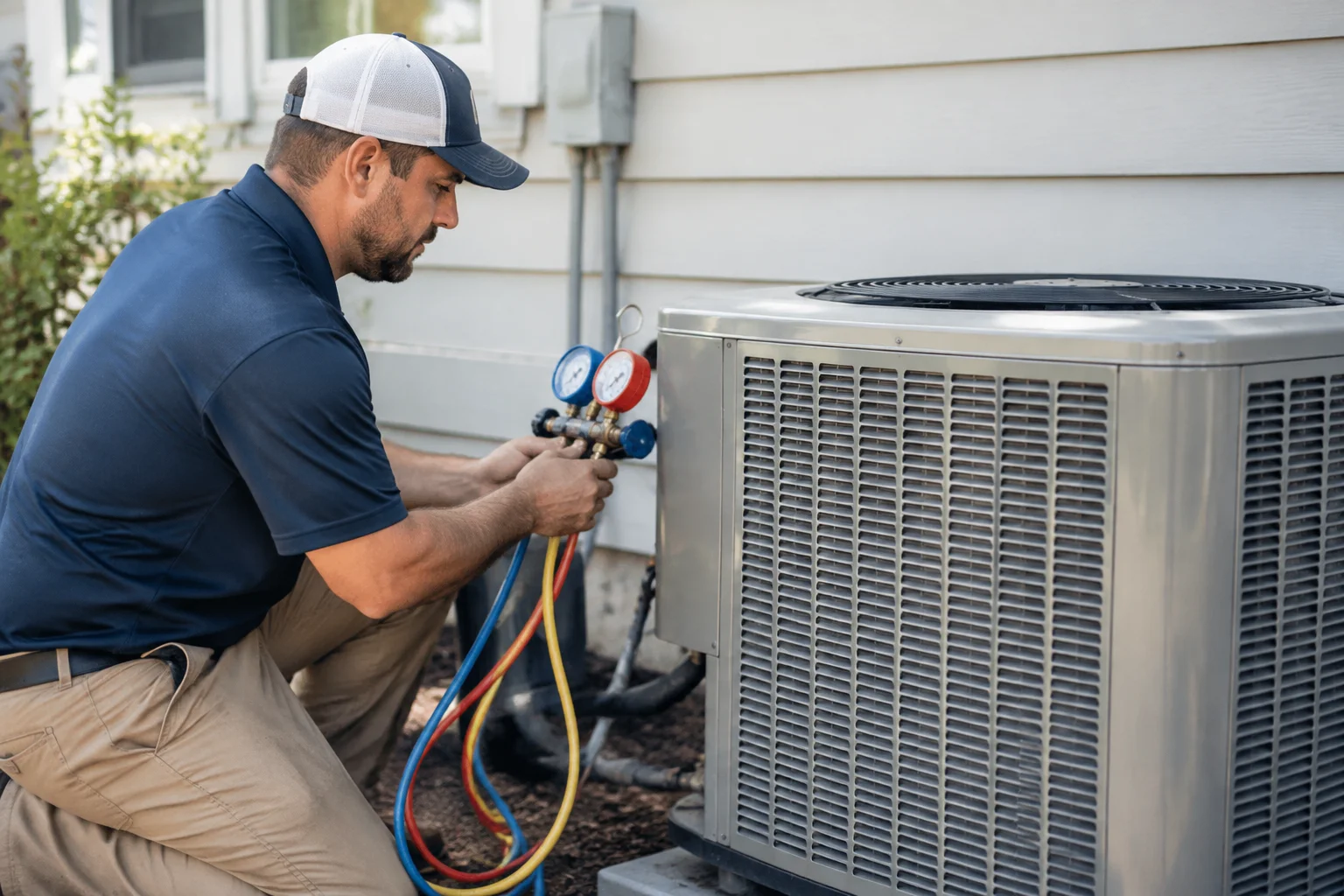
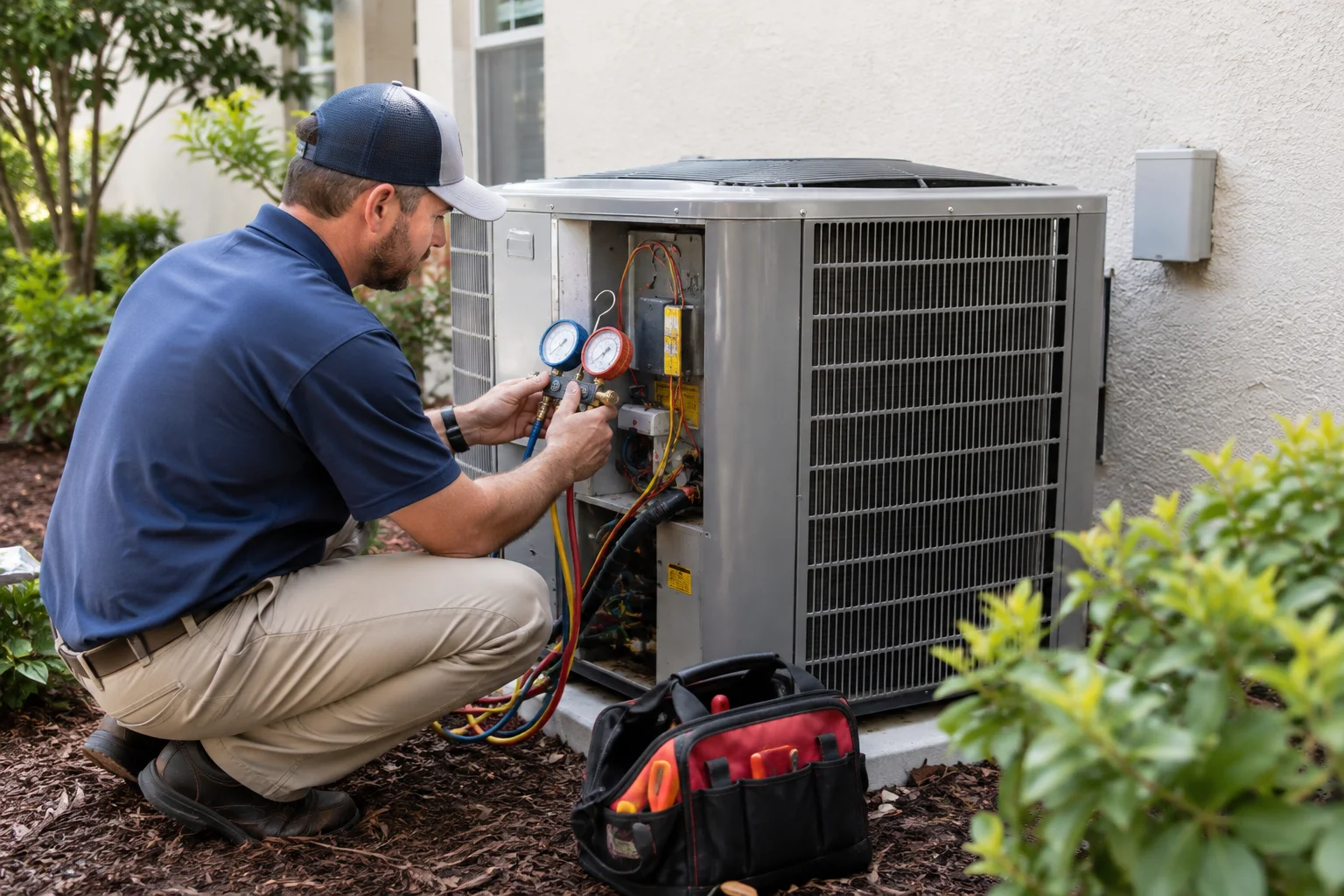
For example, if refrigerant pressures or cooling performance are not within expected ranges, the system may not remove moisture effectively. However, it is important to note that refrigerant-related diagnosis should always be performed by a qualified technician during an in-person evaluation. Testing is a helpful starting point, but it does not replace hands-on measurements and inspection.
Similarly, thermostats and controls matter. A thermostat that is set incorrectly, or a system that is short cycling due to airflow restrictions, can prevent the HVAC system from running long enough to manage humidity. Testing and HVAC inspection together can show whether comfort issues align with system operation patterns.
Common causes of poor indoor air quality that homeowners can recognize early
You do not have to wait for major breakdowns to take action. These indicators often show up before the situation becomes expensive:
- Persistent musty smells that return after the AC has been running.
- Visible condensation around vents, near air handler areas, or on interior surfaces.
- Uneven temperatures and rooms that feel stuffy even when the thermostat is set the same.
- More frequent filter changes than expected, or filters that clog quickly.
- Higher energy use without improved comfort, which can happen when airflow or humidity control is inefficient.
If you notice these patterns during the hottest months, an AC tune up near me can help, but testing adds value by showing what the indoor environment is doing and whether the HVAC system is supporting better air quality. For homeowners who are planning ahead, preventive HVAC maintenance can reduce the chance that small issues turn into emergency cooling concerns.
Why “waiting until summer is unbearable” costs more
In Lower Grand Lagoon, the peak cooling season can bring sudden spikes in calls for AC repair, air conditioning service, and HVAC troubleshooting. When indoor air quality problems are left alone, they can lead to:
- More strain on the air conditioning cycle, which may increase wear on components.
- Greater likelihood of system breakdown during the warmest weeks.
- Comfort complaints that lead to repeated adjustments without addressing root causes.
- Potential ductwork and moisture-related issues that are easier to address earlier.
Testing before the most intense stretch of humidity can help you plan repairs and maintenance with a clearer understanding of what is affecting comfort. That planning is especially important for rentals, shared living spaces, and businesses where consistent air quality affects health and daily operations.
Where ductwork and ventilation fit into the indoor air quality picture
Ductwork is the transportation system for conditioned air. If ducts leak, are poorly sealed, or have airflow restrictions, the HVAC system may run longer than needed while still delivering uneven comfort. That can also affect where moisture accumulates and how well filtration captures airborne particles.
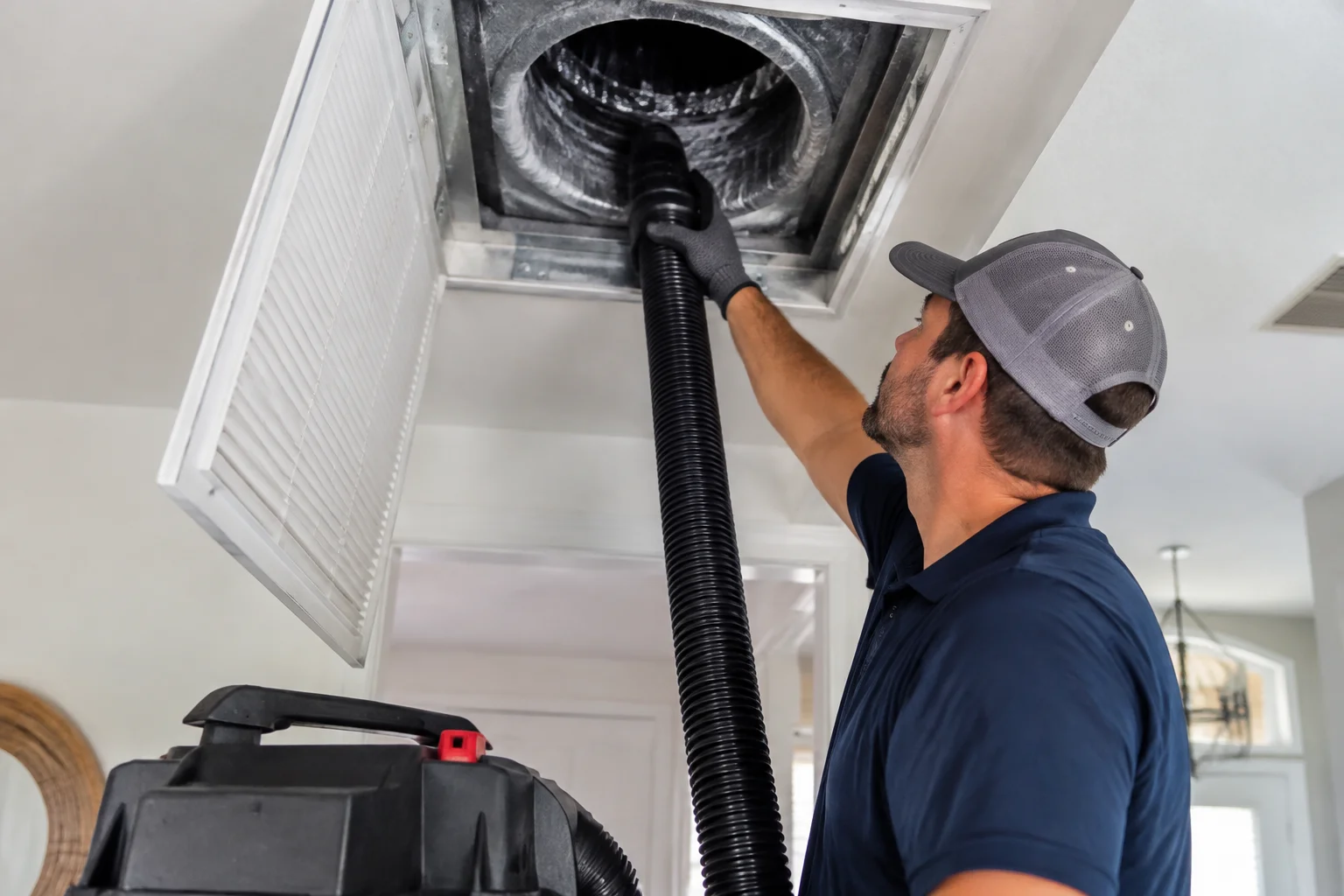
Homeowners often ask about duct cleaning and duct inspection near me. Duct cleaning is not automatically the answer for every indoor air quality issue. The right next step depends on what the testing and HVAC inspection show. If you want to focus on airflow and sealing improvements, the Aeroseal approach discussed in How Lower Grand Lagoon Homes Stay Comfortable with Better Duct Sealing and Aeroseal can be useful background reading for Lower Grand Lagoon homeowners.
Air cleaning options: when testing supports upgrades
Some homeowners consider air scrubber installation, whole home air purification, or enhanced filtration after indoor air quality testing identifies a need. In many cases, air cleaning upgrades work best when they are paired with good airflow and correct system operation.
For instance, an air scrubber installation near me inquiry makes more sense when testing and inspection suggest that airborne contaminants are contributing to the problem. Likewise, a whole home air purifier near me approach is more likely to help when ductwork performance and humidity control are also addressed.
Because every home is different, A Superior Mechanical will evaluate your situation in person. Testing results guide the conversation, but they do not replace a full HVAC inspection of the system that delivers air throughout your home.
How indoor air quality testing supports HVAC decisions
Indoor air quality testing can influence decisions around repairs, preventive maintenance, and even HVAC replacement planning. It can help you understand whether the HVAC system is struggling with moisture control, airflow distribution, or contaminant management. That information can be valuable if you are weighing:
- Whether an air conditioning repair near me call should focus on airflow, moisture, or performance issues.
- Whether an AC tune up near me plus ductwork attention can restore comfort.
- Whether duct sealing, filtration improvements, or air cleaning upgrades are more appropriate than repeated thermostat adjustments.
- Whether system replacement planning is needed for persistent comfort and air quality concerns.
If you are exploring financing for updates, you may also find helpful guidance in A Local Homeowner’s Guide to HVAC Financing in Lower Grand Lagoon, FL: Comfort, Airflow, Humidity, and Prevention. Many homeowners prefer to plan upgrades with a clear understanding of what the home needs rather than waiting for an emergency.
Heat pump and AC comfort: indoor air quality considerations still matter
Lower Grand Lagoon homes may use heat pumps or traditional air conditioning systems. Regardless of the equipment type, indoor air quality depends on consistent airflow, humidity control, and proper operation during cooling. In humid Florida summers, heat pump or AC performance issues can show up as comfort problems that feel like “the system is running but not improving things.”
If you are considering heat pump installation near me, it is smart to think about the full comfort system, not just the outdoor unit. Indoor air quality testing can help you set priorities for airflow, ductwork condition, filtration strategy, and humidity control before you invest in new equipment.
Thermostats, zoning, and airflow balance
Homeowners often adjust thermostats to chase comfort. If the system is struggling with humidity or airflow, thermostat changes may mask the problem temporarily. That is why testing and HVAC inspection are so useful. They help identify whether the issue is:
- Short cycling due to airflow restrictions or improper comfort cycle timing.
- Uneven distribution due to ductwork performance.
- Filtration or air cleaning mismatch for the indoor contaminants you are dealing with.
For some homes, thermostat installation, control upgrades, or zoning adjustments can improve comfort. Still, any control changes should be based on what the HVAC system and indoor environment are actually doing. An HVAC professional can help you avoid trial-and-error.
When to call a professional for indoor air quality testing
Call A Superior Mechanical for indoor air quality testing when you notice comfort and health clues that keep returning, especially during peak humidity. This includes:
- Musty odors or damp smells that come back after the AC runs.
- Humidity that stays high even when the home is set to cool.
- Rooms that feel stale or inconsistent compared to the rest of the house.
- Allergy or respiratory symptoms that seem worse at home.
- Energy use rising without improved comfort, suggesting inefficiency in airflow or operation.
If you are also dealing with system reliability, preventive HVAC maintenance can be a strong companion to indoor air quality testing. It helps ensure your AC tune up, airflow, and moisture management systems are ready for the season. For homeowners who want to explore that broader reliability angle, check out Heating Services for seasonal planning and comfort support across the year, and visit our Lower Grand Lagoon service area to learn what else we cover in Bay County.
Lower Grand Lagoon, Bay County homes: a local comfort reality
Lower Grand Lagoon is part of Bay County, where coastal influences and humid weather are a normal part of life. Housing styles range from older homes to newer builds, and each can have different airflow and ductwork challenges. Salt air can add stress to HVAC performance over time, while Florida’s humidity can magnify any weakness in moisture control.
That is why professional local HVAC service matters. Testing and inspection done by a team familiar with local conditions helps connect indoor air quality to the real drivers: airflow, ductwork condition, condensate drainage, thermostat operation, and how the refrigerant system is performing. When those factors are evaluated together, homeowners can make better decisions about repairs, preventive maintenance, or HVAC replacement planning.
If you want to start with the right step, review the indoor air quality testing service details at /service-areas/bay-county/lower-grand-lagoon/indoor-air-quality-testing-lglbc. For broader Bay County coverage, you can also explore /service-areas/bay-county.
Related comfort upgrades for homeowners who are already thinking ahead
Many homeowners who schedule indoor air quality testing also consider nearby solutions that target comfort drivers. Depending on what the testing shows, you may want to ask about ductwork improvements, air cleaning upgrades, or preventive maintenance plans designed for Florida humidity.
If you manage a business or multi-occupant space, indoor air quality can affect more than comfort. Consider Commercial HVAC Services for guidance on keeping shared indoor spaces healthier and more consistent.
And if your home has specific airflow challenges, duct-focused services like Duct Cleaning may be worth discussing alongside testing, especially when dust buildup, airflow imbalance, or musty odors are part of the picture.
Find Indoor Air Quality Testing in Lower Grand Lagoon, FL
If you need Indoor Air Quality Testing in Lower Grand Lagoon, FL, visit our local service page or contact A Superior Mechanical today.
Map of Lower Grand Lagoon, FL
Frequently Asked Questions
How does indoor air quality testing relate to my AC or heat pump performance?
Indoor air quality testing connects your comfort complaints to HVAC factors like airflow, humidity control, and how well the system is managing airborne contaminants. The goal is to see whether the indoor environment matches how the HVAC system is operating, then confirm next steps with an in-person HVAC inspection.
Can high humidity in Lower Grand Lagoon happen even if my thermostat is set correctly?
Yes. Humidity can stay high if the system is not removing moisture effectively, if airflow is restricted, or if condensate drainage is not working as intended. A professional evaluation is needed to identify the cause since thermostat settings alone do not account for duct performance and system operation.
Should I start with duct cleaning or indoor air quality testing?
Testing is often a smart first step because it helps determine whether the main issue is moisture, airflow balance, or contaminant levels. Duct cleaning can be useful in the right situation, but the best approach depends on what testing and HVAC inspection reveal about your home.
Will indoor air quality testing diagnose refrigerant or electrical problems?
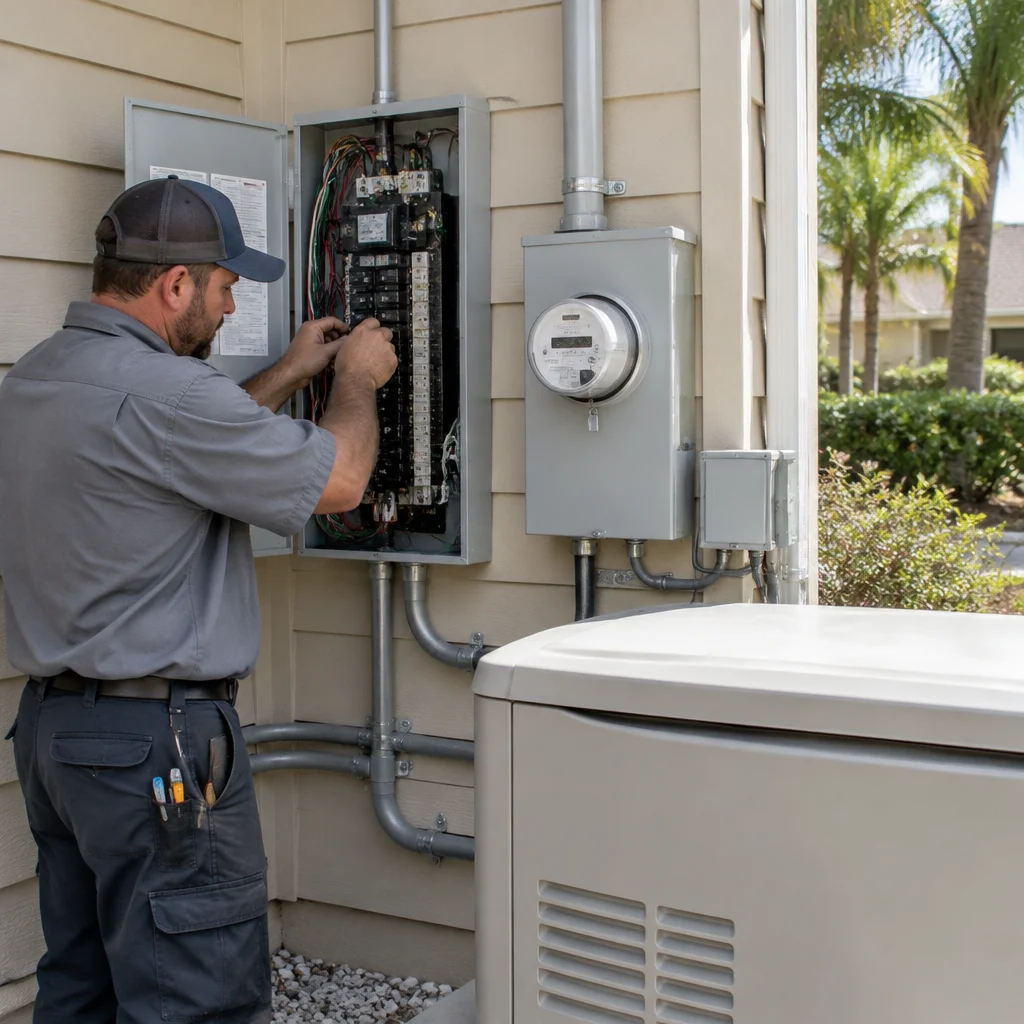
No. Indoor air quality testing helps assess the indoor environment and comfort drivers, but refrigerant diagnosis and electrical diagnosis require direct, in-person HVAC evaluation with appropriate measurements. If testing suggests a performance concern, a technician will inspect the system to confirm what is actually happening.
Is indoor air quality testing only for homeowners with symptoms like allergies?
Not at all. Many homeowners use testing to prevent problems from escalating, especially during Florida’s humid months. It can also help landlords and businesses plan maintenance and air cleaning strategies to support consistent comfort.
Related Articles
- A Local Homeowner’s Guide to HVAC Financing in Lower Grand Lagoon, FL: Comfort, Airflow, Humidity, and Prevention
- How Lower Grand Lagoon Homes Stay Comfortable with Better Duct Sealing and Aeroseal
- Indoor Air Quality Testing That Helps Inlet Beach Homes Stay Comfortable Longer
- Why Seaside Homes Benefit From Indoor Air Quality Testing Before Comfort Issues Spread
Photo Gallery