Valparaiso, FL feels like it was built for outdoor living, but the indoor environment does not always keep up. Long stretches of Florida heat and humidity, plus the region’s salt air influence, can push HVAC systems to work harder while indoor comfort slips. Indoor air quality testing is one of the most practical ways for homeowners to understand what is happening in their homes and why airflow and comfort may feel inconsistent.
This guide explains what indoor air quality testing involves, what problems it can uncover, and how it connects to ductwork, HVAC controls, condensate drainage, and everyday comfort. It is written for homeowners who want better airflow and a healthier feel at home, whether they are planning indoor air quality testing or already scheduling AC repair, air conditioning service, heat pump service, or HVAC maintenance.
Why indoor air quality testing matters in Valparaiso’s climate
Indoor air quality is not just about odors or dust. In Valparaiso, the weather outside strongly affects what happens indoors. When warm, humid air moves through a home, it can challenge the HVAC system’s ability to remove moisture and maintain stable temperatures. That moisture can also influence how air feels, how long surfaces stay damp, and how comfortable rooms are when the AC runs.
Florida’s heat and humidity can also magnify common HVAC issues:
Airflow imbalances: Vents may blow, but some rooms can feel stuffy while others feel too cool. That often points to ductwork restrictions, improper airflow settings, or system limitations.
High indoor humidity: If the system is not dehumidifying well, you may notice clamminess, condensation concerns, or musty smells.
Ventilation and pressure problems: Leaks or imbalanced air exchange can pull in unwanted outdoor air or keep indoor air from circulating properly.
HVAC-related contaminants: Dust, biological growth, and particles can be influenced by filtration performance, duct conditions, and how condensate drainage is functioning.
Indoor air quality testing helps homeowners move from guesswork to a clearer understanding of indoor conditions and how the HVAC system is contributing to them.
What indoor air quality testing typically evaluates
Every home is different, so a professional evaluation usually starts with a conversation about comfort complaints, how the home is used, and what has changed recently. From there, testing may focus on several categories that relate directly to HVAC performance and everyday comfort.
Humidity and moisture conditions
High humidity can make the air feel warmer than it is. When moisture stays elevated, it can also contribute to odors and increase the chance of microbial growth. Testing can help confirm whether humidity levels match what the HVAC system should be doing in Valparaiso’s climate.
Airflow and ventilation performance
Air quality is only as good as the system that moves air. Testing may include checks that relate to airflow delivery, how air is distributed, and whether ventilation is behaving as intended. If you have uneven cooling, testing can help connect comfort complaints to ductwork and system operation.
Particles and filtration effectiveness
Homes can collect dust, allergens, and other airborne particles. HVAC filtration and air cleaning strategies influence how much of that material is captured before it recirculates. Testing can help identify whether filtration and air cleaning are likely to be contributing to the comfort issues you notice.
VOCs and odors linked to indoor sources
Volatile organic compounds, often associated with odors from household products, building materials, or cleaning routines, can affect how air feels and smells. Testing can help determine whether VOC concerns are present and whether the HVAC system is likely playing a role through ventilation and filtration.
Condensate drainage and moisture risk
When an AC system removes moisture, it relies on condensate drainage to move that water safely away. If condensate drainage is restricted or not draining properly, it can increase moisture risk near equipment. That can affect comfort and indoor air conditions over time.
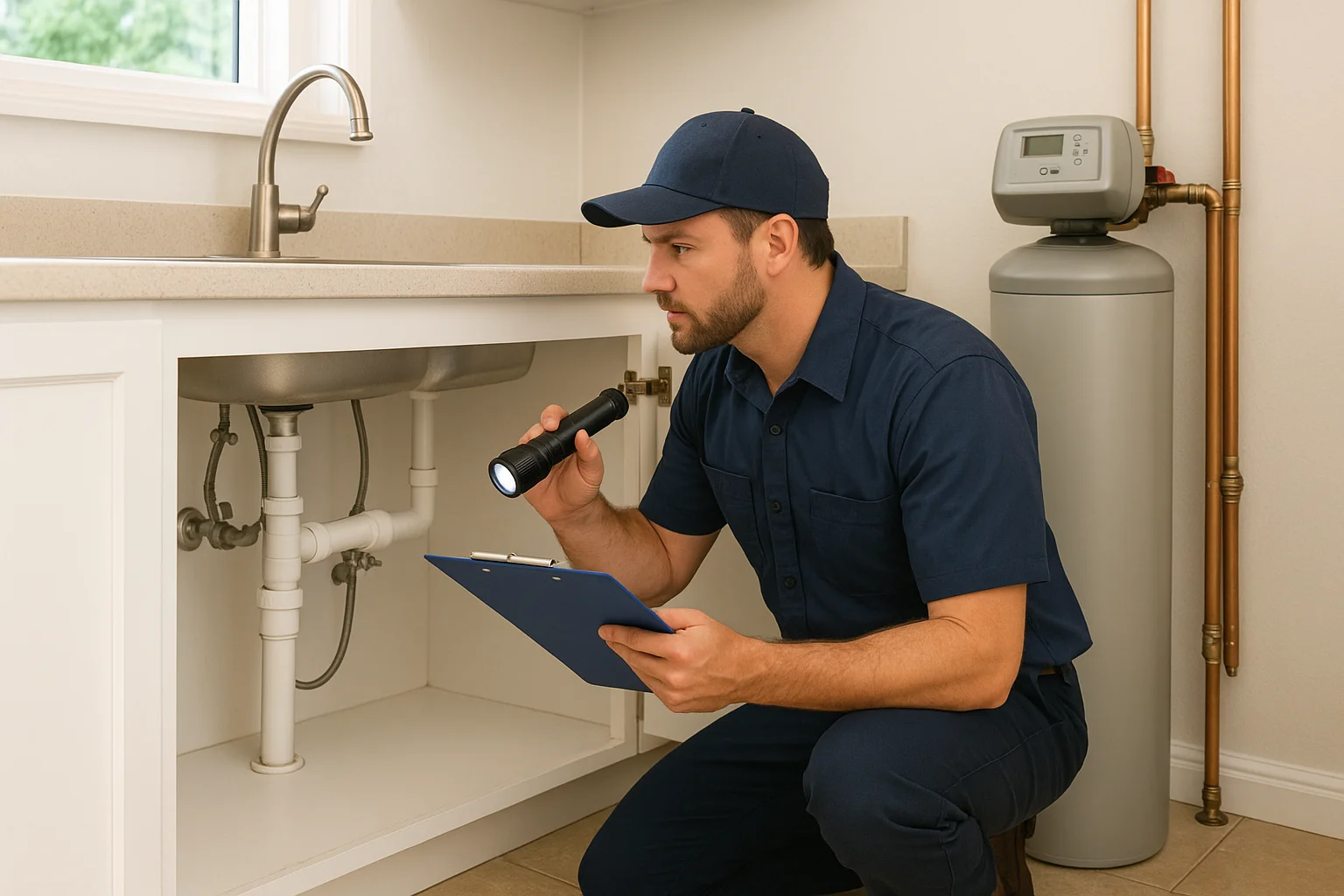
Testing and inspection work together here. A licensed HVAC contractor can evaluate the system’s operation and drainage behavior during the cooling cycle rather than relying on assumptions.
Common comfort complaints that lead homeowners to testing
Homeowners often reach out because something feels “off,” even if the system seems to run. Here are examples that show up frequently in Valparaiso homes.
Rooms feel uneven, even when the thermostat is set correctly
If one area stays warmer and another feels colder, airflow distribution may be the issue. Ductwork restrictions, duct leakage, blocked registers, or improper airflow settings can all create uneven comfort. Testing may help validate whether the HVAC system is delivering air as designed.
The home feels damp or clammy after AC runs
That sensation can be tied to humidity control. In Valparaiso’s humid weather, an AC system that cools but does not dehumidify well can leave the home feeling sticky. Professional indoor air quality testing can help confirm what the home is experiencing and whether the system’s performance supports comfort goals.
Musty smells or “stale air” persist
Odors can come from multiple sources, including moisture in hidden areas, air handling components, or ventilation imbalance. Testing helps identify whether indoor conditions are consistent with moisture or VOC concerns, and it supports decisions about filtration, ventilation, and system service.
Allergy-like symptoms flare up indoors
Seasonal pollen is part of life in Florida, but indoor air can still contribute. If symptoms worsen at home, testing may help assess whether particle levels or filtration performance are contributing to the problem.
How testing connects to HVAC airflow, ductwork, and system controls
Indoor air quality testing is not separate from HVAC performance. It is often the missing link between “the system turns on” and “the home feels right.”
Ductwork: the path air actually travels
Even a well-maintained air conditioner cannot deliver comfort if ductwork is not moving air effectively. In Valparaiso, where homes can vary widely in age and layout, ductwork issues may show up as:
Restricted airflow that reduces cooling effectiveness
Air leakage that changes humidity control and energy use
Registers that do not balance airflow between rooms
If you are searching for ductwork help because some rooms never feel comfortable, consider pairing testing with an air distribution evaluation. A helpful read is Comfort Clues Hidden in the Ductwork: Why Valparaiso Homes Benefit from Cleaner Air Paths.
Thermostats and temperature control
Modern thermostats can be helpful, but they also need the right setup for the home. If the thermostat is not controlling consistently, the system may cycle in ways that do not support stable humidity or airflow. Testing and HVAC inspection together can help clarify whether comfort issues are tied to control behavior.
If you are noticing inconsistent temperatures, it may also connect to how the heat pump or AC runs during different conditions. For homeowners interested in control strategies, Why Heating Control Systems Matter for Valparaiso Homes offers useful context.
Refrigerant systems and cooling performance
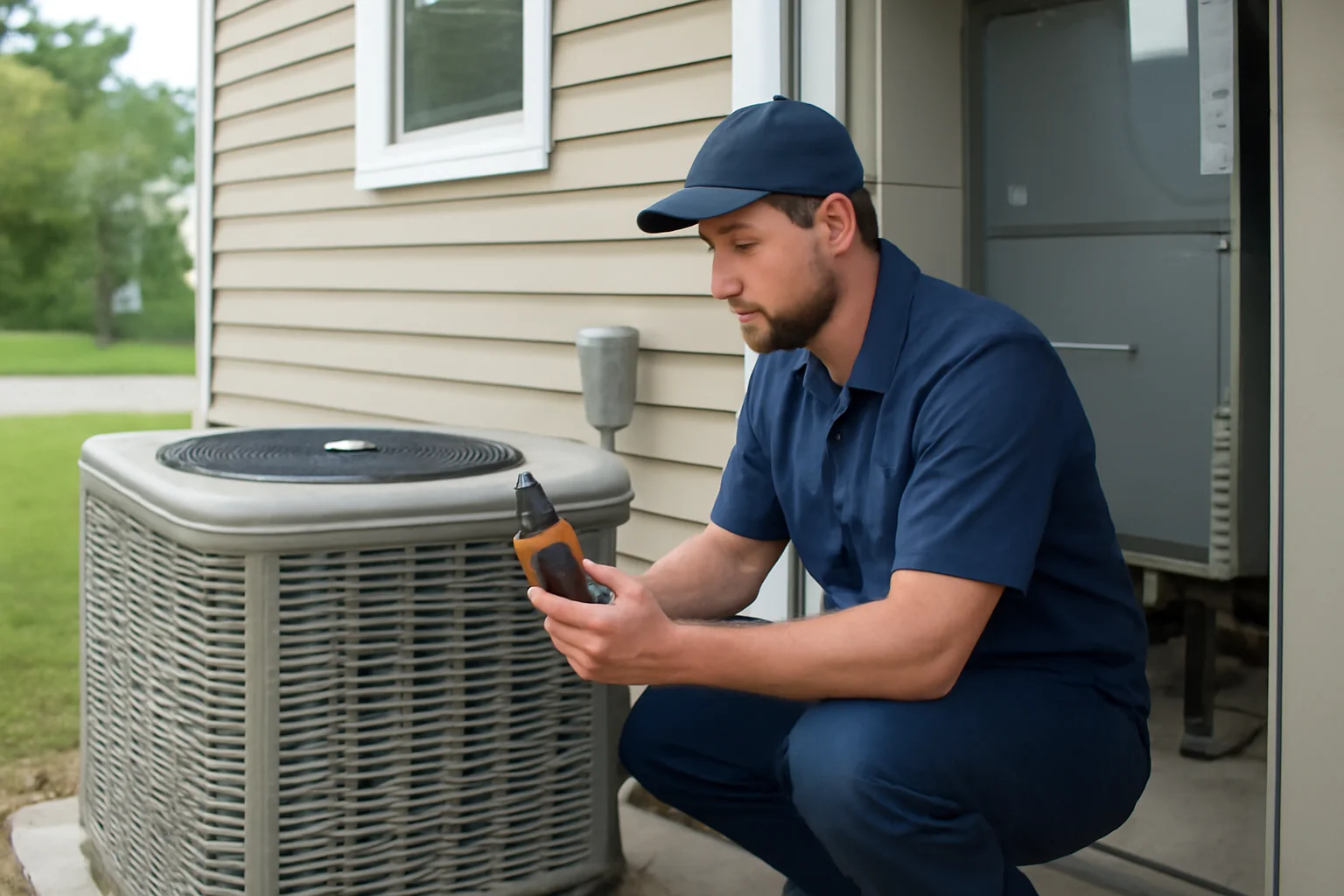
Cooling comfort depends on the refrigerant system operating correctly. However, testing for indoor air quality does not replace an in-person evaluation of refrigerant performance. If the home is not cooling or humidity levels are not dropping as expected, a licensed HVAC contractor should inspect the system during operation to determine what is happening.
Homeowners should avoid making refrigerant or equipment change decisions based on air quality test results alone. The right next step depends on what the technician observes in the field.
Condensate drainage and moisture management
Condensate drainage supports moisture removal during cooling. If drainage is restricted or not flowing properly, moisture can linger around the equipment area. That can contribute to odor and comfort concerns. A professional evaluation can check drainage behavior and connect it to the indoor conditions you are experiencing.
How indoor air quality testing supports AC repair, air conditioning service, and heat pump service
Testing can be especially helpful when you are troubleshooting comfort issues, not just when you are replacing equipment. If you are scheduling AC repair or air conditioning service in Valparaiso, indoor air quality testing can help answer questions like:
Is the system controlling humidity effectively, or is the home feeling damp because moisture remains elevated?
Are air cleaning and filtration strategies aligned with the indoor conditions?
Is airflow distribution contributing to “hot spots” or stale air areas?
For homeowners exploring heat pump service, testing can also help clarify comfort and airflow outcomes across seasons. Heat pumps can behave differently depending on indoor load and humidity conditions, and proper airflow is still essential.
If you are dealing with a comfort issue that feels urgent during peak humidity, emergency cooling concerns sometimes come up. If your home is not maintaining safe comfort levels, ask about emergency AC repair near me style help through a local HVAC company. The key is getting a professional on site to evaluate how the system is operating and whether indoor conditions are staying within a comfortable range.
Testing before system replacement or upgrades
Many homeowners consider HVAC replacement when comfort issues persist, especially as equipment ages. Indoor air quality testing can help you understand the home’s baseline so you can make better decisions about upgrades.
Testing can support planning for:
System replacement that is matched to actual airflow and comfort needs
Air filtration and purification strategies that align with indoor conditions
Airflow improvements that reduce uneven cooling and improve distribution
If you are searching for new AC installation near me or considering HVAC replacement near me, it is still important to connect the decision to indoor air quality goals, not just temperature.
For air cleaning options, you may also want to review Air Filtration and Purifiers and consider whether an Air Scrubber Installation fits your home’s needs.
Preventive HVAC maintenance that protects indoor air quality
Testing gives you information, but preventive HVAC maintenance helps keep conditions stable between visits. In Valparaiso’s humidity, maintenance supports moisture control, airflow, and system efficiency, which all affect indoor comfort and energy use.
What to prioritize during HVAC maintenance
Filter and airflow checks: Filters should be correct for your system and replaced on schedule. Restricted airflow can affect both comfort and humidity control.
Coil and drainage inspection: Cooling depends on proper heat transfer and safe condensate drainage. Maintenance should include checks that relate to moisture removal.
Thermostat performance: Confirm that the thermostat and system behavior support stable operation.
Ductwork condition awareness: If you see recurring hot spots, stale air areas, or uneven cooling, ductwork may need attention.
Homeowners who are looking up “AC tune up near me” in Valparaiso can use that search as a starting point, but the real win is choosing a licensed HVAC contractor who understands how maintenance connects to indoor air quality. A helpful resource is Why Better HVAC Maintenance Pays Off for Valparaiso Air Conditioning Systems.
Vacation rentals and homes with changing occupancy
Valparaiso vacation rentals and second homes often have periods of vacancy, then heavy use. Indoor air quality can shift quickly when HVAC runs after a long break, especially in humid weather. Testing can help you set a baseline and plan service around occupancy patterns. If your home has ductless options, you may also need to consider ductless mini split installation near me style planning for even distribution.
How to choose a professional for indoor air quality testing
Indoor air quality testing works best when it is paired with HVAC expertise. When you contact an HVAC company, look for these qualities:
Local knowledge of Valparaiso conditions: Humidity and salt air can influence comfort and odor concerns, so the approach should reflect Florida realities.
A focus on HVAC airflow and distribution: Testing should connect to how air moves through ductwork and how the system controls humidity.
Clear next steps: The technician should explain what the results mean for your home and what service actions are appropriate.
Respect for safety and proper diagnosis: Air quality testing can indicate issues, but refrigerant system diagnosis, electrical concerns, and equipment replacement decisions should be based on an in-person evaluation.
If you are in Okaloosa County, you can explore services on the local area page for Valparaiso and the county-wide service options at Okaloosa County. For indoor air quality testing specifically, start with indoor air quality testing.
When to call about indoor air quality testing
Testing is worth considering when comfort issues persist, when you notice moisture-related problems, or when you want to verify that HVAC changes are actually improving indoor conditions. Call a professional if you are dealing with:
Persistent uneven airflow that does not improve after basic maintenance
Humidity problems that make the home feel clammy despite cooling
Recurring musty odors or stale air that return after cleaning
Allergy or irritation symptoms that seem tied to being indoors
Comfort concerns during peak summer humidity that affect daily life
Also consider testing if you are planning preventive HVAC maintenance, system upgrades, or HVAC replacement near me projects. Even small improvements in filtration, airflow balance, and moisture control can make a noticeable difference in how the home feels.
About A Superior Mechanical and indoor air quality testing in Valparaiso
A Superior Mechanical provides professional indoor air quality testing in Valparaiso, FL for homes, vacation rentals, and businesses across Okaloosa County. The goal is to help identify humidity issues, allergens, ventilation problems, and HVAC-related air quality concerns so homeowners can choose practical next steps for comfort and airflow.
If you are dealing with Florida heat, humidity, and airflow frustration, indoor air quality testing can be the starting point for a more targeted plan, whether you need AC repair, air conditioning service, heat pump service, ductwork support, or preventive HVAC maintenance.
Find Indoor Air Quality Testing in Valparaiso, FL
If you need Indoor Air Quality Testing in Valparaiso, FL, visit our local service page or contact A Superior Mechanical today.
Map of Valparaiso, FL
Frequently Asked Questions
How is indoor air quality testing different from just changing the air filter?
A filter change can help capture particles, but it does not explain why the home feels damp, stale, or unevenly cooled. Indoor air quality testing looks at indoor conditions that connect to HVAC airflow, humidity, ventilation, and possible VOC or odor concerns, so the next step is more targeted than guesswork.
Can indoor air quality testing tell me if my refrigerant system has a problem?
Indoor air quality testing is not a substitute for an in-person HVAC system evaluation. If cooling performance or humidity control is off, a licensed technician should inspect the refrigerant system during operation. Testing can help explain comfort symptoms, but refrigerant diagnosis and any related decisions require field checks.
What indoor air quality concerns are most common in Valparaiso homes?
In Valparaiso, homeowners commonly notice humidity discomfort, uneven airflow, stale air, and odor issues influenced by moisture and ventilation patterns. Salt air and Florida heat can also contribute to how the HVAC system performs and how indoor air feels, especially during long humid stretches.
Should I get indoor air quality testing before HVAC replacement?
Often, yes. Testing can help establish a baseline and connect comfort complaints to HVAC airflow, ductwork performance, and moisture control. That information can make it easier to plan upgrades that address the actual causes of poor comfort, rather than only replacing equipment.
How does condensate drainage relate to indoor air quality?
During cooling, condensate drainage removes moisture from the HVAC system. If drainage is restricted or not functioning properly, moisture risk can increase near equipment, which can affect comfort and indoor air conditions. A professional evaluation should pair indoor air quality observations with checks of drainage behavior.
Related Articles
- Keeping Valparaiso Comfortable Starts With Smarter Commercial HVAC Maintenance
- Why Better HVAC Maintenance Pays Off for Valparaiso Air Conditioning Systems
- Comfort Clues Hidden in the Ductwork: Why Valparaiso Homes Benefit from Cleaner Air Paths
- Why Heating Control Systems Matter for Valparaiso Homes
Photo Gallery