Freeport homes rely on steady plumbing performance year round. When drains slow down or water backs up, it can turn a normal evening into an emergency plumbing concern fast. Between heavy seasonal rains, shifting humidity, and everyday water use, clogged pipes and drain problems are common in Walton County. The good news is you can prevent many issues with a few smart habits, basic maintenance, and timely help from a licensed plumber.
If you are searching for a clogged pipes and drain services provider in Freeport, this guide will help you understand what causes clogs, how to reduce risk, and when professional plumbing repair is the safest choice.
Why clogged pipes are so common in Freeport homes
Freeport sits in a warm, humid coastal region where plumbing systems face a mix of stressors. Many homes are connected to older sewer lines, and some properties have unique layout challenges that can make drainage slower or more prone to buildup. Add everyday routines like cooking, hair shedding, laundry, and cleaning products, and clogs become more likely.
Common local conditions that contribute to plumbing problems include:
- Hard water that can leave mineral buildup on pipes and inside fixtures, narrowing flow over time.
- Seasonal rain and runoff that can overwhelm municipal and private drainage systems, increasing the chance of sewer line issues.
- High household water use during busy seasons, which can push partially blocked drains over the edge.
- Shifting soils that can affect underground piping alignment, leading to recurring blockages or leaks.
When you notice early warning signs, addressing the cause before it becomes an emergency drain cleaning situation can save money and prevent damage to floors, cabinets, and drywall.
Start with the early warning signs homeowners should never ignore
Clogs rarely arrive out of nowhere. Most emergency plumbing concerns start as small changes in how your drains behave. Watch for these signs in sinks, tubs, showers, toilets, and floor drains:
Slow drains and frequent “near miss” backups
If your kitchen sink takes longer to drain than it used to, or you keep using plungers that only work temporarily, you may have buildup in the pipe walls or a partial blockage in the line.
Gurgling sounds when fixtures drain
Gurgling usually indicates air trapped by a clog. It can happen when multiple fixtures share a drain line, including laundry drains and bathroom sinks.
Toilet problems that repeat
Frequent toilet repair needs can be a sign of a clog in the toilet line or a sewer line restriction. If plunging helps for a day or two and then the issue returns, professional drain cleaning or sewer camera inspection may be necessary.
Water backing up or odors that linger
Bad smells near drains, wet spots, or repeated backups often point to a deeper clog or a venting problem. If you smell sewer odors, do not rely on masking products. The source usually needs plumbing repair.
Low water pressure in one area
While water pressure problems can have different causes, a noticeable drop at certain fixtures can also indicate a restriction in piping. It is especially important if you also see signs of leaks or uneven flow.
Common causes of clogged pipes and drain backups
Understanding the “why” makes prevention easier. Here are some of the most common causes of clogged pipes and drain services issues in Freeport homes:
Grease, food particles, and cooking residue
Kitchen drains often collect fats and oils that cool and stick to pipe walls. Over time, they trap other debris and reduce flow. Even if you run hot water, grease can remain in the system.
Hair, soap scum, and mineral deposits
Bathroom drains can clog quickly because hair and soap scum combine into a sticky layer. In hard water areas, mineral buildup adds another layer that narrows the pipe.
Using drains as trash cans
Flushing wipes, paper towels, feminine hygiene products, and “flushable” items can create stubborn blockages. A partially clogged sewer line can also lead to frequent toilet backups.
Tree roots and underground restrictions
Roots can enter small gaps in sewer lines and expand inside the pipe. Once root intrusion starts, it often becomes a recurring problem without proper sewer line help.
Improper venting or aging plumbing
Vent pipes help maintain proper drainage flow. If vents are blocked or if plumbing is aging, drains can slow and gurgle. Older piping can also be more susceptible to damage and buildup.
Year round prevention habits that actually work
Prevention is not about being overly cautious. It is about reducing the materials and conditions that create buildup and blockage. The best routine for clogged pipes and drain services is a combination of smart usage and consistent maintenance.
Keep grease out of kitchen drains
Pour cooled cooking grease and oils into a disposable container instead of rinsing them down. Use a strainer to catch food particles. If you do have a disposal, run cold water first and then use it only for appropriate waste. Avoid dumping large amounts of starches or fibrous foods at once.
Use drain strainers and clean them weekly
A simple hair catcher in tubs and showers can reduce the amount of buildup dramatically. Clean the strainer regularly so it does not become a clog on its own.
Be careful with “flushable” products
Even products marketed as flushable can break down inconsistently and still cause sewer line blockages. For Freeport households, the safest rule is to flush only toilet paper and human waste.
Protect drains during heavy water use
During seasons when you run more laundry, host guests, or use sprinklers, your plumbing experiences higher demand. If drains are already slow, that extra load can trigger an emergency drain cleaning call. Spreading laundry loads and spacing out long showers can reduce pressure on the system.
Watch water pressure and fixture performance
If you notice reduced flow, noisy pipes, or inconsistent water pressure, address it early. A restriction can worsen and contribute to drain issues. If you see recurring problems in one fixture, it may be time for plumbing fixture replacement or a deeper inspection.
Seasonal maintenance for Freeport weather and home routines
Freeport’s year round humidity and seasonal rainfall can affect how plumbing systems behave. Use the calendar below as a guide for practical maintenance.
Spring and hurricane season readiness
After heavy rain, check for slow drains and sewer odor. If your home has any basement areas, crawl spaces, or low-lying drainage points, look for dampness or signs of water intrusion. If you have had recurring sewer line problems, consider having a professional assess the system before storms bring higher demand and higher risk.
Summer water use and vacation habits
More showers, more laundry, and longer dishwashing sessions can increase strain on drain lines. If you are away for a while, do not ignore slow drains when you return. Stagnant water and residue can contribute to buildup.
Fall and debris season
Leaves and yard debris can find their way into outdoor drains and can also contribute to sewer line issues if your property has nearby cleanouts or drainage points. Keep gutters and downspouts clear to reduce runoff pressure.
Winter cold snaps and pipe stress
While Freeport typically does not experience the extreme freezes seen in northern states, cold snaps can still affect exposed plumbing. Protect outdoor lines and check for leaks around fixtures. A small leak can also contribute to low pressure, slab leak concerns in some homes, and water damage that makes drain problems more expensive to repair.
DIY solutions that help, and DIY mistakes that make things worse
Some homeowner tasks can prevent clogs from escalating. Others can cause damage or create a bigger emergency.
Good DIY steps
- Use a plunger correctly for toilet clogs and sink backups. Make sure there is enough water in the bowl or sink to create a seal.
- Remove visible debris from strainers and accessible drain openings.
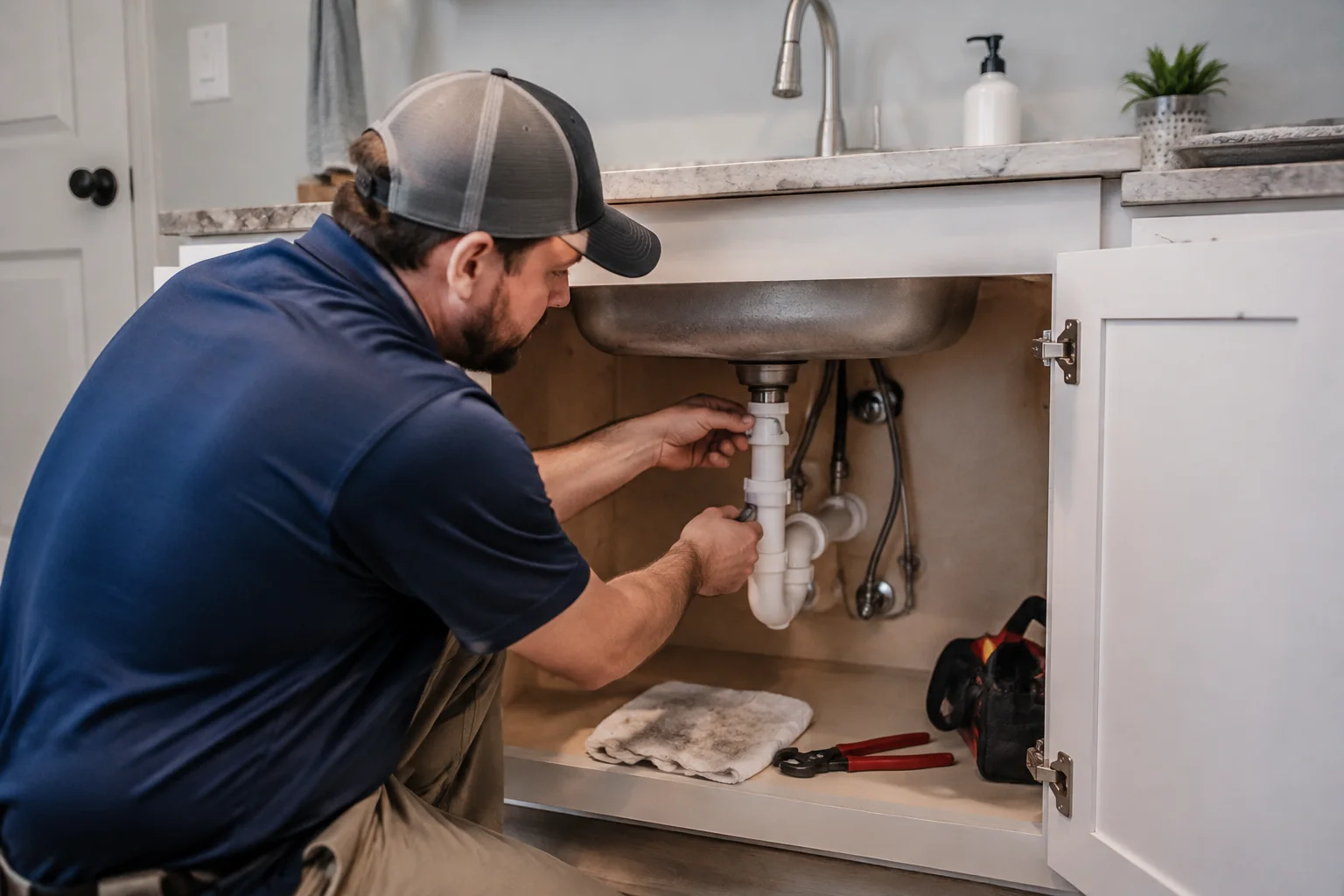
- Try mechanical clearing for minor clogs in accessible areas, such as a sink trap.
Common mistakes to avoid
- Overusing chemical drain cleaners, which can damage pipe coatings and create additional buildup. Chemicals can also make later repairs harder for plumbers.
- Continuing to flush or run water when you see repeated backups. That can push the clog deeper into sewer lines.
- Ignoring recurring toilet repair issues. A persistent problem is often a sign of a line restriction that needs drain cleaning or camera inspection.
Why professional drain cleaning is often the real fix
When a clog has moved beyond the fixture, it may be in the branch line, the main drain line, or even your sewer line. Professional drain cleaning uses the right tools and methods to clear the blockage without damaging pipes.
Depending on the situation, a technician may:
- Clear the clog using safe mechanical methods
- Inspect the line with a camera to locate the problem
- Check for venting issues and signs of recurring restrictions
- Recommend pipe repair or replacement if buildup is tied to aging or corrosion
If you are dealing with recurring slow drains or you suspect a deeper issue, it may be time to schedule sewer camera inspection in Freeport. Camera work helps homeowners avoid unnecessary guessing and can guide the right plumbing repair plan.
Protect your home’s water system beyond drains
Clogged pipes and drain backups often connect to broader plumbing health. Keeping your system in good shape reduces the chance of emergencies and lowers the risk of water damage.
Consider how water pressure and leaks affect drainage
A leak can change how water moves through pipes and can contribute to wet areas that attract corrosion or worsen clogs. If you see damp drywall, rising water bills, or persistent moisture around plumbing penetrations, treat it as a serious plumbing repair issue. For homeowners searching for staying ahead of water line problems in Freeport homes, the same principle applies: early detection prevents escalation.
Hard water and mineral buildup
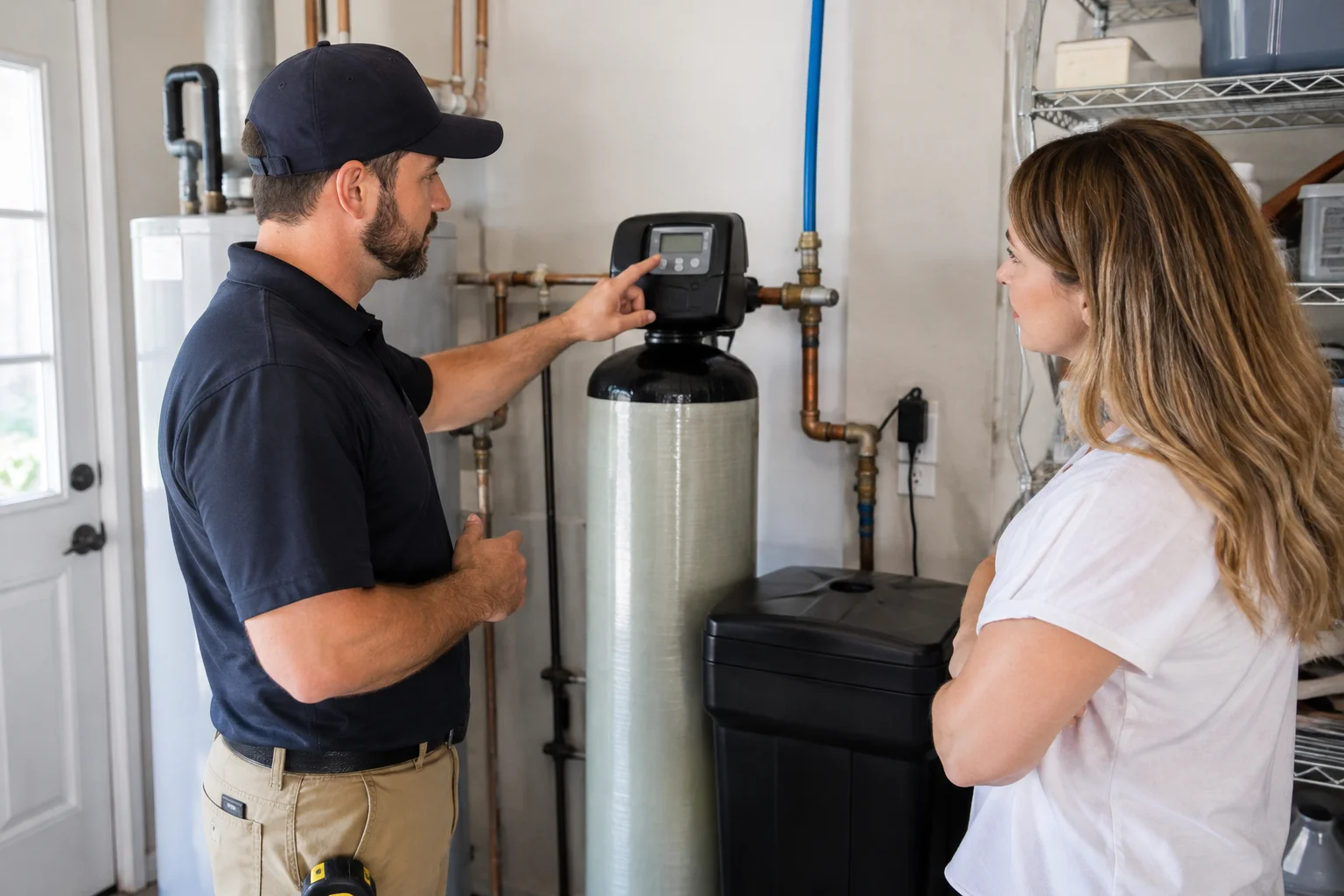
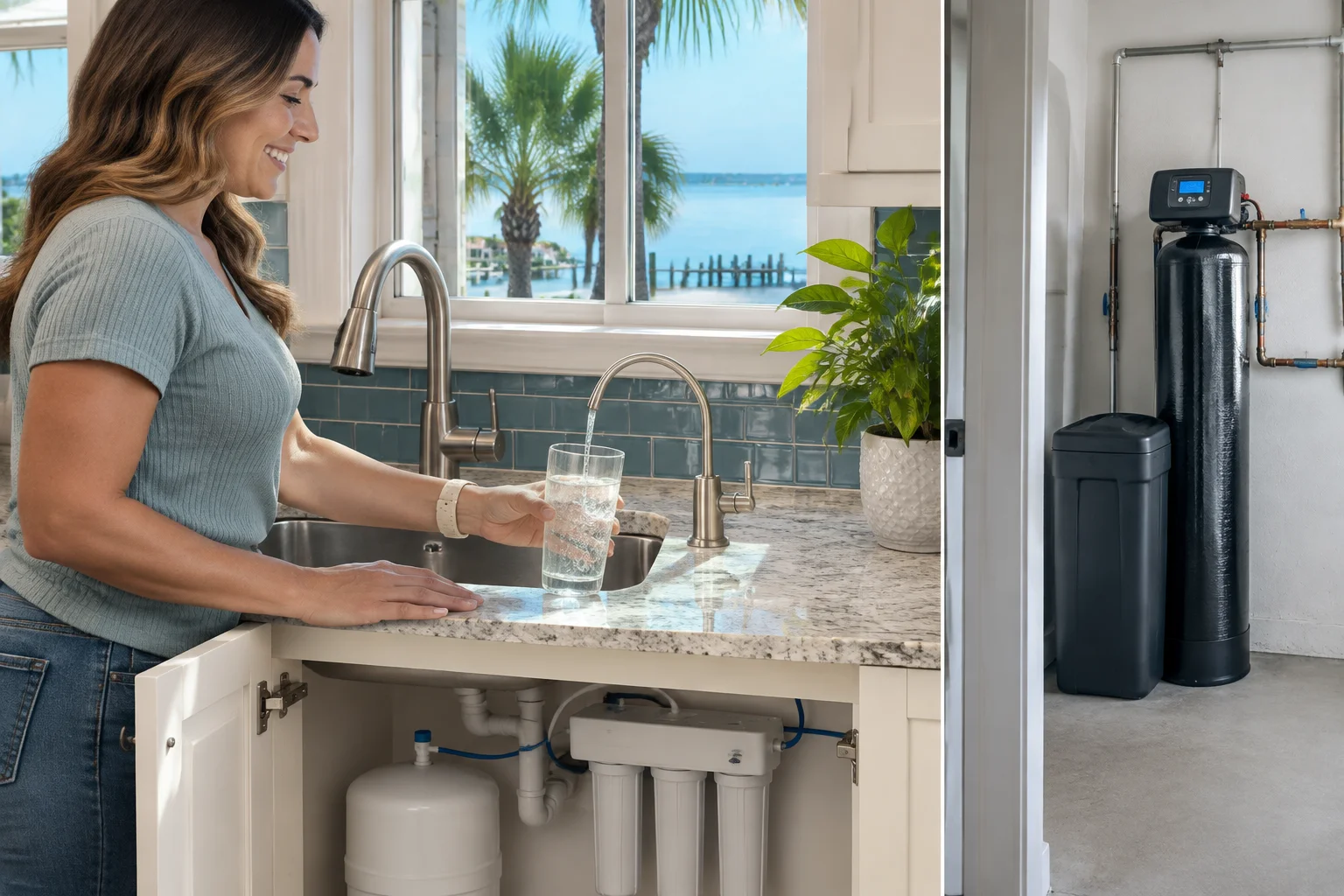
Hard water can contribute to scaling inside fixtures and drain lines. Over time, minerals narrow flow and increase the chance of slow drains and recurring blockages. If you are exploring long-term solutions, you might also benefit from reviewing better water softening options for Freeport homes.
Water heater maintenance for smoother daily plumbing use
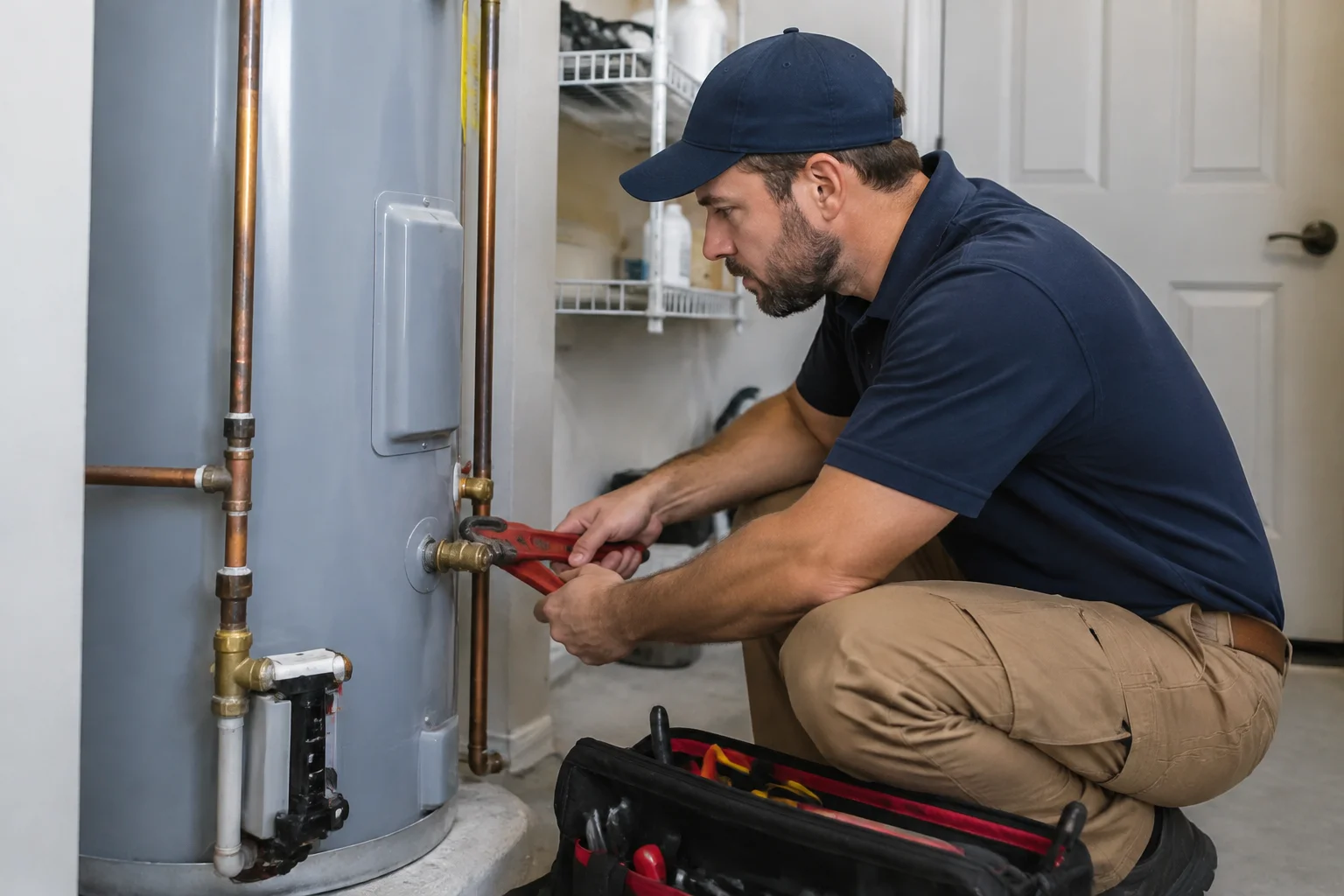
While this article focuses on drains, water heaters still affect overall plumbing comfort and can impact household routines. If you are searching for water heater replacement near me because your unit is struggling, leaking, or producing inconsistent hot water, scheduling service sooner rather than later helps avoid cascading plumbing issues during busy periods. A properly maintained water heater supports consistent water flow for dishwashing, laundry, and cleaning, which can reduce the stress on drains.
Know when you need emergency plumbing help
Most homeowners prefer to handle plumbing repair during normal hours. Emergency drain cleaning becomes necessary when there is active backup, standing water, or a problem that threatens your home’s structure.
Call for emergency plumbing services in Freeport if you notice:
- Water backing up into multiple fixtures at once
- Raw sewage odors or signs of sewer line overflow
- Standing water near toilets, floor drains, or basement areas
- Slow drains that rapidly worsen over hours
- Evidence of a leak that is spreading or causing damage
When you are searching for an emergency plumber near me, the priority is fast, safe service that prevents further damage. For urgent situations, choosing a team that can diagnose the source, not just clear the surface symptom, is key.
How to choose a local plumber for clogged pipes and drain services
Freeport homeowners deserve clear communication, the right equipment, and a plan that addresses the root cause. If you are comparing options for a licensed plumber near me or an affordable plumber near me, ask questions that help you avoid repeat problems.
What to ask during a service call
- Will you inspect the line with a camera if the clog is not obvious?
- What method will you use to clear the clog safely?
- Can you explain what caused the blockage and how to prevent it?
- Do you check related fixtures on the same drain line?
- If you find pipe damage, will you recommend pipe repair or replacement options?
Also ask how they handle recurring issues. If a clog returns quickly, it might be due to pipe wear, venting problems, or a sewer line restriction. That is where professional service and proper diagnostics matter.
Prevention plans for Freeport properties with recurring drain issues
If your home has a history of clogged drains, you may benefit from a maintenance approach instead of waiting for the next emergency plumbing concern. A good plan can include:
- Routine drain cleaning for problem lines
- Camera inspection to confirm the location of restrictions
- Recommendations for pipe repair when sections are failing
- Fixture care guidance for toilets, faucets, and tub drains
In some cases, recurring clogs point to aging piping that needs professional pipe replacement. That can be a smarter long-term investment than repeated cleanings that only temporarily restore flow.
When clog prevention becomes pipe repair and sewer line help
Not every blockage is “just a clog.” If your drains keep backing up, you may need sewer line help or pipe repair. The difference matters. A fixture clog is usually localized. A sewer line restriction can affect multiple drains and toilets and may require specialized clearing or excavation.
Homeowners searching for sewer line repair near me should look for teams that can assess the system, identify the true cause, and recommend the least disruptive path to restore reliable drainage.
Keep your plumbing reliable by staying proactive with A Superior Mechanical
Freeport households do not need to wait for an emergency drain cleaning call to get dependable results. A Superior Mechanical helps homeowners and businesses across Walton County prevent clogged pipes from turning into backups that damage property and disrupt daily routines.
If you want a local partner for clogged pipes and drain services, start with the service page for detailed options: clogged pipes and drain services in Freeport, FL. You can also explore service options across the city and county at our Freeport service area and Walton County service area.
For related plumbing support, you can also review local options like water line services, plumbing fixture replacement, and troubleshooting help for recurring issues with sewer camera inspection.
Quick checklist you can use this week
- Check all drain strainers and clean them
- Remove grease and food scraps before rinsing into the sink
- Confirm that toilets flush normally and do not refill slowly
- Look for slow drains, gurgling, or recurring odors
- Schedule professional drain cleaning if symptoms repeat
Taking small steps now helps you avoid the kind of urgent situation that sends homeowners searching for emergency drain cleaning near me or emergency pipe repair near me during the busiest weeks of the year.
Find Clogged Pipes and Drain Services in Freeport, FL
If you need Clogged Pipes and Drain Services in Freeport, FL, visit our local service page or contact A Superior Mechanical today.
Map of Freeport, FL
Frequently Asked Questions
What is the fastest way to tell if I have a clog in a drain line or just a fixture clog?
If multiple fixtures drain slowly, you hear gurgling, or toilets back up, the issue is more likely in the shared drain line or sewer line. A professional can inspect the line and clear it safely instead of guessing.
Can hard water in Freeport cause clogged pipes?
Yes. Hard water can leave mineral deposits that narrow pipe openings over time. That buildup can contribute to slow drains and recurring clogs, especially in showers, tubs, and kitchen lines.
Is it safe to use chemical drain cleaners for clogged drains?
Often it is not the best long-term solution. Frequent chemical use can damage pipe coatings and make later repairs more difficult. For persistent clogs, mechanical clearing and inspection are usually safer.
When should I call an emergency plumber for drain backups?
Call for emergency plumbing help if you see standing water, sewage odors, backups in multiple fixtures, or rapid worsening over a short period. Acting quickly can prevent damage to floors, cabinets, and walls.
Related Articles
Photo Gallery