Rosemary Beach is beautiful, but the climate is demanding. Coastal salt air, frequent humidity, and long hot stretches can push commercial HVAC systems harder than many building owners expect. The good news is that many comfort and indoor air quality issues are preventable when commercial HVAC installation is planned and executed with heat and humidity management in mind.
This guide focuses on practical, homeowner-friendly steps and decision points that help reduce common problems after installation. If you are managing a small commercial property, a multi-tenant building, a vacation rental with commercial-style comfort needs, or a larger facility, these checks can help you protect airflow, condensate drainage, refrigerant system performance, and overall energy use.
Start with the right design for Rosemary Beach humidity, not just cooling
Commercial HVAC installation is not only about choosing equipment that can cool. In Rosemary Beach, the system must also manage humidity so indoor spaces feel comfortable and materials do not suffer. Humidity control depends on airflow, coil performance, condensate drainage, and how the building envelope interacts with outdoor air.
Ask how the design accounts for Florida heat and salt air
Florida summers bring high outdoor humidity and intense heat. Coastal areas also add salt-laden air that can affect airflow components and outdoor units over time. During installation planning, a professional should consider:
- How air will move through each occupied zone so the system does not short-cycle
- Whether ductwork routing and layout supports stable airflow
- How the outdoor environment may influence corrosion risk and service access
- How indoor air quality goals align with filtration and ventilation strategy
For homeowners and property managers, an early discussion about heat and humidity management can prevent problems that otherwise show up later as “mystery comfort complaints,” such as clammy rooms, uneven temperatures, or a musty odor.
Airflow and ductwork details are where many installation issues begin
Even a properly sized refrigerant system can underperform if airflow is restricted or unbalanced. In commercial spaces, ductwork is often the difference between steady comfort and recurring HVAC repair needs.
Look for common ductwork pitfalls during installation
When you are reviewing installation plans or discussing the work with your contractor, pay attention to these areas:
- Airflow balance across zones: If some rooms receive too much or too little air, humidity control suffers and occupants may demand AC repair near me style fixes later.
- Duct sizing and layout: Oversized or undersized duct runs can cause pressure problems that reduce performance.
- Sealing and insulation: Leaks can pull in humid air from attics, crawlspaces, or mechanical rooms, raising indoor humidity and energy use.
- Vents and registers: Poor placement can create hot spots, cold spots, and airflow that does not reach where it is needed.
If you want to understand how coastal conditions can change system performance over time, read Smart HVAC Planning for Rosemary Beach Homes: Comfort, Airflow, and Coastal Protection.
Also consider whether your building could benefit from commercial HVAC installation in Rosemary Beach that includes a coordinated ductwork and airflow strategy. For larger facilities, the installation process should include careful planning for airflow paths, not just equipment placement.
Humidity control depends on condensate drainage being correct
When an air conditioning system cools, it removes moisture. That moisture must drain correctly. In Florida’s humidity, even small drainage issues can lead to wet areas, microbial growth risk, and recurring comfort complaints.
What proper condensate drainage should look like
During installation, professionals should address:
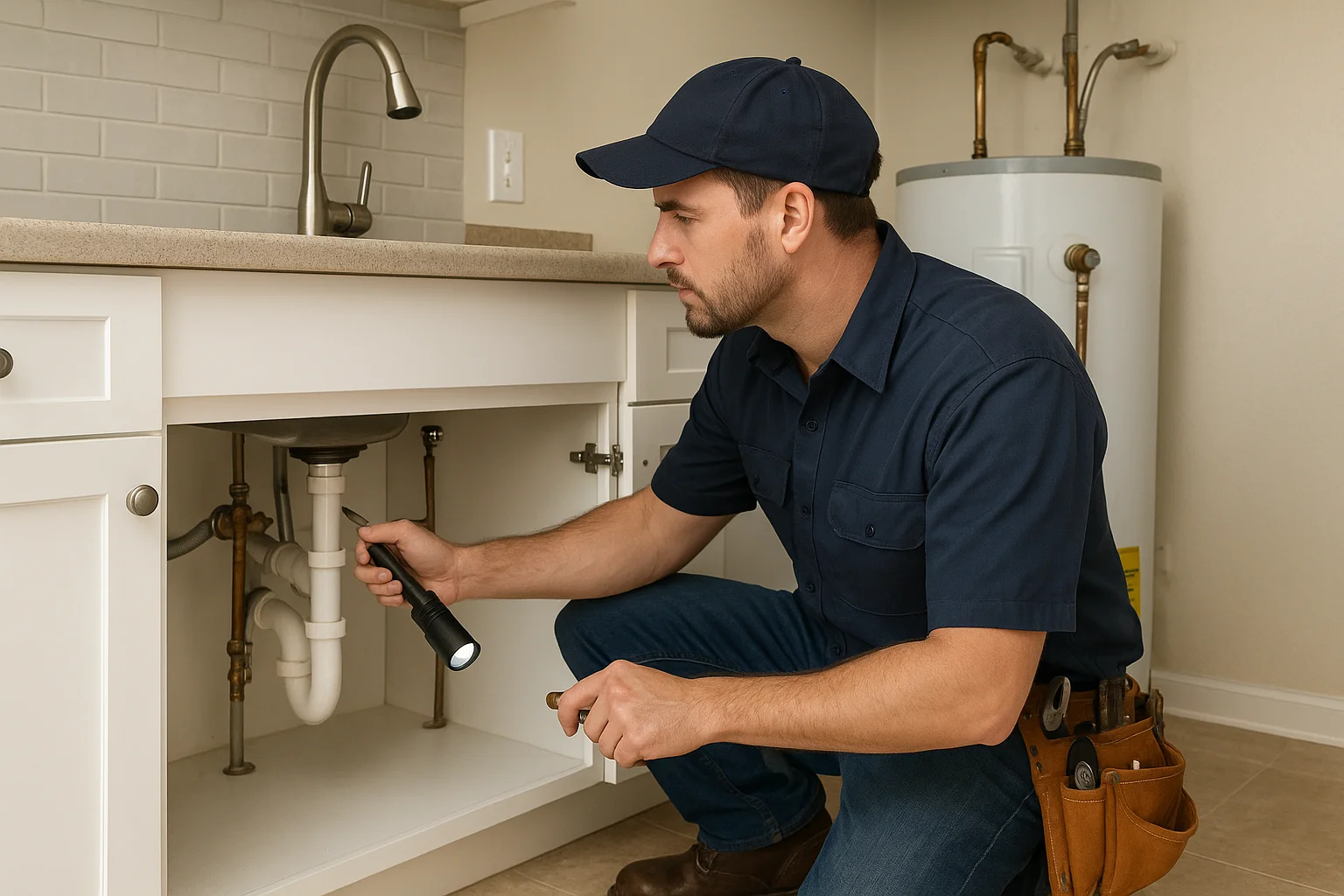
- Condensate line routing: Lines should slope correctly and avoid traps that can collect water.
- Drain line termination: The end point should be appropriate for the site so water does not back up.
- Drain pan and overflow protection: If the primary drain struggles, overflow protection helps reduce emergency cooling concerns.
- Clear access for service: Maintenance should be practical so the drainage system stays reliable.
Homeowners often learn about condensate issues only after a leak stains ceilings or after an indoor air quality problem becomes noticeable. Preventing it at installation reduces the odds of repeated troubleshooting later.
Refrigerant systems must be installed and matched correctly
Refrigerant systems are sensitive to setup and commissioning. In humid climates, performance problems can show up as inadequate dehumidification, higher indoor temperatures, or frequent cycling.
Installation steps that protect refrigerant performance
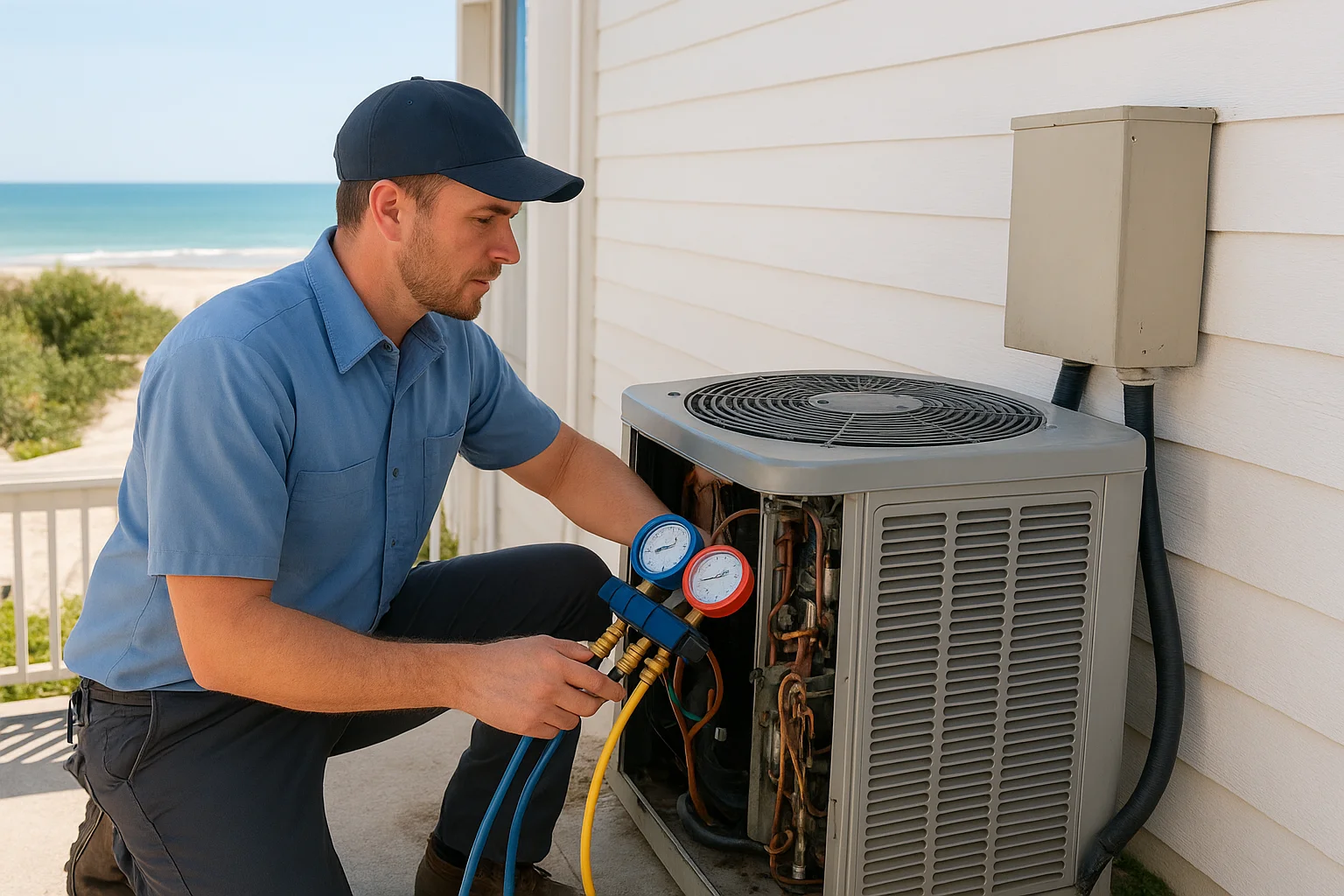
Without getting into DIY territory, the key is that the installation process should be methodical and documented. A qualified technician should ensure the refrigerant system is installed and commissioned properly, with attention to:
- Correct line routing and support so vibration does not damage connections
- Appropriate component matching so the system performs as designed
- Proper testing and verification after installation before the system is put into regular operation
It is normal for building owners to wonder whether a refrigerant adjustment will “fix everything.” However, refrigerant diagnosis and any refrigerant-related decisions should be based on an in-person evaluation. If you suspect performance issues, schedule HVAC service near me with a local commercial HVAC professional who can verify conditions safely and accurately.
Thermostats and controls should be tuned for comfort and humidity
Thermostats do more than turn cooling on and off. In a commercial setting, control strategies affect humidity, airflow patterns, and energy use. A thermostat that is not suited to the system or installed incorrectly can contribute to uneven comfort.
Controls that help manage heat and humidity
When discussing installation, ask how the controls will be set up for your building:
- Setpoint strategy: A control approach that reduces rapid cycling helps stabilize humidity removal.
- Fan operation: Fan schedules and airflow settings can impact moisture removal and indoor air quality.
- Compatibility: Thermostats and building controls should match the HVAC equipment and intended operating mode.
If the building has multiple zones or varying occupancy, controls should reflect how the space is actually used. This is especially important in coastal Florida where humidity swings can be noticeable throughout the day.
Plan for indoor air quality from day one
Indoor air quality is not just about odor. It is about how comfortable the air feels, how effectively humidity is controlled, and how well the system filters particles and contaminants. In Rosemary Beach, the outdoor environment can influence indoor conditions, so filtration and ventilation choices matter.
Installation choices that support better indoor air quality
During commercial HVAC installation, consider whether the system supports your air quality priorities:
- Filtration that fits the system: Filters should be compatible with airflow requirements to avoid restricting air.
- Ventilation strategy: Fresh air and exhaust planning should align with humidity goals.
- Air distribution: Balanced airflow helps prevent damp, stagnant areas where indoor air quality can degrade.
If you are also trying to reduce dust and allergens, you may want to explore duct cleaning as part of a broader indoor air quality plan. Duct cleaning is not a substitute for good filtration and airflow design, but it can be helpful in the right situations.
Prevent energy waste with commissioning and performance checks
Energy use is a major concern for many commercial property owners, especially during Florida’s long cooling season. Energy waste often comes from systems that run too long, do not remove moisture effectively, or cycle inefficiently due to airflow and control issues.
What “commissioning” should cover
After installation, commissioning is where the system is verified so it performs as intended. A quality process typically includes:
- Confirming airflow at the equipment and across the duct system
- Verifying thermostat operation and control sequences
- Checking drainage operation so condensate management is reliable
- Ensuring the system can meet cooling and humidity needs under local conditions
When homeowners search for HVAC maintenance near me, they often expect filter changes and basic checks. For commercial systems, preventive maintenance and commissioning documentation work together to reduce the odds of higher energy use later.
Watch for the early warning signs that installation problems may be starting
After commercial HVAC installation, problems are not always obvious right away. In humid coastal weather, symptoms can appear quickly. If you are managing a property, take comfort complaints seriously and look for patterns.
Common signs of trouble in Rosemary Beach commercial spaces
- Rooms feel clammy even when temperatures seem acceptable (often linked to airflow, coil performance, or drainage)
- Uneven temperatures between offices, hallways, or rental units (often tied to ductwork balance or zoning issues)
- Musty odors or signs of moisture near air handling equipment (often linked to condensate drainage)
- Frequent short cycling or inability to maintain setpoints (often tied to controls, airflow restrictions, or system matching)
- Higher-than-expected energy use during peak humidity weeks (often tied to performance and airflow problems)
When you notice these issues, do not guess. Refrigerant diagnosis and equipment troubleshooting should be handled by a professional who can inspect the system in person.
Preventive HVAC maintenance keeps the installation working as intended
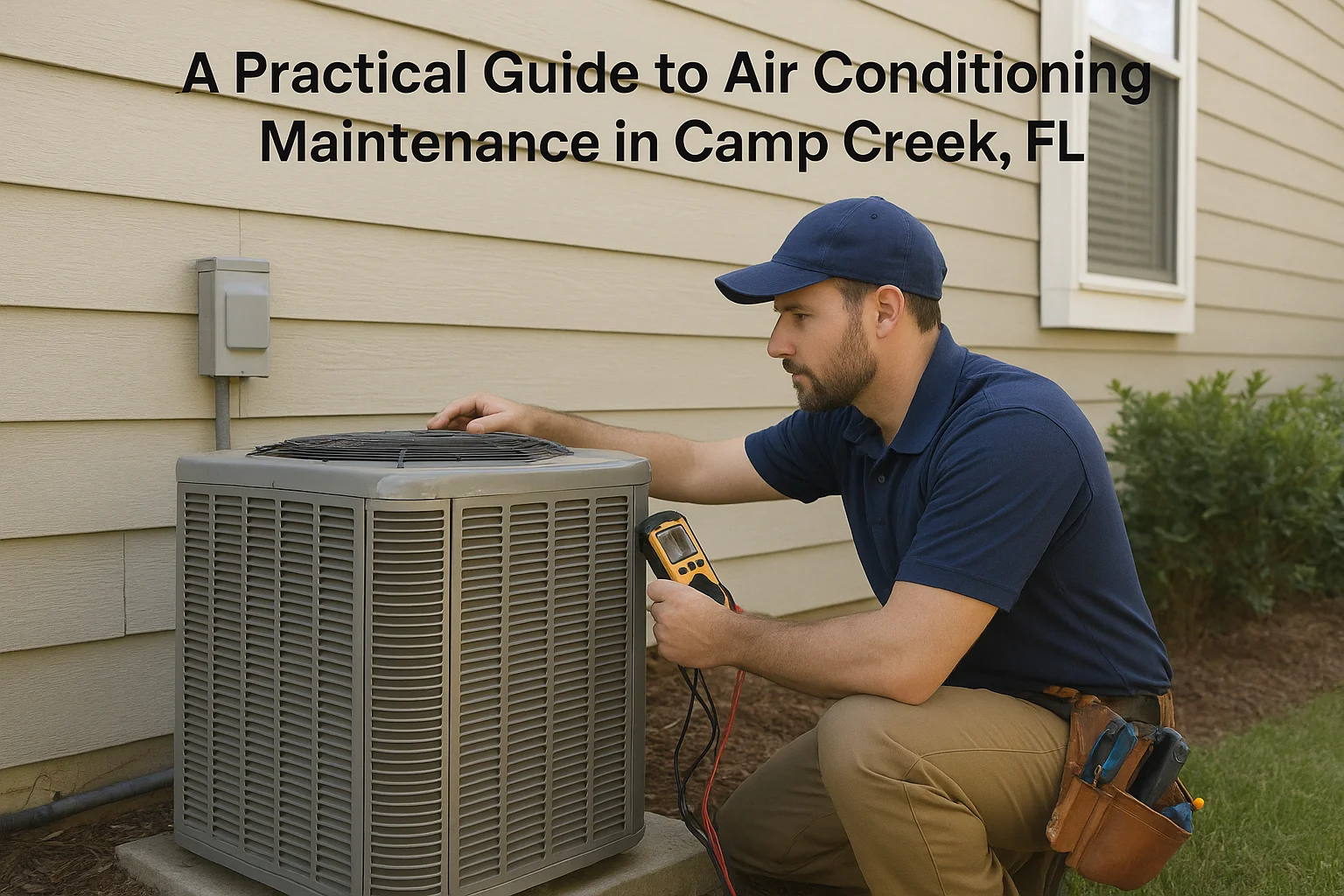
Even the best commercial HVAC installation needs ongoing attention. In Rosemary Beach, heat and humidity accelerate wear on components, and salt air can increase corrosion exposure for outdoor sections. Preventive maintenance helps the system continue removing moisture, maintaining airflow, and operating efficiently.
Maintenance tasks that matter most in humid coastal conditions
Ask your service provider about a maintenance plan that includes:
- Air filter inspection and replacement: Filters should be checked regularly to protect airflow and indoor air quality.
- Coil and drain inspection: Moisture management depends on clean, correctly draining coils and drain lines.
- Airflow verification: Fans and ducts should be checked so airflow stays within expected ranges.
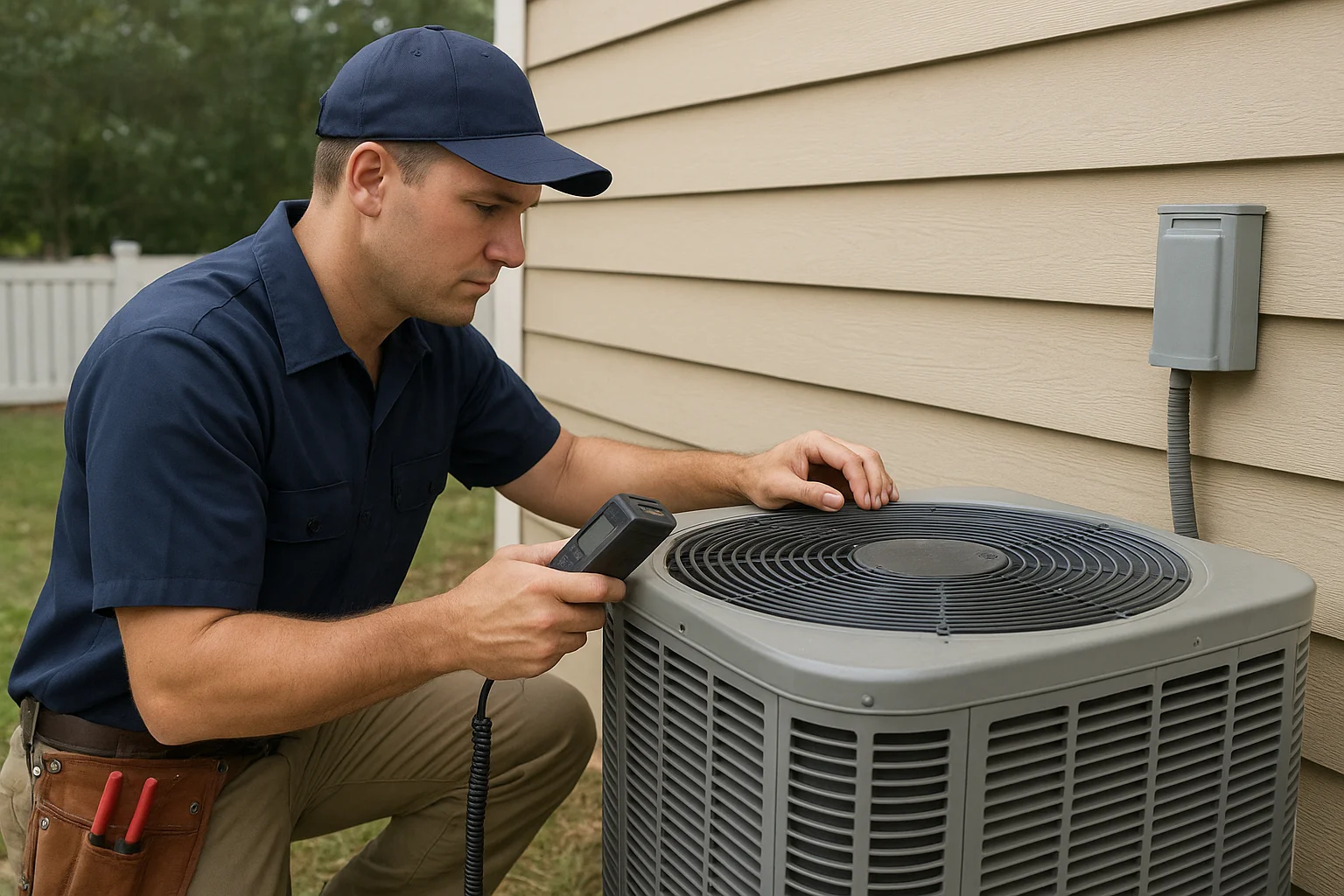
- Outdoor unit care: Salt air exposure makes service and cleaning more important for long-term reliability.
To see how wear and environmental stress can affect indoor comfort over time, read How HVAC Wear and Tear Changes the Air Inside Rosemary Beach Homes.
Emergency cooling concerns: build a plan before the next heat wave
Florida heat does not wait for repairs. For commercial properties, a cooling failure can disrupt operations, impact customer comfort, and create urgent indoor air quality concerns. Preparing now helps you avoid last-minute decisions during peak season.
How to reduce emergency HVAC service risk
- Keep service documentation for the installed system, including commissioning notes
- Set up a preventive maintenance schedule before the hottest months
- Train staff on basic thermostat operation and how to report comfort issues
- Confirm who to call for emergency HVAC services and what information to provide
If you want to be ready for worst-case scenarios, explore Emergency HVAC Services for Walton County. Planning is often what prevents a small problem from becoming a full property comfort crisis.
Choosing the right local contractor matters for commercial comfort
Commercial HVAC installation quality is hard to judge from a brochure. A local A Superior Mechanical approach focuses on how the system will perform in Rosemary Beach conditions, including airflow, humidity control, and indoor air quality. That local perspective matters because coastal Florida buildings can behave differently than inland properties due to humidity patterns, salt air exposure, and how buildings are sealed.
If you are comparing installation contractors, look for a team that communicates clearly about airflow, condensate drainage, thermostats, and commissioning. Also ask for guidance on long-term upkeep so your system stays reliable through the next summer.
Helpful reading for similar coastal markets
Some installation details that get missed in nearby areas can also show up in Rosemary Beach. If you want more context, review:
- The Details That Get Missed in Commercial HVAC Installation in Freeport, FL
- Commercial HVAC Installation in Laguna Beach, FL: The Issues Local Property Owners Should Not Overlook
These guides highlight how airflow, controls, and moisture management can affect comfort outcomes.
When a system needs replacement, focus on whole-building comfort
Sometimes commercial HVAC installation is not a new project but a replacement decision. If you are weighing Air Conditioning Replacement or considering a heat pump installation, it helps to evaluate the entire comfort system, including ductwork, airflow paths, and humidity control.
For example, if your current system struggles with humidity, replacement should address why. A heat pump installation near me search can lead you to options, but the best outcome depends on correct design and commissioning for your specific building. The same is true if you are investigating ductwork improvements or indoor air quality services near me.
If budget planning is part of your decision, you can also review HVAC Financing to understand how to manage upgrades responsibly.
Quick checklist you can use with your installation team
Use this short list to guide conversations during commercial HVAC installation in Rosemary Beach:
- Humidity management: How will the system remove moisture effectively in high humidity?
- Airflow and ductwork: Is the ductwork sized, sealed, and balanced for stable airflow?
- Condensate drainage: Are drain lines routed correctly and verified after installation?
- Controls and thermostats: Are control sequences tuned for comfort and humidity?
- Indoor air quality: Are filtration and ventilation choices aligned with your goals?
- Commissioning: Will the system be tested so it performs as designed?
- Maintenance plan: What preventive HVAC maintenance tasks will keep performance steady?
If you are ready to discuss commercial HVAC installation in Rosemary Beach, FL, you can start with A Superior Mechanical’s commercial HVAC installation page. For broader service coverage in the area, visit the Rosemary Beach service area page or the Walton County service area page.
Find Commercial HVAC Installation in Rosemary Beach, FL
If you need Commercial HVAC Installation in Rosemary Beach, FL, visit our local service page or contact A Superior Mechanical today.
Map of Rosemary Beach, FL
Frequently Asked Questions
What problems show up most often after commercial HVAC installation in Rosemary Beach?
The most common issues are comfort problems tied to airflow and humidity control, such as clammy rooms, uneven temperatures between zones, and recurring moisture concerns. These can be linked to ductwork balance, condensate drainage, or control settings rather than the equipment alone.
How can I tell if condensate drainage was installed correctly?
During and after installation, the condensate line should drain reliably without backups. Signs of trouble include water staining near indoor equipment, musty odors, and repeated wet spots. A technician can inspect the drain setup and verify proper operation on site.
Do I need refrigerant work if my system is not cooling well?
Not automatically. Low cooling performance can come from airflow restrictions, ductwork issues, control problems, or moisture drainage problems. Refrigerant diagnosis and any refrigerant-related changes should be based on an in-person evaluation by a qualified HVAC technician.
How does humidity affect energy use in commercial buildings here?
When humidity is not managed well, the system may run longer to maintain comfort and setpoints. Poor airflow, inadequate dehumidification, or control settings can increase runtime and energy use, especially during peak Florida heat and humidity.
What preventive maintenance matters most for commercial HVAC in coastal Florida?
Focus on tasks that protect moisture management and airflow: checking and replacing filters, inspecting coils, verifying condensate drainage, and confirming airflow performance. Outdoor unit care is also important because salt air can increase corrosion exposure over time.
Related Articles
- Smart HVAC Planning for Rosemary Beach Homes: Comfort, Airflow, and Coastal Protection
- How HVAC Wear and Tear Changes the Air Inside Rosemary Beach Homes
- The Details That Get Missed in Commercial HVAC Installation in Freeport, FL
- Commercial HVAC Installation in Laguna Beach, FL: The Issues Local Property Owners Should Not Overlook
Photo Gallery