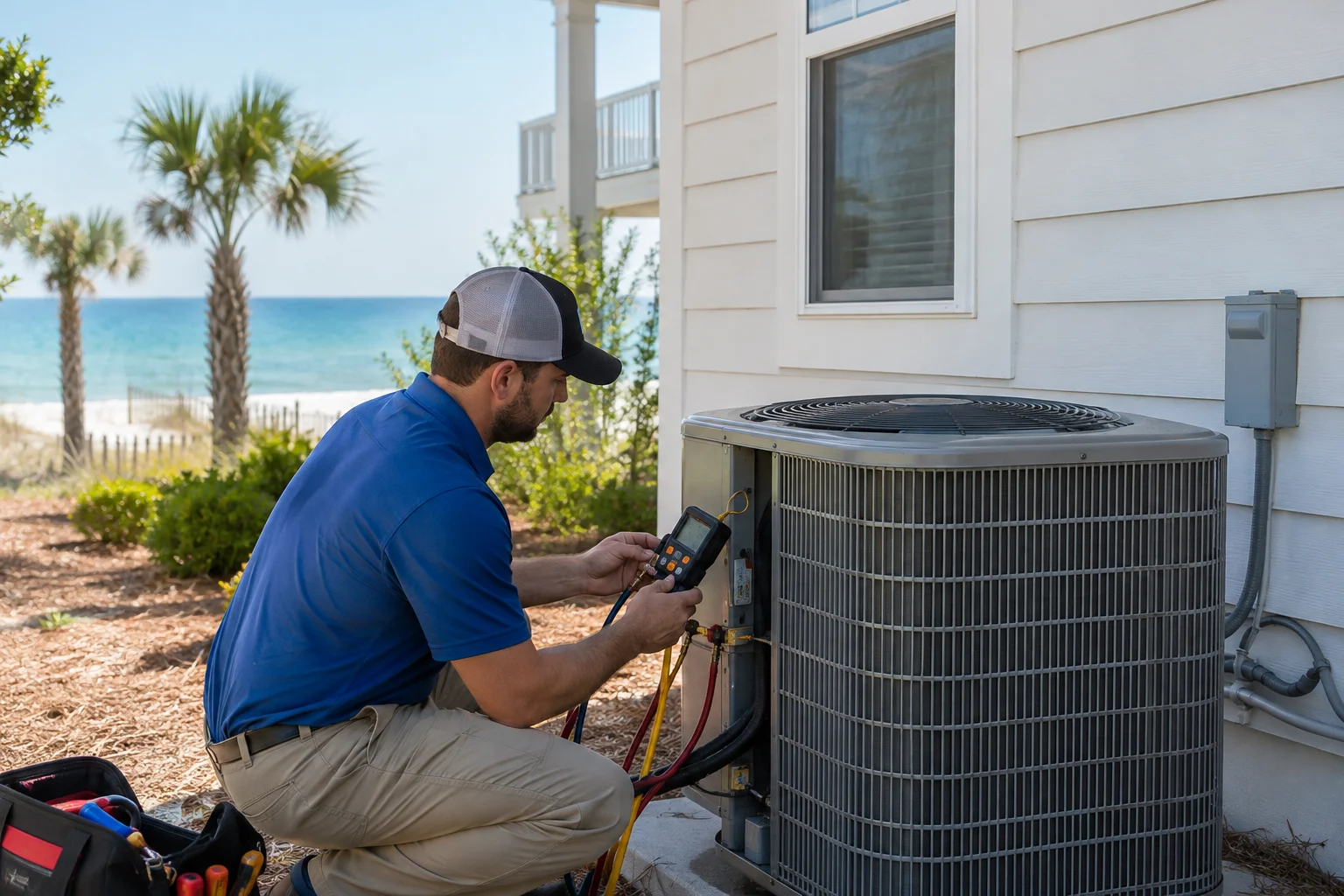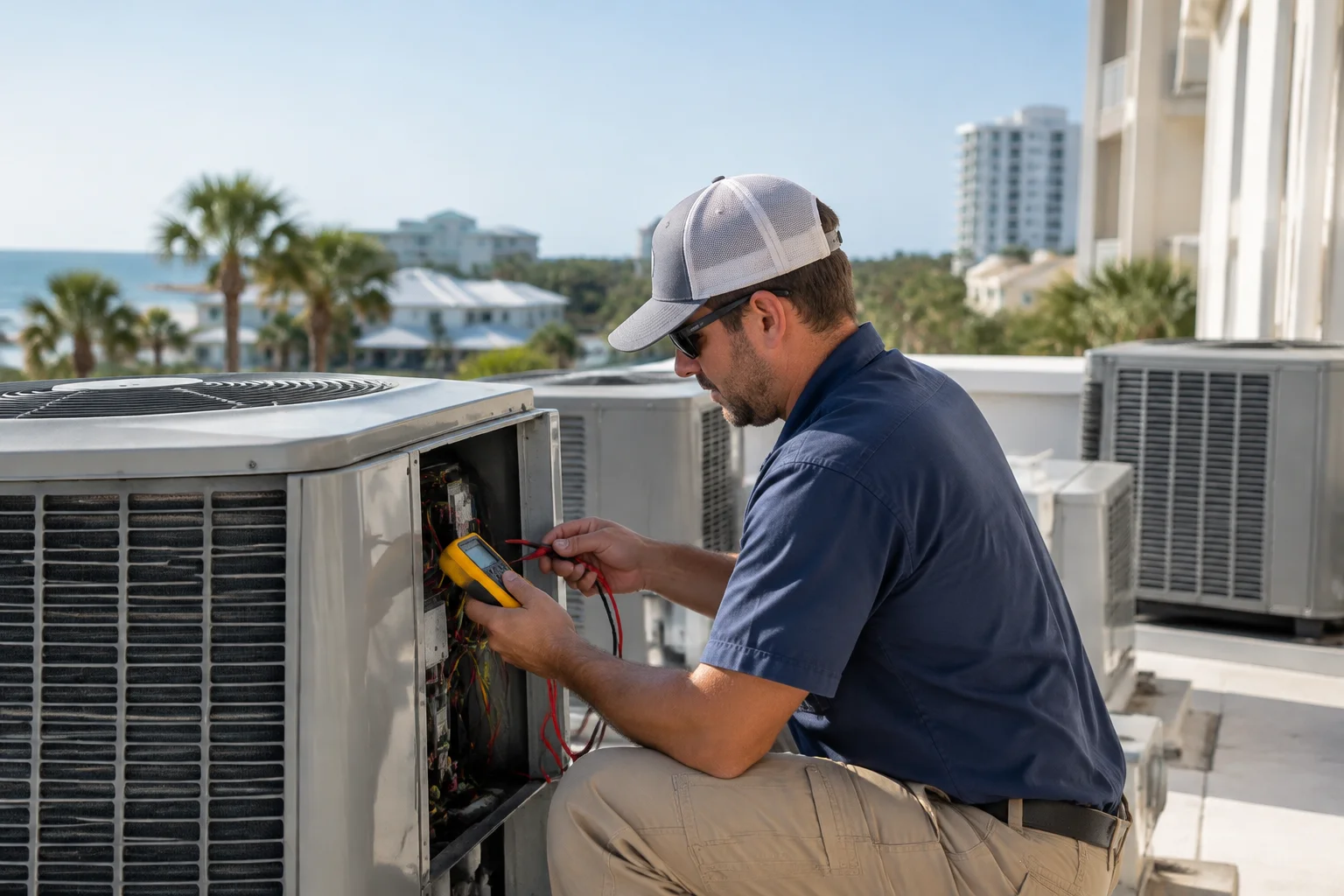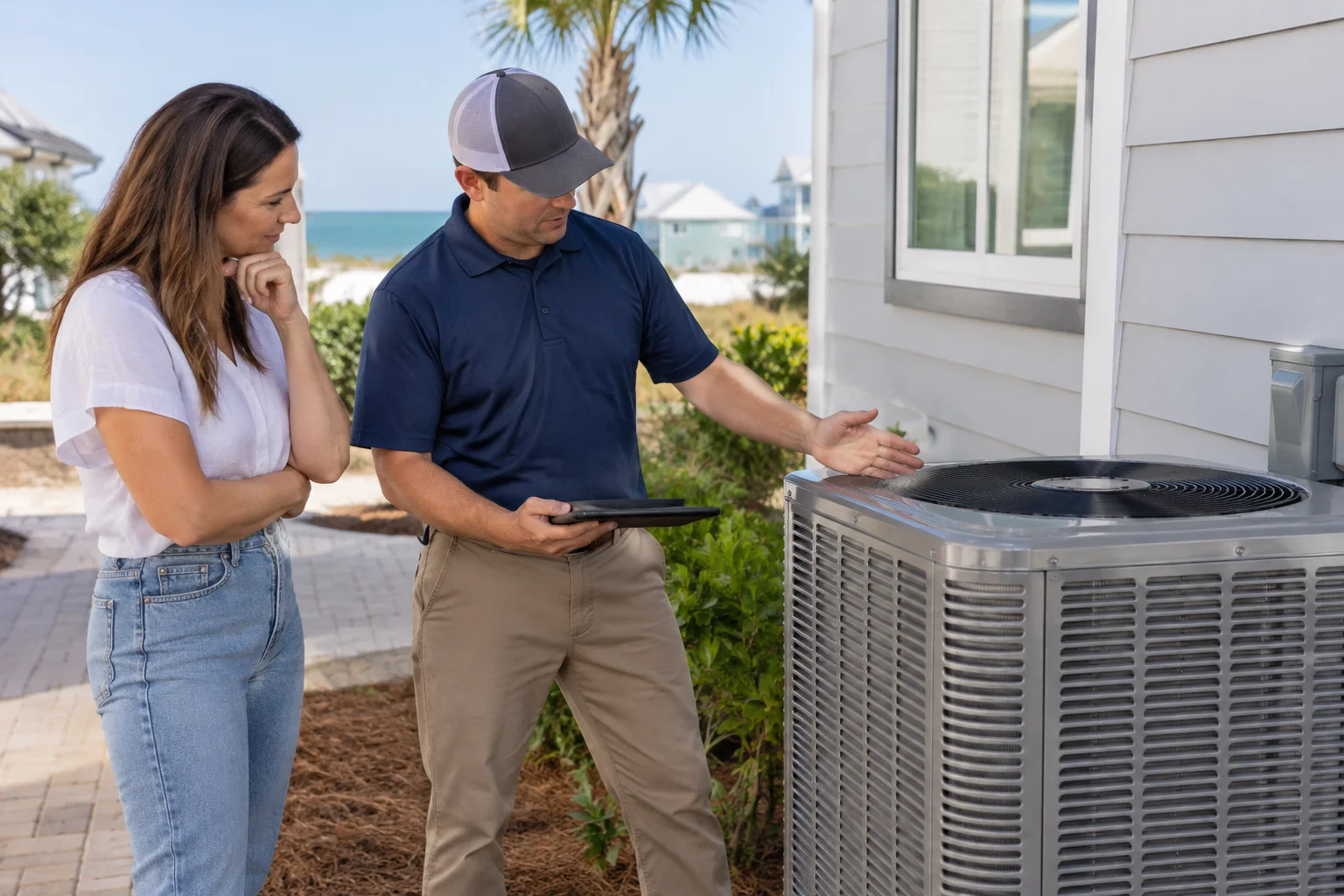
Niceville feels like a coastal greenhouse for much of the year. Warm temperatures, high humidity, and salt air from the Gulf can push heat pumps harder than many homeowners expect. When airflow drops, condensate drainage gets sluggish, or thermostats are mismanaged, the result is often the same: comfort problems, higher energy use, and heat pump service calls that could have been prevented.
This guide focuses on practical, homeowner-friendly ways to reduce problems with heat pump services in Niceville, FL. It also covers how to manage both heat and humidity, protect indoor air quality, and know when it is time to schedule professional maintenance with A Superior Mechanical.
Why Niceville humidity puts extra strain on heat pumps
Heat pumps handle heating and cooling by moving refrigerant through indoor and outdoor sections. During cooling, they also remove moisture from indoor air. In a humid climate like Niceville, moisture removal matters just as much as temperature control. If the system cannot move air properly across the indoor coil, or if condensate drainage is restricted, humidity can linger. That can lead to a musty smell, clammy rooms, and uncomfortable swings in temperature.
Coastal conditions add another layer. Salt air can contribute to corrosion on outdoor components over time. Dust and pollen can build up on filters and coil surfaces, which reduces airflow and makes the refrigerant system work less efficiently. Even if your heat pump still blows cool air, poor moisture control can be the early sign that something needs attention.
Comfort depends on airflow, not just thermostat settings
Many homeowners try to solve humidity discomfort by changing the thermostat. While thermostat operation is important, humidity issues are often tied to airflow and ductwork performance.
What to watch for indoors
Rooms feel damp even when the temperature is set correctly. This points to cooling performance and moisture removal, which rely on airflow across the indoor coil.
Uneven cooling. Some rooms stay warm while others cool quickly. That can indicate airflow restrictions, duct leaks, or blocked returns.
Short cycling. The system starts and stops frequently. That can reduce dehumidification and increase wear on the refrigerant system.
Weak airflow from vents. If registers barely move air, the system may be fighting a clogged filter, blocked duct, or blower issue that needs professional attention.
How to prevent airflow problems
Homeowners can reduce the chance of restricted airflow with simple habits:
Replace air filters on schedule. In Niceville, pollen and coastal dust can make filter loading faster. A clogged filter increases resistance and can affect humidity control.
Keep supply and return vents clear. Furniture, curtains, and rugs can block airflow.
Check for closed dampers or blocked returns. Some homes have balancing dampers in duct runs. If they are accidentally closed, the system may not circulate air evenly.
Use the right fan mode. If your thermostat has fan settings, continuous fan can improve air mixing but can also affect humidity behavior depending on system design. The best setting depends on how your heat pump is set up.
If you suspect ductwork problems, consider reading about duct repair near me or scheduling an air quality and airflow check. Duct issues can look like “heat pump problems” because comfort symptoms often overlap.
Condensate drainage: a common hidden cause of humidity complaints
During cooling, heat pumps create condensate as they remove moisture from indoor air. That water needs to drain safely through a condensate line. If drainage is slow, blocked, or improperly routed, moisture can back up. Homeowners may notice:
Water around the indoor unit or near the drain pan.
A damp smell or musty odors.
Indoor humidity that does not improve after cooling runs.
Safety shutoffs or error behavior. Some systems will respond when moisture levels rise.
Condensate drainage problems can be caused by buildup, algae, poor slope, or blockages. Because moisture can affect indoor air quality and comfort, it is smart to include condensate drainage checks as part of preventive heat pump maintenance.
Thermostat settings that help manage heat and humidity
Thermostats influence how long the heat pump runs and how effectively it dehumidifies. In Niceville, where humidity can feel sticky even at “comfortable” temperatures, thermostat behavior can make a difference.
Practical thermostat habits
Avoid large temperature swings. Rapid changes can encourage longer recovery cycles and uneven comfort.
Let the system run long enough to remove moisture. If the system is shutting off too quickly, humidity removal may not keep up.
Confirm thermostat settings match your system. Heat pump modes, staging behavior, and fan choices should match the equipment installed in your home.
Consider thermostat installation or recalibration if comfort is inconsistent. If you are searching for thermostat installation near me, look for a licensed HVAC contractor who can verify your setup and ensure proper operation with your heat pump.
If you notice the thermostat seems to “read wrong” or the system behavior does not match the selected mode, do not assume the thermostat is the only issue. Airflow and humidity control are system-wide, and a professional inspection can help pinpoint the real cause.
Coastal salt air and seasonal debris: protecting the outdoor unit
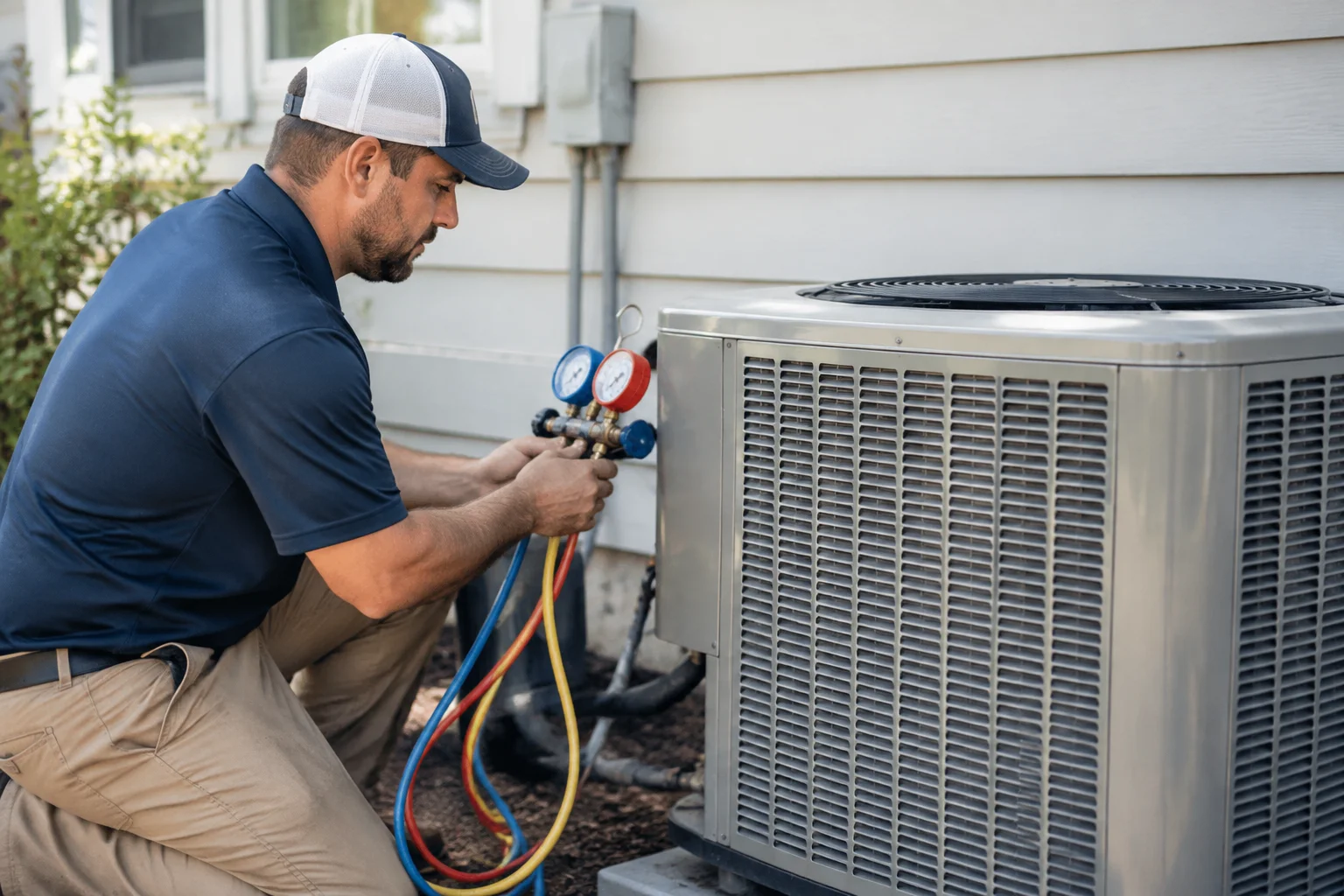
Outdoor heat pump sections sit in the weather. In Niceville, that means sun, wind, and salt-laden air. Over time, outdoor coils can collect debris, and components can corrode. Homeowners do not need to perform risky maintenance on refrigerant systems. But you can take steps that reduce buildup and help the system breathe.
Outdoor maintenance you can do safely
Keep shrubbery and landscaping trimmed back. Air needs to flow around the outdoor unit for proper performance.
Remove leaves and visible debris from around the unit. Use gentle methods that do not damage fins or panels.
Watch for airflow blockage. If the unit is surrounded by mulch or tall grass, airflow can be restricted.
For deeper cleaning and inspection, hire a professional. Salt air and coil condition are best evaluated in person, especially if you are seeing symptoms like weak cooling, rising humidity, or frequent cycling.
Indoor air quality depends on more than a filter
When humidity is high, indoor air quality suffers. Moisture can encourage biological growth and make odors more noticeable. Dust and pollen that enter through ductwork and filtration gaps can also circulate. Heat pumps are part of the indoor air system, so maintenance should include air filtration and airflow considerations.
Ways to support better indoor air quality
Use appropriate filtration for your home. The “best” filter is the one that your system can push air through consistently. A filter that is too restrictive can worsen airflow and humidity issues.
Address ductwork leakage. Leaky ducts can pull in humid air from crawl spaces or attics, making dehumidification harder.
Consider whole-home humidity support. If your home is prone to dampness, pairing filtration with dehumidification strategies may help. Learn more about air filtration and dehumidifiers for coastal homes.
If you are also dealing with dust, allergies, or persistent odors, look for indoor air quality services that evaluate both filtration and airflow pathways, not just the thermostat.
Common heat pump problems homeowners in Okaloosa County notice first
Niceville homes can vary widely, from newer builds with modern duct layouts to older homes with different airflow designs. Regardless of age, certain symptoms tend to show up in coastal Florida. Here are realistic issues homeowners often report:
Cooling that feels weaker than it used to. This can be connected to airflow restrictions, coil buildup, or refrigerant system performance. A professional evaluation is needed before any refrigerant diagnosis.
Humidity that stays high. In many cases this relates to airflow, condensate drainage, or how the system runs. It is not always a “setpoint” problem.
Frequent air conditioner service calls during peak summer. Short cycling, clogged filters, or duct restrictions can make breakdowns more likely when outdoor conditions are hottest.
Airflow problems that seem to come and go. Seasonal debris and filter loading can create intermittent comfort issues.
Strange noises or odors when the system starts. These can be caused by airflow obstructions, drainage issues, or component wear. Do not ignore them.
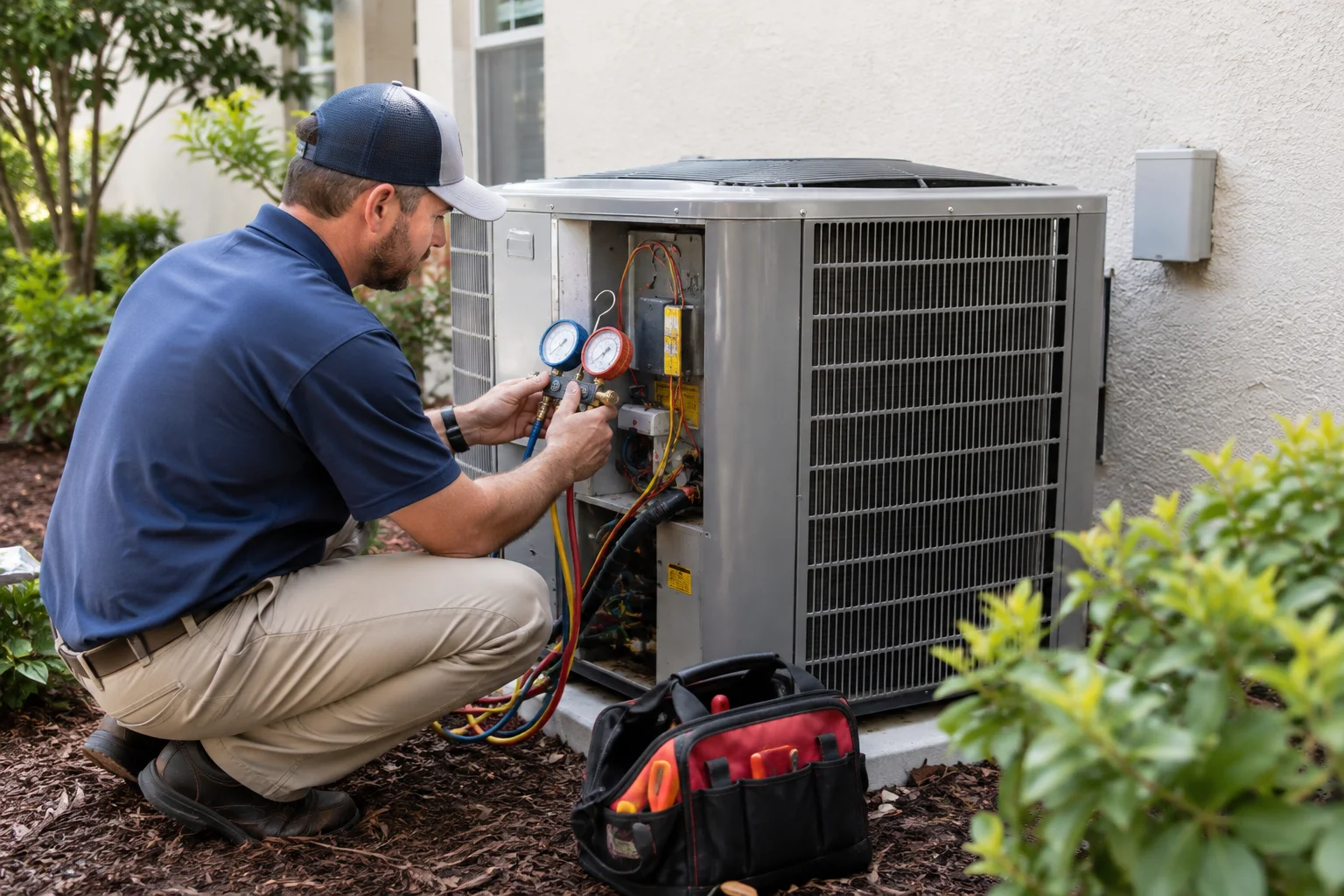
Homeowners searching for HVAC repair near me often want quick answers. The safest approach is to schedule an air conditioning inspection and heat pump service visit that focuses on comfort, airflow, and moisture control. Those factors are tightly connected to what you feel inside your home.
Preventive maintenance that targets humidity and energy use
Preventive HVAC maintenance is not just about keeping the system running. It is about keeping it running in a way that manages heat and humidity efficiently. In Florida’s heat, small inefficiencies can translate into higher energy use and faster comfort decline.
Maintenance priorities for Niceville heat pumps
Air filter and airflow verification. Technicians can confirm that airflow is within expected ranges for your system configuration.
Indoor coil and condensate drainage inspection. Moisture removal depends on clean coil surfaces and clear drainage pathways.
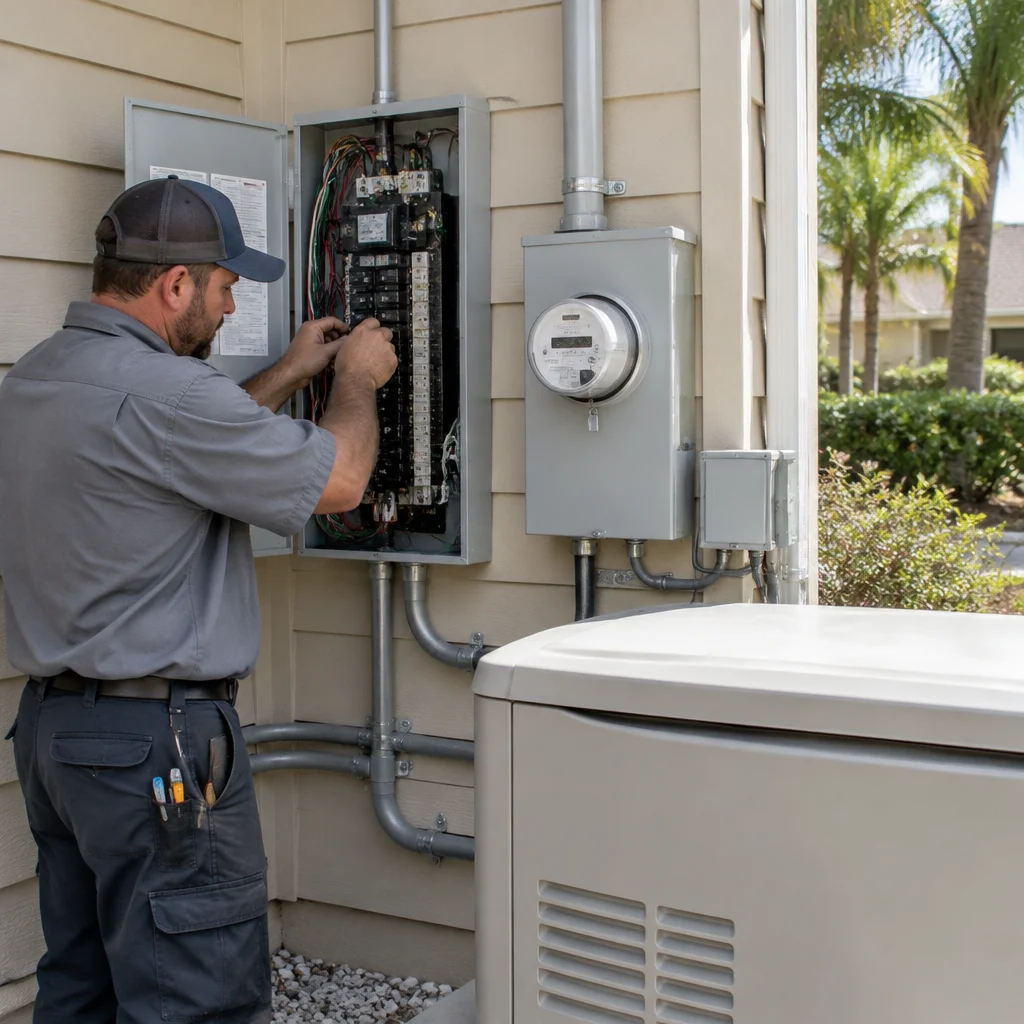
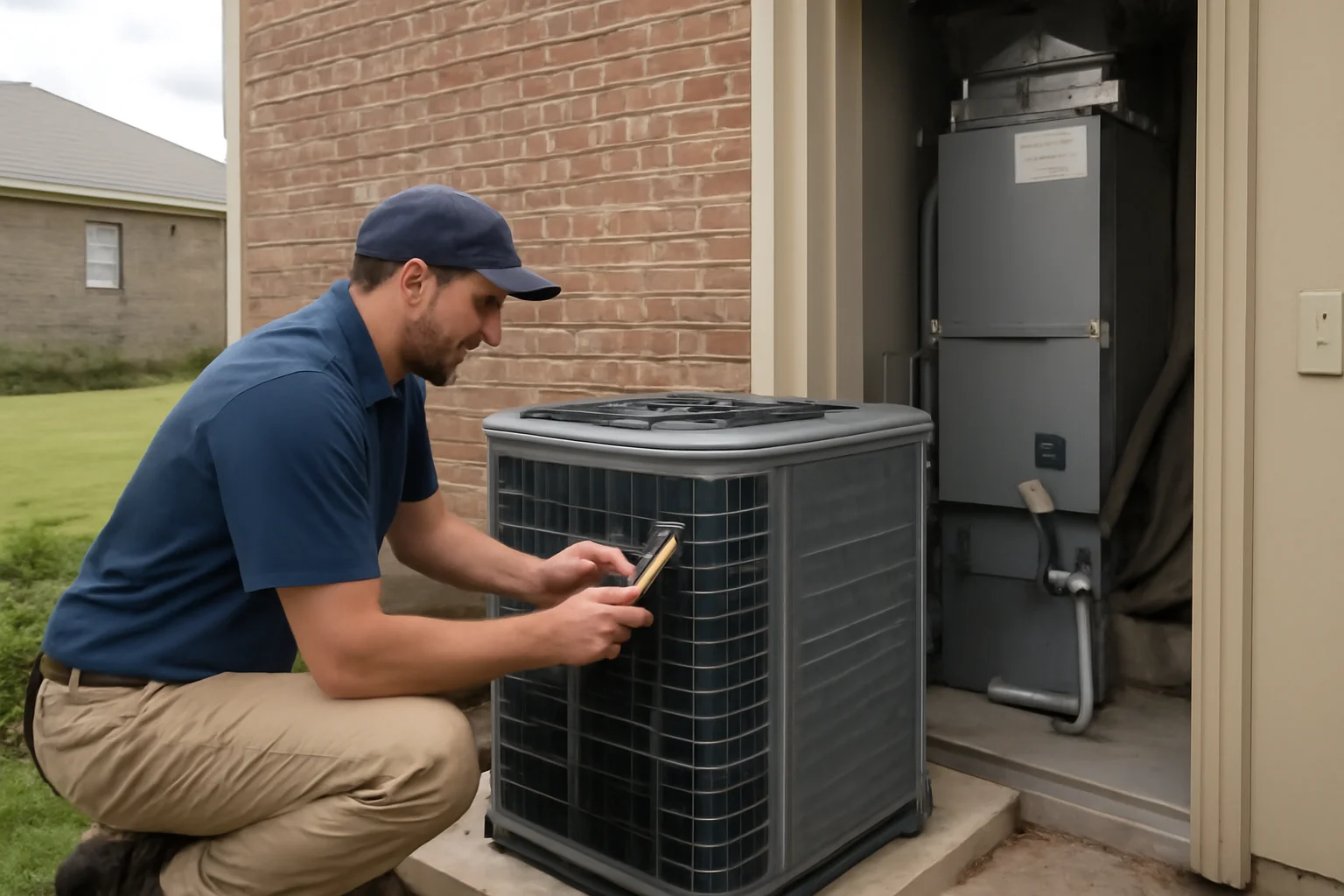
Outdoor unit condition check. This includes evaluating coil buildup and signs of corrosion from salt air.
Thermostat and control review. Proper mode selection and thermostat behavior affect how long the system runs and how it manages humidity.
Ductwork assessment when comfort is uneven. If you have hot spots, cold spots, or persistent humidity in certain rooms, duct performance can be a key factor.
If you are trying to get ahead of summer stress, an AC maintenance plan is a good place to start. For homes that have unique airflow or coastal protection needs, this airflow-focused HVAC planning guide can also help you think through comfort and duct considerations.
When ductwork needs attention, comfort and humidity follow
Ductwork problems often masquerade as heat pump issues. If ducts are leaky or poorly designed, conditioned air may not reach the rooms that need it most. That can cause the heat pump to run longer, struggle with humidity removal, and increase energy use.
Homeowner clues that point to ductwork
Hot spots or rooms that never feel right.
Different humidity levels from room to room.
Higher utility bills during humid months. When the system runs longer to achieve temperature, humidity control can suffer too.
Dust buildup near vents. This can be related to leaks or airflow patterns.
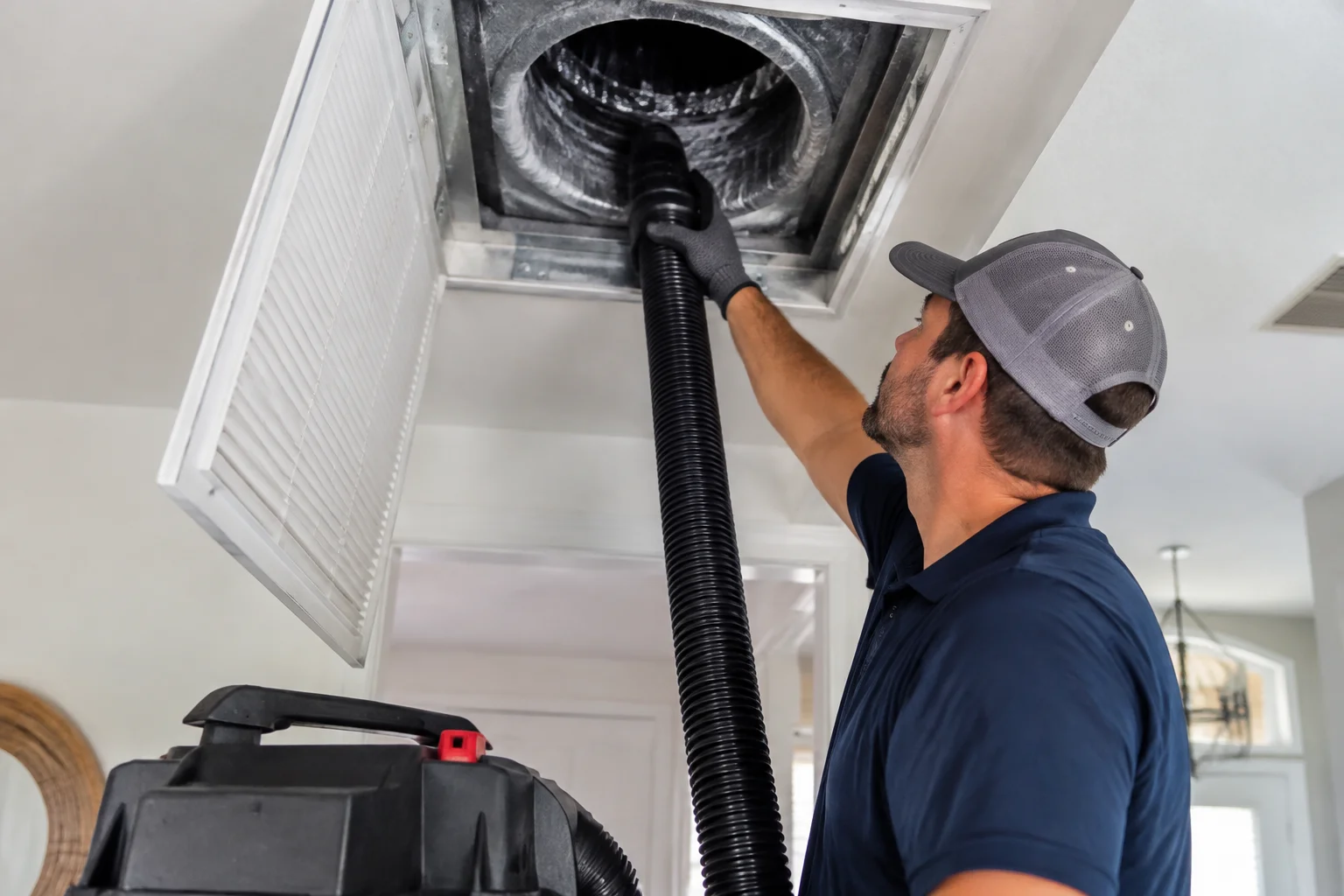
If you suspect duct issues, consider professional evaluation for duct cleaning, duct replacement, or repairs. For some homes, upgrading how air moves through the house can significantly improve comfort and humidity management.
Thinking about system replacement? Start with a comfort and airflow review
At some point, every heat pump reaches the limit of what maintenance can fix. Homeowners may notice persistent humidity problems, repeated repairs, or comfort failures during peak weather. However, equipment replacement decisions should be based on an in-person evaluation of the system’s condition, performance, and how it matches your home’s comfort needs.
A professional HVAC contractor can help you understand whether the issue is primarily airflow, duct performance, thermostat behavior, condensate drainage, or refrigerant system operation. Do not assume that replacement is the right step without a thorough inspection.
If you are exploring alternatives like zoned comfort, ductless systems may be part of the conversation for some Niceville homes. You can review ductless mini splits to see whether your layout and comfort goals align with that approach.
Emergency cooling concerns during Florida heat
When the heat index climbs and humidity rises, a failing heat pump can become an urgent comfort and safety concern. Homeowners often try to wait it out, but delays can make indoor conditions uncomfortable, especially for children, older adults, and anyone sensitive to heat.
Do not ignore severe symptoms like total cooling failure, repeated safety shutdowns, or rapidly worsening comfort. If you are searching for HVAC repair near me because your system will not cool, the safest move is to contact a licensed HVAC contractor promptly. A Superior Mechanical can help assess the situation and recommend next steps based on what is happening with your specific heat pump setup.
How to choose a local heat pump service partner
Niceville homeowners benefit from working with a company that understands local climate realities like humidity, salt air exposure, and the way ductwork and indoor air quality interact. When you choose a licensed HVAC contractor near you, look for:
A focus on comfort metrics. That includes airflow and humidity behavior, not just temperature.
Experience with coastal conditions. Salt air can change what maintenance and inspection should prioritize.
Clear communication about findings. You should understand what needs attention and why.
Respect for safety and proper diagnosis. A professional evaluation is required before making refrigerant-related conclusions or recommending replacement.
If you want a single place to review options for your home, start with heat pump services in Niceville. You can also browse the Niceville service area for other HVAC support, or explore Okaloosa County coverage for additional context.
Small steps that reduce problems before they escalate
Preventing heat pump issues is mostly about catching early comfort changes and reducing stressors. Here are homeowner actions that keep heat pump service problems less likely:
Track comfort trends. If humidity feels worse than it did last month, address it early.
Schedule AC tune up near me style maintenance before peak conditions. Seasonal tune ups help you enter the hottest weeks with the system ready for moisture removal and steady airflow.
Plan for indoor air quality. If you are looking for indoor air quality services near me, consider whether filtration, humidity support, and duct performance are all part of the solution.
Do not ignore drainage concerns. Any signs of moisture around the indoor unit should be evaluated.
Keep vents and returns unobstructed. It is a simple change that supports airflow and can improve humidity control.
Niceville heat and humidity will always demand more from HVAC systems. The good news is that many comfort problems have preventable causes like airflow restrictions, condensate drainage issues, and ductwork limitations. With steady preventive HVAC maintenance and professional heat pump service when symptoms appear, you can protect indoor air quality, reduce emergency cooling concerns, and keep your home feeling reliably comfortable through the coastal seasons.
Find Heat Pump Services in Niceville, FL
If you need Heat Pump Services in Niceville, FL, visit our local service page or contact A Superior Mechanical today.
Map of Niceville, FL
Frequently Asked Questions
Why does my heat pump cool, but my home still feels humid in Niceville?
Humidity complaints can happen when airflow is restricted, the indoor coil is not performing as expected, or condensate drainage is not working properly. It can also relate to thermostat behavior and how long the system runs. A professional heat pump inspection can connect the comfort symptoms to the real cause.
How often should I schedule heat pump maintenance in Okaloosa County?
Many homeowners benefit from preventive HVAC maintenance before the hottest and most humid weeks. Your exact timing depends on system age, usage, and indoor comfort trends. If you are searching for heat pump maintenance near me, ask about a seasonal plan tailored to your home.
What should I do if I notice water near my indoor unit?
Water around the indoor unit can indicate a condensate drainage issue. Stop using the system until it is evaluated, then contact a licensed HVAC contractor. Moisture problems can affect indoor air quality and comfort.
Can ductwork cause heat pump humidity problems?
Yes. Leaky ducts or poor duct airflow can pull in humid air from unconditioned spaces and prevent the heat pump from removing moisture effectively. If you have uneven comfort, duct assessment may be part of the solution.
Is it okay for me to add refrigerant if cooling seems weak?
No. Refrigerant-related decisions should be made only after an in-person professional evaluation. Weak cooling can also be caused by airflow restrictions, coil conditions, controls, or drainage issues, and adding refrigerant without proper diagnosis can create additional problems.
Related Articles
- Keeping Niceville Cool Starts with Better AC Maintenance
- Smart HVAC Planning for Rosemary Beach Homes: Comfort, Airflow, and Coastal Protection
- Why Better HVAC Maintenance Matters for Whole Home Dehumidifiers in Sandestin
- Why Commercial HVAC Service Matters in Ocean City Homes and Mixed-Use Properties
Photo Gallery