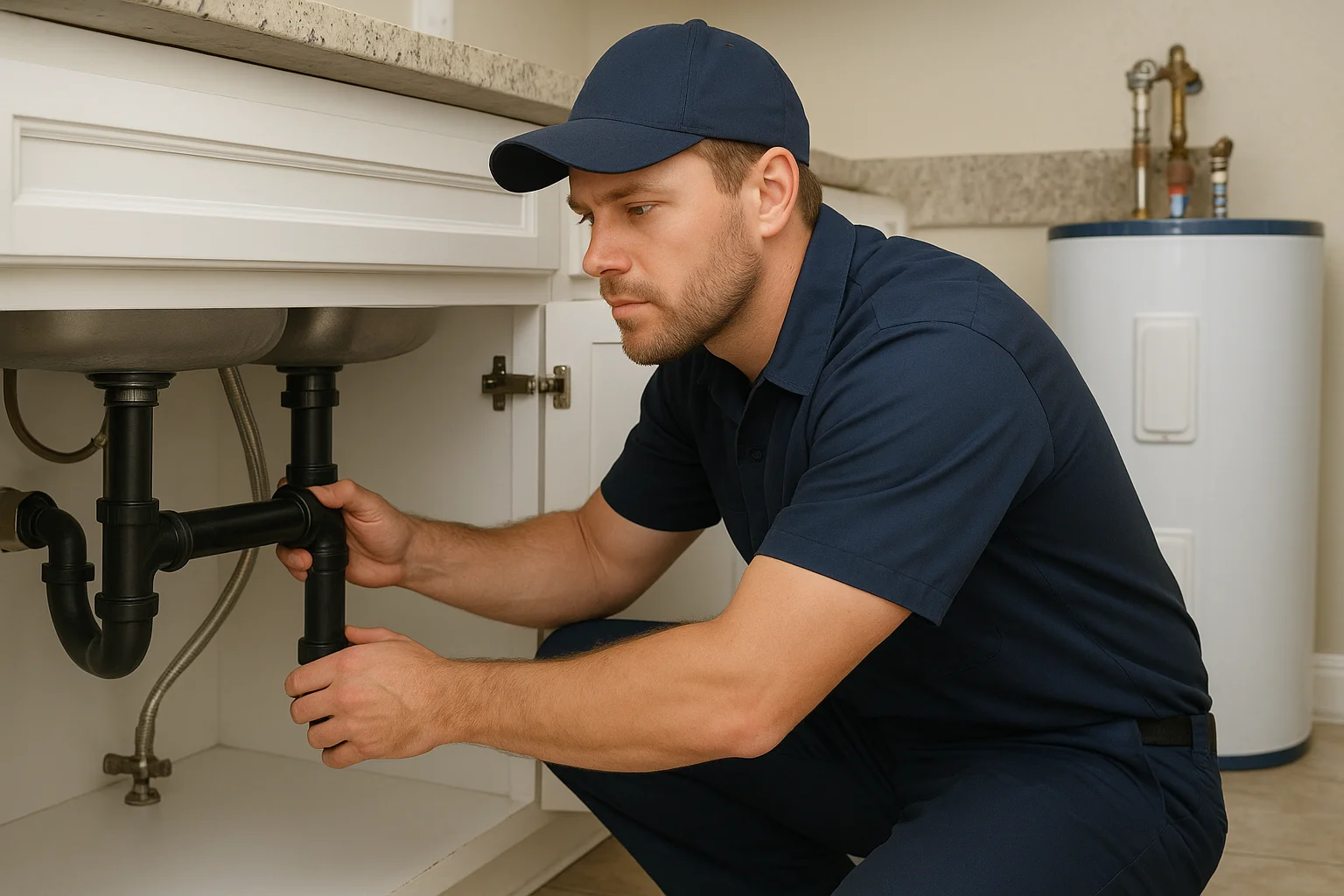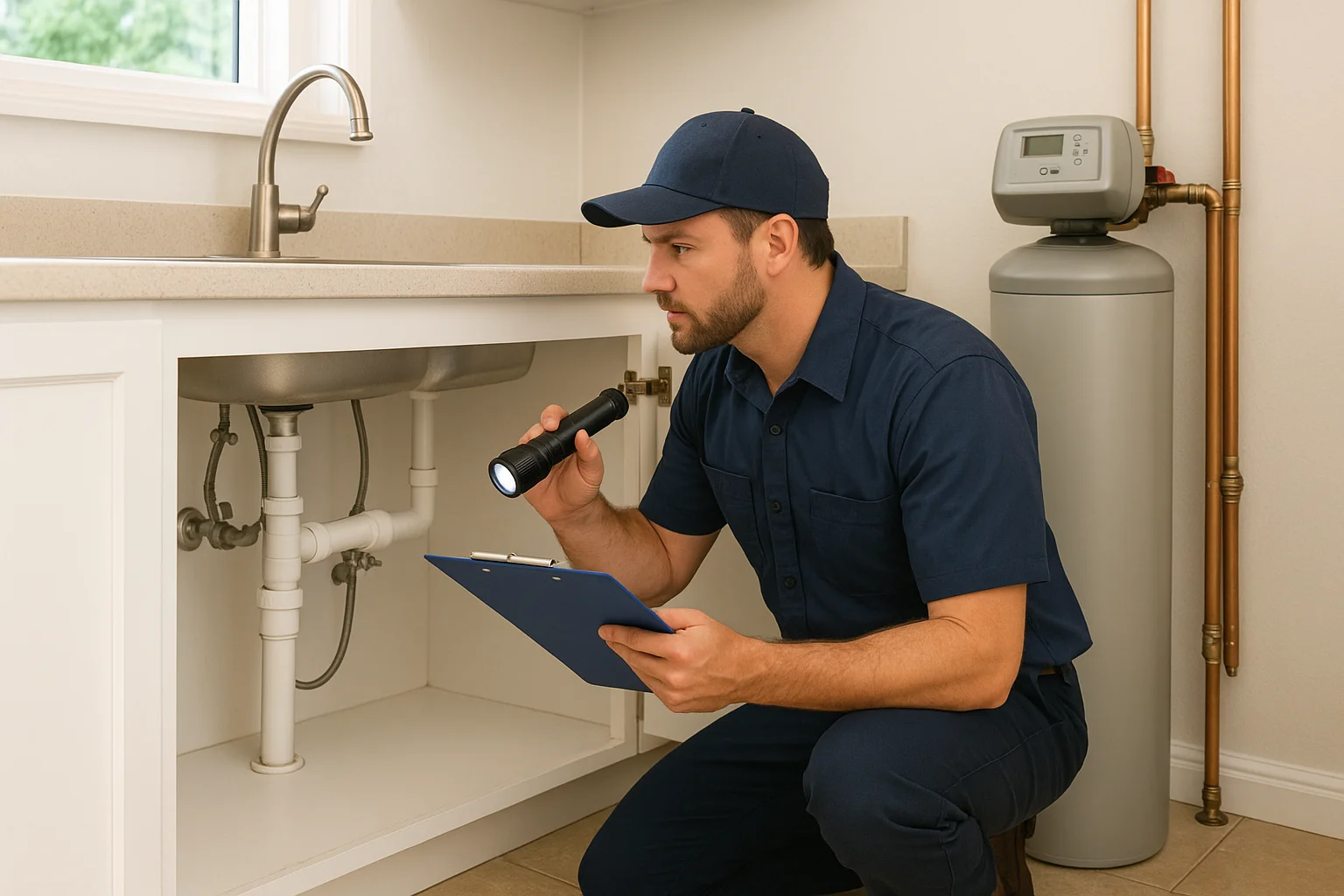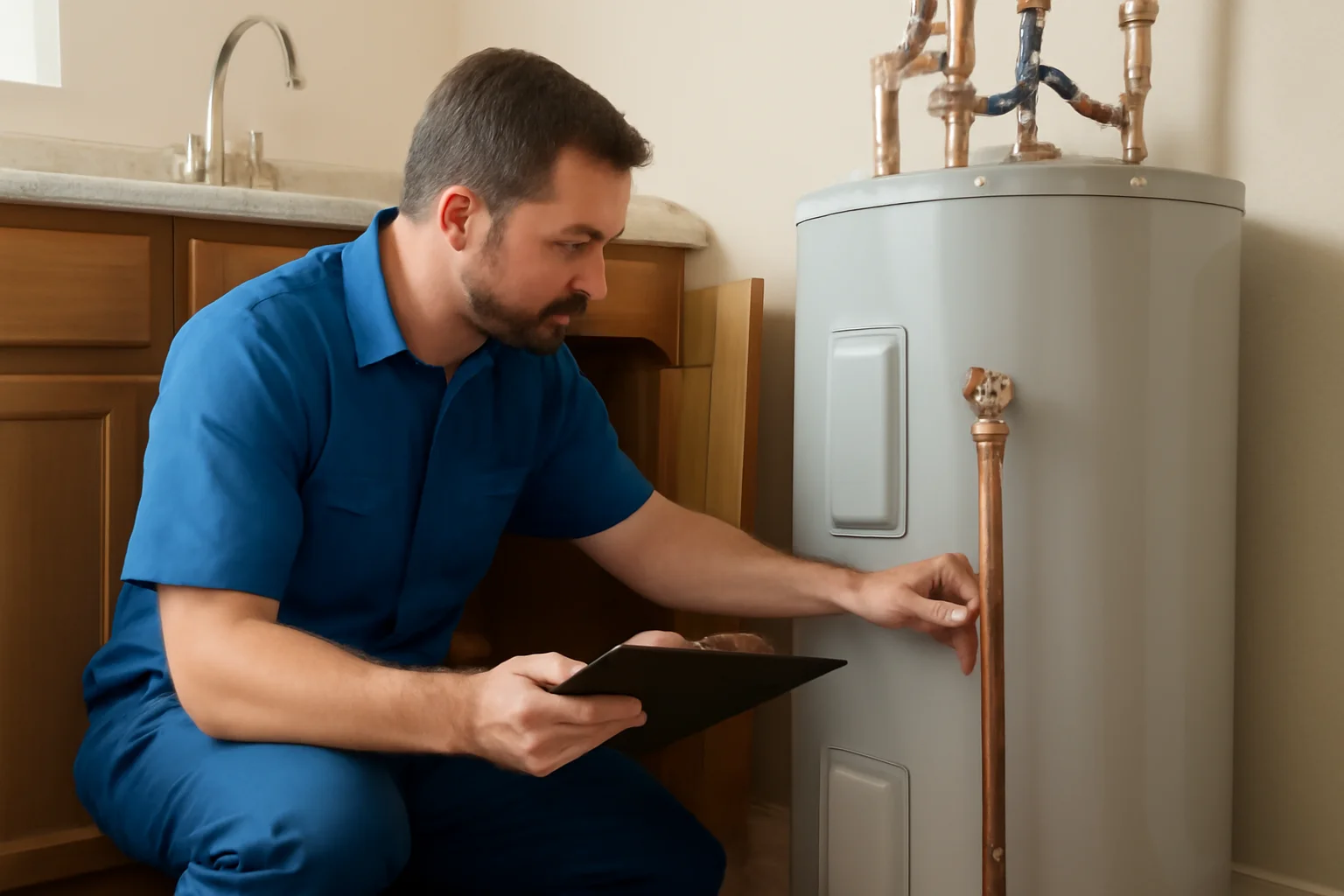
30A homes run on comfort, and hot water is part of that. When a water heater starts to struggle, it often shows up as weak flow, inconsistent temperatures, or longer wait times for hot water. Those issues can become bigger plumbing repairs if sediment builds up, valves stick, or leaks go unnoticed. With Walton County’s mix of older plumbing in coastal neighborhoods and heavy water use from beach schedules, a little maintenance goes a long way.
A Superior Mechanical provides water heater maintenance in 30A, FL for tank and tankless systems. This guide focuses on practical steps local homeowners can take to prevent problems, protect water pressure, and avoid emergency plumbing concerns.
Why water heater maintenance matters in 30A homes
Hot water performance depends on more than the heater itself. It also depends on how well your pipes, drains, and fixtures move water through the system. Over time, water heaters can collect sediment, mineral scale, and debris. In hard water areas, minerals can coat internal parts and reduce heat transfer, which can cause slower recovery and uneven temperatures.
30A schedules can add stress too. Many homeowners and vacation rental owners in Walton County go through bursts of showers, laundry, and dishwashing, then the home sits for stretches. That pattern can increase the chance of scale buildup and corrosion, especially if the system is not maintained between high-demand periods.
When a heater underperforms, you may notice symptoms that look like plumbing repair issues. For example, it can cause:
- Lower water pressure at showers or sinks
- Hot water running out faster during peak use
- Water that turns lukewarm before it reaches the right temperature
- Strange noises coming from the tank
- Moisture around valves, fittings, or the base of the unit
These are often early clues that your water heater needs attention before the problem spreads to nearby pipes, fixtures, or even drains.
Start with the basics: check pressure, temperature, and visible leaks
Before you flush or adjust anything, do a quick inspection. This is also a good way to catch issues that could lead to water damage, including slab leak concerns in homes with older plumbing layouts.
Look for moisture and staining
Check the area around:
- The tank or housing for tankless units
- Shutoff valves and supply lines
- The drain valve and fittings
- Any nearby floor drains or pan if your heater has one
If you see rust-colored staining, damp drywall, or a persistent wet smell, treat it as a potential leak repair need. Even a small drip can worsen quickly when the system heats and expands.
Confirm thermostat settings and temperature consistency
Many homeowners set the thermostat higher to get hot water faster. That can increase mineral scale and wear on internal parts. It can also raise the risk of scalding at fixtures. A more balanced setting helps maintain steady hot water while reducing strain on the heater.
Pay attention to water pressure changes
If you notice hot water pressure dropping, the cause is not always the heater. Sediment can restrict flow paths inside the tank, and scale can interfere with valves and heat exchangers in tankless units. Also, if you have recently dealt with a clogged drain repair, sewer drain cleaning, or shower drain clog repair, nearby plumbing may be under stress. In some cases, pressure fluctuations can reveal a hidden issue in pipes.
Tank water heaters: sediment control is the difference between “works” and “fails”
Most tank-style water heaters accumulate sediment over time. This sediment settles at the bottom of the tank and can reduce efficiency, shorten lifespan, and contribute to rumbling noises. In Walton County, where many homes experience seasonal water use swings, sediment can build faster if the system sits unused for long periods.
Listen for warning noises
Rumbling, popping, or banging sounds are common when sediment heats and moves. Those noises often mean the heater is working harder than it should. If you hear them, you are already past the point where “waiting it out” is a good plan.
Flush the tank on a schedule
Flushing removes sediment from the bottom of the tank. Homeowners can do this themselves if they are comfortable with basic plumbing and follow the manufacturer instructions. If you are unsure, a professional water heater service is the safer option, especially for older units or homes with tight access.
General flushing steps often include:
- Turn off power or gas supply to the heater
- Close the cold water inlet
- Attach a hose to the drain valve and direct it to a safe drain location
- Open the drain valve and allow the tank to empty
- Close the valve, reopen the inlet, and refill before restoring power or gas
Because local plumbing setups vary, follow the unit manual. If the drain valve won’t open, that can be a sign of corrosion and it may need professional attention to avoid damaging the valve or fittings.
Watch for draining issues that can point to bigger plumbing problems
If the drain valve is stuck or the heater does not drain cleanly, homeowners sometimes assume the problem is only with the water heater. But it can also reflect issues with connected pipes, shutoffs, or nearby drains. If your home has recurring drain cleaning needs, it is worth addressing the heater maintenance at the same time. That can reduce the chance of water backing up or creating moisture around the unit.
Tankless water heaters: scale buildup and flow restrictions reduce hot water performance
Tankless systems are designed to heat water on demand, so they depend heavily on consistent flow. When scale builds up inside the heat exchanger, the system can struggle to heat water quickly. In many 30A households, that shows up as hot water that takes longer to arrive, temperature swings, or flow that feels weaker at showers and sinks.
Use the right filters and keep them clean
Tankless units often include inlet filters. Those filters can trap debris before it reaches internal components. If you have hard water, minerals can also accumulate around these parts. Regular inspection helps protect performance and can reduce the need for water heater replacement near me due to preventable failures.
Flush the system and check for proper operation
Tankless flushing is not always a homeowner-friendly task. It may require specific tools, descaling solutions, and careful handling so you do not damage internal parts. A local plumber or water heater technician can flush the system and verify that flow and temperature controls are working properly.
If you are seeing performance issues, it is also worth considering whether other plumbing problems are adding strain. For example, a partially clogged shower drain or kitchen sink drain can change how water moves through your home, and fixtures that are out of alignment can cause symptoms that seem like “heater problems.” For help diagnosing plumbing flow issues, homeowners often search for a plumber near me when they cannot tell whether the cause is the water heater, the pipes, or a fixture.
Prevent leaks that turn into water damage
Leaks are one of the most common reasons water heater problems become urgent plumbing concerns. In coastal Florida, moisture can affect nearby materials faster, and hidden leaks can spread into subfloors or walls. Even if you think you have a small drip, it can worsen when the heater cycles.
Check common leak points
- Drain valve threads and discharge connections
- Temperature and pressure relief valve (T&P valve)
- Supply line fittings and unions
- Condensation management for tankless units
Know what a T&P valve discharge means
If the T&P valve discharges water, it can indicate pressure or temperature problems. That is not something to ignore. It can also lead to recurring moisture that homeowners later interpret as a “mysterious leak.” If you see discharge, contact a licensed plumber for evaluation. This is especially important in homes where water pressure has been trending higher or where you have noticed inconsistent hot water temperatures.
Maintenance habits that support better water flow throughout your plumbing
Water heater upkeep is important, but it works best when you also protect the rest of the hot water path. That includes drains, pipes, and fixtures that share the same supply lines.
Keep fixtures clean to protect flow
A clogged aerator can mimic heater problems by reducing flow at a faucet. If a shower head is partially blocked, it can make hot water feel weak even if the heater is fine. For faucet repair or diagnosing flow issues, many homeowners search for faucet repair near me when the real problem is a restriction or buildup.
Before assuming your water heater is failing, inspect and clean aerators and shower heads. If you see persistent debris, it can be a sign that sediment is traveling through your plumbing. That points back to water heater maintenance and possibly pipe flushing.
Address drain clogs early so they do not stress your system
Clogs do not always stay isolated. When drains are blocked, water can back up and create pressure changes that affect nearby plumbing. If you have recurring issues, like kitchen sink drain repair near me searches after repeated slow draining, it is a good time to review your overall plumbing maintenance.
Also pay attention to:
- Slow hot water draining from tubs or sinks
- Gurgling sounds in drains
- Water backing up in multiple fixtures
For recurring problems, professional drain cleaning and sewer line help may be needed. If you suspect a sewer backup repair near me situation, do not wait. Standing water and repeated backups can damage floors and require more extensive repairs.
Watch for signs of pipe restrictions that reduce pressure
Over time, pipes can develop scale buildup, especially in older neighborhoods. If hot water pressure is lower than cold water pressure, the restriction may be closer to the heater or in hot-side piping. If you suspect a broader issue, ask about pipe repair options, including targeted repairs versus replacement. In some cases, homeowners need pipe replacement when corrosion or repeated leaks compromise flow.
Hard water and local water conditions: what to do about it
Many 30A homes deal with hard water. Mineral content can increase scale buildup in both tank and tankless heaters. Hard water can also contribute to clogged pipes over time and reduce the lifespan of fixtures.
Consider water softening and filtration
If you notice scale on shower doors, faucets, or in appliances, you may benefit from water softening. For homeowners trying to reduce mineral buildup, explore water softening options. If you want to improve overall water quality without relying only on softening, water filtration services may help protect your plumbing and improve water feel.
These upgrades can reduce the frequency of maintenance and help keep hot water flow more consistent during high-demand periods.
Vacation rentals and busy households: maintenance that fits real schedules
On 30A, many homes are occupied seasonally. That means the water heater sits between guest stays and then runs hard during peak weeks. For vacation rental owners, consistent maintenance is part of protecting revenue and avoiding emergency plumbing concerns.
Practical steps include:
- Inspect for leaks after high-use weeks
- Flush tank heaters at a planned interval, not when a guest reports lukewarm showers
- Check and clean filters on tankless systems
- Verify that hot water recovery is steady before the busiest season
If you manage a rental property and need help coordinating plumbing upkeep across multiple units, you can also explore commercial plumbing services. The same attention to flow, leaks, and drain performance applies whether you manage a single home or a multi-unit setup.
When DIY is not enough: signs you should call a licensed plumber
Some water heater maintenance tasks are safe for homeowners, but others should be handled by a licensed plumber near you, especially if there is any chance of damage to valves, pipes, or the gas or electrical system powering the unit.
Call for professional water heater service if you notice:
- Water pooling around the heater or recurring moisture on nearby floors
- Rusty water at hot taps
- Frequent temperature swings or hot water that will not maintain heat
- Rumbling that does not improve after flushing attempts
- Signs of a stuck T&P valve or repeated discharge
- Hot water pressure dropping while cold pressure remains normal
Homeowners who are searching for same day plumber near me typically have a time-sensitive issue. If you have a leak, no hot water, or water backing up into a drain, it can become an urgent plumbing repair that affects daily routines. In those cases, getting help quickly can prevent water damage and reduce repair costs.
Also, if you are dealing with related plumbing problems such as slab leak repair near me symptoms, make sure your water heater is not the overlooked source of moisture. A professional can help determine whether the leak is coming from the heater, a nearby pipe connection, or something deeper in the plumbing system.
How to choose the right maintenance approach for your system
Every home is different, especially in Walton County where plumbing ages vary from newer builds to older coastal properties with established pipe routes. The best maintenance plan depends on your water heater type, water quality, and how your household uses hot water.
Tank vs. tankless: use maintenance that matches the technology
Tank heaters typically need periodic flushing to control sediment. Tankless systems often require descaling and filter checks to manage scale buildup. Choosing the right service approach helps protect water flow and efficiency.
Pair water heater maintenance with plumbing upkeep
If you have slow drains, recurring fixture issues, or past repairs, schedule maintenance so you address the whole system. This can reduce the chances that you fix the heater today and deal with a drain cleaning or pipe repair problem next week because sediment and mineral buildup are moving through your plumbing.
For example, if you suspect scale-driven restrictions, it can be helpful to review habits and upgrades. If you have an advanced filtration setup, you may also like Smart Plumbing Habits for Reverse Osmosis Systems in 30A Homes, which covers how to keep water treatment working without creating new plumbing stress.
If you are planning fixture updates, review What 30A Homeowners Should Know Before Replacing Plumbing Fixtures so your new faucets and shower components do not create unexpected flow issues. And if you have had water damage worries, Plumbing Installation That Helps 30A Homes Stay Ahead of Water Damage offers practical guidance for protecting your home.
For homeowners dealing with repeated clogs, Why Clogged Pipes in 30A Deserve Earlier Attention explains why early maintenance can prevent larger plumbing repairs and sewer line complications.
If you want more context on local service coverage, you can also visit our 30A service area and Walton County service area.
For reliable hot water and steady water flow, consistent water heater maintenance in 30A is one of the simplest ways to protect your plumbing, reduce unexpected breakdowns, and keep everyday routines running smoothly.
Find Water Heater Maintenance in 30A, FL
If you need Water Heater Maintenance in 30A, FL, visit our local service page or contact A Superior Mechanical today.
Map of 30A, FL
Frequently Asked Questions
How often should 30A homeowners flush a tank water heater?
Most homeowners flush a tank water heater at least once a year, and more often if you have hard water or notice rumbling. The right interval depends on your household water use and the heater’s condition. A Superior Mechanical can recommend a schedule for your specific unit and plumbing setup.
What are early signs my water heater needs maintenance?
Common early signs include inconsistent hot water temperature, longer wait times, rumbling or popping noises from a tank heater, reduced hot water flow at showers or sinks, or moisture around valves and fittings. If you notice these symptoms, maintenance can often prevent a bigger repair.
Can a clogged drain make hot water seem worse?
Yes. A clogged drain repair or partially blocked plumbing can change flow and create pressure fluctuations that affect how water moves through fixtures. If you are troubleshooting plumbing repair issues, it helps to check both the water heater and the drains serving your home.
Should I handle tankless flushing myself?
Tankless flushing can involve descaling steps and careful handling of internal components. Many homeowners can clean filters, but professional flushing is often the safest way to protect the heat exchanger and maintain proper hot water performance.
When is water heater service an emergency in Walton County?
Contact an emergency plumber promptly if you see active leaks, water pooling near the unit, repeated discharge from the T&P valve, or a complete loss of hot water during peak use. Quick action helps prevent water damage and reduces the chance of secondary plumbing issues.
Related Articles
Photo Gallery